Prevod
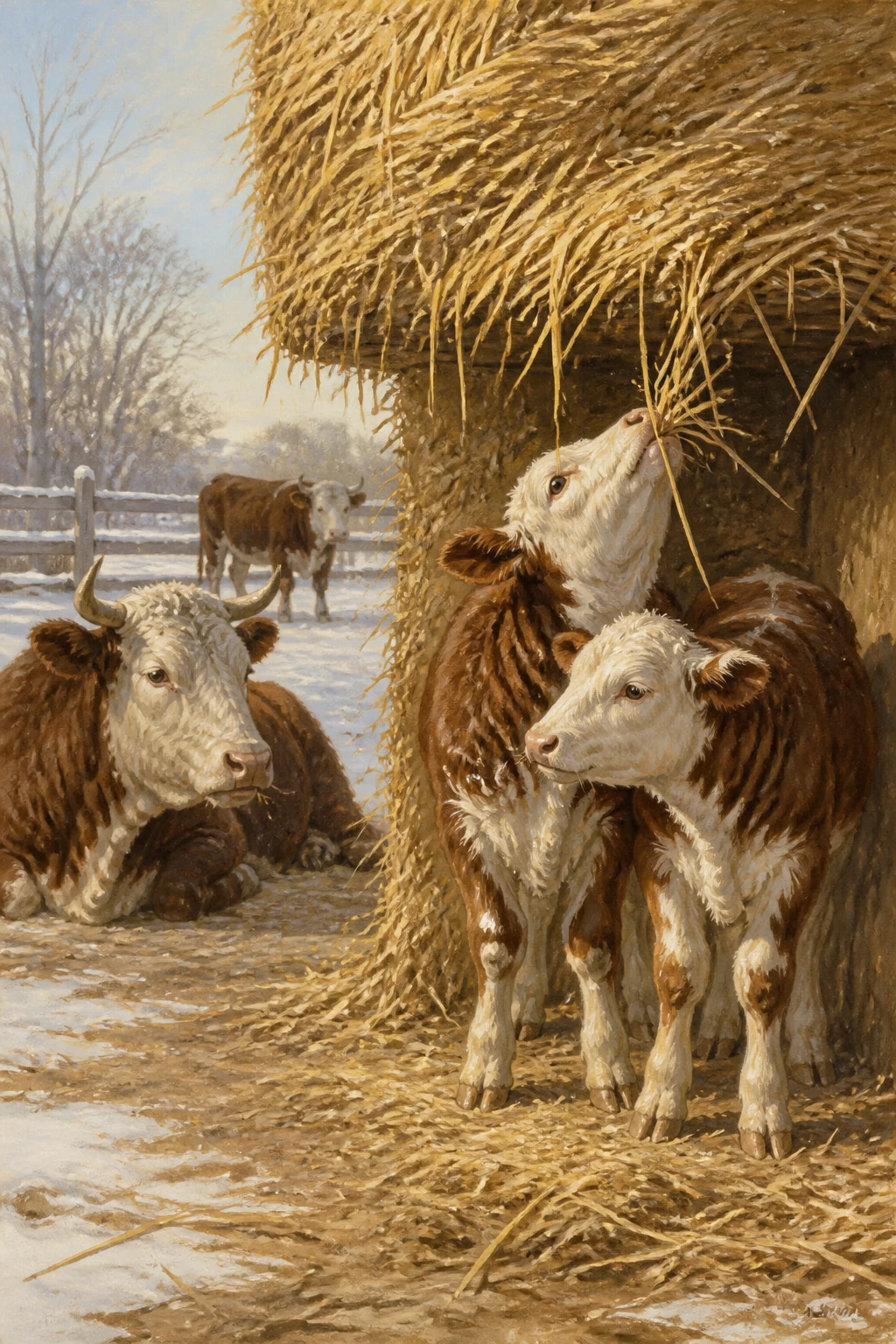
»Poslušaj!« je rekel Levi vol. »Ali ne slišiš, da prihajajo prijatelji?« Desni vol je dvignil glavo iz trave in si najprej vzel čas, da je odgnal muho, kajti nobenega od bratov ni bilo mogoče priganjati. »Nobenih korakov ne slišim,« je rekel.
»Perutim moraš prisluhniti, ne nogam,« je rekel Levi vol, »pa tudi glasovom.« Še ko je govoril, je iz jasnega zraka nad njima priplaval nežen »titi-liti-liti-li«, kakor da bi se neka ptica smejala od sreče. Na nebu ni bilo niti oblačka in travnik je prekrivalo na tisoče in tisoče zelenih travnih bilk, vsaka tako drobna in nežna, a vse skupaj so prebivalcem kmečkega dvorišča tkale prelepo preprogo pod nogami in jim po zimski hrani iz sena in zrnja ponujale sladko, sočno pašo. Resnično je bil dan, ko bi se človek na ves glas zasmejal od veselja. Jelševe mačice so plapolale in poplesavale v pomladnem vetriču, najmanjše in najbolj plašne vrbove mačice pa so lezle iz svojih drobnih rjavih hišic na vejah, da bi rasle na soncu.
»Titi-liti-liti-li! Titi-liti-liti-li!« Tokrat je bilo glasneje in razločneje kakor prej. »Lastovke!« sta vola vzkliknila drug drugemu. Nato sta iztegnila močna vratova in zatrobila konjema, ki sta na sosednji njivi vlekla plug: »Lastovke prihajajo!«
Brž ko sta konja prišla do konca brazde in sta si lahko za hip odpočila, sta stresla z glavama in veselo zarezgetala. Nato sta se ozrla h kmetu in si zaželela, da bi znal dovolj jezika kmečkega dvorišča, da bi razumel, kaj mu hočeta povedati. Vedela sta, da bi bil vesel novice o vrnitvi njunih prijateljic, saj sta ga nekoč videla pobrati mlado lastovko in jo odnesti na varnejše mesto.
»Titi-liti-liti-li!« Nebo nad njihovimi glavami je nenadoma potemnelo, zašumelo je od množice peruti, oglasilo se je žvrgolenje in smejanje nežnih glasov — in lastovke so bile tu. Posedle so po slemenu velikega skednja, počivale, kramljale in poslušale vse novice.
Tam so bili tudi golobi, ki so se sprehajali gor in dol po poševni strehi in si grulili o preprostih rečeh vsakdanjega življenja. Saj veste, golobi ostanejo doma vso zimo, zato je vrnitev njihovih sosed, lastovk, zanje velika sprememba. Trdno prijateljstvo jih veže, čeprav živijo tako različno. Še noben golob si ni želel postati lastovka, tudi če bi bilo to mogoče, pa vendar imajo okrogli, mirni, sivo-beli golobi neizmerno radi urne lastovke, in srečen je golobček, ki mu uspe lastovko pregovoriti, da mu pripoveduje zgodbe o širnem svetu.
»Kako lepo je biti doma, doma, doma!« je zapela neka lastovka. »Še nikoli se s krempeljčki nisem oprijela tako udobnega slemena, kot je tole.« »Grem pogledat svoje staro gnezdo,« je rekla mlada lastovica in nenadoma švignila pod napušč.
»Mislim, da grem še jaz,« je rekel mlad lastovičji samec in se pognal s svojega počivališča. Bil je čeden fantič z bleščečo temnomodro glavo in hrbtom, dolgim viličastim repom, ki je na spodnji strani kazal belo progo, z jopičem bogate rumenkasto rjave barve in temnomodrim ovratnikom, vse iz najlepšega perja. Ljubil je mlado lastovico, za katero je poletel, in hotel ji je to povedati.
»Tam je gnezdo, v katerem sem se izvalila,« je rekla. »Bi si mislil, da sem se nekoč gnetla v njem s petimi brati in sestrami? Pa prav udobno gnezdo je bilo, preden so ga načeli zimski vetrovi in sneg. Le kako bi bilo spet biti goliček?« Stisnila se je v staro gnezdo, tako da je čez rob videl le njen viličasti rep in ljubko glavico. Njen jopič je bil povsem skrit in edino svetlo perje, ki ga je bilo videti, je bilo rdečkasto rumeno perje na grlu in obrazu; ni bilo tako živo obarvano kot njegovo, a zanj je bila vseeno prelepa. Ljubil je vsako peresce na njenem telesu.
»Nočem, da bi bila spet goliček,« je vzkliknil. »Hočem, da mi pomagaš urediti dom pod napuščem, ljubko gnezdece iz blata in slame, v katerem boš lahko počivala, kakor počivaš zdaj, jaz pa ti bom nosil hrano. Ali boš?«
»Bom!« je vzkliknila. »Titi-liti-liti-li! O, titi-liti-liti-li!« In poletela je visoko v modro nebo, on pa za njo, žvrgoleč in prepevajoč.
»Kam pa gresta ta dva mlada?« je rekel starejši lastovičji samec. »Človek bi si mislil, da sta za danes že dovolj letela, ne da bi še za zabavo krožila naokrog.«
»Se ne spominjaš dni, ko si bil mlad?« je rekla lastovka ob njem. »Ko sem bil mlad?« je odgovoril. »Draga moja, saj sem še zdaj mlad. Spomladi bom vedno mlad. Star ne bom nikoli, razen kadar bom menjal perje.«
Prav tedaj je po strehi pridrobencljala golobja družina in pri vsakem koraku pozibavala z glavami. »Tako veseli smo, da vas spet vidimo,« je rekel oče. »Dolgo, mrzlo zimo smo imeli in pogosto smo mislili na vas.«
»Zelo mrzlo zimo,« je zagrulila njegova okrogla ženička. »Povej mi zgodbo,« je rekel mlad golob, njun sin. »Tiho, tiho,« je rekel oče golob. »To je najin sin,« je dodal, »to pa njegova sestra. Zdi se nama, da sta prav čeden par. Iz najine zadnje zalege sta, veste.«
»Povej nama zgodbo,« je spet rekel mladi golob. »Tiho, ljubček. Lastovke ne smeš nadlegovati,« je rekla njegova mati. »Tako rada imata zgodbe,« je zagrulila, »in slišala sta, da je vaš rod veliko po svetu.«
»Ampak jaz hočem, da nama pove zgodbo,« je rekel mladi golob. »Saj bi jo lahko.« Lastovičjemu samcu je bilo ob tem zelo neprijetno, saj je videl, da sta otroka slabo vzgojena, in prav takrat se mu ni ljubilo pripovedovati zgodb.
»Morda bi rada slišala kaj o našem potovanju na jug,« je rekel. »Lansko jesen, ko so se med zelenimi javorjevimi listi začeli kazati rdeči in rumeni, nas je zamikalo, da bi odleteli. Vreme je bilo še precej toplo in gozdne ptice so bile še tu, toda kadar nas zamika poleteti na jug, se vselej začnemo pripravljati.«
»Mene nikoli ne zamika poleteti na jug,« je rekel mladi golob. »Ne vem, zakaj bi vas.« »Zato, ker sem jaz lastovka, ti pa domač golob. Pogovarjali smo se o tem in nekega dne smo bili pripravljeni na odhod. Vsi smo imeli novo perje in počutili smo se močne in zdrave. Odpravili smo se skupaj, toda mlade ptice in njihove matere niso mogle dohajati drugih, zato smo odleteli naprej.«
»Naprej pred kom?« je rekel mladi golob, ki si je urejal perje, namesto da bi poslušal. »Pred materami in njihovimi mladiči. Leteli smo nad kmetijami, kjer so živeli golobi, kakršen si ti; nad rekami, kjer so se ob bregovih hranile divje race; in nad mesti, kjer so množice dečkov in deklic hodile v velike stavbe, vrh teh stavb pa so veliki zvonovi peli: ›Bim bam, bim bam, bim bam.‹«
»Meni se pa to ne zdi prav lepa pesem,« je rekel mladi golob. »Tiho,« je rekla njegova mati, »lastovke ne smeš prekinjati.« »Nazadnje smo prileteli do velikega jezera,« je nadaljeval lastovičji samec. »Tako veliko je bilo, da kmalu potem, ko smo poleteli čezenj, ni bilo nikjer več videti kopnega in oči nam niso mogle povedati, v katero smer naj letimo. Kar nadaljevali smo, kakor morajo ptice v takih krajih, in leteli, kamor nam je veleval občutek, ne da bi se ustavljali in spraševali, zakaj, ali se čudili, ali smo na pravi poti. Seveda se lastovke nikoli ne ustavljamo, da bi jedle, saj si hrano lovimo kar med letom, včasih pa smo se vendarle ustavili, da bi si odpočili. Takoj ko smo preleteli veliko jezero, smo sedli. Takrat se je zgodilo nekaj zelo nenavadnega in prav to je zgodba, ki sem jo hotel povedati.«
»O!« sta rekla mladi golob in njegova sestra. »Kako razburljivo! Ampak počakaj čisto malo, da pokukava čez rob strehe in pogledava, kaj počne kmet.« In še preden je kdo utegnil kaj reči, sta že oddrobencljala gledat.
Ptice, ki so bile tam, pravijo, da je bil lastovičji samec videti pošteno nejevoljen, in gotovo mu tega nihče ne bi mogel zameriti. »Morate jima oprostiti,« je zagrulila njuna mati. »Pravzaprav sta komaj kaj več kot golička in nikakor se ne morem pripraviti do tega, da bi bila stroga z njima. Prepričana sem, da nista hotela biti nevljudna.«
»Seveda, seveda,« je rekel lastovičji samec. »Jaz bom oprostil njima, vi pa morate oprostiti meni. Preden sonce zaide, bi rad obiskal še nekaj starih prijateljev. Lep popoldan!« In švignil je stran.
Mlada goloba sta pridrobencljala nazaj in med hojo pozibavala z glavama. »O, kje pa je lastovka?« sta vzkliknila. »Zakaj je odšel? Pa ravno sredi najzanimivejšega dela zgodbe! Ne razumeva, zakaj so vsi tako neprijazni. Do naju niso nikoli tako prijazni kakor do drugih mladih golobov.«
»Tiho,« je rekla njuna mati. »Tako ne smeta govoriti. Odletita po kaj za pod zob, za preostanek zgodbe pa se ne menita.« Ko sta odšla, je rekla možu: »Le ali sta prizadela lastovko? Ampak saj sta še tako mlada, komaj kaj več kot golička.«
Pozabila je, da morajo biti že golički obzirni do drugih in da iz nobenega goloba nikoli nič ne bo, če ne začne prav ravnati že kot goliček.
Izvirnik
"Listen!" said the Nigh Ox, "don't you hear some friends coming?"
The Off Ox raised his head from the grass and stopped to brush away a Fly, for you never could hurry either of the brothers. "I don't hear any footfalls," said he.
"You should listen for wings, not feet," said the Nigh Ox, "and for voices, too."
Even as he spoke there floated down from the clear air overhead a soft "tittle-ittle-ittle-ee," as though some bird were laughing for happiness. There was not a cloud in the sky, and the meadow was covered with thousands and thousands of green grass blades, each so small and tender, and yet together making a most beautiful carpet for the feet of the farmyard people, and offering them sweet and juicy food after their winter fare of hay and grain. Truly it was a day to make one laugh aloud for joy. The alder tassels fluttered and danced in the spring breeze, while the smallest and shyest of the willow pussies crept from their little brown houses on the branches to grow in the sunshine.
"Tittle-ittle-ittle-ee! Tittle-ittle-ittle-ee!" And this time it was louder and clearer than before.
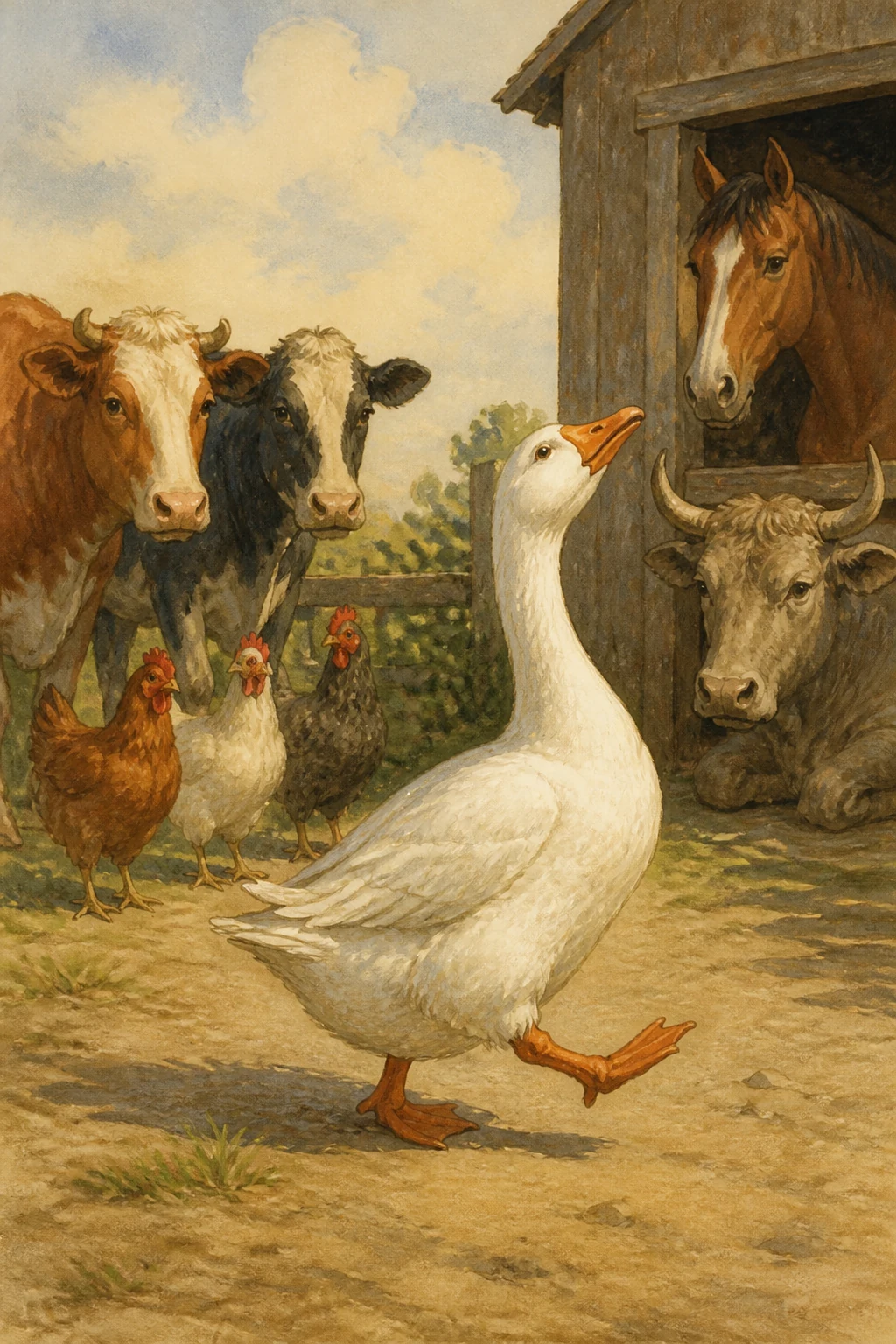
"The Swallows!" cried the Oxen to each other. Then they straightened their strong necks and bellowed to the Horses, who were drawing the plow in the field beyond, "The Swallows are coming!"
As soon as the Horses reached the end of the furrow and could rest a minute, they tossed their heads and whinnied with delight. Then they looked around at the farmer, and wished that he knew enough of the farmyard language to understand what they wanted to tell him. They knew he would be glad to hear of their friends' return, for had they not seen him pick up a young Swallow one day and put him in a safer place?
"Tittle-ittle-ittle-ee!" and there was a sudden darkening of the sky above their heads, a whirr of many wings, a chattering and laughing of soft voices, and the Swallows had come. Perched on the ridge-pole of the big barn, they rested and visited and heard all the news.
The Doves were there, walking up and down the sloping sides of the roof and cooing to each other about the simple things of every-day life. You know the Doves stay at home all winter, and so it makes a great change when their neighbors, the Swallows, return. They are firm friends in spite of their very different ways of living. There was never a Dove who would be a Swallow if he could, yet the plump, quiet, gray and white Doves dearly love the dashing Swallows, and happy is the Squab who can get a Swallow to tell him stories of the great world.
"Isn't it good to be home, home, home!" sang one Swallow. "I never set my claws on another ridge-pole as comfortable as this."
"I'm going to look at my old nest," said a young Swallow, as she suddenly flew down to the eaves.
"I think I'll go, too," said another young Swallow, springing away from his perch. He was a handsome fellow, with a glistening dark blue head and back, a long forked tail which showed a white stripe on the under side, a rich buff vest, and a deep blue collar, all of the finest feathers. He loved the young Swallow whom he was following, and he wanted to tell her so.
"There is the nest where I was hatched," she said. "Would you think I was ever crowded in there with five brothers and sisters? It was a comfortable nest, too, before the winter winds and snow wore it away. I wonder how it would seem to be a fledgling again?" She snuggled down in the old nest until he could see only her forked tail and her dainty head over the edge. Her vest was quite hidden, and the only light feathers that showed were the reddish-buff ones on throat and face; these were not so bright as his, but still she was beautiful to him. He loved every feather on her body.
"I don't want you to be a fledgling again," he cried. "I want you to help me make a home under the eaves, a lovely little nest of mud and straw, where you can rest as you are now doing, while I bring food to you. Will you?"
"Yes," she cried. "Tittle-ittle-ittle-ee! Oh, tittle-ittle-ittle-ee!" And she flew far up into the blue sky, while he followed her, twittering and singing.
"Where are those young people going?" said an older Swallow. "I should think they had flown far enough for to-day without circling around for the fun of it."
"Don't you remember the days when you were young?" said the Swallow next to him.
"When I was young?" he answered. "My dear, I am young now. I shall always be young in the springtime. I shall never be old except when I am moulting."
Just then a family of Doves came pattering over the roof, swaying their heads at every step. "We are so glad to see you back," said the father. "We had a long, cold winter, and we thought often of you."
"A very cold winter," cooed his plump little wife.
"Tell me a story," said a young Dove, their son.
"Hush, hush," said the Father Dove. "This is our son," he added, "and this is his sister. We think them quite a pair. Our last brood, you know."
"Tell us a story," said the young Dove again.
"Hush, dear. You mustn't tease the Swallow," said his mother. "They are so fond of stories," she cooed, "and they have heard that your family are great travellers."
"But I want him to tell us a story," said the young Dove. "I think he might."
This made the Swallow feel very uncomfortable, for he could see that the children had been badly brought up, and he did not want to tell a story just then.
"Perhaps you would like to hear about our journey south," said he. "Last fall, when the maples began to show red and yellow leaves among the green, we felt like flying away. It was quite warm weather, and the forest birds were still here, but when we feel like flying south we always begin to get ready."
"I never feel like flying south," said the young Dove. "I don't see why you should."
"That is because I am a Swallow and you are a farmyard Dove. We talked about it to each other, and one day we were ready to start. We all had on our new feathers and felt strong and well. We started out together, but the young birds and their mothers could not keep up with the rest, so we went on ahead."
"Ahead of whom?" said the young Dove, who had been preening his feathers when he should have been listening.
"Ahead of the mothers and their fledglings. We flew over farms where there were Doves like you; over rivers where the Wild Ducks were feeding by the shore; and over towns where crowds of boys and girls were going into large buildings, while on top of these buildings were large bells singing, 'Ding dong, ding dong, ding dong.'"
"I don't think that was a very pretty song," said the young Dove.
"Hush," said his mother, "you mustn't interrupt the Swallow."
"And at last we came to a great lake," said the Swallow. "It was so great that when we had flown over it for a little while we could not see land at all, and our eyes would not tell us which way to go. We just went on as birds must in such places, flying as we felt we ought, and not stopping to ask why or to wonder if we were right. Of course we Swallows never stop to eat, for we catch our food as we fly, but we did sometimes stop to rest. Just after we had crossed this great lake we alighted. It was then that a very queer thing happened, and this is really the story that I started to tell."
"Oh!" said the young Dove and his sister. "How very exciting. But wait just a minute while we peep over the edge of the roof and see what the farmer is doing." And before anybody could say a word they had pattered away to look.
The birds who were there say that the Swallow seemed quite disgusted, and surely nobody could blame him if he did.
"You must excuse them," cooed their mother. "They are really hardly more than Squabs yet, and I can't bear to speak severely to them. I'm sure they didn't mean to be rude."
"Certainly, certainly," said the Swallow. "I will excuse them and you must excuse me. I wish to see a few of my old friends before the sun goes down. Good afternoon!" And he darted away.
The young Doves came pattering back, swaying their heads as they walked. "Why, where is the Swallow?" they cried. "What made him go away? Right at the best part of the story, too. We don't see why folks are so disagreeable. People never are as nice to us as they are to the other young Doves."
"Hush," said their mother. "You mustn't talk in that way. Fly off for something to eat, and never mind about the rest of the story."
When they were gone, she said to her husband, "I wonder if they did hurt the Swallow's feelings? But then, they are so young, hardly more than Squabs."
She forgot that even Squabs should be thoughtful of others, and that no Dove ever amounts to anything unless he begins in the right way as a Squab.