Prevod
Leta 1773 je nekaj pietističnih menihov še živelo v svojem skromnem samostanu, katerega razvaline so vidne na bregovih Wissahickona. Med temi mistiki je bil najuglednejši starec, ki bi bil lahko užival bogastvo in ugled, kakršna mu je zagotavljal plemiški naslov, če bi se bil odločil ostati v Nemčiji; vendar se je odpovedal nečimrnostim in prišel v novi svet, da bi molil, vzgajal svoje otroke in živel preprosto življenje. Nekateri so pravili, da je alkimist, mnogi pa so ga imeli za preroka. Redki popotniki ob slikoviti reki so videli luč v oknu njegove celice ter slišali slovesne glasove petja in molitve. Neke zimske noči, ko je okrog poslopja ležal nedotaknjen sneg in je oster veter šumel med drevjem kakor harfe, je starec s sinom in hčerjo sedel v veliki sobi samostana in čakal. Prerokba je namreč oznanjala, da se bo tisto noč ob tretji uri zjutraj prikazal Osvoboditelj. V sanjah se je zaslišal glas, ki je rekel: »V novi svet bom poslal osvoboditelja, ki bo moje ljudstvo rešil suženjstva, kakor ga je moj Sin rešil duhovne smrti.« Noč je minevala v molitvi in premišljevanju, ure pa so s težkimi udarci odmevale čez zamrznjeno divjino. Ko je odbilo tri, so se v snegu zaslišali koraki in vrata so se odprla. Mož, ki je vstopil, je bil visoke postave, mirnega, odločnega obraza in krepkega telesa, njegovo vedenje pa je bilo dostojanstveno in uglajeno.
»Prijatelji, zašel sem,« je rekel. »Mi lahko pokažete pot?« Starec je planil pokonci v nekakšnem zamaknjenju. »Niste zašli,« je vzkliknil, »temveč ste našli svojo pot. Poklicani ste k velikemu poslanstvu. Pokleknite pred ta oltar in ga sprejmite.«
Tujec ga je presenečeno pogledal in čez obraz mu je šinil dvom. »Ne, nisem nor,« mu je z rahlim nasmehom zagotovil samotar. »Poslušajte: nocoj ste, zaskrbljeni za prihodnost svoje dežele in nezmožni zaspati, zajahali konja in odjezdili v noč, da bi premišljevali o vprašanju, ki vam ne gre iz glave: Ali sme podanik potegniti meč proti svojemu kralju? Konj je taval, ne da bi vedeli ali vam bilo mar, kam, dokler vas ni pripeljal sem.«
»Kako to veste?« je osupel vprašal tujec. »Ne čudite se, temveč pokleknite, da vas mazilim za osvoboditelja te dežele.« Ganjen in prevzet je mož prvič v življenju pokleknil pred drugim človekom. Menih je pomočil prst v olje, ga položil tujcu na čelo in rekel: »Ali obljubite, da boste, ko odbije prava ura, prijeli za meč v obrambo svoje dežele? Ali obljubite, da se boste, ko boste gledali svoje vojake trpeti brez kruha in ognja in ko se bo ljudstvo, ki ste ga popeljali do zmage, klanjalo pred vami, spominjali, da ste le Božji služabnik pri osvobajanju naroda?«
Z novo lučjo v očeh je tujec sklonil glavo. »Tedaj vas v Njegovem imenu posvečujem za osvoboditelja tega zatiranega ljudstva. Ko pride čas, pojdite zmagi naproti, kajti če boste zvesti, bodite prepričani, da vam jo bo Bog naklonil. Ne nosite druge krone kakor blagoslov in čast svobodnega ljudstva — razen te.« Ko je končal, je njegova hči, sedemnajstletno dekle, stopila naprej in klečečemu možu položila lovorov venec na čelo. »Vstanite,« je nadaljeval prerok, »in sprejmite mojo roko, ki je doslej nisem ponudil še nobenemu človeku, ter mojo obljubo, da bom zvest vam in tej deželi, četudi bi me to stalo življenja.«
Ko je vstal, je duhovnikov sin stopil k njemu in mu pripasal meč, starec pa je dvignil roke v slovesen blagoslov. Tujec je položil roko na knjigo, ki je ležala odprta na oltarju, in poljubil ročaj svojega meča. »Ostal bom zvest,« je rekel. Ob zori je spet odšel na pot in nihče ni poznal njegovega imena; ko pa so bojni ognji razsvetlili zahodni svet, je Amerika v njem videla svojega osvoboditelja izpod tiranije. Leta pozneje se je prav na ta kraj vrnil sam, da bi molil, in tu mu je sir William Howe v imenu svojega kralja ponudil naslov regenta Amerike. Vzel je pergament in ga poteptal v zemljo pod nogami, da je od njega ostala le cunja. Kajti ta mož je bil Washington.
Izvirnik
In 1773 some of the Pietist monks were still living in their rude monastery whose ruins are visible on the banks of the Wissahickon. Chief among these mystics was an old man who might have enjoyed the wealth and distinction warranted by a title had he chosen to remain in Germany, but he had forsworn vanities, and had come to the new world to pray, to rear his children, and to live a simple life. Some said he was an alchemist, and many believed him to be a prophet. The infrequent wanderer beside the romantic river had seen lights burning in the window of his cell and had heard the solemn sound of song and prayer. On a winter night, when snow lay untrodden about the building and a sharp air stirred in the trees with a sound like harps, the old man sat in a large room of the place, with his son and daughter, waiting. For a prophecy had run that on that night, at the third hour of morning, the Deliverer would present himself. In a dream was heard a voice, saying, “I will send a deliverer to the new world who shall save my people from bondage, as my Son saved them from spiritual death.” The night wore on in prayer and meditation, and the hours tolled heavily across the frozen wilderness, but, at the stroke of three, steps were heard in the snow and the door swung open. The man who entered was of great stature, with a calm, strong face, a powerful frame, and a manner of dignity and grace.
“Friends, I have lost my way,” said he. “Can you direct me?”
The old man started up in a kind of rapture. “You have not lost your way,” he cried, “but found it. You are called to a great mission. Kneel at this altar and receive it.”
The stranger looked at the man in surprise and a doubt passed over his face. “Nay, I am not mad,” urged the recluse, with a slight smile. “Listen: to-night, disturbed for the future of your country, and unable to sleep, you mounted horse and rode into the night air to think on the question that cannot be kept out of your mind, Is it lawful for the subject to draw sword against his king? The horse wandered, you knew and cared not whither, until he brought you here.”
“How do you know this?” asked the stranger, in amazement.
“Be not surprised, but kneel while I anoint thee deliverer of this land.”
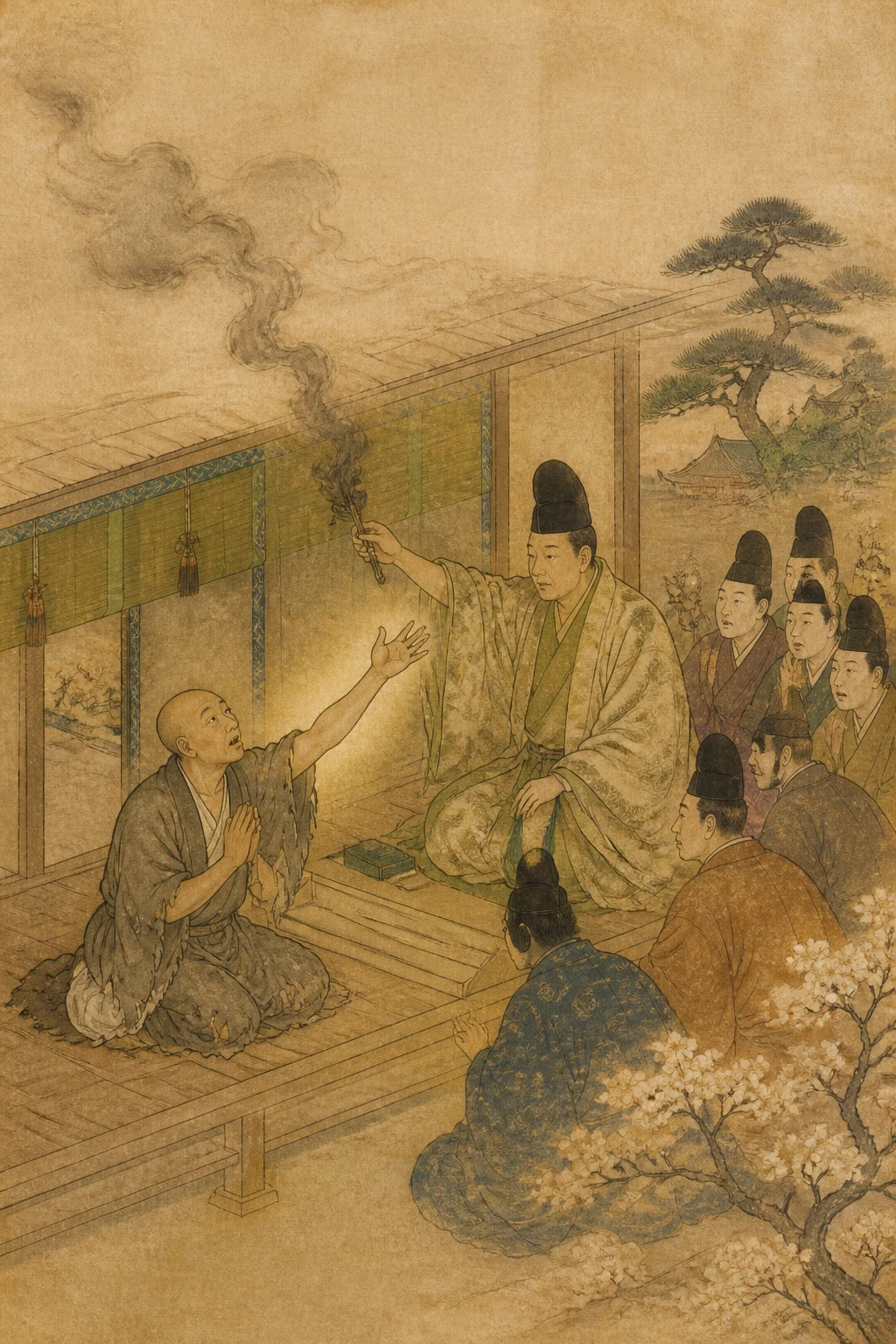
Moved and impressed, the man bowed his knee before one of his fellows for the first time in his life. The monk touched his finger with oil, and laying it on the brow of the stranger said, “Do you promise, when the hour shall strike, to take the sword in defence of your country? Do you promise, when you shall see your soldiers suffer for bread and fire, and when the people you have led to victory shall bow before you, to remember that you are but the minister of God in the work of a nation's freedom?”
With a new light burning in his eyes, the stranger bent his head.
“Then, in His name, I consecrate thee deliverer of this oppressed people. When the time comes, go forth to victory, for, as you are faithful, be sure that God will grant it. Wear no crown, but the blessings and honor of a free people, save this.” As he finished, his daughter, a girl of seventeen, came forward and put a wreath of laurel on the brow of the kneeling man. “Rise,” continued the prophet, “and take my hand, which I have never before offered to any man, and accept my promise to be faithful to you and to this country, even if it cost my life.”
As he arose, the son of the priest stepped to him and girt a sword upon his hip, and the old man held up his hands in solemn benediction. The stranger laid his hand on the book that stood open on the altar and kissed the hilt of his sword. “I will keep the faith,” said he. At dawn he went his way again, and no one knew his name, but when the fires of battle lighted the western world America looked to him for its deliverance from tyranny. Years later it was this spot that he revisited, alone, to pray, and here Sir William Howe offered to him, in the name of his king, the title of regent of America. He took the parchment and ground it into a rag in the earth at his feet. For this was Washington.