Prevod
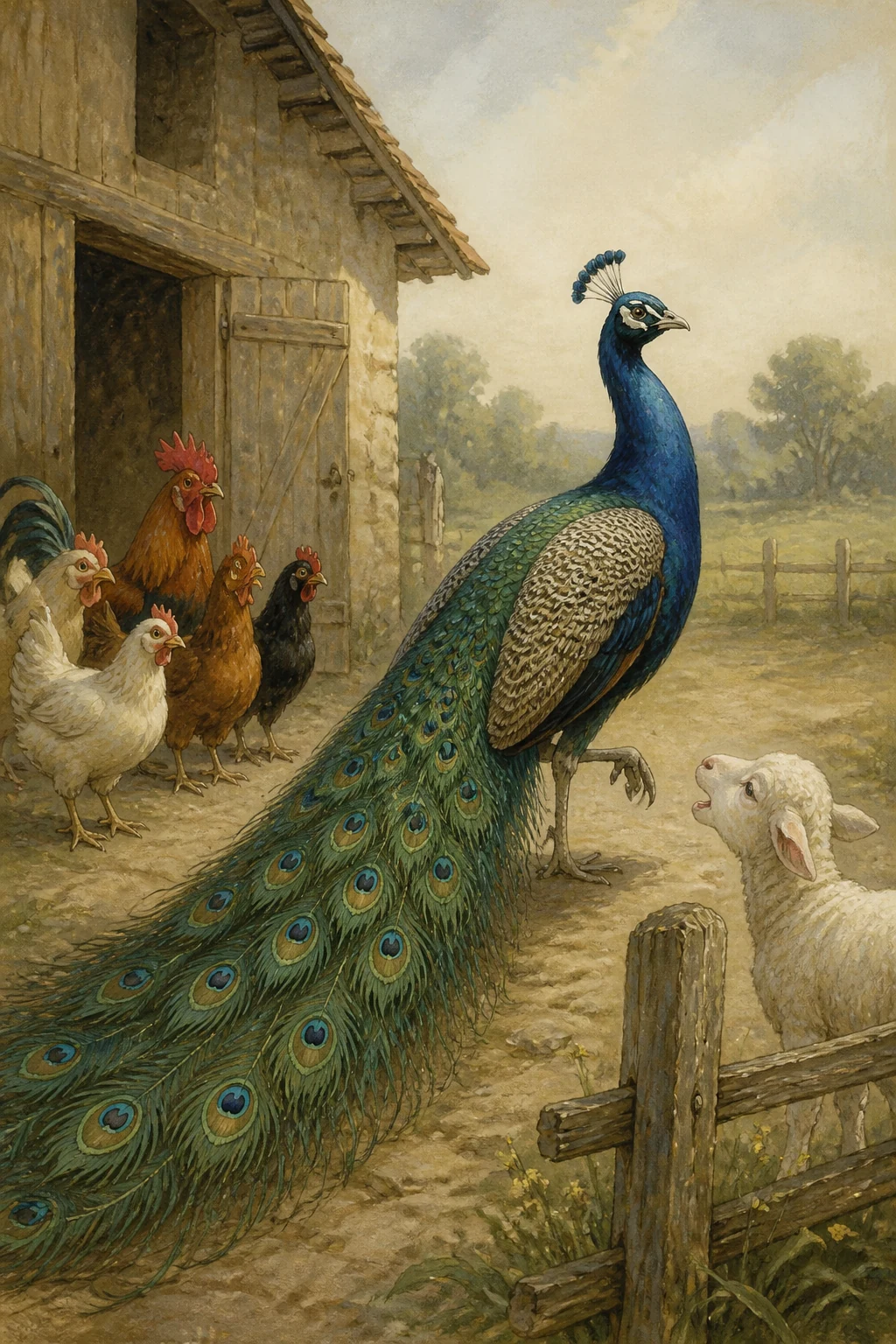
Na kmetiji je bil en sam Puran in tako je bil vajen, da je bilo vedno vse po njegovem, da se nikoli ni skušal sprijazniti, kadar ni dosegel svojega, včasih pa je postal neznansko siten. Bil je večji od Petelinov, Kokoši, Gosi in Rac, zato so mu, kadar so mu bile v napoto in jim je zadirčno zagolčal: »Umaknite se,« zamrmrale: »O, seveda,« in jo popihale, kolikor hitro so jih nesle noge. Pav je bil resda večji od Purana, toda dokler je lahko sedel na ograji na soncu in je kdo občudoval njegovo vlečko, mu je bilo za Purana prav malo mar, zato si nista hodila v napoto.
Na kmetiji je živelo tudi sedem Pur, plašnih in dobrodušnih gospa, ki so se rade sprehajale. Nihče jih še ni slišal ugovarjati Puranu, kadar jih je ošteval, čeprav je bil včasih zelo nerazumen. To je bilo od njih vljudno, toda Puran je zato še manj pazil, kako je govoril z njimi. Črna španska kokoš je rekla, da jo kar zbode v podbradkih, ko ga posluša, kako jim očita napake. Ona tega že ne bi prenašala — nikakor ne!
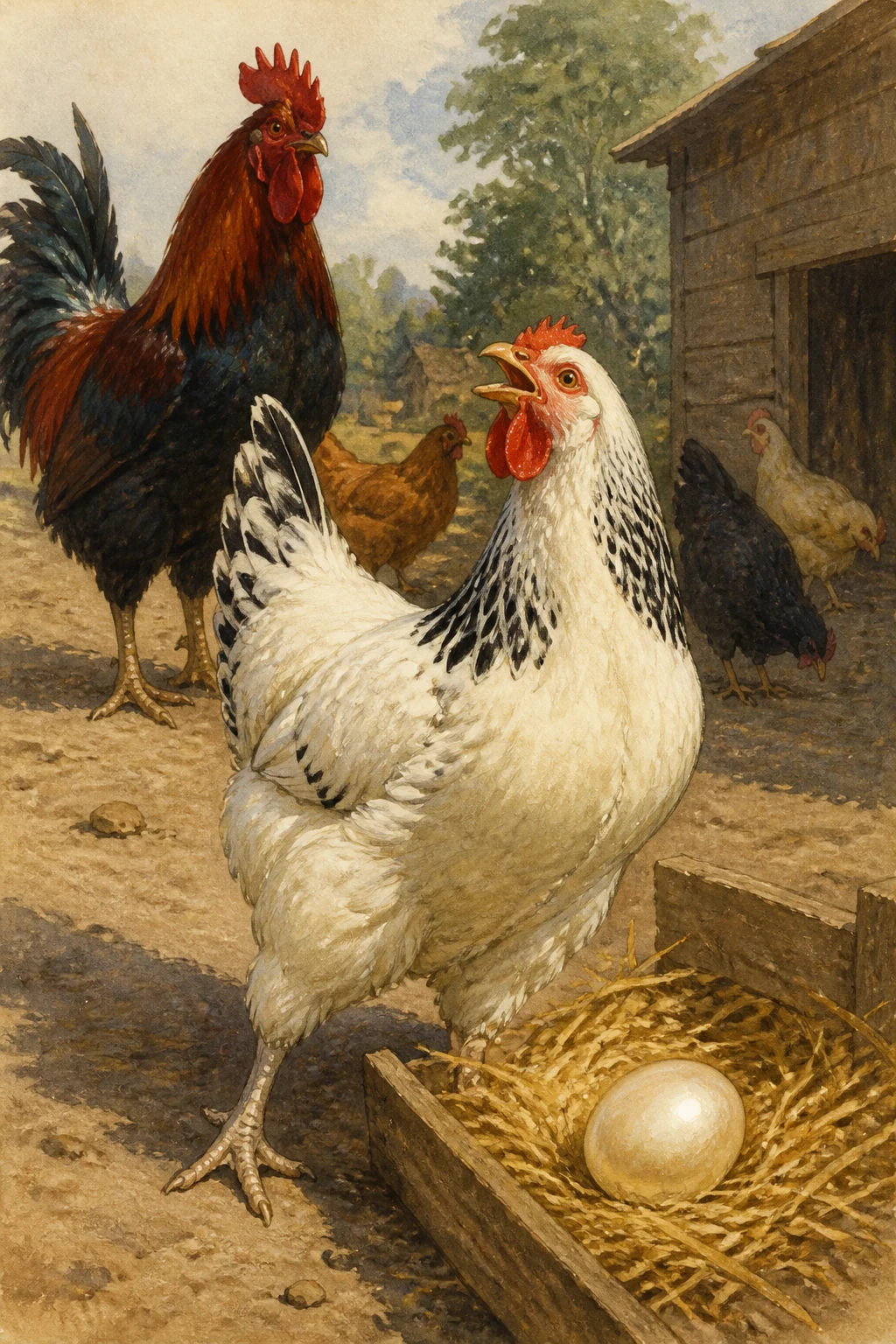
Ko jo je Črni španski petelin slišal to reči, je stresel perje, se prav nenavadno nasmehnil in dejal: »O, dobro vem, da tega ne bi prenašala.« Druge ptice so se spogledale in Šanghajski petelin je s svojimi okroglimi očesci pomežiknil Dorkinški kokoši. Ta si je morala ravno tedaj namastiti pero na spodnji strani peruti, zato je seveda nihče ni videl, da bi se zasmejala — če se sploh je.
Črna španska petelin in kokoš sta bila dobrosrčna, poštena in lepo vzgojena, nista pa prenesla, da bi kdo z njima govoril zadirčno, razen če je bil veliko večji od njiju. Govorilo se je, da je Petelin nekoč — samo enkrat — toda nemara bo najbolje, da ne povemo, kaj so druge ptice slišale o njunem družinskem prepiru. Navsezadnje novica ni prišla prav naravnost do njih: Prašiči so povedali Gosem, Gosi Racam, Race so stvar mimogrede omenile Pavu, Pav pa je o njej spregovoril z Dorkinško kokošjo.
Zdaj je bila že pozna jesen in vsi Purani so spet hodili skupaj na sprehode. Človek bi si mislil, da bo Puran, ki je bil vse poletje in del pomladi ločen od drugih, ob vrnitvi zelo vljuden, toda ne; vzkipljiv je bil bolj kot kdaj prej. Mladih Puranov ni maral in njihovo nenehno čebljanje mu je šlo na živce. »Ali res ne morete kako utišati teh otrok?« je govoril in zganjal tak hrup, da so Pure poklicale mladiče na stran in jih nekaj časa skušale zabavati.
Pure so nadvse ljubeče matere in zgodaj spomladi se je najprej ena, nato druga skrivaj izmuznila, da bi nesla jajca in jih izvalila. Če je Pura v tem letnem času hotela znesti jajce, je opazovala Purana in zapustila jato, ko ji je obrnil hrbet. Ko se je približala gnezdu, se je ustavila in ozrla naokrog, da bi se prepričala, da ne vidi, kje je. Vedela je, da Puran ne mara, da vzreja mladiče, in da bi razbil prav vsa jajca, če bi našel gnezdo. Ko je znesla jajce, se je brezskrbno odpravila nazaj, kakor da bi šla samo pit k napajalnemu koritu.
Nekoč so se Pure o tem pogovarjale, ko jih Puran ni mogel slišati. »Ne zdi se mi prav, da mu ne povemo,« je rekla najmlajša. »No, draga moja,« je rekla druga, »drugače ne gre, če hočemo obvarovati jajca in vzrediti otroke. Purani se vedno tako vedejo.«
»Ste prepričane?« je vprašala mlada Pura. »Prepričane!« se je glasil odgovor. »Tebe danes ne bi bilo tukaj, če ne bi tvoja mati ravnala tako kot me.« Najmlajša Pura si je zato premislila in skrila jajca kakor druge. Kljub bolečim nogam in vsem drugim tegobam valjenja si Pure spomladi namreč vedno želijo vzrediti zarod. Ko je katera znesla toliko jajc, kolikor jih je hotela izvaliti, je sedla nanje in nič več ni hodila na sprehode z jato. Druga za drugo so Pure storile tako, dokler ni Puran ostal čisto sam. To mu niti malo ni bilo všeč in bolj kot kdaj prej si je želel najti jajca in jih razbiti. Ko so se Purančki izvalili, so jih matere držale stran od Purana, kajti, saj veste, majhnih otrok ni maral in bolje je bilo, da se niso srečali.
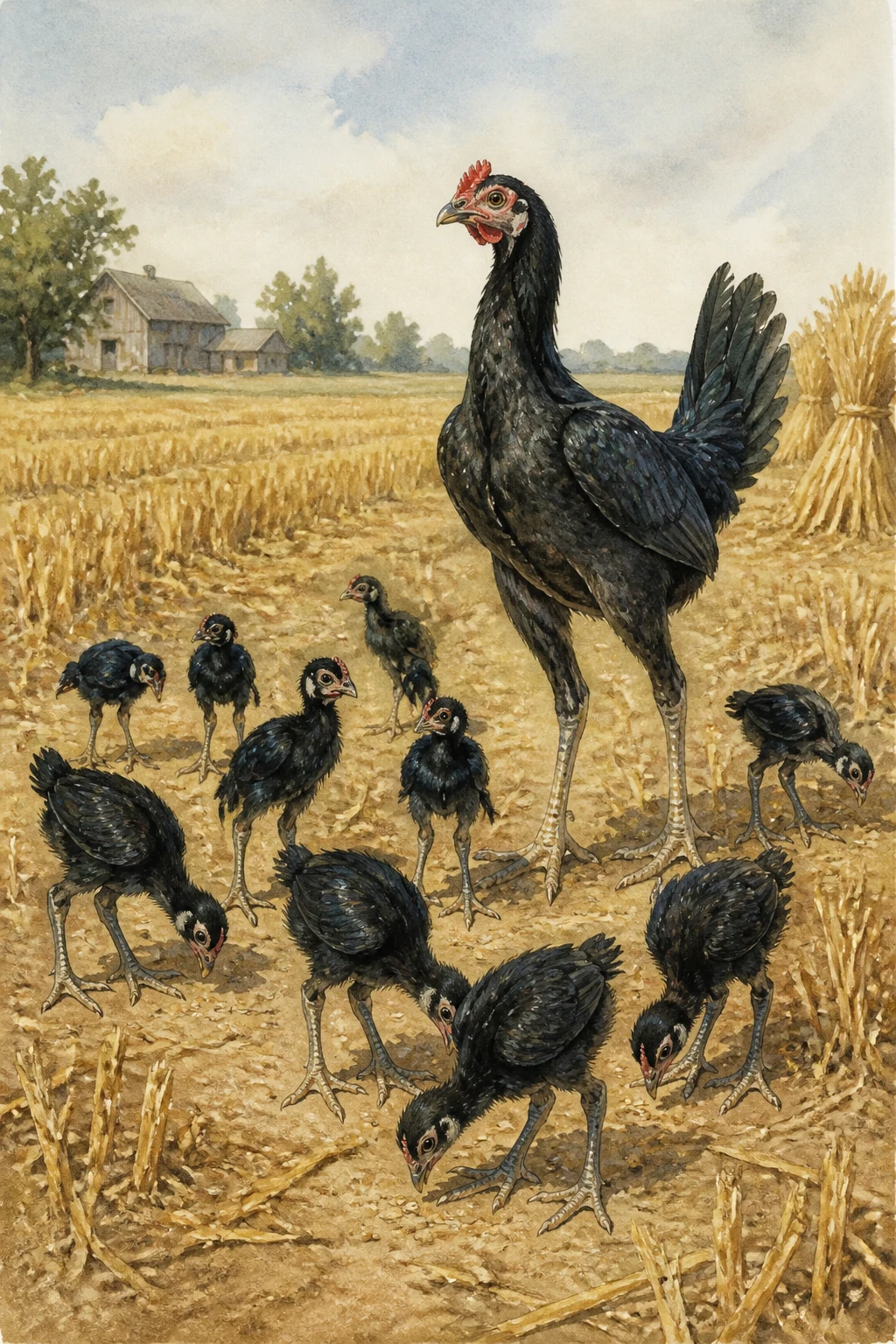
Puram se je zelo smilil in pogosto so si želele, da bi lahko skupaj z njimi opazoval, kako rastejo njihovi piskajoči ljubljenčki, kako drobna peresca prodirajo skozi puh ter se širijo in daljšajo, dokler ni več videti puha — samo še perje. Res škoda; vendar je bilo tako v vseh puranjih družinah in Purani si niso mogli pomagati, da ne bi marali otrok, prav kakor si Pure niso mogle pomagati, da si spomladi ne bi želele valiti.
Čez leto dni bo imel Puran mlade Purane že srčno rad. Še zdaj jih ni več skušal udariti, kakor bi jih morda še pred kratkim. Bali so se ga, vendar so si vsi bratci globoko v srcu želeli, da bi bili, ko odrastejo, prav taki kot on in bi se šopirili naokrog s povešenimi perutmi, razprostrtimi repi, nazaj usločenimi vratovi in nasršenim perjem. Kadar bi se jim kdo približal, so si mislili, bi pihali, golčali in kričali: »Umakni se mi s poti!« Tu in tam so to poskusili, da bi videli, kako bi bilo, toda še vedno so bili vitki in njihovi glasovi še niso bili dovolj globoki. Sestrice so se jim ob tem smejale, kar jim je bilo zelo neprijetno. Dolgi, mehki rdeči izrastki, ki so jim rasli med očmi, so postajali vse bolj rdeči in se zibali sem ter tja pod kratkimi, debelimi kljuni.
»Le počakaj,« je rekel mladenič drugemu. »Le počakaj do prihodnje pomladi, ko bom zares odrasel in se bom šopiril pred tvojo sestro. Takrat se mi po mojem ne bo smejala.« In potolažil se je tako, da je pojedel kar dvakrat toliko zrnja, kolikor bi ga smel.
Na dvorišče je prišla kmetova hčerka in vse ptice so nehale jesti, da bi si jo ogledale. Bila je še tako majhna, da ni nikoli prej prišla tja sama. Oče jo je prinašal v naročju in veselo se je smejala ter ploskala z ročicami, ko so mimo nje hodili prebivalci dvorišča. Zdaj pa se je izmuznila iz hiše in stala na soncu ter se vsem smehljala. Prišla je brez čepice in veter ji je mehke zlate kodre razpihoval okoli rožnatega obraza. Plapolal je tudi z njeno rdečo oblekico in ko jo je Puran zagledal, se je strašno razjezil.
»Rdeča, rdeča, rdeča!« je zavpil. »Zakaj neki se je oblekla v rdeče? Sovražim jo!« S svojo najbolj neprijetno hojo je zakoračil proti njej in po tem, kako je s togimi konicami peruti drsal po tleh, se je videlo, da je zelo jezen. »Poberi se od tod!« je kričal. »To je moj dom in deklice ne smejo nositi rdečih oblek, kadar pridejo k meni na obisk. Pffff! Poberi se!«
Ko se ji je veliki Puran pihaje približal, se je deklica obrnila, da bi zbežala. Od strahu se je spotaknila in padla, on pa je pohitel naprej, da bi jo udaril. Črni španski petelin je začel šopiriti vratno perje in iztegovati glavo. Ni nameraval dopustiti, da bi tako ravnali z njihovo obiskovalko. Stekel je Puranu med noge in oba sta se prekopicnila. Deklica se je pobrala in pohitela v hišo.
Če je bil Puran jezen že prej, je bil po padcu še veliko bolj. »Kaj si dovolite, gospod,« je rekel, »da mi nastavljate nogo?« »Kaj pa si vi dovolite,« je rekel Črni španski petelin, »da me podirate na tla?«
»Pffff! Bili ste mi pod nogami.« »Kikirikiii! Vi pa meni nad glavo.« Že tako dolgo si nihče ni upal ugovarjati Puranu, da ni vedel, kaj naj si misli. Ko pa je Šanghajski petelin prikorakal pomagat prijatelju, je Puran od besa kar prskal. »Ah, Puran,« je rekel Šanghajski petelin, »le kam je šla deklica? Lepo od nje, da nas je obiskala, in želim si, da bi ostala dlje.«
»Rekel sem ji, naj se pobere,« se je glasil odgovor. »Rdečo obleko je imela. Podil sem jo. Vedno sem podil vsakogar, ki je nosil rdeče, in vedno ga bom. Tak pač sem.«
»Ali si pač tak tudi zato, ker si siten, kadar se ti zahoče?« »Seveda. Saj ne bi bil siten, če se mi ne bi zahotelo,« je odgovoril Puran.
»Nekateri med nami nismo sitni niti takrat, ko se nam zahoče,« je rekel Dorkinški petelin. »Vedno sem bolj zadovoljen, če mi uspe obrzdati jezo.« »Pffff!« je rekel Puran. »Jaz nisem tak. Naravnost povem, kar mislim, potem pa sem spet dobre volje in na vse skupaj pozabim.«
»Hm!« je rekla Bantamska kokoš. »Le ali drugi tudi tako hitro pozabijo? Bolj bi mu koristilo, če bi si zapomnil in mu bilo žal. Potrebuje lekcijo.« Nato je stopila k njemu, videti pogumna, da je bilo kaj, čeprav jo je bilo v resnici precej strah. »Prej tega še nisem opazila,« je zakokodakala, »ampak šop ščetinastega perja na tvojih prsih je strašansko razmršen. In kako grde noge imaš! Če bi že imela plavalno kožico med prsti, bi si želela lepo veliko, kakršno imajo Race in Gosi, ne pa takih piškavih kožic, ki segajo komaj do polovice, kakršne imaš ti. Upam, da mi ne zameriš, ker sem to omenila. Vedno povem, kar mislim. Takšna pač sem in pozneje se tega nikoli ne spominjam.« Graciozno je zaprhutala, nenavadno zakokodakala in že je ni bilo več, še preden si je Puran opomogel od presenečenja.
Perutnina ima rada šale in zdaj je bil na vrsti Dorkinški petelin. »Že od nekdaj me zanima, kako tako razpreš rep. Zdaj je ravno prava priložnost, da si ogledam.« Stopil je k Puranu ter kljuval in vlekel, dokler niso tri peresa obležala na tleh. »Ah,« je rekel Dorkinški petelin, »vidim, da sem ti izpulil nekaj repnih peres. Upam, da ne zameriš. Tak pač sem: kadar me kaj zanima, skušam čim prej priti stvari do dna.«
Tako je ena ptica za drugo dražila in nadlegovala Purana, potem pa pojasnila, da je »pač taka«. Nato so se mu zasmejale in stekle stran.
Lepo bi bilo, če bi lahko rekli, da Puran ni nikoli več izgubil živcev, toda izgubil jih je še velikokrat, saj bi se moral učiti obvladovanja že kot Puranček. Lahko pa po resnici povemo, da svoje sitnosti ni nikoli več opravičeval z besedami, da je »pač tak«. Že najmlajši Raček na perutninskem dvorišču je od nekdaj vedel, da to sploh ni izgovor in da bi se morali tisti, ki imajo neprijetne navade, s katerimi grenijo življenje drugim, teh pošteno sramovati.
Izvirnik
There was only one Gobbler on the farm, and he was so used to having his own way that he never tried to make the best of it when he couldn't, and sometimes he became exceedingly cross. He was bigger than the Cocks, the Hens, the Geese, and the Ducks, so when they were in his way and he gobbled a gruff "Move along," they murmured "Oh, certainly," and scampered away as fast as their legs would carry them. The Peacock was larger than the Turkey Gobbler, it is true, but as long as he could sit on a fence in the sunshine and have somebody admiring his train, he did not care anything about the Gobbler, and they did not get in each other's way.
There were seven Hen Turkeys, timid, sweet-tempered people, who were fond of walking. They had never been known to answer back when the Gobbler scolded them, although at times he was very unreasonable. This was polite of them, but it made the Gobbler more careless than ever of the way in which he spoke. The Black Spanish Hen said it made her wattles tingle to hear him find fault with them. She wouldn't have stood it--no, indeed!
When the Black Spanish Cock heard her say so, he shook his feathers and smiled a queer little smile, and said, "I certainly know that she would not." The other fowls looked at each other, and the Shanghai Cock winked his round little eyes at the Dorking Hen, and she had to oil a feather on the under side of her wing just then, so, of course, nobody saw her laugh--if she did laugh.
The Black Spanish fowls were kind-hearted and honest, and had fine manners, but they would not stand it to be spoken to hastily by any one who was not very much bigger than they, and it was said that the Cock had once--only once--but then, perhaps it would be just as well not to tell what the other fowls had heard about their family quarrel, for, after all, it did not come very straight, the Pigs having told the Geese, and the Geese telling the Ducks, and the Ducks just mentioning it to the Peacock, and the Peacock having spoken of it to the Dorking Hen.
It was now late in the fall, and all the Turkeys went walking together again. One would think that, after being separated from the rest all summer and part of the spring, the Gobbler would have been very polite when he joined them, but no; he was more quick-tempered than ever. He was not fond of young Turkeys, and their constant chattering annoyed him. "Can't you find some way to keep those children quiet?" he would say, and made such a fuss that the Hen Turkeys called them aside and tried to amuse them for a while.
Hen Turkeys are most loving mothers, and in the early spring first one and then another had stolen away to lay and hatch her eggs. If a Hen Turkey wanted a chance to lay an egg at this season, she watched the Gobbler and left the flock when his back was turned. As she came near her nest, she would stop and look around to make sure he did not see where it was. She knew that the Gobbler did not like to have her raise young Turkeys, and that if he could find the nest, he would break every egg in it. After she had laid her egg, she would wander back in a careless way, quite as though she had only been to the watering-trough for a drink.
Once the Hen Turkeys had talked about this when the Gobbler could not hear. "It doesn't seem right not to tell him," the youngest had said.
"Well, my dear," said another, "it is the only way we can do, if we want to save our eggs and raise our children. Gobblers always act in that way."
"Are you sure?" said the young Hen Turkey.
"Sure!" was the answer. "You wouldn't be here to-day if your mother hadn't done as we do."
So the youngest Hen Turkey had changed her mind and hidden her eggs like the rest, for, in spite of aching legs and all that is hard in hatching eggs, Hen Turkeys always want to raise broods in the springtime. When one of them had laid as many eggs as she wanted to hatch, she began sitting on them, and would not walk with the flock at all. One by one the Hen Turkeys had done this until the Gobbler was left quite alone. He did not like it at all, and wanted more than ever to find and break the eggs. When the Turkey Chicks were hatched, their mothers kept them out of the Gobbler's way, because, you know, he did not like small children and it was better that they should not meet.
The Hen Turkeys were very sorry for him, and often wished that he might watch with them the growth of their piping darlings, to see the tiny feathers push their way through the down and broaden and lengthen until there was no down to be seen--only feathers. It was too bad; yet that was the way in all Turkey families, and the Gobblers couldn't help disliking the children any more than the Hen Turkeys could help wanting to sit in the springtime.
By another year the Gobbler would love the young Turkeys dearly. Even now he did not try to strike them, as he might have done a while before. They were afraid of him, yet down in their hearts the brothers all thought that when they were grown up they wanted to be just like him and strut around with their wings trailing, their tails spread, their necks drawn back, and their feathers ruffled. Then, they thought, when other people came near them, they would puff and gobble and cry, "Get out of my way!" They tried it once in a while to see how it would seem, but they were still slender and their voices were not yet deep enough. The sisters laughed at them when they did this, and that made them feel very uncomfortable. The long, limp red wattles that grew out between their eyes became redder and redder as they swung to and fro under their short, thick bills.
"Just wait," said one young fellow to another. "Just you wait until I am really grown up and strut before your sister next spring. I don't think she will laugh at me then." And he comforted himself by eating fully twice as much grain as he should have done.
The farmer's little girl came into the farmyard, and all the fowls stopped eating to look at her. She was so young that she had never before been out there alone. Her father had brought her in his arms, and she had laughed with delight and clapped her little hands when the farmyard people passed by her. Now she had slipped out of the house and stood in the sunshine smiling at every one. She came without a cap, and the wind blew her soft yellow curls around her rosy face. It fluttered her red dress, too, and the Gobbler saw it and became exceedingly angry.
"Red-red-red!" he cried. "Why in the world did she wear red? I hate it!" He stalked toward her in his most disagreeable way, and you could tell by the stiff brushing of his wing-tips on the ground that he was very angry. "Get away from here!" he cried. "This is my home and little girls can't wear red dresses when they visit me. Pffff! Get away!"
The little girl turned to run as the big Gobbler came puffing toward her. In her fright she stumbled and fell, and he hurried forward to strike her. The Black Spanish Cock began to ruffle his neck feathers and stretch his head forward. He did not mean to have their visitor treated so. He ran between the Gobbler's feet and they tumbled over together. The little girl picked herself up and hurried into the house.
If the Gobbler was angry before, he was much more so after his fall. "What do you mean, sir," he said, "by tripping me?"
"And what do you mean," said the Black Spanish Cock, "by knocking me over?"
"Pffff! You were under my feet."
"Erruuuu! You were over my head."
Now nobody had dared to disagree with the Gobbler in so long that he did not know what to make of it, and when the Shanghai Cock strolled over to help his friend, the Gobbler was fairly sputtering with rage. "Ah, Gobbler," said the Shanghai, "wonder what has become of the little girl? It was nice of her to come out here, and I wish she had stayed longer."
"I told her to get away," was the answer. "She had on a red dress. I chased her. I always have chased anybody who wore red, and I always shall. It's my way."
"Is it your way, too, to be cross whenever you feel like it?"
"Of course. I wouldn't be cross when I didn't feel like it," answered the Gobbler.
"Some of us are not cross when we do feel like it," said the Dorking Cock. "I am always happier for keeping my temper when I can."
"Pffff!" said the Gobbler. "That is not my way. I say right out what I think, and then I am all right again and forget all about it."
"Humph!" said the Bantam Hen. "I wonder if the other people forget as soon? It would do him more good to remember it and feel sorry. He needs a lesson." Then she stalked up to him, looking as brave as you please, although she was really quite frightened. "I never noticed it before," she cackled, "but the tuft of hairy feathers on your breast is dreadfully ragged. And what very ugly looking feet you have! If I were going to have any webs between my toes I should want good big ones like those of the Ducks and Geese, not snippy little halfway webs like yours. I hope you don't mind my speaking of it. I always say what I think. It's just my way, and I never remember it afterward." She gave a graceful flutter and a queer little squawk, and was off before the Gobbler got over his surprise.
Fowls do enjoy a joke, and now the Dorking Cock took his turn. "I've always wanted to know how you spread your tail in that fashion. It's a good time to see." He walked up beside the Gobbler and pecked and pulled until three feathers lay on the ground. "Ah," said the Dorking Cock, "I see I loosened some of your tail feathers. I hope you don't mind. It is just my way, when I want to know about anything, to find out as soon as I can."
And so one fowl after another teased and troubled the Gobbler, and explained afterward that "it was just their way." Then they laughed at him and ran off.
It would be nice if one could say that the Gobbler never again lost his temper, but he did, a great many times, for he should have begun to master it when he was a Chick. But one can tell truly that he never again excused his crossness by saying that "it was only his way." The youngest Duckling in the poultry-yard had always known that this was no excuse at all, and that if people have disagreeable habits which make others unhappy, it is something of which they should be much ashamed.