Prevod
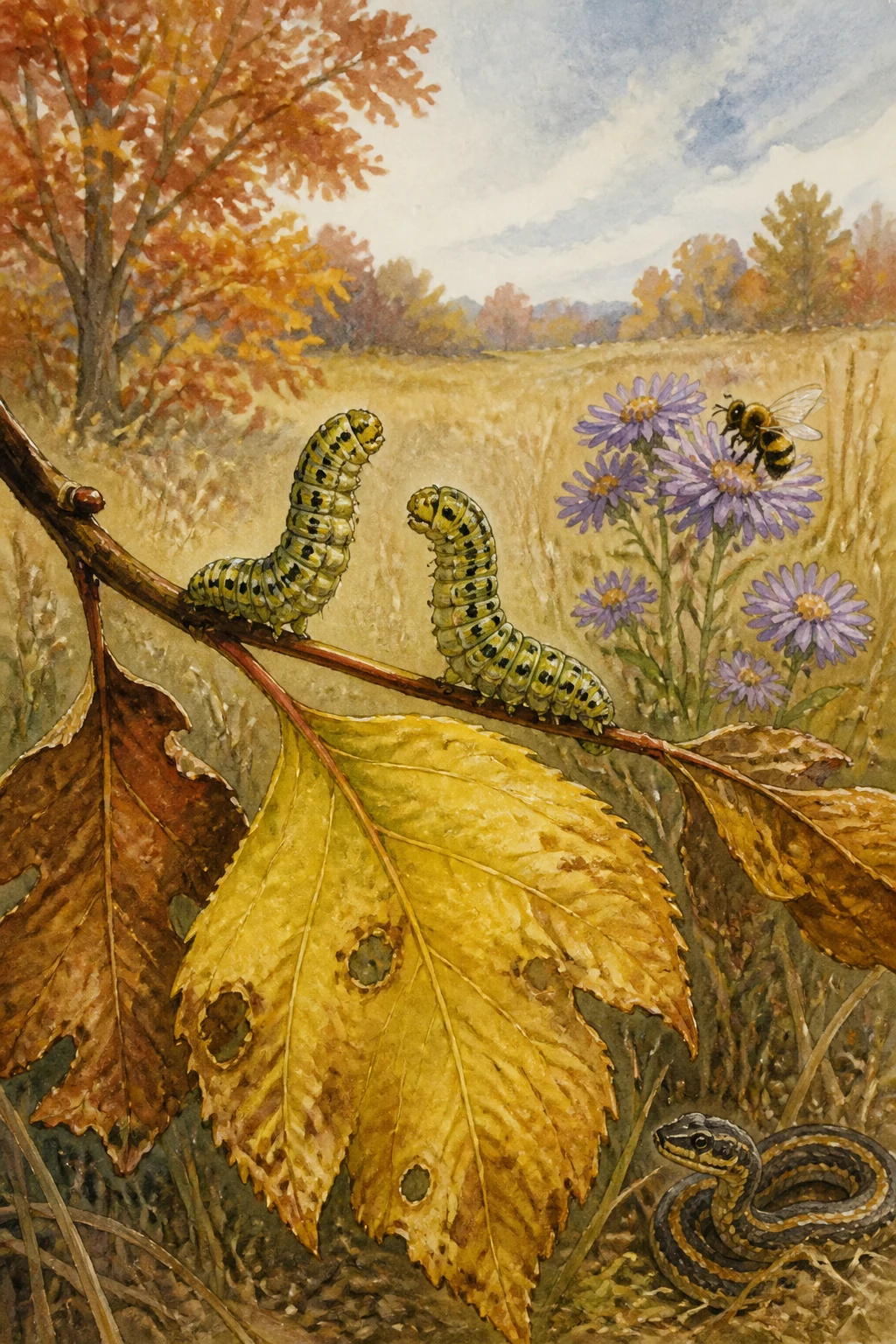
Neko noč je javor, prav tisti, pod katerim je sedel gospod Rdeči Veveriček, ko je prvič prišel v gozd, sanjal o svojem zimskem počitku. Ko se je zgodaj zjutraj prebudil, je opazil, da mu listje rumeni. Listi še niso bili vsi živih barv, toda na vsakem se je že zlatil rob, konica ali drobna lisa. Lahko ste prepričani, da so gozdni prebivalci to nemudoma opazili.
»Saj sem ti rekla,« je začivkala samička ameriškega drozga svojemu družniku. »Kobilarji so odšli že zdavnaj, riževi škrjančarji pa odpotujejo danes. Tudi midva morava začeti misliti na pot proti jugu.« Ob teh besedah je nemirno poskakovala z vejice na vejico, kot bi imela neznansko veliko opravkov.
Njen mož ni odgovoril, temveč si je začel urejati novo pernato suknjico. Morda je bil vajen njenega nenehnega vznemirjanja in se mu je zdelo najbolje molčati. Vedel je, da noben ameriški drozg ne bo odletel na jug, dokler se precej bolj ne ohladi, zato se mu o tem še ni zdelo potrebno govoriti. Morda pa je bil gospod Drozg tudi malce svojeglav in je bil toliko počasnejši in mirnejši prav zato, ker je bila njegova žena nemirna. V tem primeru bi ji težko zamerili, da se je o družinskih načrtih pogovarjala s sosedi.
Pozneje tega dne je iz močvirja priletel rižev škrjančar, da bi se poslovil. Oblečen je bil v rjavo progasto popotno obleko in nikoli ne bi uganili, da je to isti veseli ptič, ki je spomladi in zgodaj poleti nosil črno in rumenkasto perje ter tako prisrčno in ubrano prepeval. Zdaj sploh ni pel, temveč se je tiho smukal od grma do grma in spregovoril le, kadar je bilo treba. Bil je dober tovariš in vsem je bilo žal, da odhaja.
Med njihovim pogovorom je priletela gospa Kravjakovka. Zdaj, ko ni več nameravala lesti jajc, so bile druge ptice z njo prav prijazne. Začele so se pogovarjati o minulem poletju in o tem, kako lepo napredujejo mladi ptiči. »Mimogrede,« je rekla kar najbolj brezbrižno, »nekje tod bi morala imeti nekaj otrok. Mi zna kdo povedati, kje so?«
Gospa Liščkovka je pogledala svojega moža, on pa se je zazrl v nebo. Peničice in vireji, ki so vedeli za nenavadno jajce v liščkovem gnezdu, so že odleteli na prezimovanje, in ni se zdelo vredno zdaj razkrivati njihove skrivnosti ali se prepirati zaradi preteklosti. Nekatere druge ptice bi gospe Kravjakovki sicer lahko povedale marsikaj, a tudi te so molčale.
»To je pa res sramota,« je rekla. »Še nikoli v življenju nisem znesla toliko tako lepih jajc in zelo skrbno sem izbrala, kam jih bom dala. Ko bi le vedela, koliko jih je bilo, pa sem jih pozabila prešteti. Kar naprej sem oprezala, kdaj se bodo moji ptički pridružili naši jati; prepričana sem bila, da jih bom prepoznala, brž ko jih zagledam. Matere imamo, veste, tako pretanjen čut za svoje otroke.« (Kot da je imela kakšno pravico govoriti kaj takega!)
Tam sta bili tudi žalobni grlici s svojim mladim sinom in hčerko in že na prvi pogled je bilo videti, kako ljubeča družina so. »Mi bomo zadnji odšli na jug,« sta grulili. »Vedno nameravamo priti na sever že čisto zgodaj spomladi in ostati čim dlje. Letos smo prišli veliko pozneje kot navadno, a ni šlo drugače.« To sta že večkrat omenili, vselej precej žalostno. Govorilo se je, da bi lahko povedali bridko zgodbo, če bi hoteli; vendar z njo nista želeli žalostiti drugih, temveč sta svoje tegobe pogumno in ljubeče prenašali skupaj.
»Kako se kaj obnese novo perje?« je vprašal vran, ki je prav tedaj priletel in bil v svoji jesenski suknji videti še bolj črn kot sicer. Tedaj so se vse ptice začele pogovarjati o obleki. Veste, brž ko so vzredile svoj zarod, jim je začelo izpadati perje, in golile so se toliko časa, da je odpadlo vse staro in zraslo novo. Med golitvijo se ptice nikoli ne počutijo dobro, ko pa je mimo, so srečne in ponosne.
»Letos sem se preoblekel pozneje kot navadno,« je rekel vran, »zato se mi zdi, da sem oblečen po najnovejši modi.« To šalo je gotovo pobral med prebivalci kmečkega dvorišča, nihče pa ne ve, kje so jo dobili oni. V gozdu se moda nikoli ne spreminja.
»Mislim,« je pripomnil rdečeglavi detel, »da še nikoli nisem imel tako dobrih peres v perutih kakor zdaj. Zdi se mi, da so malce daljša, pa tudi tako lepo se spenjajo med seboj. Skoraj mi je žal, da ne grem na jug, da bi jih lahko preizkusil na dolgi poti.«
»Peresa v perutih gospoda Detla so zares izvrstna,« je rekla njegova žena, ki je bila vedno vesela, kadar je bil lepo oblečen. »Prepričana sem, da jih niti najmočnejši veter ne bo razmaknil. Ne razumem, kako sove prenašajo svoje nespeto perje, zaradi katerega ob vsakem zamahu nekaj zraka uide skozi peruti. To jim mora zelo oteževati letenje.«
»No, če bi bili sova, bi že razumeli,« se je zahahljal vran. »Če bi bile njihove velike peruti takšne kot naše, bi šum njihovega leta preplašil vsako žival, ki bi ga slišala, in lov potem ne bi bil prav nič zabaven.«
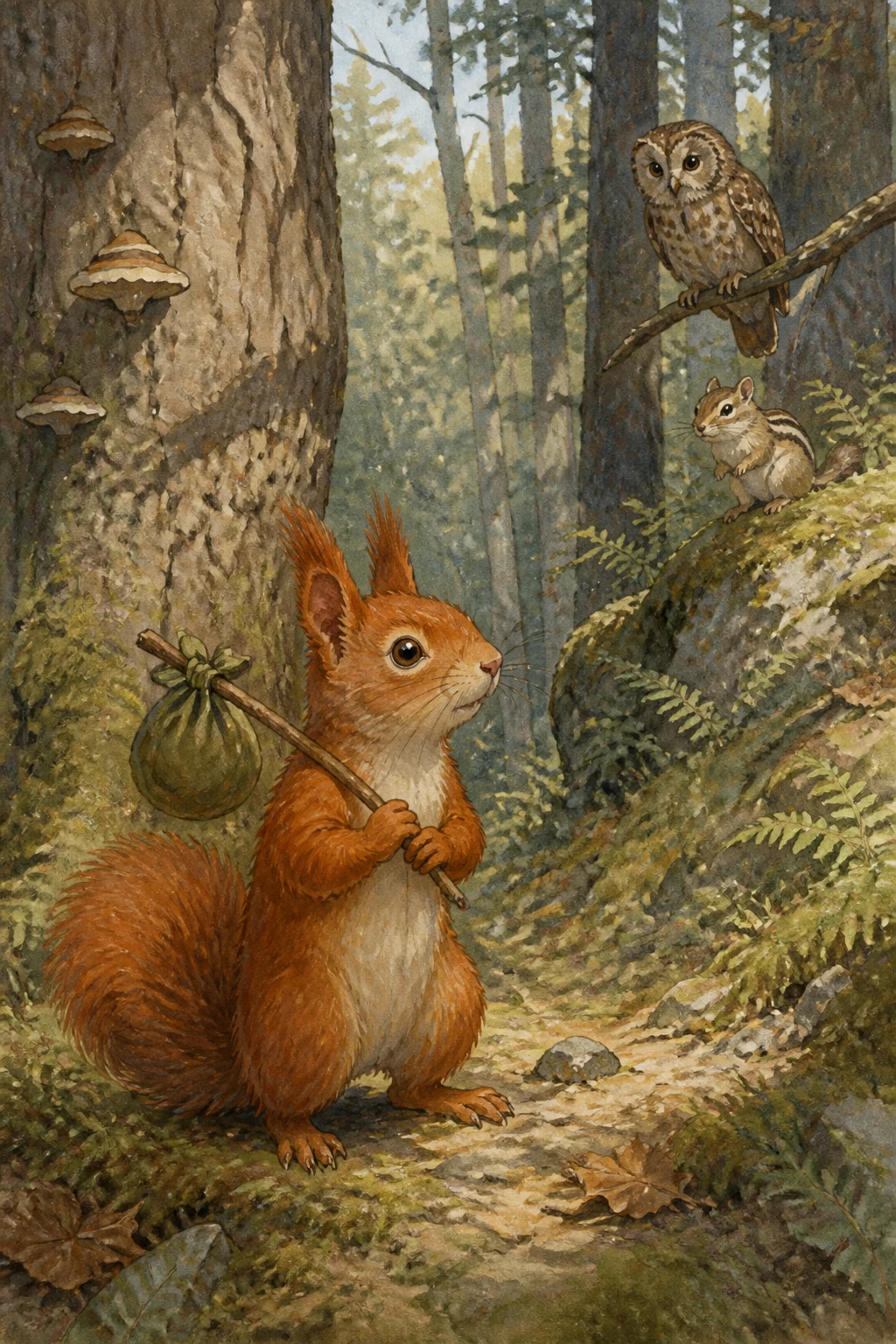
In tako so klepetali naprej, medtem ko je s travnika prihajalo veselo cvrčanje žuželk, ki so se grele na soncu. Ponoči in zgodaj zjutraj je bilo zdaj hladno, zato so lahko prirejale koncerte le še opoldne. Naslednjega dne so prišli divji purani in v gozdu je zavladalo veliko razburjenje. Veverice so imele več dela kot kdaj prej, saj so hitele spravljati čim več želoda, preden bi prišleki dosegli hraste; modre šoje pa so bile na purane tako ljubosumne, da so se vsak dan prenajedle od strahu, da ne bi bilo dovolj hrane za vse. Kot da bi res grozila takšna nevarnost!
Svižec je bil zdaj že tako zaspan, da je zadremal kar sredi pogovora, potem pa se je nenadoma vzravnal in rekel: »Da, da, da! Nikar ne mislite, da sem spal, prosim. Drevesa so tako živih barv, da se mi oči utrudijo in jih včasih zaprem.« Dobri stari prijatelj se v resnici nikoli ni zavedal, kako je kinkal.
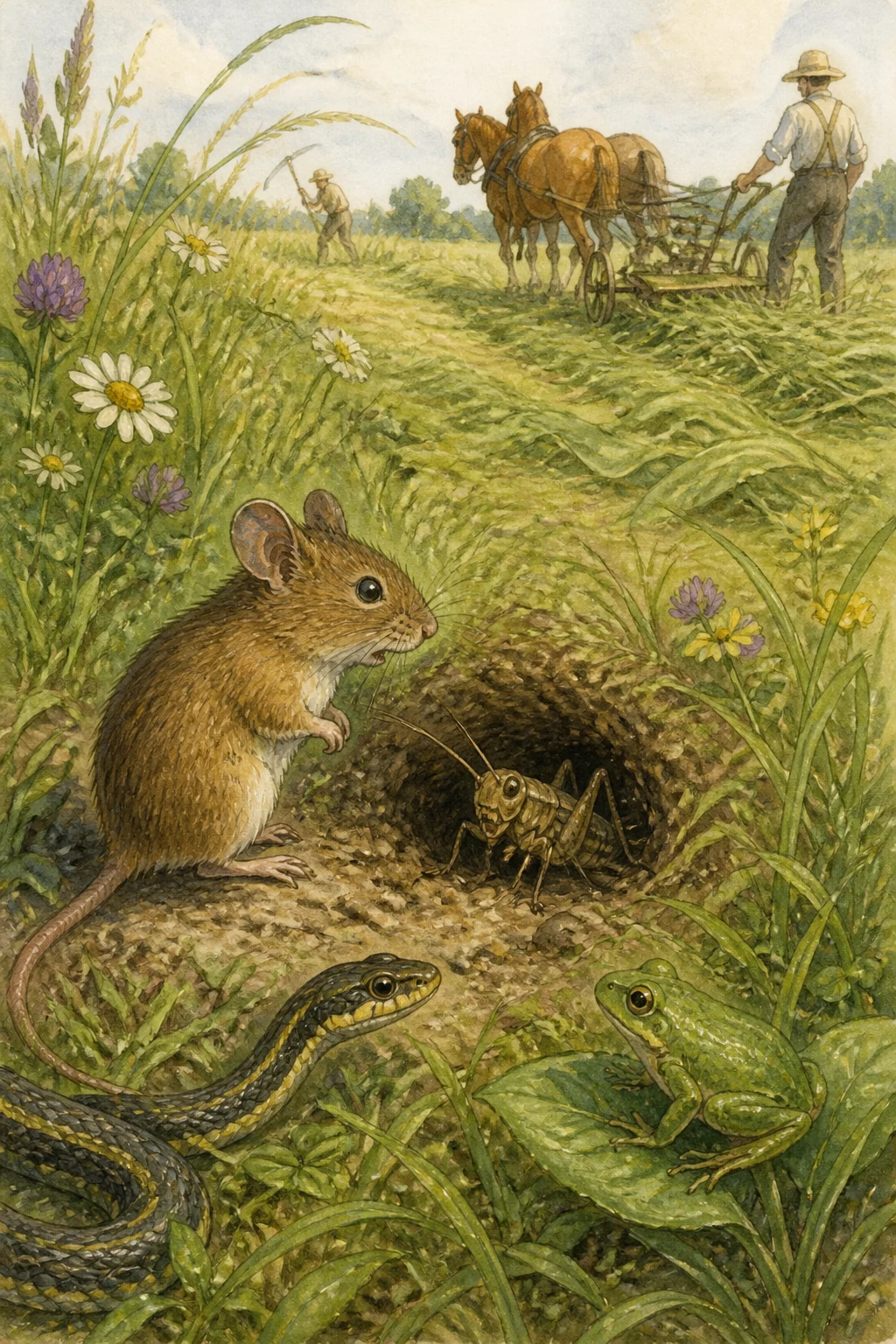
Tudi kače so postajale otopele in počasne, netopirji pa so že odkrito govorili o tem, da se bodo za zimo obesili k počitku. Gozdne kure in prepelice so vsak dan hodile na obrobja žitnih polj in med strniščem našle obilico hrane. Skoraj bi človek verjel, da so se vsak večer vračale domov debelejše, kakor so zjutraj odšle.
Tako je življenje teklo še mnogo dni in vse ptice so nehale peti. Nič več ni bilo veselih koncertov ob sončnem vzhodu in nič več večernih pesmi; le čivkanje in ščebetanje, ko so pernati prebivalci nemirno poskakovali z ene preže na drugo. Vsakdo je lahko videl, da so zatopljeni v misli in nimajo časa za glasbo. V resnici je vsaka ptica, ki ni nameravala prezimiti v gozdu, čutila, kakor da jo nekaj vleče — vleče — vleče proti jugu. Tega niso mogle ne videti ne slišati, pa vendar jih je vleklo — vleklo — vleklo ves dan in vso noč. O tem so se pogosto pogovarjale in starejše ptice so mladim pripovedovale, kako bodo prav kmalu vse krenile na jug ter letele čez kopno in vodo, dokler ne dosežejo svojega zimskega doma.
»Kako pa vemo, kam moramo iti?« so spraševali otroci. »Nič drugega vam ni treba,« so govorili starejši, »kakor da letite za nami.« »In kako veste vi?« so spraševali.
»Saj smo že bili tam,« so odgovarjali, »pa tudi kraje, nad katerimi letimo, vidimo. A morda to ni pravi razlog, saj včasih letimo čez tako širne vode, da ne vidimo ničesar drugega in je vse videti enako. Takrat ne moremo videti, v katero smer naj gremo, pa vendar čutimo, da nas vleče na jug, in le na to moramo misliti ter leteti naprej. Očetje in sinovi letijo hitreje in bodo prispeli prvi. Matere in hčere pridejo nekaj dni pozneje. Nikoli se ne zmotimo.«
»Kako čudovito, kako čudovito,« si je mislil mlad zajec v travi pod njimi. »Moram jih gledati, ko bodo odleteli.« Že naslednje jutro so se gozdni prebivalci prebudili ob pogledu na srebrno slano na travi in začutili, kako negibni zrak vznemirja rahlo odpadanje vlažnih rdečih, rjavih in rumenih listov z drevja. Nad reko in vso nižavo ob njej je visela gosta koprena bele megle.
»Čas je!« so si šepetali ameriški drozgi. »Čas je!« so grulile žalobne grlice. »Čas je!« so s hripavimi glasovi klicali kravjaki.
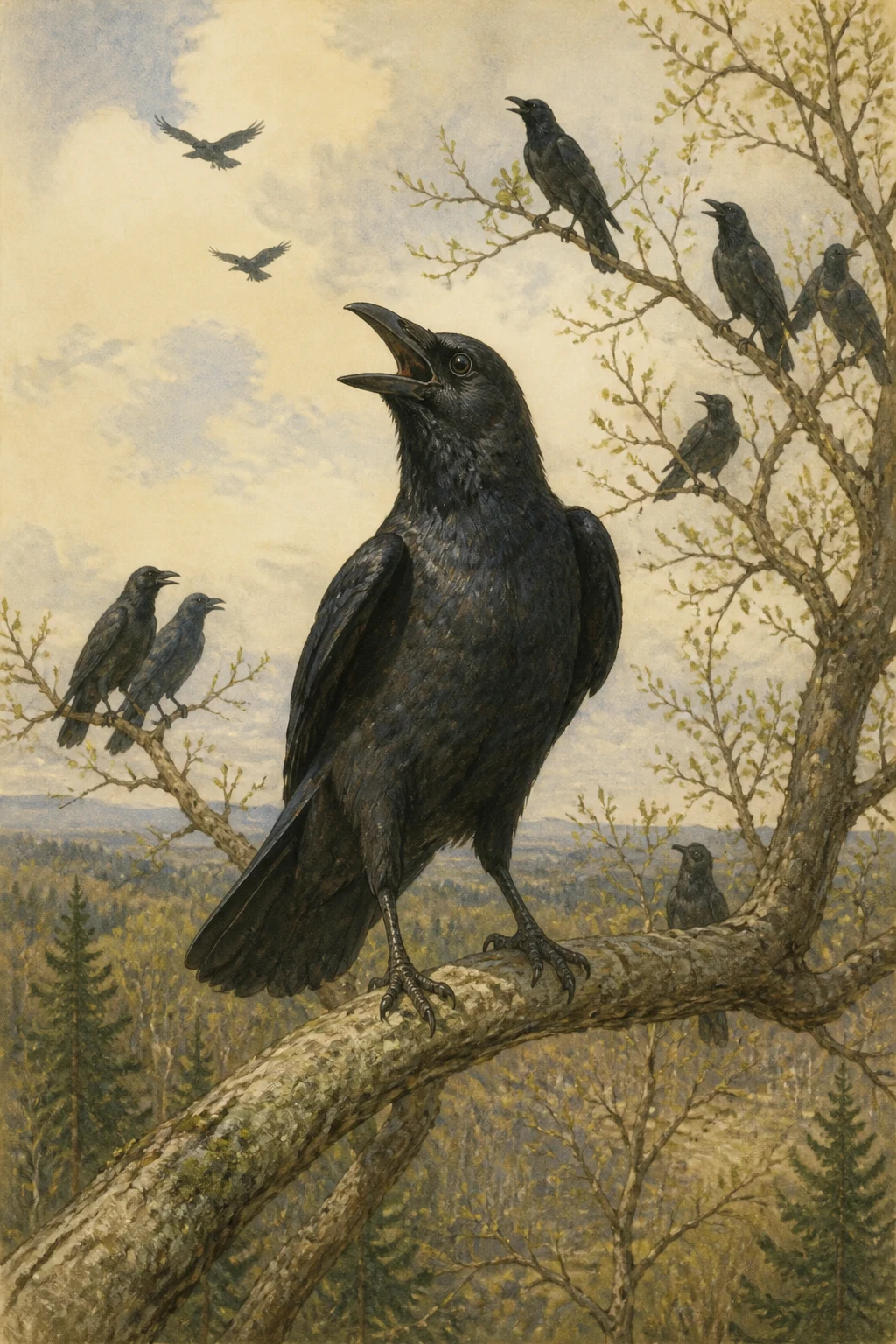
Po vsem gozdu sta vladala nemir in tiha naglica. Junki so že prispeli iz mrzlih severnih krajev in počivali po dolgem letu. Svižci, zajci in veverice so prišli na plano, da bi se poslovili. Sove so kukale iz svojih drevesnih dupel in si senčile oči pred močno sončno svetlobo. Potem so popotniki odšli. Ameriški drozgi so se odpravili v družinskih skupinah. Žalobne grlice so tiho odletele. Kravjaki so se zapodili na pot v vihravi jati. Vrani pa so se po dolgem pogovarjanju in prerekanju v drevesnih vrhovih hrupno poslovili od tistih nekaj članov jate, ki so nameravali ostati, se pridružili drugim jatam s severa in odleteli v tolikšni množici, da je zatemnila nebo in čez strnišče pognala senco, skoraj kakršno bi vrgel poletni oblak.
»Odšli so!« sta zavzdihnila svižec in njegova žena. »Zelo jih bova pogrešala. No, lahko bova sanjala o njih in to nama bo v tolažbo.« »Šoj! Šoj!« je z drevesa nad njima zakričal ptič z lepim čopkom. »Kaj potem, če so odšli? Spomladi se bodo vrnili, mi pa imamo hrane na pretek. Čemu bi bili žalostni? Šoj! Šoj!«
Toda vsi prebivalci niso tako brezsrčni kakor lačne modre šoje in ptice pevke so imele veliko ljubečih prijateljev, ki so jih pogrešali in hrepeneli po njihovi vrnitvi.
Izvirnik
One night a maple tree, the very one under which Mr. Red Squirrel sat when he first came to the forest, dreamed of her winter resting-time, and when she awakened early in the morning she found that her leaves were turning yellow. They were not all brightly colored, but on each was an edging, or a tip, or a splash of gold. You may be sure that the Forest People noticed it at once.
"I told you so," chirruped a Robin to her mate. "The Orioles went long ago, and the Bobolinks start to-day. We must think about our trip to the South." When she said this, she hopped restlessly from twig to twig with an air of being exceedingly busy.
Her husband did not answer, but began to arrange his new coat of feathers. Perhaps he was used to her fussy ways and thought it just as well to keep still. He knew that none of the Robins would start South until the weather became much colder, and he did not think it necessary to talk about it yet. Perhaps, too, Mr. Robin was a trifle contrary and was all the more slow and quiet because his wife was uneasy. In that case one could hardly blame her for talking over the family plans with the neighbors.
Later in the day, a Bobolink came up from the marsh to say good-by. He had on his travelling suit of striped brown, and you would never have known him for the same gay fellow who during the spring and early summer wore black and buff and sang so heartily and sweetly. Now he did not sing at all, and slipped silently from bush to bush, only speaking when he had to. He was a good fellow and everyone disliked to have him go.
Mrs. Cowbird came up while they were talking. Now that she did not care to lay any more eggs, the other birds were quite friendly with her. They began to talk over the summer that was past, and said how finely the young birds were coming on. "By the way," said she, in the most careless manner possible, "I ought to have a few children round here somewhere. Can anybody tell me where they are?"
Mrs. Goldfinch looked at her husband and he looked at the sky. The Warblers and the Vireos, who had known about the strange egg in the Goldfinches' nest, had already left for the winter, and there seemed to be no use in telling their secret now or quarrelling over what was past. Some of the other birds might have told Mrs. Cowbird a few things, but they also kept still.
"It is a shame," she said. "I never laid a finer lot of eggs in my life, and I was very careful where I put them. I wish I knew how many there were, but I forgot to count. I have been watching and watching for my little birds to join our flock; I was sure I should know them if I saw them. Mothers have such fine feelings, you know, in regard to their children." (As though she had any right to say that!)
The Mourning Doves were there with their young son and daughter, and you could see by looking at them that they were an affectionate family. "We shall be the last to go South," they cooed. "We always mean to come North in the very early spring and stay as late as possible. This year we came much later than usual, but it could not be helped." They had spoken so before, and rather sadly. It was said that they could tell a sorrowful story if they would; but they did not wish to sadden others by it, and bore their troubles together bravely and lovingly.
"How do the new feathers work?" asked a Crow, flying up at this minute and looking blacker than ever in his fall coat. Then all the birds began to talk about dress. As soon as their broods were raised, you know, their feathers had begun to drop out, and they had kept on moulting until all of the old ones were gone and the new ones on. When birds are moulting they never feel well, and when it is over they are both happy and proud.
"I changed later than usual this year," said the Crow, "and I feel that I have the very latest fashions." This was a joke which he must have picked up among the Barnyard People, and nobody knows where they got it. Fashions never change in the Forest.
"I think," remarked a Red-headed Woodpecker, "that I have the best wing feathers now that I ever had. They seem to be a little longer, and they hook together so well. I almost wish I were going South to try them on a long journey."
"Mr. Woodpecker's wing feathers are certainly excellent," said his wife, who was always glad to see him well dressed. "I am sure that the strongest wind will never part them. I don't see how the Owls can stand it to wear their feathers unhooked so that some of the air passes through their wings each time they flap them. It must make flying hard."
"Well, if you were an Owl you would understand," chuckled the Crow. "If their great wings were like ours, the noise of their flying would scare every creature within hearing, and there would not be much fun in hunting."
And so they chatted on, while from the meadow came the sound of the happy insects piping in the sunshine. It was chilly now at night and in the early morning, and they could give concerts only at noonday. The next day the Wild Turkeys came and there was great excitement in the forest. The Squirrels were busier than ever storing up all the acorns that they could before the newcomers reached the oak trees; and the Blue Jays were so jealous of the Turkeys that they overate every day for fear there would not be enough to go around. As though there were any danger!
The Ground Hog was getting so sleepy now that he would doze off while people were talking to him, and then he would suddenly straighten up and say: "Yes, yes, yes! Don't think that I was asleep, please. The colors of the trees are so bright that they tire my eyes and I sometimes close them." The dear old fellow really never knew how he had been nodding.
The Snakes, too, were growing dull and slow of motion, while the Bats talked freely of hanging themselves up for the winter. The Grouse and Quail made daily trips to the edges of the grain-fields, and found rich picking among the stubble. You could almost fancy that they came home each night fatter than when they went away in the morning.
Life went on in this way for many days, and the birds had all stopped singing. There were no more happy concerts at sunrise and no more carols at evening; only chirrupings and twitterings as the feathered people hopped restlessly from one perch to another. All could see that they were busily thinking and had no time for music. The truth was that each bird who was not to spend the winter in the Forest felt as though something were drawing--drawing--drawing him southward. It was something they could not see or hear, and yet it was drawing--drawing--drawing all day and all night. They spoke of it often to each other, and the older birds told the young ones how, before long, they would all start South, and fly over land and water until they reached their winter home.
"How do we know where to go?" asked the children.
"All that you have to do," the older ones said, "is to follow us."
"And how do you know?" they asked.
"Why, we have been there before," they answered; "and we can see the places over which we pass. But perhaps that is not the real reason, for sometimes we fly over such great stretches of water that we can see nothing else and it all looks alike. Then we cannot see which way to go, but still we feel that we are drawn South, and we only have to think about that and fly onward. The fathers and sons can fly the faster and will reach there first. The mothers and daughters come a few days later. We never make a mistake."
"It is wonderful, wonderful," thought a young Rabbit on the grass below. "I must watch them when they go."
The very next morning the Forest People awakened to find a silvery frost on the grass and feel the still air stirred by the soft dropping of damp red, brown, and yellow leaves from the trees. Over the river and all the lowland near it hung a heavy veil of white mist.
"It is time!" whispered the Robins to each other.
"It is time!" cooed the Mourning Doves.
"It is time!" cried the Cowbirds in their hoarse voices.
All through the forest there was restlessness and quiet haste. The Juncoes had already come from the cold northland and were resting from their long flight. The Ground Hogs, the Rabbits, and the Squirrels were out to say good-by. The Owls peeped from their hollow trees, shading their eyes from the strong light of the sun. And then the travellers went. The Robins started in family parties. The Mourning Doves slipped quietly away. The Cowbirds went in a dashing crowd. And the Crows, after much talking and disputing on the tree-tops, took a noisy farewell of the few members of the flock who were to remain behind, and, joining other flocks from the North, flew off in a great company which darkened the sky and caused a shadow to pass over the stubble-field almost like that of a summer cloud.
"They are gone!" sighed the Ground Hog and his wife. "We shall miss them sadly. Well, we can dream about them, and that will be a comfort."
"Jay! Jay!" shrieked a handsome-crested fellow from the tree above. "What if they are gone? They will be back in the spring, and we have plenty to eat. What is the use of feeling sad? Jay! Jay!"
But all people are not so heartless as the hungry Blue Jays, and the song-birds had many loving friends who missed them and longed for their return.