Waltey
Gospod Rdeči veveriček se preseli v gozd
047 MR. RED SQUIRREL COMES TO LIVE IN THE FOREST
Živalske zgodbe Clare Dillingham Pierson · Clara Dillingham PiersonO besedilu
Gospod Rdeči veveriček se preseli v gozd
- Vir
- Živalske zgodbe Clare Dillingham Pierson
- Avtor
- Clara Dillingham Pierson
- Jezik branja
- Slovenščina
- Jezik izvirnika
- English
- Čas branja
- 6 min branja
- Obseg
- 5 strani
- Naslov izvirnika
- 047 MR. RED SQUIRREL COMES TO LIVE IN THE FOREST
O izvirniku
Živalske zgodbe Clare Dillingham Pierson
Devetindevetdeset avtorskih zgodb o živalih na kmetiji, travniku, v gozdu, ob ribniku in ponoči. Bralni jezik je Slovenščina, izvirnik pa prihaja iz vira Živalske zgodbe Clare Dillingham Pierson v jeziku English.
Besedilo
Gospod Rdeči veveriček se preseli v gozd
Življenje v gozdu je zelo drugačno od življenja na travniku in gozdni prebivalci imajo mnogo navad, ki jih zunanji svet ne pozna. Tihi so in le redko govorijo ali pojejo, kadar so v bližini tujci. Nikoli jih ne bi mogel dobro spoznati, dokler se tudi sam ne bi naučil biti tih in hoditi skozi podrast, ne da bi ti pri vsakem koraku pod nogami pokale vejice. Če pa bi potem živel med njimi in govoril njihov jezik, bi ugotovil, da o marsičem ni vljudno govoriti. In vse to ima svoj razlog.
Na travniku se sicer prepirajo in imajo svoje težave, vendar se vedno spet pobotajo in so si prijatelji. V gozdu pa so tudi taki prebivalci, ki se nikakor ne morejo razumeti med seboj in zato ne hodijo na iste zabave niti se ne obiskujejo. Ne zato, ker bi bili čemerni, sebični ali hudobni. Tako je preprosto zaradi načina, kako morajo živeti in loviti, in na to ne morejo vplivati nič bolj, kakor lahko ti vplivaš na barvo svojih oči.
V gozdu vse to dobro razumejo in tamkajšnji prebivalci pazijo, kaj govorijo in počnejo, zato se prav lepo razumejo in v tem tihem, senčnem kraju preživijo mnogo srečnih trenutkov. Kdor se tam rodi, se vsega tega nauči, ne da bi sploh razmišljal o tem. Kdor pa pride od drugod, ima precej težav, saj se vsem zdi neumno, da tujci sprašujejo o tako preprostih rečeh.
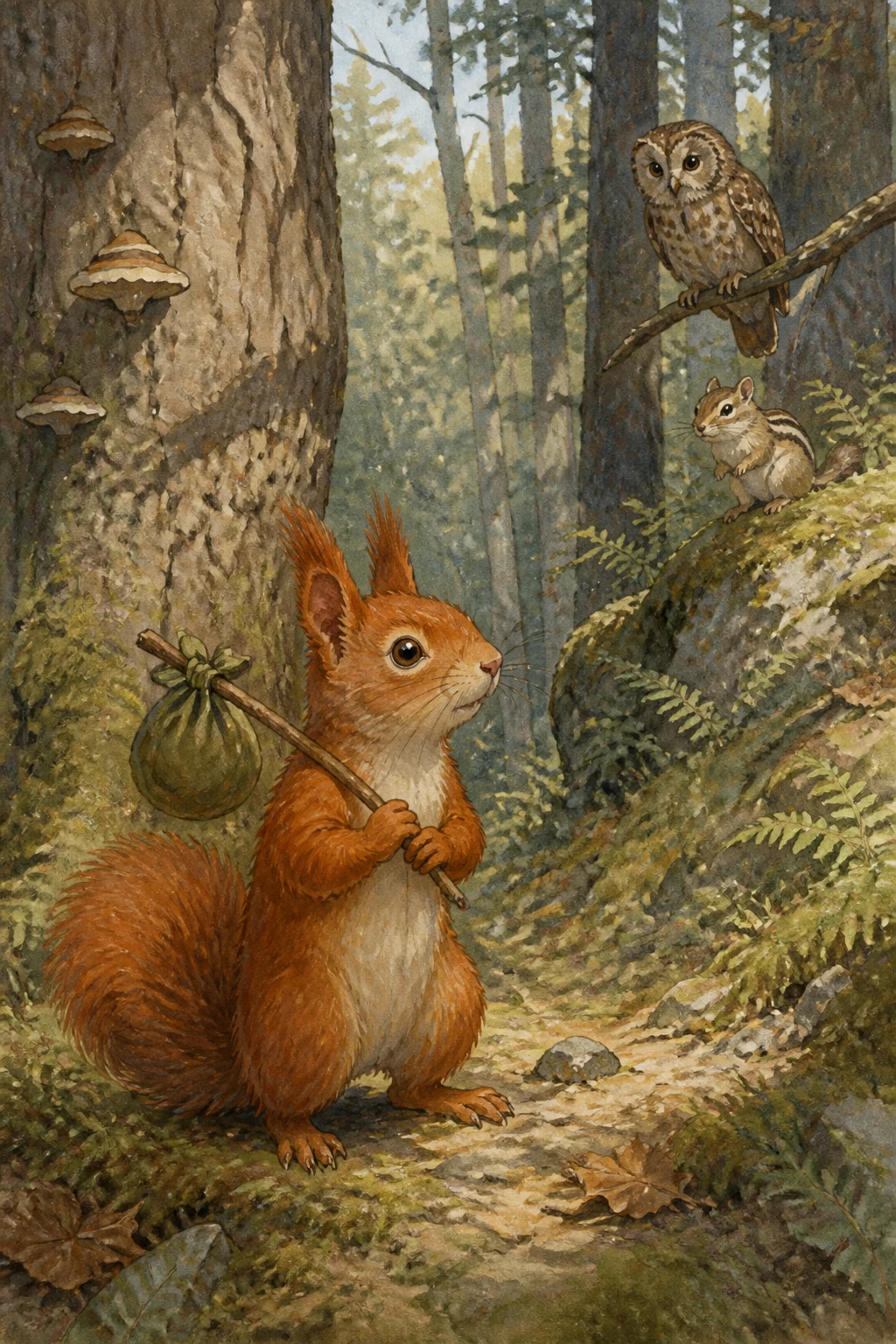
Ko je gospod Rdeči Veveriček prvič prišel v gozd, ni o tamkajšnjih navadah vedel prav ničesar. Pozneje je dejal, da se je bilo gozdnega vedenja še teže naučiti kakor pobegniti iz starega doma. Gospod Rdeči Veveriček se je namreč rodil v gozdu, a so ga odnesli od tam, ko je bil še čisto majhen. Od takrat pa vse do odraslosti ni nikoli položil krempeljca na drevo in vse, kar je videl od sveta, je videl skozi rešetke kletke. Njegovi bratranci in sestrične v gozdu so se naučili razposajeno tekati po vrhovih ograj in skakati z ene zibajoče se veje na drugo. Ko pa si je ta ubogi malček zaželel, da bi se malo raztekel, je lahko le tekal v žičnatem kolesu, ki je med vrtenjem brnelo, in od tega se mu je strašno vrtelo v glavi.
Pogosto se je spraševal, ali v življenju res ni nič lepšega, saj so ga iz njegovega gozdnega doma odnesli, ko je bil še premajhen, da bi se ga lahko spominjal. Nekega dne je zunaj zagledal drugo veverico, ljubko drobno veveričko, ki je bila videti, kakor da je nikoli ne obide žalostna misel. Ob tem si je še bolj kot prej zaželel svobode. Ko se je tisti večer zvil v svojem bombažnem gnezdecu, je sanjal o njej in o tem, kako skupaj jesta želod visoko v krošnji hrasta.
Naslednji dan se je gospod Rdeči Veveriček pretvarjal, da je bolan. Ni hotel teči v kolesu niti pokusiti hrane v kletki. Ko ga je gospodar prišel pogledat, je milo stokal in ene tačke ni hotel niti premakniti. Gospodar je pomislil, da ima tačko zlomljeno, zato je mlahavega malega gospoda Rdečega Veverička vzel v dlan in ga odnesel k oknu, da bi videl, kaj je narobe. Okno je bilo odprto in ko je gospod Rdeči Veveriček opazil priložnost, je skočil na prosto in jo ubral proti gozdu. Njegove uboge tačke so bile zaradi življenja v tako majhni kletki šibke, toda kako je tekel! Srce mu je divje razbijalo pod mehkim kožuščkom na prsih in lovil je sapo v kratkih sunkih, pa vendar je tekel naprej, skakal, se kobacal in včasih tudi padel, a bil je vse bliže velikim zelenim drevesom svojega rojstnega kraja.
Naposled je bil na varnem in je trepetaje sedel na najnižji veji bukve. Gozd je bil zanj nov svet, zato je debelušnemu staremu Sivemu Veveričku zastavljal številna vprašanja. Sivi Veveriček je bil eden tistih, ki veliko vedo, mislijo pa, da vedo še veliko, veliko več, in si želijo, da bi tako mislili tudi drugi. Bil je tako zelo učen in pomemben, da gospodu Rdečemu Veveričku, čeprav je odgovoril na vsa njegova vprašanja, pravzaprav ni povedal ničesar od tistega, kar si je ta najbolj želel izvedeti. Takole sta se pogovarjala:
»Kako se imenuje ta kraj?« je vprašal gospod Rdeči Veveriček. »Ta? To je vendar gozd, seveda,« je odgovoril Sivi Veveriček. »Drugega imena zanj nimamo. Mogoče so na svetu še drugi gozdovi, vendar ne morejo biti tako lepi kot ta, zato svojemu pravimo kar ‘gozd’.«
»Ali so tukaj prijazni sosedje?« je vprašal gospod Rdeči Veveriček. »Zelo dobri, zelo dobri. Z ženo jih sicer ne obiskujeva prav veliko, a se mi vendar zdijo čisto dobri prebivalci.«
»Zakaj pa jih potem ne obiskujeta?« »Zakaj? Zakaj? Ker ne sodijo v naš krog. To se nikakor ne bi spodobilo.« In Sivi Veveriček se je vzravnal, da je sedel čisto pokonci.
»Kdo je tisti, ki se spodaj plazi po tleh?« je vprašal novinec. »Je kateri od vaših prijateljev?« »Tisti? To je Klopotača. Nikoli ne govoriva drug z drugim. Med našima družinama so že od nekdaj težave.«
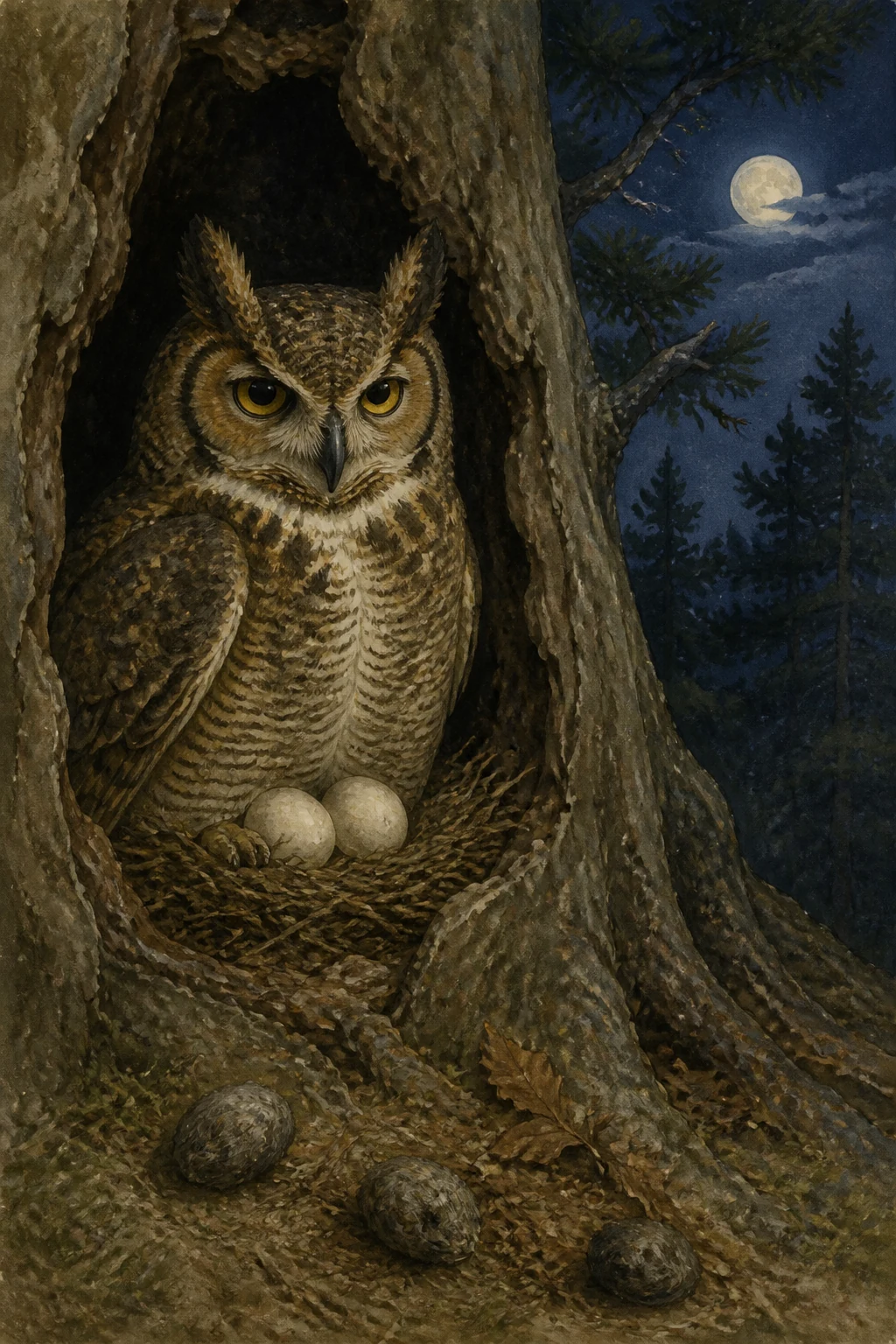
»Kdo živi v tistem votlem drevesu tamle?« »Pšš, pšš! Tam ima svoj dom Virginijski Uhar. Zdaj spi in ne smemo ga zbuditi, saj veverice in sove ne morejo biti prijateljice.«
»Zakaj ne?« »Zato. Vedno je bilo tako.« »In katera je tista ptica, ki pravkar leže jajce v svoje gnezdo nad nama?« »Govori tiho, prosim. To je Kravja Ptica in gnezdo ni njeno. V težave boš zašel, če boš o takih rečeh govoril na glas. Ne more si pomagati. Jajca mora leči v gnezda drugih ptic, vendar tem to ni všeč.«
Gospod Rdeči Veveriček se je zelo trudil izvedeti, zakaj je tako, toda vedno obstajajo reči, za katere ni mogoče navesti razloga, in veliko je vprašanj, na katera ni mogoče odgovoriti, pa čeprav bi ves dan spraševali: »Zakaj? Zakaj? Zakaj?« Ker je bil gospod Rdeči Veveriček prebrisan mali korenjak, je nehal spraševati in sklenil, da bo sčasoma z očmi in ušesi izvedel vse, kar mora vedeti. Imel je dobre oči in ostra ušesa, zato se je zelo hitro učil, ne da bi delal veliko napak. Med gozdnimi prebivalci je živel zelo srečno in morda je bil tudi to eden od razlogov. Naučil se je, da ne govori reči, ki bi njegove prijatelje prizadele, in ni zastavljal nepotrebnih vprašanj. Navsezadnje bi bilo, saj veš, zelo nespametno spraševati o rečeh, na katere nihče ne zna odgovoriti, še bolj nespametno pa bi bilo spraševati o tistem, kar bi lahko ugotovil sam.
V gozdu je tako kot v zunanjem svetu. Za marsikaj lahko vemo, da je tako, nikoli pa ne izvemo, zakaj je tako.
Izvirnik
047 MR. RED SQUIRREL COMES TO LIVE IN THE FOREST
Naslednje strani prikazujejo izvirno besedilo za primerjavo.
Life in the forest is very different from life in the meadow, and the forest people have many ways of doing which are not known in the world outside. They are a quiet people and do not often talk or sing when there are strangers near. You could never get acquainted with them until you had learned to be quiet also, and to walk through the underbrush without snapping twigs at every step. Then, if you were to live among them and speak their language, you would find that there are many things about which it is not polite to talk. And there is a reason for all this.
In the meadow, although they have their quarrels and their own troubles, they always make it up again and are friendly, but in the forest there are some people who can never get along well together, and who do not go to the same parties or call upon each other. It is not because they are cross, or selfish, or bad. It is just because of the way in which they have to live and hunt, and they cannot help it any more than you could help having eyes of a certain color.
These are things which are all understood in the forest, and the people there are careful what they say and do, so they get on very well indeed, and have many happy times in that quiet, dusky place. When people are born there, they learn these things without thinking about it, but when they come there from some other place it is very hard, for everybody thinks it stupid in strangers to ask about such simple matters.
When Mr. Red Squirrel first came to the forest, he knew nothing of the way in which they do, and he afterward said that learning forest manners was even harder than running away from his old home. You see, Mr. Red Squirrel was born in the forest, but was carried away from there when he was only a baby. From that time until he was grown, he had never set claw upon a tree, and all he could see of the world he had seen by peeping through the bars of a cage. His cousins in the forest learned to frisk along the fence-tops and to jump from one swaying branch to another, but when this poor little fellow longed for a scamper he could only run around and around in a wire wheel that hummed as it turned, and this made him very dizzy.
He used to wonder if there were nothing better in life, for he had been taken from his woodland home when he was too young to remember about it. One day he saw another Squirrel outside, a dainty little one who looked as though she had never a sad thought. That made him care more than ever to be free, and when he curled down in his cotton nest that night he dreamed about her, and that they were eating acorns together in a tall oak tree.
The next day Mr. Red Squirrel pretended to be sick. He would not run in the wheel or taste the food in his cage. When his master came to look at him, he moaned pitifully and would not move one leg. His master thought that the leg was broken, and took limp little Mr. Red Squirrel in his hand to the window to see what was the matter. The window was up, and when he saw his chance, Mr. Red Squirrel leaped into the open air and was away to the forest. His poor legs were weak from living in such a small cage, but how he ran! His heart thumped wildly under the soft fur of his chest, and his breath came in quick gasps, and still he ran, leaping, scrambling, and sometimes falling, but always nearer the great green trees of his birthplace.
At last he was safe and sat trembling on the lowest branch of a beech-tree. The forest was a new world to him and he asked many questions of a fat, old Gray Squirrel. The Gray Squirrel was one of those people who know a great deal and think that they know a great, great deal, and want others to think so too. He was so very knowing and important that, although he answered all of Mr. Red Squirrel's questions, he really did not tell him any of the things which he most wanted to know, and this is the way in which they talked:
"What is the name of this place?" asked Mr. Red Squirrel.
"This? Why this is the forest, of course," answered the Gray Squirrel. "We have no other name for it. It is possible that there are other forests in the world, but they cannot be so fine as this, so we call ours 'the forest.'"
"Are there pleasant neighbors here?" asked Mr. Red Squirrel.
"Very good, very good. My wife and I do not call on many of them, but still they are good enough people, I think."
"Then why don't you call?"
"Why? Why? Because they are not in our set. It would never do." And the Gray Squirrel sat up very straight indeed.
"Who is that gliding fellow on the ground below?" asked the newcomer. "Is he one of your friends?"
"That? That is the Rattlesnake. We never speak to each other. There has always been trouble between our families."
"Who lives in that hollow tree yonder?"
"Sh, sh! That is where the Great Horned Owl has his home. He is asleep now and must not be awakened, for Squirrels and Owls cannot be friendly."
"Why not?"
"Because. It has always been so."
"And who is that bird just laying an egg in her nest above us?"
"Speak softly, please. That is the Cowbird, and it is not her nest. You will get into trouble if you talk such things aloud. She can't help it. She has to lay her eggs in other birds' nests, but they don't like it."
Mr. Red Squirrel tried very hard to find out the reason for this, but there are always some things for which no reason can be given; and there are many questions which can never be answered, even if one were to ask, "Why? why? why?" all day long. So Mr. Red Squirrel, being a wise little fellow, stopped asking, and thought by using his eyes and ears he would in time learn all that he needed to know. He had good eyes and keen ears, and he learned very fast without making many mistakes. He had a very happy life among the forest people, and perhaps that was one reason. He learned not to say things which made his friends feel badly, and he did not ask needless questions. And after all, you know, it would have been very foolish to ask questions which nobody could answer, and worse than foolish to ask about matters which he could find out for himself.
It is in the forest as in the world outside. We can know that many things are, but we never know why they are.
Nadaljuj z branjem