Waltey
Bahaška vrana
049 THE SWAGGERING CROW
Živalske zgodbe Clare Dillingham Pierson · Clara Dillingham PiersonO besedilu
Bahaška vrana
- Vir
- Živalske zgodbe Clare Dillingham Pierson
- Avtor
- Clara Dillingham Pierson
- Jezik branja
- Slovenščina
- Jezik izvirnika
- English
- Čas branja
- 6 min branja
- Obseg
- 5 strani
- Naslov izvirnika
- 049 THE SWAGGERING CROW
O izvirniku
Živalske zgodbe Clare Dillingham Pierson
Devetindevetdeset avtorskih zgodb o živalih na kmetiji, travniku, v gozdu, ob ribniku in ponoči. Bralni jezik je Slovenščina, izvirnik pa prihaja iz vira Živalske zgodbe Clare Dillingham Pierson v jeziku English.
Besedilo
Bahaška vrana
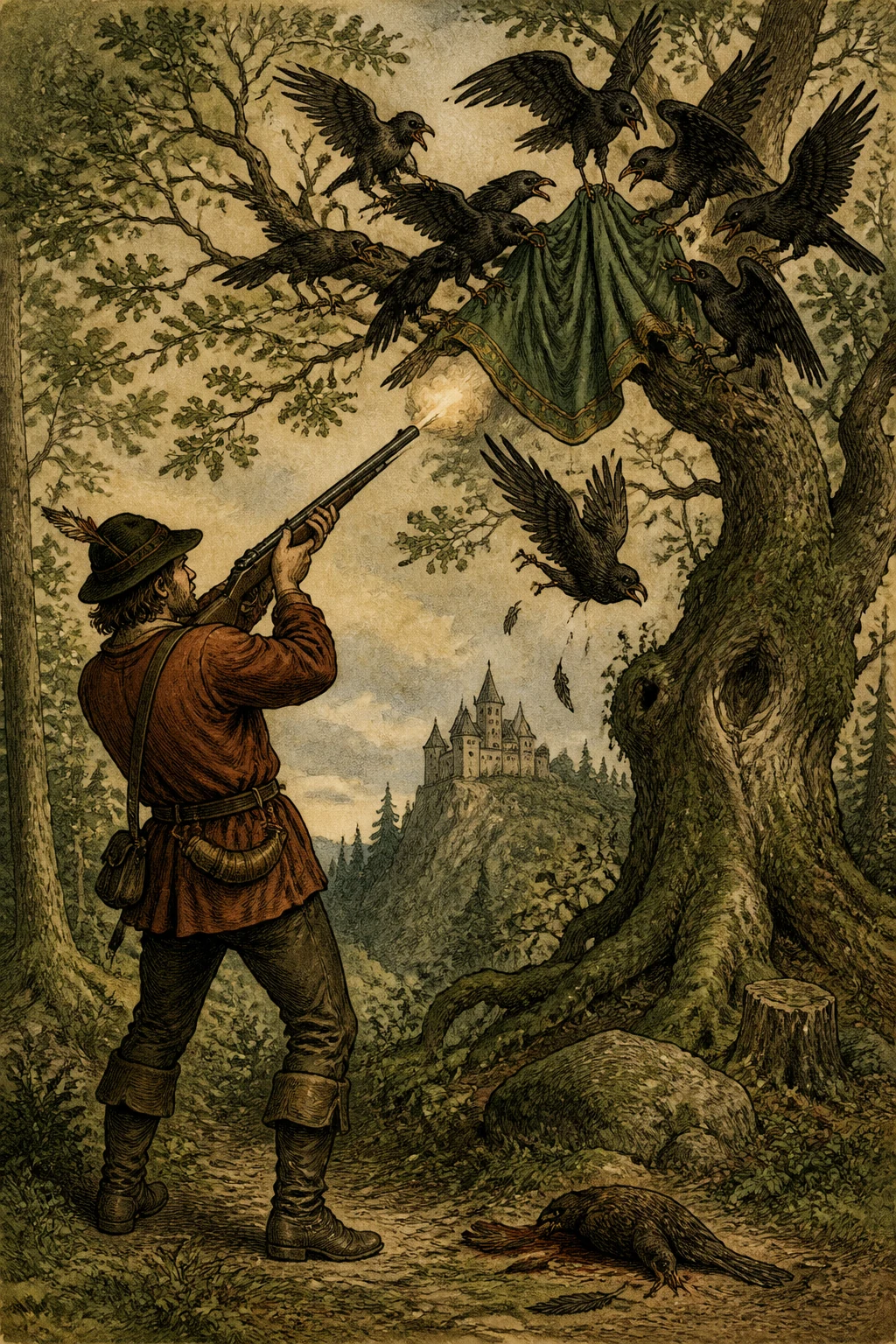
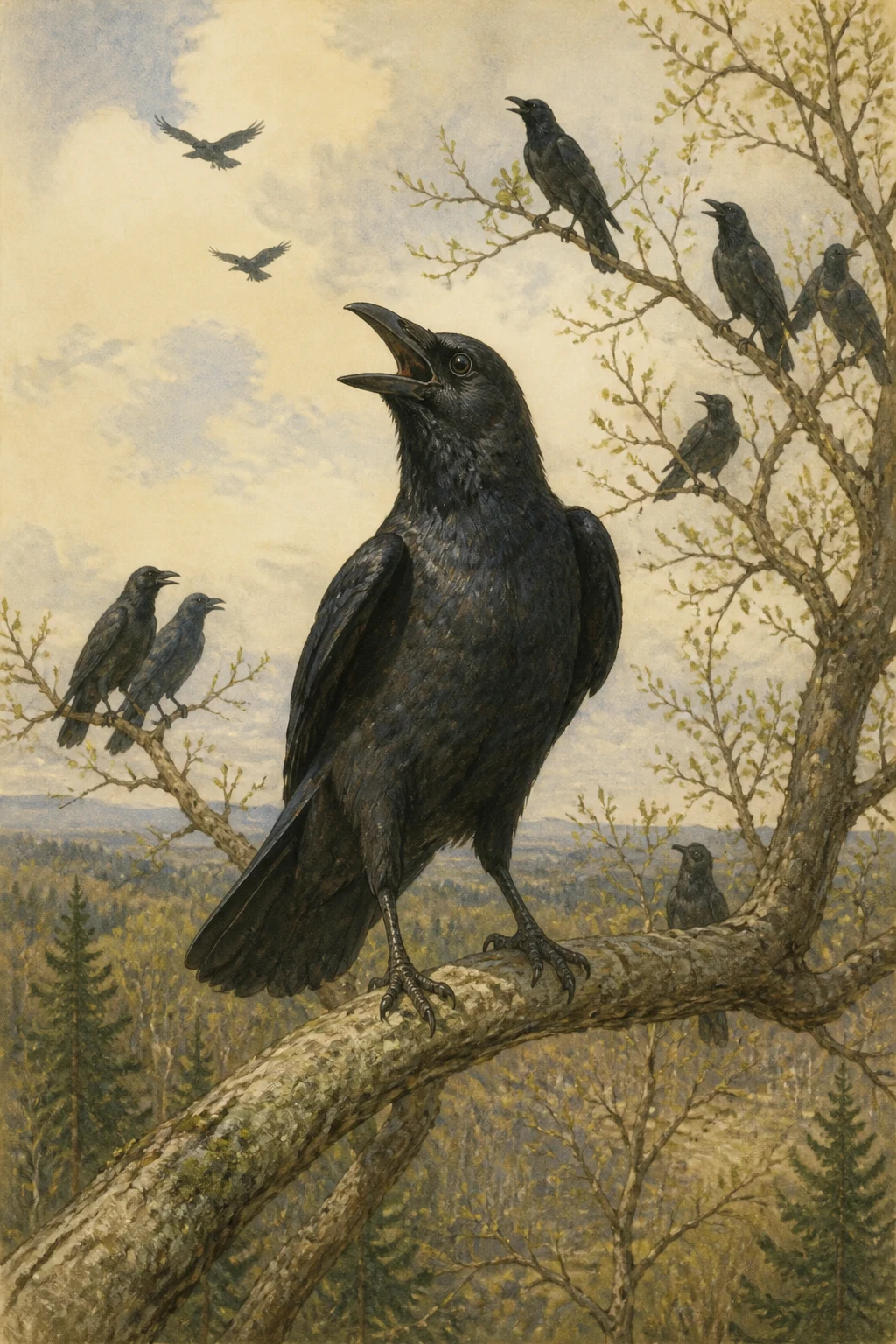
Ko se Vrane, ki so čez zimo odpotovale drugam, vrnejo v gozd, se vsi njihovi sorodniki zberejo v drevesnih krošnjah, da jih pozdravijo in jim povedo novice. Tudi tiste, ki so bile zdoma, imajo veliko povedati in včasih se zdi, kakor da govorijo vse hkrati. Veliko dni preživijo na obiskih, preden se lotijo gradnje gnezd. Morda bi novice izvedele hitreje, če bi govorile druga za drugo in si ne bi skakale v besedo, saj nihče ne more dobro pripovedovati, če ga kar naprej prekinjajo. Včasih pa kak lačen vran odleti po nekaj kljunov žita in se vrne ravno še pravi čas, da sliši konec zgodbe. Potem hoče slišati še njen začetek in zganja tak hrup, da jo morajo samo zanj povedati še enkrat od začetka.
V tem pomladnem času lahko slišiš njihovo klepetanje in smeh, tudi če si daleč stran; gozdne ptice pevke pa se spogledajo in rečejo: »Ojoj! Vrane so spet tu.« Prav dobre razloge imajo, da Vran ne marajo, kakor ti bo povedala vsaka Taščica.
Med njimi je bil velik Vran z bleščečim črnim perjem, ki je imel najglasnejši glas od vseh in se ga prav nič ni bal uporabljati. Tisto pomlad je bil videti zelo suh in pretegnjen, saj je bila zima dolga in mrzla, hrane pa je našel le malo: nekaj želoda, semena divjih rastlin in tu in tam kakšno zmrznjeno jabolko, ki je viselo z veje v samotnem sadovnjaku.
Pravil je, da se mu zdi, kot bi si lahko z eno nogo objel telo, in kadar Vran reče kaj takega, se počuti silno suhega. Toda zdaj je bila tu pomlad in njegove sestre, sestrične in tete, da, pa tudi bratje, bratranci in strici so se vrnili živet v gozd. Našel je že dve obilni kosili, toliko hrane, kolikor je je mogel pojesti, in še več, zato je postajal vesel in drzen. Vijolični lesk njegovega perja je bil vsak dan svetlejši in tega je bil zelo vesel. Hotel je biti tako lep, da bi bil neki gospodični Vrani, sestri enega njegovih prijateljev, bolj všeč od vseh drugih.
Vse to bi bilo čisto prav, ko bi se le vedel vsaj malo olikano. Toda nekega dne jo je videl na obisku pri drugem Vranu, se razjezil, planil nanj, ga kljuval po glavi in ramenih ter mu iz enega krila iztrgal dolgo četrto pero, poleg tega pa mu razmršil še vse drugo perje. Nato je odšel. Premagal ga je tako, da ga je napadel od zadaj, kakor se za zahrbtneža, kakršen je bil, spodobi, in bal se je, da bi nazadnje sam dobil zaslužene batine, če bi ostal. Zato je odletel na vrh čuge, kjer so bile druge Vrane, in jim pripovedoval, kako se je bojeval in zmagal. Morali bi ga videti, kako se je šopiril med pripovedovanjem. Vsakič je zgodbo še bolj napihnil, dokler jih nazadnje ni prepričal, da drugemu Vranu v repu ni ostalo niti eno pero.
Naslednji dan se je več Vran odpravilo na kmetijo nedaleč od gozda. Med njimi je bila tudi gospodična Vrana. Med potjo so se ustavile na njivi, kjer je stala človeška postava s strašno palico v roki. Vsi so se prestrašili, razen gospoda Vrana. Hotel je pokazati, kako pogumen je, zato je poletel naravnost k njej. Vsi so ga imeli za zelo junaškega. Niso vedeli, da je bil globoko v srcu velik strahopetec. Te postave se ni bal, ker je o njej vedel vse. Dan prej je videl, kako so jo postavili, in vedel je, da pod velikim slamnikom in plapolajočim plaščem ni nobenega človeka. Vedel je, da je namesto človeka, ki misli in diha, tam le palica, pribita na kol. Vedel je, da ta postava nima dveh krepkih nog, s katerima bi lahko tekla, temveč le konec kola, zapičenega v zemljo.
Seveda bi jim lahko vse to povedal in potem bi lahko pobirale koruzo po razrahljani zemlji naokrog, toda tega ni hotel. Namesto tega je rekel: »Vidite tisto strašno veliko bitje s palico v roki? Tukaj je samo zato, da nas prežene, mene pa se ne upa niti dotakniti. Ve, da bi ga premikastil, če bi me.« Nato je poletel na tla in jedel koruzo tik ob postavi, druge Vrane pa so ostale daleč zadaj in od začudenja krakale.
Ko se je vrnil k njim, je rekel gospodični Vrani: »Vidiš, kako pogumen sem. Če bi skrbel za katero, ji nikoli ne bi moglo nič škodovati.« In nežno jo je pogledal s svojimi drobnimi okroglimi očmi. Toda pretvarjala se je, da ne razume, kaj hoče reči, saj se še ni želela odreči prijetnemu življenju v jati in začeti graditi gnezda.
Ko so prispele na dvorišče pred skednjem, je bilo tam hrane na pretek, gospod Vran pa je zganjal tak hrup, da bi človek pomislil, da je vse njegovo, druge Vrane pa so le njegove gostje. Spustil se je na ograjo poleg dveh neškodljivih Kokoši, mahal s krili in se šopiril naokrog, dokler se nista začeli po strani umikati. Tedaj je postal še drznejši — saj veste, nasilneži vedno postanejo drznejši, ko vidijo, da se jih drugi bojijo — in se jima približeval, dokler nista prestrašeno zakokodakali in odfrfotali.
Nato je stopil v kokošnjak in drugim Vranam rekel: »Tudi vi bi se lahko lepo imele, če ne bi bile take strahopetke.« Komaj so mu besede ušle iz kljuna, že je veter zaloputnil vrata kokošnjaka in ta so se zataknila. Vrata so bila mrežasta in divje se je prerival, da bi prišel skozi odprtine. Medtem ko se je trudil, je zaslišal hripavi glas Vrana, ki ga je prejšnji dan pretepel: »Hvala, nam je tudi tako prav lepo.« In zagledal je gospodično Vrano, ki je nežno zobala koruzo, katero ji je govorec izbrskal iz zemlje.
Prav tisti trenutek je za gospoda Vrana stopil veliki črni Petelin pasme brahma. Od Kokoši je slišal, kako nesramen je bil gospod Vran, in menil je, da mora kot gospodar hiše poskrbeti za to. No! O tem, kar se je zgodilo potem, ni mogoče prav veliko povedati, toda črni Petelin pasme brahma je za zadevo poskrbel zelo temeljito, in ko so se vrata kokošnjaka odprla, je iz njega prišel mlahav, razcufan in krotek Vran, ki je v notranjosti pustil precej svojega perja.
Naslednje jutro je gospod Vran poletel čez gozd in daleč proč. Ni se hotel nikoli več vrniti tja. Ko je letel mimo visokega drevesa na robu gozda, je zaslišal glasove. Gospodična Vrana je bila zunaj z Vranom, ki ga je pretepel, in iskala sta primeren prostor za gnezdo. »Mislim, da me ne bosta prepoznala, tudi če me vidita,« je rekel gospod Vran, »in prav gotovo si ne želim, da bi me.«
Izvirnik
049 THE SWAGGERING CROW
Naslednje strani prikazujejo izvirno besedilo za primerjavo.
When the Crows who have been away for the winter return to the forest, all their relatives gather on the tree-tops to welcome them and tell the news. Those who have been away have also much to say, and it sometimes seems as though they were all talking at once. They spend many days in visiting before they begin nest-building. Perhaps if they would take turns and not interrupt each other, they would get the news more quickly, for when people are interrupted they can never talk well. Sometimes, too, one hungry fellow will fly off for a few mouthfuls of grain, and get back just in time to hear the end of a story. Then he will want to hear the first part of it, and make such a fuss that they have to tell it all over again just for him.
At this time in the spring, you can hear their chatter and laughter, even when you are far away; and the song-birds of the forest look at each other and say, "Dear me! The Crows are back." They have very good reasons for disliking the Crows, as any Robin will tell you.
There was one great shining black Crow who had the loudest voice of all, and who was not at all afraid to use it. This spring he looked very lean and lank, for it had been a long, cold winter, and he had found but little to eat, acorns, the seeds of the wild plants, and once in a great while a frozen apple that hung from its branch in some lonely orchard.
He said that he felt as though he could reach around his body with one claw, and when a Crow says that he feels exceedingly thin. But now spring was here, and his sisters and his cousins and his aunts, yes, and his brothers and his uncles, too, had returned to the forest to live. He had found two good dinners already, all that he could eat and more too, and he began to feel happy and bold. The purple gloss on his feathers grew brighter every day, and he was glad to see this. He wanted to look so handsome that a certain Miss Crow, a sister of one of his friends, would like him better than she did any of the others.
That was all very well, if he had been at all polite about it. But one day he saw her visiting with another Crow, and he lost his temper, and flew at him, and pecked him about the head and shoulders, and tore the long fourth feather from one of his wings, besides rumpling the rest of his coat. Then he went away. He had beaten him by coming upon him from behind, like the sneak that he was, and he was afraid that if he waited he might yet get the drubbing he deserved. So he flew off to the top of a hemlock-tree where the other Crows were, and told them how he had fought and beaten. You should have seen him swagger around when he told it. Each time it was a bigger story, until at last he made them think that the other Crow hadn't a tail feather left.
The next day, a number of Crows went to a farm not far from the forest. Miss Crow was in the party. On their way they stopped in a field where there stood a figure of a man with a dreadful stick in his hand. Everybody was frightened except Mr. Crow. He wanted to show how much courage he had, so he flew right up to it. They all thought him very brave. They didn't know that down in his heart he was a great coward. He wasn't afraid of this figure because he knew all about it. He had seen it put up the day before, and he knew that there was no man under the big straw hat and the flapping coat. He knew that, instead of a thinking, breathing person, there was only a stick nailed to a pole. He knew that, instead of having two good legs with which to run, this figure had only the end of a pole stuck into the ground.
Of course, he might have told them all, and then they could have gathered corn from the broken ground around, but he didn't want to do that. Instead, he said, "Do you see that terrible great creature with a stick in his hand? He is here just to drive us away, but he dares not touch me. He knows I would beat him if he did." Then he flew down, and ate corn close beside the figure, while the other Crows stood back and cawed with wonder.
When he went back to them, he said to Miss Crow, "You see how brave I am. If I were taking care of anybody, nothing could ever harm her." And he looked tenderly at her with his little round eyes. But she pretended not to understand what he meant, for she did not wish to give up her pleasant life with the flock and begin nest-building just yet.
When they reached the barn-yard, there was rich picking, and Mr. Crow made such a clatter that you would have thought he owned it all and that the others were only his guests. He flew down on the fence beside a couple of harmless Hens, and he flapped his wings and swaggered around until they began to sidle away. Then he grew bolder (you know bullies always do if they find that people are scared), and edged up to them until they fluttered off, squawking with alarm.
Next he walked into the Hen-house, saying to the other Crows, "You might have a good time, too, if you were not such cowards." He had no more than gotten the words out of his bill, when the door of the Hen-house blew shut and caught there. It was a grated door and he scrambled wildly to get through the openings. While he was trying, he heard the hoarse voice of the Crow whom he had beaten the day before, saying, "Thank you, we are having a fairly good time as it is"; and he saw Miss Crow picking daintily at some corn which the speaker had scratched up for her.
At that minute the great Black Brahma Cock came up behind Mr. Crow. He had heard from the Hens how rude Mr. Crow had been, and he thought that as the head of the house he ought to see about it. Well! one cannot say very much about what happened next, but the Black Brahma Cock did see about it quite thoroughly, and when the Hen-house door swung open, it was a limp, ragged, and meek-looking Crow who came out, leaving many of his feathers inside.
The next morning Mr. Crow flew over the forest and far away. He did not want to go back there again. He heard voices as he passed a tall tree by the edge of the forest. Miss Crow was out with the Crow whom he had beaten, and they were looking for a good place in which to build. "I don't think they will know me if they see me," said Mr. Crow, "and I am sure that I don't want them to."
Nadaljuj z branjem