Prevod
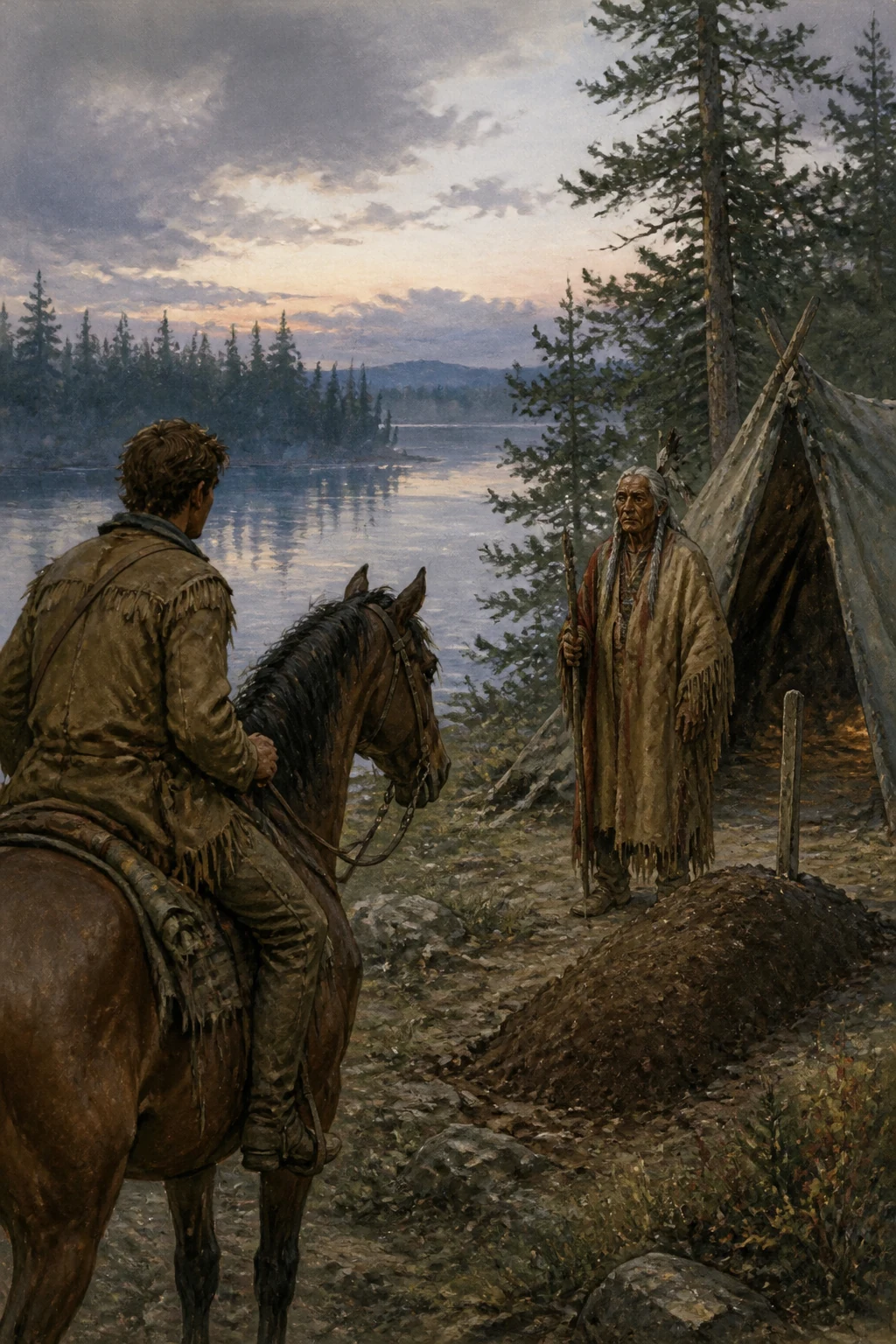
V Indian Headu v Marylandu je vladno vojaško preizkuševališče, kjer grmenje velikih topov in drobljenje tarč odvračata najrazličnejše obiskovalce, ki bi si tam radi priredili piknik. S tem krajem so bile pogosto povezane tegobe, na katere zdaj spominja hrupno znamenje vojne. V prazgodovinskih časih je tam stalo staroselsko naselje, katerega prebivalci so bili podobni drugim Indijancem po svoji bojevitosti in pripravljenosti prelivati kri. Veliko je bilo veselje vseh vaščanov, ko se je nekega dne vrnila izvidniška skupina in s seboj pripeljala hčer enega njihovih najbolj neustrašnih starih lovcev ter mladega bojevnika iz drugega plemena, ki ji je prišel dvorit v bližnjo gozdno senco.
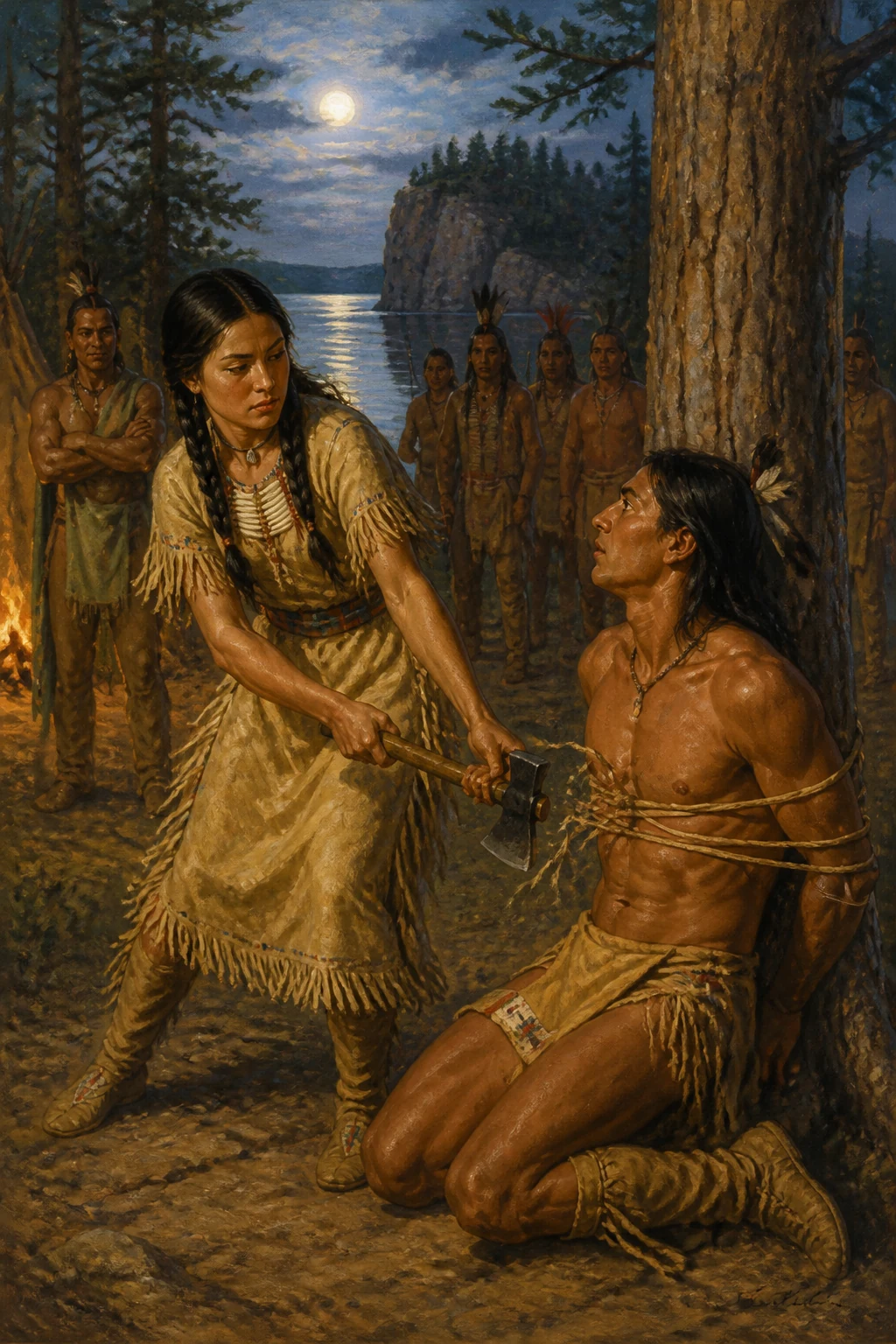
Ujetništvo je navadno pomenilo smrt in tega se je zavedal, vendar se je držal ponosno in ni hotel prositi za milost. Sklenili so, da mora umreti. Očetov prezir do hčere, ker se je tako družila s sovražnikom, je bil tolikšen, da jo je že skoraj ponudil v žrtev skupaj z njenim ljubimcem, ko je pred njim padla na kolena in začela goreče prositi, ne zase, temveč za ujetnika. Storila bi vse, da bi dokazala svojo moč, predanost dolžnosti in poslušnost, samo da bi ga izpustili. Nikomur ni storil nič žalega. Kaj bi bilo pravičnega v tem, da ga mučijo?
Napol zares, napol v šali je poglavar odgovoril: »Recimo, da bi ga odpeljali na drugi breg Potomaca. Ali ga ljubiš dovolj, da bi priplavala do njega?«
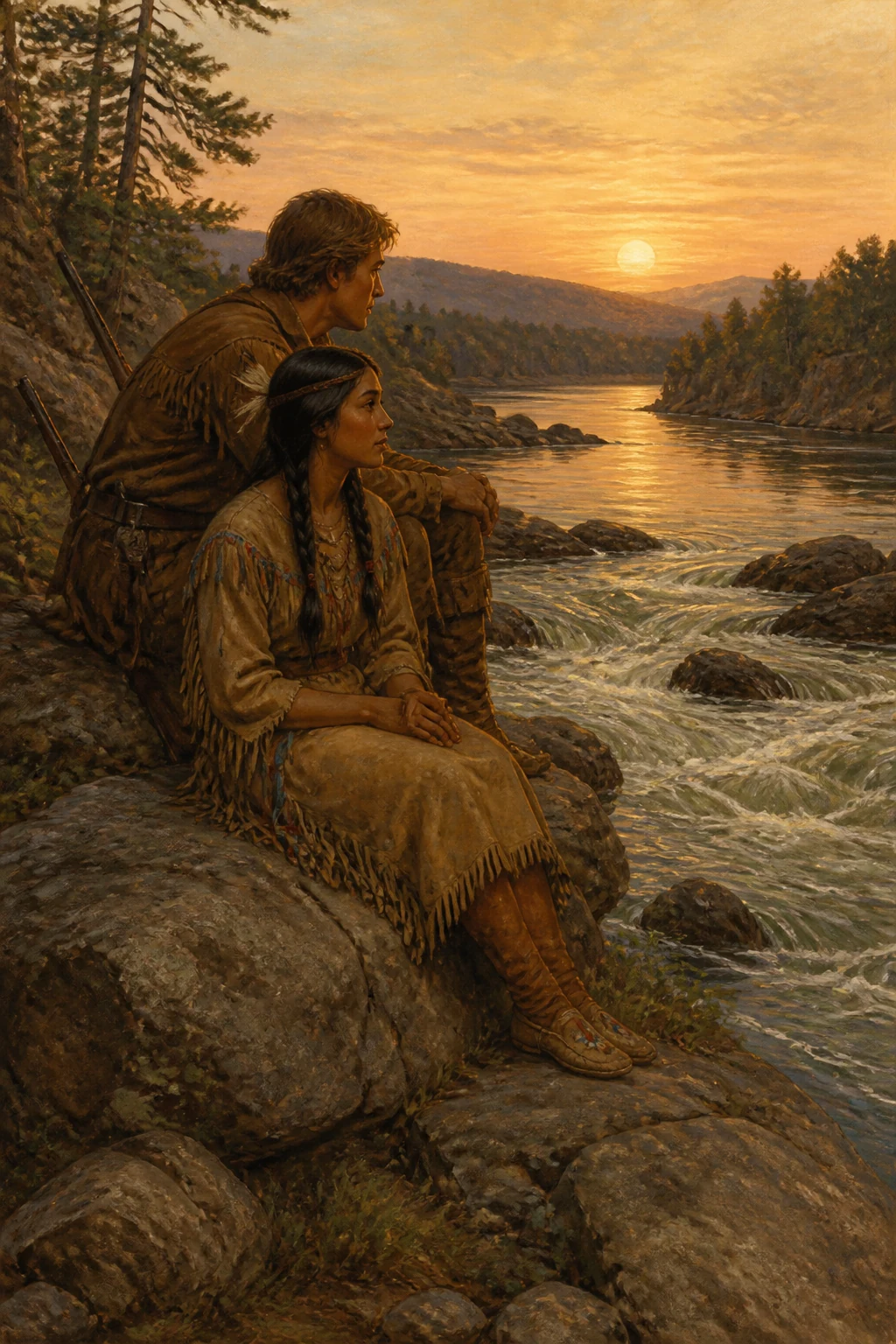
»Ga.« »Reka je široka in globoka.« »Raje bi utonila v njej, kakor da bi se njemu kaj hudega zgodilo.« Stari poglavar je ukazal, naj ujetnika, še vedno zvezanega, v enem njihovih kanujev odpeljejo na kraj na virginijskem bregu, celi dve milji daleč, in ko je bil čoln na vodi, je dal znamenje dekletu, ki se je nemudoma pognalo v reko in zaplavalo za njim. Poglavar in oče sta se vkrcala v drug kanu iz brezovega lubja — navidez zato, da bi se prepričala, ali bo naloga pošteno opravljena; v resnici pa morda zato, da dekle ne bi utonilo. Pot je bila dolga, toda mladenka ni bila takšna kot marsikatera naša mestna gospodična in dosegla je breg, utrujena, a srečna, saj je rešila svojega ljubimca in si ga pridobila za moža.
Izvirnik
At Indian Head, Maryland, are the government proving-grounds, where the racket of great guns and splintering of targets are a deterrent to the miscellaneous visitations of picnics. Trouble has been frequently associated with this neighborhood, as it is now suggested in the noisy symbolry of war. In prehistoric days it was the site of an aboriginal town, whose denizens were like other Indians in their love for fight and their willingness to shed blood. Great was the joy of all these citizens when a scouting party came in, one day, bringing with them the daughter of one of their toughest old hunters and a young buck, from another faction, who had come a-courting; her in the neighboring shades.
Capture meant death, usually, and he knew it, but he held himself proudly and refused to ask for mercy. It was resolved that he should die. The father's scorn for his daughter, that she should thus consort with an enemy, was so great that he was on the point of offering her as a joint sacrifice with her lover, when she fell on her knees before him and began a fervent appeal, not for herself, but for the prisoner. She would do anything to prove her strength, her duty, her obedience, if they would set him free. He had done injury to none. What justice lay in putting him to the torture?
Half in earnest, half in humor, the chief answered, “Suppose we were to set him on the farther shore of the Potomac, do you love him well enough to swim to him?”
“I do.”
“The river is wide and deep.”
“I would drown in it rather than that harm should come to him.”
The old chief ordered the captive, still bound, to be taken to a point on the Virginia shore, full two miles away, in one of their canoes, and when the boat was on the water he gave the word to the girl, who instantly plunged in and followed it. The chief and the father embarked in another birch--ostensibly to see that the task was honestly fulfilled; really, perhaps, to see that the damsel did not drown. It was a long course, but the maid was not as many of our city misses are, and she reached the bank, tired, but happy, for she had saved her lover and gained him for a husband.