Prevod
Onkraj gozda, ob reki, se je razprostiralo močvirje, kjer so živeli Pižmovci. To je bilo tisto močvirje, kamor je mladi Žabec odpeljal nekaj otrok travniških prebivalcev, ko so se naveličali biti doma in so si zaželeli potovanja. Saj se spomnite: ko so šli z njim, so bili veseli in srečni, sonce je sijalo in pot se jim ni zdela dolga. Ko so se vračali, pa jih je zeblo, bili so mokri in utrujeni in pot se jim je zdela zares neznansko dolga. Nikoli jih ni bilo mogoče pripraviti do tega, da bi o njej kaj dosti povedali.
Nekaterim je všeč tisto, kar drugim ni, in mnenje o močvirju je vselej odvisno od tega, ali si Kobilica ali Žaba. A naj so si prebivalci želeli živeti tam ali ne, močvirje je bilo vedno prijetno na pogled. Spomladi so si visoki ameriški macesni ob njegovem robu nadeli nove obleke iz mehkih, igličastih zelenih listov, kalužnice so dvigale svoje svetle obraze proti soncu, na stotine srečnih drobnih bitij pa je švigalo med šopi grobe trave. V zraku je bil topel, vlažen vonj po zemlji, ob vrbah z mačicami pa se mu je pridihnila še rahla grenkoba.
Takrat so si močvirske Kokoške spletale gnezda, Mali martinci pa so z drobnimi, gizdavimi koraki tekali ob mirnih tolmunih. Poleti so čudoviti lepi čeveljčki rasli v družinskih skupinah, tam, na višjem in bolj suhem delu, pa so se razraščale bele konjske grive, visoka socvetja kremastih naprstcev in vitki vijoličasti sporiši. Jeseni je rogoz togo stal med svojimi rumenimi listi, na njem pa so posedali Rdečekrili škorčevci in Bobolinki ter načrtovali pot na jug.
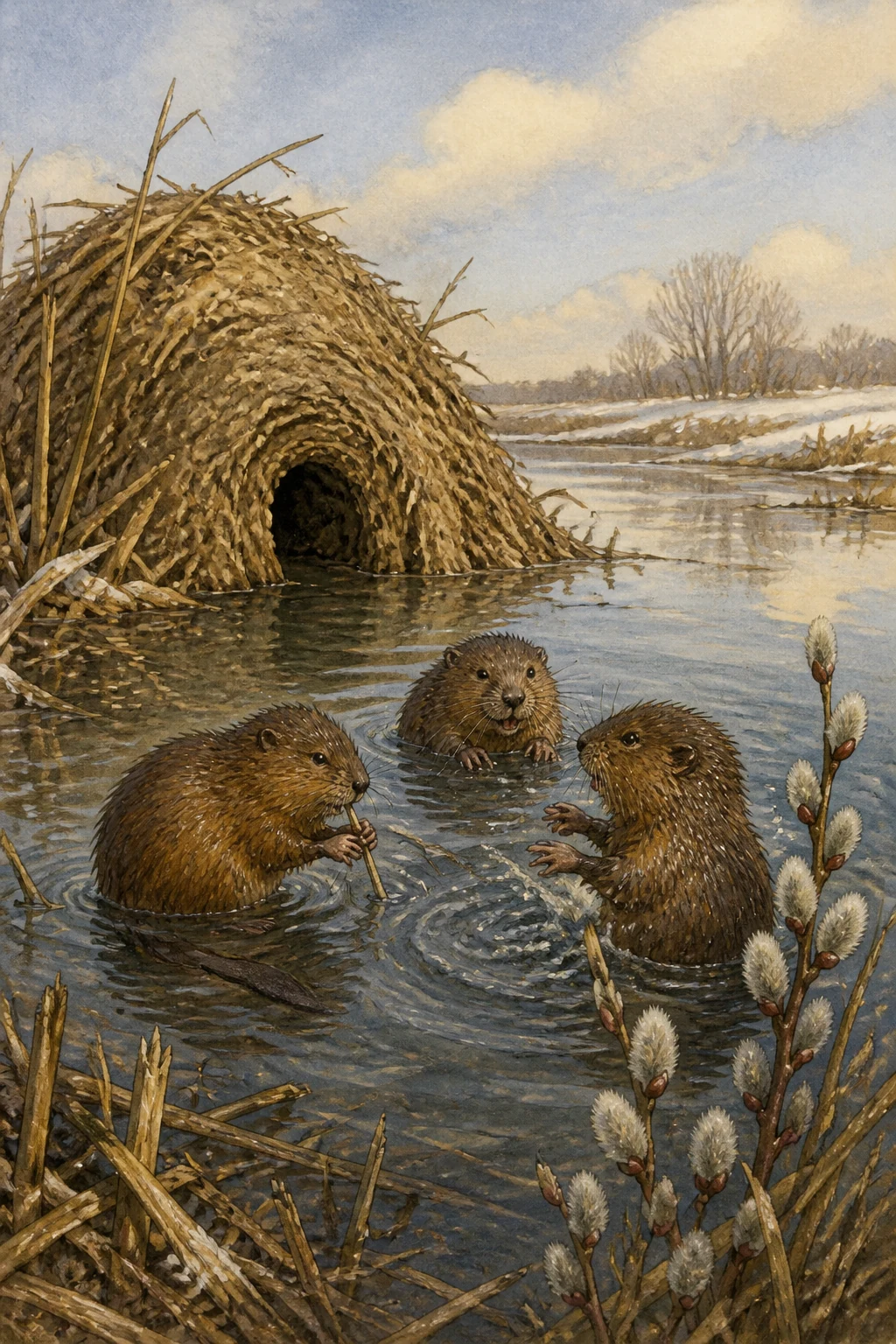
Tudi ko so ptice odšle in je bil rogoz razcefran in obrabljen — tudi takrat je bilo močvirje zanimivo. Mehak sneg se je oprijemal rjavih semenskih glavic konjske grive in polnil odprte srebrnosive plodove svilnice. Med rjavimi šopi trave so se vile drobne sledi Miši in Nork, tu in tam pa so se dvigali stožčasti zimski domovi Pižmovcev.
Pižmovci so bili največji prebivalci močvirja in so živeli v najimenitnejših domovih. Res je sicer, da je v pretepu med Norko in Pižmovcem navadno zmagala Norka, vendar o tem ni nihče govoril, čeprav so vsi vedeli, da je tako. Pižmovci so bili za kaj takega preponosni, Norke prepametne, manjši prebivalci iz soseščine pa z omembo tega niso hoteli užaliti Pižmovcev. Pravijo, da je neka predrzna mlada Miš nekoč rekla nekaj o tem dovolj glasno, da so jo Pižmovci slišali, in da odtlej nobeden izmed njih ni več spregovoril z njo. Ko je naslednjič kakemu Pižmovcu voščila »Dober večer«, jo je ta samo pogledal, kakor da je sploh ne vidi ali kakor da bi bila palica, kamen ali kaj drugega neužitnega in nezanimivega.
Pižmovci so bili zelo priljubljeni, saj so bili prijazni sosedje in drugim nikoli niso kradli hrane. Zato jim nihče ni zavidal, čeprav so bili tako debeli in srečni. Njihovi otroci so večinoma lepo uspeli, četudi jih sploh niso strogo vzgajali. Saj veste, kadar morata oče in mati vsako poletje hraniti kakih petnajst otrok in skrbeti zanje, jima ne ostane prav veliko časa, da bi jih učila govoriti »prosim«, »hvala« in »oprostite«. Včasih so se mladi Pižmovci res pulili za stvari in se prepirali, kakor tisto noč, ko jih je petnajst obiskalo svoj stari dom in so vsi hoteli prvi vanj. Morda se spomnite, kako jih je moral oče tisto strašno noč našeškati s svojim luskastim repom, mati pa jih je poslala spat. Nikoli tega niso pozabili, in lahko ste povsem prepričani, da tudi njihovi starši ne. Staršem je strašno hudo, kadar se njihovi otroci prepirajo, in prav naporno je našeškati petnajst otrok naenkrat, še posebno če moraš za to uporabiti svoj rep.
Med njimi je bil tudi neki stari samski Pižmovec, ki je od nekdaj živel le zase in je prevečkrat dosegel svoje, da bi bilo to dobro zanj. Če bi se bil poročil, ne bi bilo tako in bi se bil navadil popuščati še komu drugemu. Bil je postaven možak z mehkim, kratkim, rdečerjavim kožuhom, ki je na hrbtu prehajal v skoraj črno, na trebuhu pa v svetlo sivo barvo. Na njegovem dolgem, ploščatem, luskastem repu je bilo zelo malo dlak, in večina teh je rasla v dveh resah, ena po sredini zgornje strani, druga po sredini spodnje. Drobna ušesa so mu komajda kukala iz kožuha na glavi, bil pa je tako debel, da se je res zdelo, kakor da sploh nima vratu. Če bi si ogledali njegove tačke, bi komaj verjeli, da zna plavati, saj so bile plavalne kožice med prsti zelo, zelo majhne, pa tudi tačke niso bile velike.
Kakor vsi drugi Pižmovci je tudi on uporabljal veliko dišave, ki pa ni bila ravno prijetna, saj je bila zelo močna in mošusna. Sam je menil, da je čisto prava, in tako je bilo še najbolje, kajti ni si mogel pomagati, da je ne bi nosil s seboj. Lahko si predstavljate, kako mučno bi bilo gledati Pižmovca, ki bi hodil naokrog z vihanim nosom in se ves čas pritoževal nad lastno dišavo.
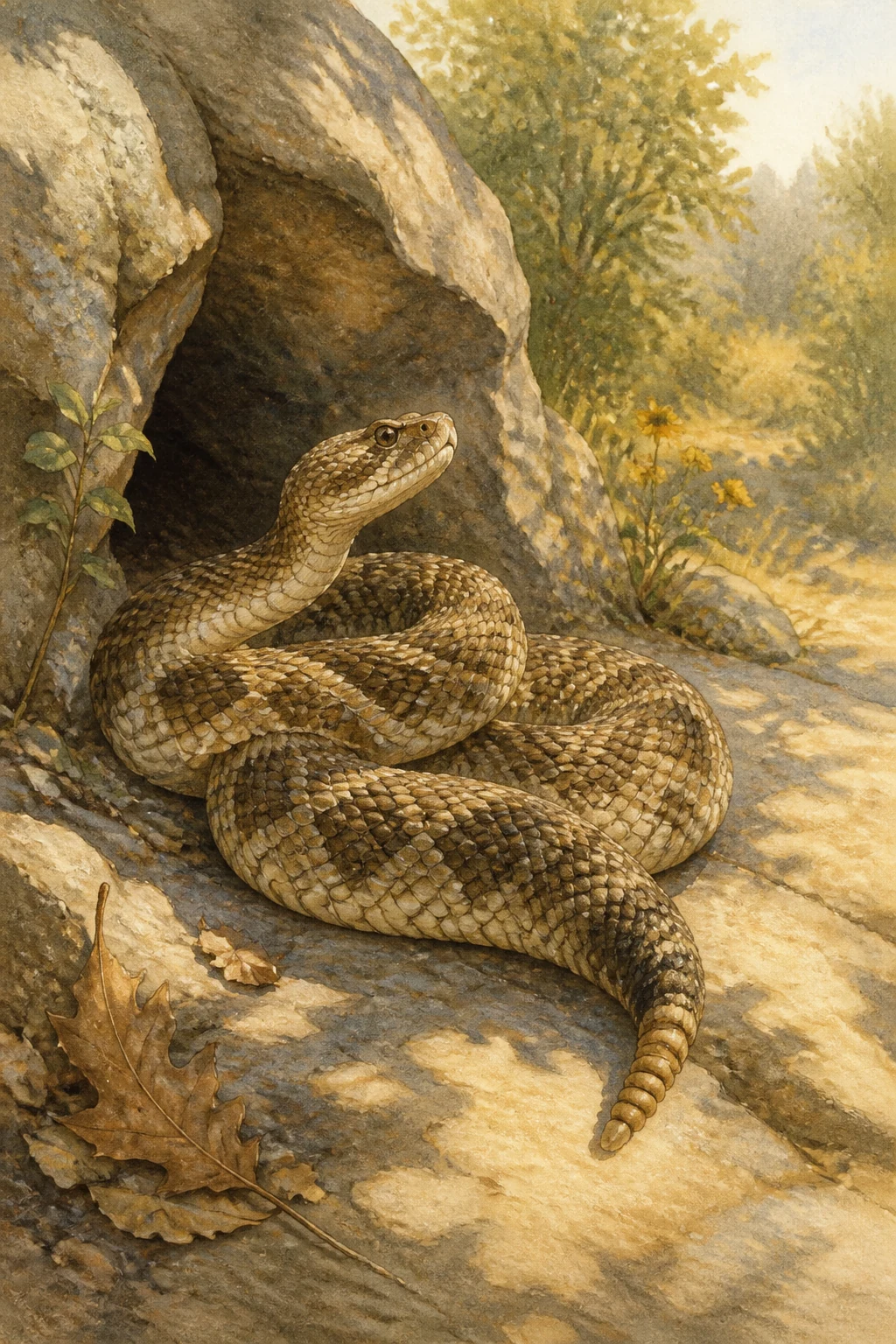
Nihče se ni spominjal časa, ko v močvirju ne bi bilo Pižmovcev. Svizec, ki je živel blizu gozdnega roba, je pravil, da je njegov ded pogosto govoril o tem, kako jih je gledal pri igri v mesečini. Neka stara Klopotača, ki je bila že večkrat poročena in je imela na ropotulji štirinajst členkov, pa je dejala, da se spominja Pižmovcev tam še iz časa, preden je prvič slekla kožo. In prav nič čudnega ni bilo, da so imeli Pižmovci radi močvirje, ko pa je njihov rod tam živel že tako dolgo.
Nekega dne sredi poletja je kmet s svojimi delavci prišel v močvirje z lopatami, krampi in merilnimi vrvicami. Vsi so nosili visoke gumijaste škornje, hodili so sem ter tja, merili in se pogovarjali, izruvali nekaj grmičkov borovnic in v mehko, gobasto zemljo zabili precej količkov. Potem je na kmetiji zazvonil zvonec za kosilo in so odšli. Dan je bil turoben in oblačen, zato je bilo nekaj Pižmovcev zunaj. Če bi sijalo sonce, bi ostali v svojih rovih. Priplavali so do količkov, jih ovohavali in glodali ter se spraševali, zakaj so jih ljudje postavili tja.
»Jaz vem,« je rekel mlad Pižmovec, ki se je tisto pomlad poročil in si uredil svoj dom. »Vem, zakaj so zabili te količke.« »O, poslušajte ga!« je vzkliknila njegova žena. »On ve in nam bo vse povedal.«
»Tega mi ni nihče povedal,« je rekel mladi mož. »Sam sem se domislil. Svizec je nekoč dejal, da ljudje polagajo v zemljo majhne koščke krompirja, da iz njih zrastejo celi veliki krompirji, in tu so naredili nekaj podobnega. Veste, kmet si je zaželel ograje, zato je v zemljo zataknil te količke, in še pred zimo mu bo zrasla lepa ograja.«
»Hm!« je rekel samski Pižmovec. Zdelo se je, da namerava povedati še kaj, toda mlada žena ga je pogledala s tako namrščenim kosmatim čelom, da je stisnil usta, kolikor jih je le mogel — povsem jih nikoli ni mogel zapreti — in ni rekel nič več.
»Hočeš mi reči,« je rekla Pižmovka, ki je pravkar poslala pet otrok iz svojega rova, da bi naredila prostor za nove mladiče, »da bodo tu gojili ograjo, ko pa je tako mokro? Ograje rastejo na višjem svetu.«
»Prav to sem rekel,« je odgovoril mladi mož in udaril z repom po vodi, da bi se zdel pomembnejši. »No,« je rekla zaskrbljena mati, »če bodo tu začeli gojiti ograje in podobne reči, se bom preselila. Vsi moji otroci se bodo hoteli igrati okoli nje in kaj lahko se zgodi, da bodo pojedli njene korenine in zboleli.«
Potem so se ljudje vrnili in vsi Pižmovci so stekli proti svojim rovom, se potopili v vodo, da bi prišli do njihovih vhodov, nato pa zlezli po dolgih hodnikih, ki so jih izkopali v breg, vse do velikih sob, kjer so preživljali večino dni in imeli svoje mladiče.
Tisto noč je mladi mož prvi prišel na plano in se takoj odpravil k vrsti količkov. Medtem ko je njegova žena spala, je sam bedel in premišljeval, zdaj pa se je bal, da je preveč govoril. Ugotovil je, da količki niso nič zrasli in da so ljudje ob njih začeli kopati globok jarek. Bal se je, da bodo sosedje kazali nanj s tačkami in ga spraševali, kako raste ograja, ni pa bil dovolj pogumen, da bi stopil prednje in povedal, da se je zmotil. Odšel je po rečnem bregu in se vso noč hranil sam, medtem ko so njegova žena in sosedje brskali in čofotali po močvirju ali plavali v reki blizu svojih domov. Mladi Pižmovci so se valjali in prevračali v mesečini ter bili videti kakor kosmate rjave žoge. Ko se je začelo daniti, se je prikradel nazaj v svoj rov.
Vsak dan so ljudje prihajali delat v visokih gumijastih škornjih in vsak dan je bilo več jarkov, močvirje pa je bilo bolj suho. Ko so vse cvetlice dozorele v seme in je gozdno drevje ogolelo, se je močvirje spremenilo v suho zemljo in Pižmovci tam niso več našli vode, v kateri bi lahko čofotali. Neke noči, ki je bila zelo, zelo temna, so se zbrali, da bi se pogovorili o zimi.
»Čas je, da začnemo graditi hiše za mrzle dni,« je rekel star Pižmovec. »Še nikoli nisem začel tako zgodaj, toda letos bo zima zgodnja.« »Da, pa dolga tudi,« je pristavila njegova žena, ki je trdila, da gospod Pižmovec nikoli ničesar ne pove dovolj odločno.
»Mrzla bo,« je rekel drug Pižmovec, »in morali bomo zgraditi debele stene.« »Zakaj?« je vprašal mali Pižmovec. »Pst!« je rekla njegova mati. »Vprašanje je,« je rekel stari Pižmovec, ki je prvi spregovoril, »kje bomo gradili.«
»Zakaj?« je vprašal mali Pižmovec in potegnil mamo za rep. »Psst!« je rekla mati. »Tu ni vode, razen v jarkih,« je rekel najstarejši Pižmovec, »in ob njih seveda ne bi gradili.«
»Zakaj ne?« je vprašal mali Pižmovec. Tokrat je mamo celo dregnil v bok. »Pssst!« je rekla. »Kolikokrat te moram opomniti? Ali ne veš, da naj bi se mlade Pižmovce videlo, ne pa slišalo?«
»Ampak mene se ne vidi,« je zacvilil. »Tako temno je, da se me ne vidi, zato me pač morate slišati.« Seveda je moral biti kaznovan, potem ko je tako govoril z materjo in s svojo porednostjo prekinjal vse druge, zato ga je mati poslala spat. Za mlade Pižmovce je to zelo hudo, kajti ponoči se, saj veste, najbolj zabavajo.
Starejši so se dolgo in dolgo pogovarjali o tem, kaj naj storijo. Kakor vselej so tudi tokrat natanko vedeli, kakšna zima jih čaka, in da morajo takoj začeti graditi. Nekatera leta so počakali še cel mesec, toda takrat so pričakovali pozno in milo zimo. Nazadnje je najstarejši Pižmovec odločil namesto vseh. »Jutri ponoči se bomo preselili,« je rekel. »Odšli bomo v močvirje na drugi strani gozda in si tam zgradili zimske domove.«
Vsi Pižmovci so bili žalostni, ker bodo morali oditi, in za trenutek je zavladala taka tišina, da bi skoraj lahko slišali, kako se seme svilnice odtrga iz plodu in odjadra proč. Potem je tišino pretrgal osoren glas. »Jaz ne bom šel,« je rekel. »Tu sem se rodil in tu bom živel. Nikoli še nisem zapustil tega močvirja in nikoli ga ne bom.«
Niso mogli videti, kdo govori, a so vedeli, da je samski Pižmovec. Najstarejši Pižmovec je pozneje dejal, da je bil tako presenečen, da bi ga lahko prevrnili s travno bilko. Seveda ga ne bi mogli, ker je bil tako debel in težak, vendar je tako rekel in to pove, kako se je počutil.
Drugi Pižmovci so mu prigovarjali in prigovarjali in prigovarjali, a nič ni pomagalo. Bratje so mu govorili, da je povsem nesmiselno ostati, da se bo drugim to zdelo čudno in da bi moral oditi skupaj z drugimi sorodniki. Toda nič ni pomagalo. »Vi bi morali ostati,« jim je odgovarjal. »Naša družina je od nekdaj živela tu.«
Ko so mu pižmovske matere govorile, kako osamljen bo in kako bo pogrešal pogled na drage malčke, ki se razposajeno igrajo v mesečini, je pomežiknil in rekel: »No, to bom pač moral prenesti.« Potem je zavzdihnil, one pa so odšle in si govorile, kako nežno srce ima in kakšna škoda je, da se ni nikoli poročil. Ena izmed njih je govorila, kot da bi bil pred leti zaljubljen vanjo, vendar druge o tem niso nič vedele.
Pižmovski očetje so ga opozarjali, da mu ne bo imel kdo pomagati, če bo kakšna Norka hotela začeti prepir z njim. »Takrat bom že sam poskrbel zase,« je rekel in prav srdito pokazal svoje močne glodavske zobe.
Šele ko so mu prigovarjale ljubke mlade pižmovske hčere, se je začel spraševati, ali naj res ostane. Večino nekega dne je prebedel v premišljevanju in se spominjal žalostnega pogleda v njihovih očeh, ko so mu rekle, da ga bodo pogrešale. Bil je tako vznemirjen, da je naslednjo noč pojedel le tri majhne korenine. Ubogemu staremu samcu je bilo tedaj težko, toda tako zelo je bil vajen doseči svoje, narediti, kar si je zadal, in nikomur popustiti, da je nazadnje vendarle ostal.
Drugi so odšli, on pa je začel graditi svojo zimsko hišo ob največjem jarku. Postavil jo je med grmovje, da bi mu to pomagalo obdržati hišo na mestu, če bi se voda v jarku kdaj razlila čez rob. Gradil jo je z usti: prinašal je velike zalogaje travnih korenin in ločja ter jih odlagal na sredo kupa. Včasih so ostali tam, včasih pa so se skotalili navzdol. Če so se skotalili, jih ni nikoli prinesel nazaj, saj je vedel, da bodo koristni tudi tam, kjer so bili. Ko je bila hiša končana, je imela obliko borovega storža, obrnjenega s pecljem navzdol. Ko jo je namreč zgradil do višine visoke svilnice, je dokončal še dolgo pobočje, po katerem je dotlej tekal navzgor, da je bilo videti enako kakor druge strani.
Nato je začel od spodaj kopati rov vanjo. Vedel je, da bi moral biti vhod pod vodo in da bi se moral do njega potopiti. Prejšnje zime je delal tako in ob potopu z repom glasno plosknil po vodi. Zdaj vode ni bilo dovolj, da bi se potopil vanjo, in kadar je skušal ploskniti po njej, mu je rep segel do dna jarka in se umazal z blatom. Vhod si je moral urediti, kakor je pač najbolje znal, potem pa je pojedel toliko notranjosti svoje hiše, da si je napravil udobno sobo, ter skozi streho izvrtal majhno luknjo za svež zrak.
Ko je bila hiša končana, je podnevi spal v njej, ponoči pa se je potikal zunaj. Spal je v njej, toda korenin, iz katerih je bila narejena, ni jedel, dokler voda v jarku ni povsem zamrznila. Vedel je, da ga čaka dolgo, dolgo obdobje, ko ne bo mogel izkopavati svežih korenin in bo moral živeti od teh.
Ponoči se mu je zdelo močvirje tako prazno in samotno, da skoraj ni vedel, kaj bi počel. Ob jedi ni užival in Mišim se je pogosto pritoževal, da mu korenine ne teknejo tako kakor tiste, ki so jih jedli v njegovi mladosti. Poskusil je jesti tudi druge reči, vendar se mu niso zdele nič boljše. Kadar je sijala svetla mesečina, je sedel na najvišji šop trave, kar jih je našel, in premišljeval o svojih dedih in babicah. »Če ne bi bili pojedli svojih hiš,« je nekoč rekel neki Miši, »bi jih bilo to močvirje polno.«
»Ne, pa ne bi bilo,« je odgovorila Miš, ki mu pravzaprav ni hotela ugovarjati, a je menila, da se zelo moti. »Če hiš ne bi pojedli, bi jih podrl veter, potolkel dež in odnesle poplave. Tako je bolje. Kdo pa si želi, da bi vse ostalo enako na veke vekov? Jaz že raje vidim, da drevesa tu in tam odvržejo liste in poženejo nove, kakor da bi nosila vedno iste stare, tudi ko so že razcefrani in obledeli.«
Samskemu Pižmovcu to ni bilo preveč všeč, vendar teh besed ni mogel pozabiti. Kadar se je podnevi zbudil, je premišljeval o njih, ponoči pa še bolj. V resnici je bil zelo nesrečen, in ker ni imel nikogar drugega, o komer bi lahko razmišljal, je preveč razmišljal o sebi ter začel verjeti, da je šepav in bolan. Ko je sedel na šopu trave in se spominjal vseh hiš, ki so jih njegovi stari starši zgradili in pojedli, je postal zelo žalosten ter vzdihoval, dokler se mu niso tresli debeli boki. Želel si je, da bi lahko prespal zimo kakor Svizec ali vsaj del nje kakor Skunk, a kakor hitro je nastopila noč, so se mu oči na stežaj odprle in spet je bil — buden.
Ko je prišla pomlad, je mislil na prijatelje, ki so odšli v drugo močvirje, in vedel je, da se lanski otroci zdaj poročajo in si kopljejo svoje rove. Ubogi stari samec si je želel k njim, vendar je bil tako vajen narediti, kar je rekel, da bo naredil, in tako nerad je komu dal vedeti, da se je zmotil, da se je odločil ostati, kjer je bil, brez dovolj vode za potapljanje in s komaj dovolj vode za plavanje. Nihče ne ve, kako bi se vse skupaj končalo, če ne bi prišel kmet zorat starega izsušenega močvirja, da bi na njem posadil zeleno.
Tedaj je samski Pižmovec odšel. V svoj novi dom je prispel zgodaj zjutraj, matere pa so svojim otrokom dovolile ostati pokonci, dokler se ni povsem zdanilo, da bi jih lahko dobro videl. »Kajne, da je tu prijetno?« so vzklikale. »Ali ti ni tu bolj všeč kakor na starem kraju?«
»O, čisto v redu je,« je odgovoril, »vendar ne pozabite, da sem se preselil samo zato, ker sem se moral.« »O, seveda, to razumemo,« je rekla ena izmed mater, »a upamo, da ti bo tu zares všeč.«
Pozneje ji je mož rekel: »Ali ne veš, da je z veseljem prišel? Čemu taka vljudnost?« »Ubogi stari možak,« je odgovorila. »Tako čudaški je, ker živi sam, in smili se mi. Samo poglej, kako jé.«
In res ga je bilo vredno gledati, kajti korenine so mu sladko teknile in, čeprav tega ni nameraval, je bil zelo srečen — veliko srečnejši, kakor bi bil, če bi dosegel svoje.
Izvirnik
Beyond the forest and beside the river lay the marsh where the Muskrats lived. This was the same marsh to which the young Frog had taken some of the meadow people's children when they were tired of staying at home and wanted to travel. When they went with him, you remember, they were gay and happy, the sun was shining, and the way did not seem long. When they came back they were cold and wet and tired, and thought it very far indeed. One could never get them to say much about it.
Some people like what others do not, and one's opinion of a marsh must always depend on whether he is a Grasshopper or a Frog. But whether people cared to live there or not, the marsh had always been a pleasant place to see. In the spring the tall tamaracks along the edge put on their new dresses of soft, needle-shaped green leaves, the marsh-marigolds held their bright faces up to the sun, and hundreds of happy little people darted in and out of the tussocks of coarse grass. There was a warm, wet, earthy smell in the air, and near the pussy-willows there was also a faint bitterness.
Then the Marsh Hens made their nests, and the Sand-pipers ran mincingly along by the quiet pools.
In summer time the beautiful moccasin flowers grew in family groups, and over in the higher, dryer part were masses of white boneset, tall spikes of creamy foxglove, and slender, purple vervain. In the fall the cat-tails stood stiffly among their yellow leaves, and the Red-winged Blackbirds and the Bobolinks perched upon them to plan their journey to the south.
Even when the birds were gone and the cat-tails were ragged and worn--even then, the marsh was an interesting place. Soft snow clung to the brown seed clusters of boneset and filled the open silvery-gray pods of the milkweed. In among the brown tussocks of grass ran the dainty footprints of Mice and Minks, and here and there rose the cone-shaped winter homes of the Muskrats.
The Muskrats were the largest people there, and lived in the finest homes. It is true that if a Mink and a Muskrat fought, the Mink was likely to get the better of the Muskrat, but people never spoke of this, although everybody knew that it was so. The Muskrats were too proud to do so, the Minks were too wise to, and the smaller people who lived near did not want to offend the Muskrats by mentioning it. It is said that an impudent young Mouse did say something about it once when the Muskrats could overhear him and that not one of them ever spoke to him again. The next time he said "Good-evening" to a Muskrat, the Muskrat just looked at him as though he didn't see him or as though he had been a stick or a stone or something else uneatable and uninteresting.
The Muskrats were very popular, for they were kind neighbors and never stole their food from others. That was why nobody was jealous of them, although they were so fat and happy. Their children usually turned out very well, even if they were not at all strictly brought up. You know when a father and mother have to feed and care for fifteen or so children each summer, there is not much time for teaching them to say "please" and "thank you" and "pardon me." Sometimes these young Muskrats did snatch and quarrel, as on that night when fifteen of them went to visit their old home and all wanted to go in first. You may recall how, on that dreadful night, their father had to spank them with his scaly tail and their mother sent them to bed. They always remembered it, and you may be very sure their parents did. It makes parents feel dreadfully when their children quarrel, and it is very wearing to have to spank fifteen at once, particularly when one has to use his tail with which to do it.
There was one old Bachelor Muskrat who had always lived for himself, and had his own way more than was good for him. If he had married, it would not have been so, and he would have grown used to giving up to somebody else. He was a fine-looking fellow with soft, short, reddish-brown fur, which shaded almost to black on his back, and to a light gray underneath. There were very few hairs on his long, flat, scaly tail, and most of these were in two fringes, one down the middle of the upper side, and the other down the middle of the lower side. His tiny ears hardly showed above the fur on his head, and he was so fat that he really seemed to have no neck at all. To look at his feet you would hardly think he could swim, for the webs between his toes were very, very small and his feet were not large.
He was like all other Muskrats in using a great deal of perfume, and it was not a pleasant kind, being so strong and musky. He thought it quite right, and it was better so, for he couldn't help wearing it, and you can just imagine how distressing it would be to see a Muskrat going around with his nose turned up and all the time finding fault with his own perfume.
Nobody could remember the time when there had been no Muskrats in the marsh. The Ground Hog who lived near the edge of the forest said that his grandfather had often spoken of seeing them at play in the moonlight; and there was an old Rattlesnake who had been married several times and wore fourteen joints in his rattle, who said that he remembered seeing Muskrats there before he cast his first skin. And it was not strange that, after their people had lived there so long, the Muskrats should be fond of the marsh.
One day in midsummer the farmer and his men came to the marsh with spades and grub-hoes and measuring lines. All of them had on high rubber boots, and they tramped around and measured and talked, and rooted up a few huckleberry bushes, and drove a good many stakes into the soft and spongy ground. Then the dinner-bell at the farmhouse rang and, they went away. It was a dull, cloudy day and a few of the Muskrats were out. If it had been sunshiny they would have stayed in their burrows. They paddled over to where the stakes were, and smelled of them and gnawed at them, and wondered why the men had put them there.
"I know," said one young Muskrat, who had married and set up a home of his own that spring. "I know why they put these stakes in."
"Oh, do listen!" cried the young Muskrat's wife. "He knows and will tell us all about it."
"Nobody ever told me this," said the young husband. "I thought it out myself. The Ground Hog once said that they put small pieces of potato into the ground to grow into whole big ones, and they have done the same sort of thing here. You see, the farmer wanted a fence, and so he stuck down these stakes, and before winter he will have a fence well grown."
"Humph!" said the Bachelor Muskrat. It seemed as though he had meant to say more, but the young wife looked at him with such a frown on her furry forehead that he shut his mouth as tightly as he could (he never could quite close it) and said nothing else.
"Do you mean to tell me," said one who had just sent five children out of her burrow to make room for another lot of babies, "that they will grow a fence here where it is so wet? Fences grow on high land."
"That is what I said," answered the young husband, slapping his tail on the water to make himself seem more important.
"Well," said the anxious mother, "if they go to growing fences and such things around here I shall move. Every one of my children will want to play around it, and as like as not will eat its roots and get sick."
Then the men came back and all the Muskrats ran toward their burrows, dived into the water to reach the doors of them, and then crawled up the long hallways that they had dug out of the bank until they got to the large rooms where they spent most of their days and kept their babies.
That night the young husband was the first Muskrat to come out, and he went at once to the line of stakes. He had been lying awake and thinking while his wife was asleep, and he was afraid he had talked too much. He found that the stakes had not grown any, and that the men had begun to dig a deep ditch beside them. He was afraid that his neighbors would point their paws at him and ask how the fence was growing, and he was not brave enough to meet them and say that he had been mistaken. He went down the river bank and fed alone all night, while his wife and neighbors were grubbing and splashing around in the marsh or swimming in the river near their homes. The young Muskrats were rolling and tumbling in the moonlight and looking like furry brown balls. After it began to grow light, he sneaked back to his burrow.
Every day the men came in their high rubber boots to work, and every day there were more ditches and the marsh was drier. By the time that the flowers had all ripened their seeds and the forest trees were bare, the marsh was changed to dry ground, and the Muskrats could find no water there to splash in. One night, and it was a very, very dark one, they came together to talk about winter.
"It is time to begin our cold-weather houses," said one old Muskrat, "I have never started so soon, but we are to have an early winter."
"Yes, and a long one, too," added his wife, who said that Mr. Muskrat never told things quite strongly enough.
"It will be cold," said another Muskrat, "and we shall need to build thick walls."
"Why?" asked a little Muskrat.
"Sh!" said his mother.
"The question is," said the old Muskrat who had first spoken, "where we shall build."
"Why?" asked the little Muskrat, pulling at his mother's tail.
"Sh-h!" said his mother.
"There is no water here except in the ditches," said the oldest Muskrat, "and of course we would not build beside them."
"Why not?" asked the little Muskrat. And this time he actually poked his mother in the side.
"Sh-h-h!" said she. "How many times must I speak to you? Don't you know that young Muskrats should be seen and not heard?"
"But I can't be seen," he whimpered. "It is so dark that I can't be seen, and you've just got to hear me."
Of course, after he had spoken in that way to his mother and interrupted all the others by his naughtiness, he had to be punished, so his mother sent him to bed. That is very hard for young Muskrats, for the night, you know, is the time when they have the most fun.
The older ones talked and talked about what they should do. They knew, as they always do know, just what sort of winter they were to have, and that they must begin to build at once. Some years they had waited until a whole month later, but that was because they expected a late and mild winter. At last the oldest Muskrat decided for them. "We will move to-morrow night," said he. "We will go to the swamp on the other side of the forest and build our winter homes there."
All the Muskrats felt sad about going, and for a minute it was so still that you might almost have heard a milkweed seed break loose from the pod and float away. Then a gruff voice broke the silence. "I will not go," it said. "I was born here and I will live here. I never have left this marsh and I never will leave it."
They could not see who was speaking, but they knew it was the Bachelor. The oldest Muskrat said afterward that he was so surprised you could have knocked him over with a blade of grass. Of course, you couldn't have done it, because he was so fat and heavy, but that is what he said, and it shows just how he felt.
The other Muskrats talked and talked and talked with him, but it made no difference. His brothers told him it was perfectly absurd for him to stay, that people would think it queer, and that he ought to go with the rest of his relatives. Yet it made no difference. "You should stay," he would reply. "Our family have always lived here."
When the Muskrat mothers told him how lonely he would be, and how he would miss seeing the dear little ones frolic in the moonlight, he blinked and said: "Well, I shall just have to stand it." Then he sighed, and they went away saying to each other what a tender heart he had and what a pity it was that he had never married. One of them spoke as though he had been in love with her some years before, but the others had known nothing about it.
The Muskrat fathers told him that he would have no one to help him if a Mink should pick a quarrel with him. "I can take care of myself then," said he, and showed his strong gnawing teeth in a very fierce way.
It was only when the dainty young Muskrat daughters talked to him that he began to wonder if he really ought to stay. He lay awake most of one day thinking about it and remembering the sad look in their little eyes when they said that they should miss him. He was so disturbed that he ate only three small roots during the next night. The poor old Bachelor had a hard time then, but he was so used to having his own way and doing what he had started to do, and not giving up to anybody, that he stayed after all.
The others went away and he began to build his winter house beside the biggest ditch. He placed it among some bushes, so that if the water in the ditch should ever overflow they would help hold his house in place. He built it with his mouth, bringing great mouthfuls of grass roots and rushes and dropping them on the middle of the heap. Sometimes they stayed there and sometimes they rolled down. If they rolled down he never brought them back, for he knew that they would be useful where they were. When it was done, the house was shaped like a pine cone with the stem end down, for after he had made it as high as a tall milkweed he finished off the long slope up which he had been running and made it look like the other sides.
After that he began to burrow up into it from below. The right way to do, he knew, was to have his doorway under water and dive down to it. Other winters he had done this and had given the water a loud slap with his tail as he dived. Now there was not enough water to dive into, and when he tried slapping on it his tail went through to the ditch bottom and got muddy. He had to fix the doorway as best he could, and then he ate out enough of the inside of his house to make a good room and poked a small hole through the roof to let in fresh air.
After the house was done, he slept there during the days and prowled around outside at night. He slept there, but ate none of the roots of which it was made until the water in the ditch was frozen hard. He knew that there would be a long, long time when he could not dig fresh roots and must live on those.
At night the marsh seemed so empty and lonely that he hardly knew what to do. He didn't enjoy his meals, and often complained to the Mice that the roots did not taste so good to him as those they used to have when he was young. He tried eating other things and found them no better. When there was bright moonlight, he sat upon the highest tussock he could find and thought about his grandfathers and grandmothers. "If they had not eaten their houses," he once said to a Mouse, "this marsh would be full of them."
"No it wouldn't," answered the Mouse, who didn't really mean to contradict him, but thought him much mistaken. "If the houses hadn't been eaten, they would have been blown down by the wind and beaten down by rains and washed away by floods. It is better so. Who wants things to stay the way they are forever and ever? I'd rather see the trees drop their leaves once in a while and grow new ones than to wear the same old ones after they are ragged and faded."
The Bachelor Muskrat didn't like this very well, but he couldn't forget it. When he awakened in the daytime he would think about it and at night he thought more. He was really very forlorn, and because he had nobody else to think about he thought too much of himself and began to believe that he was lame and sick. When he sat on a tussock and remembered all the houses which his grandparents had built and eaten, he became very sad and sighed until his fat sides shook. He wished that he could sleep through the winter like the Ground Hog, or through part of it like the Skunk, but just as sure as night came his eyes popped open and there he was--awake.
When spring came he thought of his friends who had gone to the swamp and he knew that last year's children were marrying and digging burrows of their own. The poor old Bachelor wanted to go to them, yet he was so used to doing what he had said he would, and disliked so much to let anybody know that he was mistaken, that he chose to stay where he was, without water enough for diving and with hardly enough for swimming. How it would have ended nobody knows, had the farmer not come to plough up the old drained marsh for planting celery.
Then the Bachelor went. He reached his new home in the early morning, and the mothers let their children stay up until it was quite light so that he might see them plainly. "Isn't it pleasant here?" they cried. "Don't you like it better than the old place?"
"Oh, it does very well," he answered, "but you must remember that I only moved because I had to."
"Oh, yes, we understand that," said one of the mothers, "but we hope you will really like it here."
Afterward her husband said to her, "Don't you know he was glad to come? What's the use of being so polite?"
"Poor old fellow," she answered. "He is so queer because he lives alone, and I'm sorry for him. Just see him eat."
And truly it was worth while to watch him, for the roots tasted sweet to him, and, although he had not meant to be, he was very happy--far happier than if he had had his own way.