Prevod
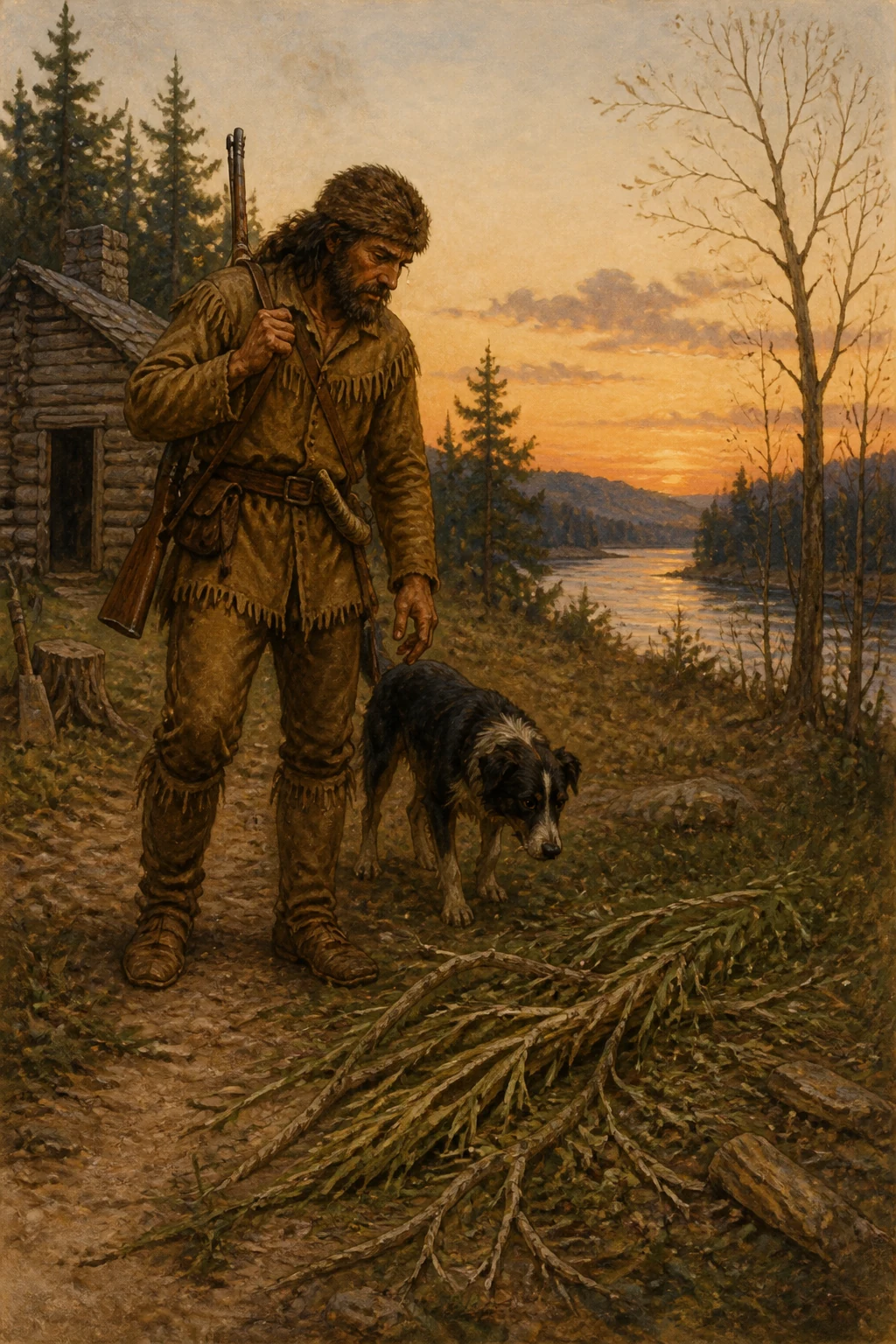
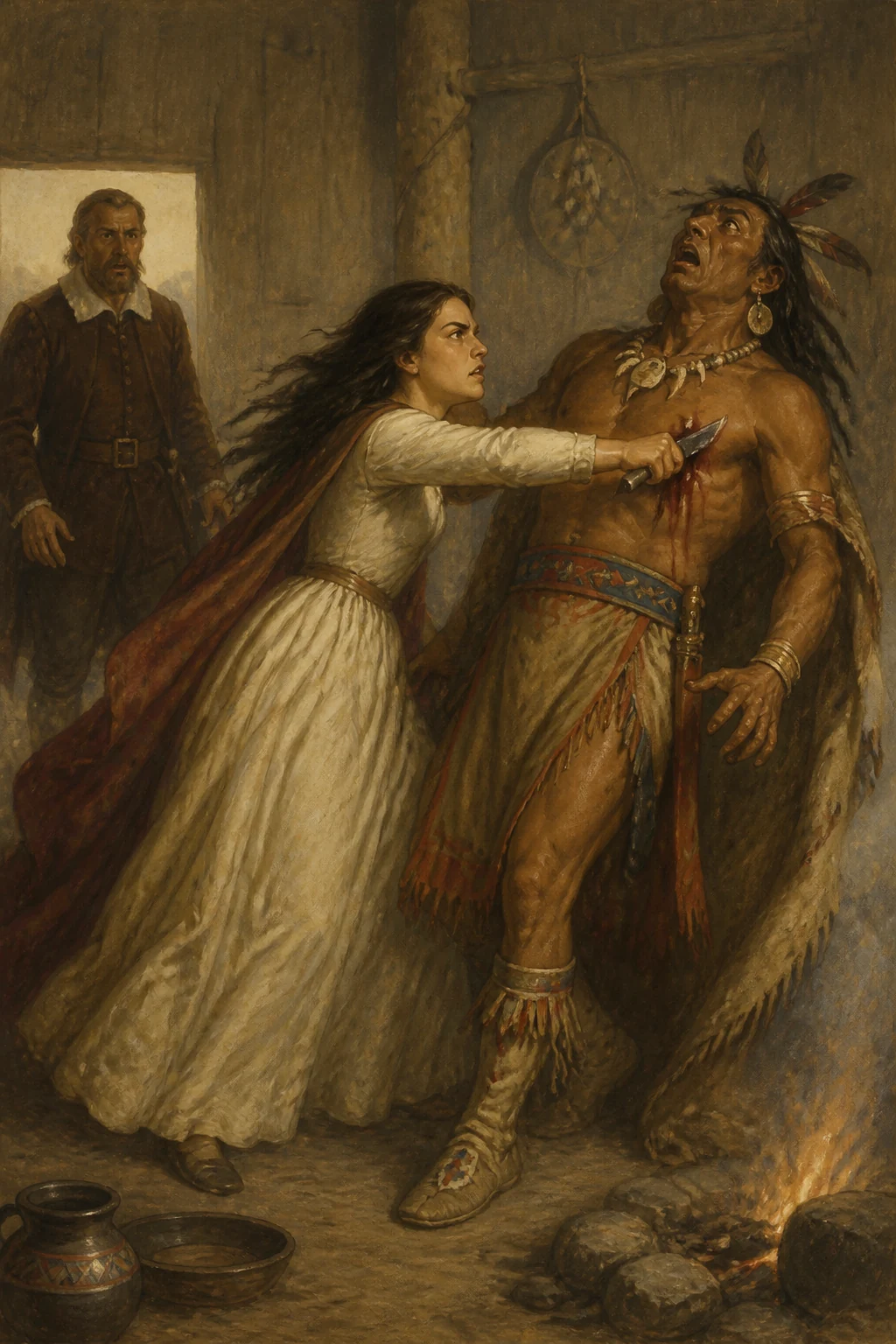
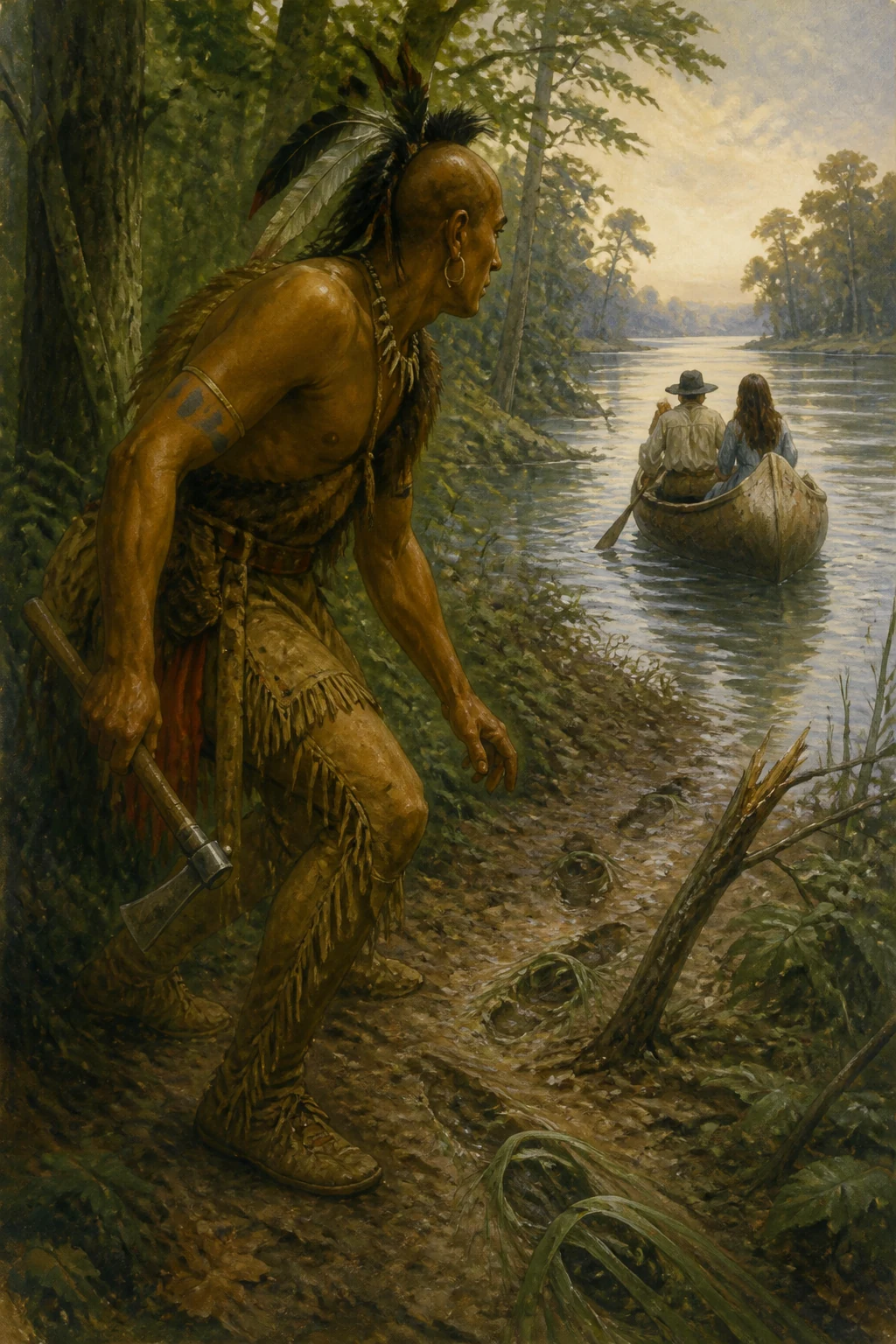
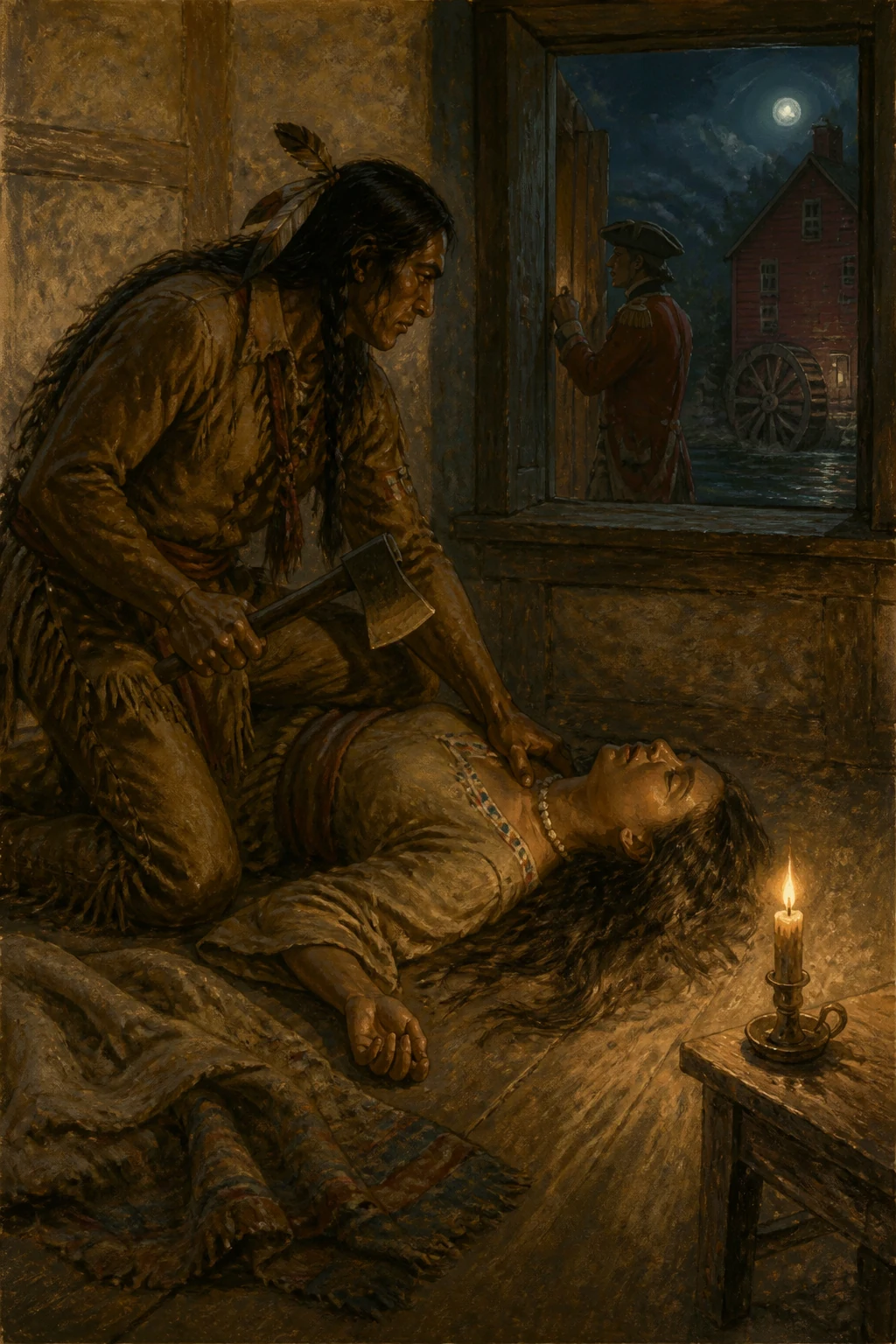
Še preden je Pittsburg toliko zrasel, da bi ga bilo mogoče imenovati naselbina, je neki belec s čolnom priveslal do ustja potoka Chartiers blizu današnjega mesta. Iskal je kraj, kjer bi si ustvaril dom, in malo više ob potoku, kjer so bili les, voda in proti jugu obrnjeno pobočje, je z zarezami tomahavka v drevesa označil svojo pravico do zemljišča ter ga začel krčiti. Naslednje leto so se v kočo, ki jo je zgradil, priselili njegova žena, otroka in brat. Dolgo so srečno živeli, ko pa sta se brata vrnila z dolgega lova, sta našla hišico upepeljeno, med razvalinami pa zoglenele ostanke njenih prebivalcev. Čeprav sta ob tej nesreči skoraj izgubila razum, sta vedela, da sta tudi njuni življenji vsak hip v nevarnosti, in hotela sta ostati živa, dokler ne bi mogla kaznovati divjakov za ta zločin. Pokopala sta trupla in se čez hribe odpravila proti vzhodu, pri ustju potoka Chartiers pa v razcepljeni palici pustila pismo na brezovem lubju, v katerem sta opisala tragedijo.
To pismo so pozneje našli lovci s pastmi. O možeh ni bilo nikoli več glasu in domnevajo, da sta tudi sama padla pod rokami Indijancev. Stari naseljenci so zatrjevali, da je bilo ob poletnih nočeh v mali dolini, kjer je stala koča, slišati krike umorjenih nedolžnih žrtev, in kadar so se bližale nevihte, so se ti kriki pogosto mešali z vpitjem divjakov. Še bolj pretresljive so luči smrti — blodeči plamenčki —, ki tavajo po prizorišču tragedije ter gor in dol po sosednjih pobočjih. Pravijo, da so te prikazni duhova moža in žene, ki iščeta drug drugega ali pa skupaj iščeta svoja otroka; nekateri pa trdijo, da je v njihovih navzgor segajočih žarkih zlahka razpoznati skalpe pobitih. Dva imata zlat sijaj in to sta skalpa otrok. Zdi se, da izpod njiju na travo kapljajo rdeče kaplje, naslednje jutro pa najdejo cvetlice orošene z njimi.
Izvirnik
Before Pittsburg had become worthy to be called a settlement, a white man rowed his boat to the mouth of Chartiers creek, near that present city. He was seeking a place in which to make his home, and a little way up-stream, where were timber, water, and a southern slope, he marked a “tomahawk claim,” and set about clearing the land. Next year his wife, two children, and his brother came to occupy the cabin he had built, and for a long time all went happily, but on returning from a long hunt the brothers found the little house in ashes and the charred remains of its occupants in the ruins. Though nearly crazed by this catastrophe they knew that their own lives were in hourly peril, and they wished to live until they could punish the savages for this crime. After burying the bodies, they started east across the hills, leaving a letter on birch bark in a cleft stick at the mouth of Chartiers creek, in which the tragedy was recounted.
This letter was afterward found by trappers. The men themselves were never heard from, and it is believed that they, too, fell at the hands of the Indians. Old settlers used to affirm that on summer nights the cries of the murdered innocents could be heard in the little valley where the cabin stood, and when storms were coming up these cries were often blended with the yells of savages. More impressive are the death lights--the will-o'-the-wisps--that wander over the scene of the tragedy, and up and down the neighboring slopes. These apparitions are said to be the spirits of husband and wife seeking each other, or going together in search of their children; but some declare that in their upward streaming rays it can readily be seen that they are the scalps of the slain. Two of them have a golden hue, and these are the scalps of the children. From beneath them drops of red seem to distil on the grass and are found to have bedewed the flowers on the following morning.