Prevod
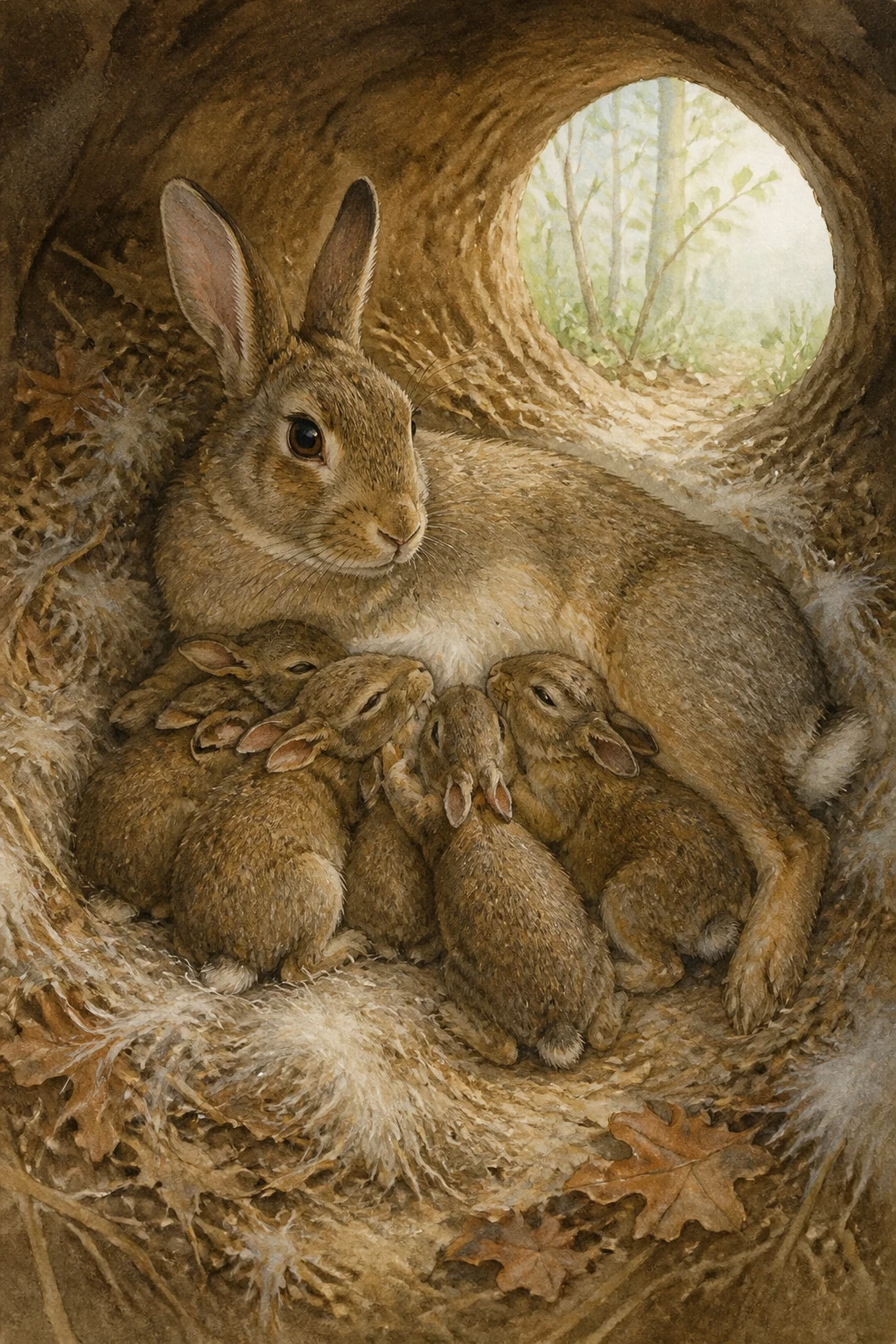
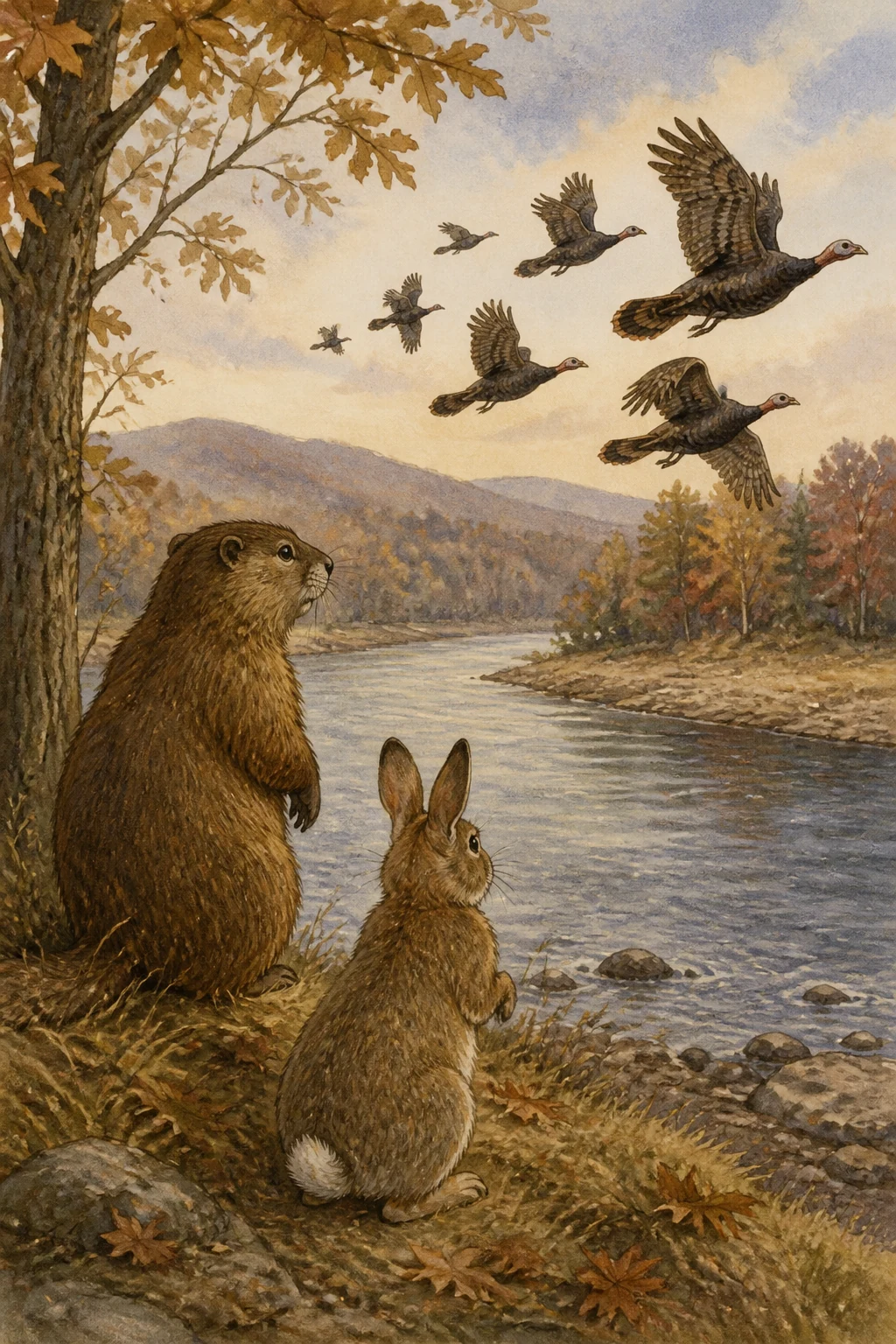
Nedaleč od doma Zajcev je bil še en rov, v katerem je živel Svizec, in sosedje so si bili zelo naklonjeni. Radi so imeli enako hrano, in ker je je bilo za vse dovolj, so pogosto skupaj kaj glodali ob gozdnem robu. Zajčki so ga imeli radi in so radi poslušali njegove zgodbe. Nekoč se je največji zajček nečesa prestrašil in pomotoma smuknil v Svižčev rov; tako se je med njima začelo veliko prijateljstvo.
Bila sta prav nenavaden par, kajti Zajček je bil majhen, uren in ljubek, Svizec pa je bil s svojim čokatim telesom, poraslim z gostim rdečkastim kožuhom, široko, ploščato glavo in kratkimi nogami precej neroden možic. Resda je znal hitro izginiti z obličja zemlje, če je bilo treba, a nikoli ni tekal naokrog in od samega veselja brcal z zadnjimi nogami kakor Zajci. Za kaj takega je bil preveč dostojanstven. Izhajal je iz starega rodu in še se je spominjal svojega deda. Le malo gozdnih prebivalcev je to lahko reklo zase; zato se seveda ni mogel razposajeno poditi kakor njegovi sosedje.
Morda bi se Svizec bolj zabaval, če ne bi pripadal tako staremu rodu. Vendar mu je misel, da se še spominja svojega deda, zbujala veliko zadovoljstvo in med pogovorom je pogosto kar mimogrede pripomnil: »Kakor je govoril moj ded,« ali pa: »To me spominja na nekaj, kar je nekoč storil moj ded.« Nekateri so pravili, da se s tem postavlja, vendar je prav mogoče, da so mu zavidali.
Kakor koli že, Svizec je bil vsekakor ošaben možic in ljudje ga ne bi marali, če ne bi bil obenem tako blag in prijazen sosed. Le enkrat so ga videli jeznega, in sicer takrat, ko ga je predrzna mlada Progasta veverica imenovala Lesni svizec. »Lesni svizec! Lesni svizec!« je godrnjal. »Ti mlada Košatorepka, jaz sem Svizec in rod Svizcev je živel v tem gozdu, še preden si ti sploh odprla oči. Lepo vzgojeni ljudje nam ne pravijo ‘lesni svizci’. Tega imena ne maramo. Moj ded ga ni mogel trpeti.«
Kmalu zatem je radovednim zajčkom pripovedoval o svojem dedu. Med pripovedovanjem je Svizec počival ob vhodu v svoj rov, sedel na zadnjih nogah in mahal s svojima nenavadnima prednjima tačkama, kadar je povedal kaj posebno pomembnega. In tole je bila njegova zgodba:
»Morda ste me že kdaj slišali govoriti o mojem dedu. Ah, to je bil Svizec, ki ga je bilo vredno videti! Bil je velik in še takrat, ko sem ga poznal jaz in je bil njegov črni kožuh po hrbtu že prepreden s sivimi dlakami, je bil še vedno čeden. Pa tudi pameten je bil. Očeta sem večkrat slišal reči, da je znal izkopati najgloblji in najboljši rov v vsem gozdu. In kako lepo se je vedel! V vsej okolici ni bilo Svizca, ki bi znal jesti tako glasno kakor on, in pravijo, da si ga je moja babica, ko ji je dvoril, izbrala zaradi imenitnega načina, kako je sedel vzravnan na zadnjih nogah. Otroci, povedali so mi, da sem mu zelo podoben.«
Prav tedaj je Rdečeglava žolna na drevesu nad Svižčevo glavo glasno potrkala: »Tr-r-r, tok-tok-tok!« Okrog kljuna je imela tak izraz, kakor da se ji hoče smejati. Svizec je počasi obrnil glavo in pogledal za njo, ko je odletela. »Prav čedna mladenka,« je dejal, »a slabo vzgojena. Morala bi vedeti, da se ne spodobi motiti tistih, ki govorijo. Kje sem že ostal, otroci?«
»Pripovedovali ste, kako lepo je vaš ded sedel vzravnan na zadnjih nogah,« je rekel najmanjši zajček. »Res je! Res je! Povedati vam moram, kako je moj ded tako dobro spoznal svet. Ko je bil še mladenič, je nekaj časa prebival ob kokošnjaku in tako poslušal pogovore prebivalcev kmečkega dvorišča. Nekoč jih je slišal pripovedovati, kako je kmet nekega zimskega dne čakal, da bo moj ded prilezel iz svojega rova. Seveda vsi veste, otroci, kako živimo Svizci: jeseni smo zelo debeli, in ko pride mraz, zaspimo v svojih rovih in čakamo na pomlad. Včasih se prebudimo in pretegnemo, vendar kmalu spet zaspimo. Ko pa pride pomlad, smo vitki in imamo zdrav tek.
»Kokoši so bile do mojega deda zelo vljudne in Črni petelin brahma je jasno pokazal, kako počaščeni so, da ga imajo med seboj. Rekli so, da so zelo veseli, ker je moj ded tisti zimski dan, ko ga je kmet opazoval, nekaj časa ostal zunaj rova, saj so si že močno želeli toplega vremena. Moj ded ni vedel, kaj s tem mislijo, vendar je bil prepameten, da bi to priznal, in je z vprašanji dognal, da bo še dolgo mraz, če Svizec na tisti določeni zimski dan zapusti svoj rov, zagleda svojo senco in se spet vrne vanj. Če pa svoje sence ne vidi in ostane zunaj, bo kmalu toplo.
»Zdaj vidite, otroci, kako pomemben je naš rod; pa vendar smo tako skromni, da sploh nismo vedeli, da delamo vreme, dokler niso Kokoši tega povedale mojemu dedu. A tako pač je! Resnično veliki ljudje pogosto mislijo najmanj nase.«
»In vi delate vreme?« je vprašal najmanjši zajček. »Mislim, da ga res,« je z nasmeškom odvrnil Svizec. »To je velika skrb. Večkrat se vprašam: ‘Naj naredim toplo ali naj naredim hladno vreme?’ To me tako skrbi, da včasih komaj kaj spravim vase.«
»Kako pa veste, kdaj pride dan, ko morate narediti vreme?« je vprašal najmanjši zajček. »Hm! No, eee! Žal moram povedati, da moj ded ni natančno izvedel, katerega dne nas opazujejo, zato moram to uganiti. A pomislite samo, da mi Svizci delamo vreme za vse druge prebivalce! Veliko pomeni pripadati takšnemu rodu. Prav lahko bi bil Podlasica, Lisjak, Sova ali Kobilar. In velika stvar je, če si poznal svojega deda.«
Zajčki so sedeli čisto pri miru in si želeli, da bi bili tudi sami poznali svojega deda, ko je največji nenadoma rekel: »Če bi vi tisti dan ostali zunaj svojega rova, kak drug Svizec pa bi se vrnil v svojega, kako bi vreme vedelo, kaj naj stori?«
»Otroci,« je rekel stari Svizec, »mislim, da vas kliče mama. Najbolje, da greste pogledat. Na svidenje.« In vljudno je pomahal s tačko.
Sedem zajčkov je odbrzelo, vendar jih mama ni klicala. Še tam je ni bilo, in ko so se vrnili, Svizca niso mogli najti. Čudili so se, kako se je mogel tako zmotiti. Rdečeglava žolna, ki je ravno tedaj priletela mimo, je nagnila glavo vstran in rekla: »Zmotil-da-se-je! Tr-r-r, tok-tok-tok! On že ne!«
Izvirnik
Not far from the home of the Rabbits was another burrow where the Ground Hog lived, and there was a very kindly feeling between the neighbors. They liked the same food, and as there was plenty for all, they often nibbled together near the edge of the forest. The little Rabbits were fond of him and liked to listen to his stories. Once the biggest little Rabbit had run into the Ground Hog's burrow by mistake when he was frightened, and that was the beginning of a great friendship between them.
They were a queer-looking couple, for the Rabbit was small and quick and dainty, while the Ground Hog, with his stout body covered with thick, reddish fur, his broad, flat head, and his short legs, was a clumsy fellow. To be sure, he could get out of sight quickly if he had to, but he never scampered around and kicked up his heels for the fun of it, as the Rabbits did. He was too dignified to do that. He came of an old family and he could remember who his grandfather was. There were but few people in the forest who could do that; so, of course, he could not frisk like his neighbors.
Perhaps if the Ground Hog had not belonged to so old a family, he might have had a better time. Yet the thought that he could remember his grandfather was a great pleasure to him, and when he was talking he would often remark in the most careless way, "as my grandfather used to say"; or, "That reminds me of something my grandfather once did." Some people said that he did this to show off; but it may be that they were envious.
However that may have been, the Ground Hog was certainly a haughty fellow, and if he had not been so gentle and kind a neighbor people would not have liked him. Only once had he been known to get angry, and that was when a saucy young Chipmunk had spoken of him as a Woodchuck. "Woodchuck! Woodchuck!" he had grunted. "You young Bushy-tail, I am a Ground Hog, and the Ground Hog family lived in this forest long before you ever opened your eyes. People with good manners do not call us 'Woodchucks.' We do not like the name. My grandfather could not endure it."
It was not very long after this that he told the wondering young Rabbits about his grandfather. When talking, the Ground Hog rested by the edge of his burrow, sitting on his haunches, and waving his queer little forepaws whenever he told anything especially important. And this was the story:
"Perhaps you may have heard me speak of my grandfather. Ah, he was a Ground Hog worth seeing! He was large, and, although when I knew him the black fur on his back was streaked with gray, he was still handsome. He was clever, too. I have often heard my father say that he could dig the deepest and best burrow in the forest. And then he had such fine manners! There was not another Ground Hog in the country around who could eat as noisily as he, and it is said that when he was courting my grandmother she chose him because of the elegant way in which he sat up on his haunches. I have been told, children, that I am very much like him."
Just here, a Red-headed Woodpecker gave a loud "Rat-a-tat-tat" on the tree above the Ground Hog's head, and there was a look around her bill as though she wanted to laugh. The Ground Hog slowly turned his head to look at her as she flew away. "Quite a good-looking young person," he said, "but badly brought up. She should know better than to disturb those who are talking. What was I saying, children?"
"You were telling how well your grandfather sat up on his haunches," said the smallest little Rabbit.
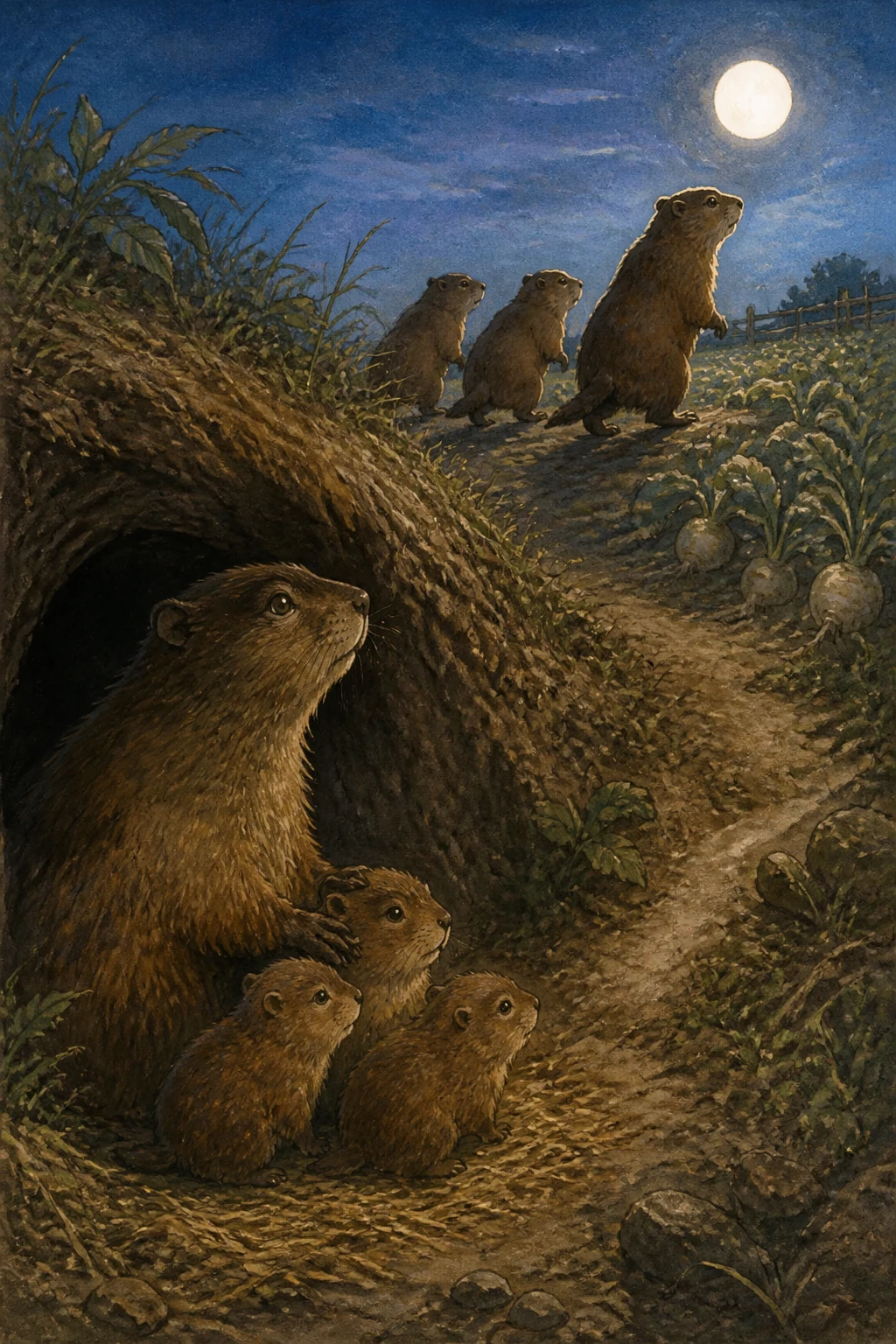
"So I was! So I was! I must tell you how my grandfather came to know the world so well. When he was only a young fellow, he made his home for a time by a Hen house, and so heard the talk of the barn-yard people. Once he heard them tell how the farmer watched on a certain winter day to see my grandfather come out of his burrow. Of course, you children all know how we Ground Hogs do; in the fall we are very fat, and when the cold weather comes we go to sleep in our burrows to wait for spring. Sometimes we awaken and stretch, but we go to sleep again very soon. Then, when spring comes we are slender and have healthy appetites.
"The Hens treated my grandfather with great politeness, and the Black Brahma Cock showed plainly how honored they felt to have him there. They said that they were so glad my grandfather stayed out of his burrow awhile on this winter day when the farmer was watching, because they were in a hurry for warm weather. My grandfather did not know what they meant by that, but he was too wise to say so, and he found out by asking questions, that if a Ground Hog leaves his burrow on this certain day in winter, and sees his shadow, and goes back again, it will be cold for a long time after that. If he does not see his shadow, and stays out, it will soon be warm.
"You see now, children, how important our family is; and yet we are so modest that we had not even known that we made the weather until the Hens told my grandfather. But that is the way! Really great people often think the least of themselves."
"And do you make the weather?" asked the smallest little Rabbit.
"I suppose we do," said the Ground Hog, with a smile. "It is a great care. I often say to myself: 'Shall I have it warm, or shall I have it cold?' It worries me so that sometimes I can hardly eat."
"And how do you know when the day comes for you to make the weather?" said the smallest little rabbit.
"Ahem! Well-er! I am sorry to say that my grandfather did not find out exactly what day it is that they watch for us, so I have to guess at that. But to think that we Ground Hogs make the weather for all the other people! It is worth a great deal to belong to such a family. I suppose I might have been a Weasel, a Fox, an Owl, or an Oriole. And it is a great thing to have known one's grandfather."
The little Rabbits sat very still, wishing that they had known their grandfather, when suddenly the biggest one said: "If you should stay out of your burrow when that day comes, and another Ground Hog should go back into his burrow, how would the weather know what to do?"
"Children," said the old Ground Hog, "I think your mother is calling to you. You might better go to see. Good-by." And he waved his paw politely.
The seven little Rabbits scampered away, but their mother was not calling them. She wasn't even there, and when they went back they couldn't find the Ground Hog. They wondered how he happened to make such a mistake. The Red-headed Woodpecker who came along at about that time, twisted her head on one side and said: "Made-a-mistake! Rat-a-tat-tat! Not he!"