Prevod
Vzhodno od San Francisca leži ozka dolina, ki se odpira proti zalivu San Pablo. Kljub prijetni legi in obetom rodovitnosti je bila nenaseljena vse do leta 1820, ko sta Miguel Zamacona in njegova žena Emilia na poti po naključju zašla vanjo in se, očarana nad njeno lepoto, odločila, da si v njej ustvarita dom. V šaljivem posmehu njenemu obilju sta jo poimenovala dolina El Hambre [Lakota].
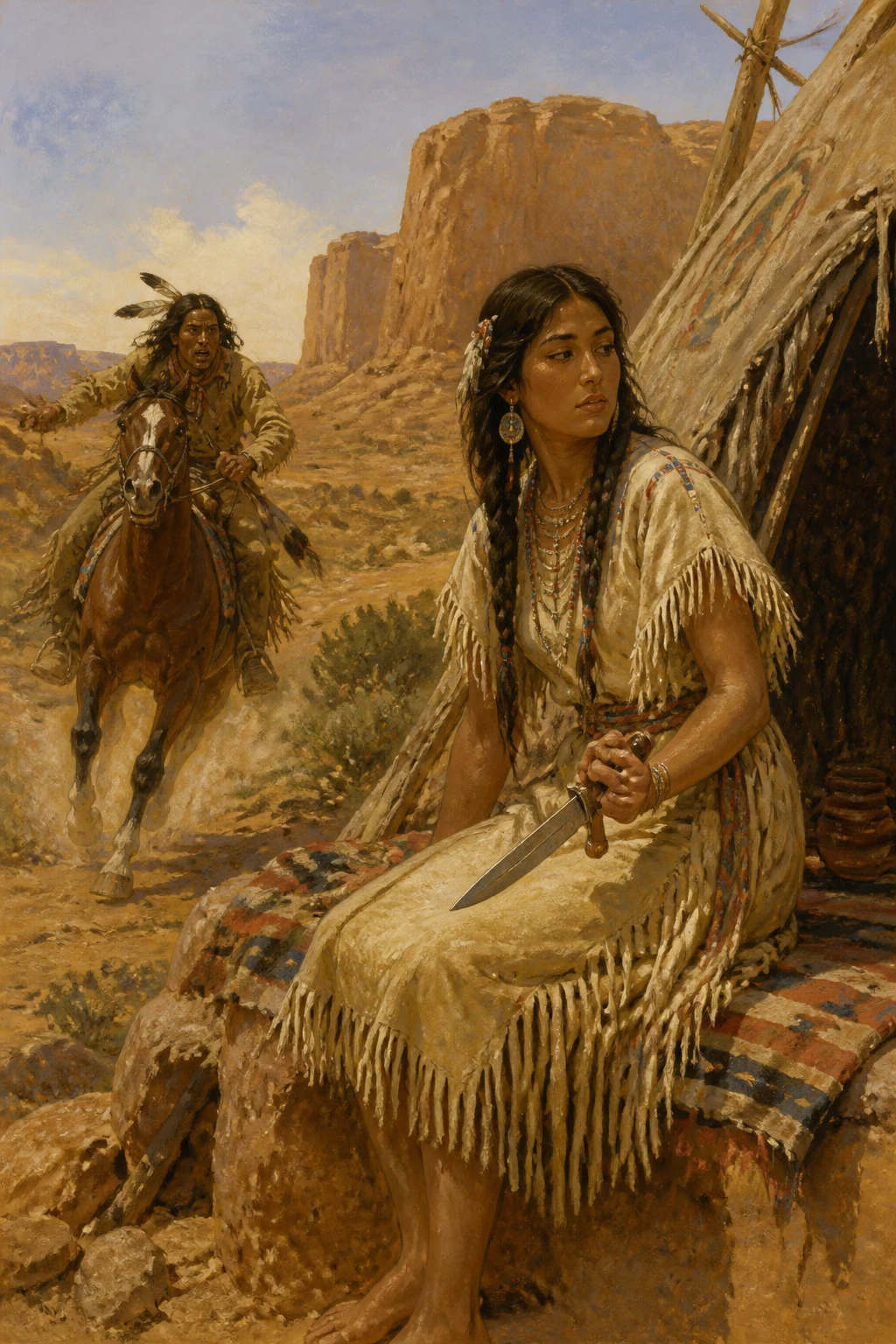
Po nekaj tednih muk, kakršne Mehičanu povzroča delo, je Miguel postavil kočo iz nežgane opeke in uredil vrt; tu in tam je ujel ribo ali ustrelil jelena, in kar dobro sta živela. Nazadnje je moral po potrebščine v Yerba Bueno, kakor so tedaj imenovali San Francisco. Njegovi osli so bili rejeni in močni in nevarnosti ni bilo pričakovati. Emilia je jokala, ker je morala ostati doma, a vrt je bilo treba oskrbovati, on pa naj bi se vrnil natanko čez tri tedne. Čakala je dvaindvajset dni; ko je njena tesnoba postala neznosna, je na osla naložila vse potrebno in se podala na pot. Od časa do časa je zaklicala njegovo ime in »Miguel!« je sladko odmevalo od gričev in gajev, drugega odgovora pa ni bilo, razen kadar je zahukala sova. Zavila se je v odejo in prespala na vejicah volčjega boba, ob prvem svitu pa je bila spet na poti in klicala — klicala — z visokim, jasnim glasom sredi samotnih prostranstev.
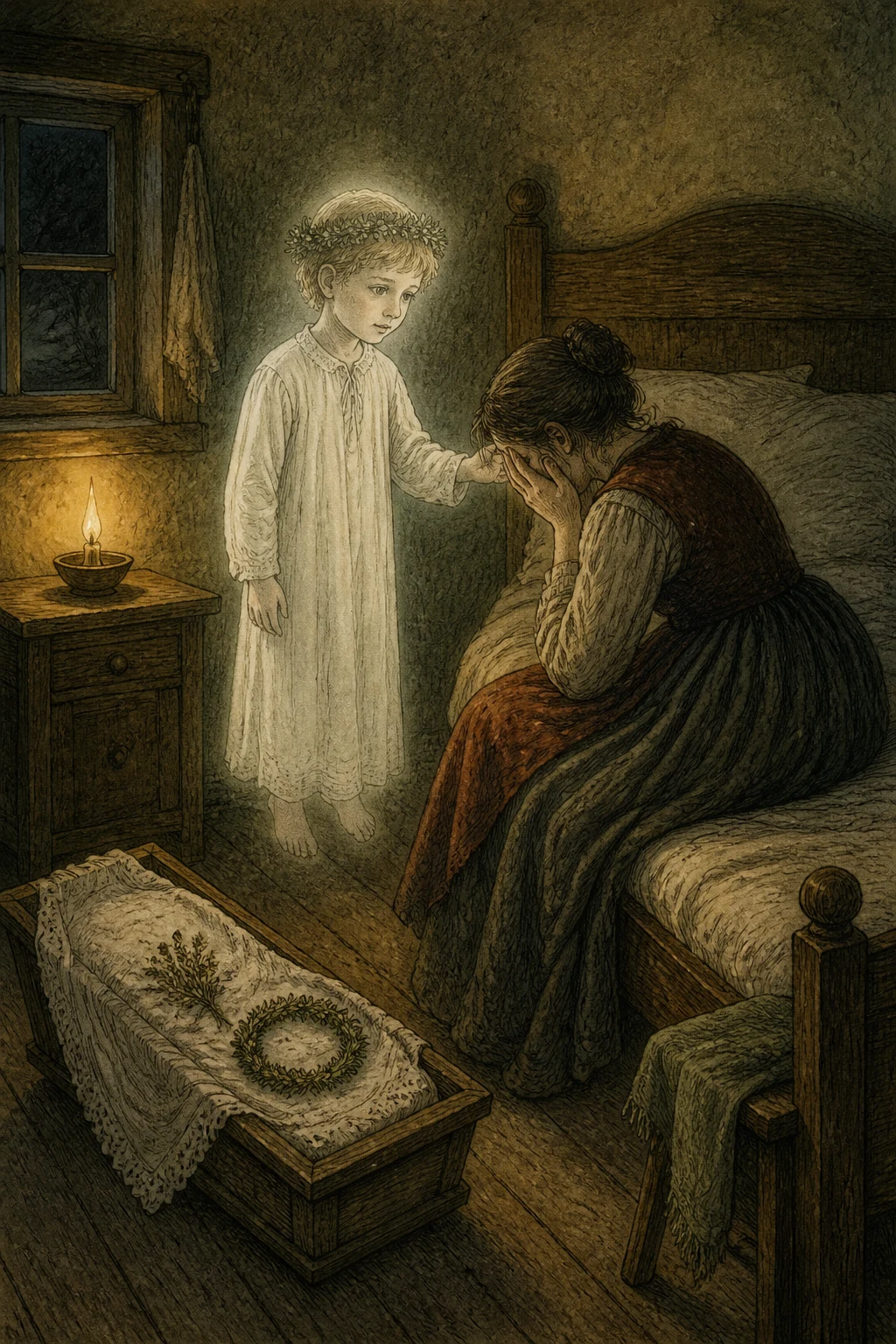
Drugi dan je njen osel rezko zarigal in iz grmovja mu je odgovoril »i-a«. Bil je Miguelov osel. Končno je prišel! V nestrpnosti je skočila na noge in mu stekla naproti, a našla ga je ležati na tleh, kako je molče strmel v nebo. Ves tisti dan je sedela ob njem, mu božala roko, govorila, jokala in mu umivala obraz z vodo iz močvirja — strupenega močvirja — in šele ob sončnem zahodu si je zmogla priznati, da je mrtev — da je mrtev že vsaj dva dni.
Pogrnila je čezenj odejo, jo obtežila s kamenjem in nanjo naložila trsje; nato se je odpravila domov. Potujoči trgovec je slišal njeno zgodbo, a minila so leta, preden je v dolino Lakote prišel še kak naseljenec. Tedaj so na vrtu, preraščenem s plevelom, našli njeno okostje. Koča iz nežgane opeke stoji prazna v novi vasi Martinez, ljudje pa so že tolikokrat slišali, da tam strašita duhova zakoncev Zamacona, da temu ne verjamejo več.
Izvirnik
East of San Francisco is a narrow valley opening to the bay of San Pablo. In spite of its pleasant situation and fruitful possibilities, it had no inhabitants until 1820, when Miguel Zamacona and his wife Emilia strayed into it, while on a journey, and, being delighted with its scenery, determined to make it their home. In playful mockery of its abundance they gave to it the name El Hambre [Hunger] valley.
After some weeks of such hardship as comes to a Mexican from work, Miguel had built an adobe cabin and got a garden started, while he caught a fish or shot a deer now and then, and they got on pretty well. At last it became necessary that he should go to Yerba Buena, as San Francisco was then called, for goods. His burros were fat and strong, and there should be no danger. Emilia cried at being left behind, but the garden had to be tended, and he was to be back in exactly three weeks. She waited for twenty-two days; then, her anxiety becoming unendurable, she packed an outfit on a burro and started on the trail. From time to time she called his name, and “Miguel!” echoed sweetly from hills and groves, but there was no other answer, save when an owl would hoot. Rolled in a blanket she slept on lupin boughs, but was off at peep of day again, calling--calling--high and clear among the solitudes.
During the second day her burro gave a rasping bray, and a hee-haw answered from the bush. It was Miguel's burro. He had come at last! Leaping to her feet, in her impatience, she ran to meet him, and found him lying on the earth, staring silently at the sky. All that day she sat beside him, caressing his hand, talking, crying, bathing his face with water from the marsh--the poison marsh--and it was not until sunset that she could bring herself to admit that he was dead--had been dead for at least two days.
She put the blanket over him, weighted it with stones, and heaped reeds upon it; then she started for home. A wandering trader heard her story, but years elapsed before any other settler entered Hunger valley. They found her skeleton then in the weedy garden. The adobe stands tenantless in the new village of Martinez, and the people have so often heard that the ghosts of the Zamaconas haunt the place that they have begun to disbelieve it.