Prevod
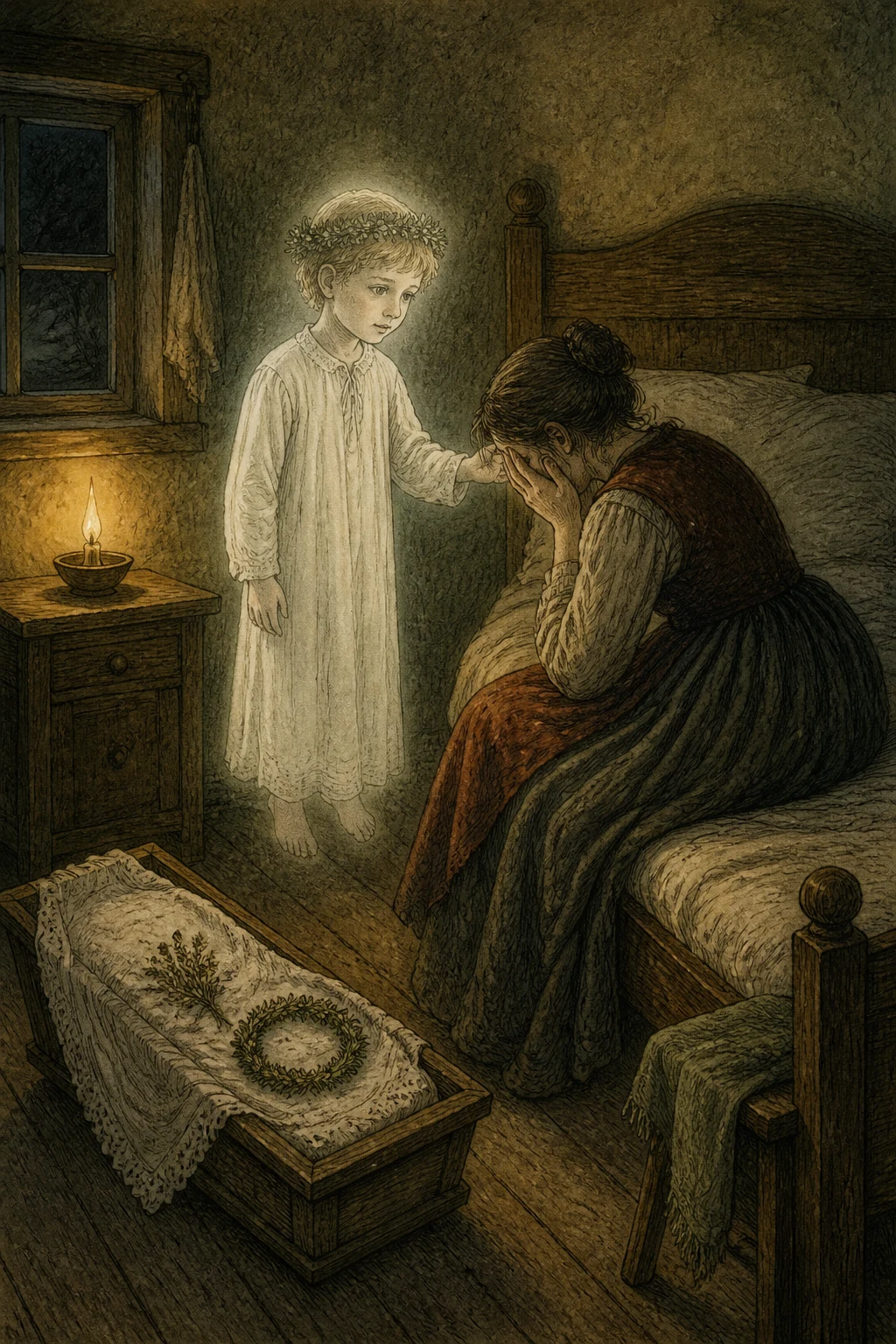
Med naseljenci, ki so pred štiridesetimi ali petdesetimi leti prišli v Adirondacke, je bil tudi Henry Clymer iz Brooklyna. Odpravil se je k Little Black Creeku in skušal iz grčaste, s štori posejane zemlje napraviti kmetijo; ker pa je bil pri takem delu povsem neizkušen, je kmalu odnehal in blizu Northwooda postavil žago, ki ji domačini pravijo strašljiva žaga. Ko so razžagali prvi hlod, se je zbrala velika druščina, da bi vzklikala in jedla pite v čast Clymerjevima, saj sta bila gospod Clymer, temnolas, krepak in čeden mož, ter njegova živahna mlada žena nadvse gostoljubna. Zakonca sta vzbudila kar nekaj govoric, saj sta si pred ljudmi izkazovala toliko ljubezni — preveč, da bi mogla trajati; poleg tega je bilo očitno, da je bila gospa Clymer vajena višjega družbenega položaja kakor njen mož. Medtem ko se je množica smejala in kramljala za mizo iz svežih desk z žage, se je gospa Clymer izmuznila v svojo skromno hišico, soseda, ki je šla za njo, pa je po naključju postala priča nenavadnemu prizoru. Gospa Clymer je klečala ob postelji in jokala nad sliko otroka, ko je Clymer nepričakovano vstopil in ji skušal sliko vzeti.
Kljubovalno se je postavila predenj. »To si obdržala, ker mu je bil podoben, kajne,« je rekel. »Kar zbeži nazaj k njemu. Saj veš, kako bi te imenoval in kaj bi veljala pri tisti svoji aristokraciji.«
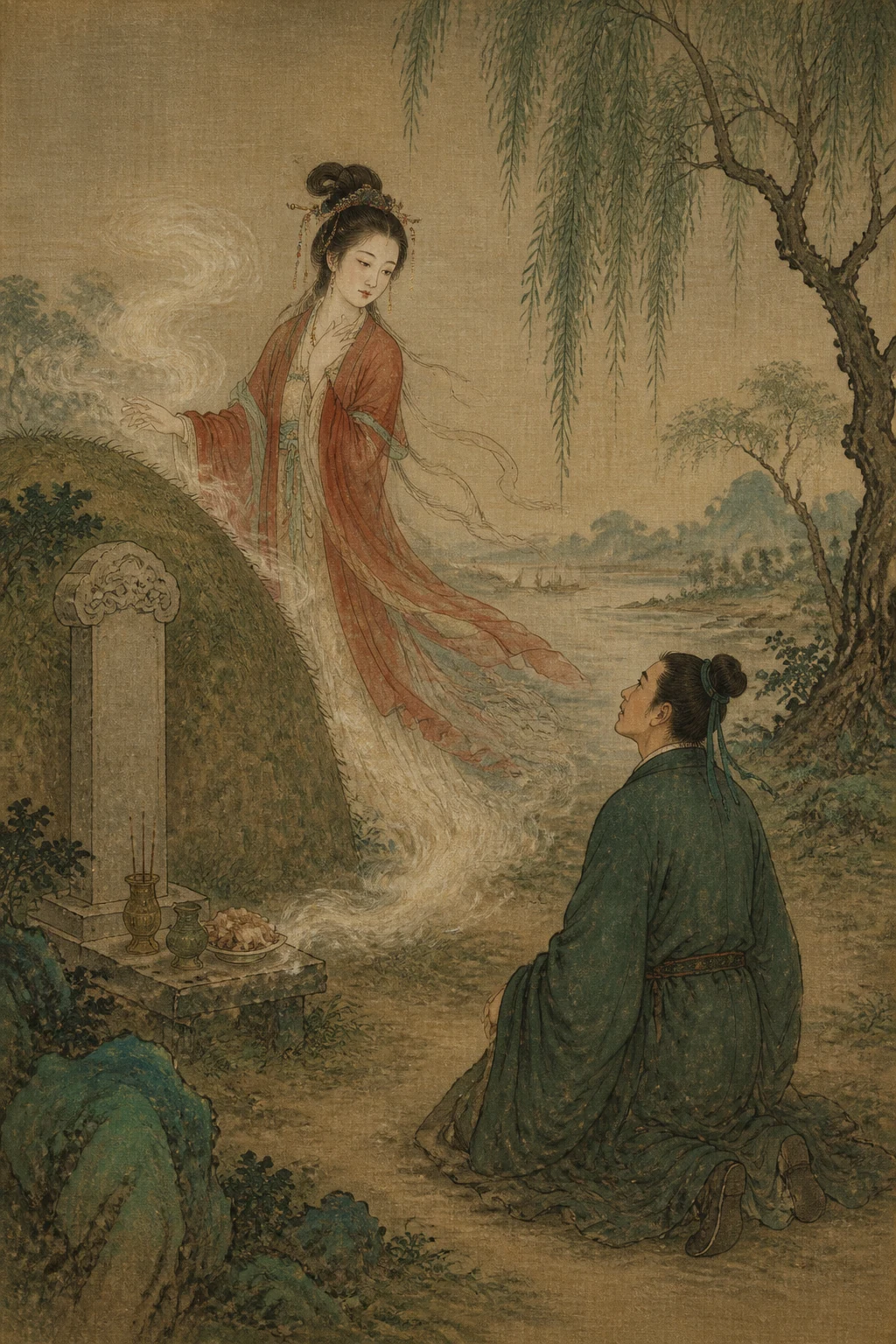
Žena je pokazala na vrata in mož je brez besede odšel, prav tako pa tudi soseda, ki je prisluškovala. Naslednje jutro so gospo Clymer našli obešeno na tram v žagi. Ob preiskavi je mož priznal, da sta si prejšnji dan »izmenjala nekaj besed«, in menil, da je morala nenadoma izgubiti razum. Porota je sprejela to razlago. Novico o samomoru so objavili nekateri mestni časopisi in kmalu zatem so opravljivci dobili novo snov za razburjenje: v kraj je prispel svetlolas mož, prav tako iz Brooklyna, in vprašal, kje je žena pokopana. Ko je našel grob, je nekaj časa sedel ob njem z glavo, oprto na dlan; nato je povprašal po Clymerju, toda ta je smrtno bled odšel v gozd, brž ko je izvedel, da je prišel tujec. Prišlek je odšel v Trenton, kjer je naročil, naj na ženinem grobu postavijo nagrobnik z eno samo besedo: »Estella«. Clymer je na hitro vse prodal in izginil. Žaga ni nikoli uspevala in že dolgo propada. Ljudje iz okolice menijo, da jo duh gospe Clymer — če ji je bilo res tako ime — še vedno straši, zato gredo mimo nje s pospešenim korakom.
Izvirnik
Among the settlers in the Adirondacks, forty or fifty years ago, was Henry Clymer, from Brooklyn, who went up to Little Black Creek and tried to make a farm out of the gnarly, stumpy land; but being a green hand at that sort of thing, he soon gave it up and put up the place near Northwood, that is locally referred to as the haunted mill. When the first slab was cut, a big party was on hand to cheer and eat pie in honor of the Clymers, for Mr. Clymer, who was a dark, hearty, handsome fellow, and his bright young wife had been liberal in their hospitality. The couple had made some talk, they were so loving before folks--too loving to last; and, besides, it was evident that Mrs. Clymer was used to a better station in life than her husband. It was while the crowd was laughing and chattering at the picnic-table of new boards from the mill that Mrs. Clymer stole away to her modest little house, and a neighbor who had followed her was an accidental witness to a singular episode. Mrs. Clymer was kneeling beside her bed, crying over the picture of a child, when Clymer entered unexpectedly and attempted to take the picture from her.
She faced him defiantly. “You kept that because it looked like him, I reckon,” he said. “You might run back to him. You know what he'd call you and where you'd stand with your aristocracy.”
The woman pointed to the door, and the man left without another word, and so did the listener. Next morning the body of Mrs. Clymer was found hanging to a beam in the mill. At the inquest the husband owned that he had “had a few words” with her on the previous day, and thought that she must have suddenly become insane. The jury took this view. News of the suicide was printed in some of the city papers, and soon after that the gossips had another sensation, for a fair-haired man, also from Brooklyn, arrived at the place and asked where the woman was buried. When he found the grave he sat beside it for some time, his head resting on his hand; then he inquired for Clymer, but Clymer, deadly pale, had gone into the woods as soon as he heard that a stranger had arrived. The new-comer went to Trenton, where he ordered a gravestone bearing the single word “Estella” to be placed where the woman's body had been interred. Clymer quickly sold out and disappeared. The mill never prospered, and has long been in a ruinous condition. People of the neighborhood think that the ghost of Mrs. Clymer--was that her name?--still troubles it, and they pass the place with quickened steps.