Prevod
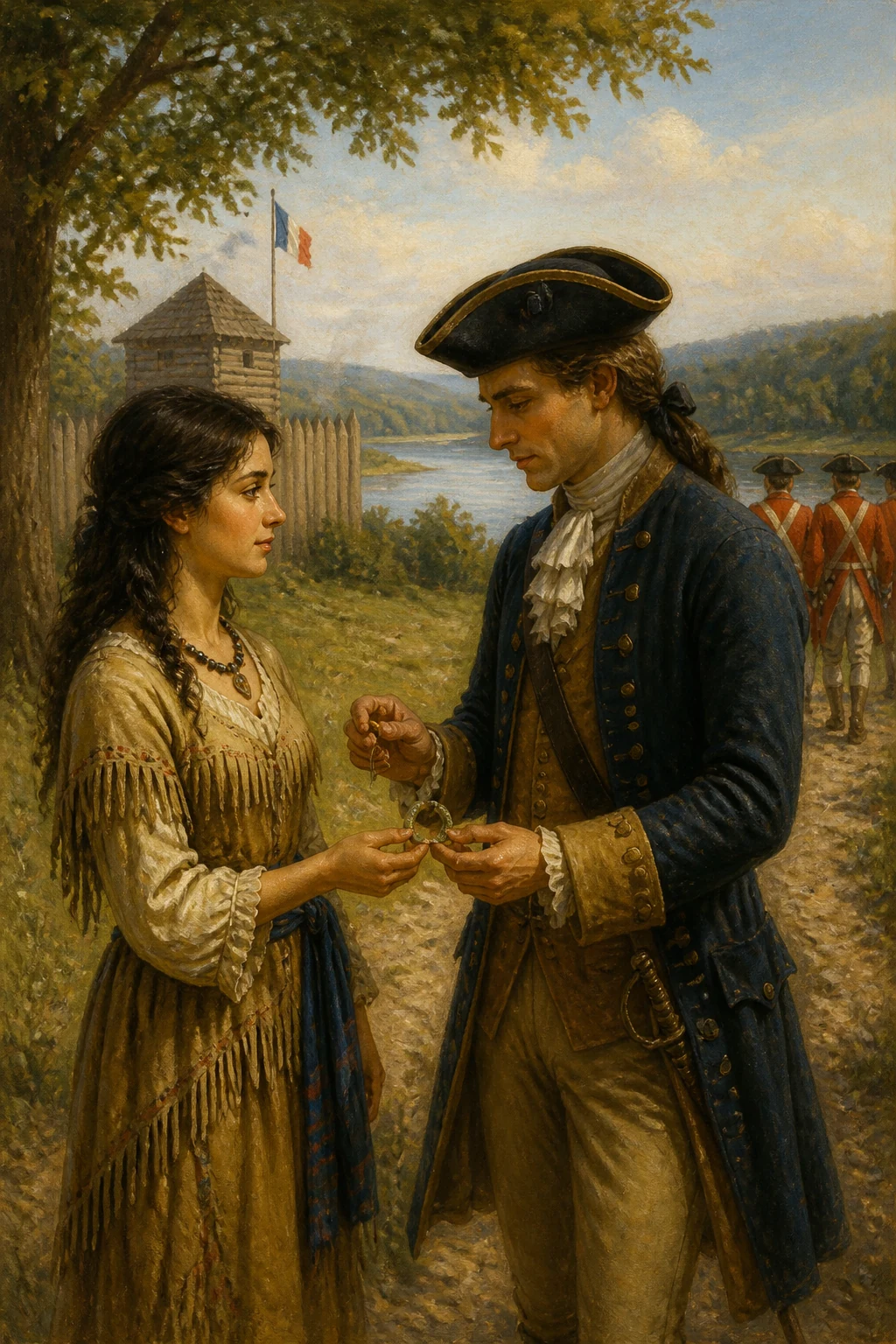
Iz vojnih časov se nam je ohranilo mnogo zgodb o prerokbah. Ob začetku vojne kralja Filipa v Connecticutu leta 1675 so poročali, da je bilo pok prvega strela slišati po vsej deželi, bobnenje, ki je naseljence klicalo k obrambi, pa osem milj daleč. Braddockov poraz in Washingtonovo rešitev je na posvetu v utrdbi Ponchartrain ob reki Detroit napovedal poglavar plemena Miami, ki sta se mu zaseda in pokol razodela v sanjah. Opozorjene so bile tudi žrtve te bitke, saj je mladi poročnik pod Braddockovim poveljstvom noč ali dve pred nesrečo videl svoje častniške tovariše, kako krvavi in razmesarjeni stopajo skozi njegov šotor; ko je odjeknil prvi strel, je vedel, da napoveduje pogubo skoraj vseh njegovih soborcev. V Killinglyju v Connecticutu so jeseni pred izbruhom revolucije ves dan in vso noč iz smeri Bostona slišali oddaljeno grmenje topov, pomešano s prasketanjem mušket. Prepričanje, da se je vojna začela in da Britanci prodirajo, je bilo tako močno, da so se pripadniki milice, pripravljeni na takojšen vpoklic, zbrali in čakali na ukaze. Pozneje so trdili, da je hrup prihajal od eksplozij meteorjev, saj je tedaj potekal meteorski roj, ki podnevi seveda ni bil viden. Takoj po podpisu Deklaracije o neodvisnosti je strela odbila kraljevi grb z zvonika episkopalne cerkve v Hamptonu v Virginiji. Malo pred Cornwallisovo predajo so v Novi Angliji opazili severni sij, katerega žarki so privzeli obliko topov, obrnjenih proti jugu. V Connecticutu so našteli štiriinšestdeset takšnih topov.
V bitki pri Germantownu je Američane razbesnel uboj enega izmed njihovih mož, ki je stopil naprej z belo zastavo premirja. Ustrelili so ga iz oken hiše sodnika Chewa, v kateri se je trlo britanskih vojakov, in ko je padel na trato ter s svojo krvjo obarval znamenje miru, je vsaj eden od pripadnikov kontinentalne vojske prisegel, da bo njegova smrt temeljito maščevana. Britanske okrepitve, ki so štele šestnajst tisoč mož, so hitele po ulici; njihovi častniki so bili le napol oblečeni, tako nujen je bil poziv na pomoč. Razen njihovega enakomernega koraka je v kraju vladala tišina; vrata so bila zaklenjena in polkna zapahnjena, in če so bili ljudje v hišah, o njih ni bilo videti nobenega znamenja. Med vso vojsko se je le general Agnew zdel potrt in zaskrbljen. Ko so šli mimo menonitskega pokopališča, se je obrnil k adjutantu in dejal: »Na tem bojišču se bom bojeval zadnjič.«
Nad pokopališkim zidom se je prikazal srhljiv obraz, brazgotinast in neobrit, obdan z dolgimi lasmi, pod njim pa telo, oblečeno v živalske kože, in zaslišalo se je vprašanje: »Je to pogumni general Gray, ki je pri Paoliju premagal upornike?« Zdelo se je, da je eden od vojakov z brezbrižnim zamahom roke pokazal na generala Agnewa. Trenutek zatem je počilo, iznad pokopališkega zidu se je dvignil oblaček dima in krogla je zažvižgala mimo generalove glave; ta se je medlo nasmehnil, da bi opogumil svoje može. Neznanca bi pri priči usmrtili, ko ne bi prav tedaj oddelek ameriške konjenice planil nad rdečesuknjičarje in se ne bi vnel srdit boj. Ko se je dan iztekel, je general Agnew, ki se je v bojni zmedi ločil od svojih mož, znova prišel mimo grobov. Utrujen in potrt je za trenutek ustavil konja, da bi se nadihal svežega zraka, še malo prej onesnaženega s prahom in dimom, ter občudoval razkošno svetlobo sončnega zahoda. Spet se je izza zidu dvignil divji neznanec, kakor zli duh tega kraja. Oster pok je pretrgal večerno tišino in iz oddaljenih hiš izvabil ropotajoče odmeve. Konj se je sunkovito pognal in general Agnew je mrtev zgrmel iz sedla: zadnja žrtev spopada pri Germantownu.
Izvirnik
Many are the tales of prophecy that have been preserved to us from war times. In the beginning of King Philip's war in Connecticut, in 1675, it was reported that the firing of the first gun was heard all over the State, while the drumbeats calling settlers to defence were audible eight miles away. Braddock's defeat and the salvation of Washington were foretold by a Miami chief at a council held in Fort Ponchartrain, on Detroit River, the ambush and the slaughter having been revealed to him in a dream. The victims of that battle, too, had been apprised, for one or two nights before the disaster a young lieutenant in Braddock's command saw his fellow-officers pass through his tent, bloody and torn, and when the first gun sounded he knew that it spoke the doom of nearly all his comrades. At Killingly, Connecticut, in the autumn before the outbreak of the Revolution, a distant roar of artillery was heard for a whole day and night in the direction of Boston, mingled with a rattle of musketry, and so strong was the belief that war had begun and the British were advancing, that the minute men mustered to await orders. It was afterward argued that these noises came from an explosion of meteors, a shower of these missiles being then in progress, invisible, of course, in the day-time. Just after the signing of the Declaration of Independence the royal arms on the spire of the Episcopal church at Hampton, Virginia, were struck off by lightning. Shortly before the surrender of Cornwallis a display of northern lights was seen in New England, the rays taking the form of cannon, facing southward. In Connecticut sixty-four of these guns were counted.
At the battle of Germantown the Americans were enraged by the killing of one of their men who had gone out with a flag of truce. He was shot from the windows of Judge Chew's house, which was crowded with British soldiers, and as he fell to the lawn, dyeing the peaceful emblem with his blood, at least one of the Continentals swore that his death should be well avenged. The British reinforcements, sixteen thousand strong, came hurrying through the street, their officers but half-dressed, so urgent had been the summons for their aid. Except for their steady tramp the place was silent; doors were locked and shutters bolted, and if people were within doors no sign of them was visible. General Agnew alone of all the troop seemed depressed and anxious. Turning to an aide as they passed the Mennonist graveyard, he said, “This field is the last I shall fight on.”
An eerie face peered over the cemetery wall, a scarred, unshaven face framed in long hair and surmounting a body clothed in skins, with the question, “Is that the brave General Gray who beat the rebels at Paoli?” One of the soldiers, with a careless toss of the hand, seemed to indicate General Agnew. A moment later there was a report, a puff of smoke from the cemetery wall, and a bullet whizzed by the head of the general, who smiled wanly, to encourage his men. Summary execution would have been done upon the stranger had not a body of American cavalry dashed against the red-coats at that moment, and a fierce contest was begun. When the day was over, General Agnew, who had been separated from his command in the confusion of battle, came past the graves again. Tired and depressed, he drew rein for a moment to breathe the sweet air, so lately fouled with dust and smoke, and to watch the gorgeous light of sunset. Again, like a malignant genius of the place, the savage-looking stranger arose from behind the wall. A sharp report broke the quiet of evening and awoke clattering echoes from the distant houses. A horse plunged and General Agnew rolled from his saddle, dead: the last victim in the strife at Germantown.