Prevod
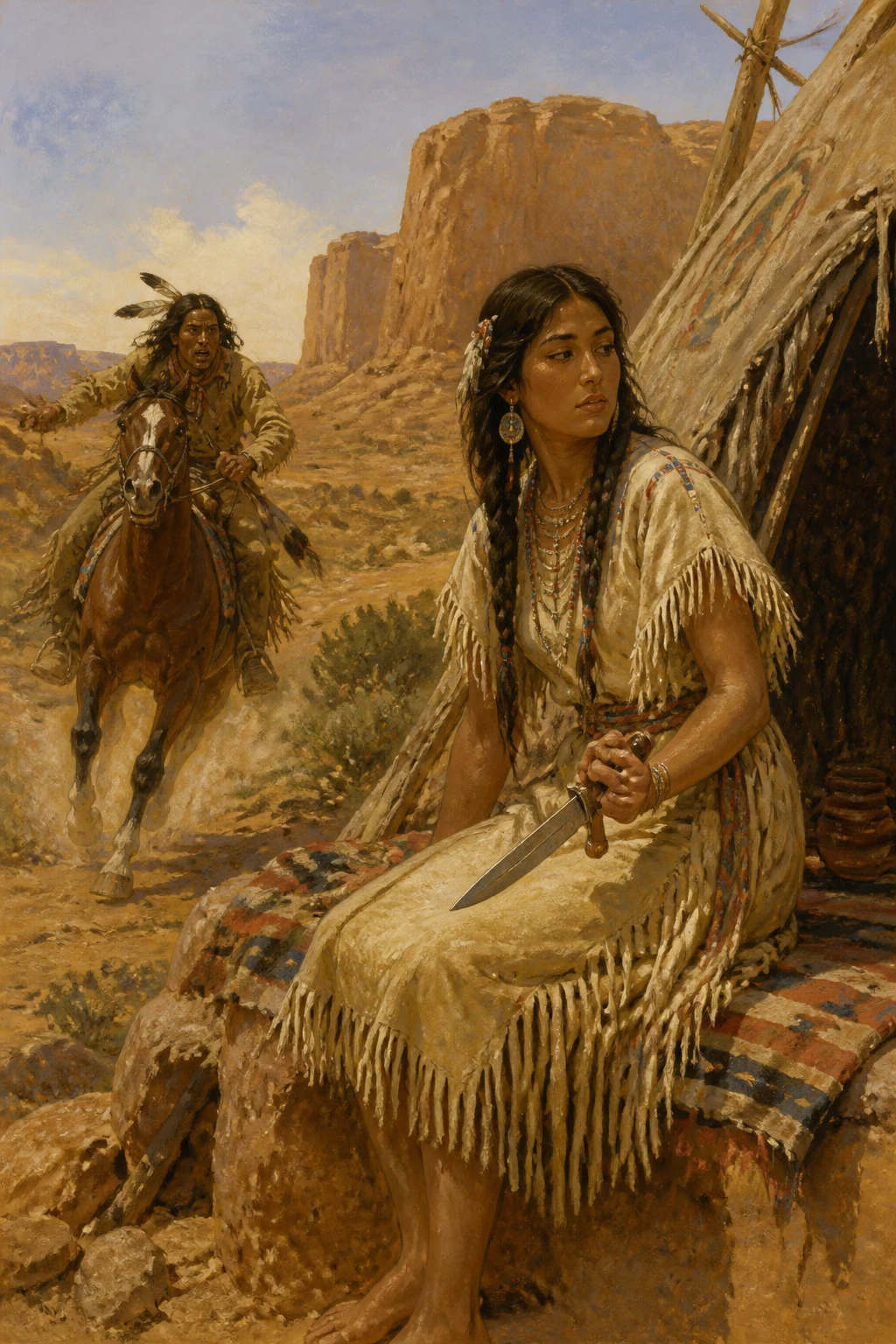
V začetku tega stoletja je Bill Quick, lovec na pasti in obmejni naseljenec, živel v koči ob zgornjem toku reke Scioto, nedaleč od današnjega mesta Kenton v Ohiu. Ko se je nekega večera vrnil z lova, je našel dom izropan, ostarelega očeta pa na tleh v mlaki krvi. Še tisti hip je prisegel, da se bo stotero maščeval. Takoj se je lotil svojega poslanstva in še dolga leta zatem so imeli Indijanci v tistih krajih razlog, da so trepetali pred pogubo, ki je prežala nanje iz goščav, gozdov in močvirij — zdaj jih je doletela smrt z nožem, ki se je zabliskal izza drevesa, že naslednji hip pa švignil po zraku in se do ročaja zaril v srce rdečekožca; zdaj s kroglo, ko so veslali čez reke; zdaj s sekiro, ki jim je razklala lobanjo, medtem ko so spali.
Bill Quick je svoje delo opravljal na skrivaj in si v nasprotju z drugimi možmi tistega kraja in časa trofej ni jemal po indijansko. Skalp mu ni zadoščal. Vzel je glavo. In kmalu se je na njegovih policah zvrstila vrsta režečih se lobanj. Devetindevetdeset teh grozljivih trofej je že imel v koči in prepričan je bil, da bo svoj namen izpolnil. Toda Indijanci so se v strahu umikali proti jezerom in skrbneje stražili; še preden pa je pred njegovo puško padel stoti mož, ga je napadla smrtna bolezen. Poklical je k sebi sina Toma, pokazal na lobanje in mu naložil, naj izpolni njegovo prisego ter zbirki doda še stoto lobanjo. Če tega ne bo storil, se bosta umorjeni ded in on sam vrnila strašit obotavljivca. Tom je prevzel zaupano mu nalogo, vendar se je zdelo, da se je vse zarotilo proti njemu. Nikoli ni bil kdove kakšen lovec, tudi posebno dober strelec ne, do bojevanja pa mu sploh ni bilo; povrhu so Indijanci, kakor je menil, že zapustili tiste kraje. Tako je godrnjal nad zoprno nalogo, ki mu je bila naložena, in jo odlagal iz tedna v teden, iz leta v leto. Kadar ga je zapekla vest, je njeno skelenje blažil s pijačo, in starejši ko je bil, bolj se mu je vest oglašala.
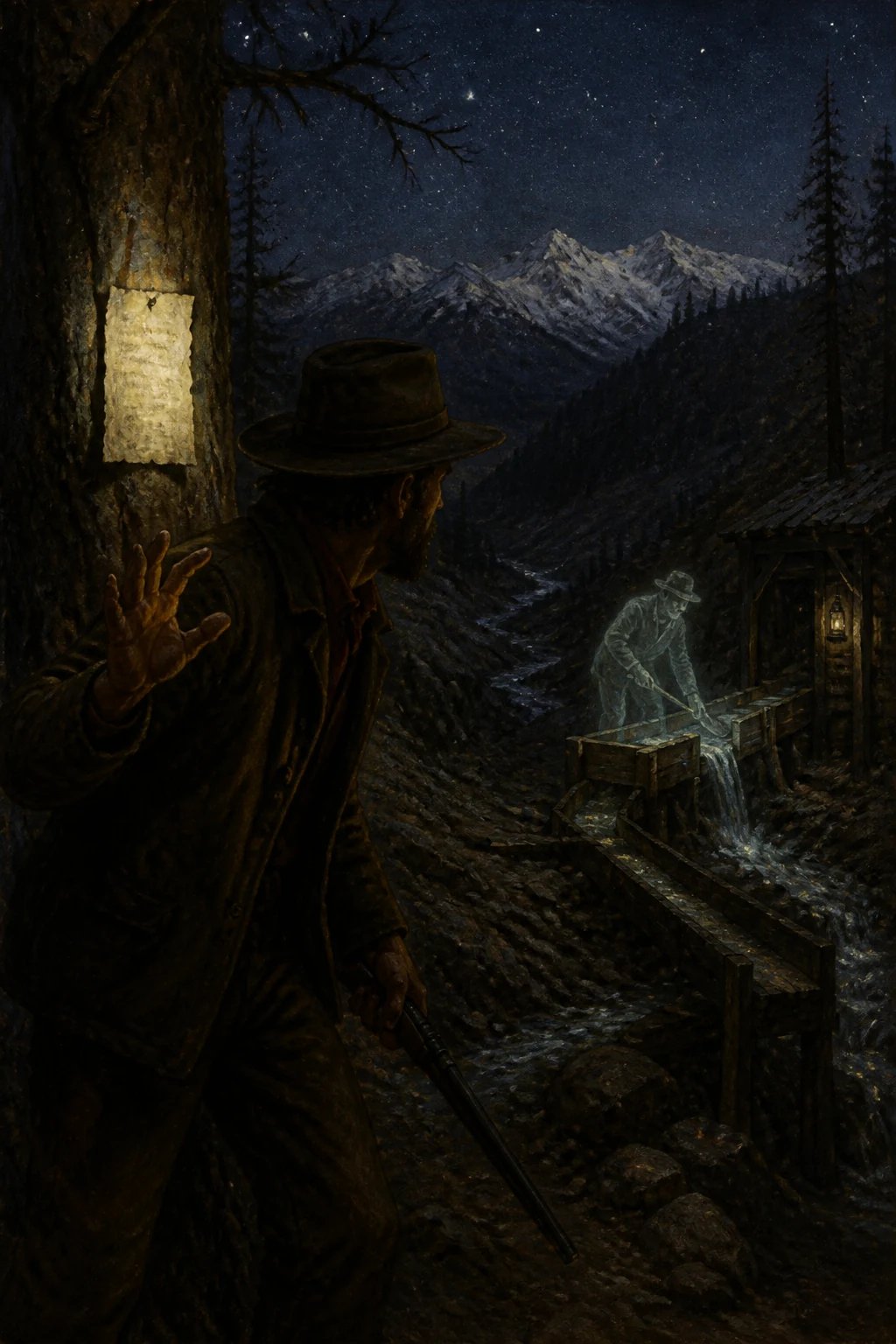
Ko se je po nekem popivanju vrnil v kočo, je zatrjeval, da je slišal glasove, da so lobanje momljale in šklepetale z zobmi, kakor bi se posmehovale njegovi slabosti, iz njihovih očesnih votlin pa je sijal fosforescenčen soj. V pijanosti je izčvekal svojo skrivnost in kmalu je vsa okolica vedela, da ga prisega zavezuje ubiti rdečekožca — in vsa okolica se mu je smejala. Nekega dne se je razvedelo, da so v bližini opazili skupino Indijancev, in pijača ter zbadljivke prijateljev so ga pripravile do tega, da je vzel puško in se znova odpravil na bojni pohod. Nedolgo zatem je neki naseljenec zaslišal strel. Naslednji dan je sosed, ki je šel mimo koče Toma Quicka, potrkal na vrata; ker ni dobil odgovora, jih je odrinil in vstopil. Na polici je bila stota lobanja, z luknjo od krogle v čelu in brez skalpa. Glava je bila Quickova.
Izvirnik
In the early part of this century Bill Quick, trapper and frontiersman, lived in a cabin on the upper Scioto, not far from the present town of Kenton, Ohio. One evening when he returned from the hunt he found his home rifled of its contents and his aged father weltering in his blood on the floor. He then and there took oath that he would be revenged a hundredfold. His mission was undertaken at once, and for many a year thereafter the Indians of the region had cause to dread the doom that came to them from brake and wood and fen,--now death by knife that flashed at them from behind a tree, and the next instant whirled through the air and was buried to the hilt in a red man's heart; now, by bullet as they rowed across the rivers; now, by axe that clove their skulls as they lay asleep.
Bill Quick worked secretly, and, unlike other men of the place and time, he did not take his trophies Indian-fashion. The scalp was not enough. He took the head. And presently a row of grinning skulls was ranged upon his shelves. Ninety-nine of these ghastly prizes occupied his cabin, and the man was confident that he should accomplish his intent. But the Indians, in terror, were falling away toward the lakes; they were keeping better guard; and ere the hundredth man had fallen before his rifle he was seized with fatal illness. Calling to him his son, Tom, he pointed to the skulls, and charged him to fulfil the oath he had taken by adding to the list a hundredth skull. Should he fail in this the murdered ancestor and he himself would come back to haunt the laggard. Tom accepted the trust, but everything seemed to work against him. He never was much of a hunter nor a very true shot, and he had no liking for war; besides, the Indians had left the country, as he fancied. So he grumbled at the uncongenial task appointed for him and kept deferring it from week to week and from year to year. When his conscience pricked him he allayed the smart with drink, and his conscience seemed to grow more active as he grew older.
On returning to the cabin after a carouse he declared that he had heard voices, that the skulls gibbered and cracked their teeth together as if mocking his weakness, and that a phosphorescent glare shone through the sockets of their eyes. In his cups he prattled his secret, and soon the whole country knew that he was under oath to kill a red-skin-and the country laughed at him. On a certain day it was reported that a band of Indians had been seen in the neighborhood, and what with drink and the taunts of his friends, he was impelled to take his rifle and set out once more on the war-path. A settler heard a shot fired not long after. Next day a neighbor passing Tom Quick's cabin tapped at the door, and, receiving no answer, pushed it open and entered. The hundredth skull was there, on the shelves, a bullet-hole in the forehead, and the scalp gone. The head was Quick's.