Prevod
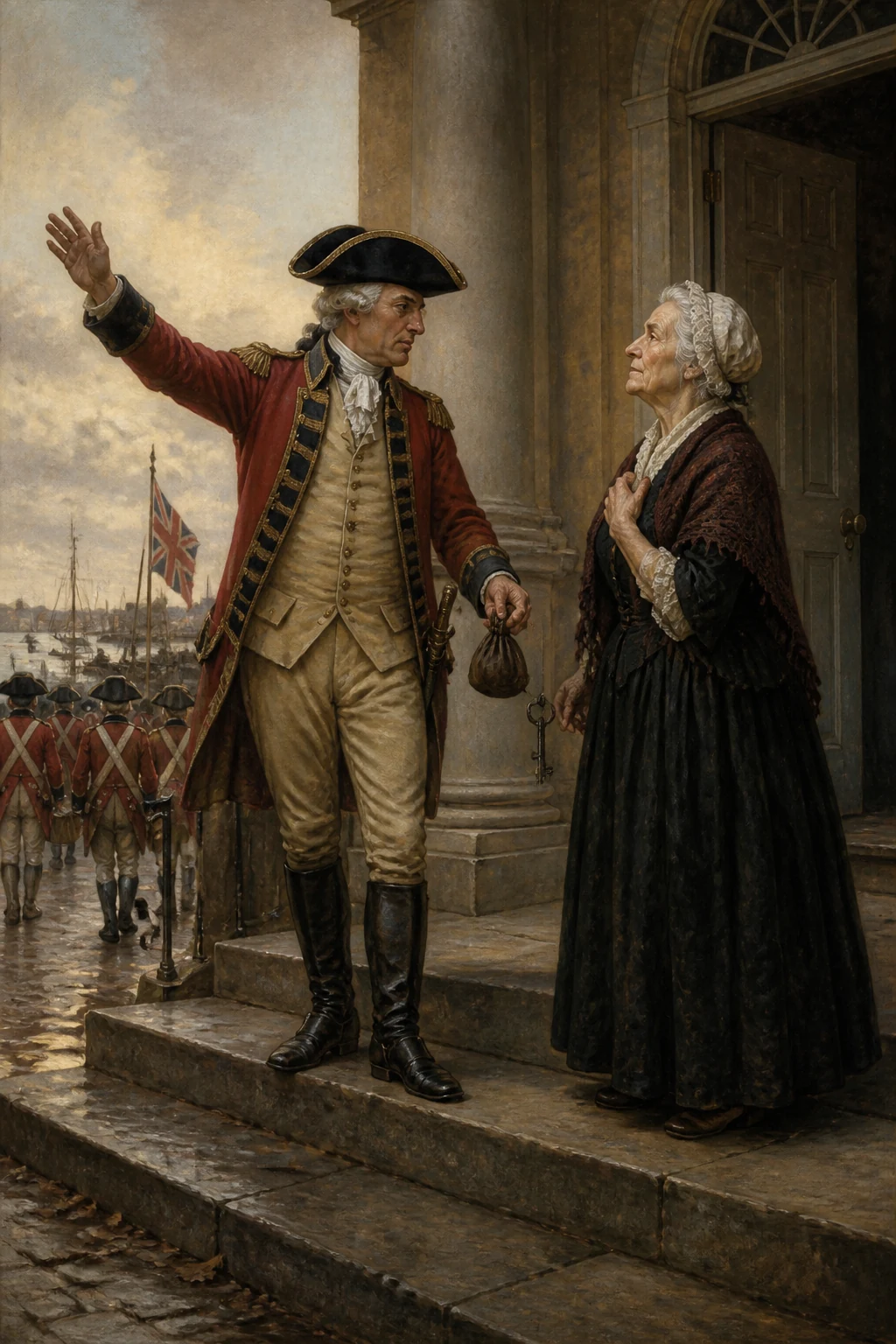
Sir Edmund Andros si je prislužil sloves najbolj osovraženega med guvernerji, ki so jih pošiljali v Novo Anglijo zastopat kralja. V srcih ljudi se je že prebujal duh neodvisnosti, rojen na svobodnih tleh, in strogi odloki tega uradnika so ga skupaj z zatiralskimi ukrepi njegovega gospodarja spravljali v nenehne spore z ljudstvom. Prav on je odšel v Hartford zahtevat, naj se kolonija odreče svojim svoboščinam. Tedaj so pogasili luči, listino, ki je zagotavljala te svoboščine, pa mu naglo odnesli izpred nosu in jo skrili zunaj njegovega dosega v duplino hrasta Charter Oak.
Tudi v Bostonu ni mogel nobenega Američana imenovati svojega prijatelja in prav tam je njegova ošabnost naletela na eno prvih ovir. Bil je aprilski večer leta 1689 in na ulicah je vladalo nenavadno vznemirjenje. Ljudje so se tiho pogovarjali in tu in tam je bilo mogoče ujeti besede: »Če oranški princ uspe, bo ta Andros ob glavo.« »Naše pastorje bodo žive sežgali na King Street.« »Papež je Androsu ukazal, naj v Bostonu praznuje predvečer svetega Jerneja: vse nas bodo pobili.« »Naš stari guverner Bradstreet je v mestu in Andros se ga boji.« Medtem ko so tekli ti razburjeni pogovori, se je s Cornhilla zaslišalo bobnanje. Prikazala se je vrsta vojakov s puškami na ramah; njihove vžigalne vrvice so se svetlikale v padajočem mraku. Za njimi so na konjih jezdili Andros in njegovi svetovalci, med njimi tudi duhovnik iz King's Chapel, vsi z razpeli ob vratu, vsi zaripli od vina, vsi brezbrižno zroči zviška na ljudi v temnih plaščih in klobukih s širokimi krajci, ki so jih gledali s sumničavostjo in sovraštvom. Vojaki so stopali po ulicah kakor možje, ki niso vajeni odstopiti poti, in množica se je umikala ter stiskala ob stavbe. Slišati je bilo negodovanje in sikanje, nato pa je neki glas zaklical: »Gospod nad vojskami, pošlji svojemu ljudstvu branitelja!«
Še preden je odmev tega klica zamrl, je z drugega konca ulice prišel starec v plašču in visokem koničastem klobuku, s težkim mečem ob boku, stopajoč, kakor bi sledil ritmu bobna. Držal se je kakor kralj, njegovo dostojanstvo pa je še poudarjala snežno bela brada, ki mu je segala do pasu. Stopil je na sredo ulice in korakal naprej, dokler ga od prihajajoče kolone ni ločilo le nekaj korakov. Nihče ga ni poznal in tudi sam očitno ni prepoznal nikogar v množici. Ko se je vzravnal v vsej svoji višini, se je v mraku zazdelo, da ni iz rodu smrtnikov. Oči so mu zažarele, iztegnil je palico predse in z glasom, ki ni dopuščal ugovora, zavpil: »Stoj!«
Deloma zato, ker so bili vajeni ubogati ta ukaz, deloma pa zato, ker jih je veličastna prikazen navdala s strahom, so se vojaki ustavili in boben je utihnil. Andros je spodbodel konja naprej, a tudi on je obstal, ko je zagledal palico, uperjeno v svoje prsi. »Naprej!« je zarohnel. »Poteptajte tega starega bedaka! Kako si drzneš ustaviti kraljevega guvernerja?«
»Ustavil sem že samega kralja,« se je glasil odgovor. »Kralj, ki mu služiš, ne sedi več na angleškem prestolu. Jutri boš jetnik. Nazaj, če nočeš končati na morišču!«
Trenutek Androsovega omahovanja je opogumil ljudi, da so se primaknili bliže, in mnogi se niso prav nič trudili skriti mečev in pištol, ki so jih nosili za pasom. Negodovanje in sikanje sta postala glasnejša. »Dol z Androsom! Smrt tiranom! Preklet naj bo kralj Jakob!« je odmevalo iz množice in nekateri so se sklonili, kakor da bi hoteli izruvati tlakovce. Guverner, negotov in prestrašen, je obrnil konja in se čemerno vrnil po ulicah, po katerih je prej tako ošabno prijezdil. In res je naslednjo noč preživel v ječi, kajti Jakob je pobegnil iz Anglije, prestol pa je zasedel Viljem. Ker so bile vse oči uprte v umikajoče se spremstvo, nihče ni videl, kdaj je branitelj ljudstva odšel; ko pa so se obrnili, da bi ga hvalili in se mu zahvalili, je že izginil, in nekateri so govorili, da se je razblinil v somrak.
Dogodek je že prešel v legendo in od njega je minilo osemdeset let, ko so vojaki nekega drugega angleškega kralja zakorakali po State Street in streljali na Bostončane, zbrane pod staro državno hišo. Spet se je govorilo, da so na tisti ulici videli postavo visokega moža z belo brado v starinskih oblačilih, ki je svaril vojake, naj se umaknejo, in spodbujal ljudi, naj se jim uprejo. Na majhnem bojišču pri Lexingtonu v zgodnjem svitu in ob okopu na Bunker Hillu, kjer so kmetje delali pri svetlobi svetilk, so videli to temno postavo — duha Nove Anglije. In pravijo, da se bo ta branitelj pojavil na čelu vojske upornikov, kadar koli si bo kak tuj sovražnik ali domač zatiralec drznil preizkusiti voljo ljudstva.
Izvirnik
It befell Sir Edmund Andros to make himself the most hated of the governors sent to represent the king in New England. A spirit of independence, born of a free soil, was already moving in the people's hearts, and the harsh edicts of this officer, as well as the oppressive measures of his master, brought him into continual conflict with the people. He it was who went to Hartford to demand the surrender of the liberties of that colony. The lights were blown out and the patent of those liberties was hurried away from under his nose and hidden from his reach in a hollow of the Charter Oak.
In Boston, too, he could call no American his friend, and it was there that he met one of the first checks to his arrogance. It was an April evening in 1689, and there was an unusual stir in the streets. People were talking in low tones, and one caught such phrases as, “If the Prince of Orange is successful, this Andros will lose his head.” “Our pastors are to be burned alive in King Street.” “The pope has ordered Andros to celebrate the eve of St. Bartholomew in Boston: we are to be killed.” “Our old Governor Bradstreet is in town, and Andros fears him.” While talk was running in this excited strain the sound of a drum was heard coming through Cornhill. Now was seen a file of soldiers with guns on shoulder, matches twinkling in the falling twilight, and behind them, on horseback, Andros and his councillors, including the priest of King's Chapel, all wearing crucifixes at their throats, all flushed with wine, all looking down with indifference at the people in their dark cloaks and broadbrimmed hats, who looked back at them with suspicion and hate. The soldiers trod the streets like men unused to giving way, and the crowd fell back, pressed against the buildings. Groans and hisses were heard, and a voice sent up this cry, “Lord of Hosts, provide a champion for thy people!”
Ere the echo of that call had ceased there came from the other end of the street, stepping as in time to the drum, an aged man, in cloak and steeple hat, with heavy sword at his thigh. His port was that of a king, and his dignity was heightened by a snowy beard that fell to his waist. Taking the middle of the way he marched on until he was but a few paces from the advancing column. None knew him and he seemed to recognize none among the crowd. As he drew himself to his height, it seemed in the dusk as if he were of no mortal mould. His eye blazed, he thrust his staff before him, and in a voice of invincible command cried, “Halt!”
Half because it was habit to obey the word, half because they were cowed by the majestic presence, the guard stood still and the drum was silenced. Andros spurred forward, but even he made a pause when he saw the staff levelled at his breast. “Forward!” he blustered. “Trample the dotard into the street. How dare you stop the king's governor?”
“I have stayed the march of a king himself,” was the answer. “The king you serve no longer sits on the throne of England. To-morrow you will be a prisoner. Back, lest you reach the scaffold!”
A moment of hesitation on Andros's part encouraged the people to press closer, and many of them took no pains to hide the swords and pistols that were girt upon them. The groans and hisses sounded louder. “Down with Andros! Death to tyrants! A curse on King James!” came from among the throng, and some of them stooped as if to tear up the pavings. Doubtful, yet overawed, the governor wheeled about and gloomily marched back through the streets where he had ridden so arrogantly. In truth, his next night was spent in prison, for James had fled from England, and William held the throne. All eyes being on the retreating company, the champion of the people was not seen to depart, but when they turned to praise and thank him he had vanished, and there were those who said that he had melted into twilight.
The incident had passed into legend, and fourscore years had followed it, when the soldiers of another king of England marched down State Street, and fired on the people of Boston who were gathered below the old State House. Again it was said that the form of a tall, white-bearded man in antique garb was seen in that street, warning back the troops and encouraging the people to resist them. On the little field of Lexington in early dawn, and at the breastwork on Bunker Hill, where farmers worked by lantern-light, this dark form was seen--the spirit of New England. And it is told that whenever any foreign foe or domestic oppressor shall dare the temper of the people, in the van of the resisting army shall be found this champion.