Waltey
Hrumenje v Moodusu
159 Moodus Noises
Myths and Legends of Our Own Land · Charles M. SkinnerO besedilu
Hrumenje v Moodusu
- Vir
- Myths and Legends of Our Own Land
- Avtor
- Charles M. Skinner
- Jezik branja
- Slovenščina
- Jezik izvirnika
- English
- Čas branja
- 5 min branja
- Obseg
- 4 strani
- Naslov izvirnika
- 159 Moodus Noises
O izvirniku
Myths and Legends of Our Own Land
Obsežna zgodovinska zbirka ameriških legend, ki jih je Skinner zbral in avtorsko rekonstruiral. Bralni jezik je Slovenščina, izvirnik pa prihaja iz vira Myths and Legends of Our Own Land v jeziku English.
Besedilo
Hrumenje v Moodusu
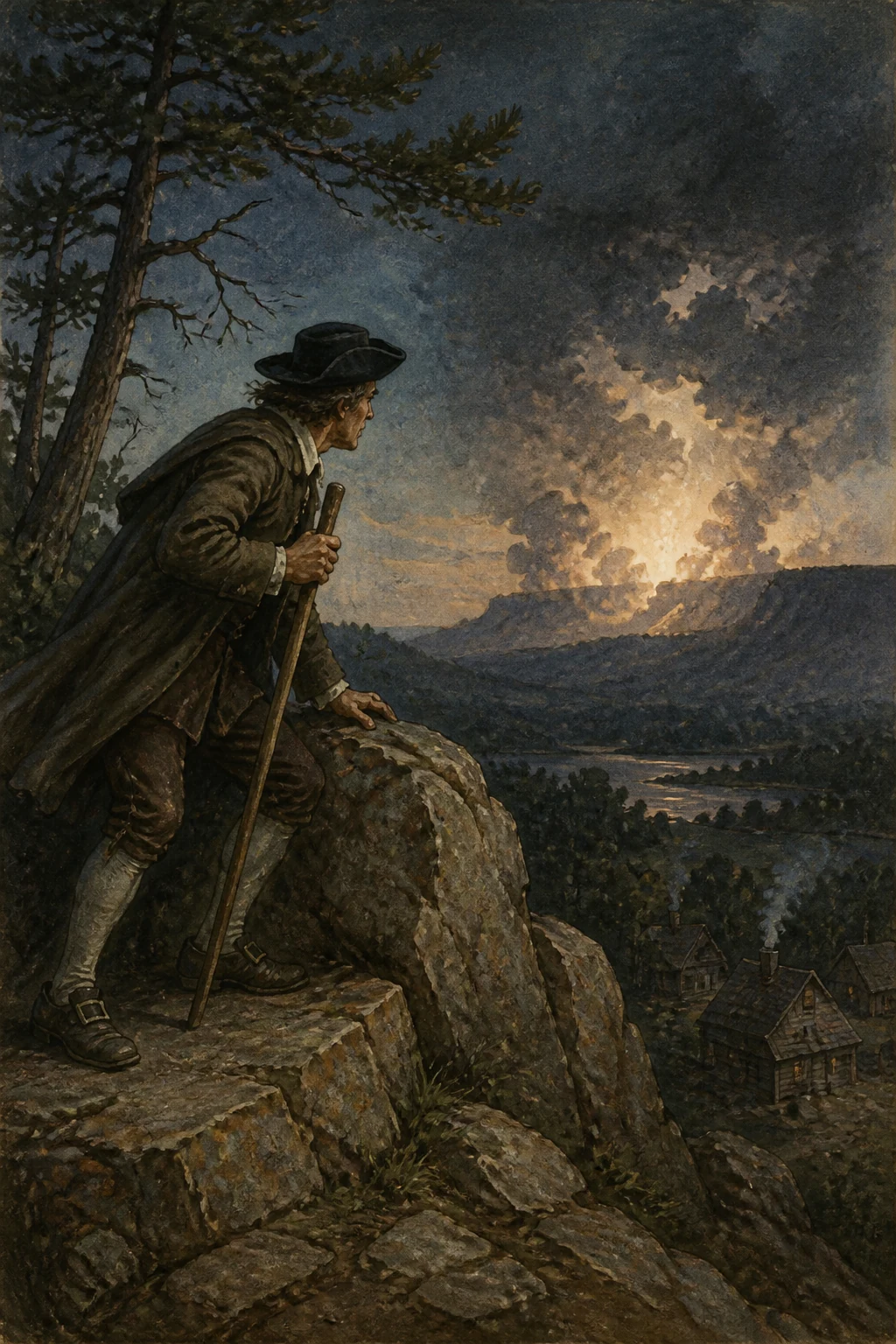
Vas Moodus v Connecticutu so pestili nenavadni zvoki. O tem ni nobenega dvoma. Pravzaprav Machimoodus, indijansko ime tega kraja, pomeni Kraj hrupa. Že leta 1700 in še trideset let zatem je bilo slišati pokanje in bobnenje, ki so ga eni primerjali s strelskimi salvami, drugi z grmenjem, z rjovenjem v zraku, z lomljenjem skal ali s topovskimi streli. Neki mož, ki je bil na gori Mount Tom, ko so bili zvoki posebno siloviti, jih je opisal, kakor da bi mu pod nogami skale padale v velikanske votline in med padanjem zadevale ob skalne stene. Hiše so se tresle in ljudi je bilo strah.
Častiti gospod Hosmer v pismu, ki ga je leta 1729 napisal prijatelju v Bostonu, pravi, da je pred prihodom belih naseljencev tam živelo veliko Indijancev, da so bila obredna zborovanja pogosta in da so domačini »na veliko častili hudiča«. Dodaja: »Nekega starega Indijanca so vprašali, kaj povzroča zvoke v tem kraju, in odgovoril je, da je indijanski bog jezen, ker je sem prišel Angležev bog. Ali je v teh rečeh kaj hudičevega, ne vem, vem pa to: v tistem, kar smo med nami pogosto slišali, se razodeva vsemogočni Bog in pred njim je treba trepetati. Ali se v podzemnih votlinah zemlje mučita ogenj ali zrak, ni mogoče vedeti, saj ni nobenega izbruha, nobene eksplozije, ki bi jo bilo mogoče zaznati kako drugače kakor po zvokih in tresljajih, ti pa so včasih nadvse strašni in grozljivi.«
Naposled se je uveljavilo prepričanje, da se čarovnice iz Haddama, ki so se ukvarjale s črno magijo, srečujejo s čarovnicami iz Moodusa, ki so uporabljale belo magijo, v votlini pod goro Mount Tom in se z njimi bojujejo v svetlobi velikega karbunkla, pritrjenega na strop. Zvoki so se ponovili leta 1888, ko so se v osem milj oddaljenem Salemu, kjer so strašile čarovnice, tresle hiše, zvon na vaški cerkvi pa je »pel kakor glasbene vilice«. Zvoki so se pojavljali hkrati s potresi v drugih delih dežele, pozneje pa so našli skale, premaknjene z njihovega ležišča, in odkrili razpoke v zemlji. Neki modri urednik je izjavil, da nemir povzročajo biseri v školjkah v rekah Salmon in Connecticut.
Če so čarovniški boji trajali predolgo, je kralj Machimoddija, ki je v votlini, od koder so prihajali zvoki, sedel na prestolu iz čistega safirja, dvignil svojo palico: tedaj je karbunklova svetloba ugasnila, po skalnih dvoranah so se razlegali udarci groma in čarovnice so švignile v zrak. Dr. Steele, učen in ostarel mož iz Anglije, si je na samotnem kraju na gori Mount Tom zgradil čudaško hišo in kmalu postal prav tako skrivnosten kakor zvoki, saj se je vedelo, da je prišel v to deželo, da bi jih ustavil s čarovnijo in si prilastil veliki karbunkel v votlini — če bi ga le našel. Vsako okno, špranja in ključavnica so bili zastrti, in dokler je bival tam, ni smel nihče vstopiti; toda iz njegove hiše je bilo vso noč slišati zven kladiv, iz dimnika so švigale iskre in naokrog so se širile nenavadne vonjave. Ko je bilo vse pripravljeno za njegov podvig, se je odpravil na pot; kazala mu jo je medla luč, ki je lebdela pred njim in se ustavila pri zaprtem vhodu v votlino.
Tisto noč so bili zvoki v Moodusu silno glasni. Gora se je tresla, v zraku pa je bilo slišati stokanje in sikanje, ko je privzdigoval kamen, ki je prekrival ustje brezna. Ko ga je odmaknil, je iz odprtine planila svetloba in se razlila v nebo kakor škrlaten komet ali sulica severnega sija. To je bil blisk velikega karbunkla in zvezde, ki so jih videli skozenj, so bile, kakor da bi jih obarvala kri. Zjutraj Steela ni bilo več. Vkrcal se je na ladjo za Anglijo. Dragulj je prinašal nesrečo, kajti galeja je potonila sredi oceana; a čeprav je karbunkel pokopan pod tisoč sežnji vode, njegov rdeči žarek včasih šine iz morja in njegov sij navda s strahom srca mimo plovečih mornarjev. Še dolgo zatem so Indijanci, kadar se je zaslišalo bobnenje, govorili, da hrib rojeva nov čudovit kamen.
Takšni primeri niso osamljeni. Pojav, podoben zvokom v Moodusu, ki mu domačini pravijo »streljanje hriba Nashoba«, se občasno pojavlja na vzpetini tega imena blizu East Littletona v Massachusettsu. Indijanci so nenavadno globoko bobnenje pripisovali vrtinčastim vetrovom, ki skušajo uiti iz votlin.
Gora Bald Mountain v Severni Karolini je bila znana kot Tresóča se gora, saj je bilo tam slišati nenavadne zvoke in čutiti tresljaje; vsak skrivni žganjekuh, ki je imel na tem hribu kočo, se je pridružil cerkvi in vestno hodil k bogoslužju, dokler ni izvedel, da tresenje povzroča počasno pokanje in razdvajanje velike skalne police.
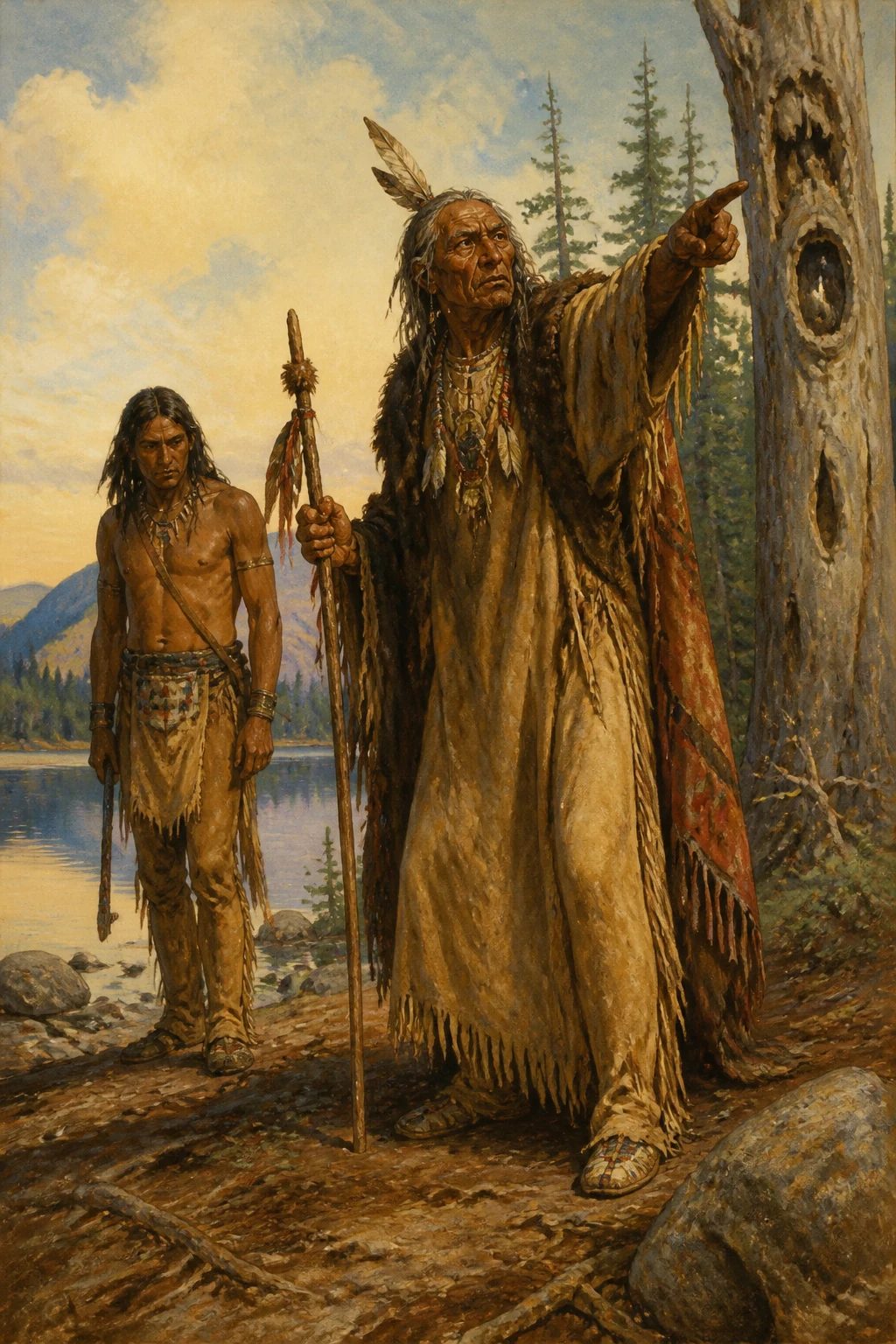
Ob koncu vročega dne je na jezeru Seneca v zvezni državi New York včasih slišati »jezerske topove«, kakor da bi eksplodiral plin. Pred dvesto leti je tu strela ubila Agayentaha, modrega in spoštovanega pripadnika plemena Seneca. Ista strela, ki ga je pokončala, je z brega izruvala drevo in ga zalučala v vodo, kjer so ga pozneje pogosto videvali, kako potuje po jezeru, kakor da bi ga nosili nevidni tokovi; med belci se ga je prijelo ime Večni Jud. Pogosto ga po več tednov ni na spregled, njegovo vrnitev pa naznanja zamolklo bobnenje — česa? Indijanci so pravili, da je ta zvok le odmev Agayentahovega glasu, ki jih opozarja na nevarnosti in kliče v boj, Večni Jud pa je postal njegov glasnik.
Izvirnik
159 Moodus Noises
Naslednje strani prikazujejo izvirno besedilo za primerjavo.
The village of Moodus, Connecticut, was troubled with noises. There is no question as to that. In fact, Machimoodus, the Indian name of the spot, means Place of Noises. As early as 1700, and for thirty years after, there were crackings and rumblings that were variously compared to fusillades, to thunder, to roaring in the air, to the breaking of rocks, to reports of cannon. A man who was on Mount Tom while the noises were violent describes the sound as that of rocks falling into immense caverns beneath his feet and striking against cliffs as they fell. Houses shook and people feared.
Rev. Mr. Hosmer, in a letter written to a friend in Boston in 1729, says that before white settlers appeared there was a large Indian population, that powwows were frequent, and that the natives “drove a prodigious trade at worshipping the devil.” He adds:--“An old Indian was asked what was the reason of the noises in this place, to which he replied that the Indian's god was angry because Englishman's god was come here. Now, whether there be anything diabolical in these things I know not, but this I know, that God Almighty is to be seen and trembled at in what has been often heard among us. Whether it be fire or air distressed in the subterranean caverns of the earth cannot be known for there is no eruption, no explosion perceptible but by sounds and tremors which are sometimes very fearful and dreadful.”
It was finally understood that Haddam witches, who practised black magic, met the Moodus witches, who used white magic, in a cave beneath Mount Tom, and fought them in the light of a great carbuncle that was fastened to the roof. The noises recurred in 1888, when houses rattled in witch-haunted Salem, eight miles away, and the bell on the village church “sung like a tuning-fork.” The noises have occurred simultaneously with earthquakes in other parts of the country, and afterward rocks have been found moved from their bases and cracks have been discovered in the earth. One sapient editor said that the pearls in the mussels in Salmon and Connecticut Rivers caused the disturbance.
If the witch-fights were continued too long the king of Machimoddi, who sat on a throne of solid sapphire in the cave whence the noises came, raised his wand: then the light of the carbuncle went out, peals of thunder rolled through the rocky chambers, and the witches rushed into the air. Dr. Steele, a learned and aged man from England, built a crazy-looking house in a lonely spot on Mount Tom, and was soon as much a mystery as the noises, for it was known that he had come to this country to stop them by magic and to seize the great carbuncle in the cave--if he could find it. Every window, crack, and keyhole was closed, and nobody was admitted while he stayed there, but the clang of hammers was heard in his house all night, sparks shot from his chimney, and strange odors were diffused. When all was ready for his adventure he set forth, his path marked by a faint light that moved before him and stopped at the closed entrance to the cavern.
Loud were the Moodus noises that night. The mountain shook and groans and hisses were heard in the air as he pried up the stone that lay across the pit-mouth. When he had lifted it off a light poured from it and streamed into the heaven like a crimson comet or a spear of the northern aurora. It was the flash of the great carbuncle, and the stars seen through it were as if dyed in blood. In the morning Steele was gone. He had taken ship for England. The gem carried with it an evil fate, for the galley sank in mid-ocean; but, though buried beneath a thousand fathoms of water, the red ray of the carbuncle sometimes shoots up from the sea, and the glow of it strikes fear into the hearts of passing sailors. Long after, when the booming was heard, the Indians said that the hill was giving birth to another beautiful stone.
Such cases are not singular. A phenomenon similar to the Moodus noises, and locally known as “the shooting of Nashoba Hill,” occurs at times in the eminence of that name near East Littleton, Massachusetts. The strange, deep rumbling was attributed by the Indians to whirlwinds trying to escape from caves.
Bald Mountain, North Carolina, was known as Shaking Mountain, for strange sounds and tremors were heard there, and every moonshiner who had his cabin on that hill joined the church and was diligent in worship until he learned that the trembling was due to the slow cracking and separation of a great ledge.
At the end of a hot day on Seneca Lake, New York, are sometimes heard the “lake guns,” like exploding gas. Two hundred years ago Agayentah, a wise and honored member of the Seneca tribe, was killed here by a lightning-stroke. The same bolt that slew him wrenched a tree from the bank and hurled it into the water, where it was often seen afterward, going about the lake as if driven by unseen currents, and among the whites it got the name of the Wandering Jew. It is often missing for weeks together, and its reappearances are heralded by the low booming of--what? The Indians said that the sound was but the echo of Agayentah's voice, warning them of dangers and summoning them to battle, while the Wandering Jew became his messenger.
Nadaljuj z branjem