Waltey
Rip Van Winkle
001 Rip Van Winkle
Myths and Legends of Our Own Land · Charles M. SkinnerO besedilu
Rip Van Winkle
- Vir
- Myths and Legends of Our Own Land
- Avtor
- Charles M. Skinner
- Jezik branja
- Slovenščina
- Jezik izvirnika
- English
- Čas branja
- 6 min branja
- Obseg
- 5 strani
- Naslov izvirnika
- 001 Rip Van Winkle
O izvirniku
Myths and Legends of Our Own Land
Obsežna zgodovinska zbirka ameriških legend, ki jih je Skinner zbral in avtorsko rekonstruiral. Bralni jezik je Slovenščina, izvirnik pa prihaja iz vira Myths and Legends of Our Own Land v jeziku English.
Besedilo
Rip Van Winkle
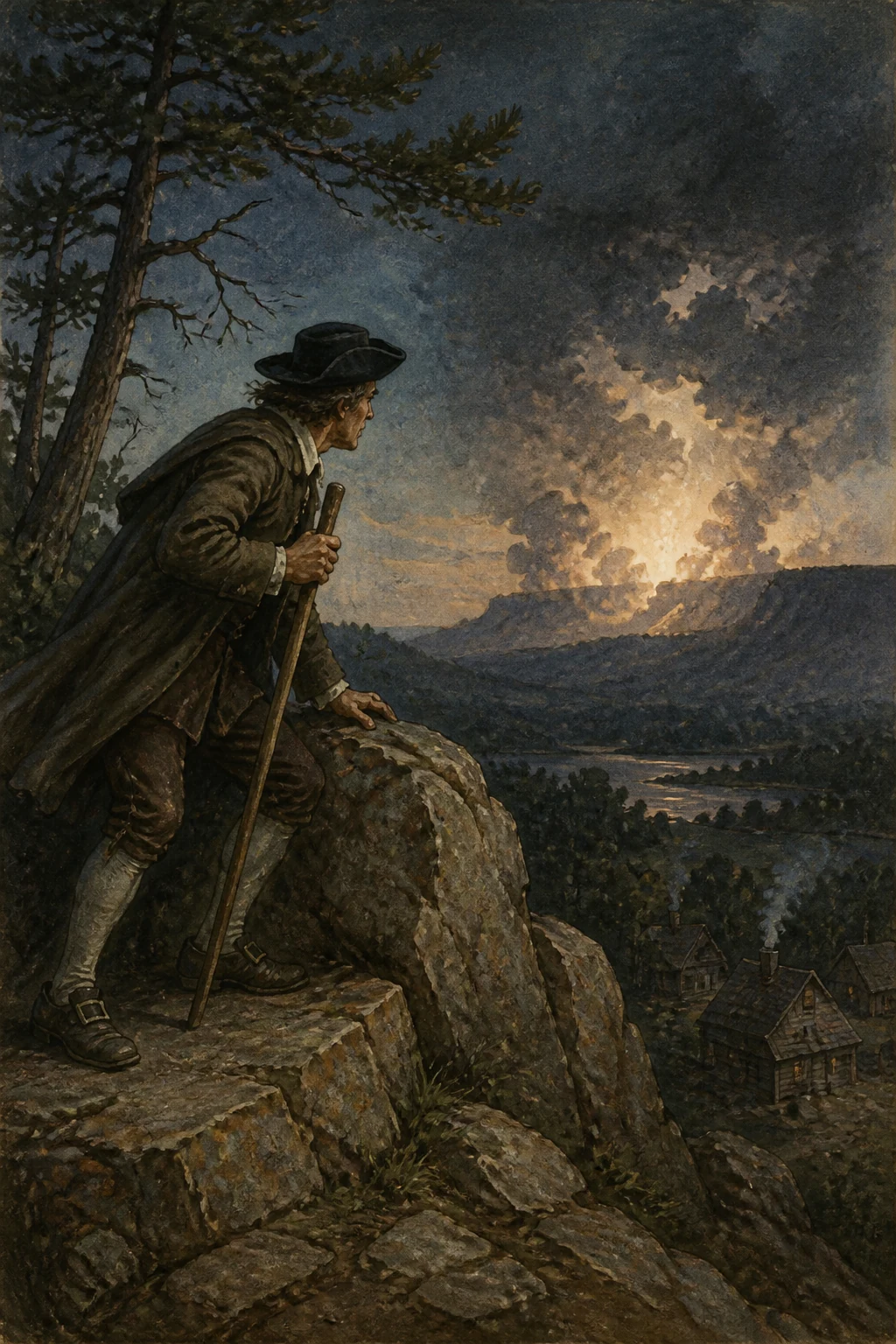
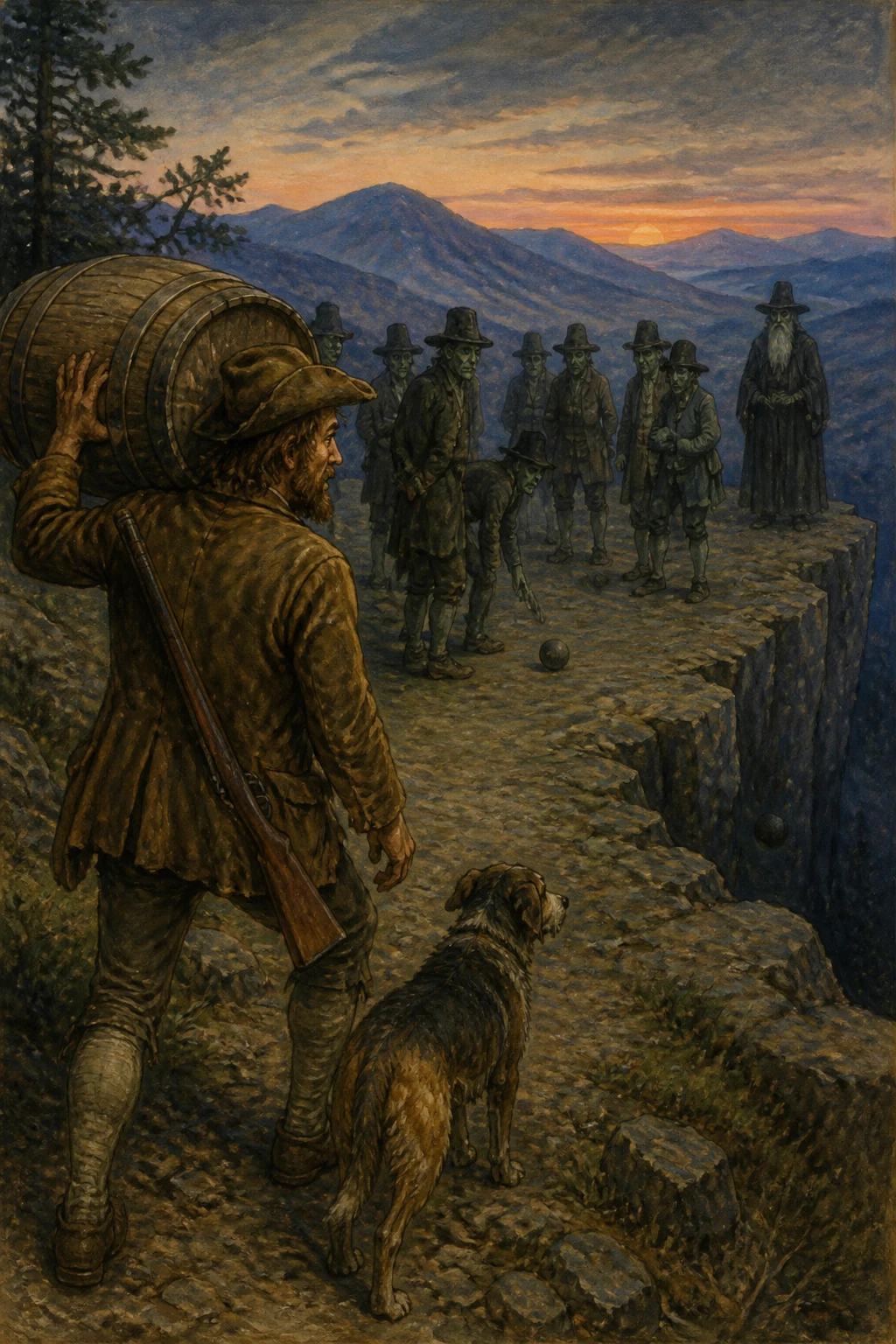
Zgodba o Ripu Van Winklu, ki jo je pripovedoval Irving, dramatiziral Boucicault, na odru upodobil Jefferson, ilustriral Darley in uglasbil Bristow, je najbolj znana ameriška legenda. Rip je bil resnična oseba in Van Winklovi so še danes ugledna rodbina. Lenoben, dobrodušen mož, ki je brezskrbno živel tja v en dan, je menda prebival v vasi Catskill in leta 1769 utonil v svoj dolgi spanec. Njegova žena je bila prava zmerljivka in Rip je, da bi ušel njenemu jeziku, pogosto vzel psa in puško ter se potepel v gorovje Catskill, devet milj proti zahodu, kjer je poležaval ali lovil, kakor se mu je pač zahotelo. Nekega septembrskega večera je med potepom po South Mountainu srečal čokatega, molčečega moža krepkega obsega, ki je imel na okrogli glavi visok koničast klobuk; krajci njegovega s pasom prevezanega suknjiča in široke hlačnice, podobne krilu, so segali do vrha težkih škornjev, obraz pa je bil — uh! — zelen in grozljiv, z negibnimi očmi, ki so se v mraku svetile kakor fosfor. Škrat je nosil sodček in ko je z znamenjem nakazal, da bi rad, da ga Rip prevzame, si ga je ta veseli potepuh zavihtel na ramo in krenil naprej v goro.
Ob mraku sta stopila na majhno planoto, kjer je kakih dvajset mož v oblačilih iz davnih časov, z obrazi, podobnimi obrazu Ripovega vodnika, prav tako tihih in brez besed, nadvse slovesno balinalo; krogle so včasih zdrvele čez rob planote in se bobneče kotalile po skalah, da je odmevalo kakor grmenje. Postava v plašču s snežno belo brado, ki je odmaknjena opazovala igro, se je kakor drugi obrnila in z neprijetnim pogledom premerila obiskovalca, ki se je zdaj nerodno znašel med njimi. Rip jo je sprva nameraval popihati, toda zlovešči pogledi iz kroga oči so mu iz nog pregnali vso voljo do bega, in prav nič mu ni bilo zoprno, ko so mu pomignili, naj odpre sodček in se jim pridruži pri požirku najbolj žlahtnega žganja, kar ga je kdaj okusil — poznal pa je okus sleherne vrste v Catskillu. Čeprav ti nenavadni možje tudi ob kroženju vrčev niso postali nič bolj družabni, je Ripa preplavila prijetna toplota; nato ga je premagala zaspanost, naslonil je glavo na kamen, iztegnil utrujene noge in utonil v sanje.
Jutro. Ko se je prebudil, so se po tleh prepletale lise sončne svetlobe in sence listja; okorno je vstal s svojega ležišča, z bolečinami v kosteh, in segel po puški. Že prej častitljivo staro orožje sta gniloba in rja tako načeli, da mu je razpadlo v roki; ko je pogledal na njegove ostanke, je opazil, da mu obleka v plesnivih cunjah odpada s telesa, čez prsi pa mu pada bela brada. Zmeden in prestrašen je skrušeno zmajeval z glavo ob spominu na popivanje z molčečneži ter odšepal z gore tako hitro, kakor mu je dopuščala revma, ki ga je stiskala v kolenih in komolcih, in stopil v domačo vas. Kaj! Je bil to Catskill? Je bil to kraj, ki ga je zapustil včeraj? So vse te hiše zrasle čez noč in so te ulice v enem samem dnevu speljali čez travnike? Pa ljudje: kje so bili njegovi prijatelji? Otroci, ki so se podili z njim, trebušasti pivci, ki jih je pustil pred vrati krčme, ko so si hladili razgrete nosove v kositrnih vrčkih, psi, ki so mu nekdaj lajali v pozdrav, ker so v njem prepoznali sorodno potepuško dušo: kje so bili?
In njegova žena, katere krepka roka in urni jezik sta ga že skoraj pripravila do tega, da bi kar ostal v gorah — kako to, da ga ni čakala pri vrtnih vratih? Toda na znanem mestu ni bilo nobenih vrat: tam sta bila le neograjeno dvorišče, preraščeno s plevelom, in razrušen temeljni zid. Ripovega doma ni bilo več. Postopači so se posmehovali njegovi sključeni, suhi postavi, zavozlani bradi in lasem, njegovi zanemarjeni obleki in izrazu žalostnega začudenja. Nagonsko se je ustavil pri krčmi, saj jo je prepoznal kljub novi tabli: častnik v modri polkovni uniformi in trikrajnem klobuku je nadomestil škrlatnega Jurija III. iz njegovega spomina, pod njim pa je pisalo »General Washington«. Okrog njega so se hitro zbrali ničpridneži, krčmarski pohajači in zijajoči vajenci; čeprav so mu bili njihovi obrazi tuji in njihovo vedenje robato, se je opogumil in vprašal, ali poznajo tega ali onega izmed njegovih prijateljev.
»Nick Vedder? Že osemnajst let je mrtev in pokopan.« »Brom Dutcher? Šel je v vojsko in padel pri Stony Pointu.« »Van Brummel? Tudi on je šel na vojsko, zdaj pa je v kongresu.«
»In Rip Van Winkle?« »Da, tukaj je. Tistile tam je.« In na svoje popolno začudenje je Rip pred seboj zagledal lastno podobo, prav tako mlado, lenobno, razcapano in brezskrbno, kakršen je bil po svojem spominu še včeraj — ali je bilo res včeraj?
»To je mladi Rip,« je nadaljeval njegov sogovornik. »Tudi njegov oče je bil Rip Van Winkle, a je pred dvajsetimi leti odšel v gore in se ni nikoli vrnil. Najbrž je padel čez prepad ali so ga odpeljali Indijanci ali pa so ga požrli medvedi.«
Pred dvajsetimi leti! Resnično, tako je bilo. Rip je spal dvajset let, ne da bi se prebudil. Zapustil je mirno kolonialno vas, vrnil pa se je v živahno republikansko mesto. Kako je naposled med najstarejšimi prebivalci našel nekaj takih, ki so priznali, da ga poznajo; kako je našel prijeten dom pri poročeni hčeri in sinu, ki se je tako lepo vrgel po njem; kako si je opomogel od novice, da je njegova žena med prepirom umrla za kapjo; kako je spet zasedel svoje mesto ob krčmarskem točilnem pultu, kadil dolge pipe in do konca svojih dni pripovedoval dolge zgodbe — vse to je bilo ohranjeno v zapisih še do začetka tega stoletja.
In Rip je imel povedati nenavadno zgodbo, saj je stregel pijačo mrtvi posadki ladje Half Moon. Vrček nizozemskega žganja je izpil z nikomer drugim kot s samim Henryjem Hudsonom. Nekateri pravijo, da si je Hudsonov duh ustvaril dom med temi gorami, da lahko zre v ljubko dolino, ki jo je odkril; drugi pa trdijo, da se vsakih dvajset let s svojimi možmi zbere na veseljačenju v gorah, ki so jih tako očarale, ko so jih prvič zagledali, kako se dvigajo proti zahodnemu nebu, in da ima pijača, ki jo pijejo to noč, pogubno moč: vsakega smrtnika, ki jo omoči z ustnicami, pahne v spanec, iz katerega ga nič ne more prebuditi vse do jutra tistega dne, ko se bo posadka spet sestala. Ko se po stari cesti za kočije vzpenjate po vzhodnem pobočju gorovja, greste na pol poti do vrha mimo kamna, na katerem je spal Rip Van Winkle, in lahko vidite, da je v njem plitva vdolbina v obliki njegovega telesa. Prikazenski veseljači naj bi se v Catskillu spet pojavili leta 1909, zato naj se vsi popotniki, ki bodo septembra tistega leta v gorah, varujejo pijače, ki jim jo ponudijo neznanci.
Izvirnik
001 Rip Van Winkle
Naslednje strani prikazujejo izvirno besedilo za primerjavo.
The story of Rip Van Winkle, told by Irving, dramatized by Boucicault, acted by Jefferson, pictured by Darley, set to music by Bristow, is the best known of American legends. Rip was a real personage, and the Van Winkles are a considerable family at this day. An idle, good-natured, happy-go-lucky fellow, he lived, presumably, in the village of Catskill, and began his long sleep in 1769. His wife was a shrew, and to escape her abuse Rip often took his dog and gun and roamed away to the Catskills, nine miles westward, where he lounged or hunted, as the humor seized him. It was on a September evening, during a jaunt on South Mountain, that he met a stubby, silent man, of goodly girth, his round head topped with a steeple hat, the skirts of his belted coat and flaps of his petticoat trousers meeting at the tops of heavy boots, and the face--ugh!--green and ghastly, with unmoving eyes that glimmered in the twilight like phosphorus. The dwarf carried a keg, and on receiving an intimation, in a sign, that he would like Rip to relieve him of it, that cheerful vagabond shouldered it and marched on up the mountain.
At nightfall they emerged on a little plateau where a score of men in the garb of long ago, with faces like that of Rip's guide, and equally still and speechless, were playing bowls with great solemnity, the balls sometimes rolling over the plateau's edge and rumbling down the rocks with a boom like thunder. A cloaked and snowy-bearded figure, watching aloof, turned like the others, and gazed uncomfortably at the visitor who now came blundering in among them. Rip was at first for making off, but the sinister glare in the circle of eyes took the run out of his legs, and he was not displeased when they signed to him to tap the keg and join in a draught of the ripest schnapps that ever he had tasted,--and he knew the flavor of every brand in Catskill. While these strange men grew no more genial with passing of the flagons, Rip was pervaded by a satisfying glow; then, overcome by sleepiness and resting his head on a stone, he stretched his tired legs out and fell to dreaming.
Morning. Sunlight and leaf shadow were dappled over the earth when he awoke, and rising stiffly from his bed, with compunctions in his bones, he reached for his gun. The already venerable implement was so far gone with rot and rust that it fell to pieces in his hand, and looking down at the fragments of it, he saw that his clothes were dropping from his body in rags and mould, while a white beard flowed over his breast. Puzzled and alarmed, shaking his head ruefully as he recalled the carouse of the silent, he hobbled down the mountain as fast as he might for the grip of the rheumatism on his knees and elbows, and entered his native village. What! Was this Catskill? Was this the place that he left yesterday? Had all these houses sprung up overnight, and these streets been pushed across the meadows in a day? The people, too: where were his friends? The children who had romped with him, the rotund topers whom he had left cooling their hot noses in pewter pots at the tavern door, the dogs that used to bark a welcome, recognizing in him a kindred spirit of vagrancy: where were they?
And his wife, whose athletic arm and agile tongue had half disposed him to linger in the mountains how happened it that she was not awaiting him at the gate? But gate there was none in the familiar place: an unfenced yard of weeds and ruined foundation wall were there. Rip's home was gone. The idlers jeered at his bent, lean form, his snarl of beard and hair, his disreputable dress, his look of grieved astonishment. He stopped, instinctively, at the tavern, for he knew that place in spite of its new sign: an officer in blue regimentals and a cocked hat replacing the crimson George III. of his recollection, and labelled “General Washington.” There was a quick gathering of ne'er-do-weels, of tavern-haunters and gaping 'prentices, about him, and though their faces were strange and their manners rude, he made bold to ask if they knew such and such of his friends.
“Nick Vedder? He's dead and gone these eighteen years.” “Brom Dutcher? He joined the army and was killed at Stony Point.” “Van Brummel? He, too, went to the war, and is in Congress now.”
“And Rip Van Winkle?”
“Yes, he's here. That's him yonder.”
And to Rip's utter confusion he saw before him a counterpart of himself, as young, lazy, ragged, and easy-natured as he remembered himself to be, yesterday--or, was it yesterday?
“That's young Rip,” continued his informer. “His father was Rip Van Winkle, too, but he went to the mountains twenty years ago and never came back. He probably fell over a cliff, or was carried off by Indians, or eaten by bears.”
Twenty years ago! Truly, it was so. Rip had slept for twenty years without awaking. He had left a peaceful colonial village; he returned to a bustling republican town. How he eventually found, among the oldest inhabitants, some who admitted that they knew him; how he found a comfortable home with his married daughter and the son who took after him so kindly; how he recovered from the effect of the tidings that his wife had died of apoplexy, in a quarrel; how he resumed his seat at the tavern tap and smoked long pipes and told long yarns for the rest of his days, were matters of record up to the beginning of this century.
And a strange story Rip had to tell, for he had served as cup-bearer to the dead crew of the Half Moon. He had quaffed a cup of Hollands with no other than Henry Hudson himself. Some say that Hudson's spirit has made its home amid these hills, that it may look into the lovely valley that he discovered; but others hold that every twenty years he and his men assemble for a revel in the mountains that so charmed them when first seen swelling against the western heavens, and the liquor they drink on this night has the bane of throwing any mortal who lips it into a slumber whence nothing can arouse him until the day dawns when the crew shall meet again. As you climb the east front of the mountains by the old carriage road, you pass, half-way up the height, the stone that Rip Van Winkle slept on, and may see that it is slightly hollowed by his form. The ghostly revellers are due in the Catskills in 1909, and let all tourists who are among the mountains in September of that year beware of accepting liquor from strangers.
Nadaljuj z branjem