Prevod
V Palmyri v zvezni državi New York je Joseph Smith prvič razglasil načela mormonizma. Trdil je, da je na pobočju v sosednjem Manchestru — na »griču Cumorah« — našel zlate plošče Mormonove knjige, do katerih so ga privedli angeli. Plošče so bile popisane z znaki, podobnimi znakom prostozidarske kabale, in z božjo pomočjo jih je prevedel ter svetu razkril sad svojega odkritja. Domnevni avtor zapisa je bil hebrejski prerok Mormon, njegov sin Moroni pa ga je zakopal. Vendar je bila podlaga mormonizma neobjavljen roman z naslovom »Najdeni rokopis«, ki ga je njegov avtor, duhovnik, bral Sidneyju Rigdonu (poznejšemu mormonskemu starešini) in v njem oblikoval veroizpoved za namišljeno cerkev. Smith je bil v domačem okolju nekoliko znan, saj sta se z očetom ukvarjala z bajaličarstvom; ko si je prisvojil to veroizpoved — neškodljivo in blagodejno, kajti mnogoženstvo je bilo poznejši »navdih« Brighama Younga — ter jo leta 1844 začel oznanjati, je pridobil veliko spreobrnjencev. Ker si je prilastil predsedstvo »Cerkve svetih iz poslednjih dni« in zagrešil še druge nepremišljene podvige, si je nakopal sovraštvo nemormonov, ki so ga v Carthageu v Missouriju zaprli in ubili. Tako je Brighamu Youngu prepustil, da je ljudstvo popeljal čez puščave do Salt Laka, kjer so s skromnostjo in marljivostjo dosegli blaginjo.
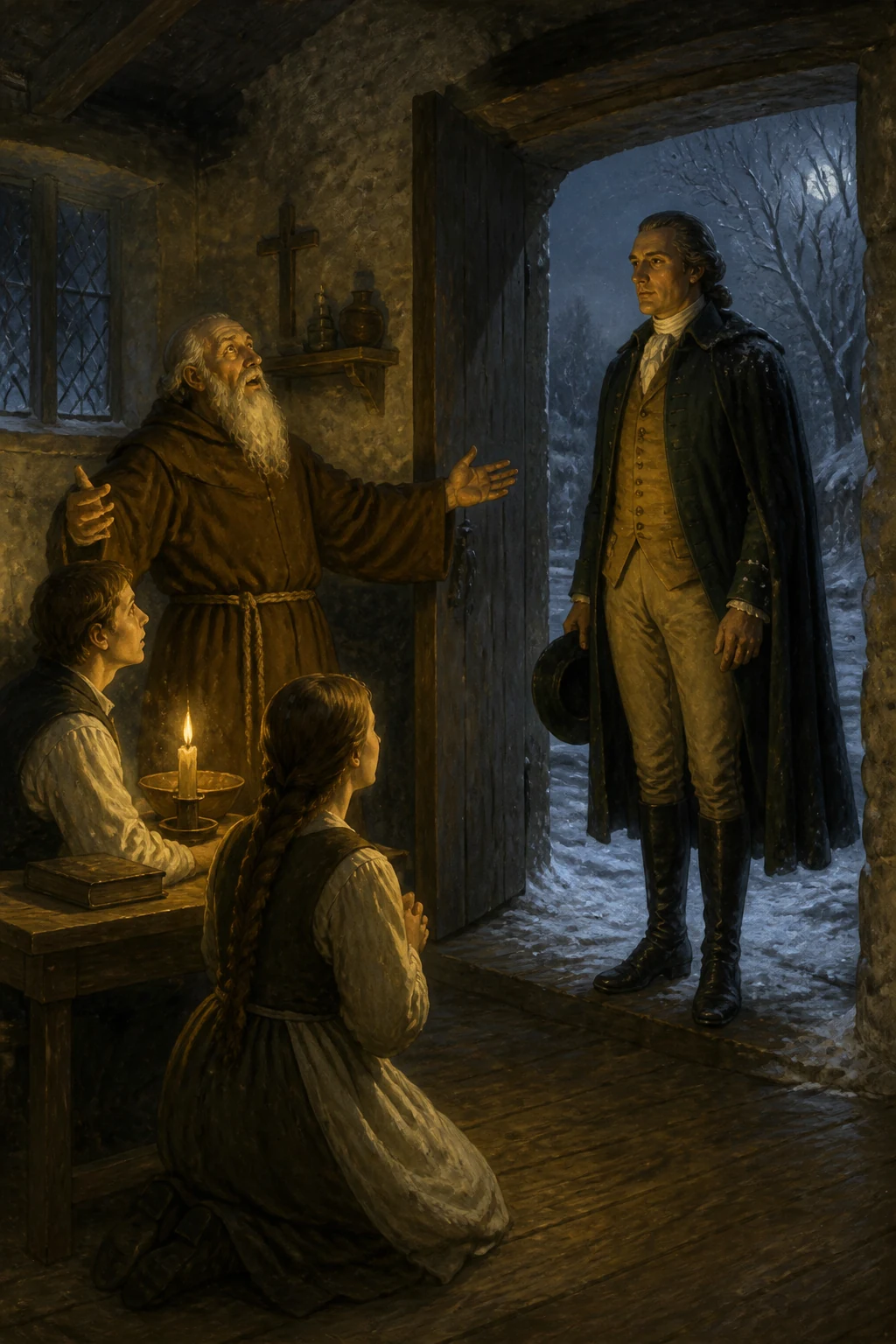
Pravili so, da so na čelu te vojske med pohodom v Utah pogosto videvali častitljivega moža s srebrno brado, ki ni nikoli spregovoril, a je pokazal pot, kadar so bili romarji izčrpani ali malodušni. Ko so prispeli na kraj, kjer so pozneje zgradili tempelj, je zasadil svojo palico v zemljo in izginil.
V Hydesvillu blizu Palmyre je 31. marca 1849 vzniknil spiritizem, kakor mu navadno pravijo, ko so se nekateri umrli naznanili s trkanjem po vratih in mizah v hiši družine Fox, katere preživeli člani so skoraj štirideset let pozneje priznali prevaro. Zanimivo je, da so deželo, iz katere so pognale te nove vere, naseljevali Onondagi, svečeniški sloj plemena Algonkinov, ki so do današnjih dni ohranili starodavne verske obrede te velike rodovne skupnosti.
Izvirnik
It was at Palmyra, New York, that the principles of Mormonism were first enunciated by Joseph Smith, who claimed to have found the golden plates of the Book of Mormon in a hill-side in neighboring Manchester,--the “Hill of Cumorah,”--to which he was led by angels. The plates were written in characters similar to the masonic cabala, and he translated them by divine aid, giving to the world the result of his discovery. The Hebrew prophet Mormon was the alleged author of the record, and his son Moroni buried it. The basis of Mormonism was, however, an unpublished novel, called “The Manuscript Found,” that was read to Sidney Rigdon (afterwards a Mormon elder) by its author, a clergyman, and that formulated a creed for a hypothetical church. Smith had a slight local celebrity, for he and his father were operators with the divining-rod, and when he appropriated this creed a harmless and beneficent one, for polygamy was a later “inspiration” of Brigham Young--and began to preach it, in 1844, it gained many converts. His arrogation of the presidency of the “Church of Latter Day Saints” and other rash performances won for him the enmity of the Gentiles, who imprisoned and killed him at Carthage, Missouri, leaving Brigham Young to lead the people across the deserts to Salt Lake, where they prospered through thrift and industry.
It was claimed that in the van of this army, on the march to Utah, was often seen a venerable man with silver beard, who never spoke, but who would point the way whenever the pilgrims were faint or discouraged. When they reached the spot where the temple was afterwards built, he struck his staff into the earth and vanished.
At Hydesville, near Palmyra, spiritualism, as it is commonly called, came into being on March 31, 1849, when certain of the departed announced themselves by thumping on doors and tables in the house of the Fox family, the survivors of which confessed the fraud nearly forty years after. It is of interest to note that the ground whence these new religions sprang was peopled by the Onondagas, the sacerdotal class of the Algonquin tribe, who have preserved the ancient religious rites of that great family until this day.