Waltey

Prevod

_Penta refuses to marry her brother and, cutting off her hands, sends them to him as a gift. He has her thrown into the sea in a chest. Washed ashore, she is taken home by a fisherman, whose jealous wife throws her back into the sea in the same chest;

and, found by a king, she becomes his wife. But through the treachery of that same wicked woman she is banished from the kingdom; and after long tribulations she is found by her husband and her brother, and all are left happy and consoled._ _When Zeza’s tale was finished, they all agreed that Cannetella, who had gone looking for a hair inside an egg, deserved what she had suffered, and worse:

yet they were greatly comforted to see her delivered from so many troubles. And it was worth reflecting that she who had turned up her nose at every man should have been brought to bow down before a locksmith to rescue her from such distress. But when the king signalled to Cecca to let her own tale loose, she wasted no time in speaking, and began as follows._ Virtue is refined in the crucible of hardship, and the candle of goodness shines brightest where the darkness is deepest. Toil gives birth to merit, and merit comes into the world with honour tied to its navel. Victory belongs not to those who stand with their hands on their hips, but to those who stir the pot, as did the daughter of the king of Preta-secca, who through bloody sweat and mortal danger made her way to the house of happiness. Her fortunes are the tale I have taken it into my head to tell you.

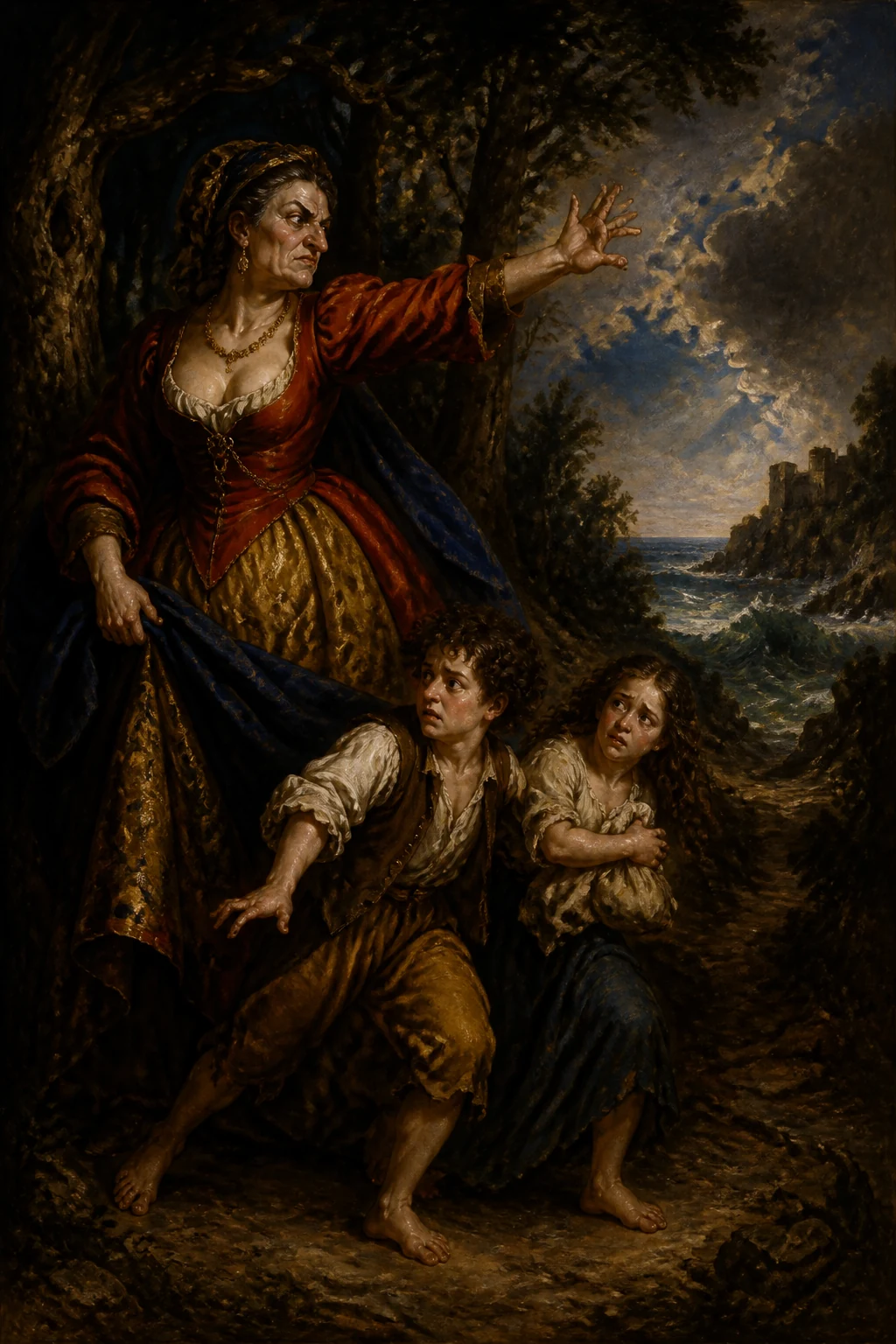
The king of Preta-secca, left a widower and shorn of his wife, had the devil Farfariello put it into his head to marry Penta, his own sister. So one day he called her aside in private and said:

“My sister, it is not the part of a sensible man to let a good thing leave his house. Besides, you never know what may come of letting strangers set foot inside it. So, having chewed the matter over thoroughly, I have resolved to take you for my wife, for you are made to suit my taste, and I understand your nature. Agree, then, to this plastering together, this apothecary’s compound, this uniantur acta, this misce et fiat potio, and we shall both have cause to rejoice.” Hearing this wild leap of a fifth, Penta was beside herself: one colour left her face as another entered it. Never would she have believed her brother capable of such antics, offering her a pair of rotten eggs when he himself needed a hundred fresh ones. For a good while she stood speechless, wondering how to answer so outrageous and preposterous a proposal. At last, throwing down the pack of patience, she said, “If you have lost your senses, I have no wish to lose my shame. I am utterly astonished that you should let such words escape your mouth. If they are a joke, they smack of the ass; if they are in earnest, they stink of the he-goat. And I am sorry that, though you have a tongue for uttering such filthy shamefulness, I have no ears for hearing it. I, your wife? You ought to be put under restraint! You brazen snout! Since when have we had these stews, these rotten messes, these mixtures? Where do you think we are? At a fair? Am I your sister, or a cheese for the cooking? Mend your ways, for your own life’s sake, and never let such words slip from your mouth again, or I shall do things beyond belief. If you will not regard me as your sister, I shall no longer regard you as what you are to me.” With that she darted into a room, barricaded the door behind her, and would not see her brother’s face for more than a month. She left the wretched king, who had charged in with a forehead fit to blunt cannonballs, as shamefaced as a child who has broken the pitcher, and as bewildered as a servant girl whose meat has been stolen by the cat. But after all those days, summoned once more by the king to pay tribute to his unbridled desires, she was determined to discover exactly what it was about her person that had so infatuated him. Leaving her room, she went to him and said, “My brother, I have looked and looked at myself in the mirror, and I can find nothing in this face worthy of your love. I am no such tempting morsel as to set people fluttering.” And the king replied:

“My Penta, you are beautiful and perfect from head to foot; but it is your hand that makes me swoon above all else. That hand is the meat-hook that pulls the entrails from the pot of my breast; that hand is the grappling iron that lifts the bucket of my soul from the well of this life;

that hand is the vice in which my spirit is held while Love files it away. O hand, O lovely hand! Ladle that serves up sweetness! Pincers that pluck out desires! Shovel that heaps coals upon this heart!” He would have said more, but Penta answered, “Enough, I understand you. Wait a little, do not stir an inch; we shall see each other again directly.” Going into her room, she sent for a slave who had very little wit, put a cleaver and a handful of coins into his hands, and said, “My Ali, cut off my hands. Me want make fine beauty secret, become more white.” The slave, thinking he was pleasing her, struck twice and chopped them clean off. She had them laid in an earthenware basin and sent them to her brother beneath a silk cloth, with a message that he might enjoy what he desired most, in good health and with sons to follow. At this treatment the king flew into such a rage that he went clean out of his mind. He immediately had a chest made and thoroughly coated with pitch, thrust his sister inside it, and ordered it thrown into the sea. Some fishermen hauling in a net caught it and opened it, finding Penta within, far lovelier than the moon when she looks as though she has spent Lent at Taranto. Masiello, the chief and most important of the company, took her home and told his wife Nuccia to treat her kindly. But that woman, the very mother of suspicion and jealousy, no sooner saw her husband leave than she put Penta back into the chest and threw her into the sea once more. Tossed by the waves, it drifted hither and thither until it was encountered by a ship carrying the king of Terra-verde. Seeing this thing floating on the waves, he ordered the sails lowered and a boat put out. They fetched the chest aboard, opened it, and discovered the unfortunate girl. The king, beholding this living beauty inside a coffin of death, thought he had found a great treasure, though his heart ached to see a cabinet full of love’s jewels without its handles. He took her to his kingdom and gave her to the queen as a lady-in-waiting. With her feet she performed every service imaginable, even sewing, threading needles, starching collars, and combing the queen’s hair, so that she was cherished like a daughter. But after a few months the queen, summoned to appear at the Fates’ counting-house to pay her debt to Nature, called the king to her and said, “Soon my soul must loosen the marriage-knot that binds it to my body. But if you love me, and wish me to pass contented into the other world, you must grant me a favour.” “Command me, my sweet lips,” said the king, “for if I cannot give you proof of my love in life, I shall show you in death how dearly I cherish you.” “Then listen,” replied the queen. “Since you promise, I beg you with all my strength that, once I have closed my eyes against the dust, you should marry Penta. Although we know neither who she is nor where she comes from, the brand of her good manners shows that she is a horse of noble breeding.” “Live another hundred years for my sake,” answered the king. “But if you must indeed bid me good night and leave me to a miserable day, I swear I shall take her for my wife. Nor do I care that she has no hands and is short in weight, for one should always take as little as possible of a bad thing.” These last words, however, he mumbled under his tongue, lest his wife take offence. And when the queen had snuffed out the candle of her days, he married Penta, and on the very first night planted a son in her womb. But the king was obliged to make another voyage to the kingdom of Auto-scuoglio, and, taking leave of Penta, he weighed anchor. At the end of nine months Penta brought into the world a little boy as pretty as a picture, and illuminations were held throughout the city. The council at once dispatched a felucca to carry the news to the king. But the boat ran into such a storm that one moment it was smothered by the waves and flung up to the stars, and the next sent rolling towards the bottom of the sea. At last, as Heaven willed, it reached that very shore where Penta had been rescued by a man’s compassion and driven away by a woman’s savagery. There, as ill luck would have it, the skipper found Nuccia washing her little boy’s rags. Curious about other people’s affairs, as women naturally are, she asked him where he came from, where he was bound, and who had sent him. The skipper said, “I come from Terra-verde, and I am going to Auto-scuoglio to find the king of that country and deliver a letter, for which purpose I have been sent expressly. I suppose his wife is writing to him, but I could not tell you precisely what it concerns.” “And who is this king’s wife?” Nuccia asked. The skipper answered, “From what I hear, they say she is a very beautiful young woman called Penta the Handless, because both her hands are missing. I am told she was found in a chest at sea, and by her good fortune has become this king’s wife. I do not know what urgent news she has written, but I must hurry at full speed to get there quickly.” On hearing this, that she-devil Nuccia invited the skipper to drink, and when she had made him drunk up to the eyes she took the letters from his pocket. She had them read to her, bursting with such envy that not a syllable passed without drawing a sigh from her. Then she made the same scholar of her acquaintance who had read the letter imitate the handwriting and write that the queen had given birth to a mastiff puppy, and that they awaited orders as to what should be done. Once it was written and sealed, she slipped it into the sailor’s pocket. When he awoke and saw that the weather had cleared, he sailed close to the wind until he caught the southwester astern, and reached the king. On receiving the letter, the king replied that they should keep the queen cheerful and not allow her the least grain of distress, for such things were permitted by Heaven, and a good man must not seek to set the stars in order. The skipper was sent off again, and after two evenings reached Nuccia’s shore once more. She greeted him with great ceremony, gave him plenty to swallow, and once again sent him sprawling. At last, befuddled and stupefied, he lay down to sleep. Nuccia put her hand into his breeches, found the reply, and had it read to her. At once she had another forged letter written to the council of Terra-verde, ordering them to burn the mother and child without delay. When the skipper had digested his wine, he departed, and on reaching Terra-verde delivered the letter. Once it was opened, a great murmuring arose among those wise old men. After much debate they concluded that the king had either gone mad or been bewitched, since, with a pearl for a wife and a jewel for an heir, he wished to grind them into tooth-powder for Death. They therefore agreed to take a middle course and send the young woman wandering into exile with her son, so that no further word of either should ever be heard. Giving her a handful of small coins to keep herself alive, they robbed a royal house of its treasure, the city of its beacon, and her husband of the two pillars of his hopes. Poor Penta, finding herself turned out of doors, though she was neither a loose woman, a banished man’s kinswoman, nor a troublesome student, took the little fellow in her arms and, watering him with milk and tears, set off towards Lago-truvolo. That country was ruled by a magician, who, seeing this beautiful cripple who crippled hearts, this woman who waged fiercer war with the stumps of her arms than Briareus with his hundred hands, wished to hear the whole history of her misfortunes: from the day when her brother, denied a feast of flesh, had tried to make her a feast for fish, down to the day she had set foot in his kingdom. Hearing this bitter tale, the magician shed tears beyond counting, and the compassion that entered through the holes of his ears escaped in sighs through the vent of his mouth. At last, comforting her with kind words, he said, “Be of good cheer, my daughter. However rotten the house of a soul may be, the props of hope can hold it upright. Do not let your spirits fail, for Heaven sometimes drives human misfortunes to the very brink of ruin to make their outcome all the more marvellous. Have no fear, then: you have found both a mother and a father, and I shall help you with my very blood.” Poor Penta thanked him and said, “I care not a whit if Heaven rains down misfortunes and hails disasters, now that I am beneath the shelter of Your Grace, who has both power and means. It is only this lovely little innocent who holds my heart in thrall.” After a thousand courtesies on one side and expressions of gratitude on the other, the magician gave her a fine apartment in his palace and had her cared for like a daughter. The next morning he issued a proclamation that whoever came to his court to tell of a misfortune would receive a crown and a sceptre of gold worth more than a kingdom.

As the news spread throughout Europe, people flocked to that court in numbers greater than broccoli plants, all hoping to win the treasure. One told how he had spent his whole life serving at court and, after wasting his lye and soap, his youth and health, had been paid with a caciocavallo cheese. Another said that a superior had done him an injustice against which he dared not protest, so that he had to swallow the pill and could find no vent for his anger. One complained that he had put all his possessions aboard a ship, and a little contrary wind had swept away everything, cooked and raw alike.

Another lamented that he had spent all his years exercising his pen, yet had never gained a feather’s worth of profit. Above all he despaired that the labours of his ink should have met with so little success, when the stuff of cuttlefish was so fortunate in the world. Meanwhile the king of Terra-verde returned home and found the fine mess awaiting him. He raged like a lion unchained, and would have had his councillors flayed if they had not shown him his letter. Seeing that the handwriting was forged, he summoned the messenger and made him recount everything he had done on his journey. From this he perceived that Masiello’s wife had brought about his ruin. He immediately fitted out a galley and went in person to that shore, where he found the woman and, by gentle questioning, drew the whole plot out of her. Learning that jealousy had been its cause, he resolved that she should become a waxen torch. He had her coated all over in wax and tallow, set her inside a great pile of seasoned wood, and put a light to it. When he saw that the fire, sticking out its red tongue, had gulped down that wretched woman, he set sail. Out on the open sea he encountered a ship carrying the king of Preta-secca, who, after a thousand courtesies, told the king of Terra-verde that he was sailing towards Lago-truvolo because of the proclamation issued by its ruler. He was going to try his luck, for in ill fortune he yielded to no man, however sorrowful. “If that is the question,” replied the king of Terra-verde, “I can leap past you with both feet together, and give the most unfortunate man alive fifteen points and a fault. Where others measure sorrow by little scoops, I can measure mine by the bushel.

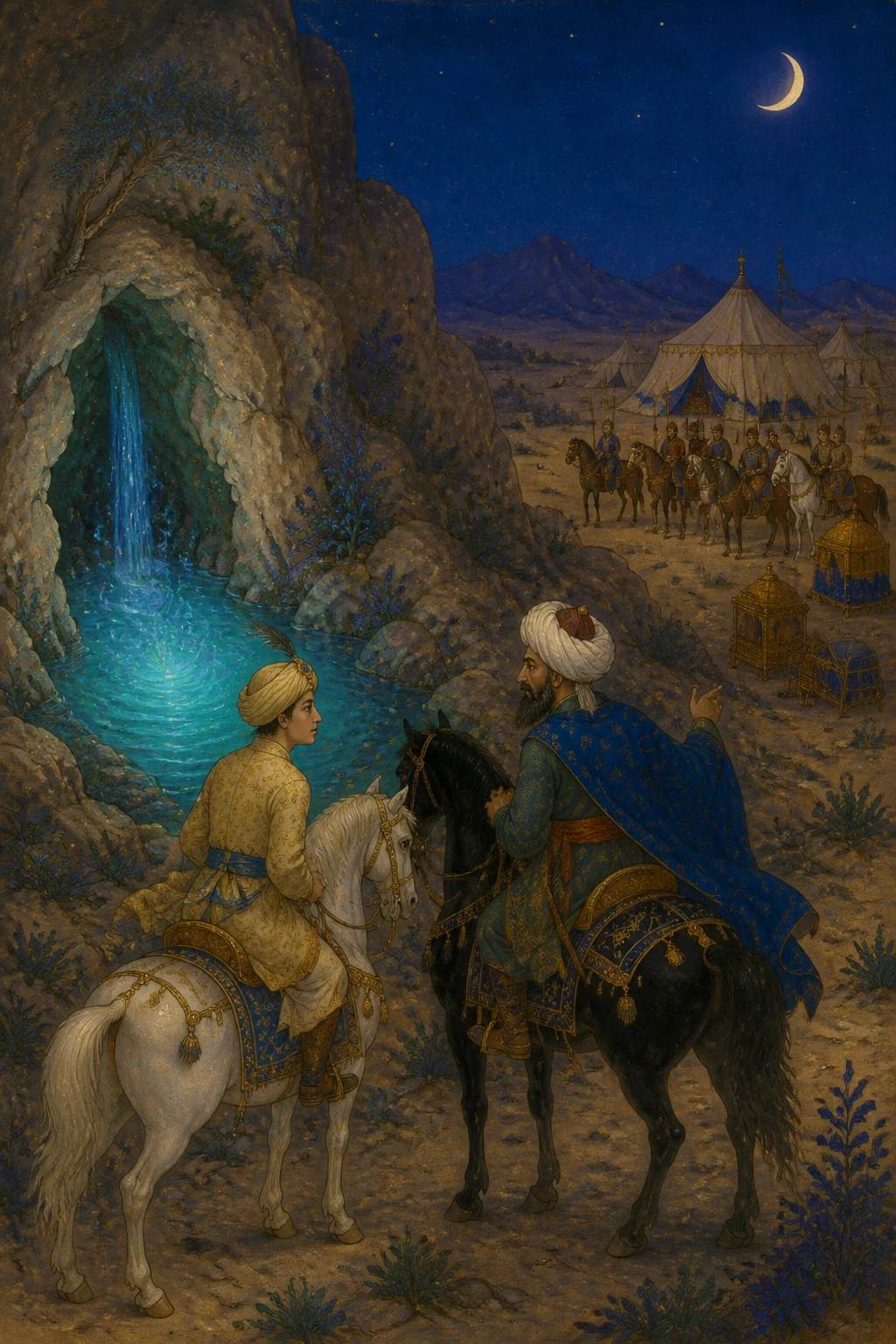
“So I shall go with you, and let us behave like gentlemen: whichever of us wins, we shall share the winnings like good companions, down to the last fennel seed.” “Gladly,” said the king of Preta-secca. Pledging their word to one another, they sailed in company to Lago-truvolo. Once ashore, they presented themselves to the magician, who welcomed them with the honours due to crowned heads, seated them beneath the canopy, and bade them a thousand welcomes. Learning that they had come to the contest of unfortunate men, he asked what burden of grief exposed them to the sirocco of sighs. The king of Preta-secca began by telling of the love he had conceived for his own flesh and blood, of his sister’s conduct as an honourable woman, and of the dog’s heart he had shown in shutting her inside a pitch-coated chest and throwing her into the sea. On one side his conscience pierced him for his own wickedness; on the other he was stabbed by grief for his lost sister. Here shame tormented him, there loss, so that all the sorrows of the most anguished souls in Hell, distilled together in an alembic, could not yield an essence of misery equal to what his heart endured. When this king had finished speaking, the other began. “Alas, your sufferings are sugar biscuits, candy twists, and honey fritters beside the anguish I feel. That Penta the Handless, whom I found like a Venetian wax taper inside that chest, as though to light my funeral, became my wife and bore me a beautiful little boy. Yet through the malice of a hideous hag both mother and child narrowly escaped being burned alive. Instead—O nail driven through my heart! O grief that leaves me no peace!—they were both given their dismissal and sent out of my kingdom. So, stripped of every pleasure, I do not know how the donkey of this life keeps from collapsing beneath its load of pain.” Having heard them both, the magician saw as plainly as the nose on his face that one was Penta’s brother and the other her husband. He sent for her little son Nufriello and said, “Go and kiss the feet of your lord father.” The child obeyed, and the father, seeing the good manners and charm of this little rascal, threw a beautiful gold chain around his neck.

Then the magician said to him, “Kiss your uncle’s hand, my lovely boy.” The handsome little fellow obeyed at once. Astonished by the lively spirit of the little sprig, the king gave him a fine jewel and asked the magician whether the child was his son. He replied that he should ask the mother. Penta, who had heard everything from behind the door curtain, came out. Like a little dog that has strayed and, finding its master after many days, barks, licks him, wags its tail, and gives a thousand other signs of joy, so she ran now to her brother and now to her husband, drawn now by love for the one and now by kinship with the other, embracing first this one and then that with a joy beyond imagining. You may picture a trio of broken words and interrupted sighs. But when that music paused, they returned to caressing the child, and father and uncle took turns clasping and kissing him, quite beside themselves with delight;

and after all that had been done and said on either side, the magician concluded with these words: “Heaven knows how my heart blossoms to see Lady Penta comforted. Her virtues deserve that she should be borne upon the palms of our hands, and for her sake I devised this means of bringing her husband and brother to my kingdom. To either of you I would give myself as a slave in chains. But since a man is bound by his words as an ox is bound by its horns, and an honest man’s promise is a legal bond, I judge that the king of Terra-verde has indeed suffered enough to burst his heart, and I intend to keep my word. Therefore I give him not only the crown and sceptre announced in the proclamation, but my kingdom as well. Having neither children nor little ones of my own, with your good leave I wish to adopt this handsome husband and wife, and they shall be as dear to me as the pupils of my eyes. And so that nothing may remain wanting to Penta’s happiness, let her put her stumps beneath her apron, and she shall draw out hands more beautiful than those she had before.” When she did so, and everything happened just as the magician had said, their joy was beyond telling. You may imagine how they overflowed with delight, especially her husband, who valued this blessing more highly than the second kingdom the magician had given him. After several days of great festivities, the king of Preta-secca returned to his own kingdom. The king of Terra-verde sent word to his younger brother to govern his realm and remained with the magician, paying off inches of hardship with yards of pleasure, and bearing witness to the world that _He does not prize the sweet_ _Who has not tasted bitterness before._
Izvirnik

_Penta sdegna le nnozze de lo frate, e tagliatose le mmano nce le mmanna ’mpresiento. Isso la fa jettare drinto na cascia a mmaro, e data a na spiaggia, no marinaro la porta a la casa soja, dove la mogliere gelosa la torna a ghiettare drinto la stessa cascia; e trovata da no Rrè, se nce ’nzora; ma pe ttrafanaria de la stessa femmena marvasa, è ccacciata da lo Regno; e dapò luonghe travaglie è trovata da lo marito, e da lo Frate, e restano tutte quante contiente, e conzolate._ _Sentuto lo cunto de Zeza, dissero de commune parere, che nce voze chesto, e peo a Cannetella, che cercava lo pilo drinto all’uovo: puro avettero conzolazione granne de vederela sciarvogliata de tant’affanne, e fu cosa da conzederare, che dove tutte l’uommene

le spuzzastero, fosse arreddutta a ’ncrenarese a no chiavettiero, perchè la levasse da tanto travaglio. Ma facenno lo Rrè a Ccecca, che scapolasse lo cunto sujo, essa non fu tarda a pparlare, cossì decenno._ Ne li travaglie la virtù se coppella, e la cannela de la bontà dov’è cchiù scuro, cchiù straluce, e le ffatiche partoresceno lo miereto, e lo miereto se porta attaccato a lo vellicolo lo nnore: non trionfa chi sta co le mmano all’anca, ma chi votta le mmescole, comme fece la figlia de lo Rrè de Preta-secca, che co sodore de sango, e co pericolo de morte se travecaje la casa de lo contiento, la fortuna de la quale m’aggio misso nchirecoccola de ve contare.

Essenno lo Rrè de Preta-secca rommaso vidolo, e ccaruso de la mogliere, le trasette ’ncapo Farfariello de pigliarese Penta la sore stessa; pe la quale cosa chiammatala no juorno da sulo a ssulo, le decette: Non è ccosa, Sore mia, d’ommo de jodizio farese scire lo bene da la casa; otra che non saje comme te resce a ffarence mettere pede da gente forastera, perzò avenno mazzecato buono sto negozio, aggio fatto proposeto de pigliareme a tte pe mmogliere, perchè tu si fatta a lo sciato mio, e io faccio la natura toja; contentate addonca de fare sso ’ncrasto, sta lega de poteca, sto uniantur acta, sto misce, e fiat poto, ca farrimmo l’uno, e l’autro lo buono juorno. Penta sentenno sto sbauzo de quinta, remase fora de se stessa, e no colore le sceva,

e n’autro le traseva, che non s’averria creduto maje, che lo frate fosse dato a sti saute, e ccercasse de darele no paro d’ova sciacque, dov’isso n’aveva abbesuogno de ciento fresche, e stata pe no buono piezzo muta, penzanno comme devesse responnere a na demanna accossì ’mpertenente, e fora de preposeto, all’utemo scarrecanno la sarma de la pacienzia, le disse: Si vuje avite perduto lo sinno, io non voglio perdere la vregogna; mme maraveglio grannemente de vuje, che ve facite scappare ste pparole da la vocca, le quale si sò da burla, hanno dell’aseno; si sò da vero, feteno de caperrone, e mme despiace, che s’avite vuje lengua da dire ste brutte vregogne, non aggio io arecchie de le ssentire. Io mogliere a buje? Si fatte a ttenè: eh nasafazio,

da quanno ’niccà ste ccrapiate? st’oglie potrite? ste mmesche? e dove stammo? a lo jojo? ve so ssore, o casocuotto? faciteve a ccorrejere previta vostra, e no ve facite cchiù sciuliare ste pparole da vocca, ca farraggio cose da non se credere, e mentre vuje non mme stimmarrite da sore, io non ve tenarraggio da chello che mme site; e cossì decenno, sfilaje drinto na cammara, e ppontellatase da dereto, non vedde la facce de lo frate pe cchiù de no mese, lassanno lo nigro Rrè, ch’era juto co no fronte de maglio pe stracquare le ppalle, scornato comm’a ppeccerillo, c’ha rutto l’arciulo, e cconfuso comm’a bajassa, che l’è stata levata la carne da la gatta. Ma ’n capo de tanta juorne zitata de nuovo da lo Rrè a la gabella de le sfrenate voglie, essa voze sapere

onninamente, de che s’era ’ncrapicciato lo frate a la perzona soja, e sciuta da la cammara lo jeze a ttrovare decennole: frate mio, io mme sò bista e mmirata a lo sciecco, e non trovo cosa a sta facce, che pozza essere mmeretevole dell’ammore vuostro, pocca non songo muorzo accossì goliuso, che faccia sparpetiare la gente: e lo Rrè le decette: Penta mia, tu si tutta bella, e ccomprita da la capo a lo pede; ma la mano, è chella, che mme face sopra ogni autra cosa ascevolire: la Mano cacciacarne, che da lo pignato de sto pietto mme tira le bisciole: la mano Vorpara, che da lo puzzo de sta vita n’auza lo cato dell’arma; la Mano Morza, dov’è rrestritto sto spireto, mentre lo limma Ammore: o Mano, o bella Mano, Cocchiara, che mmenestra docezze: Tenaglia, che

scippa voglie; Paletta, che da polere a sto core; Cchiù boleva dicere, quanno Penta respose: Va ca v’aggio ’ntiso; aspettate no poco, no ve scazzecate niente niente, ca mo nce revedimmo; e ttrasuta drinto la cammara, fece chiammare no schiavo, ch’aveva poco cellevriello, a lo quale consegnato no cortellaccio, e na mano de patacche, disse: Alì mio, tagliare mano meje, volere fare bella secreta, e deventare cchiù ghianca. Lo Schiavo credennose de farele piacere, co dduje cuorpe le ttagliaje bello ’ntrunco: ed essa fattele mettere a no vacile de fajenza, le mmannaje coperte co na tovaglia de seta a lo frate; co na ’masciata, che se gaudesse chello, che cchiù ddesiderava co ssanetate, e ffiglie mascole. Lo Rrè vedennose fare sto tratto, venne ’n tanta

zirria, che dette nne le scartate: e ffatto fare subeto na cascia tutta ’mpeciata, nce schiaffaje drinto la sore, e la fece jettare a mmaro, dove pigliata da cierte marinare, che tteravano na rezza, e apertala, nce trovaro Penta cchiù bella assaje de la Luna quanno pare, ch’aggia fatto la quaresema a Ttaranto, pe la quale cosa Masiello, ch’era lo prencepale, e lo cchiù masauto de chella gente, se la portaje a la casa, decenno a Nnuccia la mogliere, che le facesse carizze. Ma chella, ch’era la mamma de lo sospetto, e de la gelosia, non accossì priesto fu sciuto lo marito, che ttornaje a mettere Penta drinto la cascia, e la jettaje de nuovo a mmaro, dove sbattuta dall’onne, tanto jette stracorrenno da ccà, e da llà, fiche fu scontrata da no Vasciello, dove

jeva lo Rrè de Terra-verde, lo quale visto natare sta cosa pe l’onne, fece calare le bele, e ghiettare lo vattiello a mmaro, e pigliata sta cascia l’aperzero, e trovannoce sta desgraziata fegliola, lo Rrè che bedde drinto a no tauto de morte sta bellezza viva, stimaje d’avere asciato no gran tresoro, si be le chianze lo core, che no scrittorio de tante gioje d’ammore fusse trovato senza maniglie, e pportatala a lo Regno sujo, la deze pe dammecella a la Regina; la quale tutte li servizie possibele fi a ccosire, ’nfilare l’aco, ’mposemare li collare, e ppettenare la capo a la Regina, faceva co li piede, pe la quale cosa era tenuta cara quanto na figlia: ma dapò quarche mese, zitata la Regina a ccomparire a la banca de la Parca a ppagare lo debbeto a la

Natura, se chiammaje lo Rrè, decennole: Poco cchiù po stare ll’arma mia a sciogliere lo nudeco matrimoniale fra essa, e lo cuorpo; ma si mme vuoje bene, e ddesidere, che baga conzolata all’autro Munno, m’aje da fare na grazia; Commanname, musso mio, disse lo Rrè, che se non te pozzo dare li testimmonie ’n vita de l’ammore mio, te darraggio signo ’n morte de lo bene, che te voglio. Ora susso, leprecaje la Regina; pocca mme lo ppromiette, io te prego quanto pozzo, che dapò ch’averraggio chiuso l’uocchie pe la porvere, t’agge da ’ngaudiare Penta, la quale si bè non sapimmo nè chi sia, nè da dove vene puro a lo mierco de li buone costume se conosce ch’è Ccavallo de bona razza. Campame puro da cca a cient’anne, respose lo Rrè; ma quanno

puro avisse da dire bona notte pe ddareme lo male juorno, io te juro ca mme la pigliarraggio pe mmogliere, e non me ne curo che sia senza mano, e scarza de piso, ca de lo ttristo se deve pigliare sempre lo ppoco; ma st’uteme parole se le ’mbrosoliaje pe la lengua, azzò non se ne corresse la mogliere: e stutata ch’appe la Regina la cannela de li juorne, se pigliaje Penta pe mmogliere; e la primma notte la ’nzertaje a ffiglio mascolo. Ma accorrenno lo Rrè de fare n’autra velejata a lo Regno d’Auto-scuoglio, lecenzejatose da Penta, assarpaje lo fierro; ma ’ncapo de nove mise sciuta Penta a lluce, fece no pentato Nennillo, che se fecero lummenarie pe tutta la Cetate, e ssubeto lo Conziglio spedette na Felluca a posta pe darene aviso a lo Rrè; ma correnno

sta Varca vorrasca de manera, che mo se vedde mantiata da l’onne, e sbauzata a le stelle, mo vrociolata ’nfunno a lo maro, all’utemo comme voze lo Cielo, dette ’nterra a chella marina dove Penta era stata raccouta da la compassione de n’ommo, e cacciata da la canetate de na femmena; e ttrovato pe desgrazia la stessa Nuccia a llavare le ttillicarelle de lo fegliuolo, curiosa de sapere li fatte d’autre, comm’è nnatura de le ffemmene, demannaje a lo Patrone de la felluca, da dove venesse; dov’era ’nviato, e chi lo mannasse; e lo patrone decette: Io vengo da Terra-verde, e bao ad Auto-scuoglio a ttrovare lo Rrè de chillo Pajese, pe darele na lettera, pe la quale so mmannato a posta. Creo ca le scriverà la Mogliere. Ma non te saperria a ddicere

sperlitamente chello, che ttratta. E chi è la mogliere de sto Rrè (leprecaje Nnuccia), e lo Patrone respose: Pe quanto ’ntenno, diceno, ch’è na bellissima giovane chiammata Penta Mano-mozza, pe ttutte doje le mano, che le mancano. La quale sento dire, che fu trovata drinto na cascia a mmaro, e pe la bona sciorte soja, è deventata mogliere de sto Rrè, e non saccio che le scrive de pressa, che m’abbesogna correre co lo triego ped’arrivare priesto. Sentuto chesto la jodea de Nnuccia, ’mmitaje a bevere lo patrone, e ’mborracciatolo fi drinto all’uocchie le levaje le llettere da la saccocciola, e fattele lejere co na ’nvidia da crepare, che non sentette sillaba, che non ghiettasse no sospiro, fece da lo medesemo stodiante accunto sujo, che le lesse la

lettera, fauzefecare la mano, e scrivere ca la Regina aveva figliato no Cane guzzo, e s’aspettava commannamiento de chello, che se ne dovesse fare; e scrittala, e sejellatala, la mese a la saccocciola de lo marinaro, che scetato, e bedenno lo tiempo acconciato, jette orza orza a pigliare Garbino ’n poppa, ed arrivato a lo Rrè, e datale la lettera, isso respose, che ffacessero stare allegramente la Regina, che non se pigliasse manco na dramma de desgusto, ca cheste ccose erano permessione de lo Cielo, e l’ommo da bene non deve mettere assietto a le stelle, e speduto lo Patrone, arrivaje ’ncoppa de doje sere a lo stisso luogo de Nnuccia, la quale fattole compremiento granne, e datole buono a ’ngorfire, tornaje a ghire a gamme levate; tanto

che all’utemo turdo, e storduto se pose a dormire, e Nnuccia postole mano a lo cosciale, trovaje la resposta; e fattasella lejere, subeto fece scrivere l’autra fauzaria a lo Conziglio de Terra-Verde, zoè, che abbrosciassero subbeto subeto la mamma, e lo figlio. Comme lo Patrone appe padiato lo vino, se partette; ed arrivato a Terra-Verde, presentaje la lettera, la quale aperta; fo no gran besbiglio fra chille sapie Vecchiune; e trascorrenno assaje ’ntuorno a sto negozio, concrusero, che lo Rrè o fosse deventato pazzo, o affattorato, pocca avenno na perna pe mmogliere, e na gioja pe arede, isso nne voleva fare porvere pe li diente de la morte; pe la quale cosa foro de parere de pigliare la via de miezo, mannannone sperta la giovane co lo figlio,

che non se ne sapesse maje ne nnova, ne becchia: e cossì datole na mano de torniselle pe campare la vita, levaro da na casa riale no tresoro, da la Cetate no lanternone, da lo Marito doje pontelle de la speranza soja. La povera Penta vedennose dare lo sfratto, si bè non era femmena desonesta, nè pparente de Bannito, ne studiante fastidiuso, pigliatose lo cetrulo ’mbraccio, lo quale adacquava de latte, e de lagreme, s’abbiaje a la vota de Lago-truvolo, dov’era segnore no Mago, lo quale vedenno sta bella stroppiata, che stroppiava li core, chesta che ffaceva cchiù guerra co li mognune de le braccia, che Briareo co ciento mane, voze sentire tutta sana la storia de le ddesgrazie, ch’aveva passato, da che lo frate, pe l’essere negato lo pasto de

carne, la voleva fare pasto de pisce, fi a chillo juorno ch’aveva puosto pede a lo Regno sujo. Lo Mago sentenno st’ammaro cunto, jettaje lagreme senza cunto; e la compassione, che ttraseva pe le ppertose de l’arecchie, sbafava ’nsospire pe lo spiraglio de la vocca; all’utemo consolannola co bone parole, le disse: Sta de bona voglia, figlia mia, che pe ffraceta, che sia la casa de n’arma, se pò rejere ’n pede co le sopponte de la speranza, e pperzò non lassare sbentare l’anemo, ca lo Cielo tira quarche bota le ddesgrazie omane a la stremmetà de le rroine pe ffare cchiù maravegliuso lo socciesso sujo: non dobetare addonca, ch’aje trovato Mamma, e Patre, e t’ajutarraggio co lo sango stisso. La povera Penta rengraziatolo, disse: Che non se le deva na zubba, che

lo Cielo chiova desgrazie, e grannaneja roine, mo che stongo sotto la pennata de la grazia vostra, lo quale potite, e balite; e schitto sta bella ’nfanzia mm’affattora; e dapò mille parole de cortesie da na parte, e de rengraziamente dall’autra, lo Mago le deze no bello appartamiento a lo Palazzo sujo, la fece covernare comme na figlia, e la matina appriesso fece spobrecare no banno, che qualesevoglia perzona fosse venuta a ccontare a la Corte soja na desgrazia, l’averria dato na Corona, e no scettro d’oro, che balevano cchiù de no Regno.

E ccorrenno sta nova pe ttutta l’Auropa, vennero gente cchiù de li Vruoccole a cchella Corte pe guadagnare sta recchezza, e chi contava, ch’aveva servuto ’n corte tutto lo tiempo de la vita soja, e dapò perduto la lescìa, e lo ssapone, la gioventù, e la sanetate, era stato pagato co no caso-cavallo. Chi deceva ca ll’era stata fatta na ’ngiustizia da no soperiore, che non se ne poteva resentire; tanto, che le besognava gliottere sto pinolo, e non poteva vacoare la collera. Uno se lamentava, ch’aveva puosto tutte le ssostanzie soje drinto na nave, e no poco de viento contrario l’aveva levato lo ccuotto, e lo ccrudo.

N’autro se doleva ch’aveva spiso tutto l’anne a ssarceziare la penna, e mmaje l’era stato d’utele na penna, e sopra tutto se desperava, ca le ffatiche de la penna soja avevano avuto accossì poca ventura, dove le mmaterie de li calamare erano tanto fortunate a lo munno. Tra chisto miezo tornato lo Rrè de Terra-verde, e ttrovato lo bello sceruppo a la casa, fece cose da lione scatenato, ed averria fatto levare lo cuoiro a li Conzigliere, si non mostravano la lettera soja, lo quale visto la fauzetate de la mano, fece chiammare lo Corriero, e fattose contare quanto aveva fatto pe lo viaggio, penetraje ca la mogliere de Masiello l’aveva fatto sto dammaggio; ed armata subeto na galera, jette ’n perzona a chella chiaja, e ttrovata sta femmena, co bello

muodo le cacciaje da cuorpo lo ’ntrico, e ’ntiso ca nn’era stata causa la gelosia, voze, che deventasse ’ncerata, ccossì fattola ’ncerare, e nzevare tutta, mettennola drinto na gran catasta de legna sfomate, nce mese fuoco, e comme vedde, che lo fuoco co na lengua rossa da fore, s’aveva cannariato chella negra femmena, fece vela, e essenno ad auto mare, scontraje na Nave, che portava lo Rrè de Preta-secca; lo quale dapò mille zeremonie, disse a lo Rrè de Terra-verde, comme navecava a la vota de Lago-truvolo, pe lo banno spobrecato da lo Rrè de chillo Regno, dove jeva a tentare la sciorte comme a cchillo, che non cedeva pe mmala fortuna a lo cchiù addolorato ommo de lo munno: s’è pe chesso, respose lo Rrè de Terra-verde, io te passo a ppiede chiuppe, e pozzo

dare quinnece, e ffallo a lo cchiù sbentorato, che sia, e dove l’autre mesurano li dolure a llocernelle, io le ppozzo mesurare a ttommola. Perzò voglio venire co ttico, e ffacimmola da galant’uommene, ogn’uno, che bence de nuje, spartimmo da buon compagno pe fi a no fenucchio la venceta. De grazia disse, lo Rrè de Preta-secca, e datose la fede fra loro, jettero de conserva a Llago-truvolo, addove smontate ’n terra, se presentaro ’nnanze a lo Mago, che facennole granne accoglienza comm’a tteste Coronate, le ffece sedere sotto a lo Baldacchino, e le disse, che fossero pe mmille vote li buone-venute, e ’ntiso ca venevano a la prova dell’uommene negrecate, voze sapere lo Mago quale pisemo de dolore le ffacesse suggeche a lo scirocce de li sospire. E lo Rrè de

Preta-secca commenzaje a dicere, l’ammore, che pose a lo sango sujo, l’azzione de femmena ’nnorata che ffece la Sore, lo core de Cane, ch’isso mostraje a serrarela drinto na cascia ’mpeciata, e ghiettarela a mmaro; de la quale cosa da na parte lo sperciava la coscienzia de lo proprio arrore, da l’autra lo pogneva l’affanno de la sore perduta; da ccà lo tormentava la vregogna, da llà lo danno; de manera, che tutte li dolure dell’arme cchiù strangosciate a lo ’nfierno puoste a no lammicco non farriano quintassenzia d’affanne, comm’a chille, che senteva lo core sujo. Scomputo de parlare sto Rrè, accommenzaje l’autro. Oimè ca le ddoglie toje so ttarallucce de zuccaro, franfellicchie e strufole, a paragone de lo dolore ch’io sento, pocca chella Penta mano-mozza, che

trovaje, comm’a ’ntorcia de cera de Venezia drinto a chillo Cascione, pe ffare l’assequie meje, avennola pigliata pe Mogliere, e fattome no bello Nennillo, pe mmalegnetate de na brutta scirpeja, poco ha mancato, che non fosse stato ll’una, de ll’autro arzo a lo ffuoco: ma puro, o chiuovo de lo core mio, o dolore, che non me ne pozzo dare pace hanno data cassia a ttutte duje, mannannole fore de lo stato mio: tale che bedennone allegeruto d’ogne gusto, non saccio comme sotto a lo carreco de tante pene non cade l’aseno de sta vita. Sentuto lo Mago l’uno, e l’autro; canosciette a la ponta de lo naso, ca l’uno era lo frate, e l’autro lo marito de Penta, e fatto chiammare Nufrijello lo fegliulo, le disse; và, e basa li piede a tata gnore tujo, e lo peccerillo

obedette lo Mago, e lo patre vedenno la bona creanza, e la grazia de sto zaccariello, le jettaje na bella catena d’oro a lo cuollo. Fatto chesso, le tornaje a dicere lo Mago; vasa la mano a Zio, bello figliulo mio, e lo bello pacioniello facette subeto l’obedienzia; lo quale strasecolato de lo spiretillo de sto fraschetta, le deze na bella gioja, addemannanno a lo Mago si l’era figlio, ed isso responnette, che l’addemmannasse a la mamma. Penta da dereto lo portiero avenno ’ntiso tutto lo negozio, scette fora, e comme cagnola, ch’essennose sperduta, trova dapò tanta juorne lo patrone, l’abbaja, lo licca, cotoleja la coda, e fa mille autre signe de allegrezza: accossì essa, mo correnno a lo Frate, mo a lo Marito, mo tirata da l’affetto dell’uno, mo da la

carne dell’autro, abbracciava mo chisto, e mo chillo co ttanto giubelo, che non se potarria ’mmagenare; fa cunto, ca facevano no conzierto a tre de parole mozze, e de sospire ’nterrutte; ma fatto pausa a sta museca, se tornaje a li carizze de lo figliulo, e mo lo Patre, e mo lo Zio a beceta lo stregnevano, e basavano, che se ne jevano ’nzuoccolo; e dapò che da chesta parte, e da chella se fece, e se disse, lo Mago concruse co ste pparole: Lo ssa lo Cielo, quanto pampaneja sto core, de vedere conzolata la Segnora Penta, la quale pe le bone parte soje, mmereta d’essere tenuta ’n chianta de mano, e pe la quale aggio cercato tanta ’nnustria de reducere a sto Regno lo Marito, e lo Frate, che a l’uno, e a l’autro mme desse pe schiavuottolo ’ncatenato; ma perchè

l’ommo se lega pe le pparole, e lo Voje pe le ccorna, e la promessa de n’ommo da bene è strommiento, jodecanno, che lo Rrè de Terra-verde sia stato veramente da schiattare, io ve voglio attennere la parola, e perzò le dongo non sulo la Corona, e lo Scettro sprobecato pe lo banno, ma lo Regno puro; pocca non avenno nè ffiglie, nè sfettiglie, co bona grazia vosta io voglio pe figlie adottive sta bella cocchia de Marito, e Mogliere, e mme sarrite care quanto a le ppopelle dell’uocchie; e perchè non ce sia cchiù che desiderare a lo gusto de Penta, mettase li mognune sotto lo ’nnante cunnale, ca nne cacciarrà le mmano cchiù belle, che non erano ’n primma; la quale cosa fatta, e rresciuta comme disse lo Mago, non se pò dire l’allegrezza, che se nne fece: fa cunto

ca sgongolaro de lo priejo, e particolarmente lo Marito, che stimmaje cchiù sta bona fortuna, che l’autro Regno datole da lo Mago; e dapò che passattero co ffesta granne na mano de juorne, lo Rrè de Preta-secca se nne tornaje a lo Regno sujo, e cchillo de Terra-verde mannato lo parente a lo frate cchiù piccolo pe lo covierno de lo stato sujo, se restaje co lo Mago, scomperanno a ccanne de spasso le ddeta de travaglio, e facenno testemmonio a lo Munno, ca _Non ha lo ddoce a ccaro,_ _Chi provato non ha ’mprimmo l’ammaro._

Nalagam bralnik