Waltey
Spet mačeha in pastorka
Srpske narodne pripovijetke · Vuk Stefanović KaradžićO besedilu
Spet mačeha in pastorka
- Vir
- Srpske narodne pripovijetke
- Avtor
- Vuk Stefanović Karadžić
- Jezik branja
- English
- Jezik izvirnika
- Српски
- Čas branja
- 9 min branja
- Obseg
- 7 strani
- Naslov izvirnika
- 035 Опет маћеха и пасторка
O izvirniku
Srpske narodne pripovijetke
Srbske ljudske pripovedi o junakih, čudežnih bitjih, preizkušnjah in ljudski modrosti. Bralni jezik je English, izvirnik pa prihaja iz vira Srpske narodne pripovijetke v jeziku Српски.
Besedilo
Spet mačeha in pastorka
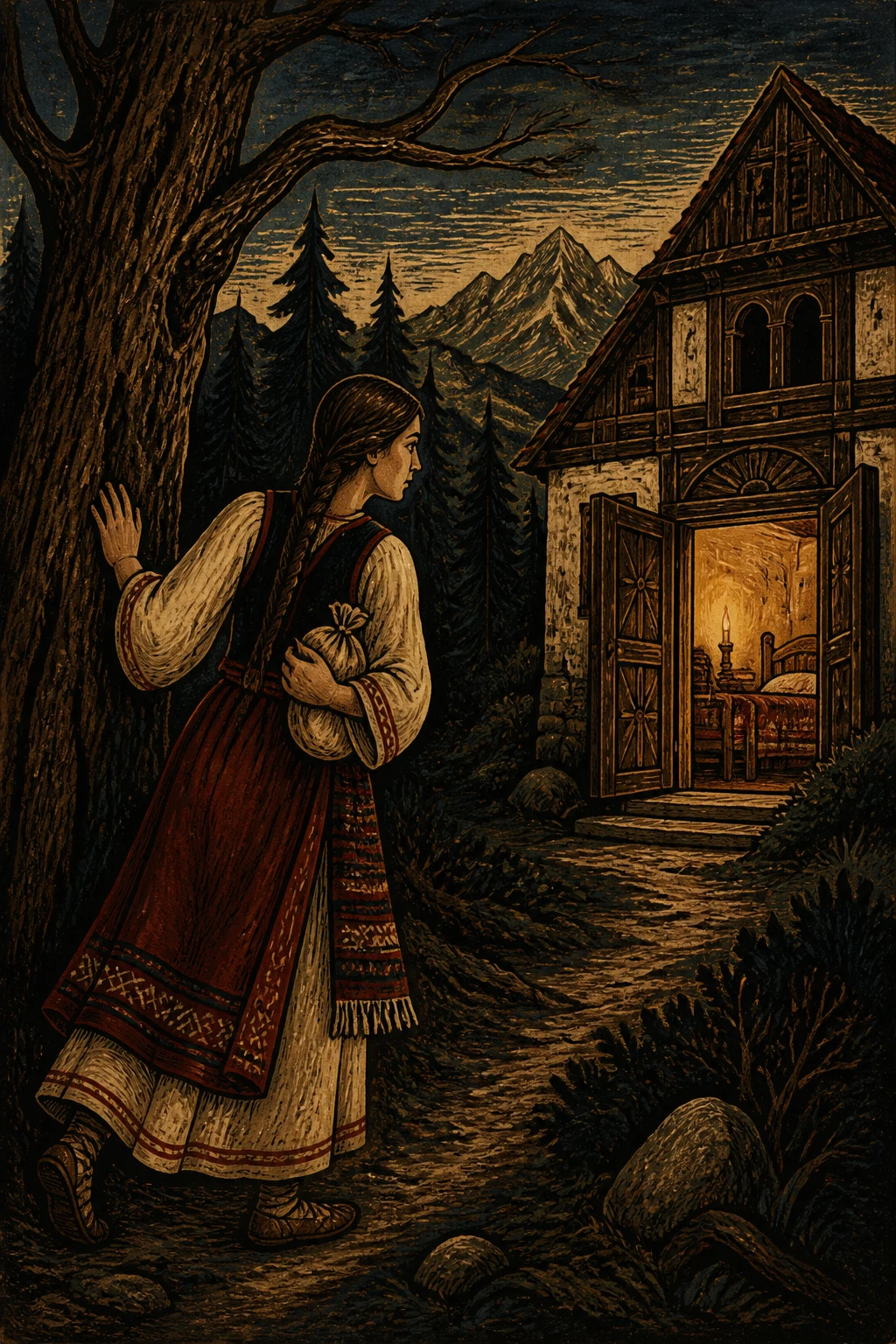
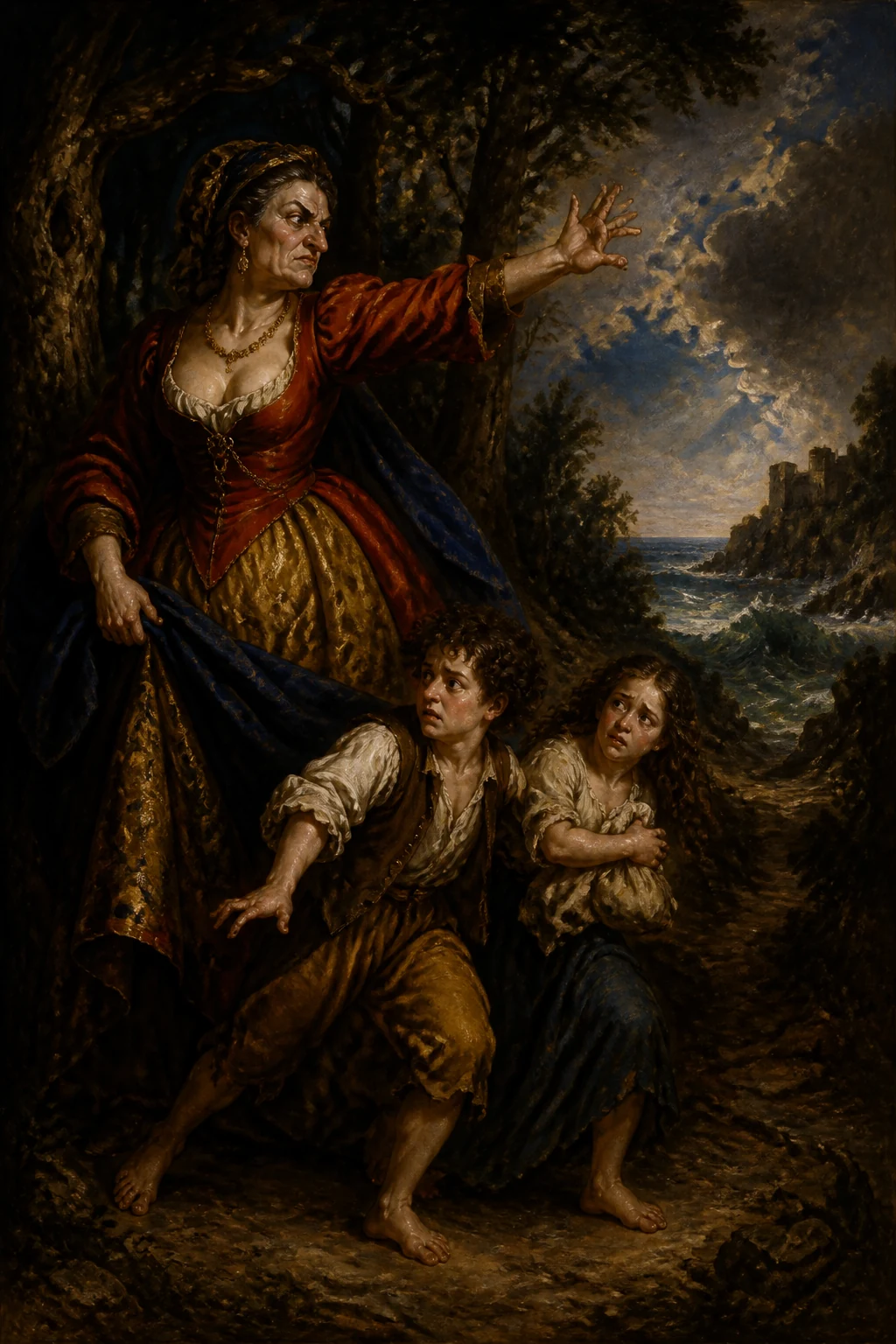
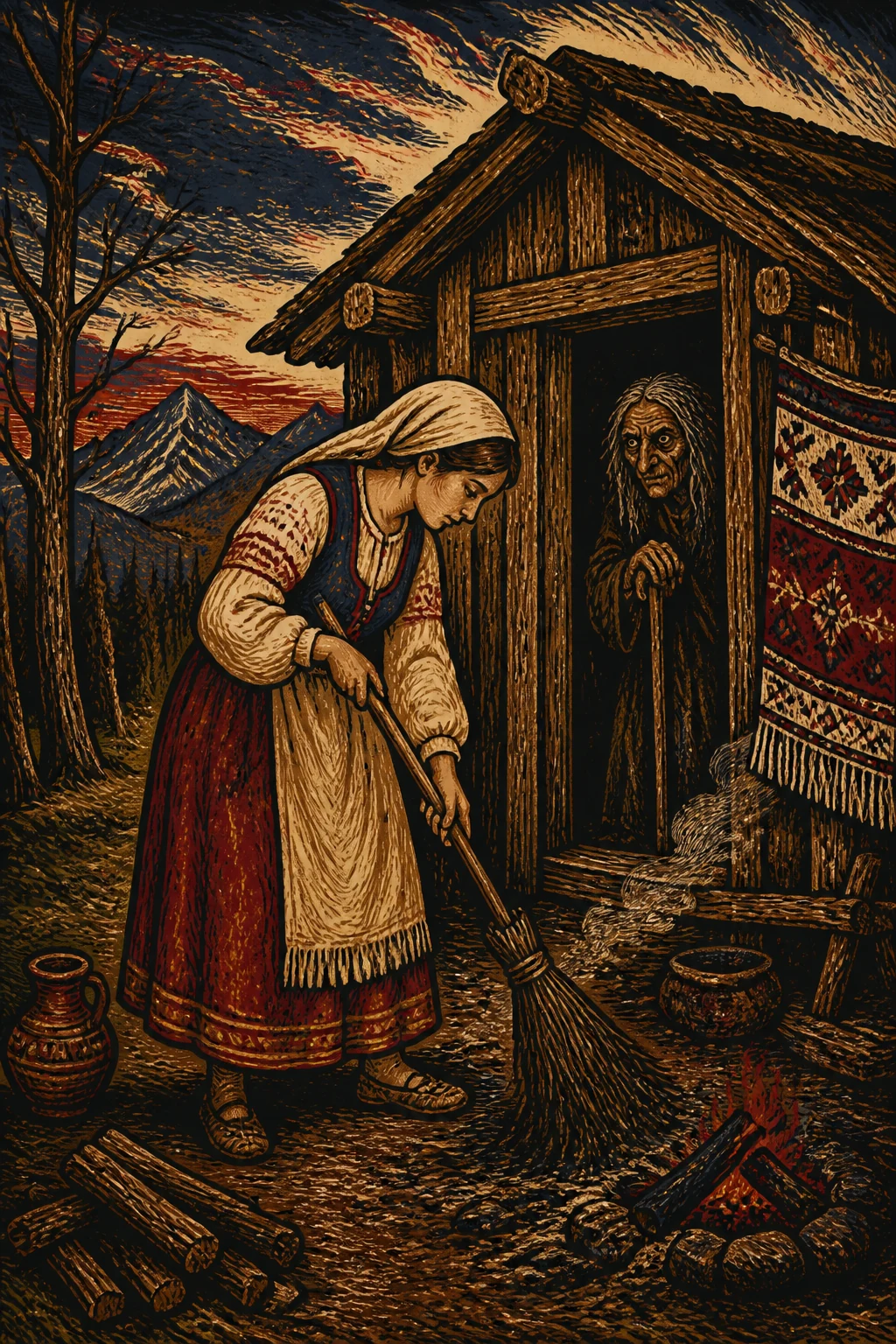
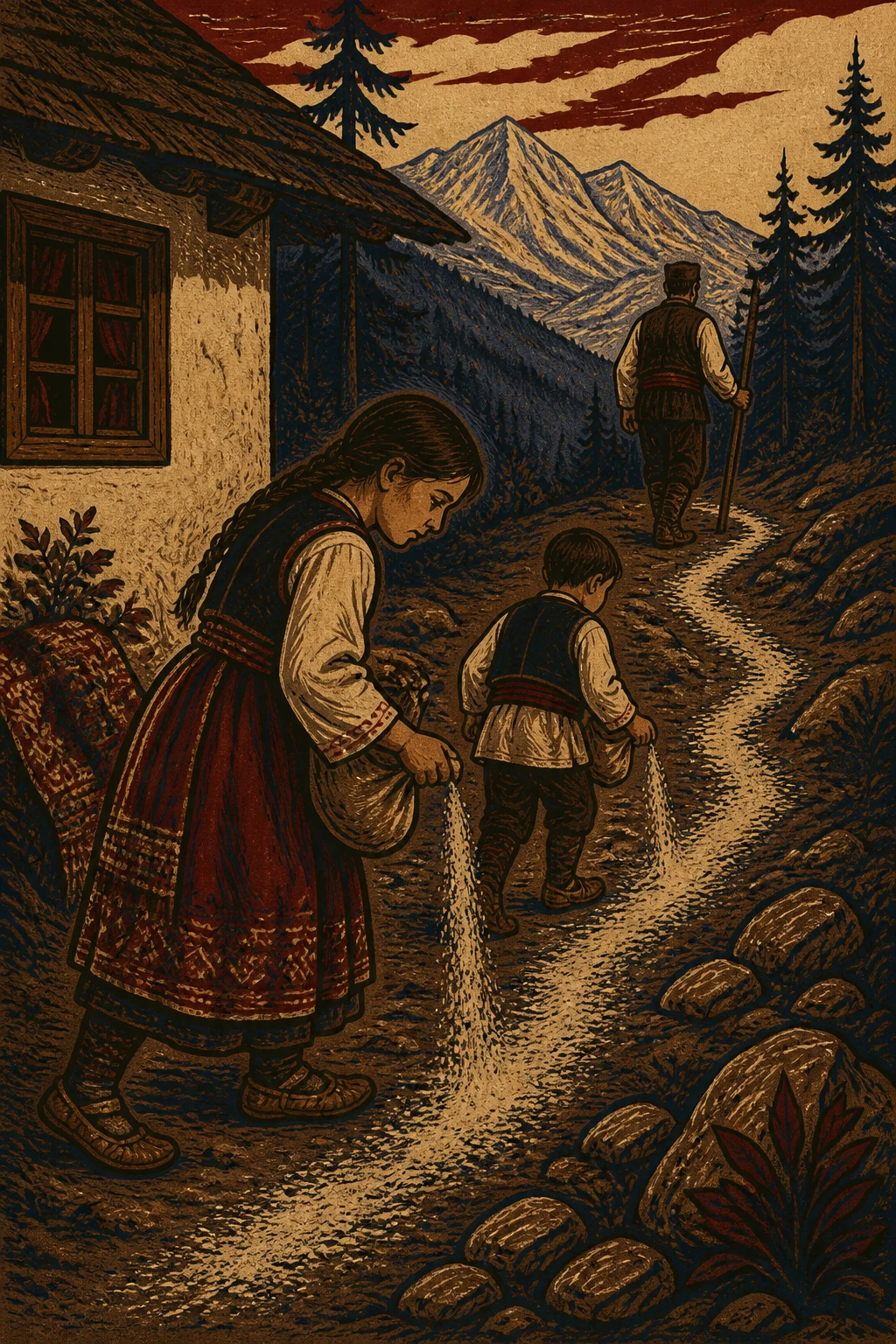
There was once a widower who had a son and a daughter. He married again, and his second wife brought a daughter of her own into the household. This woman lavished all her love on her own child, but hated her two stepchildren and tormented them in every way. At last she said to her husband, “Listen, husband, I can no longer look after these three children. Take them out of the house, or you and I shall no longer eat bread together.” The man tried to soothe her. “Come now, wife, for God’s sake! Where am I to take them?” “Anywhere,” the woman replied. “Take them into the mountains and leave them there to fend for themselves.” At last she prevailed upon her husband, and he told her that the next day he would take the children into the mountains and leave them there. His daughter had heard all this, and in tears she said to her brother, who was younger than she was, “Brother dear! Tomorrow our father means to take us into the mountains and leave us there. But do you know what we shall do? Let us fill our pockets with ashes and scatter a little behind us as we go. When mine run out, you can begin, and afterward we shall be able to follow the ashes home from the mountains.” When morning came, the poor children slipped away and filled their pockets with ashes, and when their father called them to come with him, they went. They walked for a long time, scattering a little ash behind them as they went. When their father had brought them into the heart of the forest, he said, “Sit here a little while. Father will be back soon.” The children sat down, and he slipped away from them and went home. As they waited there for their father, the children grew hungry, and toward nightfall they followed the ashes back home. But when they arrived, they did not dare go straight inside. Instead, they hid beneath the eaves beside the window, to hear what was being done and said in the house. The husband and wife were at supper just then, and when they had finished eating, the woman said, “If our two children were here now, we could give them these few crusts, and they too could have their supper.” At that the children called through the window, “Here we are, Mother!” and ran inside. When they were asked how they had found their way back, the boy told them plainly that they had followed the ashes. After the children had eaten their supper and gone to bed, the woman again pressed her husband to take them away the very next day, saying that she would hide the ashes. The children heard this too, and when they rose early the next morning and could find no ashes, they filled their pockets with bran. When their father led them into the mountains again, they began scattering the bran a little at a time. After taking them deep into the forest, their father lit a fire for them, then picked up a gourd and set off as though to fetch water, telling the children to sit by the fire and that he would soon return. And so he slipped away from them and went home, leaving the children alone in the mountains. For a long time they sat by the fire and waited for their father, but when they saw that he was not coming and night was drawing near, they set out to follow the bran home. But some wild creatures had come along and eaten every bit of it. When the children saw this, they burst into tears and went back to the fire. Just then some Jews happened to pass that way. Seeing the fire, they came up to the children and asked what they were doing there and whether anyone else was with them. When the children had told them everything that had happened, the Jews invited them to come along, saying they would be well cared for. The children agreed and went with them, and the Jews took them to their house. No one lived there with them except their mother. When they arrived, they shut the boy up to fatten him and kept the girl to wait on their mother. Once the boy had been well fed and grown fat, the Jews, as they were leaving on some business, ordered their mother to roast him so that they could eat him when they came home that evening. During her stay with the Jews, the girl had picked up a little of their language and understood what they had told their mother about her brother. She went to him and said, “Brother, the Jews have gone away somewhere today and ordered their mother to roast you. We must find a way to put the old woman into the oven instead.” That afternoon the old woman heated the oven until it was blazing hot, then brought the boy out to put him inside and told him to sit on the baker’s peel. The girl said to her, “Mother! He is still young and weak, and he does not know how it is done. Sit on it yourself first, so that he can see.” The old woman did so and sat down, and the children seized the peel and thrust her into the oven, where she was roasted. Then the children fled from the house. As they ran, they came to a river, found a bridge across it, and hurried over to the other side and into the forest. When the Jews came home hungry that evening, they called to their mother to bring them something to eat, but there was no one anywhere in the house. Then they smelled roasting meat, and when they pulled the roast out of the oven, they recognized their mother and set off after the children as fast as they could. But when they reached the river, they found that a torrential rain had swept away the bridge. Unable to cross the water, they turned back. After wandering here and there through the mountains, the children at last came to a spring, where they found a woman. They greeted her with “God be with you,” drank some water, and sat down to rest. Then the woman said to the girl, “Daughter, let me lay my head in your lap, so that you may pick the lice from my hair a little.” “Gladly, Mother,” she replied. So the woman laid her head in the girl’s lap and asked where the two of them had come from. Weeping, the girl told her everything that had happened, and at last she said, “Mother, how sweet your hair smells!” Then the woman rose from her lap, looked at the sorrowful, tearful girl, and said, “Wherever you may go, may good fortune attend you. Whenever you weep, may pearls fall from your eyes instead of tears, and whenever you speak, may a golden rose fall from your mouth!” After that the woman showed the children how to find the road. The children went on their way, while the woman remained beside the spring. Once they had found the road, the children went home. As soon as the girl caught sight of her stepmother and father, she burst into tears, and when her stepmother saw pearls falling from her eyes instead of tears, she opened her arms and began embracing and kissing her. “What a blessing to have you back! Where have you been, my dear?” When the girl began to tell her story, golden roses kept falling from her mouth. The stepmother was more astonished than ever and asked her, “Where did you receive such a blessing?” The girl told her how they had found a woman at a spring in the mountains, describing the place, and how the woman had blessed her. Then the stepmother asked, “Is that woman still there? I should like to send my own daughter to her, so that she may receive the same blessing.” The girl replied that the woman had stayed there when they left. So the stepmother began urging her daughter to go there. The girl hung back and resisted, but at last her mother somehow persuaded her, and she went and found the woman beside the spring. When she arrived, instead of greeting her with “God be with you,” she said nothing to her, but muttered to herself, “There’s that wretched woman. God strike her dead!” Then she drank some water and sat down beside the spring, as she had been told to do. The woman came straight up to her and said, “Let me lay my head in your lap, so that you may pick the lice from my hair a little.” The girl answered, “Oh, I will, will I? God knows what a filthy great head you have!” And she began to cry. “I would never have come here at all if that wretched mother of mine had not driven me to it.” Then the woman looked at her and said, “May bloody tears fly from your eyes whenever you weep, and whenever you speak, may you splutter and slobber so that no one can bear to listen to you.” After that the girl returned home to her mother, who could hardly wait to see her and opened her arms to welcome her. But when the girl spoke, she began to splutter and slobber, and her mother was horrified, wondering what had happened to her. Then the girl began to cry. “It is all your fault!” she said, and bloody tears streamed down her cheeks. In time, word of the poor orphan girl reached the emperor, who sent for her and married her to his son. She brought her brother to live with her too, and so they lived happily. But the other girl remained as she was, with her mother and stepfather.
Izvirnik
035 Опет маћеха и пасторка
Naslednje strani prikazujejo izvirno besedilo za primerjavo.
Био човек удов и имао једно мушко и једно женско дете, па се ожени на ново и друга му жена доведе пасторку. Ова жена све је волела своме детету, а на оно двоје пасторчади мрзила и свакојако их мучила. Најпосле рече мужу: „Чујеш, човече; ја ове троје деце више не могу гледати, него их води из куће, или не ћемо ни нас двоје заједно хлеба јести.” Човек | је стане блажити: „Та немој жено, за Бога! куда знам с њима?” „Макар куда,” одговори жена, „одведи их у планину, па их остави у планини, што им драго.” Најпосле наврати мужа те јој рече да ће сутра одвести децу у планину и онамо их оставити. А то све слушала његова кћи, па плачући каже брату своме, који је био млађи од ње: „Мој брате! наш отац хоће сутра да нас одведе у планину, па да нас онамо остави. Него знаш шта ћемо радити? Да напунимо џепове пепела, па путем за собом помало да просипамо, кад у мене нестане, онда ти, па ћемо после из планине по пепелу моћи доћи кући. Кад буде ујутру они се сироте украду, те напуне џепове пепела, и кад их отац зовне да иду с њим, они пођу. Идући тако задуго деца су просипала за собом помало пепела. Кад их отац доведе усред шуме, рече им: „Седите овде мало, сад ће тата доћи.” Деца седну, и он се тако украде од њих и отиде кући, а деца чекајући онде оца огладне, и кад буде пред ноћ, она се по пепелу врате натраг кући; али кад дођу тамо, не смедну одмах ући унутра, него се под стрехом сакрију крај пенџера да чују шта се у кући ради и говори. У то време човек и жена били су за вечером, па пошто вечерају, рекне жена: „Да је овде сад оној | наше двоје деце, дали бисмо им ово мало корица, те би и они могли вечерати.” А деца онда кроз пенџер: „Ево нас мајко!” па утрче унутра. Кад их запитају како су дошли, мушкарац каже управо да су дошли по пепелу. Кад деца по том вечерају и легну спавати, жена опет навали на човека да их сутрадан одмах води опет, а она ће пепео сакрити. Деца то чују опет, па кад ујутру рано устану, не нашавши пепела накупе мекиња у џепове, па кад их отац опет поведе у планину, они стану помало просипати мекиње. Кад их отац одведе далеко у шуму, он им наложи ватру, па узевши тикву пође као на воду рекавши деци да седе код ватре, а он ће сад доћи, и тако се од њих украде и отиде кући, а деца остану сама у планини. Деца су дуго седила код ватре и чекала оца, а кад виде да њега нема, а ноћ се прикучи, она пођу по мекињама кући, кад тамо, а то некаке зверке наишле те мекиње све појеле. Деца кад то виде, бризну плакати па се врате к ватри. У том ударе онуда некаки Чивути, па кад опазе ватру, дођу к деци па их запитају шта раде онде, и имају ли још кога онде, а пошто им деца приповеде све шта је и како је, реку им Чивути да иду с њима и да ће им у њих добро бити. Деца пристану на то и пођу с | Чивутима, и Чивути их одведу својој кући. Они код куће нису никога имали до само једну матер, па кад дођу кући, мушко дете затворе да се гоји а девојку оставе да им матер слуша. Кад се дете добро ухрани и угоји, Чивути полазећи на посао некакав заповеде матери да га испече па кад дођу довече с посла да га поједу. Девојчица је за оно време што је код Чивута провела, била увеџбала нешто Чивутски, те је разумела што су Чивути матери казали за њенога брата, па отиде и каже брату: „Брате, данас Чивути одоше некуда и заповедише матери да те испече; него ми да гледамо да бабу туримо у пећ.” Кад буде после подне, ужари баба пећ и изведе дете да га у њу тури, па му рече да седне на лопату. Онда девојчица рече баби: „Мајко! он је још млад и нејак, па не зва како то треба, него седи ти најпре да он види.” Баба то учини и седне, а они за лопату те с њом у пећ и баба се испече. Онда деца бежи из куће, и бежећи дођу на једну воду и на њој нађу мост, те брже пређу на ону страну и дођу у шуму. Кад Чивути у вече дођу гладни кући, викну матер да им донесе јести, али у кући нигде никога, него осете мирис од печења, кад извуку печење из пећи, познаду своју матер па брже боље за децом у потеру. Кад дођу на ону воду, а то ударила плаха киша и мост однела, и они не могавши прећи преко воде, врате се натраг. Деда тумарајући којекуда по планини најпосле дођу на један извор, и код онога извора нађу једну жену, и назову јој помози Бог! па се напију воде и седну да се одморе. Онда рече жена девојчици: „Ћерко! да ти легнем плавом на крило да ме мало поиштеш.” А она јој одговори: „Драге воље, мајко.” И тако жена легне девојци главом на крило, па је онда запита од куда су њих двоје. Девојче јој плачући приповеди све шта је и како је, па јој најпосле рече: „Мајко! како ти мирише глава!” Онда жена устане с њезина крила, погледи жалосну и плачну девојчицу, па јој рече: „Кудгод ходила, сретна била, кад плакала, бисер ти ишао из очију место суза, и кад говорила, ружа ти златна из уста излазила!” После тога жена покаже деци куда ће изаћи на пут, и деца отиду а жена остане код извора. Деца изишавши на пут отиду кући. Девојчица како опази маћију и оца, бризне плакати, а маћија како види да јој место суза бисер из очију иде, рашири руке, па је стане грлити и љубити: „Благо мени кад си ми дошла! А где си ми тако била?” девојчица кад стане приповедати, а из уста све златна ружа. Онда се маћија још већма зачуди, па је запита: „Где си таку благодет на себе добила?” девојчица јој каже како су у планини ту и ту нашли жену на извору па је жена благословила. Онда маћија запита: „А јели та жена још тамо? да и ја своју ћер к њој пошљем да добије ту благодет.” Девојчица јој одговори да је иза њих онде остала. И тако маћија стане говорити својој кћери да иде онамо, а она се затезала и супротила, еле најпосле мати је којекако намоли и она отиде и нађе ону жену на извору. Кад дође на извор, место да јој назове помози Бог, не рече јој ништа, него у себи промрмла: „Ето оне жентурине, убио је Бог!” Па се напије воде и седне код извора као што су јој казали. Жена одмах приступи к њој па јој рече: „Да ти легнем главом на крило да ме мало поиштеш.” А она јој одговори: „Хоћу да, Бог зна каква ти је главурина”, и стане плакати: „Не бих ја ни дошла овамо, да ме није моја матерешина отерала.” Онда је жена погледи, па јој рече: „Тамо њој крваве сузе из очију летеле кад плакала, а кад говорила, тамо она прскала и балила те те не могли људи слушати.” После | тога девојка се врати кући маји својој, а маја је једва дочека и рашири руке пред њу, а кад она проговори, стане прскати и балити, да се мати упропасти шта јој је. Девојка онда окрене плакати: „Ти си ми крива,” а сузе крваве полете јој низ образе. — За ону се сироту девојку после прочује до цара, те цар пошље по њу и узме је за свога сина, а она узме и свога брата к себи, те су тако сретно живели. А она друга девојка са својом матером и очухом остане онако.
Nadaljuj z branjem