Prevod
Kraja z imenom Martha's Vineyard ni, razen v zemljepisu in vsakdanji govorici. To je otok Martina Wyngaarda in tako ga je poimenoval kapitan Block, Nizozemec iz Albanyja. Toda njegovo ime so morali poangležiti, celo v njegovem lastnem mestu, kjer se še ohranja v imenu Vineyard Point. Bartholomew Gosnold je bil eden prvih belcev, ki so obiskali te kraje: tu se je izkrcal leta 1602 in nekaj časa živel na otoku, nabiral sasafras za ladijski tovor, nato pa se vrnil v Anglijo, ker se je bal divjakov.
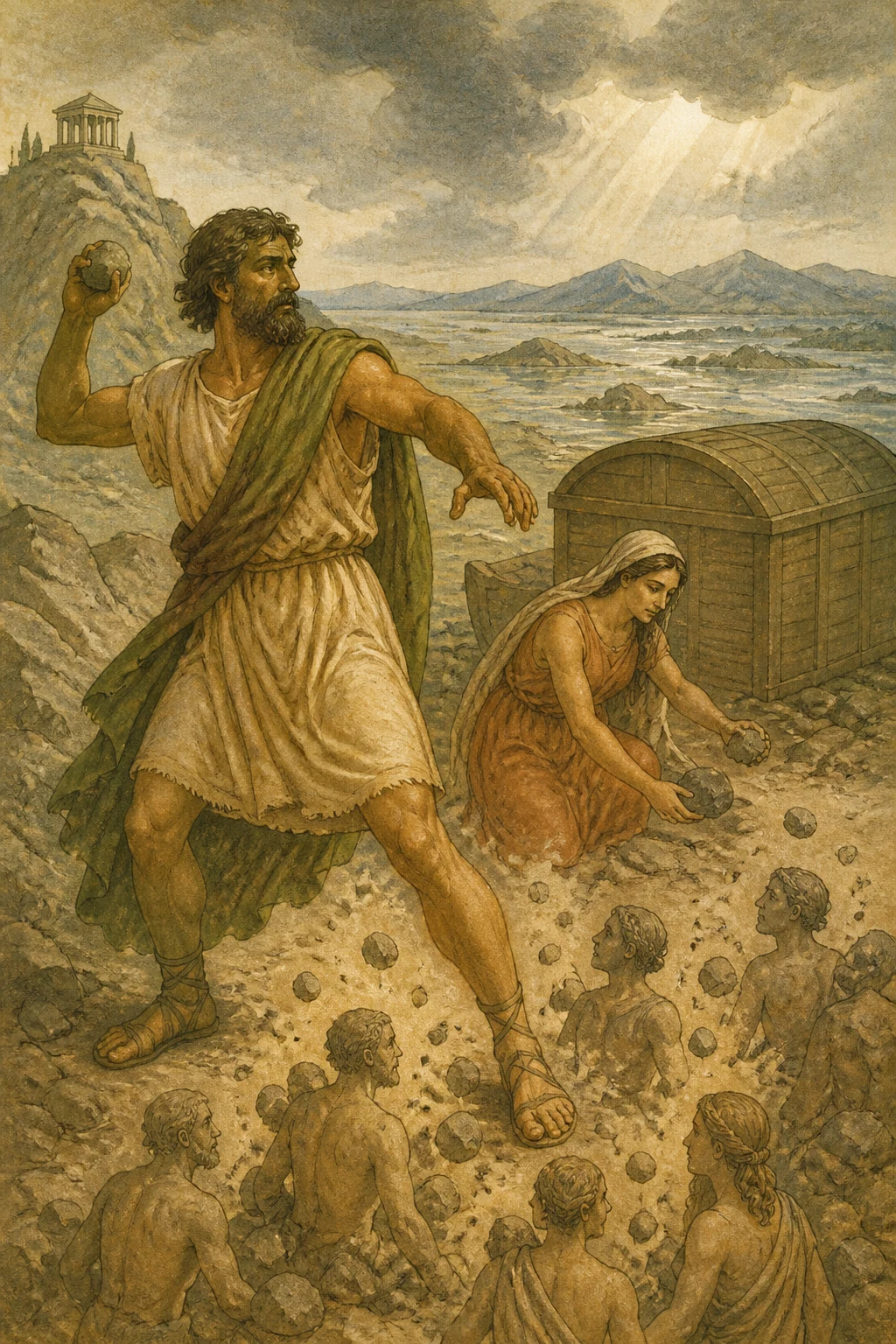
Ta razbrazdani, vetrovni kraj je bil dom indijanskega velikana Maushopea, ki je lahko prebredel morski preliv do celine, ne da bi si zmočil kolena. Nekoč je sicer začel graditi nasip od Gay Heada do Cuttyhunka in že položil skale, ki jih lahko tam vidite še danes, ko ga je rak uščipnil v nožni prst in je nejevoljno opustil delo. Živel je večinoma od kitov, obroke pa si je pekel na ognjih pri Devil's Denu, zakurjenih z drevesi, ki jih je s koreninami vred ruval kakor plevel. V napadih jeze je dvigal meglice, da bi zmedel morske popotnike, za zabavo pa je na Gay Headu prižigal luči, čeprav so bili to morda le ognji, na katerih si je pripravljal večerjo in od katerih naj bi kot ostanek ostalo nekaj plasti lignita. Od Gay Heada je odlomil No-Man's Land, svoje otroke spremenil v ribe, in ko je žena temu ugovarjala, jo je zalučal na Seconnet Point, kjer je prežala na vse, ki so šli mimo, dokler ni otrdela v skalni greben.
Pripovedujejo, da je otok našel tako, da je sledil ptici, ki je kradla otroke s Cape Coda, ko so se valjali po toplem pesku ali čofotali ob morskem robu. Za to krilato roparico je bredel vse do Martha's Vineyarda, kjer je našel kosti vseh ugrabljenih otrok. Utrujen od zasledovanja je sedel, da bi si napolnil pipo; ker pa ni bilo tobaka, je natrgal nekaj ton barvilnice, ki je tam bujno rasla in so jo Indijanci včasih uporabljali namesto dišečega tobaka. Ko je pipo napolnil in prižgal, se je dim iz nje valil čez ocean kakor megla — Indijanci so ob dvigajoči se megli res govorili: »Prihaja dim starega Maushopea« — in ko je pokadil, je pipo izpraznil v morje. Pepel je padel na plitvino in iz njega je nastal otok Nantucket. Prva Indijanca, ki sta prispela tja, sta bila starša dojenčka, ki ga je odnesel orel. Ptici sta sledila v kanuju, a sta prišla prepozno, saj so bile drobne koščice že povsem oglodane. Nordijci so otok znova odkrili in ga poimenovali Naukiton. Je Nantucket popačenka te besede ali pa je tista beseda nastala iz mukotrpnega poskusa, da bi izgovorili indijansko ime?
Izvirnik
There is no such place as Martha's Vineyard, except in geography and common speech. It is Martin Wyngaard's Island, and so was named by Skipper Block, an Albany Dutchman. But they would English his name, even in his own town, for it lingers there in Vineyard Point. Bartholomew Gosnold was one of the first white visitors here, for he landed in 1602, and lived on the island for a time, collecting a cargo of sassafras and returning thence to England because he feared the savages.
This scarred and windy spot was the home of the Indian giant, Maushope, who could wade across the sound to the mainland without wetting his knees, though he once started to build a causeway from Gay Head to Cuttyhunk and had laid the rocks where you may now see them, when a crab bit his toe and he gave up the work in disgust. He lived on whales, mostly, and broiled his dinners on fires made at Devil's Den from trees that he tore up by the roots like weeds. In his tempers he raised mists to perplex sea-wanderers, and for sport he would show lights on Gay Head, though these may have been only the fires he made to cook his supper with, and of which some beds of lignite are to be found as remains. He clove No-Man's Land from Gay Head, turned his children into fish, and when his wife objected he flung her to Seconnet Point, where she preyed on all who passed before she hardened into a ledge.
It is reported that he found the island by following a bird that had been stealing children from Cape Cod, as they rolled in the warm sand or paddled on the edge of the sea. He waded after this winged robber until he reached Martha's Vineyard, where he found the bones of all the children that had been stolen. Tired with his hunt he sat down to fill his pipe; but as there was no tobacco he plucked some tons of poke that grew thickly and that Indians sometimes used as a substitute for the fragrant weed. His pipe being filled and lighted, its fumes rolled over the ocean like a mist--in fact, the Indians would say, when a fog was rising, “Here comes old Maushope's smoke”--and when he finished he emptied his pipe into the sea. Falling on a shallow, the ashes made the island of Nantucket. The first Indians to reach the latter place were the parents of a babe that had been stolen by an eagle. They followed the bird in their canoe, but arrived too late, for the little bones had been picked clean. The Norsemen rediscovered the island and called it Naukiton. Is Nantucket a corruption of that word, or was that word the result of a struggle to master the Indian name?