Prevod
Nihče ni vedel, kako si je Lizon v L'Anse Creuse (blizu Detroita) pridobil Juliennino ljubezen, saj je bila dekle milega in pobožnega značaja, hči bogaboječega kmeta, Lizon pa temen, oduren ničvrednež, ki je prišel med ljudi kdo ve od kod in živel od zaslužka točilnice, kjer so prodajali najogabnejšo žganico in kjer so bile igre na srečo, pretepi in popivanje na sporedu vsako noč. Morda so imeli prav tisti, ki so govorili, da gre za čarovništvo. Predrzno je oblegal njeno srce, in ko je pokazala znamenja, da bo popustila, je njej in njenim prijateljem povedal, da se z njo ne namerava poročiti, ker ne verjame v vero.
Vendar je Julienne zapustila svoj udobni dom in odšla živet k temu zloglasnemu malopridnežu v njegovo zloglasno krčmo, v veliko zgražanje vse skupnosti, zlasti pa duhovnika, ki je spoznal, da je Lizonova moč za zlo večja od njegove moči za dobro: več ko je bilo postopačev v krčmi, manj je bilo vernikov v cerkvi. Neko nedeljsko jutro je Julienne presenetila ljudi, ko se je pojavila v cerkvi in javno prosila odpuščanja za svoje grehe. Prvič po svojem pobegu je prišla tja in zdelo se je, kakor da se je prebudila iz zamaknjenosti ali vročičnega sna. Oče jo je z veseljem spet sprejel pod svojo streho in vse je bilo dobro do silvestrovega večera, ko so mladeniči, imenovani d'Ignolee, obhodili naselje, peli in prosili mesa za uboge — po običaju, ki je izviral od druidov. Prišli so do hiše Julienninega očeta, ki jih je gostoljubno sprejel in obdaroval, toda njihovo pesem je prekinil krik groze — med maškarami je bil Lizon in Julienne je izginila. Množica vaščanov je stekla v krčmo in rešila dekle iz sobe, v katero jo je porinil ta malopridnež, vendar je bilo prepozno — izgubila je razum. Lizon je preklinjal, udrihal in bogokletno govoril, dokler se mu ni naposled postavil po robu duhovnik in mu povedal, da je šel predaleč; da je bil nadloga ljudem in sovražnik cerkve. Nato ga je izobčil in mu dejal, da niti v grobu ne bo našel miru; da bo cerkev, ki jo je zapustilo toliko žrtev njegovih zvijač in nasilja, odneslo.
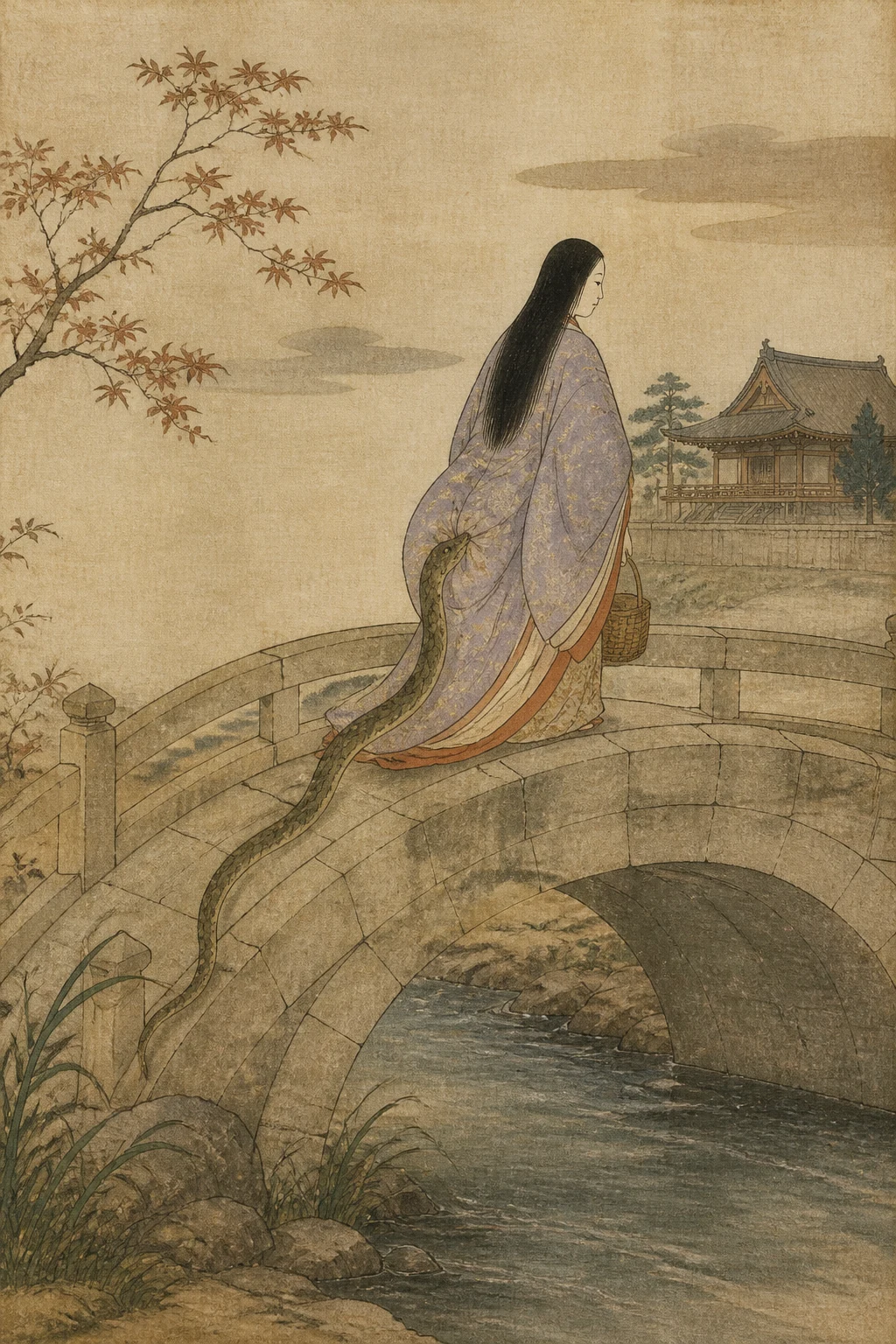
Duhovnik je nemudoma zapustil kraj in nravnost vasi je vse bolj propadala. Tudi vse drugo se je zarotilo proti njej. Rastlinske bolezni, neurja in škodljiv mrčes so pustošili po poljih in sadovnjakih, kakor da bi se bila narava zavezala razkriti pregrešnost tega kraja. Nenadoma je Lizona doletela smrt. Blizu njegove krčme so izkopali jamo in ga položili v krsto, toda ko so jo spuščali vanjo, so začutili, da postaja vse lažja, iz nje pa se je usula množica debelih, gnusnih kač. Zdelo se je, da megla, ki je tisto jutro prekrivala zemljo, mimo njih polzi v človeških podobah; ko so grob zasuli, se je njegova površina vzvalovila, kakor bi se pod njo dvignil val, po mraku pa je nad njim zaplesala modra blodna lučka. Razbesnelo se je neurje in valovi so butali ob obalo, dokler niso spodkopali cerkve, ki se je s treskom zrušila v kipečo povodenj. Toda prekletstvo je minilo in ko so zgradili novo kapelo, je staro zlo že zapustilo L'Anse Crease.
Izvirnik
No one knew how it was that Lizon gained the love of Julienne, at L'Anse Creuse (near Detroit), for she was a girl of sweet and pious disposition, the daughter of a God-fearing farmer, while Lizon was a dark, ill-favored wretch, who had come among the people nobody knew whence, and lived on the profits of a tap-room where the vilest liquor was sold, and where gaming, fighting, and carousing were of nightly occurrence. Perhaps they were right in saying that it was witchcraft. He impudently laid siege to her heart, and when she showed signs of yielding he told her and her friends that he had no intention of marrying her, because he did not believe in religion.
Yet Julienne deserted her comfortable home and went to live with this disreputable scamp in his disreputable tavern, to the scandal of the community, and especially of the priest, who found Lizon's power for evil greater than his own for good, for as the tavern gained in hangers-on the church lost worshippers. One Sunday morning Julienne surprised the people by appearing in church and publicly asking pardon for her wrong-doing. It was the first time she had appeared there since her flight, and she was as one who had roused from a trance or fever-sleep. Her father gladly took her home again, and all went well until New-Year's eve, when the young men called d'Ignolee made the rounds of the settlement to sing and beg meat for the poor--a custom descended from the Druids. They came to the house of Julienne's father and received his welcome and his goods, but their song was interrupted by a cry of distress--Lizon was among the maskers, and Julienne was gone. A crowd of villagers ran to the cabaret and rescued the girl from the room into which the fellow had thrust her, but it was too late--she had lost her reason. Cursing and striking and blaspheming, Lizon was at last confronted by the priest, who told him he had gone too far; that he had been a plague to the people and an enemy to the church. He then pronounced against him the edict of excommunication, and told him that even in his grave he should not rest; that the church, abandoned by so many victims of his wiles and tyrannies, should be swept away.
The priest left the place forthwith, and the morals of the village fell lower and lower. Everything was against it, too. Blight and storm and insect pest ravaged the fields and orchards, as if nature had engaged to make an expression of the iniquity of the place. Suddenly death came upon Lizon. A pit was dug near his tavern and he was placed in a coffin, but as the box was lowered it was felt to grow lighter, while there poured from it a swarm of fat and filthy snakes. The fog that overspread the earth that morning seemed to blow by in human forms, the grave rolled like a wave after it had been covered, and after darkness fell a blue will-o'-the-wisp danced over it. A storm set in, heaping the billows on shore until the church was undermined, and with a crash it fell into the seething flood. But the curse had passed, and when a new chapel was built the old evils had deserted L'Anse Crease.