Prevod
Med našimi rekami Novega sveta je Hudson najbolj prežet z zgodbami. Na njegovih bregovih so se odigravali zgodovinski prizori, Indijanec, Nizozemec, Britanec in Američan pa so ga obdali z romantičnim čarom. V domišljiji rdečega človeka je izviral iz studenca večne mladosti; v njegovih gozdovih in hribih so prebivali velikani in duhovi, in preden si je reka — Šatemuk, kralj voda, so ji pravili rdeči ljudje — utrla pot skozi višavje, so bile te gore ječa za duhove, ki so se uprli Manituju. Ko so si vode izsilile prehod do morja, so ta hudobna bitja poiskala zavetje v soteskah in dolinah, ki se na desno in levo odpirajo vzdolž rečnega toka. Toda ob viharju, ko zaslišijo Manituja, kako na krilih nevihte jezdi po soteski navzdol in luča strele ob pečine, jih strah, da jih bo znova ujel in pahnil v brezsvetlobne votline, kjer bi se pokorili za svoj upor, žene, da se stiskajo med skalami, hribi pa odmevajo od njihovega rjovenja in tuljenja.
V Hudičevi plesni dvorani, na manjši planoti na zahodnem bregu med Newburgom in Crom Elbowom, so rdeči ljudje opravljali napol verske obrede, preden so se odpravili na lov, ribolov ali vojni pohod. Zakurili so ogenj, se poslikali in se v tisti blaznosti, v katero je divjake tako lahko razvn障eti in ki je tako podobna vedenju drhali v hlačah, premetavali, skakali, plesali, kričali, peli, pačili in krilili z rokami, dokler se ni razodel Manitu, bodisi kot neškodljiva žival bodisi kot zver. Če je prišel v prvi podobi, je bilo znamenje ugodno, če pa se je prikazal kot medved ali puma, je to svarilo pred nesrečo, ki so si ga le redko drznili prezreti.
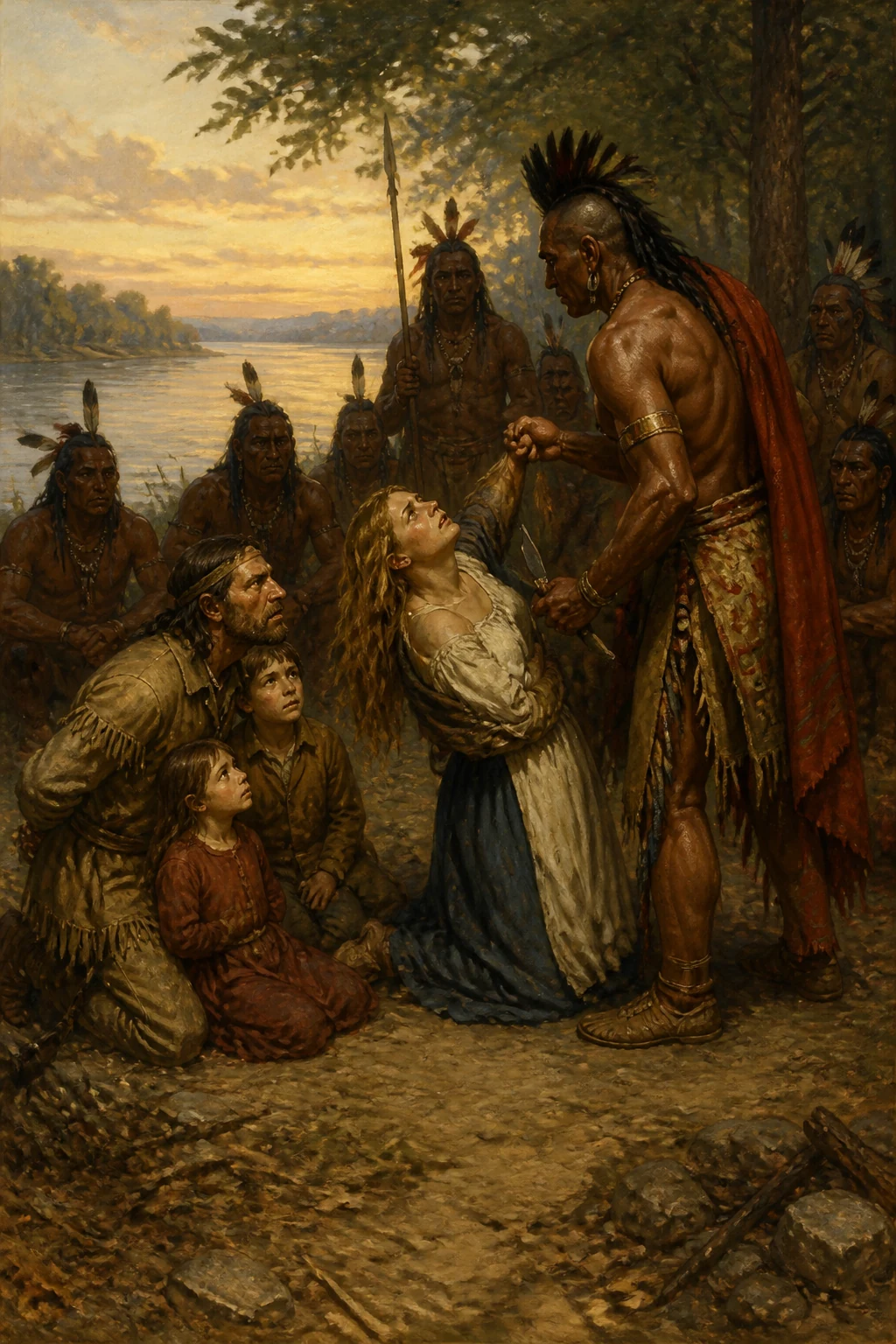
Posadka Hudsonove ladje Half Moon je po naključju naletela na eno takšnih orgij in nenavadni prizor je nanjo napravil tolikšen vtis, da je kraj poimenovala Duyvels Dans-Kamer. Ko je čez leta po reki navzgor priplul Stuyvesant, so se njegovi vrli spremljevalci, potem ko so se izkrcali pod Dans-Kamerjem, zgrozili ob pogledu na stotine poslikanih postav, ki so tam poskakovale v soju ognja. Nekateri so domnevali, da gre le za nov rod divjakov, zbranih pri obrednem slavju, večina mornarjev pa si je predstavljala, da je zborovanje demonsko in da so postave duhovi hudobnih Indijancev, ki znova plešejo skalpni ples in se opijanjajo s skrivnostno ognjeno vodo, prineseno v vrčih in mehovih od rečnega izvira. Kraj je bil vsaj enkrat oskrunjen s krvjo, kajti nekega mladega Nizozemca iz Albanyja in njegovo ženo je tu zajel razjarjen Indijanec. Čeprav je mladeniču uspelo ugrabitelja do smrti zabosti, so ga prijatelji Indijanca, čigar srd je izzval, živega sežgali na skali. Ženo so nekaj časa zadrževali v ujetništvu, nato pa so jo odkupili.
Izvirnik
Most storied of our New World rivers is the Hudson. Historic scenes have been enacted on its shores, and Indian, Dutchman, Briton, and American have invested it with romance. It had its source, in the red man's fancy, in a spring of eternal youth; giants and spirits dwelt in its woods and hills, and before the river-Shatemuc, king of streams, the red men called it--had broken through the highlands, those mountains were a pent for spirits who had rebelled against the Manitou. After the waters had forced a passage to the sea these evil ones sought shelter in the glens and valleys that open to right and left along its course, but in time of tempest, when they hear Manitou riding down the ravine on wings of storm, dashing thunderbolts against the cliffs, it is the fear that he will recapture them and force them into lightless caverns to expiate their revolt, that sends them huddling among the rocks and makes the hills resound with roars and howls.
At the Devil's Dance-Chamber, a slight plateau on the west bank, between Newburg and Crom Elbow, the red men performed semi-religious rites as a preface to their hunting and fishing trips or ventures on the war-path. They built a fire, painted themselves, and in that frenzy into which savages are so readily lashed, and that is so like to the action of mobs in trousers, they tumbled, leaped, danced, yelled, sang, grimaced, and gesticulated until the Manitou disclosed himself, either as a harmless animal or a beast of prey. If he came in the former shape the augury was favorable, but if he showed himself as a bear or panther, it was a warning of evil that they seldom dared to disregard.
The crew of Hudson's ship, the Half Moon, having chanced on one of these orgies, were so impressed by the fantastic spectacle that they gave the name Duyvels Dans-Kamer to the spot. Years afterwards, when Stuyvesant ascended the river, his doughty retainers were horrified, on landing below the Dans-Kamer, to discover hundreds of painted figures frisking there in the fire-light. A few surmised that they were but a new generation of savages holding a powwow, but most of the sailors fancied that the assemblage was demoniac, and that the figures were spirits of bad Indians repeating a scalp-dance and revelling in the mysterious fire-water that they had brought down from the river source in jars and skins. The spot was at least once profaned with blood, for a young Dutchman and his wife, of Albany, were captured here by an angry Indian, and although the young man succeeded in stabbing his captor to death, he was burned alive on the rock by the friends of the Indian whose wrath he had provoked. The wife, after being kept in captivity for a time, was ransomed.