Prevod
Leta 1770 je v Yorku v Mainu umrl častiti Joseph Moody, ki je tam dolga leta služil kot pastor in čigar obraza v poznih letih ni videl noben prijatelj ali sorodnik. Doma, kadar je bil kdo ob njem, na ulici in na prižnici mu je obličje zastirala dvojna plast krepa, zavozlana nad čelom, ki mu je segala do brade, njen spodnji rob pa je trepetal ob njegovem dihanju. Ko je prvič stopil pred svojo občino z obrazom, zakritim s črnino, je bilo začudenje veliko in govorice dolgo niso potihnile. Ali se mu je omračil um? Njegove pridige so bile preveč razumne, da bi bilo tako. Ga je doletelo razočaranje v ljubezni? Znal se je nasmehniti, četudi je bil njegov nasmeh žalosten. Mu je obraz iznakazila nesreča ali bolezen? Če ga je, ni za to vedel noben zdravnik.
Čez čas se je razvedelo, da so mu oči oslabele zaradi nočnega branja in pisanja, in začudenje je minilo, čeprav so zastrtega pastorja zdaj redkeje vabili na poroke, krste in družabna srečanja, za pogrebe pa so ga prosili pogosteje kot prej. Če so ga prosili, naj sname krep, je odgovoril le: »Vsi nosimo takšne ali drugačne tančice, in najtežje in najtemnejše so tiste, ki zastirajo naša srca. Ta je le tančica iz blaga. Naj ostane, dokler ne odbije ura, ko bodo vsi obrazi razkriti in bodo vse duše razodele svoje skrivnosti.«
Polagoma se je duhovnik čutil primoranega umakniti pogledom javnosti. Grobi ljudje so bili do njega predrzni, plašni pa so skrenili s poti, da bi se mu izognili, zato je lahko hodil na sprehode in premišljeval na prostem skoraj samo ponoči, razen kadar si je zaradi njegove odmaknjenosti izbral pokopališče ali se sprehajal po obali in poslušal valjanje in kruljenje Črnih merjascev — skal pred obalo, ki so se smejale tisto noč, ko je yorška čarovnica v viharju poletela skozi dimnik. A njegovo življenje je bilo dolgo, polno dobrote in koristnega dela, in ko je naposled zastrto glavo položil na blazino, s katere je pri zavesti ni več dvignil, je k njemu prišel drug duhovnik, da bi mu olajšal zadnje trenutke in njegovo dušo priporočil usmiljenju.
Nekega večera mu je oče Moody dejal: »Brat, moja ura je prišla in tančica večne teme mi pada čez oči. Ljudje so me spraševali, zakaj nosim ta kos krepa čez obraz, kakor da jim ne bi bil opomin in znamenje, jaz pa sem razlog tako dolgo nosil v sebi, da sem ga šele zdaj sklenil povedati. Se spominjaš, kako so pred leti ob reki našli mladega Clarka? Krogla mu je prestrelila glavo. Človek, ki ga je ubil, je to storil po nesreči, saj je bil njegov najtesnejši prijatelj; vendar se nikoli ni mogel pripraviti do tega, da bi priznal resnico, ker se je bal obsojanja someščanov, gorja pokojnikovih staršev in sovraštva njegove zaročenke. Verjeli so, da je šlo za umor in da ga je zagrešil neki potepuški Indijanec. Po letih življenja, ki ga je mračila slaba vest in v katerem se je obraz mrtvega prijatelja pogosto obtožujoče prikazoval pred njim, se je nesrečnež zaobljubil, da soljudem nikoli več ne bo odkrito pogledal v obraz: prestajal bo kazen in skrival svojo sramoto. Takrat sem medse in svet postavil tančico.«
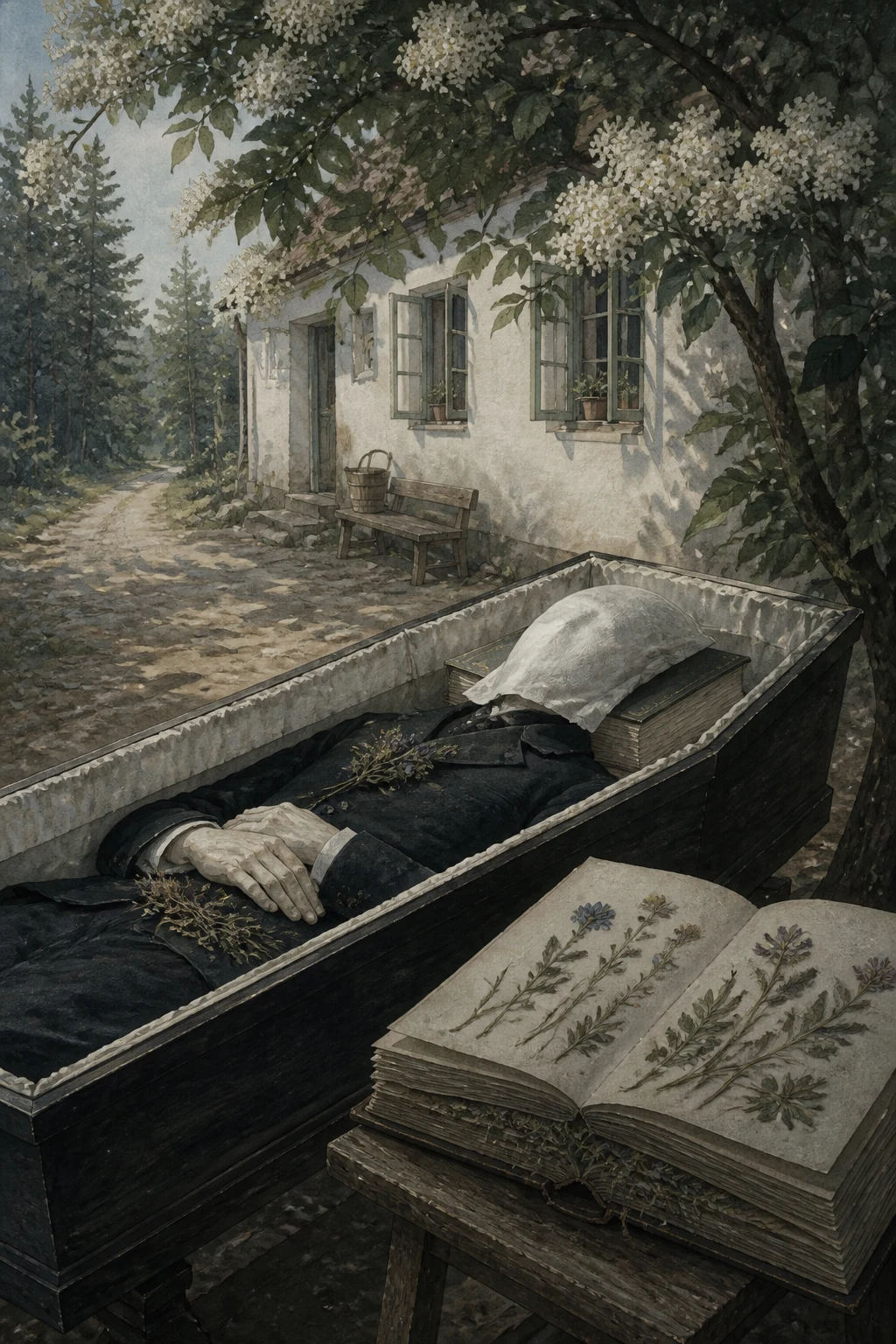
Joseph Moody je umrl in po njegovi želji mu je tančica tudi v krsti še vedno zakrivala obraz, toda duhovnik, ki jo je za trenutek odgrnil, da bi mu uredil poteze, je na njem našel veličastno spokojnost in lepoto.
Izvirnik
In 1770 the Reverend Joseph Moody died at York, Maine, where he had long held the pastorate of a church, and where in his later years his face was never seen by friend or relative. At home, when any one was by, on the street, and in the pulpit his visage was concealed by a double fold of crape that was knotted above his forehead and fell to his chin, the lower edge of it being shaken by his breath. When first he presented himself to his congregation with features masked in black, great was the wonder and long the talk about it. Was he demented? His sermons were too logical for that. Had he been crossed in love? He could smile, though the smile was sad. Had he been scarred by accident or illness? If so, no physician knew of it.
After a time it was given out that his eyes were weakened by reading and writing at night, and the wonder ceased, though the veiled parson was less in demand for weddings, christenings, and social gatherings, and more besought for funerals than he had been. If asked to take off his crape he only replied, “We all wear veils of one kind or another, and the heaviest and darkest are those that hang about our hearts. This is but a material veil. Let it stay until the hour strikes when all faces shall be seen and all souls reveal their secrets.”
Little by little the clergyman felt himself enforced to withdraw from the public gaze. There were rough people who were impertinent and timid people who turned out of their road to avoid him, so that he found his out-door walks and meditations almost confined to the night, unless he chose the grave-yard for its seclusion or strolled on the beach and listened to the wallowing and grunting of the Black Boars--the rocks off shore that had laughed on the night when the York witch went up the chimney in a gale. But his life was long and kind and useful, and when at last the veiled head lay on the pillow it was never to rise from consciously, a fellow-clergyman came to soothe his dying moments and commend his soul to mercy.
To him, one evening, Father Moody said, “Brother, my hour is come and the veil of eternal darkness is falling over my eyes. Men have asked me why I wear this piece of crape about my face, as if it were not for them a reminder and a symbol, and I have borne the reason so long within me that only now have I resolved to tell it. Do you recall the finding of young Clark beside the river, years ago? He had been shot through the head. The man who killed him did so by accident, for he was a bosom friend; yet he could never bring himself to confess the fact, for he dreaded the blame of his townsmen, the anguish of the dead man's parents, the hate of his betrothed. It was believed that the killing was a murder, and that some roving Indian had done it. After years of conscience-darkened life, in which the face of his dead friend often arose accusingly before him, the unhappy wretch vowed that he would never again look his fellows openly in the face: he would pay a penalty and conceal his shame. Then it was that I put a veil between myself and the world.”
Joseph Moody passed away and, as he wished, the veil still hid his face in the coffin, but the clergyman who had raised it for a moment to compose his features, found there a serenity and a beauty that were majestic.