Waltey
Stolp upanja
Cuentos de la Patria
Cuentos de Navidad, de la patria y antiguos · Emilia Pardo BazánO besedilu
Stolp upanja
- Vir
- Cuentos de Navidad, de la patria y antiguos
- Avtor
- Emilia Pardo Bazán
- Jezik branja
- English
- Jezik izvirnika
- Español
- Čas branja
- 8 min branja
- Obseg
- 6 strani
- Naslov izvirnika
- 024 El Torreón de la Esperanza
O izvirniku
Cuentos de Navidad, de la patria y antiguos
Sedemintrideset avtorskih zgodb v treh zgodovinskih knjižnih skupinah. Bralni jezik je English, izvirnik pa prihaja iz vira Cuentos de Navidad, de la patria y antiguos v jeziku Español.
Besedilo
Stolp upanja
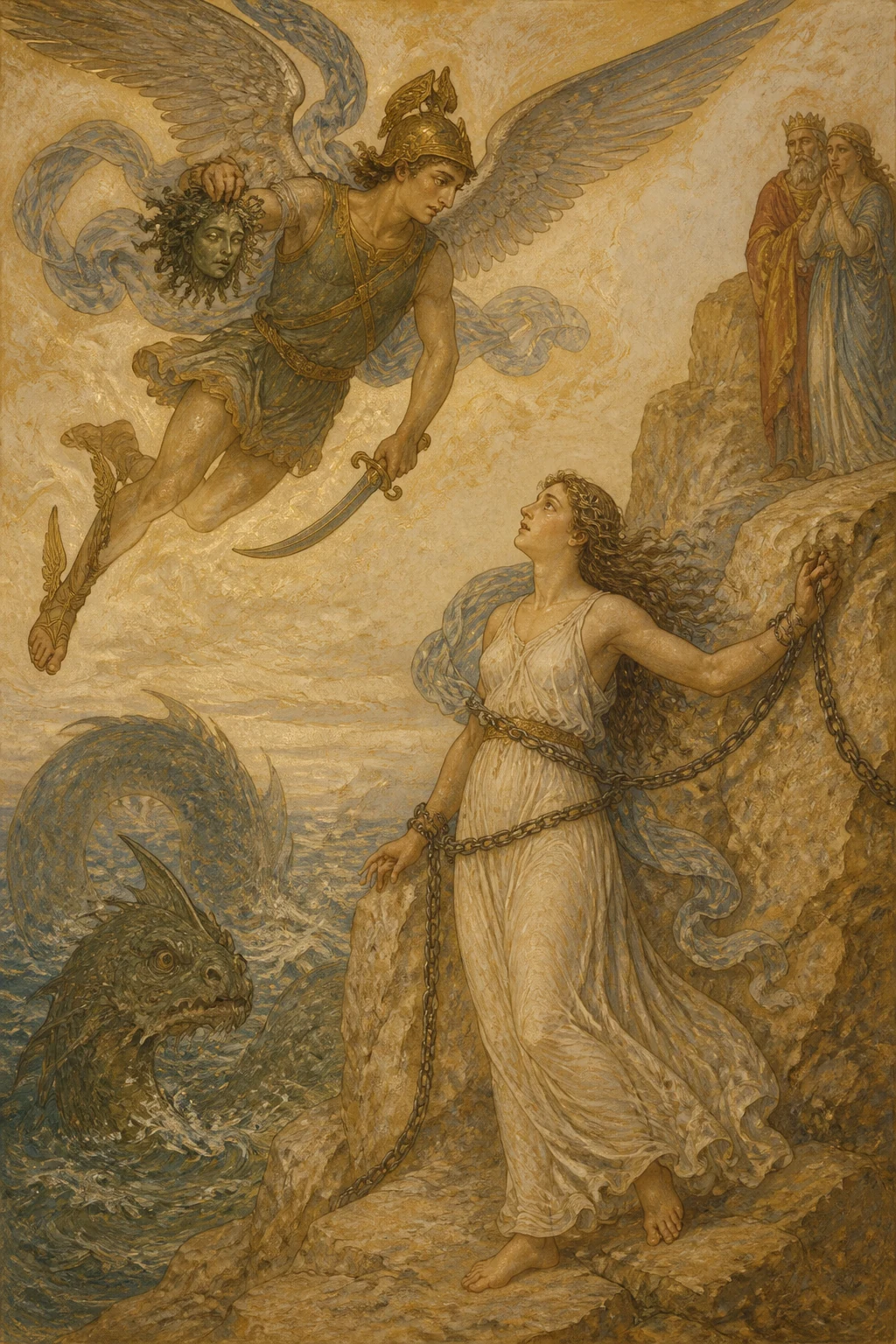
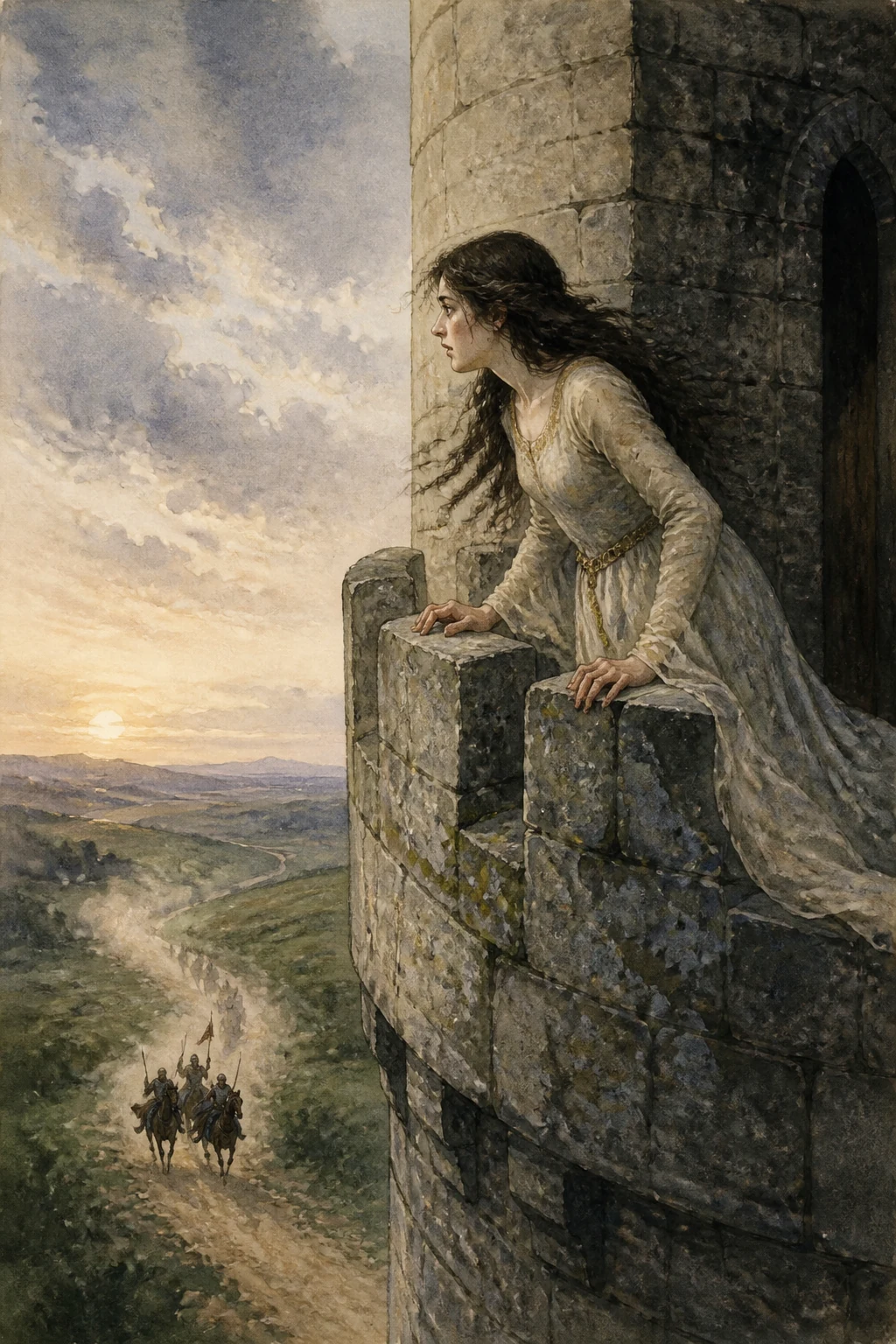
Do you know, from old tales and descriptions, that fateful tower from whose platform the hapless Isaura, Bluebeard’s seventh wife, waited in an agony of cold sweat for her brothers, who were coming to save her from death? Clinging to a battlement as though already instinctively defending herself against the knife, her face the colour of wax and her body trembling, Isaura lacked even the courage to keep scanning the horizon. Her husband and executioner, having discovered the telltale bloodstain on the key to the terrible chamber, had ordered her to the top of the tower to commend herself to God, warning her that in half an hour he would come to cut her throat, without reprieve. Her legs failing her, her eyes clouded with fear, Isaura could do nothing but ask from minute to minute, in a voice that grew ever fainter and weaker: “Sister Ana, do you see nothing? Is no one coming?” And Ana would answer sorrowfully: “I see only the grass growing green and the road gleaming white.” When only a few moments remained before the appointed time, when Isaura clutched the stones with convulsed hands, imagining she felt the cold knife at her throat, Ana gave a wild, delirious cry: “There they come, there they come!” And as the cloud of dust stirred up by the galloping steeds dispersed, Isaura recognised the champions flying to her rescue...
Much has been written and debated about Bluebeard’s tower. The prevailing opinion is that it lies in ruins, and that although the fearful underground passages remain intact, with their dungeons and pits where human bones and skulls are still found to this day by those who dig and search, the Tower of Hope has fallen to the ground.—Being better informed, I can assure you that the tower still stands.—It is so strong and solid, its stones so firmly joined with such indestructible mortar, its ruff of graceful battlements so sturdy, that neither storms nor rain nor wind, nor even the passage of time and neglect, have been able to make an end of it. And there is more. Not only has the tower suffered no damage, but it is now visited by countless pilgrims and travellers from every country in the world, who flock there as to a shrine, drawn by the legend. This holds that by climbing the Tower of Hope and waiting patiently—never ceasing to implore the aid of heaven—everyone will at last see a vision of their future and their destiny approaching, raising the indispensable cloud of dust. You can imagine how crowded the tower’s platform must be, and how those clinging to its battlements—the very ones Isaura embraced in her direst hour—must feel their hearts beating with anxiety, sometimes with grief, sometimes with supreme joy.
Not long ago—this news is of particular interest to us—a party of Spanish travellers, passing near the Tower of Hope, wished to climb it. Before making the ascent they conferred, and with the voluble familiarity and spontaneous frankness characteristic of Spaniards, confided to one another their aspirations and even their wildest dreams. They opened their hearts as one throws a door wide open, and it emerged that a strange affinity and resemblance existed among their longings. They wished to climb the Tower of Hope because, bored and sickened by the present, they placed their trust only in whatever novelties the future might bring. The pilgrims declared themselves dissatisfied with everything that existed, and were unanimous in blaming Spain’s ills and decline on the men at the head of the nation. Only a blind man could fail to see the decadence and pitiful exhaustion of our heroes. On this subject you should have heard the pilgrims, so apt, so witty, so epigrammatic. The frailties, shortcomings, blunders and errors of the celebrated were brought to light with a sauce of hot mustard, with a fusillade of jokes and anecdotes. Lofty reputations were ground to dust, glories dissolved and devoured by the corrosive acid of mocking criticism. The statesmen? Thieves, unscrupulous opportunists. The military leaders? Cowards, and incompetents into the bargain, possessing neither the guerrilla fighter’s instinctive judgement nor the broad strategic vision of a truly great commander. The artists? Wretched imitators who imported their ideas and even their forms from abroad, as dancers import cotton-padded calves. The men of letters? Poor devils, dry and hollow to the very marrow of their bones, and, what was worse, frightful bores... “Insufferable windbags!” cried one of the pilgrims, a young man of about twenty-three who was then wrestling with his third year of law. The phrase summed up the debate; all agreed that a tin cathedral was being erected for posterity to laugh at. Fresh blood was urgently needed, a change of personnel; the time had come to change the pack of cards, to break out a new one, smooth and shining, neither grubby nor worn with use... Let others come, the unknown men, the unrecognised geniuses hidden in the bosom of the nameless multitude!—That was why the Spaniards burned with eagerness to climb the tower and glimpse in the distance the swirl of dust heralding the triumphant arrival of the future...
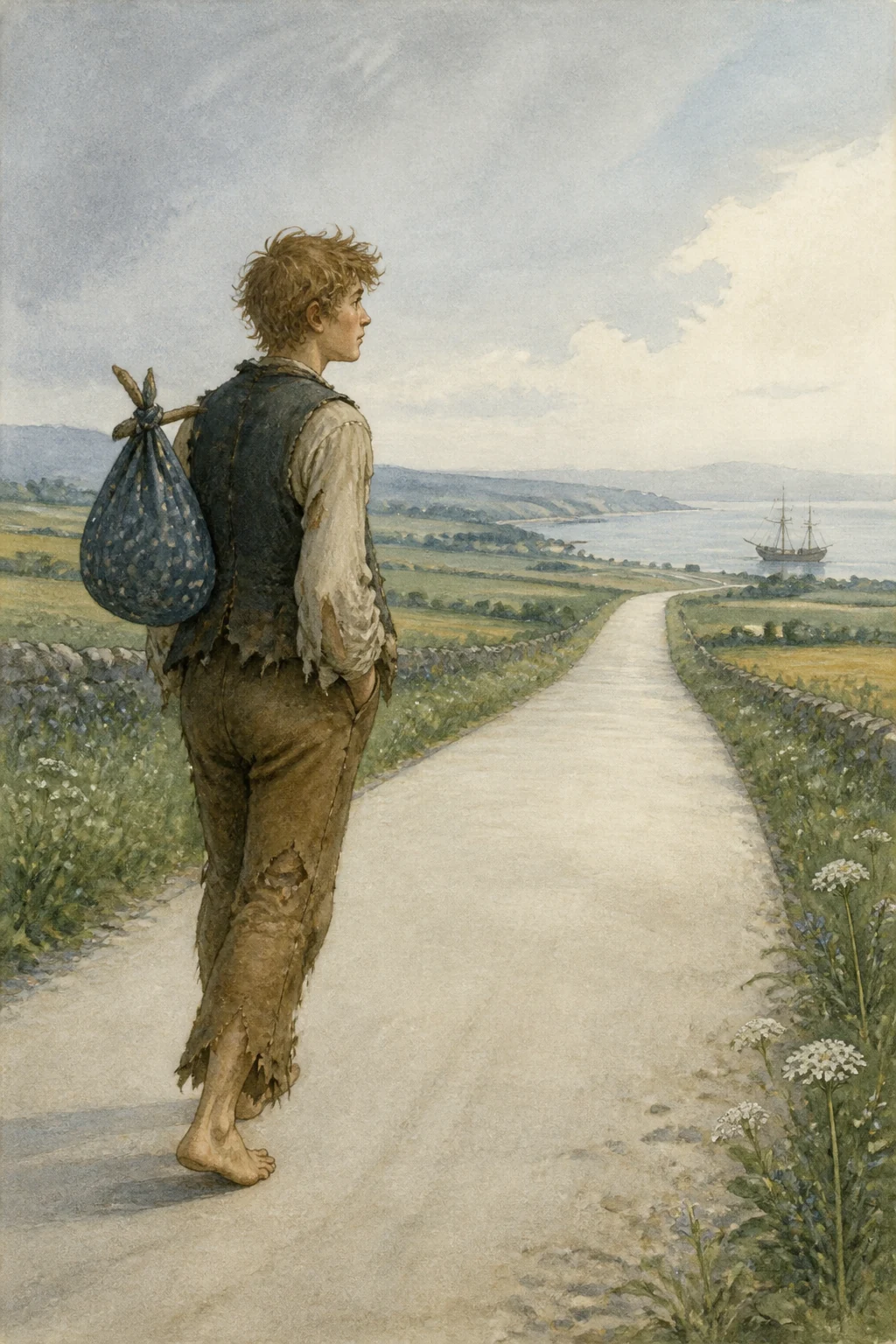
The next morning, at daybreak, scrambling over the stones, clutching at clumps of ivy, making use of ladders and ropes and scraping their hands, they reached the platform and, leaning against the parapet and battlements, anxiously searched the horizon.—At once they could verify the historical and topographical truth contained in the tale of Bluebeard. Beginning at the causeway leading to the castle’s drawbridge, and stretching away until it vanished between two mountains almost blurred out by distance, the silver ribbon of the road wound through fresh green meadows. The Spaniards fixed their eyes on its farthest visible point, just as the terrified Isaura had done; and, repeating her question with scarcely less urgency, the shortsighted asked those who were training powerful binoculars on it: “Well, nothing? Nothing in sight yet?” And the others replied: “Nothing... There is only the grass growing green and the road gleaming white.”
Hours and hours passed, and my Spaniards stayed where they were, spyglasses at the ready, while those without a glass fashioned shades and tubes from newspapers. The sun, climbing towards its zenith, beat down more fiercely than was reasonable, scorching their eyes and melting their brains; thirst set their throats on fire and hunger pinched their stomachs; but the magic of Hope sustained the expedition like an enchanted potion, preventing them from withdrawing. Close to noon, one privileged fellow who possessed a magnificent pair of naval binoculars let out an indescribable shriek. There, there, in the remotest distance, a white speck had just appeared, the nucleus of a star, the mysterious cloud of dust!
The Spaniards thought they would go mad. The binoculars passed from hand to hand. Yes, yes, there it was, the cloud, growing and spreading! Soon, as the murky veil parted, they could make out what was approaching. It was a brilliant company on horseback, a splendid host, magnificently arrayed and armed from head to foot, ready for battle. Now they could admire the prancing of the fiery chargers, now the damascened armour and coats of mail; now the waving plumes and floating coloured sashes made a gallant show; now the devices on the banners and the blazons on the shields could be distinguished... Those on the platform, drunk with enthusiasm, shouted and cheered, straddling the battlements at the risk of falling to their deaths... All that remained was to see the champions’ faces: what wretched luck—every man had his helmet visor lowered. Great and burning was their desire to know those who held the destiny of their Spanish homeland!...
An immense clamour of feverish enthusiasm rose from the platform when, arriving at the foot of the drawbridge, the approaching heroes raised their visors... And another, quite different cry, of irony and disillusionment, followed the first.—The men of that long-awaited host, that unknown host... were none other than the very same men, by God! The men who for years had been battling on, withstanding the assaults of criticism and the demands of discontent and weariness. All the same, unchanged, already hardened, already veterans... The same military leaders, the same statesmen, the same celebrated artists and men of letters... Not a single new face, by God!—And the Spanish travellers, thoroughly crestfallen, hurried down... That evening they consoled themselves by gathering for a chat, once again grinding the eternal heroes to dust and planning another ascent of the Tower of Hope for the following autumn.
Izvirnik
024 El Torreón de la Esperanza
Naslednje strani prikazujejo izvirno besedilo za primerjavo.
¿Conocéis por tradiciones y descripciones el torreón fatídico desde cuya plataforma la infeliz Isaura, séptima esposa de Barba Azul, aguardó con sudores de agonía á sus hermanos, que venían á libertarla de la muerte? Aferrada á una almena como si ya se defendiese instintivamente del cuchillo, Isaura, con el rostro del color de la cera y el cuerpo tembloroso, no tenía ánimos ni para seguir avizorando el horizonte. Su esposo y verdugo, después de sorprender la delatora mancha de sangre en la llave del terrible gabinete, mandó á Isaura subir á lo más alto de la torre para encomendarse á Dios, advirtiéndola que de allí á media hora, sin remisión, iría á degollarla. Isaura, flaqueándole las piernas, nublados por el miedo los ojos, sólo acertaba á preguntar de minuto en minuto, con voz á cada paso más apagada y desfallecida: «Hermana Ana, ¿no ves nada? ¿no viene nadie?» Y Ana, dolorosamente, respondía: «Sólo veo la hierba que verdea y el camino que blanquea.» Cuando ya faltaban pocos instantes para cumplirse el plazo; cuando Isaura, crispadas las manos, se agarraba á las piedras creyendo sentir en la garganta el frío del cuchillo, Ana exhaló un grito loco, delirante: «¡Allí vienen, allí vienen!» y disipada la nube de polvo que arremolinaba el galope de los corceles, Isaura reconoció á los paladines que volaban á salvarla...
Mucho se ha escrito y discutido acerca del torreón de Barba Azul. La opinión más general es que yace en ruinas, y que si los medrosos subterráneos, con sus mazmorras y pozos donde aparecen aún hoy, al excavar y registrar, huesos y calaveras humanas, se conservan intactos, el torreón de la Esperanza se vino á tierra.--Mejor informada, puedo asegurar que el torreón existe.--Es tan fuerte y sólido, sus piedras están tan bien trabadas, con cemento tan indestructible; su gorguera de elegantes almenas posee una resistencia tal, que ni las tormentas, ni la lluvia, ni el aire, ni siquiera el transcurso del tiempo y el abandono, han podido dar cuenta de él. Hay más todavía. No sólo no ha sufrido deterioro el torreón, sino que actualmente es visitado por innumerables peregrinos y viajeros de todos los países del mundo, que acuden allí como en romería, atraídos por la leyenda. Esta asegura que encaramándose al torreón de la Esperanza y aguardando con paciencia--sin dejar de implorar el auxilio del cielo,--cada cual acaba por ver venir, alzando la indispensable nube de polvo, una representación de su porvenir y su destino. Ya se adivina si estará concurrida la plataforma de la torre, y si los que se agarran á sus almenas--las mismas á que Isaura se abrazó en trance apretadísimo--sentirán latir el pecho de ansiedad, á veces de dolor, á veces de suprema alegría.
No hace mucho--esta noticia nos interesa especialmente--una caravana de viajeros españoles, como pasase cerca del torreón de la Esperanza, deseó subir á él. Antes de realizar la ascensión conferenciaron, y con la verbosa familiaridad y la espontánea franqueza que caracteriza á los españoles, se confiaron recíprocamente sus aspiraciones y hasta sus fantásticos sueños. Abrieron su corazón como se abre una puerta, de par en par, y resultó que existía entre sus anhelos afinidad y analogía extraña. Querían encaramarse al torreón de la Esperanza, porque, aburridos y hastiados de lo presente, sólo fiaban en las novedades que diese de sí lo futuro. Mostrábanse los peregrinos descontentos de cuanto existe, y andaban conformes en atribuir los males y decaimiento de España á los individuos que figuran á la cabeza de la nación. Sólo un ciego no vería la decadencia y lastimoso agotamiento de nuestros héroes. Sobre este tema había que oir á los peregrinos, oportunos, decidores y epigramáticos. Las flaquezas, las deficiencias, las torpezas y los yerros de las celebridades salieron á relucir con salsa de mostaza picante, con fuego graneado de chistes y anécdotas. Quedaron allí las altas famas pulverizadas, las glorias disueltas y devoradas por el ácido corrosivo de una crítica mofadora. ¿Los estadistas? garduñas, vividores sin conciencia. ¿Los caudillos? cobardones, y por contera ineptos, sin el acierto instintivo del guerrillero ni la vasta estrategia del verdadero gran capitán. ¿Los artistas? imitadores misérrimos, que se traían del extranjero las ideas y hasta las formas, como las bailarinas se traen pantorrillas de algodón. ¿Los literatos? pobres diablos secos y vacíos hasta la médula de los huesos, y además, pesadísimos... «¡Lateros insufribles!» gritó uno de los peregrinos, que frisaría en los veintitrés años y lidiaba á la sazón con el tercero de Derecho. La frase resumió el debate; todos convinieron en que se estaba erigiendo una catedral de hojalata para que se riese la posteridad. Urgía refrescar, variar el personal; era llegado el instante de cambiar de baraja, estrenando una nueva, tersa, reluciente, no sobada ni fatigada del uso... ¡Vengan otros, los desconocidos, los ignorados genios que encierra en su seno la multitud anónima!--Por eso ardían los españoles en deseos de subir al torreón y divisar á lo lejos el remolino de polvo que anuncia la irrupción triunfante del porvenir...
A la mañana siguiente, al despuntar el día, trepando por las piedras, agarrándose á las matas de hiedra, valiéndose de escalas y de sogas, arañándose las manos, alcanzaron la plataforma, y reclinados en el parapeto y el almenaje, consultaron ansiosos el horizonte.--Desde luego pudieron cerciorarse de la verdad histórico-topográfica que envuelve la conseja de Barba Azul. Arrancando de la calzada que conduce al puente levadizo del castillo, y prolongándose hasta perderse allá entre dos montañas casi difumadas en la lejanía, serpeaba por frescos prados la cinta de plata del camino. En lo más distante que de él podía percibirse clavaron los ojos los españoles, como los había clavado la despavorida Isaura; y repitiendo su pregunta con afán poco menor, preguntaban los cortos de vista á los que asestaban poderosos gemelos: «Qué, ¿nada? ¿No asoma nada aún?» Y los otros respondían: «Nada... Sólo se ve la hierba que verdea y el camino que blanquea.»
Pasaron horas y horas, y mis españoles quietos allí, catalejo en ristre, ó haciéndose pantallas y tubos con periódicos los que de anteojo carecían. El sol, que iba remontándose al cénit, picaba más de lo justo y quemaba las pupilas y derretía los sesos; la sed inflamaba los gaznates y el hambre pellizcaba los estómagos; pero la magia de la Esperanza, como un filtro, sostenía á los expedicionarios, impidiéndoles retirarse. Cerca ya de la hora meridiana, un privilegiado que poseía unos soberbios marinos exhaló chillido indescriptible. ¡Allá, allá, en lontananza remotísima, acababa de aparecer un punto blanco, el núcleo de un astro, la misteriosa nube de polvo!
Creyeron volverse locos los españoles. De mano en mano pasaron los gemelos. ¡Sí, sí, allí estaba, creciendo, dilatándose, la nube! Pronto, roto el turbio velo, lograron distinguir lo que se acercaba. Era una lucida cohorte á caballo, una hueste espléndida, bizarramente engalanada y armada de punta en blanco, apercibida al combate. Ya se podían admirar el corbeteo de los fogosos bridones, ya el damasquinado de los arneses y cotas; ya gallardeaba el ondear de las plumas y el flotar de las bandas de colores; ya se distinguían las empresas de los pendones y el blasón de los escudos... Los de la plataforma, ebrios de entusiasmo, gritaban, vitoreaban, cabalgaban en las almenas á riesgo de estrellarse... Faltábales sólo ver las caras de los paladines: era una fatalidad: llevaban todos baja la visera del casco. ¡Grande, ardiente era el anhelo de conocer á los que cifraban el destino de la patria española!...
Un clamoreo inmenso, de nervioso entusiasmo, se alzó de la plataforma cuando, llegados al pie del puente levadizo, los héroes que venían alzaron la visera... Y otro clamor especial, de ironía y desencanto, siguió al primero.--Los de la hueste esperada, los de la hueste desconocida... no eran sino aquellos mismos, ¡vive Dios! aquellos que desde hacía años lidiaban, resistiendo los embates de la censura y las exigencias del descontento y del cansancio. Todos iguales, invariables, ya curtidos, ya veteranos... Los mismos caudillos, los mismos estadistas, los mismos artistas y literatos célebres... ¡Ni una cara nueva, vive Dios!--Y los viajeros españoles, asaz mohinos, descendieron aprisa... A la noche se consolaron armando una tertulia, volviendo á pulverizar á los eternos héroes, y planeando, para el otoño próximo, otra subida al torreón de la Esperanza.
Nadaljuj z branjem