Prevod
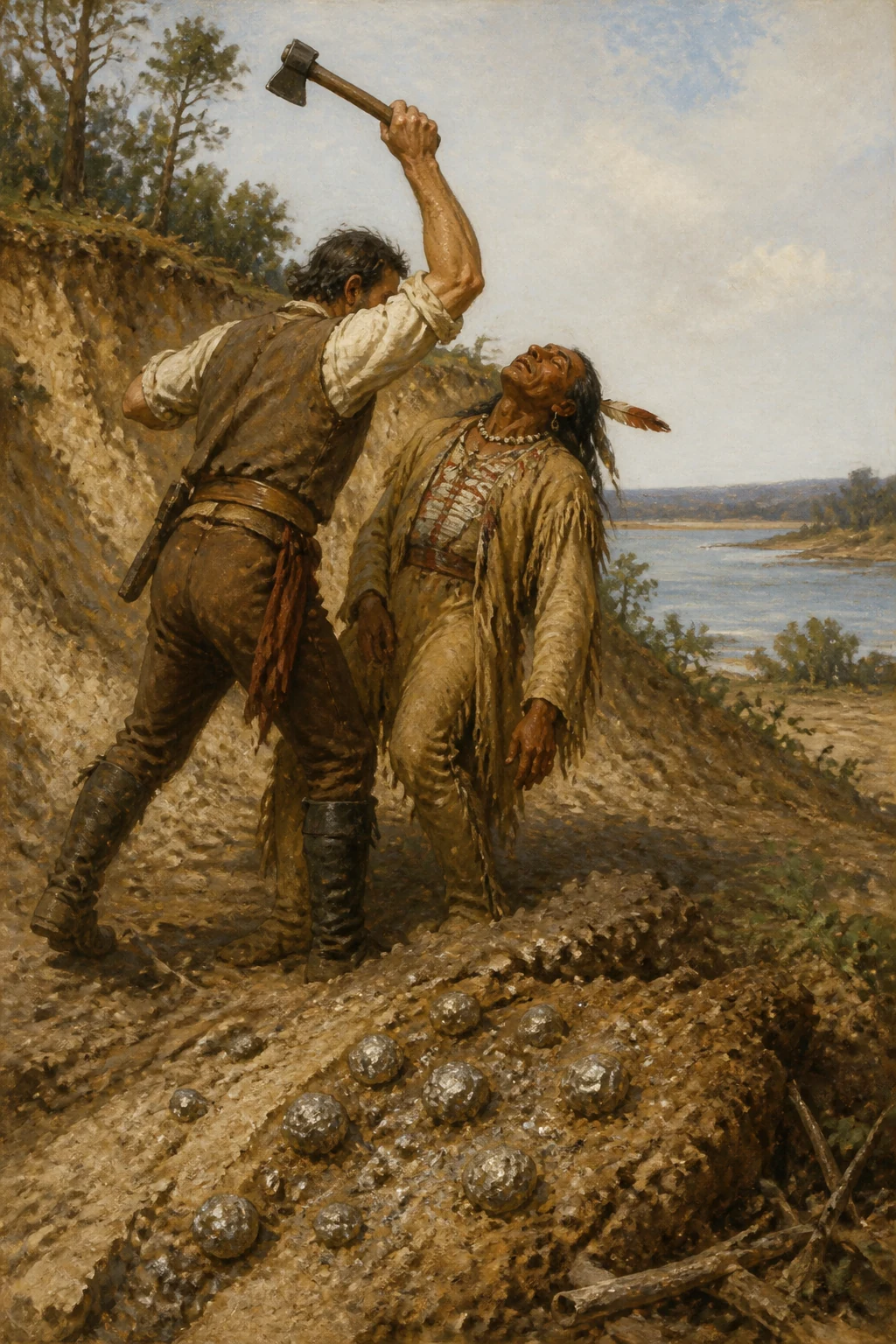
Nekega oktobrskega dne leta 1827 je častiti Charles Sharply prijezdil v Alfred v zvezni državi Maine in v molilnici opravil bogoslužje. Po pridigi je oznanil, da odhaja pridigat v Waterborough in da je na svojem obhodu zbral dvesto sedemdeset dolarjev za gradnjo cerkve v tej vasi. Ali bi tudi njegovi poslušalci kaj primaknili? Bili so pripravljeni in so tudi prispevali, tako da je župnik tisti večer odjezdil z več kot tristo dolarji v sedelnih torbah. V Waterboroughu se ni nikoli pojavil. Nekateri domačini so na glas izražali bojazen, da je zaradi denarja pozabil na svoj sveti poklic in pobegnil iz države.
Toda jutro po njegovem izginotju je v Alfred prijezdil diakon Dickerman na konju, za katerega so ljudje trdili, da je duhovnikov, dokler ni hlevar pri krčmi zatrdil, da je imel duhovnikov konj belo zvezdo na čelu in belo liso na prsih, ta pa je bil povsem črn. Diakon je povedal, da je konja ob svitu našel, kako se pase na njegovem dvorišču, in da ga bo izročil vsakomur, ki bo dokazal, da je njegov. Nihče ga ni prišel zahtevat in ljudje so kmalu pozabili, da konj ni bil diakonov. Približno v tistem času je razširil svoje posle in uspeval; za tako majhen kraj je postal bogat mož, a bolj ko je raslo njegovo premoženje, bolj je postajal čemeren in se izogibal družbi.
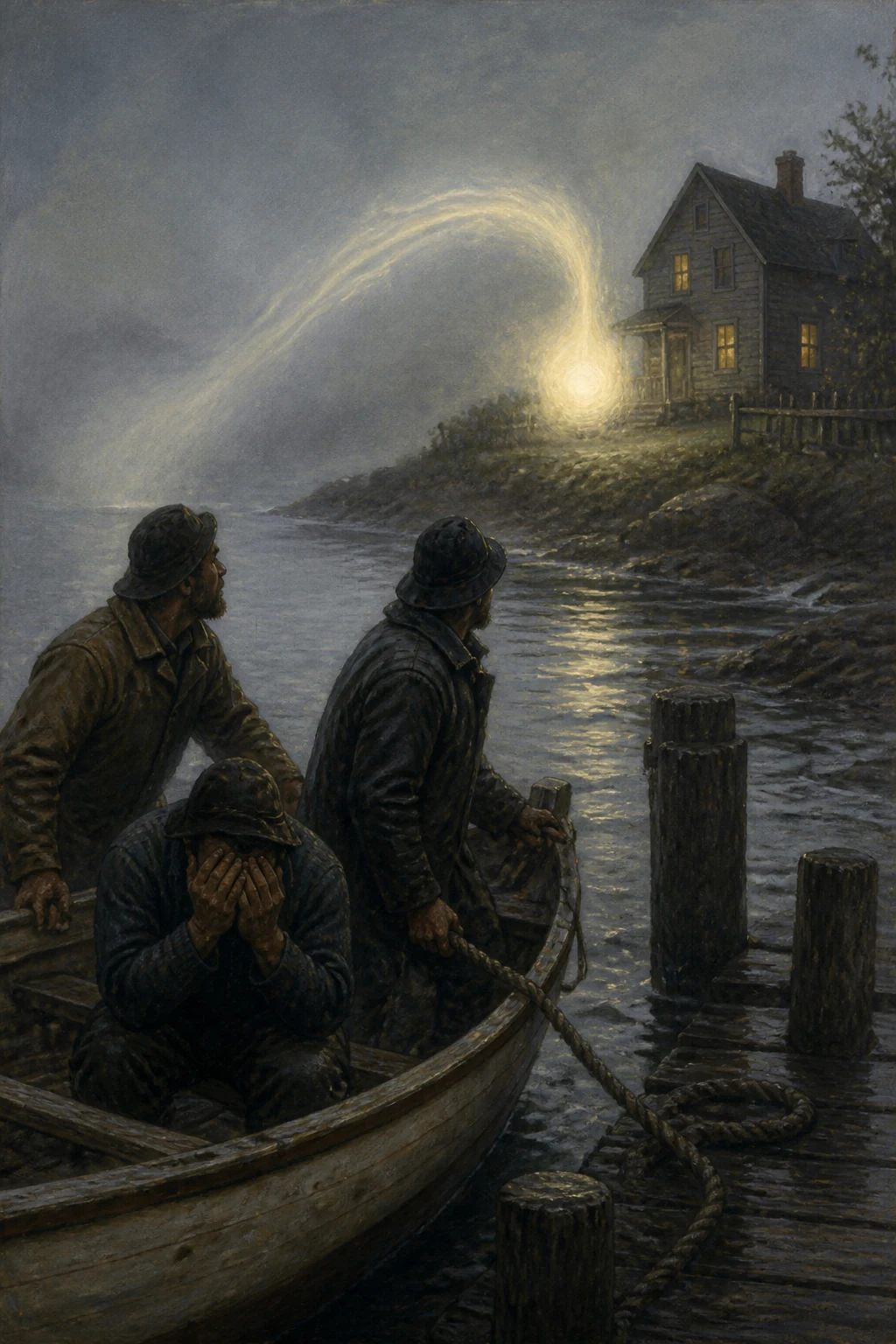
Nekega dne se je razširila govorica, da je popotnik, ki ga je zatekla noč, pod »sovjim drevesom« ob cestnem ovinku, kjer so skovikale sove, videl megličasto prikazen, ki je dobila nenavadno podobo pogrešanega duhovnika. Dickerman je ob tej zgodbi prebledel, vendar je zmajal z glavo in zamrmral, da je neumno poslušati fantovske izmišljotine. Minilo je deset let — ves ta čas so se fantje po temi izogibali sovjemu drevesu — ko so k gospodu Dickermanu naglo poklicali duhovnika iz soseščine, češ da je zbolel zaradi prehudega dela. Diakona je našel samega v hiši, kako hodi sem in tja, z razmršeno obleko in vročično pordelimi lici.
»Ne bom več dolgo živel,« je dejal, »in tudi če bi mogel, ne bi hotel živeti dlje. Preganja me noč in dan in zame na tem svetu ni ne miru ne počitka. Pravijo, da se je Sharplyjev duh prikazal pri sovjem drevesu. No, tam leži njegovo truplo. Obtožili so me, da sem mu vzel konja. Res je. Malo črnega barvila na glavi in prsih je bilo dovolj, da sem jih preslepil. Molite zame, saj se bojim, da je moja duša pogubljena. Ubil sem Sharplyja.« Duhovnik se je zgrožen umaknil. »Ubil sem ga,« je nadaljeval nesrečnik, »zaradi denarja, ki ga je imel. Hudič mi je z njim naklonil blaginjo. V oporoki zapuščam dva tisoč dolarjev njegovi vdovi in pet tisoč dolarjev cerkvi, za katero je zbiral prispevke. Ali bo na onem svetu zame kaj usmiljenja? Niti pomisliti si ne upam. Pojdite in molite zame.« Duhovnik je pohitel proč, a komaj je stopil skozi vrata, ga je pok pištole priklical nazaj. Dickerman je mrtev ležal na tleh. Sharplyjevo truplo so izkopali izpod sovjega drevesa in odtlej tam ni več strašilo.
Izvirnik
One day in October, 1827, Rev. Charles Sharply rode into Alfred, Maine, and held service in the meeting-house. After the sermon he announced that he was going to Waterborough to preach, and that on his circuit he had collected two hundred and seventy dollars to help build a church in that village. Would not his hearers add to that sum? They would and did, and that evening the parson rode away with over three hundred dollars in his saddlebags. He never appeared in Waterborough. Some of the country people gave tongue to their fear that the possession of the money had made him forget his sacred calling and that he had fled the State.
On the morning after his disappearance, however, Deacon Dickerman appeared in Alfred riding on a horse that was declared to be the minister's, until the tavern hostler affirmed that the minister's horse had a white star on forehead and breast, whereas this horse was all black. The deacon said that he found the horse grazing in his yard at daybreak, and that he would give it to whoever could prove it to be his property. Nobody appeared to demand it, and people soon forgot that it was not his. He extended his business at about that time and prospered; he became a rich man for a little place; though, as his wealth increased, he became morose and averse to company.
One day a rumor went around that a belated traveller had seen a misty thing under “the owl tree” at a turn of a road where owls were hooting, and that it took on a strange likeness to the missing clergyman. Dickerman paled when he heard this story, but he shook his head and muttered of the folly of listening to boy nonsense. Ten years had gone by-during that time the boys had avoided the owl tree after dark--when a clergyman of the neighborhood was hastily summoned to see Mr. Dickerman, who was said to be suffering from overwork. He found the deacon in his house alone, pacing the floor, his dress disordered, his cheek hectic.
“I have not long to live,” said he, “nor would I live longer if I could. I am haunted day and night, and there is no peace, no rest for me on earth. They say that Sharply's spirit has appeared at the owl tree. Well, his body lies there. They accused me of taking his horse. It is true. A little black dye on his head and breast was all that was needed to deceive them. Pray for me, for I fear my soul is lost. I killed Sharply.” The clergyman recoiled. “I killed him,” the wretched man went on, “for the money that he had. The devil prospered me with it. In my will I leave two thousand dollars to his widow and five thousand dollars to the church he was collecting for. Will there be mercy for me there? I dare not think it. Go and pray for me.” The clergyman hastened away, but was hardly outside the door when the report of a pistol brought him back. Dickerman lay dead on the floor. Sharply's body was exhumed from the shade of the owl tree, and the spot was never haunted after.