Prevod
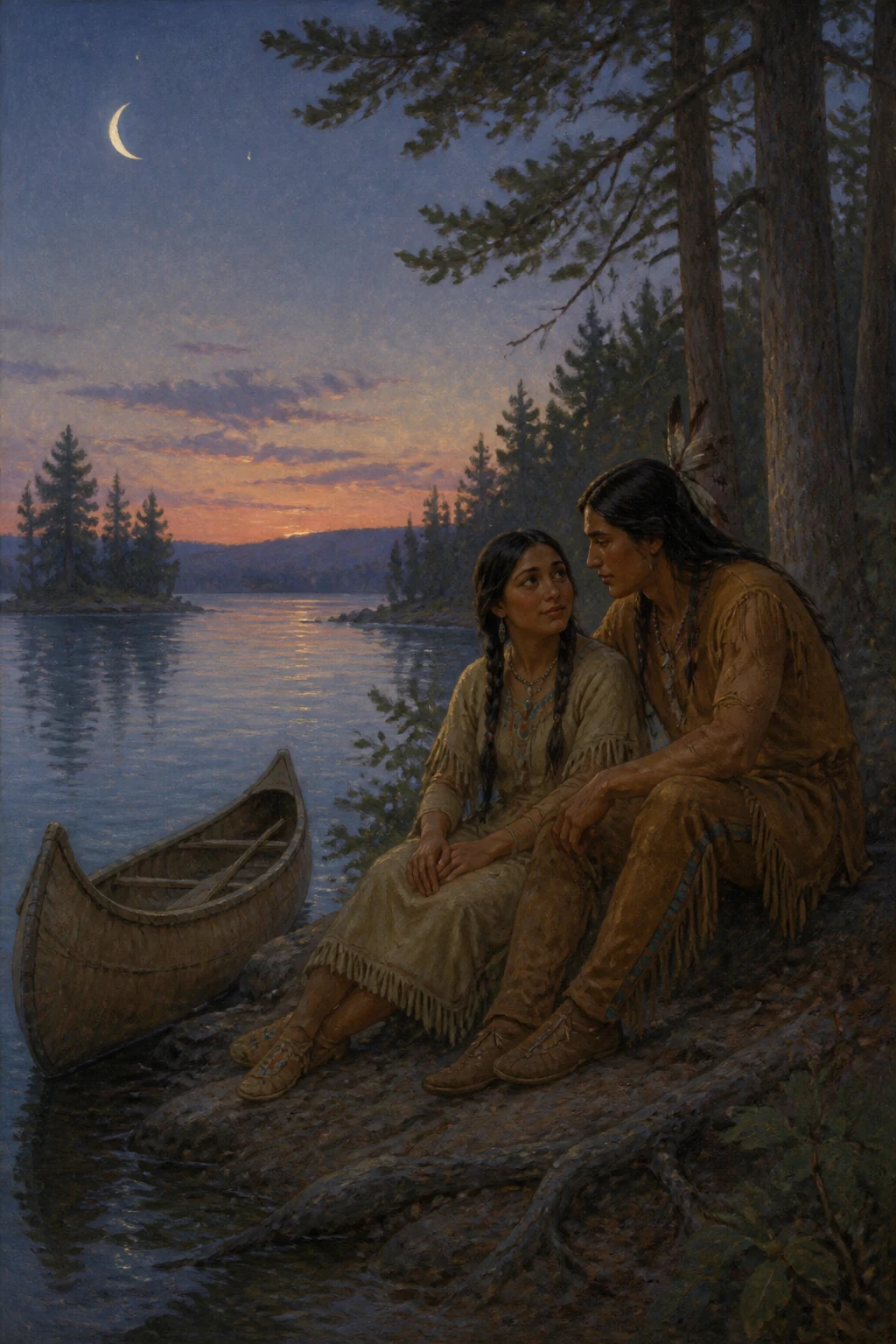
To je ime, ki ga je ljudstvo Mohegan dalo lepemu jezeru v Berkshirih, danes imenovanemu Pontoosuc. Shonkeek je bil fant, Moonkeek dekle; bila sta bratranec in sestrična in odraščala sta, kakor otroci navadno odraščajo, naj bo v hiši ali vigvamu: skupaj sta se potepala po gozdovih in hribih, polnila košare s cvetjem in jagodičevjem ter se zaljubila. Toda po zakonih ljudstva Mohegan je bila poroka med bratrancem in sestrično prepovedana, in ko sta dosegla starost, v kateri jima je bilo druženje v največje veselje, so jima prepovedali skupna potepanja in jima celo zabičali, naj se drug drugega izogibata. To je imelo običajni učinek: pogosto sta se sestajala na jezerskih otokih, v veliko muko nekemu Nockawandu, ki se je sam želel poročiti z dekletom in je o njenem početju poročal njenim staršem.
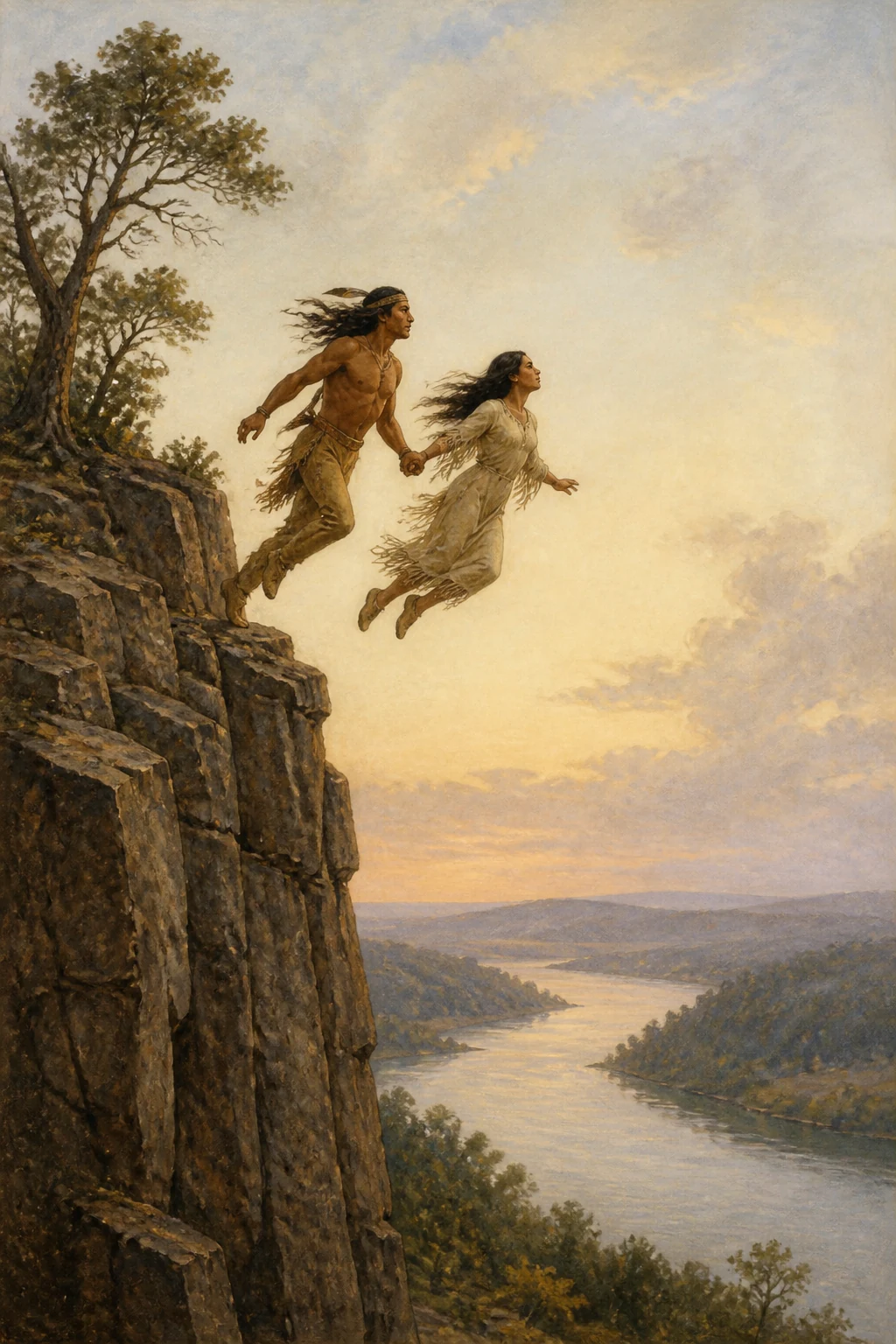
Zaljubljenca sta se nato dogovorila, da pobegneta k nekemu plemenu na vzhodu in ga prosita, naj ju sprejme medse, obenem pa sta si prisegla, da se, če bi jima karkoli preprečilo pobeg, snideta pod jezersko gladino. Nockawando jima ga je preprečil. Naslednjo noč, ko je nič hudega sluteči Shonkeek veslal proti otoku, kjer ga je čakalo dekle, je ljubosumni tekmec, ki je tiho veslal za njim, izstrelil puščico v njegov hrbet, in Shonkeek je brez krika strmoglavil v vodo. Toda Nockawandu se je zdelo, da še vedno sedi v kanuju in ga žene naprej. Dekle je zagledalo bližajoči se čoln: zdaj je drvel kakor orel v letu. En sam pogled, ko je švignil mimo skale; en sam pogled na morilca, ki je čepel v svojem brezovem čolnu, in že je z ljubimčevim imenom na ustnicah skočila v svoj kanu ter se odrinila od brega. Nockawando jo je slišal zapeti smrtno pesem in je zaveslal naprej, kolikor hitro je mogel, a blizu sredine jezera mu je roka ohromela in omahnila.
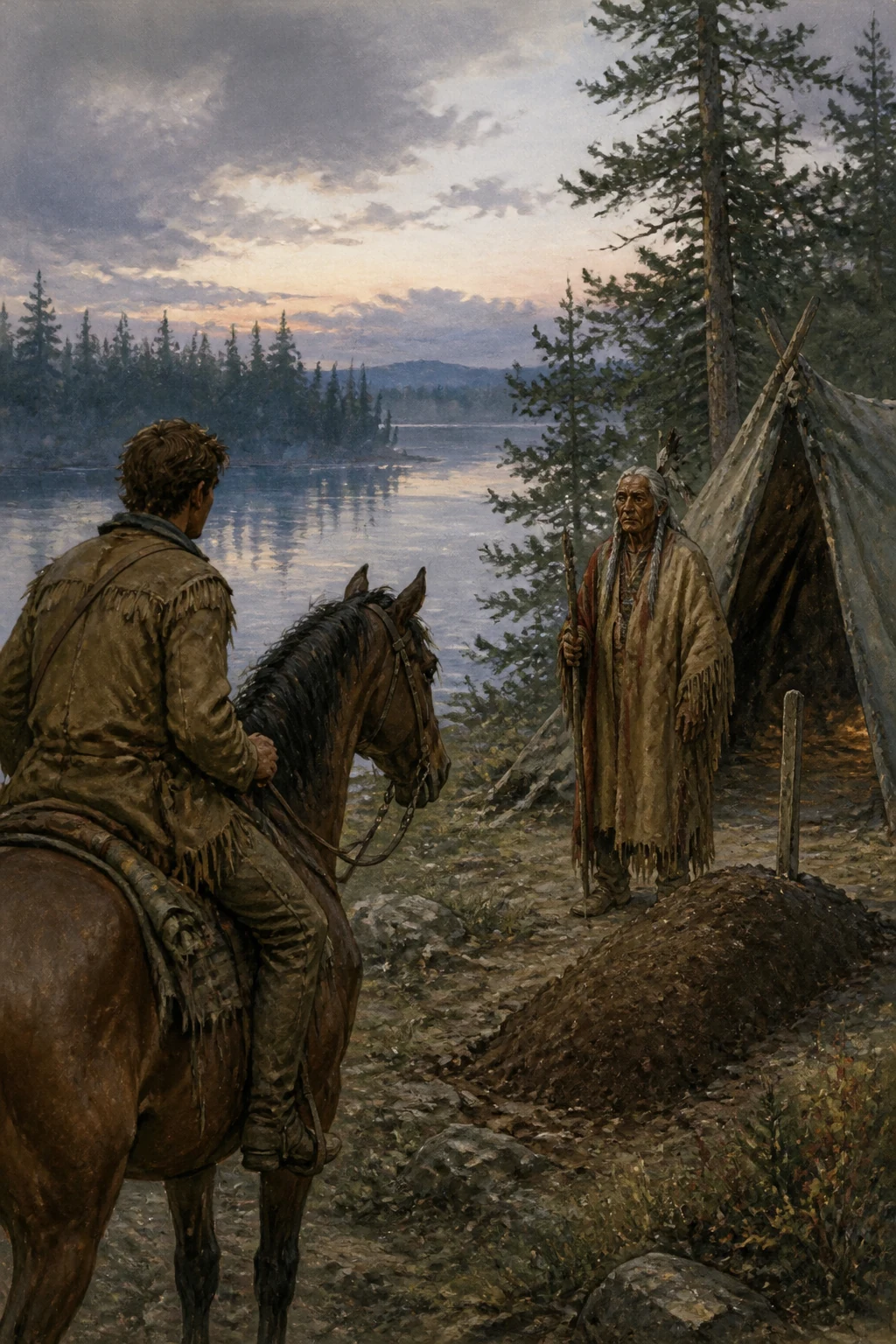
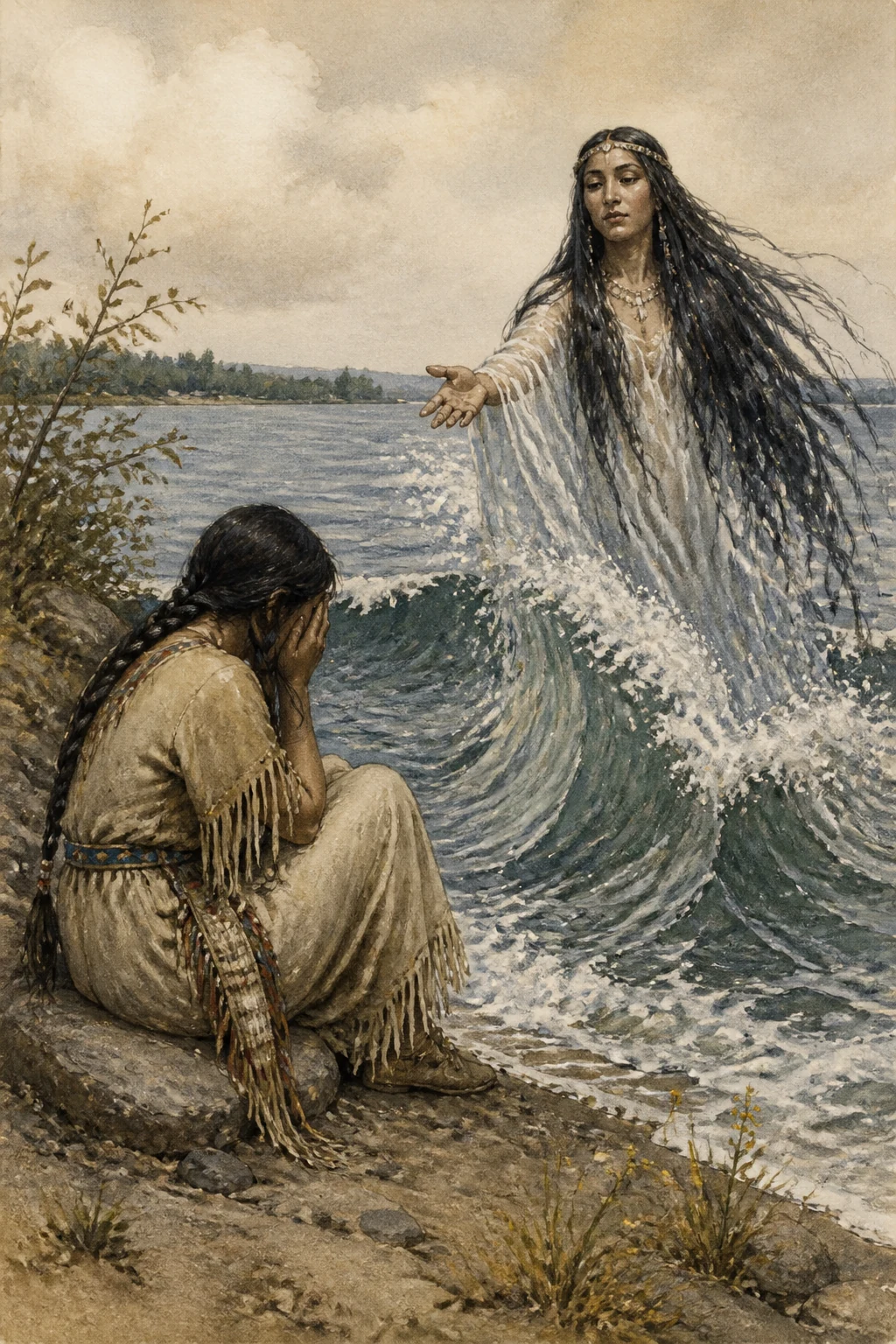
Pesem je zamrla in noč je postala čudno, grozljivo tiha. Niti čriček ni začričkal, niti val pljusknil, niti list zašelestel. Dekle je negibno čakalo, kajti njegov čoln je še vedno drsel naprej, gnan od zadnjega zamaha vesla. Večernica je svetila nizko nad obzorjem, in ko se je dekletova postava izrisala v temi, je zvezda zasijala skoznjo prav tam, od koder je prej zrlo njeno oko. Bitje, ki je sedelo tam, ni bilo človeško. Tedaj je priplul mrtvečev čoln. Senci sta neslišno zaveslali skupaj, in ko sta izginili v megli, ki je zdaj legala na pokrajino, se je čez jezero razlegel smeh, ki ni bil od tega sveta; potem je vse utihnilo. Ko se je Nockawando tisto noč vrnil v tabor, je bil že besneč blaznež. Indijanci trupel zaljubljencev niso nikoli našli, verjeli pa so, da bodo ta potovanja mrtvih vznemirjala gladino Pontoosuca, dokler bo v njem še kaj vode.