Waltey
Skoki zaljubljencev v smrt
265 Lovers' Leaps
Myths and Legends of Our Own Land · Charles M. SkinnerO besedilu
Skoki zaljubljencev v smrt
- Vir
- Myths and Legends of Our Own Land
- Avtor
- Charles M. Skinner
- Jezik branja
- Slovenščina
- Jezik izvirnika
- English
- Čas branja
- 13 min branja
- Obseg
- 11 strani
- Naslov izvirnika
- 265 Lovers' Leaps
O izvirniku
Myths and Legends of Our Own Land
Obsežna zgodovinska zbirka ameriških legend, ki jih je Skinner zbral in avtorsko rekonstruiral. Bralni jezik je Slovenščina, izvirnik pa prihaja iz vira Myths and Legends of Our Own Land v jeziku English.
Besedilo
Skoki zaljubljencev v smrt
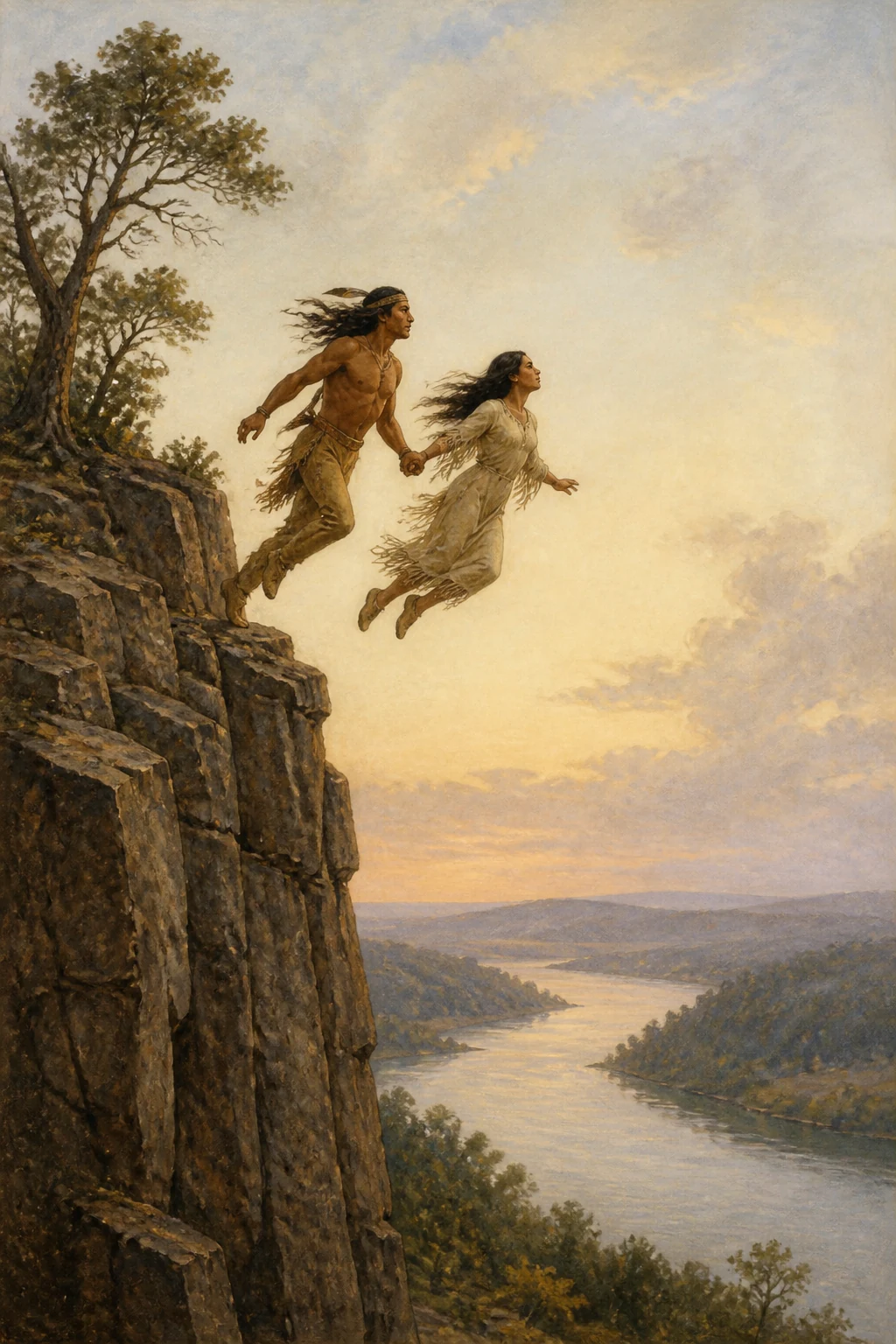
Tako malo zveznih držav v tej deželi — in navsezadnje tudi tako malo dežel — nima svojega skoka zaljubljencev, da je že samo ime postalo pregovorno. Na večini teh krajev so se razočarani zaljubljenci očitno na nadvse zapletene in nenavadne načine trudili napraviti samomor, pri tem pa prezrli številne lažje in nič manj primerne možnosti. A čeprav so ponekod legendo prikrojili kraju, ni dvoma, da je marsikje zgodba obstajala že pred prihodom belcev. Najbolj znani skoki zaljubljencev so ob zgornjem toku Mississippija, ob reki French Broad, na gori Jump Mountain v Virginiji, na gori Jenny Jump Mountain v New Jerseyju, na Mackinacu v Michiganu, na gori Monument Mountain v Massachusettsu, ob potoku Wissahickon blizu Philadelphie, pri Muscatinu v Iowi in na vzpetini Lefferts Height. Še veliko drugih strmin je prizorišč skokov in pustolovščin, denimo Fawn's Leap v soteski Kaaterskill Clove; Rogers's Rock ob jezeru George; skale v soteski Long Narrows ob reki Juniata, kjer še vedno blodi duh kapitana Jacka, »divjega lovca« iz kolonialnih časov; Campbell's Ledge pri Pittstonu v Pensilvaniji, od koder je mož, po katerem je dobila ime, skočil, da bi ušel Indijancem; in Peabody's Leap ob jezeru Champlain, kjer je izvidnik Tim Peabody z devet metrov visokim skokom pobegnil, potem ko je pobil več divjakov.
Na gori Jump Mountain blizu Lexingtona v Virginiji je indijanski par skočil v globino, ker so njuni poroki stale na poti nepremostljive ovire. Na skali ob Wissahickonu je dekle poiskalo smrt, ker ji je bil ljubljeni nezvest.
Pri Muscatinu je bila vzrok smrti dekleta in njenega ljubega strogost njenega očeta, ki je prepovedal poroko, ker ni bilo vojne, v kateri bi mladenič lahko dokazal svoj pogum.
Na vzpetini Lefferts Height je dekle ustavilo svojega nezvestega ljubimca, ko je bil na poti k njeni tekmici, pognalo njegovega konja do roba pečine in z njim vred skočilo v praznino.
Monument Mountain, slikovita vzpetina v gorovju Berkshire, se na zahodni strani končuje z visoko prepadno steno, s katere se je vrglo dekle, ker so ji zakoni njenega plemena prepovedovali poroko z bratrancem, ki mu je obljubila zvestobo. Pokopali so jo tam, kjer so našli njeno truplo, in vsak Indijanec, ki je šel mimo, je na njen grob položil kamen — tako je sčasoma nastal spomenik.
»Purgatory«, brezno pri Newportu na Rhode Islandu, skozi katero po nevihti glasno bobni morje, je bilo v poznejšem stoletju prizorišče žrtvovanja indijanskega para brezupni ljubezni. Obstaja pa tudi starejše izročilo o grešni Indijanki, ki jo je zgrabil nihče drug kot sam hudič, jo vrgel s pečine in odvlekel njeno dušo, ko je zapustila telo. Nekoč so bile na skalah še vidne sledi njegovih kopit.
Pri Hot Springsu v Severni Karolini na desnem bregu reke French Broad obiskovalcem kažejo dve mogočni pečini: Paint Rock — kjer so si staroselci nekoč nabirali oker, s katerim so si mazali obraze, in ki so jo okrasili s hieroglifi — ter Lover's Leap. Trdijo, da je slednja prvi kraj v tej deželi, za katerega je znano, da je nosil to čustveno in tragično zveneče ime. O njem krožita dve izročili. Po prvem so sovražniki na vrhu odkrili indijansko dekle in jo pognali v globino pod njim; drugo pripoveduje o Indijancu, ki se je želel poročiti z dekletom iz plemena, s katerim je bilo njegovo že od nekdaj v vojni. Poroki so nasprotovali na obeh straneh, zato je, namesto da bi storil, kar bi danes storila večina Indijancev in marsikateri belec — se poročil z dekletom in pustil, da sprava pride sčasoma — z njo splezal na skalo in skočil v reko. V srečnih loviščih sta se prebudila kot mož in žena.
Leta 1700 je v vasi Keoxa pod Frontenacom v Minnesoti, ob reki Mississippi, živelo dekle iz plemena Dakota po imenu Winona (Prvorojenka). Ljubil jo je lovec iz njenega plemena in tudi ona je ljubila njega. Njeni bližnji so ji priporočali, naj svojo naklonjenost nameni mlademu poglavarju, ki je vas junaško obranil pred napadom sovražnikov, toda Julija ni hotela niti slišati za tega temnopoltega grofa Pariškega in je ostala zvesta svojemu Romeu. Ker je z razlogi niso mogli omehčati, so njeni domači nazadnje pregnali njenega ljubega in se zatekli še k drugim krutim ukrepom, da bi jo prisilili v osovraženo zvezo, ona pa jim je odgovorila: »Spravljate me v obup. Tega poglavarja ne ljubim in ne morem živeti z njim. Vi ste moj oče, moji bratje, moji sorodniki, pa vendar od mene odganjate edinega moškega, s katerim želim biti združena. Sam tava po gozdu, nikogar nima, ki bi mu postavil bivališče, nikogar, ki bi mu razgrnil odejo, nikogar, ki bi skrbel zanj. Kmalu ne boste imeli več ne hčere ne sestre ne sorodnice, ki bi jo mučili z lažnimi zagotovili ljubezni.« Oče, ki je ob teh nepokornih besedah vzplamtel od jeze, je razglasil, da se bo s poglavarjem poročila še tistega dne. Toda med pripravami na slavje se je skrivaj povzpela na vrh pečine, ki je odtlej znana kot Maiden's Rock, in tam, sto dvajset metrov nad glavami ljudi, očitala vsem, ki so ji nekoč zatrjevali svojo naklonjenost. Nato je zapela svojo smrtno pesem. Nekaj moških je skušalo splezati po pečini in preprečiti tragedijo, za katero je bilo očitno, da se bo vsak hip zgodila, oče pa je, ko je v muki strahu pozabil svojo jezo, klical k njej, da ne bo več nasprotoval njeni izbiri. Za njihove prošnje se ni zmenila; ko je pesem izzvenela, je stopila do roba skale, skočila v praznino in se brez življenja zvalila pred noge svojih ljudi.
Ko povemo, da je pravo ime skoka zaljubljencev na Mackinacu Mechenemockenungoqua, upamo, da ga ne bo nihče ponavljal. Vendar ima poleg imena tudi svojo legendo: dekle iz plemena Ojibway je stalo na tem skalnem stolpu in čakalo svojega ljubega, potem ko je bila bitka končana in so se njeni ljudje vračali. Nestrpno je preiskovala obraze bojevnikov, medtem ko so njihovi bojni kanuji drseli mimo, a obraza, ki ga je iskala, ni bilo med njimi. Njen ljubljeni je bil tisti hip privezan k drevesu s puščico v srcu. Ko je gledala čolne, se ji je v videnju razkrila njegova usoda, mrtvec pa je priplaval proti njej in ji pomignil. Njena smrtna pesem je zazvenela v ušesih mož, toda še preden so jo lahko dosegli, je naglo stopila do roba, z iztegnjenimi rokami in očmi, uprtimi v praznino, in njen duh se je srečal z duhom njenega ljubega.
S te iste skale je v davnih časih skočila rdeča Eva, ko je rdečega Adama pregnal hudič, ki se je zaljubil vanjo. Adam, ki je veslal ob obali, je videl, da bo padla, planil naprej, jo ujel in ji rešil življenje. Zakon težnosti v tistih časih še ni deloval s tako mučno naglico kakor danes. Ko je Manitou izvedel, kaj se je zgodilo, ju je vrnil na otok in pregnal hudiča, ki je padel v podzemni svet zlih duhov. Tam je postal oče bele rase in odtlej Indijance preganja po svojih namestnikih.
Na istem otoku Mackinac so imeli Angleži utrdbo, katere posadko so leta 1763 pobili. Edini preživeli — mladi častnik po imenu Robinson — je življenje dolgoval lepi mešanki, ki mu je ponudila skrivališče v odmaknjenem vigvamu. Ker mu je kraj zagotavljal varnost, dekle pa je bilo njegova edina družba, sta več let živela skupaj kot mož in žena, in to precej srečno. Ko so utrdbo znova zgradili, se je Robinson vrnil v službo in se v poveljstvu prikazal z ženo svoje polti. Njegova indijanska družica ni kazala ljubosumja. Nasprotno, privolila je, da bo živela ločeno v hišici, ki je pripadala postojanki in je stala na pečini, imenovani Robinson's Folly. Svojega ljubega je prosila le, naj pride tja in eno uro posedi z njo, preden se za vedno razideta, in ustregel je njeni prošnji. Ko sta stala na robu skale, ga je objela; nato je stopila nazaj, z rokami še vedno okoli njegovega vratu, in padla s pečine ter ga potegnila za seboj. Oba sta umrla. Kmalu zatem se je rob skale odlomil in s seboj odnesel še hišo.
Matiwana, hči poglavarja plemena Omaha, katerega vas je stala blizu izliva potoka Omaha Creek, se je poročila z nezvestim trgovcem iz St. Louisa. Ta je že imel eno ženo, po daljši odsotnosti med svojimi ljudmi pa se je vrnil k njej s tretjo, žensko svoje polti. Indijanko je hladno zavrnil, čeprav ji je obljubil, da bo njenega dečka — in svojega — poslal v naselbine na šolanje. Le pogledala ga je in se obrnila proč, nekaj dni pozneje pa so jo našli mrtvo ob vznožju pečine blizu njenega doma.
White Rocks, skale petinštirideset metrov nad reko Cheat v okrožju Fayette v Pensilvaniji, so bile priljubljeno shajališče lepega dekleta, hčere premožnega kmeta iz tiste okolice, in postavnega mladeniča, ki je prišel v te kraje lovit. Na vzpetini sta skupaj preživela veliko srečnih dni, a po dogovorih za poroko sta se sprla, nihče ni vedel, zakaj. Nekega večera sta se po naključju srečala na skalah in videti je bilo, da se zadržano pogovarjata, ko se je znočilo in ju ni bilo več mogoče videti. Dekle se ni vrnilo in njen oče se je z iskalno skupino odpravil ponjo. Našli so jo mrtvo in izmaličeno ob vznožju skal. Njen ljubljeni jo je v navalu nestrpnosti sunil, ona pa je izgubila ravnotežje in padla čez rob. Nemudoma je pobegnil in se pod drugim imenom ter s spremenjeno zunanjostjo izmaknil zasledovalcem. Ko je izbruhnila vojna proti uporu, je stopil v vojsko in se bojeval brezglavo, saj se je dotlej že naveličal življenja in je upal, da bo umrl. A nič ni pomagalo. Za pogum, ki se ga sam sploh ni zavedal, so ga le povišali v stotnika, staro kesanje pa ga je še vedno razjedalo. Po vojni ga je nekaj privedlo nazaj v okrožje Fayette in nekega lepega dne je splezal na skale, da bi se še zadnjič ozrl po krajih, ki jih je nekoč razsvetljevala ljubezen, nato pa zatemnila obžalovanje. Ni bil dolgo na vrhu, ko ga je obšla neustavljiva želja, da bi skočil tja, kamor je padlo dekle, in s svojo krvjo odkupil prelitje njene. Prepustil se je temu vzgibu in padec je bil smrten.
Nekaj let pred izbruhom državljanske vojne se je neki mož z ženo in hčerjo naselil v brunarici ob vznožju skale Sunrise Rock blizu Chattanooge v Tennesseeju. Zdelo se je verjetno, da so nekoč poznali boljše čase, saj je glava družine med sosedi slovel kot človek, ki ni za nobeno rabo, in menili so, da si služi kruh s »pisarjenjem al' učenostjo iz bukev«. Vendar je bil tako tih in blag, da mu tega niso nikoli očitali; včasih so po obisku zavili na njegov vrt in mu mimogrede kako uro pleli gredice. Dekle, Stella, je bilo dobro izšolano, bistroumno in rožnatih lic, vsi kuštravi, okorni kmečki fantje iz okolice pa so jo brezupno občudovali. Leto ali dve po prihodu družine so začeli opažati, da ji lica bledijo in da je videti zaskrbljena. Ko jo je neki prijazni stari kmet na vaški poti videl govoriti z odvetnikom iz Chattanooge, oblečenim v fino sukno in z zlato uro, ga je začudilo, da »mestni fant« ni šel z njo domov, temveč ji je ob slovesu poslal poljub z roko. Pozneje je kmet par znova srečal, in medtem ko se je dekle nasmehnilo ter reklo: »Kako ste, stric Joe?«, se je odvetnik obrnil proč in pogledal vzdolž reke. To je bilo zadnjič, da je kdo videl nasmeh na Stellinem obrazu. Nekaj večerov zatem so jo opazili na skali Sunrise Rock s pogledom, uprtim proti Chattanoogi. Nočna senca se je vzpenjala po pečini, dokler ni v sončni svetlobi ostala le še njena postava, lasje pa so ji kot zlat sij obdajali obraz. Tedaj je veter prinesel zvonjenje — poročno zvonjenje. Dekle si je pritisnilo dlani na ušesa, stopilo do roba skale in nekaj sekund pozneje se je njeno brezživo telo skotalilo skozi grmovje ob vznožju na cesto. Na njen pogreb so ljudje prišli od blizu in daleč, da bi izrekli sožalje v črno odeti materi in očetu, ki so mu lasje pobelili; toda odvetnika iz Chattanooge ni bilo.
Ime Indian Maiden's Cliff — tako se imenuje pečina nad divjo sotesko Stony Clove v gorovju Catskill — ohranja spomin na razplet pobega indijanskega dekleta in njenega ljubega iz njenega plemena. Starši in sorodniki so njuni zvezi nasprotovali s tisto pogubno nespametjo, ki je očitno značilna za Indijance iz pripovedk, in brž ko je v vas prišla novica o njenem begu, so se pognali za njima. Med hitenjem skozi zapleteno goščavo sta se mlada zaljubljenca ločila in dekle se je znašlo na robu pečine. Naprej ni moglo. Zasledovalci so bili tik za njim. Moralo se je vdati ali umreti. Odločilo se je, da se ne bo vdalo, in se z obupanim krikom vrglo v sence.
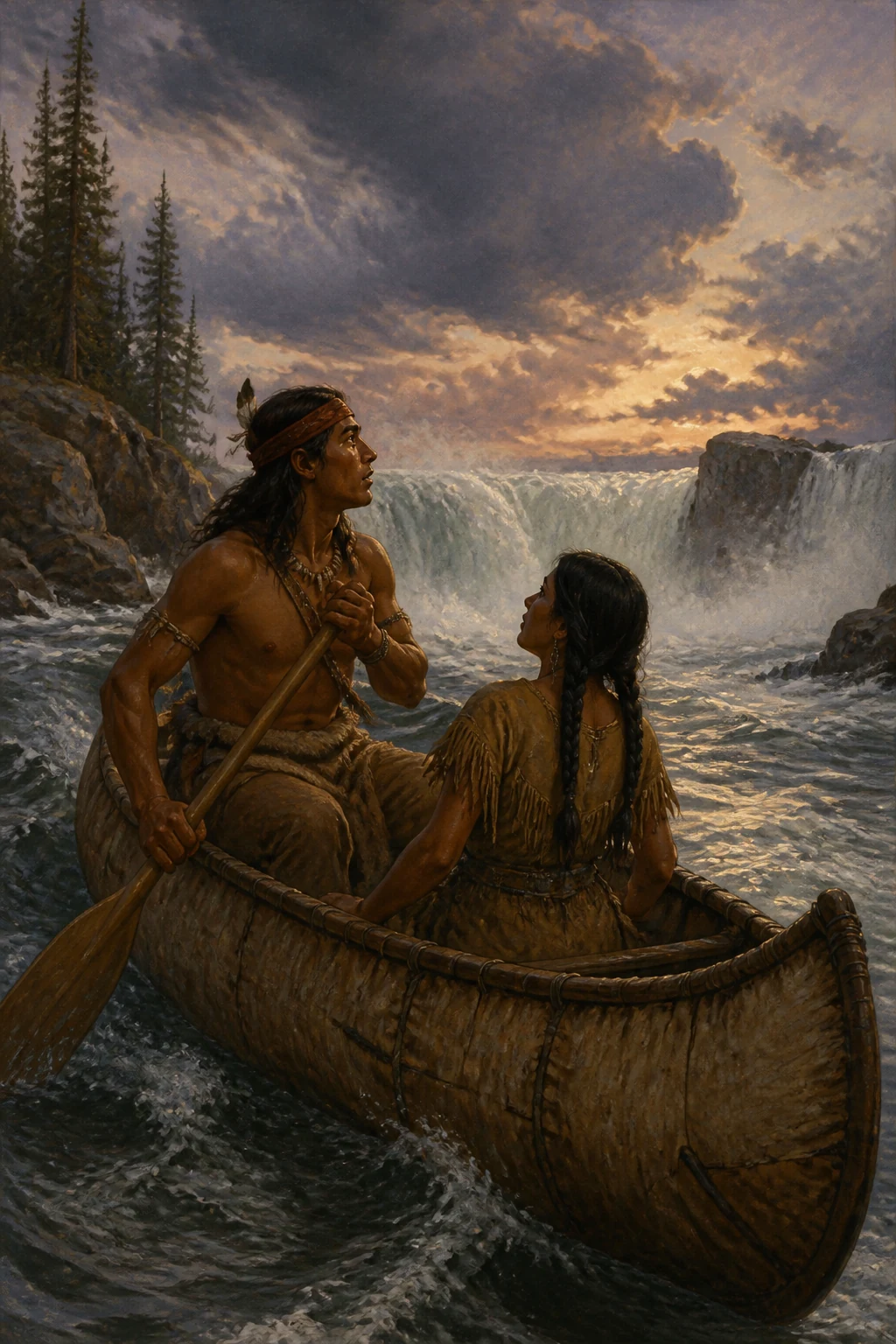
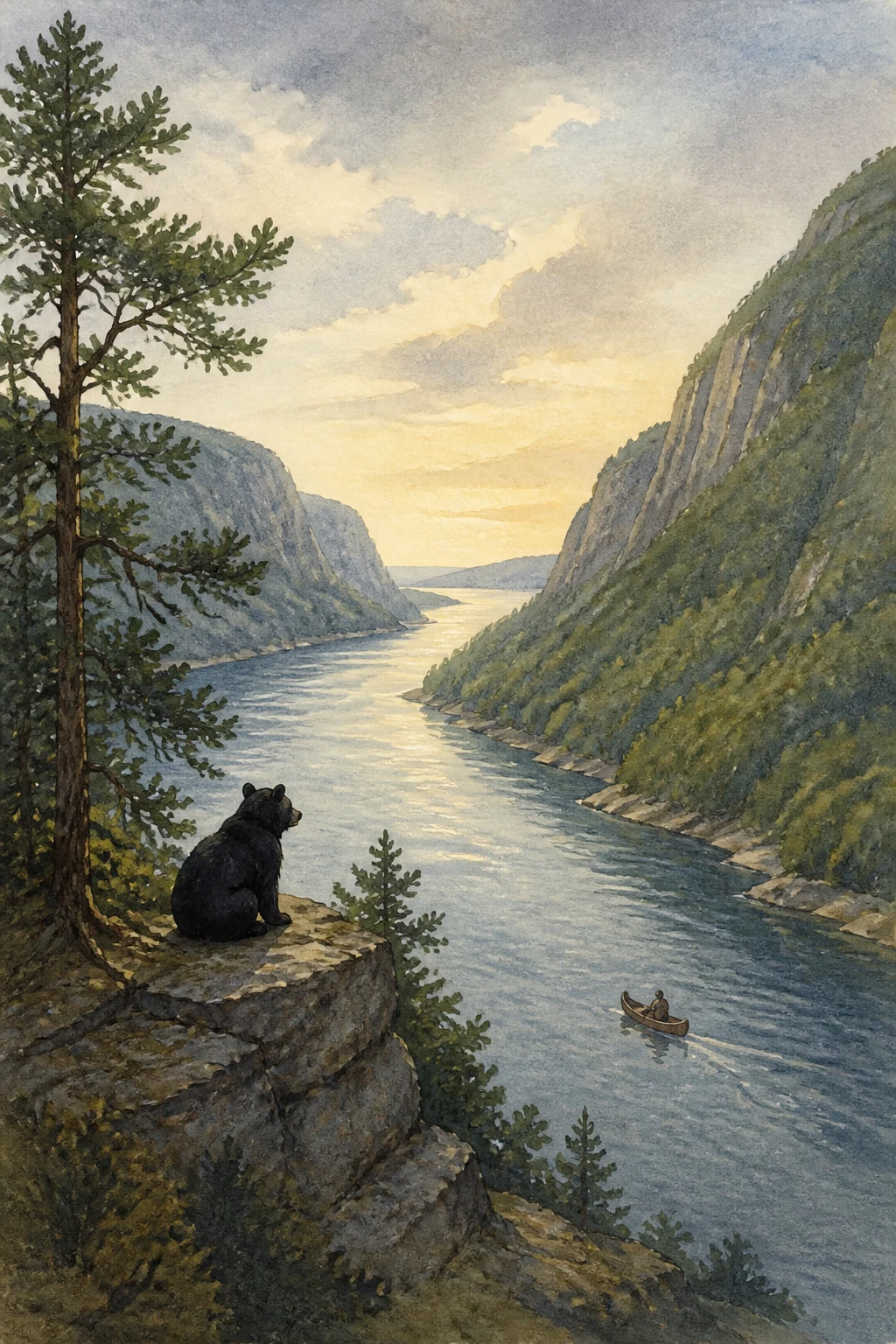
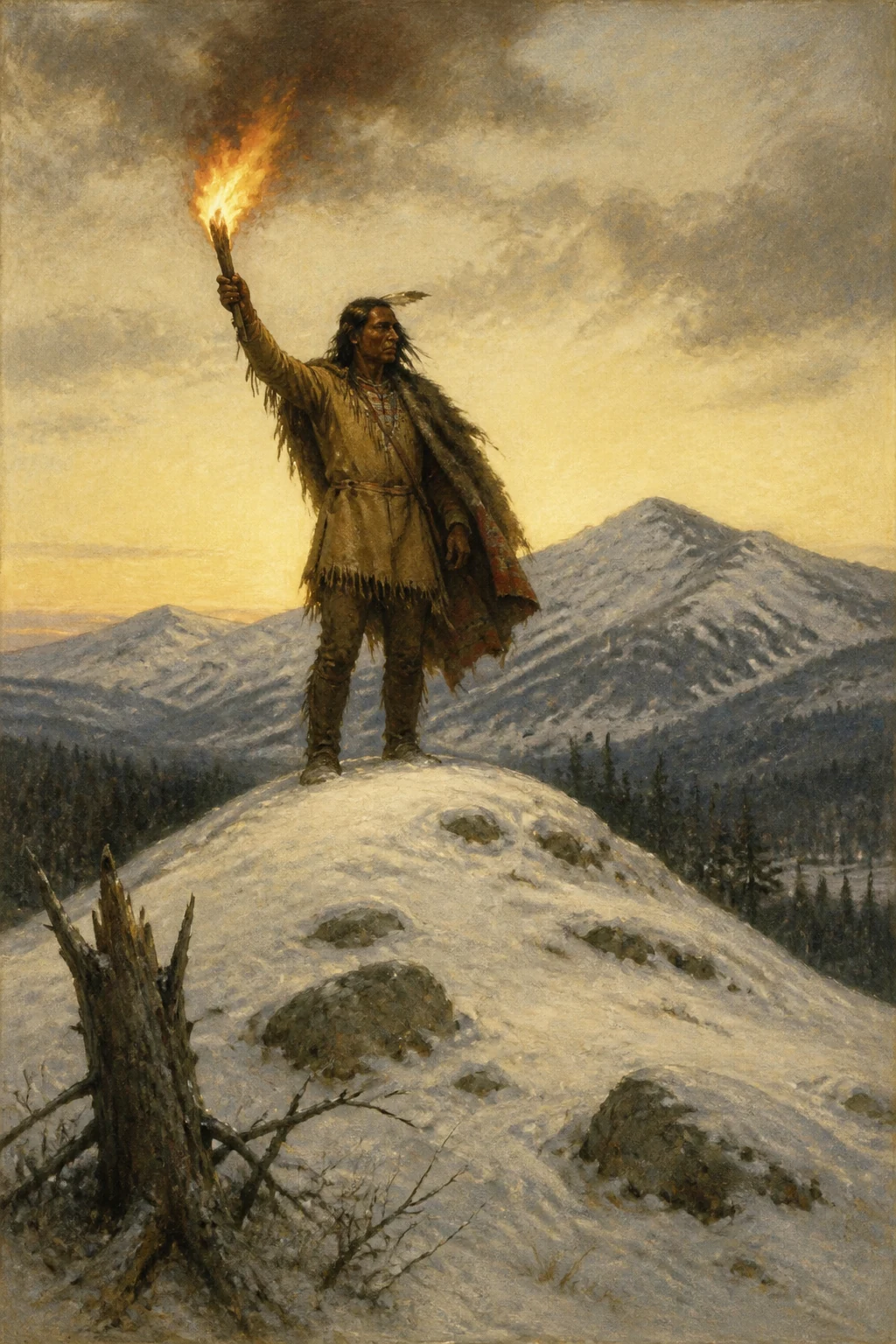
Podobna je zgodba o skoku zaljubljencev v soteskah Siouxov med Črnimi hribi Južne Dakote. Pri New Milfordu v Connecticutu vam pokažejo goro Falls Mountain s kamnito gomilo, ki jo je njegovo pleme leta 1735 postavilo poglavarju Waramaugu. Ta je želel biti pokopan tam, da bi se, kadar bi mu bilo v onstranstvu hladno in bi se počutil osamljenega, lahko vrnil v svoje telo ter premišljeval ob pogledu na lepo pokrajino, v kateri je tako užival. Ponoči je na robu gore utripala blodna luč in za kosme rosne meglice, ki so podnevi plavali iz gozda, so včasih menili, da so poglavarjev duh. Imel je hčer Lillinonah, katere zgodba je povezana s skokom zaljubljencev na strani gore, obrnjeni proti reki. V tabor je pripeljala belca, ki je bolan in šibak taval ob Housatonicu ter zaman iskal pot iz divjine. Kljub mrkim pogledom, namenjenim njemu in njej, ji je uspelo, da je za tisto poletje postal član plemena. Ob njeni skrbi si je opomogel, postal srečen in se zaljubil. Jeseni ji je rekel: »Rad bi videl svoje ljudi, in ko jih obiščem, se vrnem k tebi in bova mož in žena.« S težkim srcem sta se poslovila in zima je za dekle minevala s svinčenimi koraki. S pomladjo je prišlo upanje. Steze so bile prehodne in vsak dan je čakala svojega belega ljubega. Poletje je prišlo in minilo in znova je bila tu jesen. Dekle je postalo bledo in žalostno, stari Waramaug pa je rekel mlademu Orlovemu peresu, ki jo je že več let nežno pogledoval: »Dekle hirà od samote. Poročil se boš z njo.« To ji povedo in tistega večera se skrivaj odpravi k reki, stopi v kanu, odvrže veslo ter se prepusti toku. Čoln sprva drsi počasi, nato pa vse hitreje, ko ga začnejo vleči brzice; toda nad hripavim hrumenjem vode zasliši pesem, zapeto z glasom, ki ga pozna — veseli napev lahkega srca. Veje pri skoku zaljubljencev se razmaknejo in njen ljubljeni pogleda navzdol proti njej. Veseli pogled ob snidenju se spremeni v grozo, saj je čoln ujet v tok. Dekle vstane in v obupani prošnji iztegne roke proti njemu. Življenje, za vsako ceno! On s krikom skoči v deročo vodo, ko kanu drsi mimo. Čoln trešči ob skalo in Lillinonah vrže iz njega. Ljubljeni jo doseže. Slapovi jima rjovijo v ušesih. Še zadnjič se objameta in dve življenji ugasneta v vse gostejšem mraku.
Izvirnik
265 Lovers' Leaps
Naslednje strani prikazujejo izvirno besedilo za primerjavo.
So few States in this country--and so few countries, if it comes to that--are without a lover's leap that the very name has come to be a by-word. In most of these places the disappointed ones seem to have gone to elaborate and unusual pains to commit suicide, neglecting many easy and equally appropriate methods. But while in some cases the legend has been made to fit the place, there is no doubt that in many instances the story antedated the arrival of the white men. The best known lovers' leaps are those on the upper Mississippi, on the French Broad, Jump Mountain, in Virginia, Jenny Jump Mountain, New Jersey, Mackinac, Michigan, Monument Mountain, Massachusetts, on the Wissahickon, near Philadelphia, Muscatine, Iowa, and Lefferts Height. There are many other declivities,--also, that are scenes of leaps and adventures, such as the Fawn's Leap, in Kaaterskill Clove; Rogers's Rock, on Lake George; the rocks in Long Narrows, on the Juniata, where the ghost of Captain Jack, “the wild hunter” of colonial days, still ranges; Campbell's Ledge, Pittston, Pennsylvania, where its name-giver jumped off to escape Indians; and Peabody's leap, of thirty feet, on Lake Champlain, where Tim Peabody, a scout, escaped after killing a number of savages.
At Jump Mountain, near Lexington, Virginia, an Indian couple sprang off because there were insuperable bars to their marriage.
At the rock on the Wissahickon a girl sought death because her lover was untrue to her.
At Muscatine the cause of a maid's demise and that of her lover was the severity of her father, who forbade the match because there was no war in which the young man could prove his courage.
At Lefferts Height a girl stopped her recreant lover as he was on his way to see her rival, and urging his horse to the edge of the bluff she leaped with him into the air.
Monument Mountain, a picturesque height in the Berkshires, is faced on its western side by a tall precipice, from which a girl flung herself because the laws of her tribe forbade her marriage with a cousin to whom she had plighted troth. She was buried where her body was found, and each Indian as he passed the spot laid a stone on her grave--thus, in time, forming a monument.
“Purgatory,” the chasm at Newport, Rhode Island, through which the sea booms loudly after a storm, was a scene of self-sacrifice to a hopeless love on the part of an Indian pair in a later century, though there is an older tradition of the seizure of a guilty squaw, by no less a person than the devil himself, who flung her from the cliff and dragged her soul away as it left her body. His hoof-marks were formerly visible on the rocks.
At Hot Springs, North Carolina, two conspicuous cliffs are pointed out on the right bank of the French Broad River: Paint Rock--where the aborigines used to get ochre to smear their faces, and which they decorated with hieroglyphics--and Lover's Leap. It is claimed that the latter is the first in this country known to bear this sentimental and tragically suggestive title. There are two traditions concerning it, one being that an Indian girl was discovered at its top by hostiles who drove her into the gulf below, the other relating to the wish of an Indian to marry a girl of a tribe with which his own had been immemorially at war. The match was opposed on both sides, so, instead of doing as most Indians and some white men would do nowadays--marry the girl and let reconciliation come in time,--he scaled the rock in her company and leaped with her into the stream. They awoke as man and wife in the happy hunting-ground.
In 1700 there lived in the village of Keoxa, below Frontenac, Minnesota, on the Mississippi River, a Dakota girl named Winona (the First Born), who was loved by a hunter in her tribe, and loved him in return. Her friends commended to her affections a young chief who had valiantly defended the village against an attack of hostiles, but Juliet would none of this dusky Count de Paris, adhering faithfully to her Romeo. Unable to move her by argument, her family at length drove her lover away, and used other harsh measures to force her into a repugnant union, but she replied, “You are driving me to despair. I do not love this chief, and cannot live with him. You are my father, my brothers, my relatives, yet you drive from me the only man with whom I wish to be united. Alone he ranges through the forest, with no one to build his lodge, none to spread his blanket, none to wait on him. Soon you will have neither daughter, sister, nor relative to torment with false professions.” Blazing with anger at this unsubmissive speech, her father declared that she should marry the chief on that very day, but while the festival was in preparation she stole to the top of the crag that has since been known as Maiden's Rock, and there, four hundred feet above the heads of the people, upbraided those who had formerly professed regard for her. Then she began her death-song. Some of the men tried to scale the cliff and avert the tragedy that it was evident would shortly be enacted, and her father, his displeasure forgotten in an agony of apprehension, called to her that he would no longer oppose her choice. She gave no heed to their appeals, but, when the song was finished, walked to the edge of the rock, leaped out, and rolled lifeless at the feet of her people.
When we say that the real name of Lover's Leap in Mackinac is Mechenemockenungoqua, we trust that it will not be repeated. It has its legend, however, as well as its name, for an Ojibway girl stood on this spire of rock, watching for her lover after a battle had been fought and her people were returning. Eagerly she scanned the faces of the braves as their war-canoes swept by, but the face she looked for was not among them. Her lover was at that moment tied to a tree, with an arrow in his heart. As she looked at the boats a vision of his fate revealed itself, and the dead man, floating toward her, beckoned. Her death-song sounded in the ears of the men, but before they could reach her she had gone swiftly to the verge, her hands extended, her eyes on vacancy, and her spirit had met her lover's.
From this very rock, in olden time, leaped the red Eve when the red Adam had been driven away by a devil who had fallen in love with her. Adam, who was paddling by the shore, saw she was about to fall, rushed forward, caught her, and saved her life. The law of gravitation in those days did not act with such distressing promptitude as now. Manitou, hearing of these doings, restored them to the island and banished the devil, who fell to a world of evil spirits underground, where he became the father of the white race, and has ever since persecuted the Indians by proxy.
On the same island of Mackinac the English had a fort, the garrison of which was massacred in 1763. A sole survivor--a young officer named Robinson--owed his life to a pretty half-breed who gave him hiding in a secluded wigwam. As the spot assured him of safety, and the girl was his only companion, they lived together as man and wife, rather happily, for several years. When the fort had been built again, Robinson re-entered the service, and appeared at head-quarters with a wife of his own color. His Indian consort showed no jealousy. On the contrary, she consented to live apart in a little house belonging to the station, on the cliff, called Robinson's Folly. She did ask her lover to go there and sit with her for an hour before they separated forever, and he granted this request. While they stood at the edge of the rock she embraced him; then, stepping back, with her arms still around his neck, she fell from the cliff, dragging him with her, and both were killed. The edge of the rock fell shortly after, carrying the house with it.
Matiwana, daughter of the chief of the Omahas, whose village was near the mouth of Omaha Creek, married a faithless trader from St. Louis, who had one wife already, and who returned to her, after an absence among his own people, with a third, a woman of his own color. He coldly repelled the Indian woman, though he promised to send her boy--and his--to the settlements to be educated. She turned away with only a look, and a few days later was found dead at the foot of a bluff near her home.
White Rocks, one hundred and fifty feet above Cheat River, in Fayette County, Pennsylvania, were the favorite tryst of a handsome girl, the daughter of a well-to-do farmer of that region, and a dashing fellow who had gone into that country to hunt. They had many happy days there on the hill together, but after making arrangements for the wedding they quarrelled, nobody knew for what. One evening they met by accident on the rocks, and appeared to be in formal talk when night came on and they could no longer be seen. The girl did not return, and her father set off with a search party to look for her. They found her, dead and mangled, at the foot of the rocks. Her lover, in a fit of impatience, had pushed her and she had staggered and fallen over. He fled at once, and, under a changed name and changed appearance, eluded pursuit. When the War of the Rebellion broke out, he entered the army and fought recklessly, for by that time he had tired of life and hoped to die. But it was of no use. He was only made captain for a bravery that he was not conscious of showing, and the old remorse still preyed on him. It was after the war that something took him back to Fayette County, and on a pleasant day he climbed the rocks to take a last look at the scenes that had been brightened by love and saddened by regret. He had not been long on its summit when an irresistible impulse came upon him to leap down where the girl had fallen, and atone with his own blood for the shedding of hers. He gave way to this prompting, and the fall was fatal.
Some years before the outbreak of the Civil War a man with his wife and daughter took up their residence in a log cabin at the foot of Sunrise Rock, near Chattanooga, Tennessee. It seemed probable that they had known better days, for the head of the household was notoriously useless in the eyes of his neighbors, and was believed to get his living through “writin' or book-larnin',” but he was so quiet and gentle that they never upbraided him, and would sometimes, after making a call, wander into his garden and casually weed it for him for an hour or so. The girl, Stella, was a well-schooled, quick-witted, rosy-cheeked lass, whom all the shaggy, big-jointed farmer lads of the neighborhood regarded with hopeless admiration. A year or two after the settlement of the family it began to be noticed that she was losing color and had an anxious look, and when a friendly old farmer saw her talking in the lane with a lawyer from Chattanooga, who wore broadcloth and had a gold watch, he was puzzled that the “city chap” did not go home with her, but kissed his hand to her as he turned away. Afterward the farmer met the pair again, and while the girl smiled and said, “Howdy, Uncle Joe?” the lawyer turned away and looked down the river. It was the last time that a smile was seen on Stella's face. A few evenings later she was seen standing on Sunrise Rock, with her look bent on Chattanooga. The shadow of night crept up the cliff until only her figure stood in sunlight, with her hair like a golden halo about her face. At that moment came on the wind the sound of bells-wedding-bells. Pressing her hands to her ears, the girl walked to the edge of the rock, and a few seconds later her lifeless form rolled through the bushes at its foot into the road. At her funeral the people came from far and near to offer sympathy to the mother, garbed in black, and the father, with his hair turned white, but the lawyer from Chattanooga was not there.
The name of Indian Maiden's Cliff--applied to a precipice that hangs above the wild ravine of Stony Clove, in the Catskills--commemorates the sequel to an elopement from her tribe of an Indian girl and her lover. The parents and relatives had opposed the match with that fatal fatuity that appears to be characteristic of story-book Indians, and as soon as word of her flight came to the village they set off in chase. While hurrying through the tangled wood the young couple were separated and the girl found herself on the edge of the cliff. Farther advance was impossible. Her pursuers were close behind. She must yield or die. She chose not to yield, and, with a despairing cry, flung herself into the shadows.
Similar to this is the tale of Lover's Leap in the dells of the Sioux, among the Black Hills of South Dakota.
At New Milford, Connecticut, they show you Falls Mountain, with the cairn erected by his tribe in 1735 to chief Waramaug, who wished to be buried there, so that, when he was cold and lonely in the other life, he could return to his body and muse on the lovely landscape that he so enjoyed. The will-o'-the-wisp flickered on the mountain's edge at night, and flecks of dew-vapor that floated from the wood by day were sometimes thought to be the spirit of the chief. He had a daughter, Lillinonah, whose story is related to Lover's Leap, on the riverward side of the mountain. She had led to the camp a white man, who had been wandering beside the Housatonic, ill and weak, vainly seeking a way out of the wilderness, and, in spite of the dark looks that were cast at him and her, she succeeded in making him, for that summer, a member of the tribe. As the man grew strong with her care he grew happy and he fell in love. In the autumn he said to her, “I wish to see my people, and when I have done so I will come back to you and we shall be man and wife.” They parted regretfully and the winter passed for the girl on leaden feet. With spring came hope. The trails were open, and daily she watched for her white lover. The summer came and went, and the autumn was there again. She had grown pale and sad, and old Waramaug said to young Eagle Feather, who had looked softly on her for many years, “The girl sickens in loneliness. You shall wed her.” This is repeated to her, and that evening she slips away to the river, enters a canoe, casts away the paddle, and drifts down the stream. Slowly, at first, but faster and faster, as the rapids begin to draw it, skims the boat, but above the hoarse brawling of the waters she hears a song in a voice that she knows--the merry troll of a light heart. The branches part at Lover's Leap and her lover looks down upon her. The joyous glance of recognition changes to a look of horror, for the boat is caught. The girl rises and holds her arms toward him in agonized appeal. Life, at any cost! He, with a cry, leaps into the flood as the canoe is passing. It lurches against a rock and Lillinonah is thrown out. He reaches her. The falls bellow in their ears. They take a last embrace, and two lives go out in the growing darkness.
Nadaljuj z branjem