Waltey
Odhod meniha Ninkaija v Čisto deželo
Uji Shūi Monogatari · anonimna srednjeveška zbirkaO besedilu
Odhod meniha Ninkaija v Čisto deželo
- Vir
- Uji Shūi Monogatari
- Avtor
- anonimna srednjeveška zbirka
- Jezik branja
- English
- Jezik izvirnika
- 日本語
- Čas branja
- 4 min branja
- Obseg
- 3 strani
- Naslov izvirnika
- 194 仁戒上人往生事
O izvirniku
Uji Shūi Monogatari
Srednjeveške japonske pripovedi o menihih, duhovih, čudežih, prevarah in vsakdanjih presenečenjih. Bralni jezik je English, izvirnik pa prihaja iz vira Uji Shūi Monogatari v jeziku 日本語.
Besedilo
Odhod meniha Ninkaija v Čisto deželo
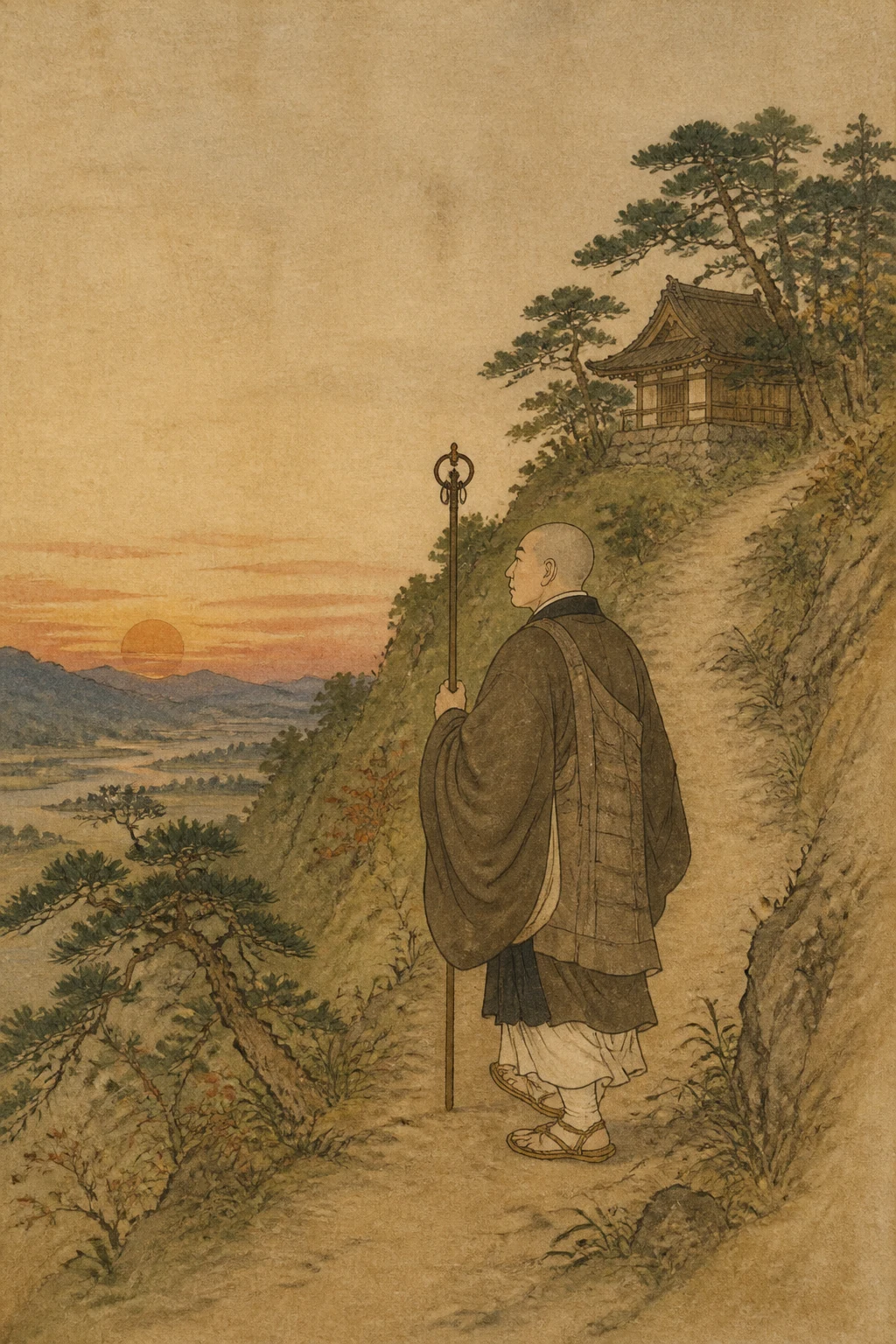
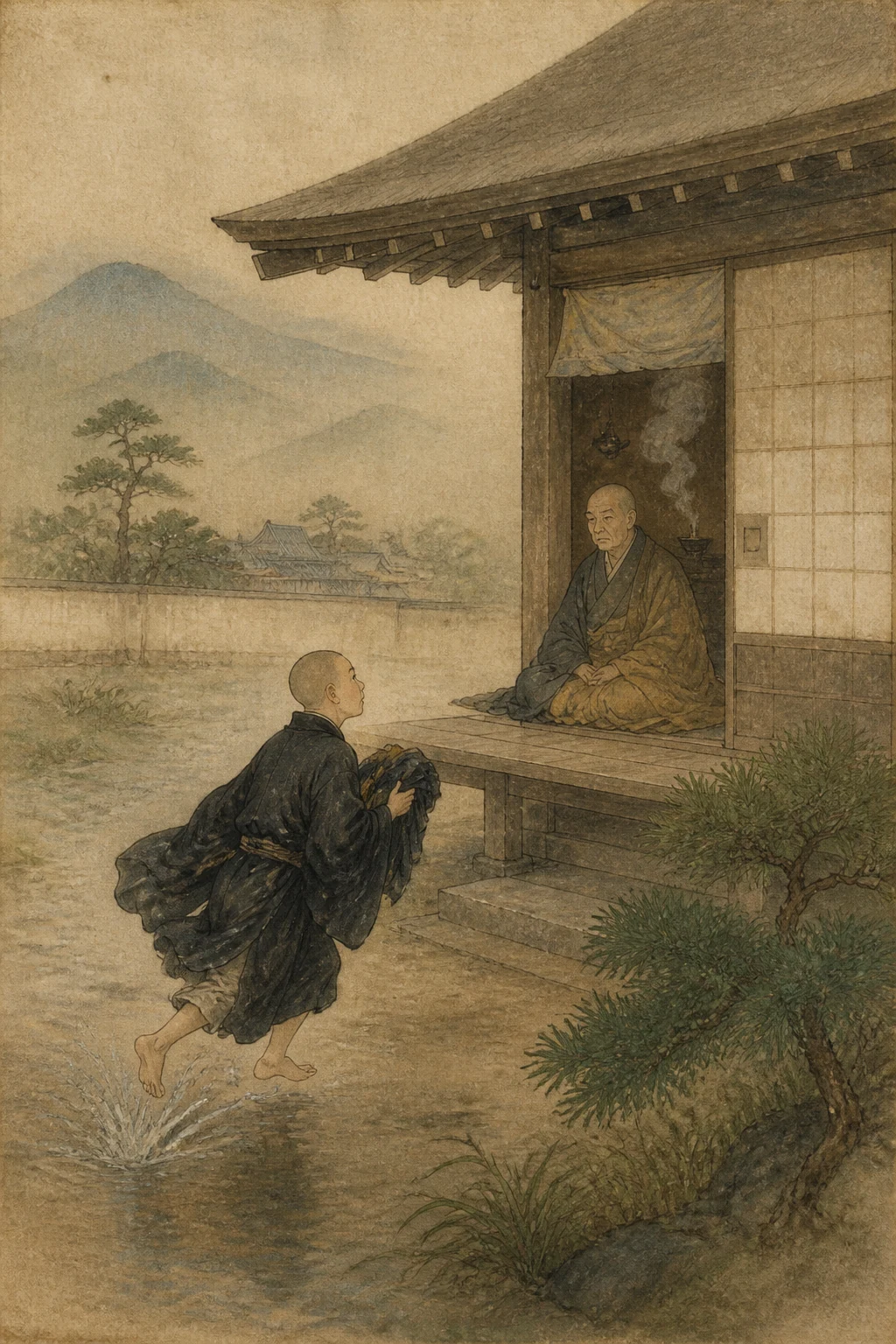
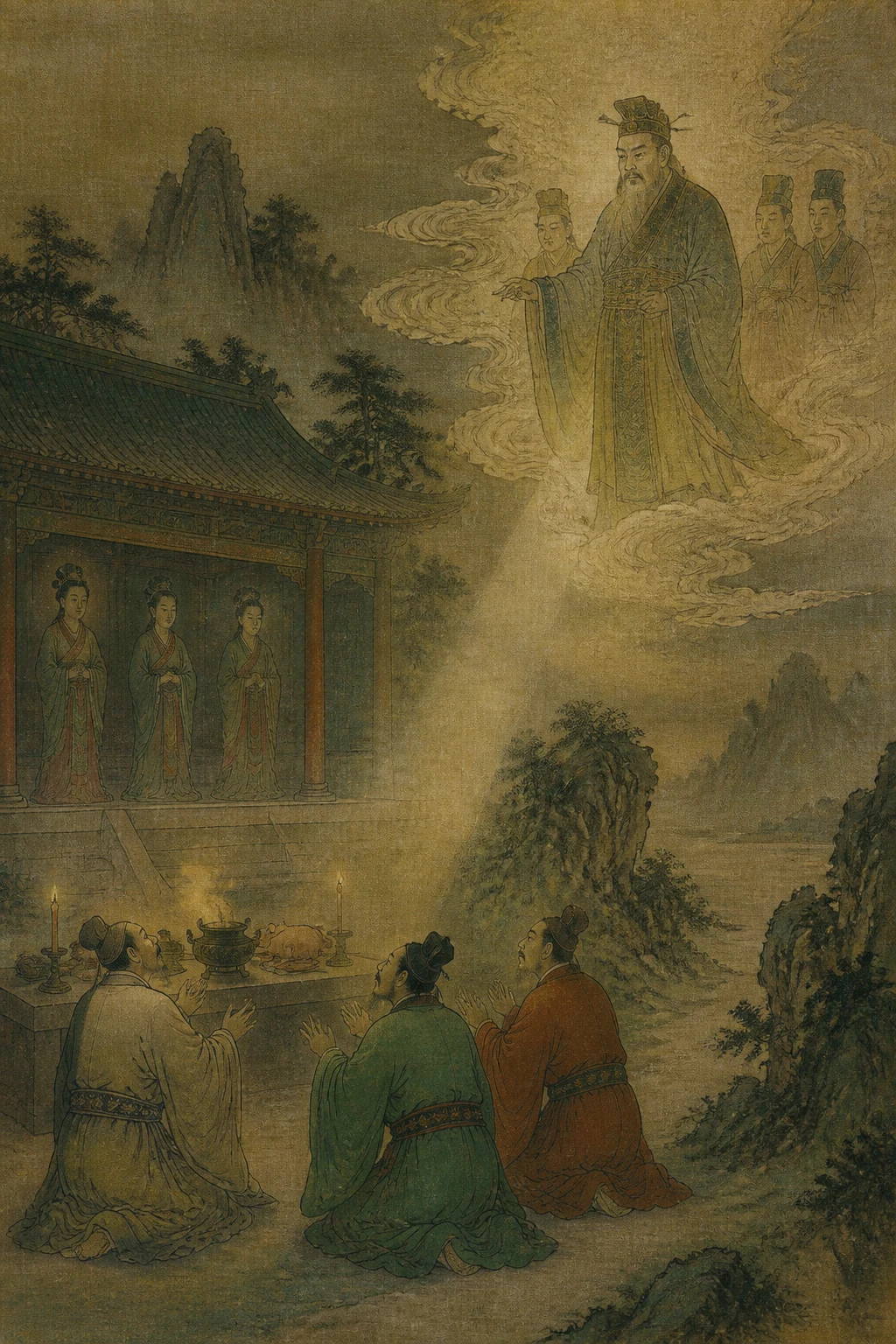
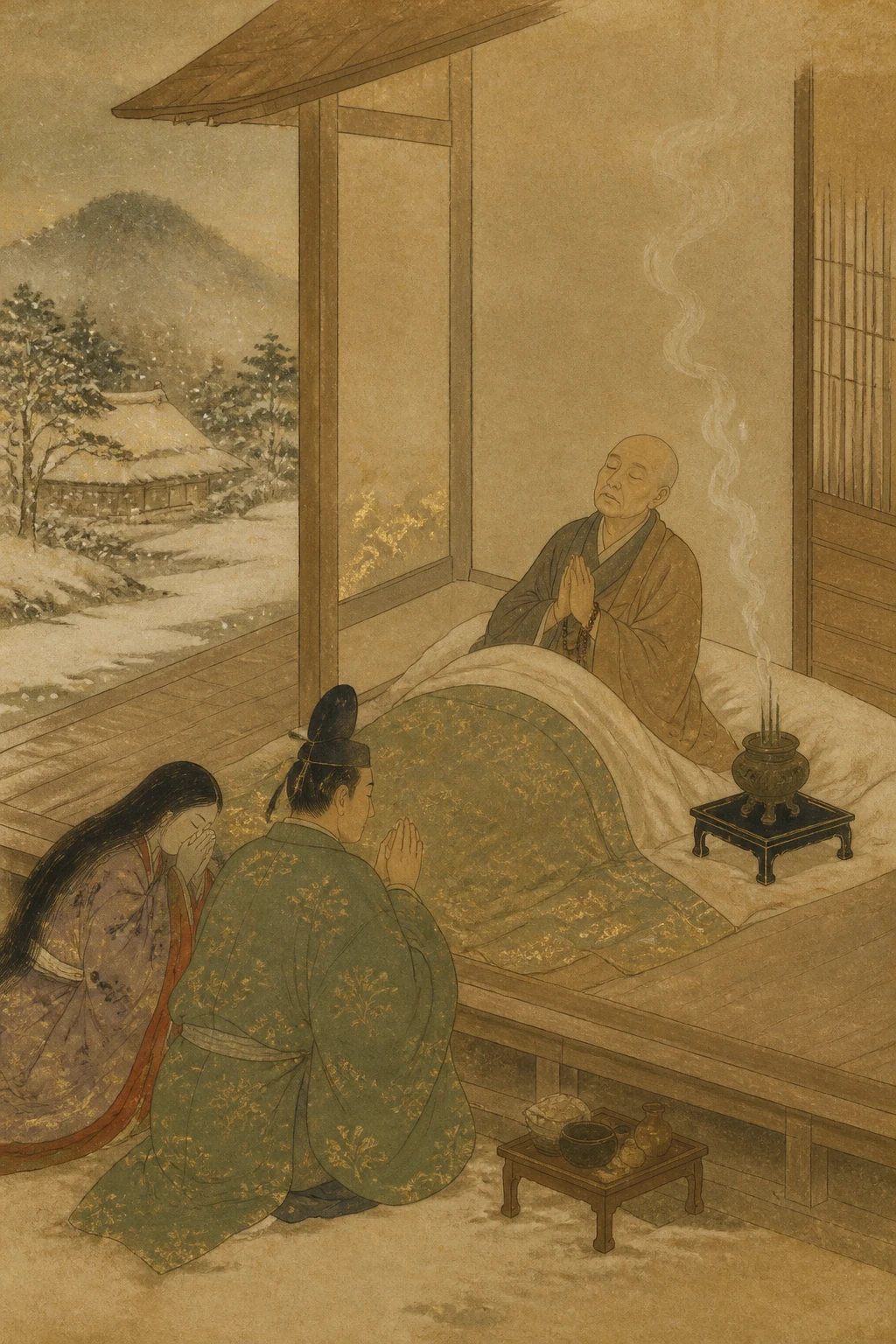
In talent and learning he had no equal within the temple. Then, suddenly, he conceived a longing to devote himself to the Way and sought to leave, but Kōshō, the senior prelate who was then the temple’s superintendent, was deeply loath to lose him and would not let him go. At his wits’ end, he took as his wife the daughter of someone in the village to the west and began visiting her, until people gradually started whispering. To make the matter known to everyone, he stood behind the woman at the gate of her house with his arms about her neck. Those who passed by were appalled and bitterly disappointed. His purpose was to make people think he had become a worthless fellow. Yet, although he lived with this wife, he never once lay with her. He would enter the worship hall and spend the whole night without sleep, shedding tears as he practiced his devotions. When the superintendent heard of this, he revered him all the more and summoned him back. Again at his wits’ end, the monk fled and became the son-in-law of the district governor of Katsuge. He deliberately refrained even from carrying prayer beads, but in his heart his devotion to the Way grew ever firmer. Now the district governor of Soejimo took notice of this holy man and came to revere him deeply. As the holy man wandered from place to place without a settled dwelling, the governor followed him, providing food, clothing, baths, and whatever else he needed. The holy man wondered why the governor and his wife attended him so faithfully, and asked what moved them to do so. The governor replied, “What reason could there be? I serve you in this way simply because I hold you in reverence. There is, however, one thing I have wished to ask.” “What is it?” the holy man asked. “How might I be with you at the hour of your death?” The holy man answered, as though the matter lay entirely within his power, “That will be very easy indeed.” The governor rubbed his hands together in delight. Years passed. One winter day, as snow was falling, the holy man arrived at the governor’s house toward evening. The governor was delighted, and, as was their custom, he and his wife prepared the food with their own hands rather than leaving it to the servants, and served it to him. After bathing, the holy man lay down to sleep. Before dawn, the governor and his wife rose early again and began preparing a variety of dishes. An exquisite fragrance arose from the place where the holy man lay, filling the entire house. They thought he must be burning some fine incense. Although he had said that he would leave early, before dawn, he did not rise even when daylight came. The governor said to his disciple, “His gruel is ready. Go and tell him.” But the disciple replied, “The holy man has a fierce temper. If I speak at the wrong moment, he may strike me. He will surely rise soon,” and remained where he was. In time the sun came up. Thinking it strange, since he never ordinarily slept so late, they approached and called to him, but there was no sound. When they drew back his covering, they found that he had already died, seated upright facing west, his palms joined in prayer. Their astonishment knew no bounds. The governor and his wife, together with the disciple and the others, wept in grief, even as they bowed before him in reverence. They understood then that the fragrance before dawn had marked the coming of his escort from the Pure Land. “It was because I asked to be with him at the end that he came here,” the governor said, and, weeping, he saw to the funeral arrangements.
Izvirnik
194 仁戒上人往生事
Naslednje strani prikazujejo izvirno besedilo za primerjavo.
これも今はむかし南京に仁戒上人といふ人ありけり山階寺の僧
なり才学寺中にならふ輩なし然に俄に道心をおこして寺を出んとしけるにその時の別当興正僧都いみしう惜みて制しととめて出し給はすしわひて西の里なる人の女を妻にして通けれは人々やうやうささやきたちけり人にあまねくしらせんとて家の門に此女の頸にいたきつきてうしろに立そひたり行とをる人みてあさましかり心うかる事限なしいたつら物に成ぬと人にしらせんためなりさりなから此妻と相具しなから更に近つく事なし堂に入て夜もすから眠すして涙をおとして行ひけり此事を別当僧都聞て弥たうとみて喚よせけれはしわひて逃て葛下郷の郡司か聟に成にけり念珠なとをもわさと持すして只心中の道心は弥堅固に行けり爰に添下郡の郡司此上人に目をととめてふかくたうとみ思けれは跡も定めすありきける尻に立て衣食沐浴等をいとなみけり上人思やういかに思てこの郡司
夫妻はねん比に我を訪らんとてその心を尋けれは郡司答るやう何事か侍らんたた貴く思侍れはかやうに仕也但一事申さんと思事ありといふ何事そと問は御臨終の時いかにしてか値申へきといひけれは上人心にまかせたる事のやうにいとやすき事に有なんと答れは郡司手をすりて悦けりさて年比過て或冬雪ふりける日暮かたに上人郡司か家に来ぬ郡司喜て例の事なれは食物下人ともにもいとなませす夫婦手つからみつからしてめさせけり湯なとあみて伏ぬ暁は又郡司夫妻とくおきて食物種々にいとなむに上人の臥給へる方かうはしき事限なし匂一家に宛まり是は名香なと焼給なめりとおもふ暁はとく出んとの給つれとも夜明るまておき給はす郡司御粥いてきたり此由申せと御弟子にいへは腹あしくおはする上人なりあしく申て打れ申さん今おき給なんといひてゐたりさる程に日も出ぬれは例はかやうに久しくはね給
はぬにあやしと思てよりてをとなひけれとをとなしひきあけてみれは西に向端座合掌してはや死給へり浅増き事限なし郡司夫婦御弟子共なと悲泣みかつはたうとみおかみけり暁かうはしかりつるは極楽の迎なりけりと思あはすおはりにあひ申さんと申しかはここに来給てけるにこそと郡司泣々葬送の事もとりさたしけるとなん
Nadaljuj z branjem