Prevod
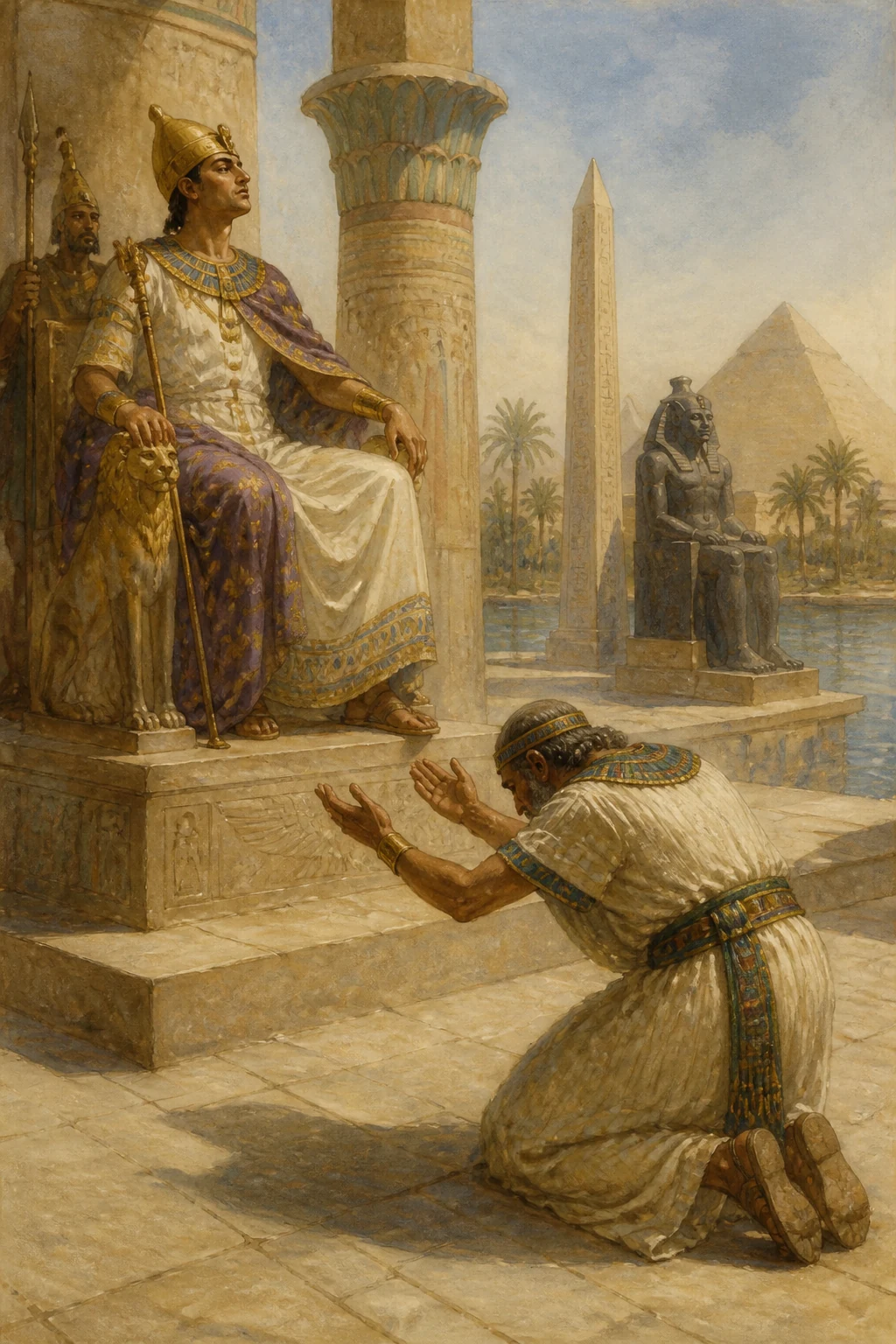
A man who had received a friend’s money for safekeeping intended to keep it for himself. When his friend challenged him to swear an oath, he grew uneasy and set off for the countryside. At the city gates he saw a lame man coming out and asked him who he was and where he was going. The stranger said that he was Oath and was on his way to punish the impious. The man then asked how often he visited the cities. “Once every forty years,” he replied, “or sometimes every thirty.” Without further hesitation, the man swore the very next day that he had never received the money. But he soon encountered Oath, who began leading him away to a precipice. The man reproached him: though he had said that he came only once every thirty years, he had not granted him even a single day’s respite. Oath replied, “You should know that whenever someone means to offend me, I am in the habit of coming that very day.” The fable shows that there is no fixed time for divine punishment to fall upon the impious.