Waltey
Močicune in potegavščina z ribami
Uji Shūi Monogatari · anonimna srednjeveška zbirkaO besedilu
Močicune in potegavščina z ribami
- Vir
- Uji Shūi Monogatari
- Avtor
- anonimna srednjeveška zbirka
- Jezik branja
- English
- Jezik izvirnika
- 日本語
- Čas branja
- 7 min branja
- Obseg
- 5 strani
- Naslov izvirnika
- 023 用経荒巻事
O izvirniku
Uji Shūi Monogatari
Srednjeveške japonske pripovedi o menihih, duhovih, čudežih, prevarah in vsakdanjih presenečenjih. Bralni jezik je English, izvirnik pa prihaja iz vira Uji Shūi Monogatari v jeziku 日本語.
Besedilo
Močicune in potegavščina z ribami
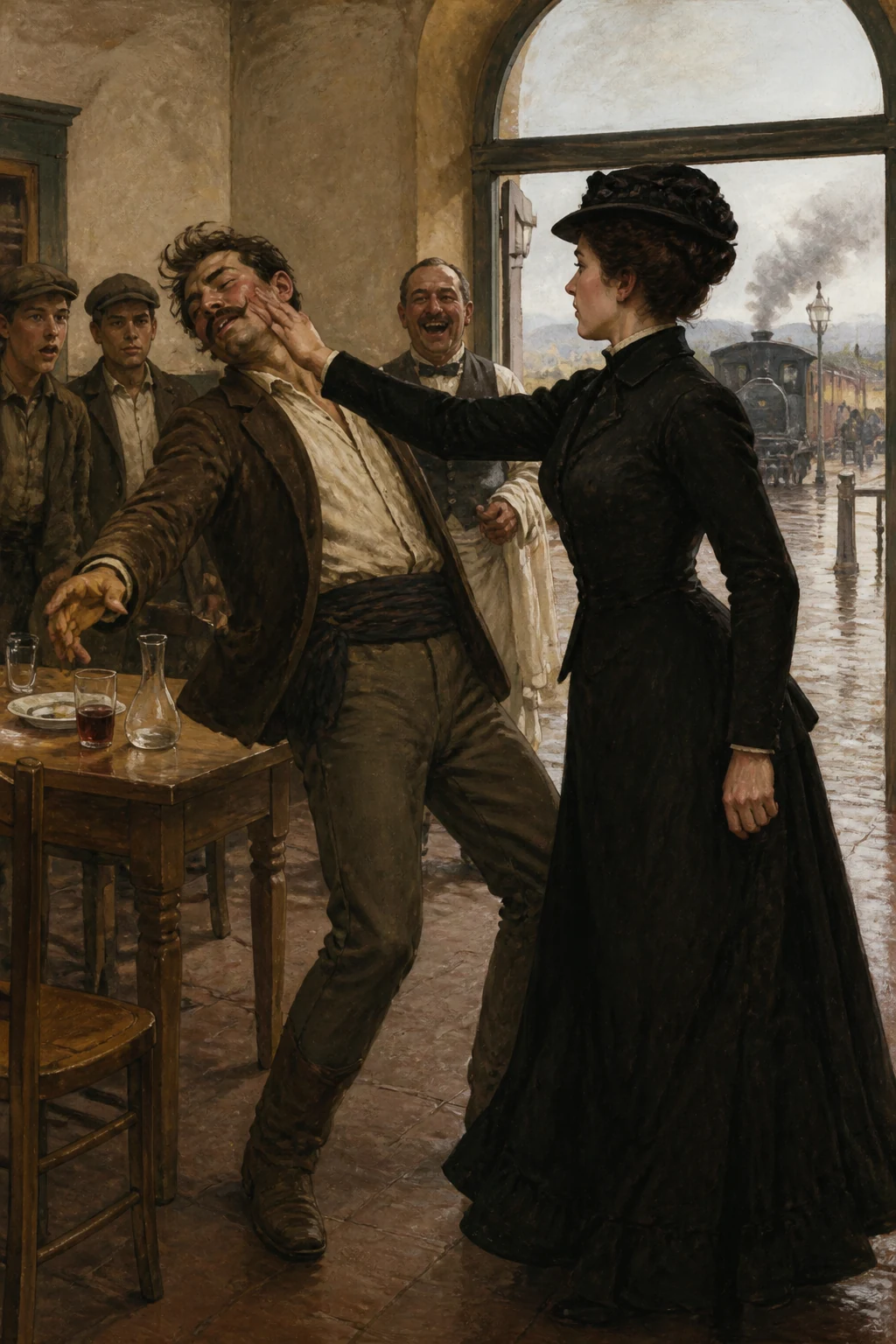
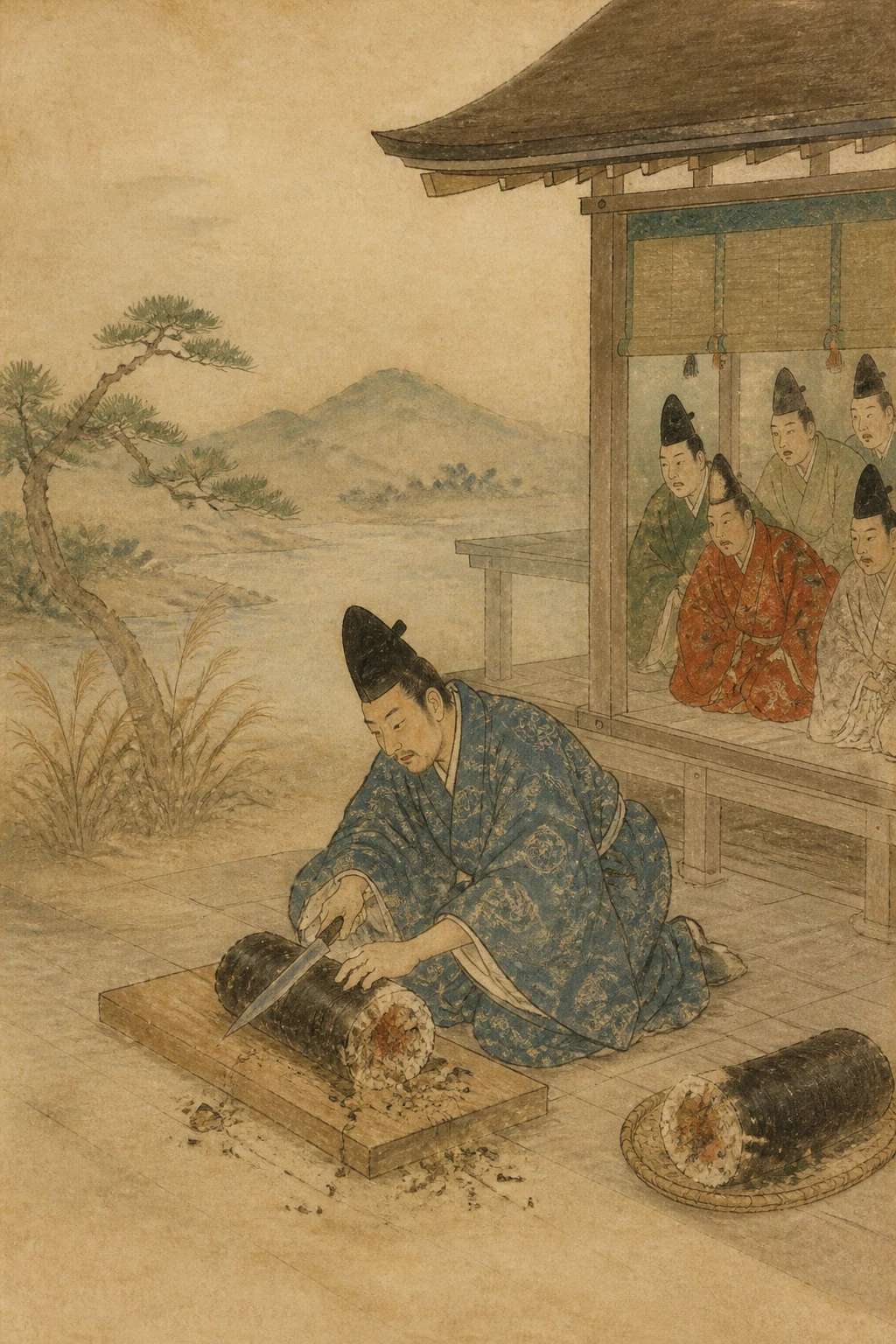
Long ago, there lived an elderly court noble who was Governor of the Left Capital. He was advanced in years and exceedingly old-fashioned, and he stayed shut up in his house in the lower part of the city, scarcely ever going out. Among the clerks in his office was a man named Ki no Mochitsune, who lived in Nagaoka. Being an official under the governor, he would sometimes pay him a visit. One day Mochitsune went to the residence of the Great Lord, and while he was sitting in the provisions office, a large quantity of sea bream wrapped in straw arrived as a gift from Yorichika, Governor of Awaji. Mochitsune begged two bundles from Yoshizumi, the keeper of the provisions, hung them from a beam, and told him, “I shall send someone to fetch these. Please hand them over when he comes.” His intention was to present them to the head of his own office and make a friendly call upon him. Leaving the bundles hanging from the beam, he went to the Governor of the Left Capital’s house. There he found the governor in the reception room with two or three guests, preparing to entertain them and having a fire kindled in an earthen brazier. Yet there was no particularly fine fish for the meal he meant to give them; carp and fowl seemed to be what he had on hand. Mochitsune said, “A servant of mine from the province of Settsu has just brought three straw-wrapped bundles of sea bream to my house. I tried one, and it was so indescribably delicious that I have kept the other two untouched. I came away in such haste, and with no servant at hand, that I could not bring them with me. Shall I send for them at once?” He spoke in a loud voice, looking immensely pleased with himself, straightening his sleeves and wiping the corners of his mouth as he raised himself on his knees and peered into the room. “With so little suitable food on hand, this is very welcome indeed,” said the governor. “Send for them at once.” The guests, too, joined in. “There seems to be nothing fit to eat. At this time of year, fowl tastes very poor”—for it was about the ninth month—“and carp is not yet in season. A good sea bream would be a splendid treat.” Mochitsune summoned the boy who had been holding his horse and whispered to him, “Tie the horse beside the gate and run straight to the Great Lord’s residence. Tell the keeper of the provisions, ‘Please let me have those straw-wrapped bundles that were left here.’ Bring them without a moment’s delay. Don’t go wandering off anywhere. Run as fast as you can.” Having sent him off, he called out loudly, “Wash a chopping board and bring it here!” Then he added, “I shall do the carving today.” He shaved a pair of carving chopsticks, drew his knife from its sheath, and made everything ready. “Oh, how long he is taking! Has he come yet?” he kept saying impatiently. While he sat grumbling at the delay, the boy returned with the two bundles tied to a branch. “What a clever boy! How good of you to run so fast!” Mochitsune praised him, took the bundles, and laid them on the chopping board. Then, with all the ceremony of a man about to carve a magnificent carp, he adjusted both sleeves, drew up and tied their cords, raised one knee and lowered the other, and settled himself into a most accomplished-looking pose. He sliced through the ropes binding the straw and pried the wrapping apart with his knife. Out tumbled a shower of things: low wooden clogs, old rags, worn-out straw sandals, old shoes—nothing but rubbish of that sort. Mochitsune was so appalled that he threw down both knife and chopsticks and fled before he could even get his shoes properly on. The governor and his guests sat dumbfounded, their eyes and mouths wide open. The attendants seated before them were equally aghast and exchanged glances; the expressions on their faces were a strange sight indeed. All pleasure in the food and wine was gone. One guest rose, then another, until every one of them had left. The Governor of the Left Capital said, “I knew this fellow was an unspeakable madman. Still, since I am the head of his office and he persisted in making himself familiar with me, I could hardly drive him away, though I did not welcome it. So I let him come. But what am I to do when he plays such a trick upon me? A bad man will show his nature even in the most trifling matter. How people will laugh at me when word of this gets about!” And he gazed up at the sky and lamented without end. Meanwhile, Mochitsune mounted his horse and galloped off to the Great Lord’s residence. Finding Yoshizumi, the keeper of the provisions, he reproached him so bitterly that he was nearly in tears. “If you begrudged me those sea bream, why could you not simply take them back? Why did you have to do such a thing as this?” “What are you talking about?” Yoshizumi replied. “After giving you the bundles, I went home for a little while. Before leaving, I told my man, ‘If someone comes from the Governor of the Left Capital’s house to fetch the straw-wrapped bundles, take them down and give them to the messenger.’ I have only just returned. When I saw that the bundles were gone, I asked what had become of them, and he said, ‘A messenger came, and I gave them to him as you instructed.’ So I merely supposed all had gone as it should. I know nothing of what happened.” “Then, though it can do no good now, summon the man you left your orders with and question him,” said Mochitsune. But when they tried to call the man, they found that he had gone away. One of the men who served the food spoke up. “I was sitting in our room and happened to hear him say, ‘What are those straw-wrapped bundles hanging from the beam? Who left them there? What are they for?’ Someone—I forget who it was—told him, ‘They belong to the clerk of the Left Capital Office.’ Then he said, ‘Oh, in that case there is nothing to worry about. I know what to do.’ He took them down, cut up all the sea bream for serving, and put worn-out sandals, low wooden clogs, and such things in their place. Then he hung the bundles back on the beam. That is what I heard.” At this, Mochitsune began shouting and cursing without restraint. Hearing the uproar, people came, but instead of pitying him, they roared with laughter. Utterly crestfallen, Mochitsune thought, “I have had quite enough of being laughed at like this,” and shut himself up in his house at Nagaoka. After that, they say, he could no longer bring himself to visit the Governor of the Left Capital’s house.
Izvirnik
023 用経荒巻事
Naslednje strani prikazujejo izvirno besedilo za primerjavo.
今は昔左京のかみなりけるふる上達部ありけり年老ていみしうふるめかしかりけりしもわたりなる家にありきもせてこもりゐたりけりそのつかさのさくわんにて紀用経といふ物有けり長岡に
なん住ける司の目なれはこのかみのもとにもなんおとつりける此用経大殿のもとにまいりてにゑ殿にゐたるほとに淡路守よりちかか鯛のあら巻をおほくたてまつりたりけるを贄殿にもてまいりたりにゑ殿のあつかりよしすみに二まき用経こひとりてま木にささけてをくとてよしすみにいふやうこれ人してとりたてまつらんおりにをこせ給へといひをく心のうちに思けるやうこれわか司のかみにたてまつりておとつりたてまつらんと思てこれをまきにささけて左京のかみのもとにいきてみれはかんの君いていにまら人二三人はかりきてあるしせんとてちくわらに火おこしなとして我もとにて物くはんとするにはかはかしき魚もなし鯉鳥なとようありけなりそれに用経か申やうもちつねかもとにこそ津の国なる下人の鯛のあらまき三もてまうてきたりつるを一まきたへ心み侍つるかえもいはすめてたくさふらひつれは今二まきはけかさてをきてさふらふいそきてまうてつるに下人の候はてもてまいり
候はさりつる也たたいまとりにつかはさんはいかにとこゑたかくしたりかほにそてをつくろいてくちわきかいのこひなとしてゐあかりのそきて申せはかみさるへき物のなきにいとよき事かなとくとりにやれとの給ふまら人とももくふへき物のさふらはさめるに九月斗の事なれは此比鳥のあちはひいとわろし鯉はまたいてこすよき鯛はきいの物也なといひあへり用経うまひかへたる童をよひとりて馬をは御門の腋につなきてたたいま走て大殿に参りて贄殿のあつかりのぬしにそのをきつるあら巻たたいまをこせ給へとささめきて時かはさすもてこほかによるなとくはしれとてやりつさてまな板あらひてもてまいれとこゑたかくいひてやかて用経けふの包丁は仕つらんと云てまなはしけつりさやなる刀ぬいてまうけつつあな久しいつらきぬやなと心もとなかりゐたりをそしをそしといひゐたる程にやりつる童木の枝にあらまき二ゆいつけてもてきたりいとかしこくあはれとふかこと走てまうてきたる童かなと
ほめてとりてまな板の上にうちおきてことことしく大鯉つくらんやうに左右の袖つくろひくくりひきゆひかたひさたていまかた膝ふせていみしくつきつきしくゐなしてあら巻のなはをふつふつとをしきりて刀して藁ををしひらくにほろほろと物ともこほれておつる物はひら足駄ふるひきれふるわらうつ古くつかやうの物のかきりあるに用経あきれて刀もまなはしもうちすてて沓もはきあへす逃ていぬ左京のかみも客人もあきれて目も口もあきてゐたり前なる侍とももあさましくて目をみかわしてゐなみたるかほともいとあやしけなり物くひ酒のみつるあそひもみなすさましく成てひとりたちふたりたちみな立ていぬさ京のかみいはくこのをのこをはかくえもいはぬものくるひとはしりたりつれとも司のかみとてきむつひつれはよしとは思はねとをうへき事もあらねはさとみてあるにかかるわさをしてはからんをはいかかすへき物あしき人ははかなき事につけてもかかる也いかに世の人
ききつたへてよのわらひくさにせんとすらんと空をあふきてなけき給事かきりなし用経は馬に乗てはせちらして殿に参てにゑ殿のあつかりよしすみにあひて此あらまきをはおしとおほさはおいらかにとり給てはあらてかかる事をしいて給へるとなきぬはかりにうらみののしる事かきりなしよしすみかいはくいかにの給事そあらまきはたてまつりて後あからさまにやとにまかりつとてをのかおのこにいふやう左京の守のぬしのもとから荒巻とりにをこせたらは取て使にとらせよといひをきてまかててたた今帰まいりてみるにあらまきなけれはいつちいぬるそととふにしかしかの御使ありつれはの給はせつるやうにとりてたてまつりつるといひつれはさにこそはあんなれとききてなん侍る事のやうをしらすといへはさらはかひなくともいひあつけつらん主をよひて問給へといへは男をよひてとはんとするにいてていにけり膳部なる男かいふやうをのれらかへやに入ゐてききつれはこのわかぬし
たちのまきにささけられたるあらまきこそあれこはたかおきたるそなんのれうそととひつれはたれにかありつらん左京のさくわんの主の也といひつれはさてはことにもあらすすへきやうありとてとりおろして鯛をはみなきりまいりてかはりにふるしりきれひらあしたなとをこそ入てまきにをかるときき侍つれとかたれは用経聞てしかりののしる事限なしこの声をききて人々いとおしとはいはて笑ののしる用経しわひてかくわらひののしられんほとはありかしとおもひて長岡の家にこもりゐたり其後左京のかみの家にもえいかすなりにけるとかや
Nadaljuj z branjem