Prevod
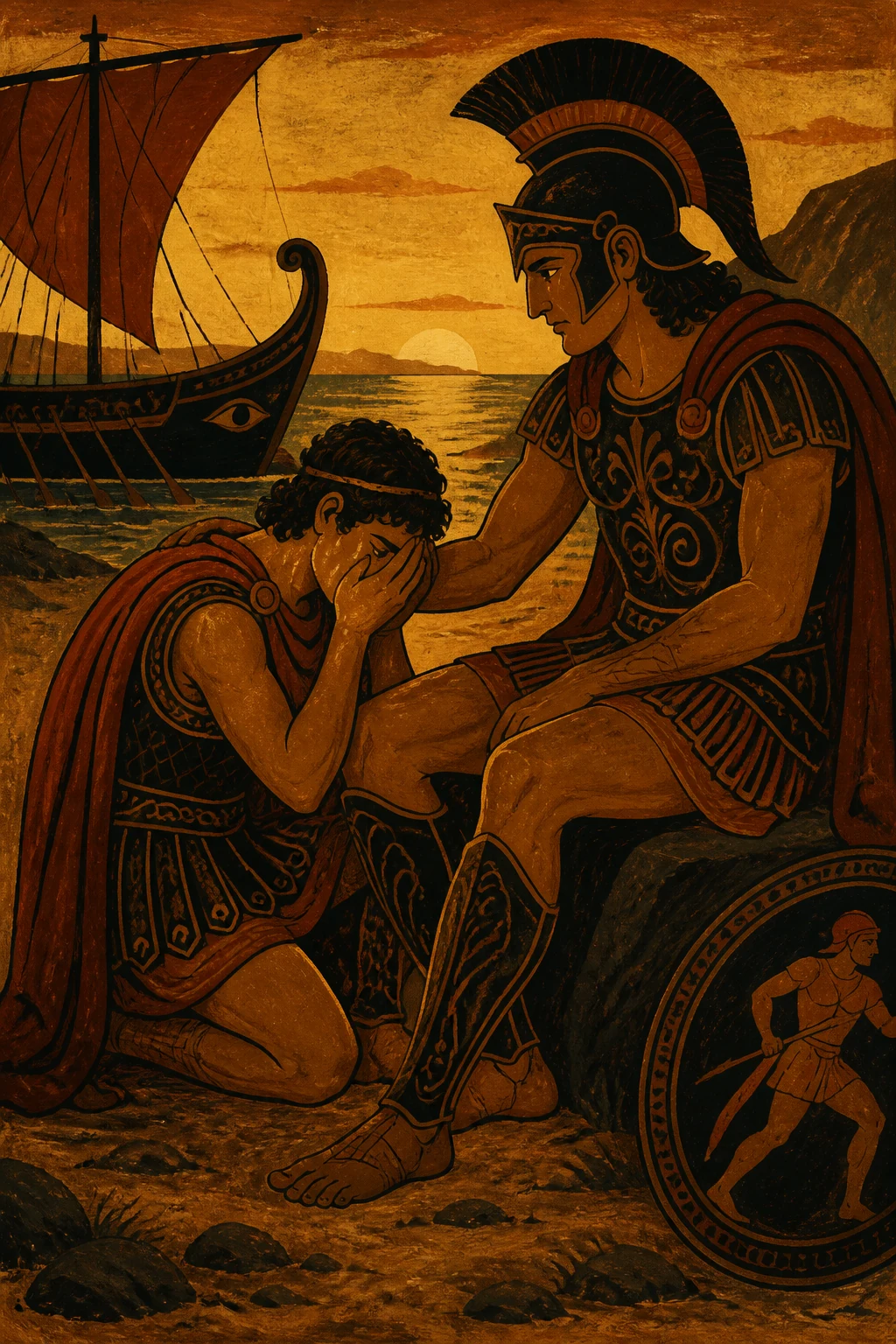
Aurora, though she had favored those same arms, had no time to grieve for the ruin and downfall of Troy and Hecuba. A nearer sorrow, a grief within her own house, tormented the goddess: the loss of Memnon, whom his saffron-robed mother had seen fall on the Phrygian plains beneath Achilles’ spear. She had seen him, and the blush that reddens the face of morning had faded to pallor, and heaven lay hidden in clouds.
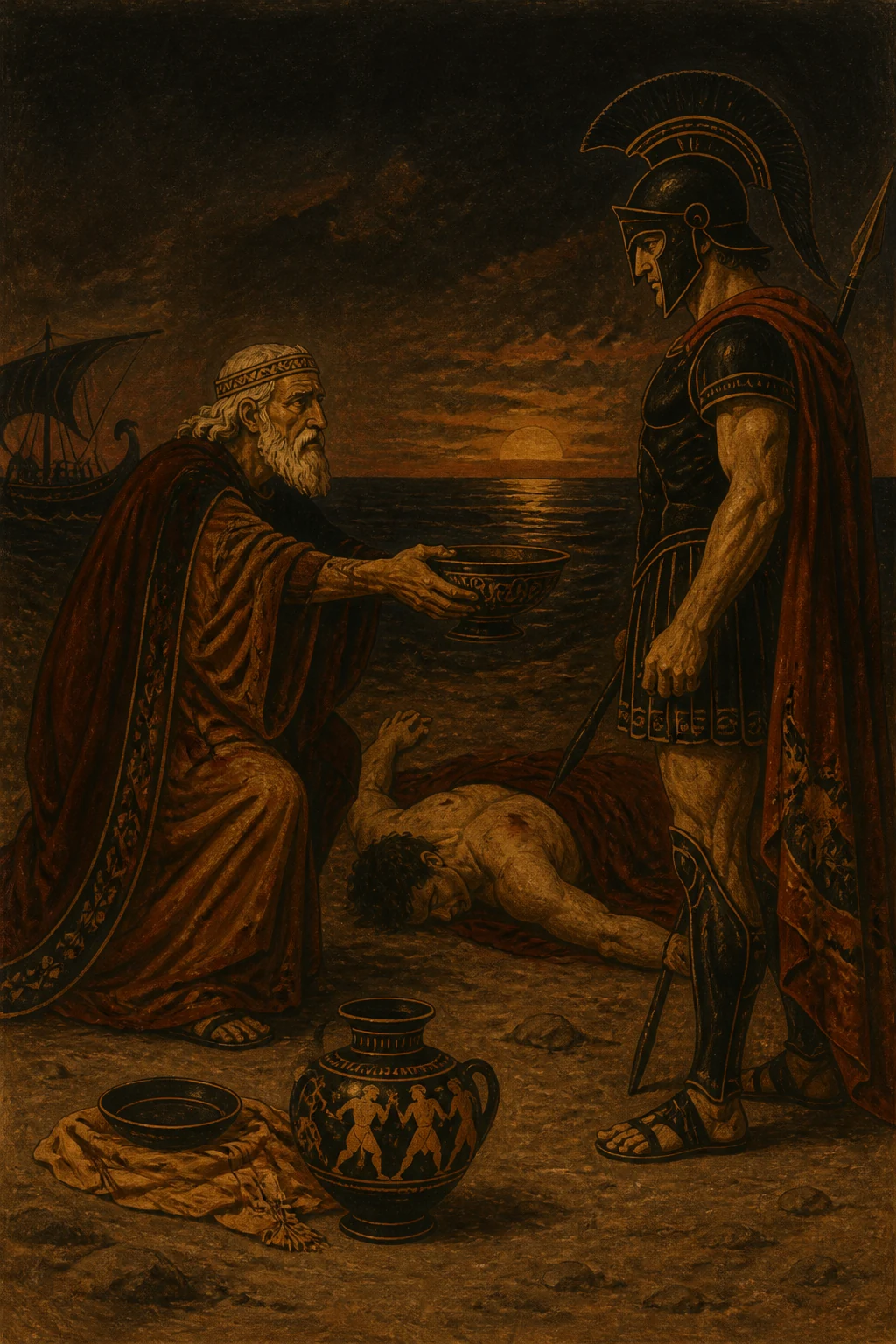
But his mother could not bear to watch his limbs laid upon the funeral fire. With her hair unbound, just as she was, she did not disdain to fall at the knees of mighty Jupiter and add these words to her tears: “Though I am the least of all the goddesses beneath the golden heavens (for my temples are few indeed throughout the world), still, a goddess, I have come—not to ask you for shrines and days of sacrifice and altars glowing with fire.
Yet if you considered how much I, a woman, do for you when with fresh light I keep watch at the borders of night, you would think some reward was due. But that is not my concern, nor is Aurora now in any state to ask for the honors she deserves. I come bereft of my Memnon, who bravely took up arms in vain for his father’s brother, and in the first years of youth was slain by brave Achilles—such was your will, you gods.
Grant him, I beg, some honor to console me for his death, supreme ruler of the gods, and soothe a mother’s wounds.” Jupiter had nodded his assent when Memnon’s towering pyre collapsed amid the soaring flames, and coils of black smoke darkened the day, as when rivers breathe out the mists born from their waters, shutting out the sunlight below. Black ash flew up and, gathering into a single body, grew dense and took on shape, drawing warmth and life from the fire; its own lightness gave it wings.
At first it seemed a bird; then, a true bird, it beat its wings aloud. Together its countless sisters sounded theirs, all born in the same way. Three times they circled the pyre, and three times their united lament rose into the air; on the fourth flight they split into rival camps. Then the two flocks waged fierce war from opposing sides, venting their fury with beaks and hooked claws, beating their wings and dashing breast against breast.
They fell as offerings to the buried ashes, bodies kindred to his own, remembering that they were born from a brave man. The source of these sudden birds gave them their name: from Memnon they were called Memnonides, and when the sun has passed through all twelve signs, they renew their war with cries of mourning, doomed to die. Thus others thought the barking of Dymas’ daughter cause for tears; Aurora was absorbed in her own grief, and even now she sheds her loving tears, sprinkling dew over all the world.