Prevod
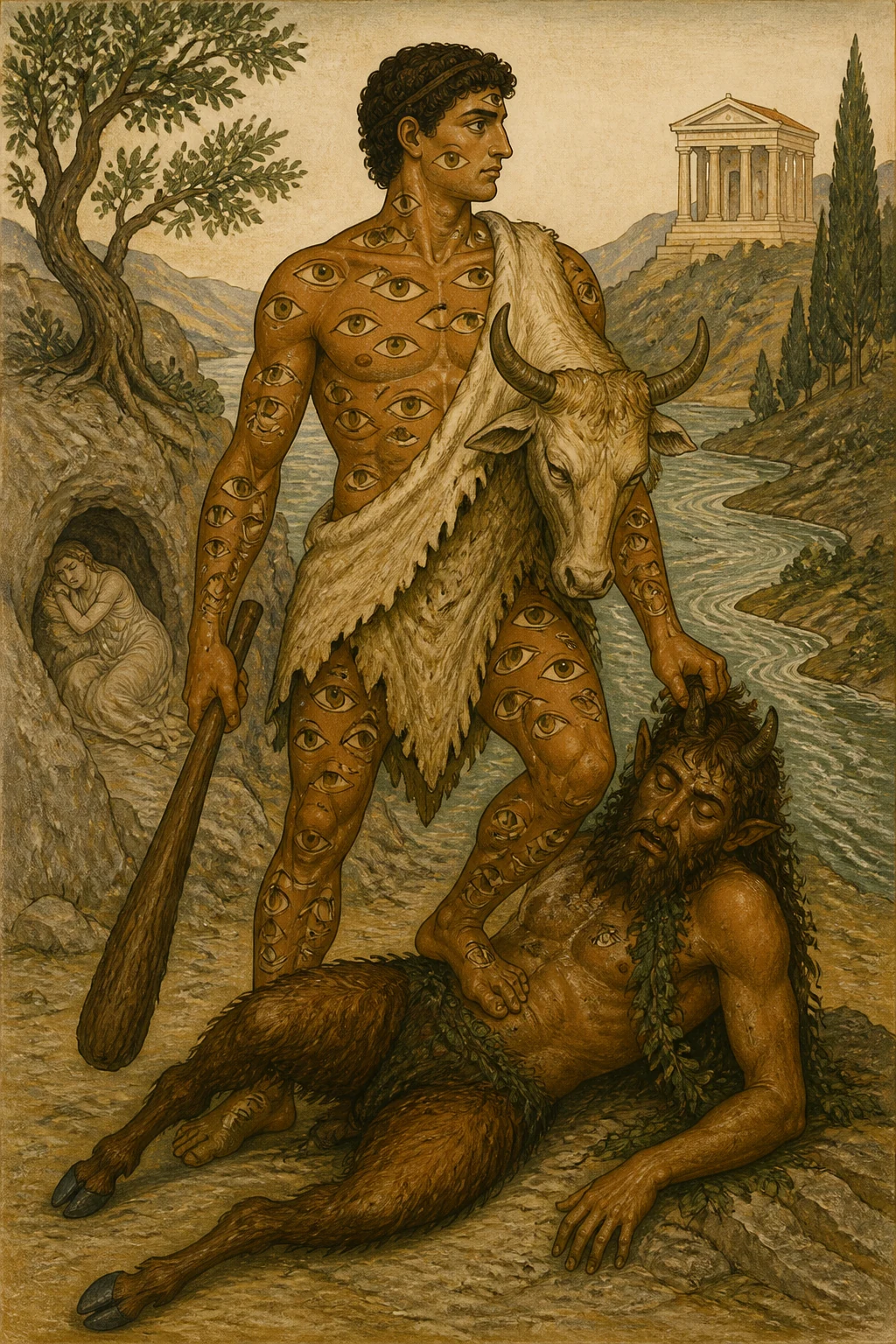
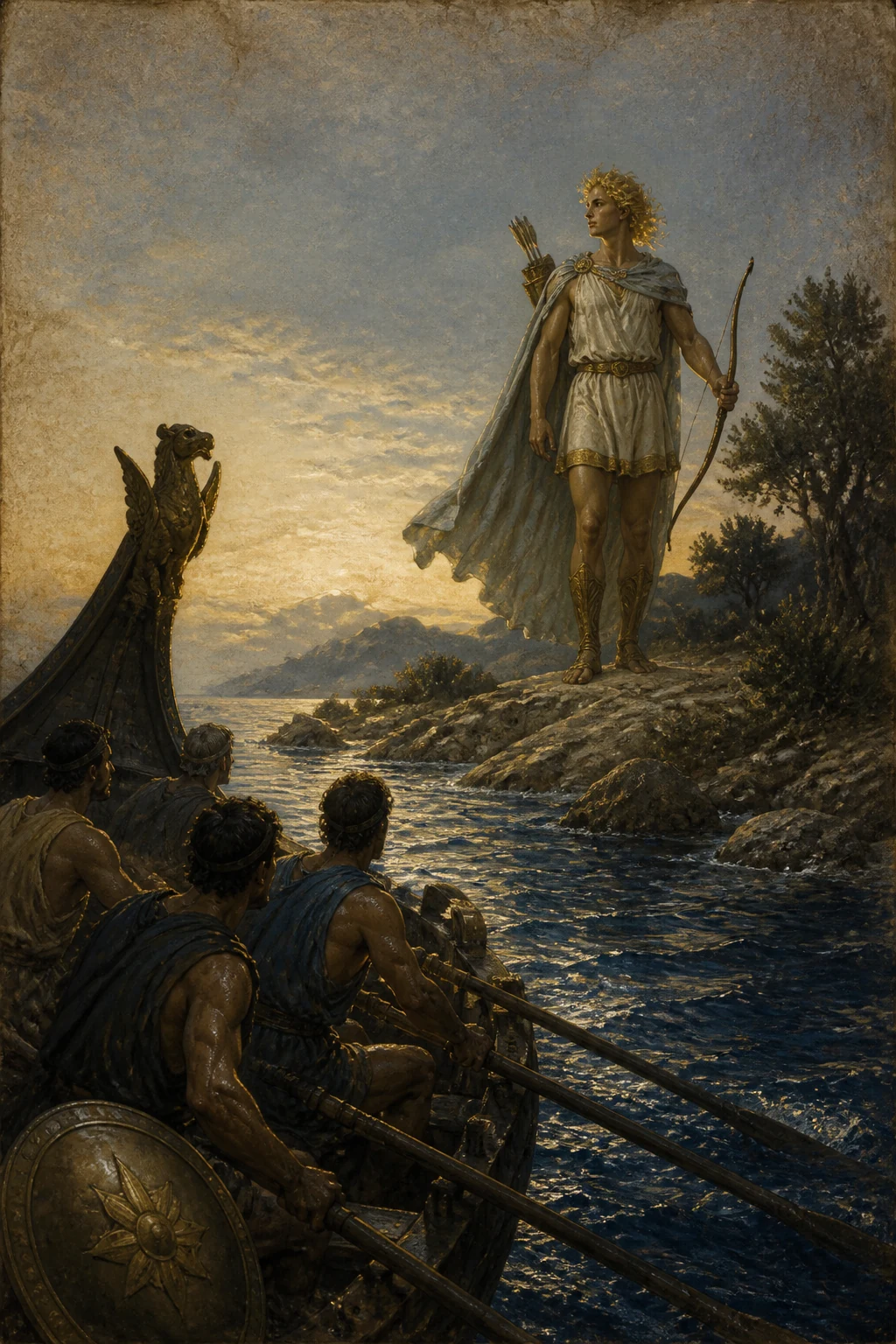
When someone had thus told of the doom of the Lycian men, another recalled the satyr whom Leto’s son, having beaten him in a contest on Minerva’s flute, punished. “Why are you tearing me from myself?” he cried. “Ah, I repent! Ah, the flute is not worth this!” As he cried, his skin was stripped from the whole surface of his body, until he was nothing but a wound. Blood streamed everywhere; his sinews lay bare, and his veins quivered and pulsed without any skin to cover them. You could have counted his throbbing entrails and the glistening organs in his breast.
The country folk, the woodland deities, the fauns, his brother satyrs, and Olympus, dear to him even then, wept for him, as did the nymphs and everyone who on those mountains pastured woolly flocks and horned cattle. The fertile earth grew wet, and, drenched, received their falling tears and drank them into its deepest veins. Then, having turned them into water, it sent them out into the open air.
From there, hurrying between sloping banks toward the rushing sea, the river bears the name Marsyas, the clearest stream in Phrygia.