Waltey
Lene gosenice sovk
091 THE LAZY CUT-WORMS
Živalske zgodbe Clare Dillingham Pierson · Clara Dillingham PiersonO besedilu
Lene gosenice sovk
- Vir
- Živalske zgodbe Clare Dillingham Pierson
- Avtor
- Clara Dillingham Pierson
- Jezik branja
- Slovenščina
- Jezik izvirnika
- English
- Čas branja
- 9 min branja
- Obseg
- 7 strani
- Naslov izvirnika
- 091 THE LAZY CUT-WORMS
O izvirniku
Živalske zgodbe Clare Dillingham Pierson
Devetindevetdeset avtorskih zgodb o živalih na kmetiji, travniku, v gozdu, ob ribniku in ponoči. Bralni jezik je Slovenščina, izvirnik pa prihaja iz vira Živalske zgodbe Clare Dillingham Pierson v jeziku English.
Besedilo
Lene gosenice sovk
Zdaj, ko je prišla pomlad in je vse zelenje raslo, so gosenice sovk prilezle iz svojih zimskih spalnic v zemlji in začele jesti najnežnejše in najboljše, kar so mogle najti. Po mirni zimi so bile spočite in lačne, saj so vse od prvih zares mrzlih jesenskih dni spale, ne da bi se enkrat samkrat prebudile.
Gosenic sovk je bilo veliko različnih vrst, bratov in sester, bratrancev in sestričen ter še bolj oddaljenega sorodstva, zato si seveda niso bile vse podobne. Prejšnje poletje so se izlegle iz jajčec, ki so jih odložile njihove matere, metulji sovke, in odtlej do mraza so samo jedle in spale in potem še malo jedle. Seveda so zelo zrasle, toda saj veste, rasti je mogoče tudi, ne da bi si za to posebej vzeli čas. Še dobro, da je tako. Če bi morali ljudje reči: »Zdaj ne morem početi ničesar drugega. Sesti moram in nekaj časa rasti,« na svetu ne bi bilo toliko velikih ljudi, kot jih je. Druge reči bi jih tako prevzele, da si ne bi vzeli časa, da bi zrasli, kakor je treba.
Zdaj so bile gosenice lepe in debele in prav tako lahkomiselne, kakor so gosenice sovk že od začetka sveta. Svojih staršev niso nikoli videle in izlegle so se, ne da bi kdo skrbel zanje. Staršem niso bile podobne, saj so bile za zdaj še samo gosenice, imele pa so enako navado, da so ves dan prespale in ponoči hodile naokrog, in na zajtrk niso pomislile, dokler ni sonce zašlo. V podzemni družbi so bile precej priljubljene in deževniki ter ličinke majskih hroščev so jih imeli zelo radi, saj so z veseljem poslušali pripovedi o tem, kaj so gosenice videle nad zemljo. Ličinke majskih hroščev sploh niso hodile ven, ker so bile še premlade, deževniki pa nikoli niso vedeli, kaj se dogaja zunaj, če jim ni kdo povedal. Pogosto so sicer pomolili glave na zrak, toda oči niso imeli in sami niso mogli ničesar videti.
Gosenice sovk so bile drzne, predrzne, sebične in potratne. Niso bile pridni otroci, čeprav so znale biti zelo zabavne, kadar so se potrudile, in človek je zmeraj upal, da se bodo poboljšale, preden postanejo metulji. Včasih so deževnikom in ličinkam majskih hroščev pripovedovale celo neresnične zgodbe, in že to pove, kakšni otroci so bile. Strašno je bilo pripovedovati takšne reči nekomu, ki nikoli ni mogel izvedeti, kaj je res in kaj ne. Neka pegasta gosenica je slišala dva deževnika, ki sta se pogovarjala o krtih, in jima povedala, da so krti velike ptice s po štirimi perutmi in z nogami, kakršne imajo gosenice. Gosenice se niso trudile biti zabavne zato, ker bi želele razveseliti podzemne prebivalce, temveč zato, ker so rade poslušale, kako ti govorijo: »Kako bistre so te gosenice sovk! Res izjemno pametne!« In ker so to počele iz takega razloga, njihovo početje ni bilo prav nič več dobro.
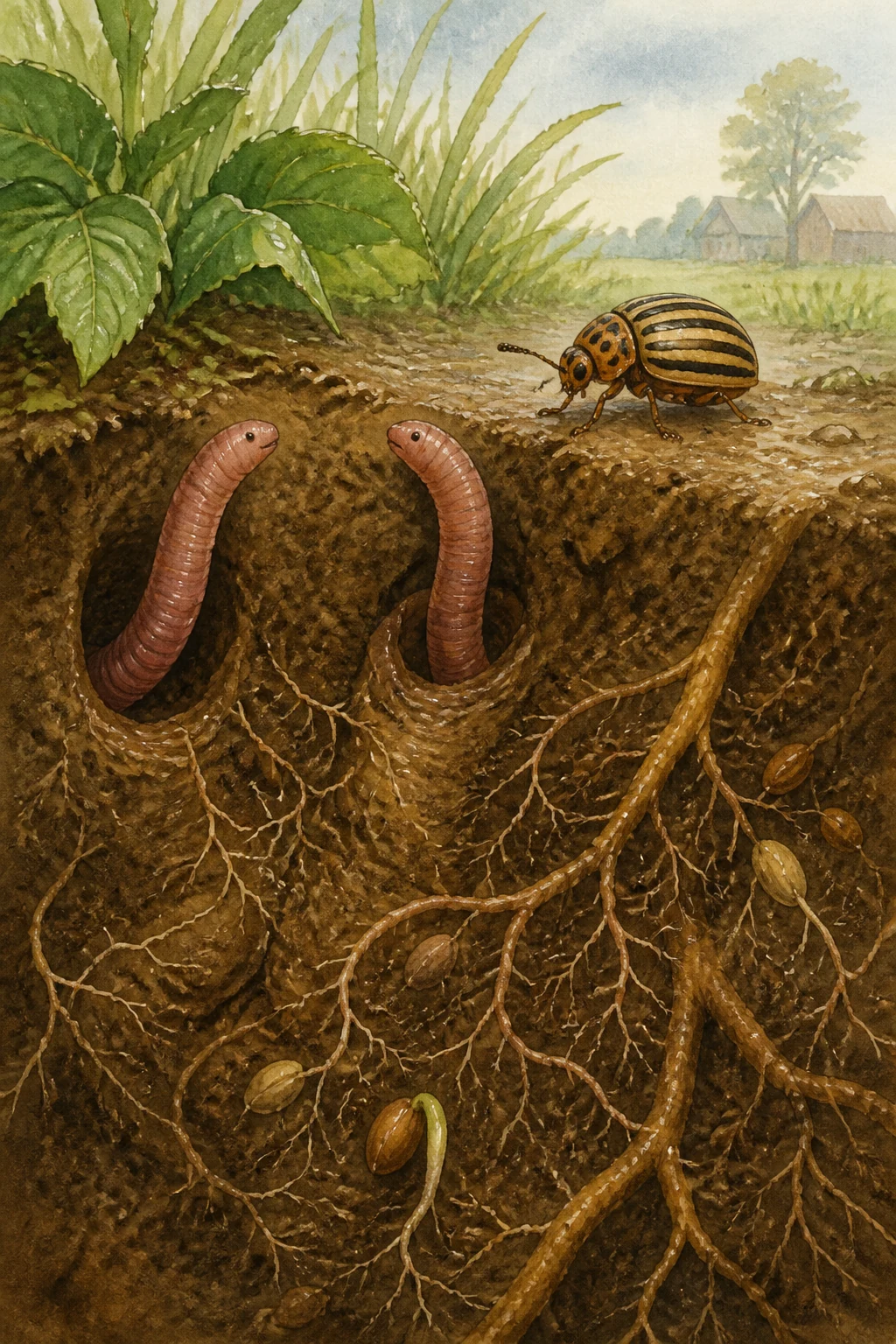
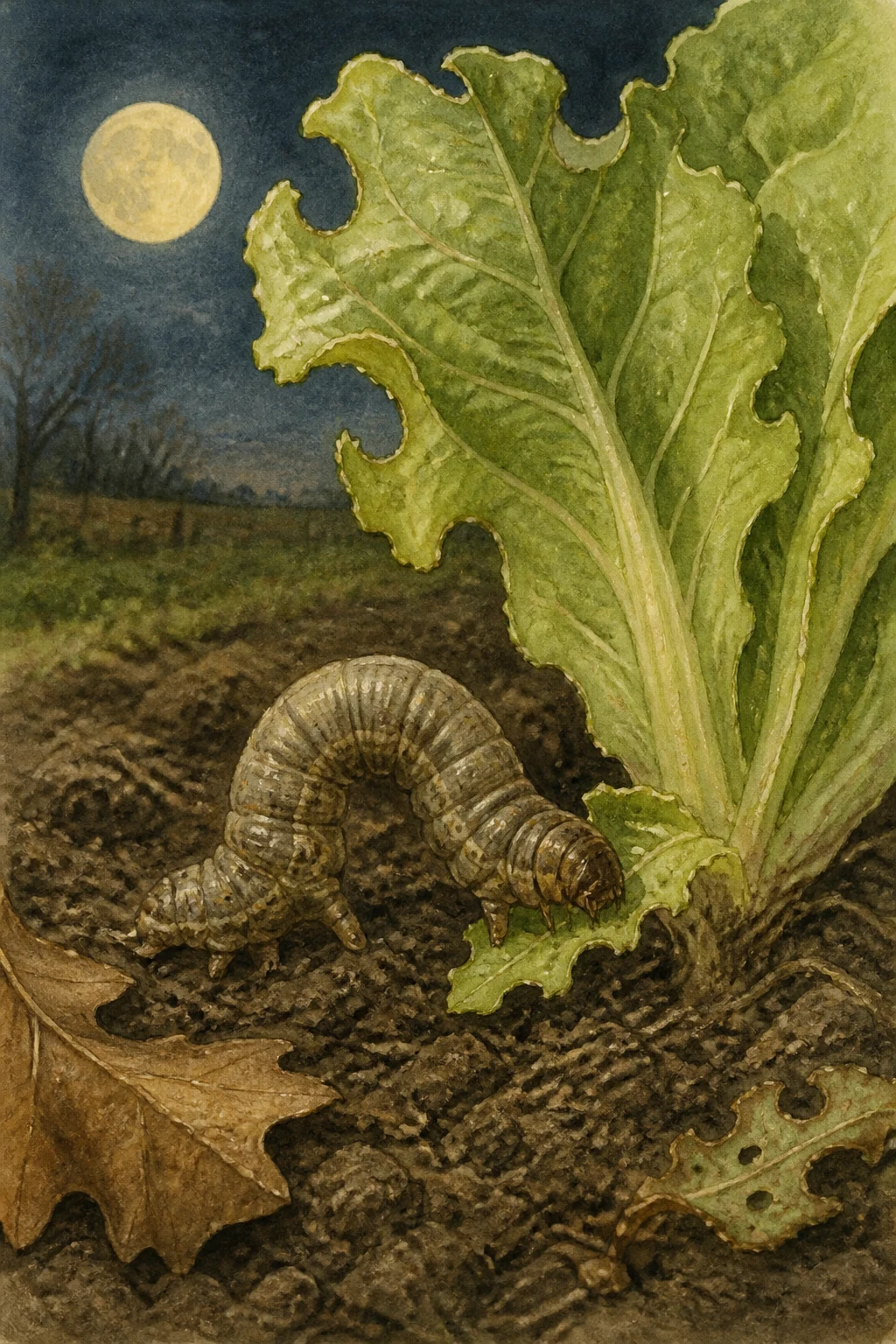
Neke svetle mesečne noči so se gosenice sovk prebudile in prilezle na površje, da bi se najedle. Živele so na kmetovem zelenjavnem vrtu, zato je bilo izbire na pretek: mlada pesa, ki je nad bleščečimi rdečimi stebelci komaj razprla liste z rdečimi žilami; repa; čedna čebula, ki je svoje vitke liste držala zelo togo in pokonci; redkvice, katerih rožnate korenine so le za spoznanje kukale iz zemlje; in krhka, bledo zelena solata, vsa nakodrana in drhteča ob vsaki sapici. Bil je prelep čas za rast in vsa zelenjava je kar najbolje izrabljala lepe noči, kajti, saj veste, takrat vse najlepše raste. Sončni dnevi so najboljši za barvanje listov in cvetov, čas za poganjanje korenin globlje v zemljo, stebel više kvišku in za razpiranje novih listov pa je ponoči, v čudoviti tišini.
Nekatere gosenice so si izbrale peso, druge redkvice. Dve ali tri so imele najraje solato, nekaj pa jih je odlezlo grizljat dišeči grahor, ki ga je posejala kmetova žena. Nikoli niso pojedle cele rastline. O, ne! In tudi v tem se je kazala njihova potratnost. Pregrizle so steblo tik nad zemljo, potem pa se je rastlina prevrnila in ovenela, medtem ko je gosenica že lezla k naslednji, da bi z njo naredila enako.
»No, to pa je nekaj!« je vzkliknila neka pegasta gosenica, ko je prilezla iz svoje luknje. »Očitno sem zaspala! Najbrž sem bila danes zjutraj predolgo pokonci.« »Raje pazi,« je rekla ena njenih prijateljic, »sicer te bo dobil krt. Rad najde lepe, debele goseničice, ki zvečer predolgo spijo.«
»Tega mi ni treba praviti,« je odgovorila pegasta gosenica. »Rani krt gosenico ujame. Ne vem, kdaj sem nazadnje tako zaspala. Ste ve pokonci že od sončnega zahoda?«
»Da,« so odgovorile, neka predrznica pa je pristavila: »Jaz sem vstala prezgodaj. Zbudila sem se lačna in sem si rekla, da prilezem ven samo na malico. Mislila sem, da so ptice že povečerjale, a prvo, kar sem zagledala, je bila taščica na lovu. Od mene ni bila oddaljena niti za dolžino fižolovke, in ko sem videla, da je nagnila glavico in pogledala proti meni, sem bila prepričana, da me je opazila. Pa me vendarle ni. Še sreča, da sem zelena in da sem prilezla na dan poleg solate. Čisto pri miru sem ostala in imela me je za list.«
»Pst!« je rekla neka druga. »Krt prihaja.« Vse so obmirovale, medtem ko je krt švigal sem ter tja po rosni travi v njihovi bližini, hitreje, kot bi človek pričakoval od nekoga s tako zelo, zelo kratkimi nogami. Njegove rožnate lopataste tačke so se lesketale v mesečini in tudi njegov rožnati smrček je bilo videti, temnega, mehkega kožuščka po preostalem telesu pa na rjavi vrtni zemlji skoraj ni bilo mogoče razločiti. Morda ni bil lačen, morda pa mu je dlaka preveč prekrivala oči, toda vrnil se je v svoj podzemni rov, ne da bi ujel eno samo gosenico.
To je gosenicam silno dvignilo greben. Prilezle so k odprtini njegovega rova in se pačile vanjo, kakor da bi krt stal med vrati. Za njim so klicale zmerljivke in se pretvarjale, da jih izrekajo zelo glasno, v resnici pa so govorile prav potiho.
Potem so se začele bahati, da se nikogar ne bojijo, in med bahanjem so jedle in jedle in jedle in jedle. Tu in tam so se mlade rastlinice povesile in prevrnile, in brž ko se je to zgodilo, je gosenica, ki jih je grizla, odlezla k naslednji.
»Kmet bo že vedel, da smo bile tukaj,« so govorile. »Nam je vseeno. Saj ne potrebuje vse te zelenjave. Pa kaj, če jo je posejal? Naj je poseje še več, če hoče. In sploh, čemu je ima toliko, če je noče deliti z drugimi?« Ko bi jih poslušali, bi mislili, da so neznansko prijazne, ker kmetu sploh še kaj zelenjave pustijo.
Med dišečim grahorjem je raslo veliko drobnih šopkov tolščaka in tolščak je zelo dober za pod zob, kakor ve vsak, ki ga je že pokusil. Toda ali mislite, da so ga gosenice jedle? Niti malo. »Tolščak lahko jemo vsak dan,« so rekle, »zdaj bomo pa dišeči grahor.«
Neka goseničica je dodala: »Mene že ne boste videli jesti tolščaka. Saj je plevel.« Gosenice sovk sicer jedo plevel, vendar imajo, kot kaže, vedno najraje tisto, kar je bilo skrbno posejano in negovano. Če bi bil tolščak posajen v ravnih vrstah, dišeči grahor pa bi rasel vsepovsod kar sam od sebe, bi ta mlada gosenica zelo verjetno rekla: »Mene že ne boste videli jesti dišečega grahorja. Saj je plevel.«
Više ko se je vzpenjala luna na nebu, bolj so se gosenice bahale. Govorile so, da nobena taščica ni dovolj pametna, da bi jih našla, in da se jih krt ne upa dotakniti, kadar so skupaj, temveč si drzne napasti le takrat, ko najde katero samo pod zemljo. Zdaj so govorile zelo glasno in se strašansko širokoustile, dokler niso opazile, da luna zahaja in da se nad drevesnimi vrhovi na vzhodu kaže medla rumena svetloba.
»Čas je za dnevni spanec,« je zaklicala pegasta gosenica. »Kam se boste zavlekle?« Niso namreč imele stalnih domov, temveč so zlezle v zemljo, kjer se jim je zahotelo, in spale do naslednje noči.
»Tukaj je nekaj imenitnih lukenj, že narejenih,« je rekla zelena gosenica, »in dovolj velikih celo za kačo podveznico. Gladke so in globoke in v vsaki se nas lahko stisne cel kup. Jaz grem v eno od njih.«
»Kdo je naredil te luknje?« je vprašala pegasta gosenica. »In zakaj so tukaj?« »Oh, koga pa briga, kdo jih je naredil?« je odgovorila zelena gosenica. »Saj so naše, če jih hočemo uporabiti.«
»Morda jih je naredil kmet,« je rekla pegasta gosenica, »in če jih je, nočem vanje.« »Oh, kdo se ga pa boji?« so vzkliknile druge gosenice. »Kar z nami!«
»Ne,« je odgovorila pegasta gosenica. »Ne grem. Nočem in ne bom. Luknja, ki si jo naredim za spanje, ne bo tako velika in tudi tako gladkih sten ne bo imela, bom pa vedela vse o njej in se počutila varno. Dobro jutro.« Nato se je zarila v zemljo in zaspala. Druge so zlezle v gladke, globoke luknje, ki jih je kmet naredil z ročajem motike.
Naslednjo noč je bila na vrtu ena sama gosenica sovke, in to pegasta. Nihče ni nikoli več videl lenih gosenic, ki so si izbrale že narejene gladke, globoke luknje. Pegasta gosenica je živela čisto sama, dokler ni dorasla, potem pa si je v zemlji naredila majhno ovalno sobico in v njej spala, medtem ko se je spreminjala v metulja črne sovke.
Potem je metulj odletel, da bi si našel ženo in zaživel med njenimi sorodniki. Pravijo, da je vsakič, ko je ponoči zagledal kako gosenico sovke pri delu, prhutnil k njej in ji zašepetal: »Gosenica sovke, ki je prelena, da bi si sama izdolbla spalnico, ne bo nikoli dočakala dneva, ko bi postala metulj.«
Izvirnik
091 THE LAZY CUT-WORMS
Naslednje strani prikazujejo izvirno besedilo za primerjavo.
Now that spring had come and all the green things were growing, the Cut-Worms crawled out of their winter sleeping-places in the ground, and began to eat the tenderest and best things that they could find. They felt rested and hungry after their quiet winter, for they had slept without awakening ever since the first really cold days of fall.
There were many different kinds of Cut-Worms, brothers and sisters, cousins and second cousins, so, of course, they did not all look alike. They had hatched the summer before from eggs laid by the Owlet Moths, their mothers, and had spent the time from then until cold weather in eating and sleeping and eating some more. Of course they grew a great deal, but then, you know, one can grow without taking time especially for it. It is well that this is so. If people had to say, "I can do nothing else now. I must sit down and grow awhile," there would not be so many large people in the world as there are. They would become so interested in doing other things that they would not take the time to grow as they should.
Now the Cut-Worms were fine and fat and just as heedless as Cut-Worms have been since the world began. They had never seen their parents, and had hatched without any one to look after them. They did not look like their parents, for they were only worms as yet, but they had the same habit of sleeping all day and going out at night, and never thought of eating breakfast until the sun had gone down. They were quite popular in underground society, and were much liked by the Earthworms and May Beetle larvae, who enjoyed hearing stories of what the Cut-Worms saw above ground. The May Beetle larvae did not go out at all, because they were too young, and the Earthworms never knew what was going on outside unless somebody told them. They often put their heads up into the air, but they had no eyes and could not see for themselves.
The Cut-Worms were bold, saucy, selfish, and wasteful. They were not good children, although when they tried they could be very entertaining, and one always hoped that they would improve before they became Moths. Sometimes they even told the Earthworms and May Beetle larvae stories that were not so, and that shows what sort of children they were. It was dreadful to tell such things to people who could never find out the difference. One Spotted Cut-Worm heard a couple of Earthworms talking about Ground Moles, and told them that Ground Moles were large birds with four wings apiece and legs like a Caterpillar's. They did not take pains to be entertaining because they wanted to make the underground people happy, but because they enjoyed hearing them say: "What bright fellows those Cut-Worms are! Really exceedingly clever!" And doing it for that reason took all the goodness out of it.
One bright moonlight night the Cut-Worms awakened and crawled out on top of the ground to feed. They lived in the farmer's vegetable garden, so there were many things to choose from: young beets just showing their red-veined leaves above their shining red stems; turnips; clean-looking onions holding their slender leaves very stiff and straight; radishes with just a bit of their rosy roots peeping out of the earth; and crisp, pale green lettuce, crinkled and shaking in every passing breeze. It was a lovely growing time, and all the vegetables were making the most of the fine nights, for, you know, that is the time when everything grows best. Sunshiny days are the best for coloring leaves and blossoms, but the time for sinking roots deeper and sending shoots higher and unfolding new leaves is at night in the beautiful stillness.
Some Cut-Worms chose beets and some chose radishes. Two or three liked lettuce best, and a couple crawled off to nibble at the sweet peas which the farmer's wife had planted. They never ate all of a plant. Ah, no! And that was one way in which they were wasteful. They nibbled through the stalk where it came out of the ground, and then the plant tumbled down and withered, while the Cut-Worm went on to treat another in the same way.
"Well!" exclaimed one Spotted Cut-Worm, as he crawled out from his hole. "I must have overslept! Guess I stayed up too late this morning."
"You'd better look out," said one of his friends, "or the Ground Mole will get you. He likes to find nice fat little Cut-Worms who sleep too late in the evening."
"Needn't tell me," answered the Spotted Cut-Worm. "It's the early Mole that catches the Cut-Worm. I don't know when I have overslept myself so. Have you fellows been up ever since sunset?"
"Yes," they answered; and one saucy fellow added: "I got up too early. I awakened and felt hungry, and thought I'd just come out for a lunch. I supposed the birds had finished their supper, but the first thing I saw was a Robin out hunting. She was not more than the length of a bean-pole from me, and when I saw her cock her head on one side and look toward me, I was sure she saw me. But she didn't, after all. Lucky for me that I am green and came up beside the lettuce. I kept still and she took me for a leaf."
"St!" said somebody else. "There comes the Ground Mole." They all kept still while the Mole scampered to and fro on the dewy grass near them, going faster than one would think he could with such very, very short legs. His pink digging hands flashed in the moonlight, and his pink snout showed also, but the dark, soft fur of the rest of his body could hardly be seen against the brown earth of the garden. It may have been because he was not hungry, or it may have been because his fur covered over his eyes so, but he went back to his underground run-way without having caught a single Cut-Worm.
Then the Cut-Worms felt very much set up. They crawled toward the hole into his run-way and made faces at it, as though he were standing in the doorway. They called mean things after him and pretended to say them very loudly, yet really spoke quite softly.
Then they began to boast that they were not afraid of anybody, and while they were boasting they ate and ate and ate and ate. Here and there the young plants drooped and fell over, and as soon as one did that, the Cut-Worm who had eaten on it crawled off to another.
"Guess the farmer will know that we've been here," said they. "We don't care. He doesn't need all these vegetables. What if he did plant them? Let him plant some more if he wants to. What business has he to have so many, anyhow, if he won't share with other people?" You would have thought, to hear them, that they were exceedingly kind to leave any vegetables for the farmer.
In among the sweet peas were many little tufts of purslane, and purslane is very good to eat, as anybody knows who has tried it. But do you think the Cut-Worms ate that? Not a bit of it. "We can have purslane any day," they said, "and now we will eat sweet peas."
One little fellow added: "You won't catch me eating purslane. It's a weed." Now, Cut-Worms do eat weeds, but they always seem to like best those things which have been carefully planted and tended. If the purslane had been set in straight rows, and the sweet peas had just come up of themselves everywhere, it is quite likely that this young Cut-Worm would have said: "You won't catch me eating sweet peas. They are weeds."
As the moon rose higher and higher in the sky, the Cut-Worms boasted more and more. They said there were no Robins clever enough to find them, and that the Ground Mole dared not touch them when they were together, and that it was only when he found one alone underground that he was brave enough to do so. They talked very loudly now and bragged dreadfully, until they noticed that the moon was setting and a faint yellow light showed over the tree-tops in the east.
"Time to go to bed for the day," called the Spotted Cut-Worm. "Where are you going to crawl in?" They had no regular homes, you know, but crawled into the earth wherever they wanted to and slept until the next night.
"Here are some fine holes already made," said a Green Cut-Worm, "and big enough for a Garter Snake. They are smooth and deep, and a lot of us can cuddle down into each. I'm going into one of them."
"Who made those holes?" asked the Spotted Cut-Worm; "and why are they here?"
"Oh, who cares who made them?" answered the Green Cut-Worm. "Guess they're ours if we want to use them."
"Perhaps the farmer made them," said the Spotted Cut-Worm, "and if he did I don't want to go into them."
"Oh, who's afraid of him?" cried the other Cut-Worms. "Come along!"
"No," answered the Spotted Cut-Worm. "I won't. I don't want to and I won't do it. The hole I make to sleep in will not be so large, nor will it have such smooth sides, but I'll know all about it and feel safe. Good-morning." Then he crawled into the earth and went to sleep. The others went into the smooth, deep holes made by the farmer with his hoe handle.
The next night there was only one Cut-Worm in the garden, and that was the Spotted Cut-Worm. Nobody has ever seen the lazy ones who chose to use the smooth, deep holes which were ready made. The Spotted Cut-Worm lived quite alone until he was full-grown, then he made a little oval room for himself in the ground and slept in it while he changed into a Black Owlet Moth.
After that he flew away to find a wife and live among her people. It is said that whenever he saw a Cut-Worm working at night, he would flutter down beside him and whisper,--"The Cut-Worm who is too lazy to bore his own sleeping-place will never live to become an Owlet Moth."
Nadaljuj z branjem