Waltey
Zadovoljni deževniki
029 THE CONTENTED EARTHWORMS
Živalske zgodbe Clare Dillingham Pierson · Clara Dillingham PiersonO besedilu
Zadovoljni deževniki
- Vir
- Živalske zgodbe Clare Dillingham Pierson
- Avtor
- Clara Dillingham Pierson
- Jezik branja
- Slovenščina
- Jezik izvirnika
- English
- Čas branja
- 3 min branja
- Obseg
- 3 strani
- Naslov izvirnika
- 029 THE CONTENTED EARTHWORMS
O izvirniku
Živalske zgodbe Clare Dillingham Pierson
Devetindevetdeset avtorskih zgodb o živalih na kmetiji, travniku, v gozdu, ob ribniku in ponoči. Bralni jezik je Slovenščina, izvirnik pa prihaja iz vira Živalske zgodbe Clare Dillingham Pierson v jeziku English.
Besedilo
Zadovoljni deževniki
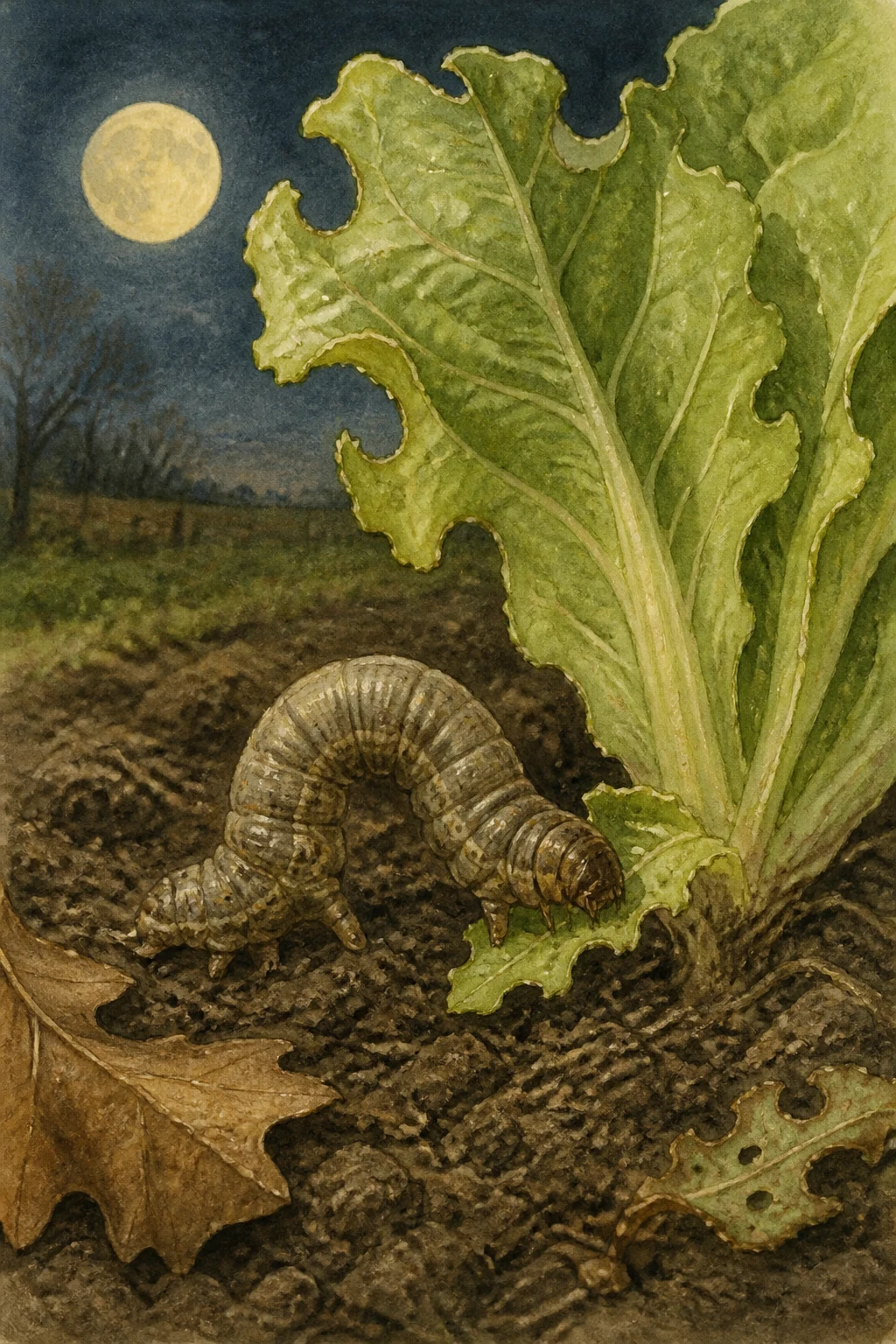
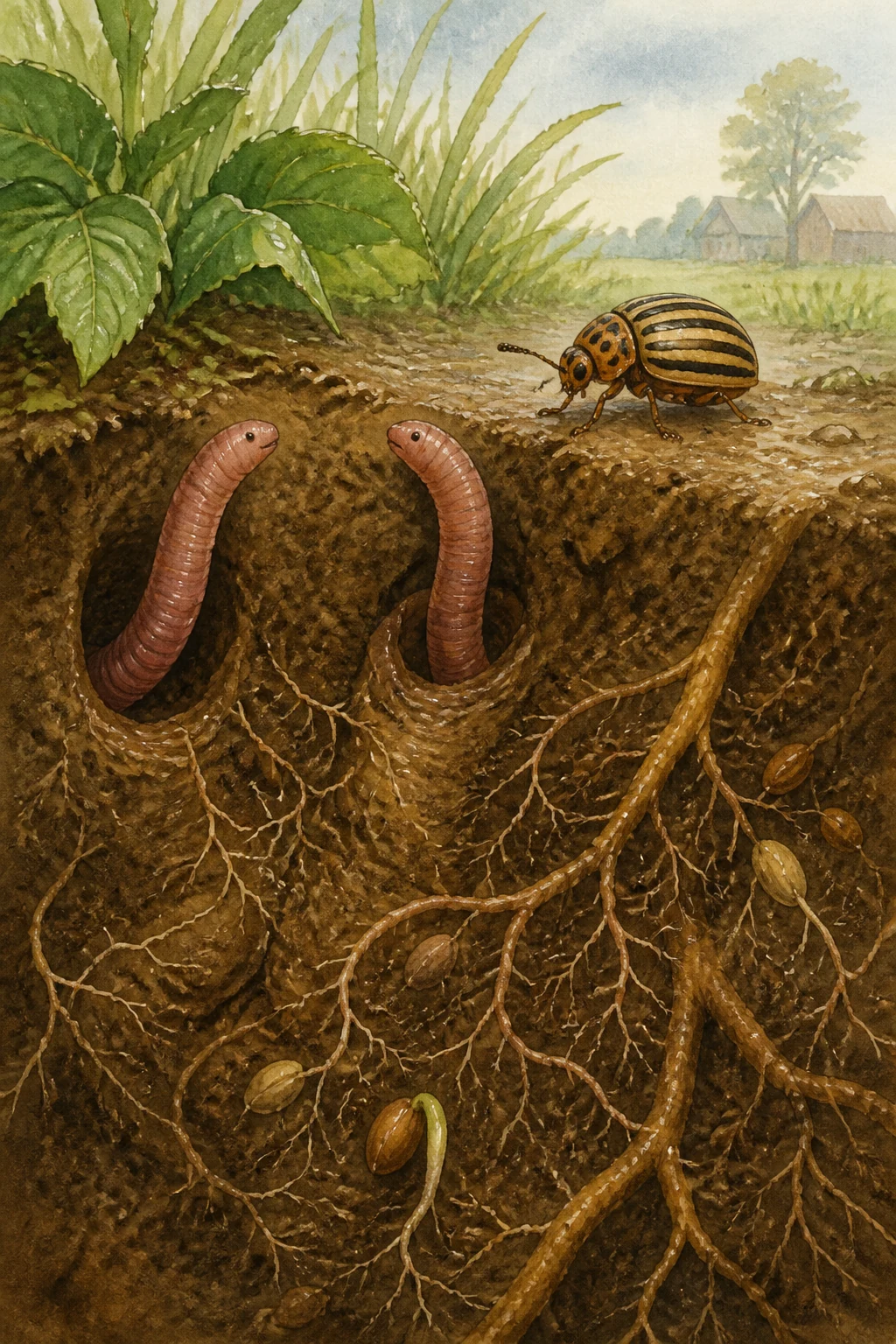
Po dolgem dežju, ki je dodobra namočil zemljo, so Deževniki prilezli iz svojih rovov, ali bolje rečeno, le napol so prilezli iz njih, saj je vsak Deževnik pomolil na plano samo polovico telesa. Ker jih je bilo veliko in so živeli blizu drug drugega, so se zlahka obiskovali, ne da bi zapustili svoje domove. Dva izmed teh dolgih, sluzastih prebivalcev sta se pogovarjala, ko je mimo primahal Koloradski hrošč. »Ubožci,« je rekel, »kako bedno življenje morate imeti. Preživljati dneve v temni zemlji mora biti strašno pusto.«
»Pusto!« je vzkliknil eden od Deževnikov. »Prav čudovito je. Zemlja je prijeten in mehak dom. V hladnem vremenu je topla, v toplem pa hladna. Noben veter nas ne nadleguje in nobeno sonce nas ne žge.«
»Ampak,« je rekel Koloradski hrošč, »gotovo je zelo dolgočasno. Zunaj med travo najdeš lepe cvetlice in toliko družin prijateljev.« »Tu spodaj pa,« je odgovoril Deževnik, »imamo korenine. Nekatere so rjave in olesenele, kakor drevesne, druge pa bele, tenke in mehke. Plazijo se in prepletajo, tako da je pot med njimi podobna hoji skozi gozd. Potem so tu še semena. Koliko dela je spomladi v zemlji! Vsako drobno seme se prebudi in začne rasti. Korenine mora pognati navzdol, steblo pa navzgor, proti svetlobi. Včasih so semena zakopana v zemljo s koreninskim koncem navzgor in takrat imajo veliko opravka, da se zasukajo in pripravijo na rast.«
»Vseeno pa jih gotovo pogrešate, ko vse rastline že rastejo in imajo glave na zraku.« »Korenine imamo vedno,« je rekel Deževnik. »In ko je poletja konec, rastline opravijo svoje delo: pomagajo polepšati svet in vzredijo svoje semenske otročičke. Nato ovenijo in se spet povesijo k zemlji, sonce, mraz in dež pa jim počasi pomagajo, da se razgradijo in vrnejo vanjo. Zemlja je začetek in konec rastlin.«
»Ali v njej kdaj srečate travniške prebivalce?« je vprašal Koloradski hrošč. »Mnogi med njimi živijo tu, ko so še otročički,« je rekel Deževnik. »Majski hrošči, Kobilice, veliki Kolibrijevi vešci in še mnogi drugi preživijo svoje otroštvo tukaj, vsi zaviti v jajčeca ali zapredke. Potem pa, ko so dovolj močni in jim zrastejo noge in krila, se prerinejo na plano in začnejo svoje delo. Tu spodaj, v temi, se pripravljajo nanj. Potem so tu še kamni, tako stari in nenavadni. Pogosto sem vesel, da nisem kamen, saj mora biti težko ves čas negibno ležati. Pa vendar sem slišal, da niso vedno tako ležali in da je nekatere kamenčke prav tu okoli nas leta in leta premetavalo in kotalilo po rečni strugi, kjer so se brusili, drugi pa so se obrusili in odlomili od velikih skal. Morda so zdaj veseli, da lahko samo ležijo in počivajo.«
»Resnično,« je rekel Koloradski hrošč, »prijeten dom imate, toda meni pustite sonce in sveži zrak, mojih šest nog in moja progasta krila, vi pa kar obdržite vse to.«
»Kar obdržite jih,« so odgovorili Deževniki. »Mi smo zadovoljni s svojimi gladkimi in bleščečimi telesi, s katerimi lahko vrtamo in se zvijamo skozi mehko, rjavo zemljo. Radi skrbimo, da je zemlja primerna za rastline, in tu bomo srečno delali in počivali.«
Koloradski hrošč je šel svojo pot in rekel svojim bratom: »Kaj pravite na to? Pogovarjal sem se z Deževniki, ki ne bi hoteli biti Koloradski hrošči, tudi če bi lahko bili.« In vsi so začudeno zmajevali z glavami, saj so menili, da je biti Koloradski hrošč nekaj najimenitnejšega in najsrečnejšega na svetu.
Izvirnik
029 THE CONTENTED EARTHWORMS
Naslednje strani prikazujejo izvirno besedilo za primerjavo.
After a long and soaking rain, the Earthworms came out of their burrows, or rather, they came part way out, for each Earthworm put out half of his body, and, as there were many of them and they lived near to each other, they could easily visit without leaving their own homes. Two of these long, slimy people were talking, when a Potato Bug strolled by. "You poor things," said he, "what a wretched life you must lead. Spending one's days in the dark earth must be very dreary."
"Dreary!" exclaimed one of the Earthworms, "it is delightful. The earth is a snug and soft home. It is warm in cold weather and cool in warm weather. There are no winds to trouble us, and no sun to scorch us."
"But," said the Potato Bug, "it must be very dull. Now, out in the grass, one finds beautiful flowers, and so many families of friends."
"And down here," answered the Worm, "we have the roots. Some are brown and woody, like those of the trees, and some are white and slender and soft. They creep and twine, until it is like passing through a forest to go among them. And then, there are the seeds. Such busy times as there are in the ground in spring-time! Each tiny seed awakens and begins to grow. Its roots must strike downward, and its stalk upward toward the light. Sometimes the seeds are buried in the earth with the root end up, and then they have a great time getting twisted around and ready to grow."
"Still, after the plants are all growing and have their heads in the air, you must miss them."
"We have the roots always," said the Worm. "And then, when the summer is over, the plants have done their work, helping to make the world beautiful and raise their seed babies, and they wither and droop to the earth again, and little by little the sun and the frost and the rain help them to melt back into the earth. The earth is the beginning and the end of plants."
"Do you ever meet the meadow people in it?" asked the Potato Bug.
"Many of them live here as babies," said the Worm. "The May Beetles, the Grasshoppers, the great Humming-bird Moths, and many others spend their babyhood here, all wrapped in eggs or cocoons. Then, when they are strong enough, and their legs and wings are grown, they push their way out and begin their work. It is their getting-ready time, down here in the dark. And then, there are the stones, and they are so old and queer. I am often glad that I am not a stone, for to have to lie still must be hard to bear. Yet I have heard that they did not always lie so, and that some of the very pebbles around us tossed and rolled and ground for years in the bed of a river, and that some of them were rubbed and broken off of great rocks. Perhaps they are glad now to just lie and rest."
"Truly," said the Potato Bug, "you have a pleasant home, but give me the sunshine and fresh air, my six legs, and my striped wings, and you are welcome to it all."
"You are welcome to them all," answered the Worms. "We are contented with smooth and shining bodies, with which we can bore and wriggle our way through the soft, brown earth. We like our task of keeping the earth right for the plants, and we will work and rest happily here."
The Potato Bug went his way, and said to his brothers, "What do you think? I have been talking with Earthworms who would not be Potato Bugs if they could." And they all shook their heads in wonder, for they thought that to be Potato Bugs was the grandest and happiest thing in the world.
Nadaljuj z branjem