Prevod
V ameriških legendah se nenavadno pogosto ponavljajo pripovedi o tem, kako so ljudi ali njihove hiše napadali škrati teme. Senčni oblegovalci Gloucestra v Massachusettsu so tamkajšnjo posadko držali v nenehnem strahu, dokler jih nista srebrna krogla in molitev vojaškega duhovnika pregnali iz okolice. V Salemu se je čarovništvo včasih razodevalo v izstrelkih, ki so jih metale nevidne roke. O »hudiču, ki meče kamenje« iz Portsmoutha pripoveduje izročilo, staro več kot dve stoletji; ker pa se ta metalec kamenja kaže prej kot maščevalec kakor kot brez razloga zloben duh, se mu z imenom hudič godi krivica. V tem pristaniškem mestu v New Hampshiru je živela vdova, ki je imela svojo kočo in košček zemlje. Njen sosed George Walton si je poželel njene zemlje, saj mu je bila všeč njena lega, in ker starka ni imela ne denarja ne vplivnih prijateljev, jo je obtožil čarovništva ter se polastil njenega imetja; ali mu je to uspelo s pravnimi zvijačami ali zgolj s silo, ni zapisano.
Obtožbe čarovništva ni gnal dalje, saj je dobil, kar je hotel, toda uboga brezdomka je kraj preklela in tatu povedala, da mu ne bo nikoli prinesel ne veselja ne koristi. Walton se ji je zasmejal, ji velel, naj gre svojo pot, in svojo družino vselil v vdovino hišo. Bila je nedeljska noč in družina je že legla, ko je ob desetih kamenje silovito udarilo ob streho in vrata. V hipu so bili vsi budni. Najprej so pomislili, da jih napadajo Indijanci, a ko so stanovalci previdno pokukali v mesečino, so videli, da so polja prazna. Toda prav medtem, ko so gledali, so se vrtna vrata dvignila s tečajev in poletela po zraku.
Walton si je drznil stopiti ven, a proti njegovi glavi je priletela ploha kamenja, kakor da bi ga metalo sto rok, in zbežal je nazaj v zavetje. Vrata so zapahnili in okna zaprli s polkni, vendar ni nič pomagalo. Kamenje, tako vroče, da na njem ni bilo mogoče držati roke, je letelo skozi šipe in po dimniku navzdol; predmeti v sobah so se dvigali in leteli v Waltona, sveče so ugašale, roka brez telesa je trkala po oknu, ključavnice, zapahi in ključi so se krivili kakor pod udarci kladiva, stiskalnica za sir se je raztreščila ob steni in sir se je pokvaril, kopice sena na polju so razpadale, seno pa je letelo med drevesne veje. Walton še dolgo ni mogel ponoči iz hiše, ne da bi ga napadlo kamenje. Zvon, knjiga, sveča in čarovniški zvarek niso nič zalegli in preteklo je mnogo dni, preden se je v Waltonovo hišo vrnil mir.
Leta 1802 se je po Berkshirskem hribovju razširila prava epidemija napadov. Vse skupaj se je začelo v krojaški delavnici v Salisburyju v Connecticutu, ko so 2. novembra ob enajstih ponoči skozi okno prileteli palica in kosi kamenja, oglja ter malte. Luna je bila na nebu, vendar ni bilo ničesar videti, obstreljevanje pa se je nadaljevalo še po svitu. Ko so napadalci tu povzročili nekaj škode, so se preselili k hiši Ezekiela Landona in tam ropotali ves teden. Izstrelki so zadevali ljudi in razbili veliko šip. Dokler ni počilo steklo, ni bilo videti ničesar, kar bi letelo proti oknom, in le redko je kaj priletelo globlje v sobo. Naj je bilo vrženo še s tako silo, je mehko in zanesljivo pristalo na notranji okenski polici, kakor da bi ga tja položila roka. Okna so se razbijala na obeh straneh stavb hkrati, številne palice in kamni pa so prihajali skozi iste luknje v šipah, kakor da bi jih skrbno namerjal strelec.
Zaselek v Sageovi soteski, na vzhodni strani vrha Dome v gorovju Taconic, so po mraku napadali na enak način. Ena hiša je bila precej poškodovana. Vzroka za to početje niso nikoli odkrili in za nikogar v kraju ni bilo znano, da bi imel sovražnika — vsaj zlobnega ne.
Na Whitmire Hillu v Georgii, na kraju, kjer sta bila pred vojno zagrešena dva umora, se prikazuje brezglava prikazen, ki na hrbtu velikanskega konja z grmenjem plane proti popotniku in izgine ravno v trenutku, ko srce njene bodoče žrtve že tolče ob nebo v ustih. Včasih pa ta strah raje ostane neviden in takrat je še nekoliko huje, saj pešca zasipa s kamenjem in rušo, dokler ga noge ne odnesejo daleč onkraj območja njegove oblasti.
Legende o zakopanih zakladih, katerih primeri so navedeni drugje, pogosto pripovedujejo tudi o tem, kako duhovi piratov in skopuhov napadajo drzneže, ki skušajo njihovo bogastvo znova spraviti na plano.
Pred sedeminštiridesetimi leti sta v občini St. Mary's v Illinoisu dva fanta po imenu Groves in njun tovariš Kirk postala tarča snežnih kep, ko so se vračali domov iz hleva, kjer so oskrbeli živino za noč. Večer je že zagrnila tema in natančnost metalčevega merjenja je bila toliko bolj osupljiva, ker je bilo komaj mogoče videti več kot pet metrov daleč. Snežne kepe so bile tako trdo stisnjene, da ob udarcu niso razpadle, čeprav so bile vržene z veliko silo, in Kirk je od njih dobil precej podplutb. Gospod Groves je šel ven s svetilko, toda njena svetloba je razkrila le polje nedotaknjenega snega in slišati ni bilo ničesar razen vetra, ki je žvižgal mimo hleva in ograj. Proti zori so šli znova pogledat in v medli svetlobi videli, kako se snežne kepe dvigajo s srede polja, na katerem ni bilo niti ene stopinje, ter kakor krogle letijo proti opazovalcem. Stekli so na polje in z vilami zamahovali na vse strani, a ni nič zaleglo; obmetavanje je ponehalo šele, ko je vzšlo sonce. Mladi Kirk, ki je bil hudo poškodovan, je v manj kot letu dni umrl.
Može iz Sharona v Connecticutu, ki so leta 1754 z dobrikanjem izvabili od Indijancev zemljišče za svoje mesto, so zatem nadlegovali bojni kriki, žvižgi in obmetavanje s kamenjem. V soju zvezd so videli može in streljali nanje, vendar brez učinka, nemiri pa se niso končali, dokler Indijanci niso prejeli določene vsote denarja.
Ne da bi si drznili dvomiti o resničnosti izročila v teh zadevah, lahko navedemo dogodek iz pisateljevega otroštva v Novi Angliji. Hiša nekega nepriljubljenega gospoda je bila deležna napadov — sicer ne na tako bahav način, kot smo ga pravkar opisali, pa vendar tako, da mu je povzročal nemalo težav. V njegovi okolici so se skrivnostno pojavljale mrtve mačke; pod njegovimi okni so se oglašali čudni glasovi; s praga je skušal pobrati pisma, ki so se ob njegovem dotiku izkazala za zgolj s kredo narisane obrise, tako da je dobil le trske pod nohte. Neke noči, ko se je na njegovem dvorišču ravno začenjala seansa, je planil iz grmovja, se pognal proti izvoru nemira, pisatelja silovito zgrabil za ovratnik in mu treščil nos ob tlakovec. Potem so se prikazovanja za nekaj noči ustavila zaradi popravil.
Izvirnik
There is an odd recurrence among American legends of tales relating to assaults of people or their houses by imps of darkness. The shadowy leaguers of Gloucester, Massachusetts, kept the garrison of that place in a state of fright until they were expelled from the neighborhood by a silver bullet and a chaplain's prayers. Witchcraft was sometimes manifested in Salem by the hurling of missiles from unseen hands. The “stone-throwing devil” of Portsmouth is the subject of a tradition more than two centuries of age, but, as the stone-thrower appears rather as an avenger than as a gratuitously malignant spirit, he is ill treated in having the name of devil applied to him. In this New Hampshire port lived a widow who had a cabin and a bit of land of her own. George Walton, a neighbor, wanted her land, for its situation pleased him, and as the old woman had neither money nor influential friends he charged her with witchcraft, and, whether by legal chicanery or mere force is not recorded, he got his hands upon her property.
The charge of witchcraft was not pressed, because the man had obtained what he wanted, but the poor, houseless creature laid a ban on the place and told the thief that he would never have pleasure nor profit out of it. Walton laughed at her, bade her go her way, and moved his family into the widow's house. It was Sunday night, and the family had gone to bed, when at ten o'clock there came a fierce shock of stones against the roof and doors. All were awake in a moment. A first thought was that Indians were making an assault, but when the occupants peered cautiously into the moonlight the fields were seen to be deserted. Yet, even as they looked, a gate was lifted from its hinges and thrown through the air.
Walton ventured out, but a volley of stones, seemingly from a hundred hands, was delivered at his head, and he ran back to shelter. Doors and windows were barred and shuttered, but it made no difference. Stones, too hot to hold a hand upon, were hurled through glass and down the chimney, objects in the rooms themselves were picked up and flung at Walton, candles were blown out, a hand without a body tapped at the window, locks and bars and keys were bent as if by hammer-blows, a cheese-press was smashed against the wall and the cheese spoiled, hay-stacks in the field were broken up and the hay tossed into branches of trees. For a long time Walton could not go out at night without being assailed with stones. Bell, book, candle, and witch-broth availed nothing, and it was many a day before peace came to the Walton household.
In 1802 an epidemic of assault went through the Berkshire Hills. The performance began in a tailor's shop in Salisbury, Connecticut, at eleven of the clock on the night of November 2, when a stick and lumps of stone, charcoal, and mortar were flung through a window. The moon was up, but nothing could be seen, and the bombardment was continued until after daylight. After doing some damage here the assailants went to the house of Ezekiel Landon and rapped away there for a week. Persons were struck by the missiles, and quantities of glass were destroyed. Nothing could be seen coming toward the windows until the glass broke, and it was seldom that anything passed far into a room. No matter how hard it was thrown, it dropped softly and surely on the sill, inside, as if a hand had put it there. Windows were broken on both sides of buildings at the same time, and many sticks and stones came through the same holes in the panes, as if aimed carefully by a gunner.
A hamlet that stood in Sage's ravine, on the east side of the Dome of the Taconics, was assailed in the same way after nightfall. One house was considerably injured. No causes for the performance were ever discovered, and nobody in the place was known to have an enemy--at least, a malicious one.
At Whitmire Hill, Georgia, the spot where two murders were committed before the war, is a headless phantom that comes thundering down on the wayfarer on the back of a giant horse and vanishes at the moment when the heart of his prospective victim is bumping against his palate. At times, however, this spook prefers to remain invisible, and then it is a little worse, for it showers stones and sods on the pedestrian until his legs have carried him well beyond the phantom's jurisdiction.
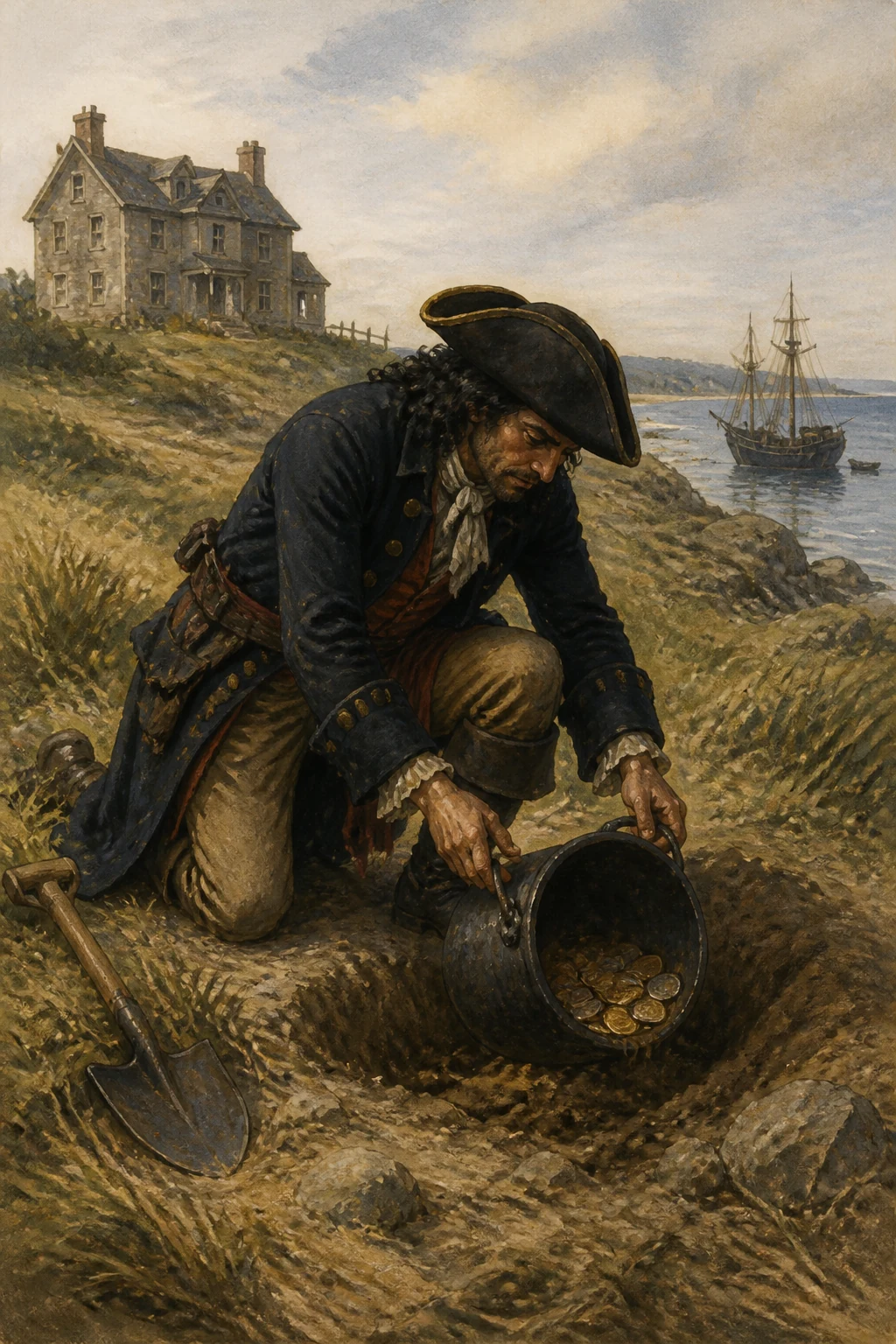
The legends of buried treasure, instanced in another place, frequently include assaults by the ghosts of pirates and misers on the daring ones who try to resurrect their wealth.
Forty-seven years ago, in the township of St. Mary's, Illinois, two lads named Groves and a companion named Kirk were pelted with snowballs while on their way home from a barn where they had been to care for the stock for the night. The evening had shut in dark, and the accuracy of the thrower's aim was the more remarkable because it was hardly possible to see more than a rod away. The snowballs were packed so tightly that they did not break on striking, though they were thrown with force, and Kirk was considerably bruised by them. Mr. Groves went out with a lantern, but its rays lit up a field of untrodden snow, and there was no sound except that made by the wind as it whistled past the barn and fences. Toward dawn another inspection was made, and in the dim light the snowballs were seen rising from the middle of a field that had not a footprint on it, and flying toward the spectators like bullets. They ran into the field and laid about them with pitchforks, but nothing came of that, and not until the sun arose was the pelting stopped. Young Kirk, who was badly hurt, died within a year.
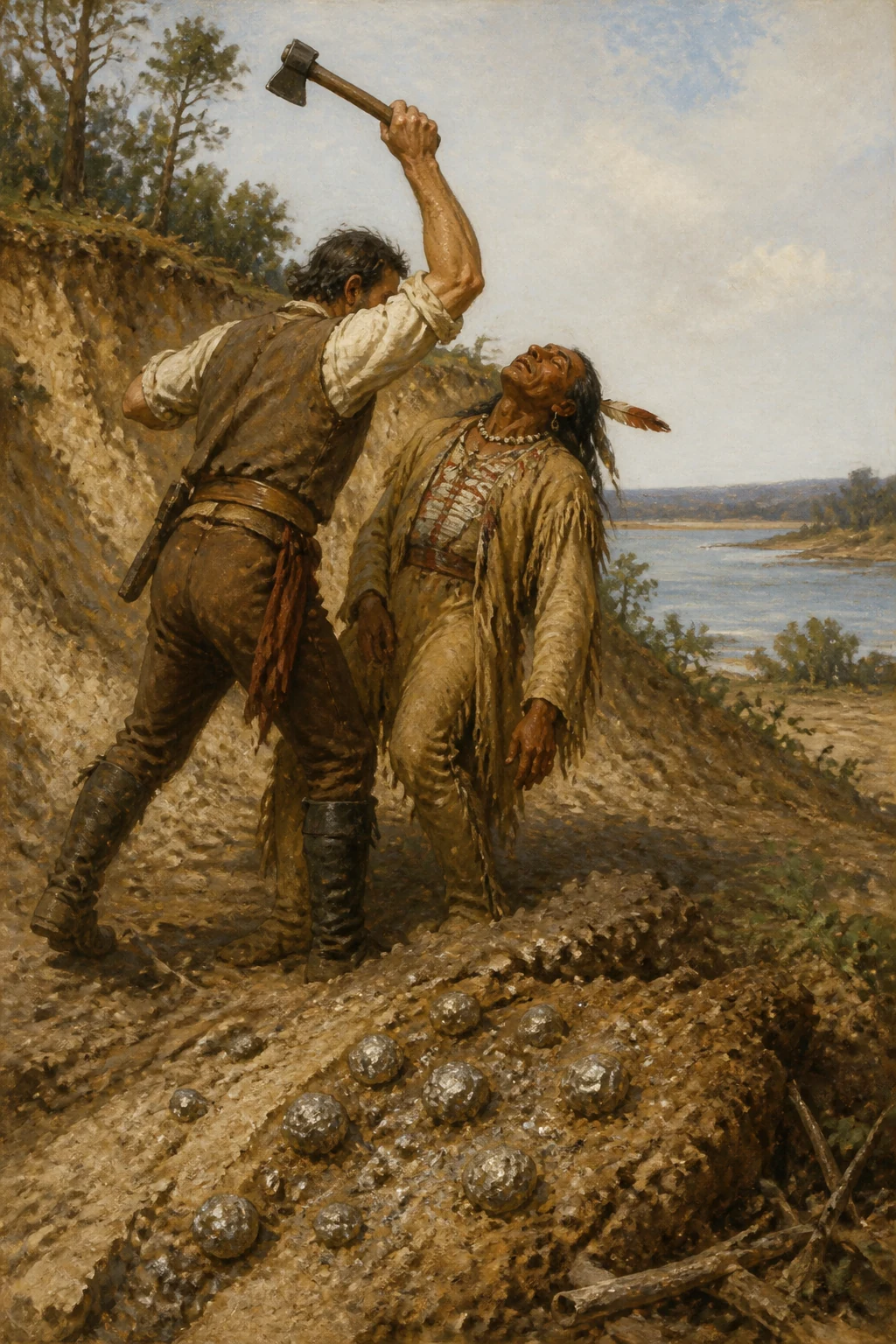
The men of Sharon, Connecticut, having wheedled their town-site from the Indians in 1754, were plagued thereafter by whoops and whistlings and the throwing of stones. Men were seen in the starlight and were fired upon, but without effect, and the disturbances were not ended until the Indians had received a sum of money.
Without presuming to doubt the veracity of tradition in these matters, an incident from the writer's boyhood in New England may be instanced. The house of an unpopular gentleman was assailed--not in the ostentatious manner just described, yet in a way that gave him a good deal of trouble. Dead cats appeared mysteriously in his neighborhood; weird noises arose under his windows; he tried to pick up letters from his doorstep that became mere chalk-marks at his touch, so that he took up only splinters under his nails. One night, as a seance was about beginning in his yard, he emerged from a clump of bushes, flew in the direction of the disturbance, laid violent hands on the writer's collar, and bumped his nose on a paving-stone. Then the manifestations were discontinued, for several nights, for repairs.