Prevod
Na kraju, kjer stoji Macon v Georgii, je bila v začetku tega stoletja le gostilna. Eden njenih gostov je bil mož, ki se je tam ustavil na poti v Alabamo, kjer je kupil zemljo. Dekle, ki naj bi postalo njegova žena, naj bi prišlo za njim čez nekaj dni. Ko je zjutraj poravnal račun, je potegnil na dan dobro napolnjeno listnico, ni pa opazil pomenljivega pogleda, ki sta si ga izmenjala surova črnobradca, prav tako prenočevalca v gostilni. Ko se je odpravil na pot, sta zajahala svoja konja in mu ponudila, da ga spremljata. Med ježo skozi zapuščeno vas Chilicte je eden popotnika zapletel v pogovor, drugi pa je nekoliko zaostal in ga z udarcem obteženega biča zbil iz sedla. Slutil je njun namen, in ker ni imel orožja, s katerim bi se branil, je prosil za milost in ju rotil, naj mu dovolita, da se vrne k svoji bodoči nevesti. Toda roparja sta že zagrešila kaznivo dejanje, zato sta z dvema vbodoma v prsi utišala njegove prošnje. Pobrala sta denar, truplo vrgla v kotanjo, kjer bi ga najverjetneje našli in raztrgali volkovi, nato pa nadaljevala pot.
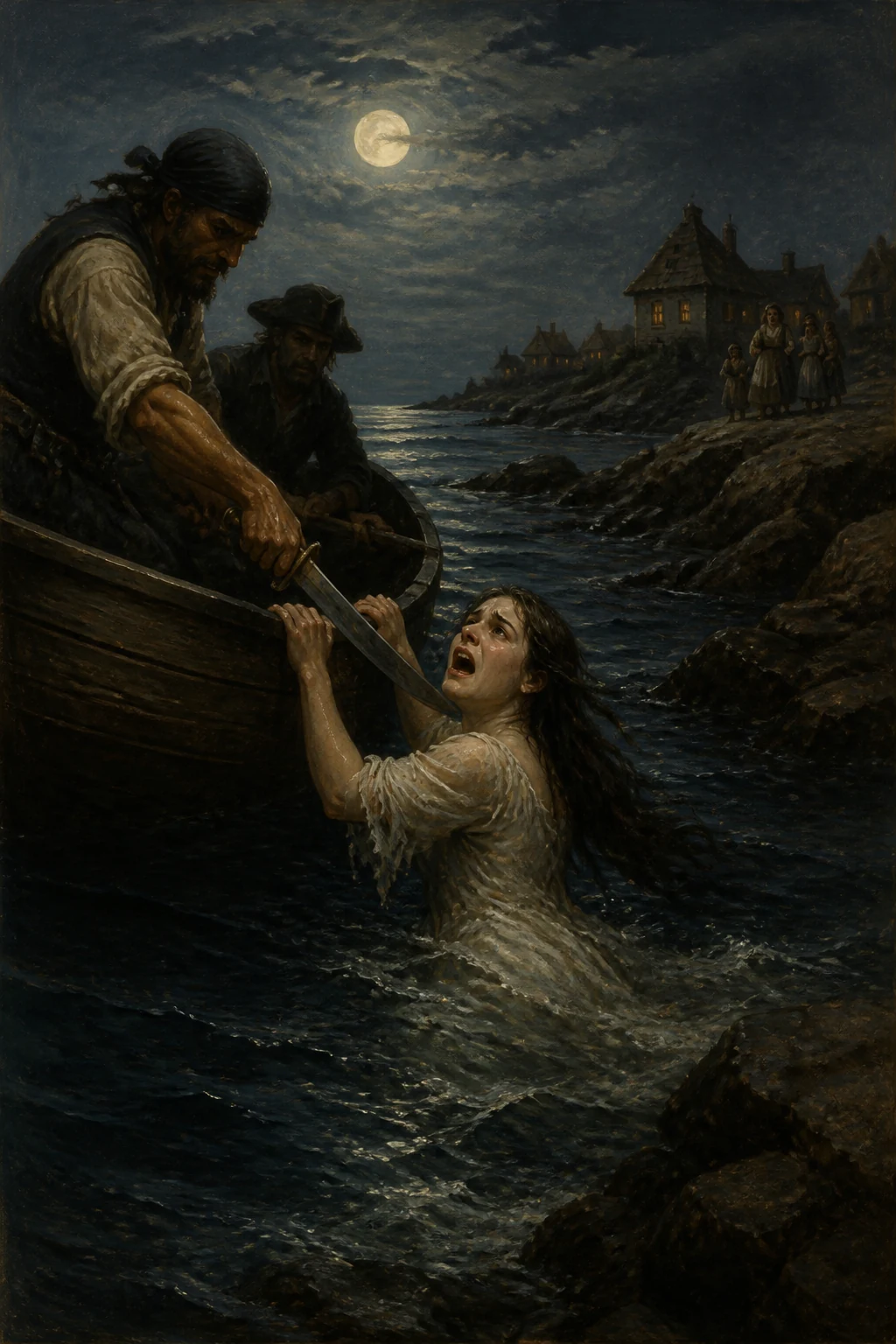
Ljudje njune vrste denarja ne obdržijo dolgo, in ko sta plen zapravila pri kartah in za pijačo, sta se razšla. Kakor da bi moral potrditi rek, da se morilec vselej vrne na kraj zločina, se je eden od njiju čez mnogo časa znašel ob reki Ocmulgee, od koder je bilo videti novo mesto — Macon. Na njegov klic se je z nasprotnega brega odrinil čolnič, in ko se je približal obrežju, so se mu lasje naježili in srce mu je spreletel leden srh: brodnik je bil njegova žrtev izpred mnogih let. Nobeden ni spregovoril niti besede, toda ko je mrtvec pomignil z roko, je zločinec začutil, da mora stopiti v čoln. Mrtvec ga je prepeljal čez reko, njegov konj pa je plaval ob čolniču. Ko je kobilica zadela ob prod, je skočil na breg, pognal konja proti cesti, se zavihtel v sedlo in oddirjal, ves iz sebe od strahu, ki se je še stopnjeval, ko je votel glas zaklical: »Stoj!«
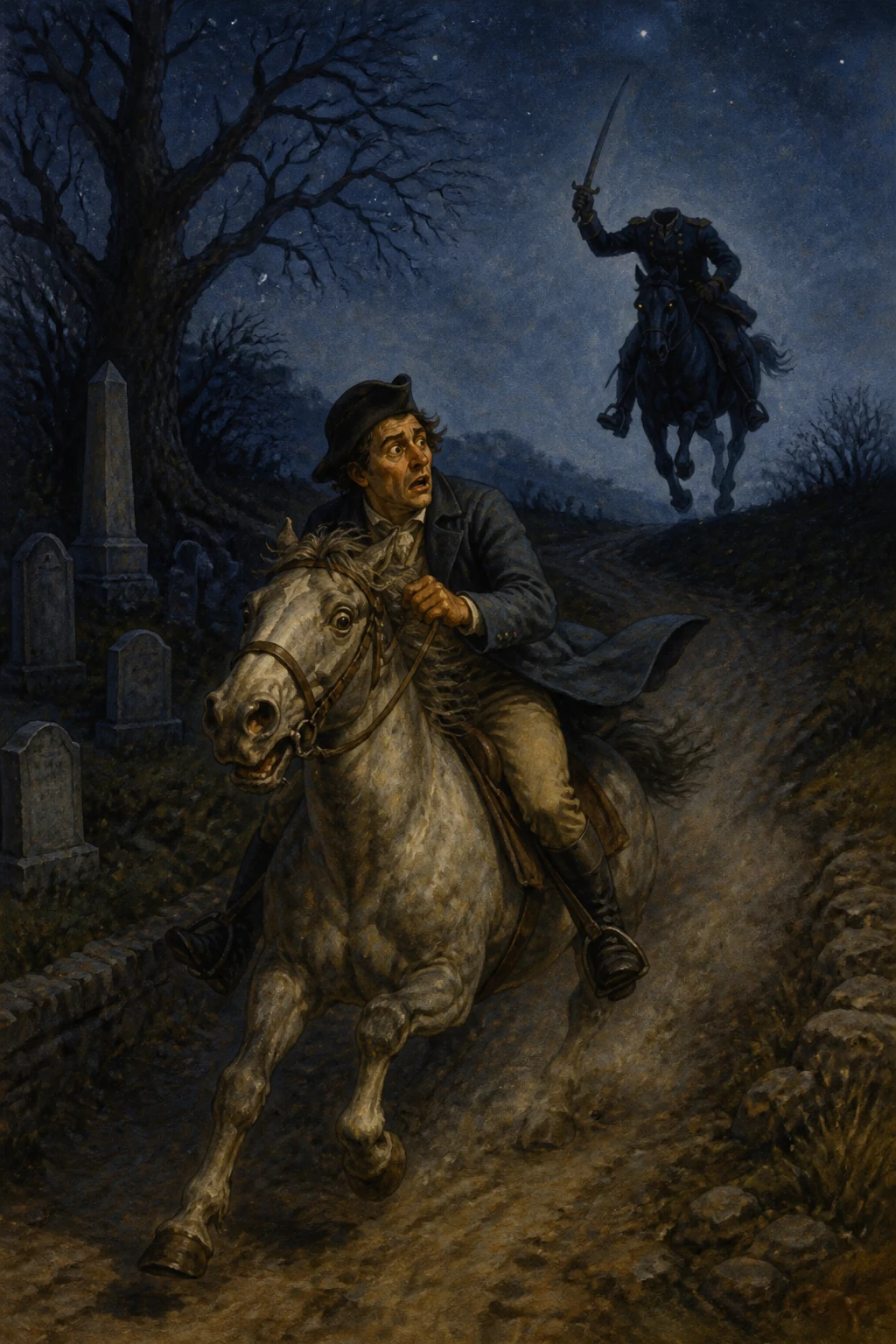
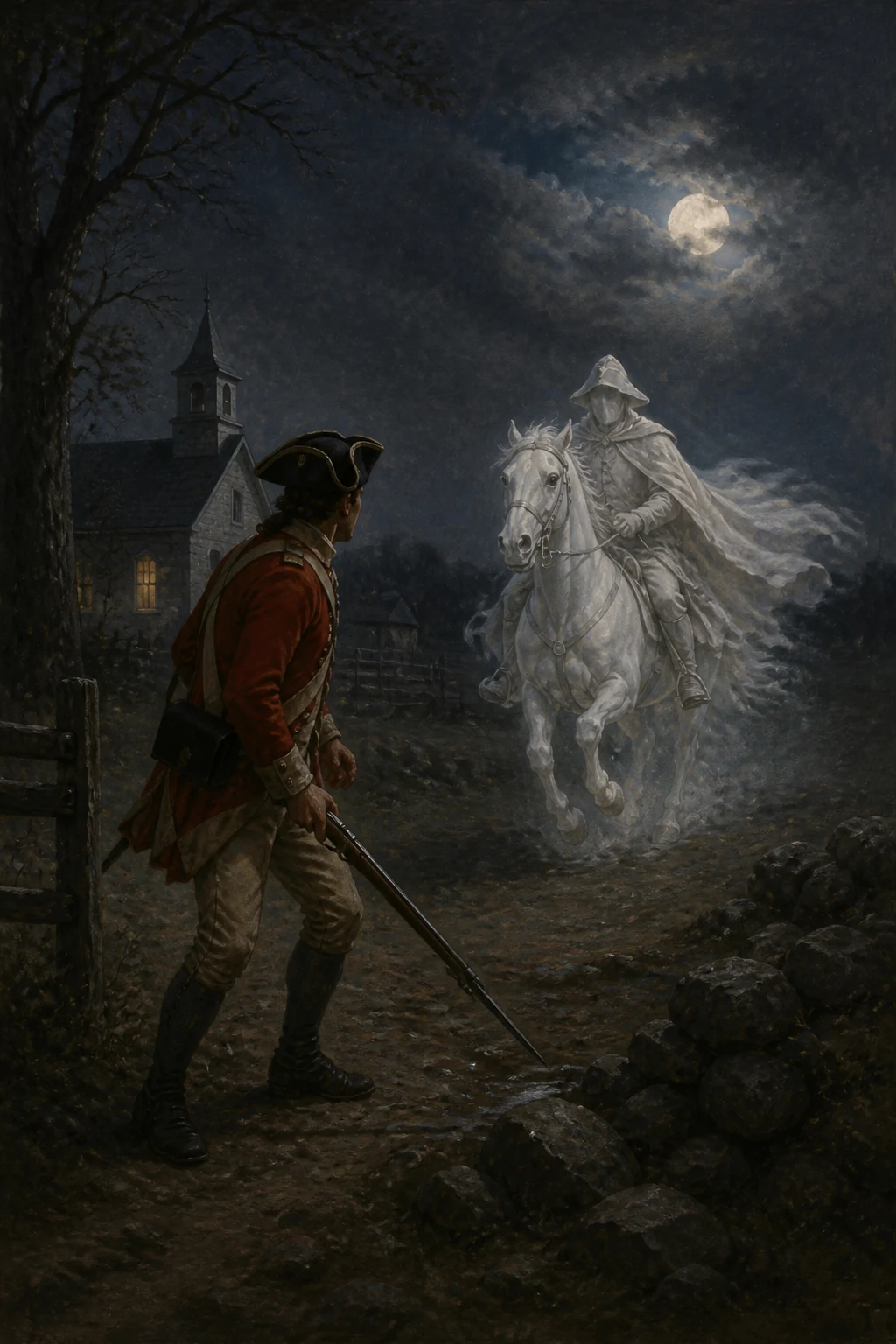
Čez nekaj časa je upočasnil ježo in kmet, ki je stal ob cesti, ga je začudeno vprašal: »Kako ste prišli čez? Reka je narasla, brodnik pa je sinoči utonil.« Znova ga je spreletel srh in z ostrogami je pognal konja naprej. Ustavil se ni več, dokler ni prispel do gostilne, kjer je nezavesten omahnil na stopnice, saj napetosti ni mogel več prenašati. Zbrala se je množica, a ko se je ovedel, je ni videl — videl je le dvoje oči, za katere se mu je zdelo, da zrejo v najglobljo notranjost njegove duše — oči moža, ki ga je ubil. S krikom groze in blaznega besa je planil nad prikazen in ji zasadil nož v prsi. Blaznost je minila. Na tleh pred njim ni ležala prikazen, ki bi zrla navzgor z mrtvimi očmi. Bil je njegov pajdaš pri umoru — njegov lastni brat. Tisto noč je morilčevo truplo viselo z drevesa na razpotju.
Izvirnik
The place of Macon, Georgia, in the early part of this century was marked only by an inn. One of its guests was a man who had stopped there on the way to Alabama, where he had bought land. The girl who was, to be his wife was to follow in a few days. In the morning when he paid his reckoning he produced a well-filled pocket-book, and he did not see the significant look that passed between two rough black-bearded fellows who had also spent the night there, and who, when he set forth, mounted their horses and offered to keep him company. As they rode through the deserted village of Chilicte one of the twain engaged the traveller in talk while the other, falling a little behind, dealt him a blow with a loaded whip that unseated him. Divining their purpose, and lacking weapons for his own defence, he begged for mercy, and asked to be allowed to return to his bride to be, but the robbers had already made themselves liable to penalty, and two knife-thrusts in the breast silenced his appeals. The money was secured, the body was dropped into a hollow where the wolves would be likely to find and mangle it, and the outlaws went on their way.
Men of their class do not keep money long, and when the proceeds of the robbery had been wasted at cards and in drink they separated. As in fulfilment of the axiom that a murderer is sure to revisit the scene of his crime, one of the men found himself at the Ocmulgee, a long time afterward, in sight of the new town--Macon. In response to his halloo a skiff shot forth from the opposite shore, and as it approached the bank he felt a stir in his hair and a touch of ice at his heart, for the ferryman was his victim of years ago. Neither spoke a word, but the criminal felt himself forced to enter the boat when the dead man waved his hand, and he was rowed across, his horse swimming beside the skiff. As the jar of the keel was felt on the gravel he leaped out, urged his horse to the road, sprang to the saddle, and rushed away in an agony of fear, that was heightened when a hollow voice called, “Stay!”
After a little he slackened pace, and a farmer, who was standing at the roadside, asked, in astonishment, “How did you get across? There is a freshet, and the ferryman was drowned last night.” With a new thrill he spurred his horse forward, and made no other halt until he reached the tavern, where he fell in a faint on the steps, for the strain was no longer to be endured. A crowd gathered, but he did not see it when he awoke--he saw only one pair of eyes, that seemed to be looking into his inmost soul--the eyes of the man he had slain. With a yell of terror and of insane fury he rushed upon the ghost and thrust a knife into its breast. The frenzy passed. It was no ghost that lay on the earth before him, staring up with sightless eyes. It was his fellow-murderer--his own brother. That night the assassin's body hung from a tree at the cross-roads.