O besedilu
Dva govnača
- Vir
- Ezopove basni
- Avtor
- Ezop / Karl Halm
- Jezik branja
- English
- Jezik izvirnika
- Ancient Greek
- Čas branja
- 1 min branja
- Obseg
- 1 stran
- Naslov izvirnika
- 185. Κάνθαροι δύο. (S.85. C. 198. F.282.)
O izvirniku
Ezopove basni
Kratke basni, kjer živali v nekaj potezah razkrijejo človeške slabosti. Bralni jezik je English, izvirnik pa prihaja iz vira Ezopove basni v jeziku Ancient Greek.
Besedilo
Dva govnača
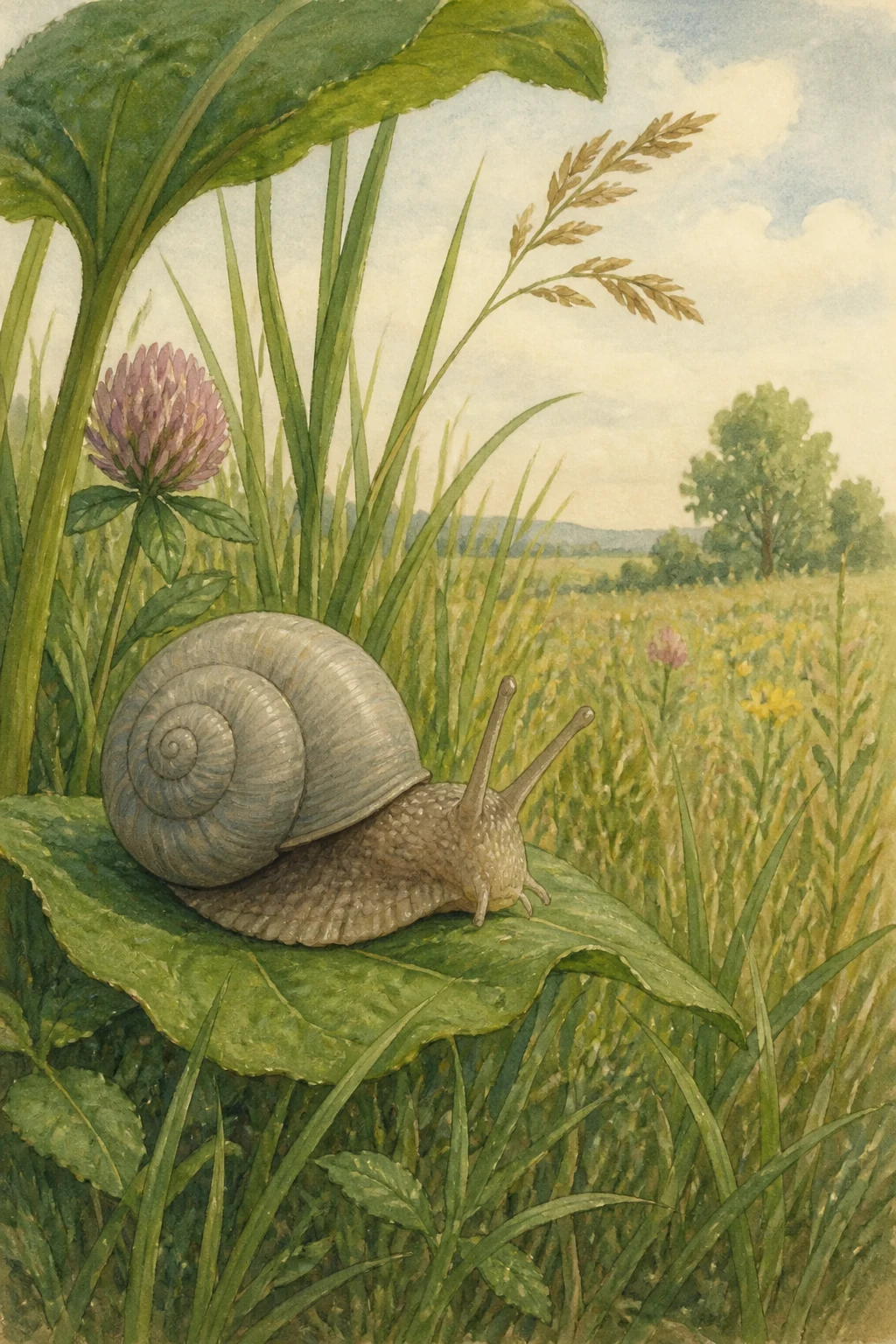
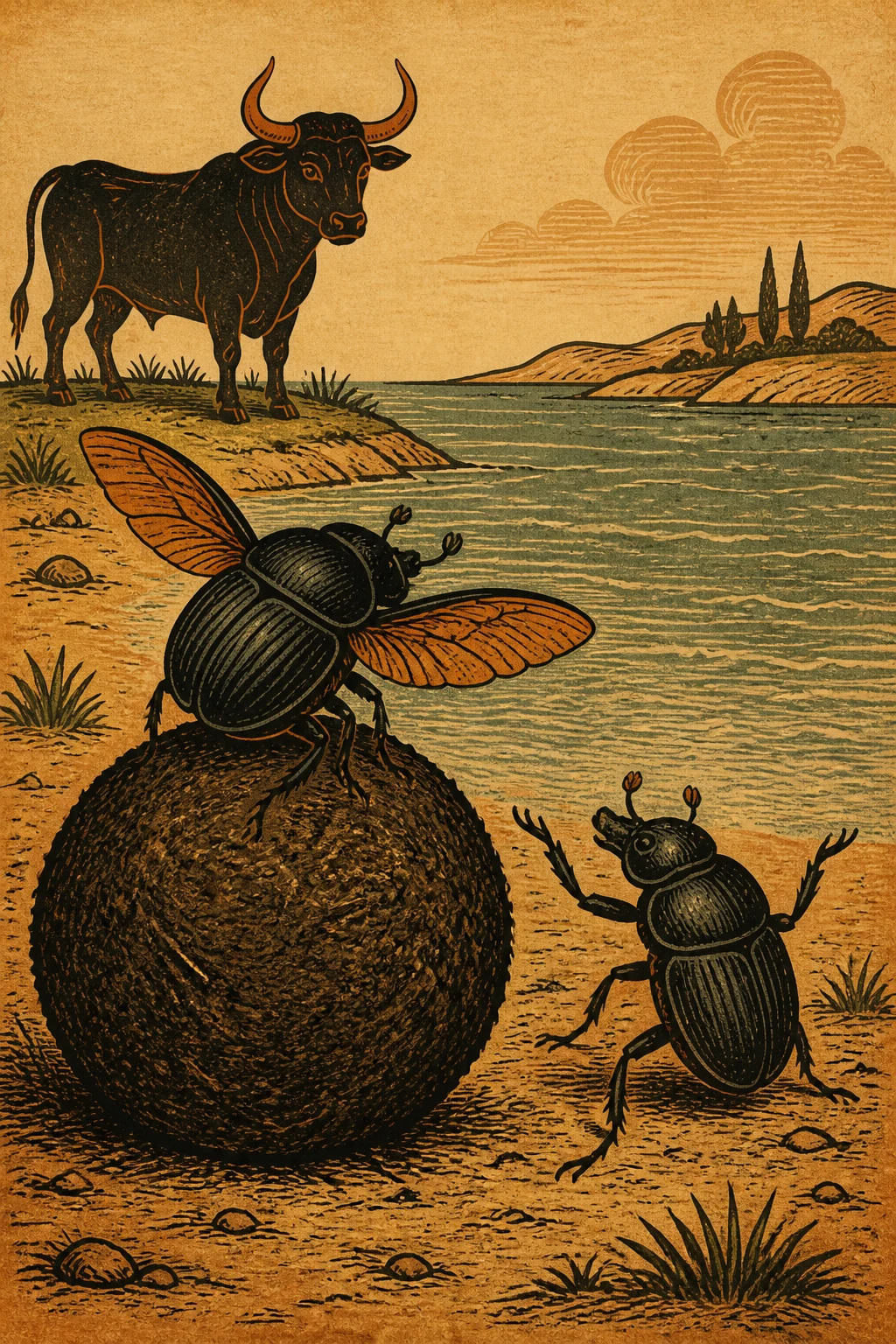
A bull grazed on a little island, and two dung beetles fed on his droppings. As winter drew near, one said to the other that he wished to fly over to the mainland, so that the beetle who stayed behind would have enough food for himself, while he would spend the winter there. He also said that if he found plenty of food, he would bring some back for his companion. When he reached the mainland, he found an abundance of dung, but it was wet, so he stayed there and fed on it. Once winter had passed, he flew back to the island. The other beetle, seeing him sleek and thriving, reproached him for bringing nothing back despite his promise. But he replied, “Do not blame me, but the nature of the place: one can feed there, but carry nothing away.” This fable applies to those whose friendship extends only to sharing a meal, but who do nothing further to help their friends.
Izvirnik
185. Κάνθαροι δύο. (S.85. C. 198. F.282.)
Naslednje strani prikazujejo izvirno besedilo za primerjavo.
Ἔν τινι νησιδίῳ ταῦρος ἐνέμετο· τῇ δὲ τούτου κόπρῳ κάνθαροι ἐτρέφοντο δύο. Καὶ δὴ τοῦ χειμῶνος ἐνισταμένου ὁ εἷς ἔλεγε πρὸς τὸν ἕτερον, ὡς ἄρα βούλοιτο δὴ εἰς τὴν ἤπειρον διαπτάσθαι, ἵνα ἐκείνῳ μόνῳ ἡ τροφὴ ἱκανὴ ὑπάρχῃ, καὶ ὡς ἂν ἐκεῖσε ἐλθών τὸν χειμῶνα διαγένηται. Ἔλεγε δὲ ὅτι, ἐὰν πολλὴν εὕρῃ τὴν νομὴν, καὶ αὐτῷ οἴσει. Παραγενόμενος δὲ εἰς τὴν χέρσον, καὶ καταλαβὼν πολλὴν μὲν κόπρον, ὑγρὰν δὲ, μένων ἐνταῦθα ἐτρέφετο. Τοῦ δὲ χειμῶνος διελθόντος πάλιν εἰς τὴν νῆσον διέπτη· ὁ δὲ ἕτερος θεασάμενος αὐτὸν λιπαρὸν καὶ εὐεκτοῦντα, ᾐτιάσατο αὐτὸν, διότι προϋποσχόμενος οὐδὲν ἐκόμισεν. Ὁ δὲ εἶπε· „μὴ ἐμὲ μέμφου, τὴν δὲ φύσιν τοῦ τόπου· ἐκεῖθεν γὰρ τρέφεσθαι μὲν οἷόν τε, φέρεσθαι δὲ οὐδέν.“
Ὁ λόγος ἁρμόσειεν ἄν πρὸς ἐκείνους, οἵ τὰς φιλίας μέχρις ἑστιάσεως μόνον παρέχονται, περαιτέρω δὲ οὐδὲν τοὺς φίλους ὠφελοῦσιν.
Nadaljuj z branjem