Prevod
New York je bil še Novi Amsterdam, ko je tam prijokal na svet Dolph Heyliger — malopriden navihanec, vendar pogumen in dobrodušen. Ko je po očetovi smrti ostal brez prebite pare, mu ni preostalo drugega, kakor da stopi v službo k zdravniku, njegova mati pa je vodila trgovinico. Ta zdravnik je kupil kmetijo na otoku Manhattoes — daleč zunaj mesta, najverjetneje tam, kjer danes poteka Triindvajseta ulica — in zaradi govoric, ki so jih o njej razširili najemniki, se je zdelo, da mu bodo od zemljiške posesti ostale le skrbi, dobička pa nobenega. Dolphovi pustolovski naravi je bilo prav po godu, da so ga poslali raziskat vzrok teh govoric. Tri noči je prebival v opusteli stari graščini in se po svitu prikazal iz nje ves medel in bled, vendar je svoja doživetja zadržal zase, v veliko nejevoljo meščanov, ki so kar goreli od radovednosti, kaj bo povedal.
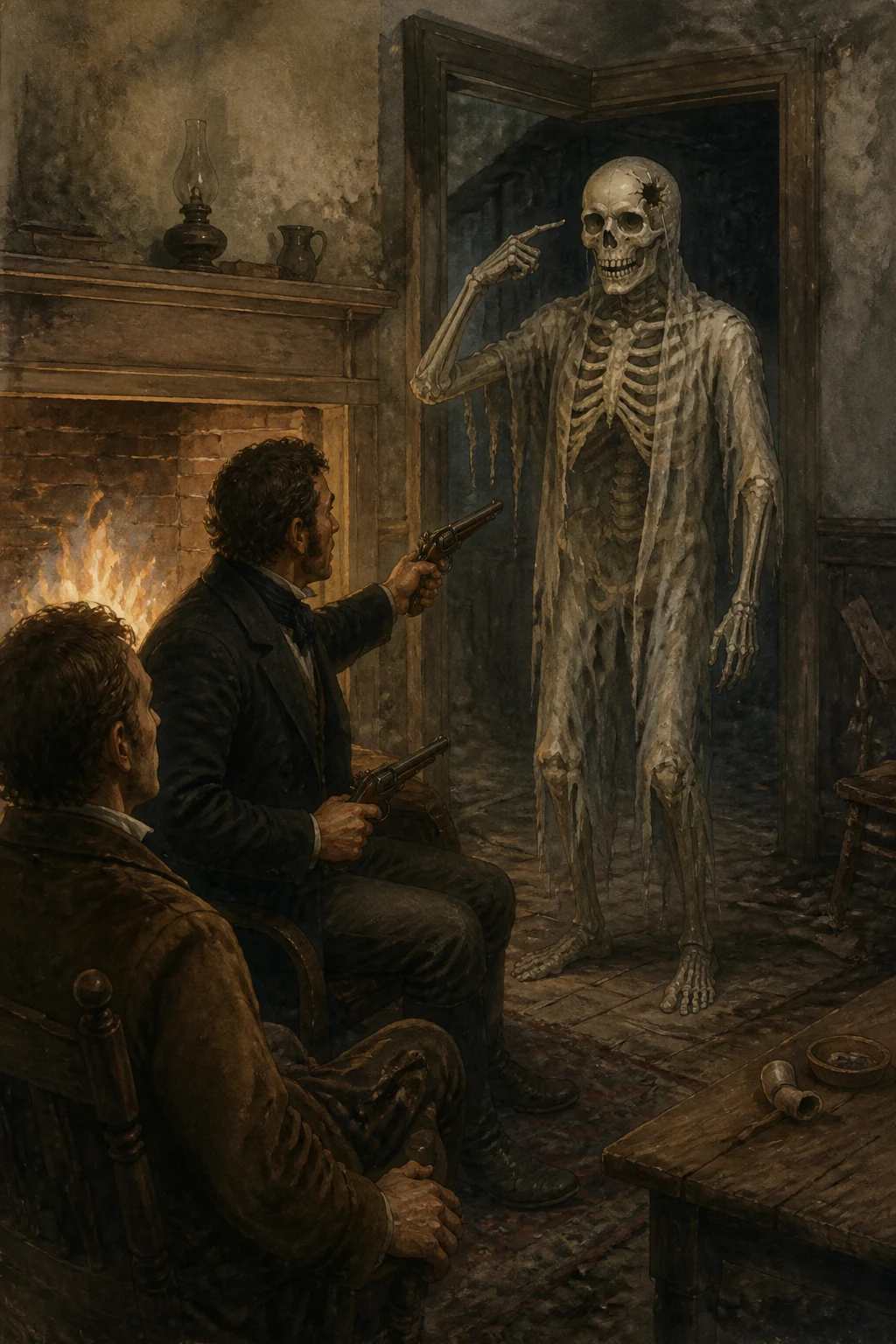
Šele mnogo pozneje je pripovedoval o slovesnih korakih, ki so ga prebujali v urah po polnoči, o vratih, ki so se tiho odpirala, čeprav jih je zapahnil in zaklenil, in o zajetnem Flamcu s kodrastimi sivimi lasmi, v škornjih s širokimi zavihki, klobuku s povešenimi krajci, napihnjenih hlačah in jopiču, ki je vstopil, sedel v naslanjač in ga opazoval do petelinjega petja. Prav tako ni povedal, kako je tretjo noč zbral pogum in s Svetim pismom ter katekizmom, ki ju je za oporo stiskal k prsim, vprašal po namenu obiska; kako je Flamec vstal in ga s pogledom zvabil za seboj po stopnicah navzdol, nato pa šel skozi vhodna vrata, ne da bi jih odpahnil, to opravilo pa prepustil trepetajočemu, a radovednemu mladeniču; in kako je odšel do opuščenega vodnjaka na koncu vrta ter tam izginil izpred oči.
Dolph je dolgo premišljeval o teh rečeh in ponoči o njih sanjal. Trdil je, da se je prav po zapovedi svojih sanj vkrcal na škuno, namenjeno navzgor po Hudsonu, ne da bi se mu zdelo potrebno posloviti od delodajalca. Ko ga je vihar vrgel na obalo ob vznožju gore Storm King, je naletel na Anthonyja Vander Hevdna, znamenitega zemljiškega posestnika in lovca. Temu je bil mladenič, ki je znal streljati, ribariti, veslati in plavati, tako všeč, da ga je odpeljal s seboj domov v Albany. Gospod je imel prostorno domovanje, dobro pijačo in lepo hčer, in Dolph se je počutil kakor v raju, dokler ga niso odvedli v sobo, kjer naj bi prebival. Med prvimi rečmi, ki jih je tam zagledal, je bil namreč portret prav tiste osebe, ki mu je na kmetiji na Manhattoesu kradla spanec večji del treh noči. Hotel je vedeti, čigava je podoba, in izvedel, da je na njej Killian Vander Spiegel, župan in skopuh, ki je ob angleški zasedbi Novega Amsterdama zakopal svoj denar, nato pa se od strahu, da bi ga kdo našel, zasekiral do smrti. Spomnil se je, da mu je mati že govorila o tem Spieglu in da je bil njen oče skopuhov zakoniti dedič; zdaj pa se je izkazalo, da je bil tudi eden od Heydnovih prednikov. Tisto noč je v sanjah Flamec stopil s portreta in ga kakor prej odvedel do vodnjaka, kjer se je nasmehnil in izginil. Naslednje jutro je Dolph pomislil, da je bilo vse to urejeno zato, da bi se obe veji rodbine spet združili in bi se razkrilo skrivališče zaklada, ki jima je pripadal po dediščini. Ta misel ga je tako prevzela, da se je s prvo škuno vrnil v Novi Amsterdam, na gospodarjevo presenečenje in v žalost njegove hčere.
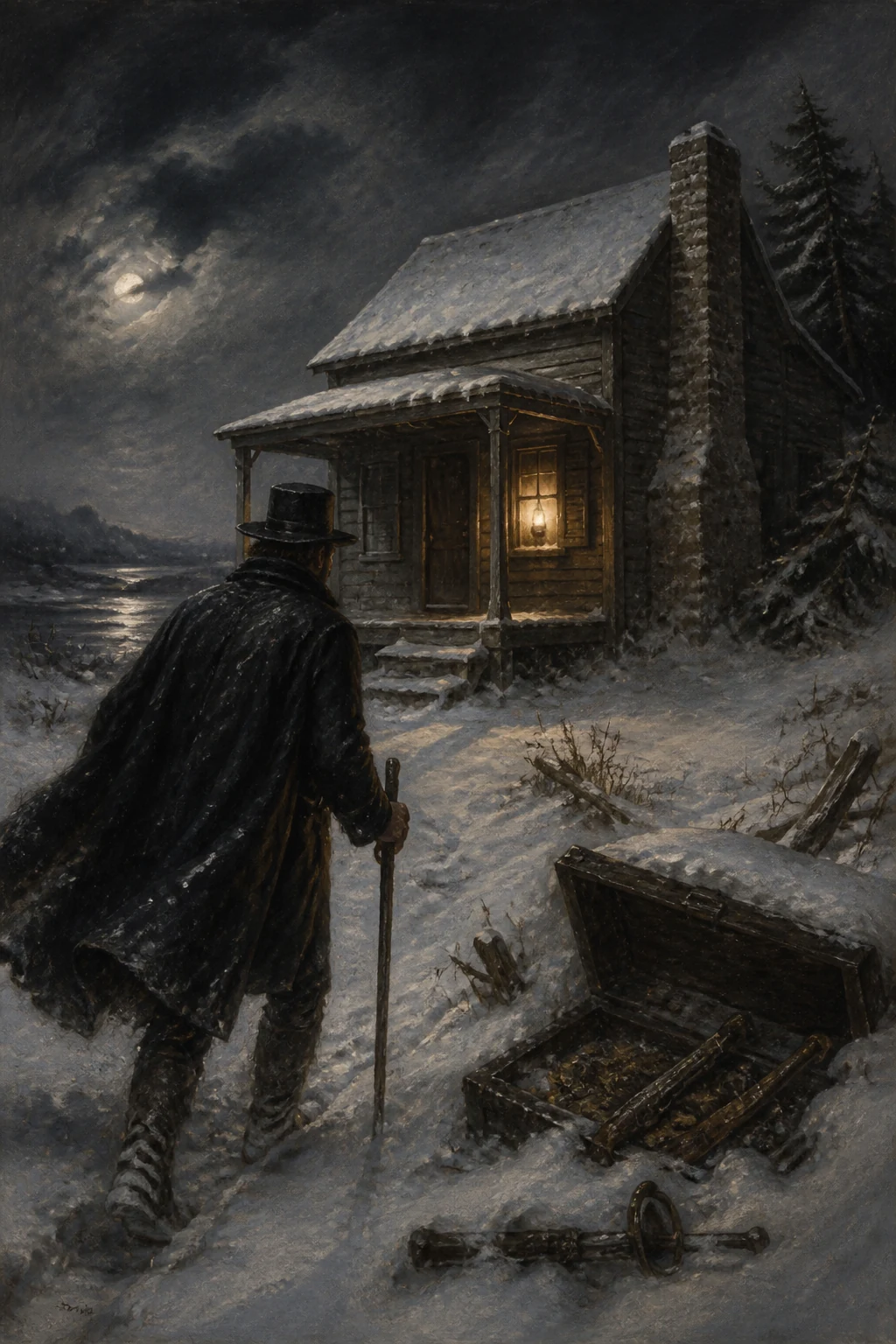
Ko je pobeglega služabnika zdravnik sprejel s kletvicami, mati z veseljem, saj je verjela, da so ga odnesli strahovi, meščani pa z začudenjem, kakor junaka iz romana, se je ob prvi priložnosti napotil na strašljivo posest in začel ribariti v opuščenem vodnjaku. Kmalu se mu je trnek zapletel v nekaj na dnu, in ko je počasi vlekel navzgor, je ugotovil, da je ujel lepo srebrno skledico s pokrovom, pritrjenim z zavito žico. V hipu je odtrgal pokrov in odkril, da je posoda polna zlatnikov. Tistega dne je imel pri ribarjenju srečo, kakršne ni imel še noben ribič, kajti spodaj so bili še drugi kosi srebrnine, vsi z vrezanim Spieglovim grbom in vsi polni zaklada.
Da bi ljudi obdržal čim dlje od tistega kraja, je podpihoval najstrašnejše zgodbe o njem, sam pa je medtem svoj plen kos za kosom prenašal iz skrivališča domov. Njegova nepojasnjena odsotnost v Albanyju in občevanje z mrtvimi sta sosede pripravila na vsakršno spremembo v njegovem značaju ali premoženjskem stanju. In ker je imel zdaj za moške vselej steklenico žganja, za ženske čajnik čaja, z materjo pa je lepo ravnal, so govorili, da so od nekdaj vedeli, da se bo, če se že spremeni, spremenil na bolje — ob čemer so njegovi nekdanji obrekovalci pomenljivo privzdigovali obrvi — in kadar jih je povabil na kosilo, so se vselej odzvali.
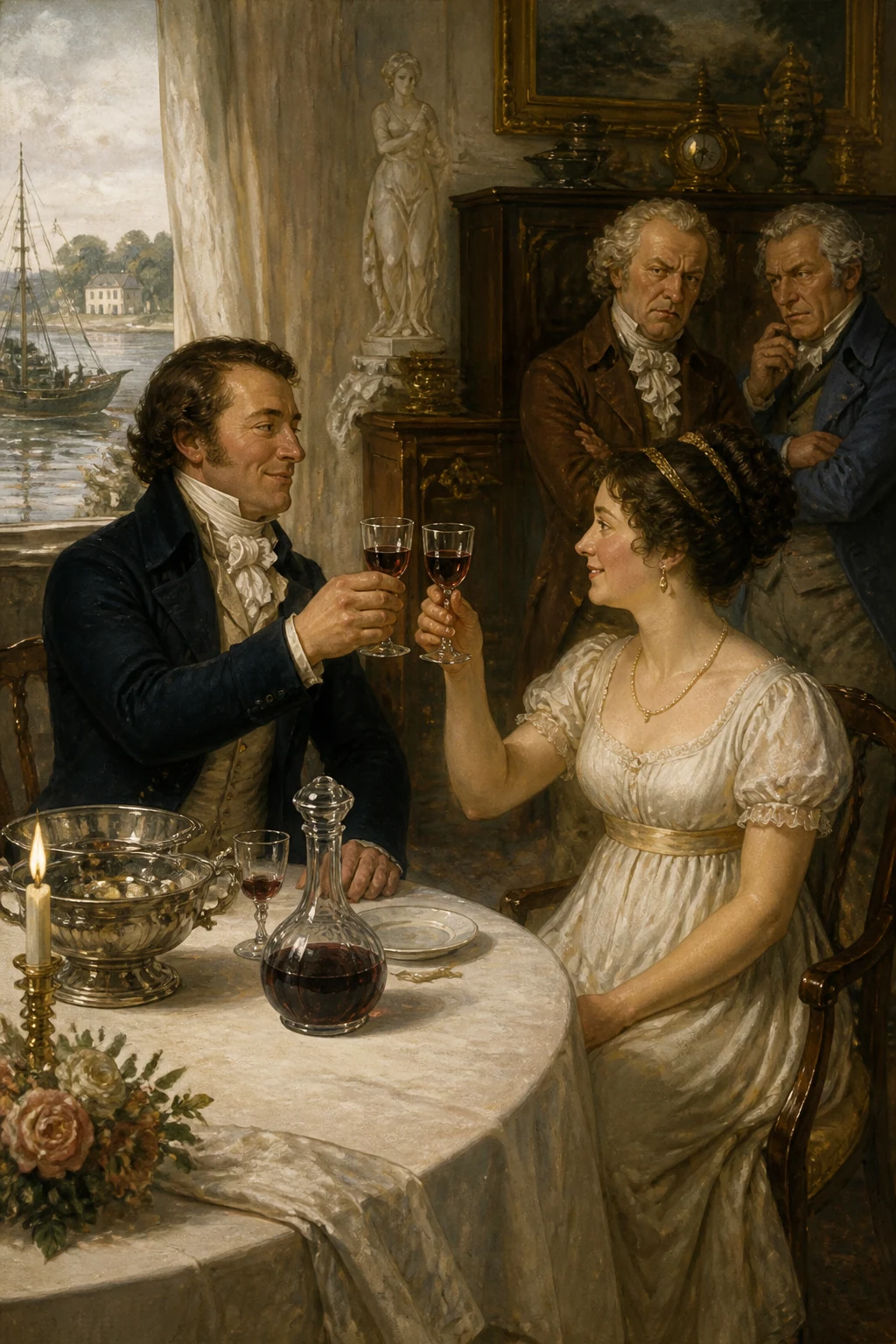
Prav tako so se veselili, ko je napočil dan njegove poroke z mladenko iz Albanyja. Izvolili so ga tudi za člana mestnega sveta, ki mu je pozneje zapustil nekaj Spieglove srebrnine, drugim mestnim očetom pa je pogosto pomagal izprazniti veliko skledo punča. Prav na eni izmed teh gostij mestnega sveta ga je zadela kap in je umrl. S častmi so ga pokopali na pokopališču nizozemske cerkve v ulici Garden Street.
Izvirnik
New York was New Amsterdam when Dolph Heyliger got himself born there,--a graceless scamp, though a brave, good-natured one, and being left penniless on his father's death he was fain to take service with a doctor, while his mother kept a shop. This doctor had bought a farm on the island of Manhattoes--away out of town, where Twenty-third Street now runs, most likely--and, because of rumors that its tenants had noised about it, he seemed likely to enjoy the responsibilities of landholding and none of its profits. It suited Dolph's adventurous disposition that he should be deputed to investigate the reason for these rumors, and for three nights he kept his abode in the desolate old manor, emerging after daybreak in a lax and pallid condition, but keeping his own counsel, to the aggravation of the populace, whose ears were burning for his news.
Not until long after did he tell of the solemn tread that woke him in the small hours, of his door softly opening, though he had bolted and locked it, of a portly Fleming, with curly gray hair, reservoir boots, slouched hat, trunk and doublet, who entered and sat in the arm-chair, watching him until the cock crew. Nor did he tell how on the third night he summoned courage, hugging a Bible and a catechism to his breast for confidence, to ask the meaning of the visit, and how the Fleming arose, and drawing Dolph after him with his eyes, led him downstairs, went through the front door without unbolting it, leaving that task for the trembling yet eager youth, and how, after he had proceeded to a disused well at the bottom of the garden, he vanished from sight.
Dolph brooded long upon these things and dreamed of them in bed. He alleged that it was in obedience to his dreams that he boarded a schooner bound up the Hudson, without the formality of adieu to his employer, and after being spilled ashore in a gale at the foot of Storm King, he fell into the company of Anthony Vander Hevden, a famous landholder and hunter, who achieved a fancy for Dolph as a lad who could shoot, fish, row, and swim, and took him home with him to Albany. The Heer had commodious quarters, good liquor, and a pretty daughter, and Dolph felt himself in paradise until led to the room he was to occupy, for one of the first things that he set eyes on in that apartment was a portrait of the very person who had kept him awake for the worse part of three nights at the bowerie in Manhattoes. He demanded to know whose picture it was, and learned that it was that of Killian Vander Spiegel, burgomaster and curmudgeon, who buried his money when the English seized New Amsterdam and fretted himself to death lest it should be discovered. He remembered that his mother had spoken of this Spiegel and that her father was the miser's rightful heir, and it now appeared that he was one of Heyden's forbears too. In his dream that night the Fleming stepped out of the portrait, led him, as he had done before, to the well, where he smiled and vanished. Dolph reflected, next morning, that these things had been ordered to bring together the two branches of the family and disclose the whereabouts of the treasure that it should inherit. So full was he of this idea that he went back to New Amsterdam by the first schooner, to the surprise of the Heer and the regret of his daughter.
After the truant had been received with execrations by the doctor and with delight by his mother, who believed that spooks had run off with him, and with astonishment, as a hero of romance, by the public, he made for the haunted premises at the first opportunity and began to angle at the disused well. Presently he found his hook entangled in something at the bottom, and on lifting slowly he discovered that he had secured a fine silver porringer, with lid held down by twisted wire. It was the work of a moment to wrench off the lid, when he found the vessel to be filled with golden pieces. His fishing that day was attended with such luck as never fell to an angler before, for there were other pieces of plate down there, all engraved with the Spiegel arms and all containing treasure.
By encouraging the most dreadful stories about the spot, in order to keep the people wide away from it, he accomplished the removal of his prizes bit by bit from their place of concealment to his home. His unaccounted absence in Albany and his dealings with the dead had prepared his neighbors for any change in himself or his condition, and now that he always had a bottle of schnapps for the men and a pot of tea for the women, and was good to his mother, they said that they had always known that when he changed it would be for the better,--at which his old detractors lifted their eyebrows significantly--and when asked to dinner by him they always accepted.
Moreover, they made merry when the day came round for his wedding with the little maid of Albany. They likewise elected him a member of the corporation, to which he bequeathed some of the Spiegel plate and often helped the other city fathers to empty the big punch-bowl. Indeed, it was at one of these corporation feasts that he died of apoplexy. He was buried with honors in the yard of the Dutch church in Garden Street.