Prevod
Dvajset milj od prestolnice Arizone se dviga gora Superstition — prizorišče številnih izročil in vir mnogih strahov. Pred dvema stoletjema je v njeno bližino prispelo pleme pritlikavcev ljudstva Pueblo; obdelovali so zemljo in pasli svoje črede okoli naselbin, ki so zrasle ob poti njihovega pohoda. Bili so drobni ljudje, visoki štiri čevlje, a bilo jih je tisoč in bili so bistroumni. Kakor vsi razumni ljudje so bili miroljubni, skrivnostnost, ki je obdajala njihova zaklinjanja in čaščenje sonca, pa je tiste rojene morilce, Apače, odvračala učinkoviteje kakor razkazovanje orožja.
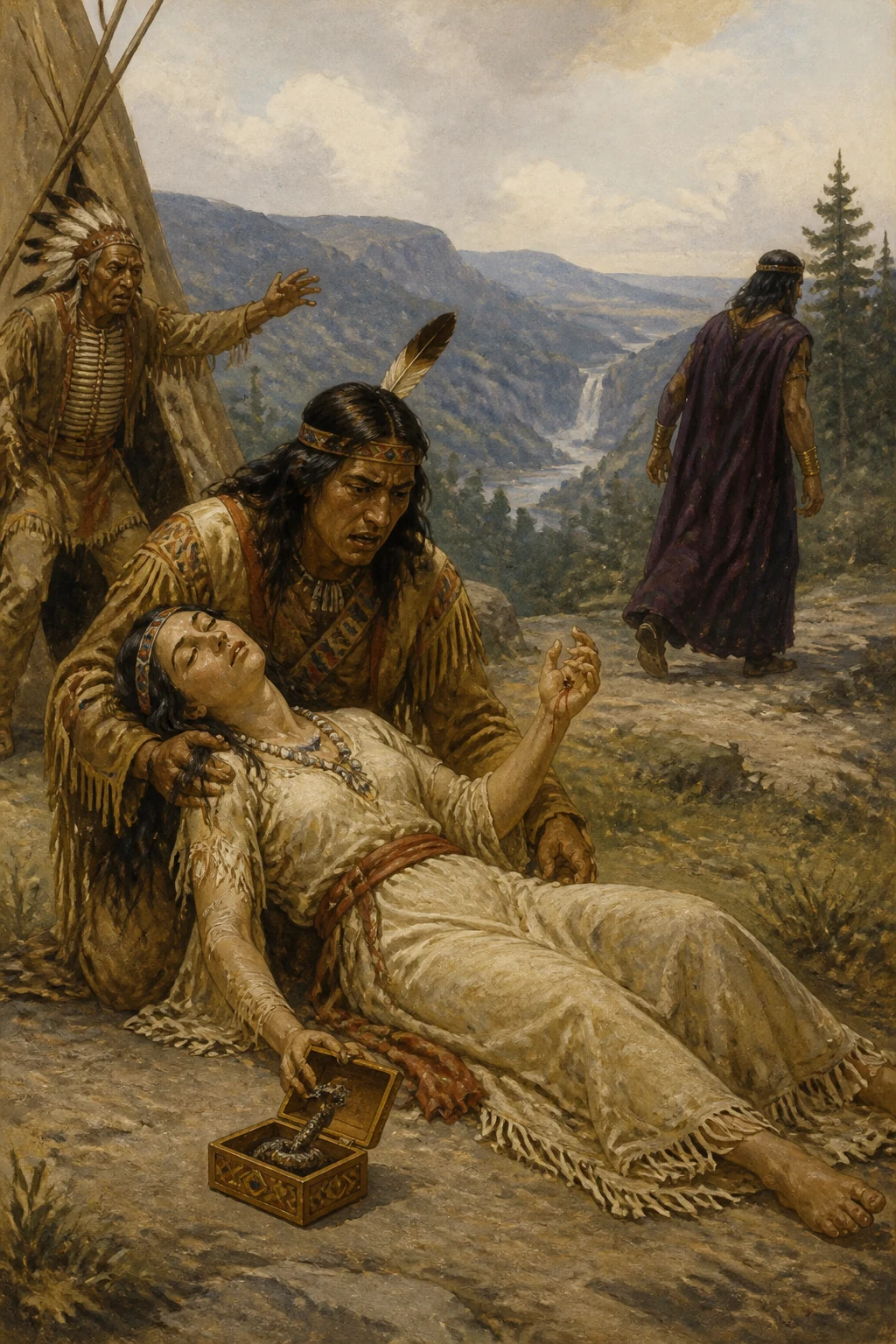
Ko so »mali ljudje« že pet let živeli ob gori, so izvedeli, da se z juga približujejo Zuniji, in se začeli pripravljati na obrambo. Ovce so skrili v odmaknjene doline; zaloge živeža, orodje in orožje so znosili na goro; ob robovih pečin, ki so se dvigale nad prelazi, so nakopičili kamenje. Delo je nadzorovala ženska belega obraza, svetlih las in veličastne postave, ki so jo pritlikavci globoko spoštovali; prav ona — Helena neke Troje v Novem svetu — je bila vzrok teh težav. Zuniji so si jo namreč lastili, češ da so jo pripeljali iz voda vzhajajočega sonca in da je k pritlikavcem zbežala zgolj zato, da bi se izognila častni poroki z njihovim poglavarjem.
Kakor koli že, Zuniji so korakali naprej in naleteli le na šibek odpor, dokler se niso nekega jasnega popoldneva zbrali na pobočju gore; bilo jih je sedemsto. Apači, ki so pričakovali takojšen poraz »malih mož«, so s sosednjih gričev opazovali napredovanje napadalcev. Ti so se urno vzpenjali proti kamniti utrdbi na vrhu pobočja, vihteli gorjače in kamnite sulice ter se bahali, kakor je v navadi pri rdečem človeku — in včasih tudi pri belem.
Ob tolmunu zunaj obzidja je stala bledolična ženska, kraljevska in mirna; ko so ji belo oblačilo in rjavi lasje plapolali v vetru, so jo tako njeni ljudje kakor sovražniki gledali z občudovanjem. Ko so bili Zuniji oddaljeni le še sto jardov, so z iztegnjenimi rokami planili proti njej. Tedaj se je sklonila, pobrala lončeno posodo, zlila njeno vsebino v tolmun in stekla nazaj. V hipu so iz razpok v skalah švignile iskre in ognjene krogle; ko so se dotaknile Indijancev, so mnogi padli mrtvi. Drugi so se slepo pognali čez robove pečin in se raztreščili.
V nekaj minutah je bila preostala vojska v polnem umiku, pa ni bila izstreljena niti ena puščica. Čeprav so Apači ob teh ognjenih pojavih onemeli od groze, je spomin nanje v nekaj letih dovolj zbledel, da so še sami poskusili opleniti utrdbo. Toda kraljica jih je odbila, kakor je prej pregnala Zunije, in pri tem povzročila še hujši pokol. Odtlej pritlikavcem nihče več ni storil nič žalega, vendar so tako nenadoma, kakor so prišli, tudi odšli, v skrito zavetje v gorah, kjer jim še vedno vlada Bledolična strela.
Nekateri Apači trdijo, da njen duh straši v votlini na gori Superstition, kjer je njeno telo izginilo v ognjenem plamenu; to votlino Matere duhov kažejo tudi na južni strani reke Salt River. Nekoč so v njej našli okostje in okrašena bombažna oblačila svilnatega otipa. Pravijo, da so električni pojavi na gori pogosti in da bi jih lahko pojasnjevali železo, baker, sol in zelena galica, ki ležijo blizu skupaj.
Izvirnik
Twenty miles from the capital of Arizona stands Mount Superstition--the scene of many traditions, the object of many fears. Two centuries ago a tribe of Pueblo dwarfs arrived near it and tilled the soil and tended their flocks about the settlements that grew along their line of march. They were little people, four feet high, but they were a thousand strong and clever. They were peaceful, like all intelligent people, and the mystery surrounding their incantations and sun-worship was more potent than a show of arms to frighten away those natural assassins, the Apaches.
After they had lived near the mountain for five years the “little people” learned that the Zunis were advancing from the south and made preparations for defence. Their sheep were concealed in obscure valleys; provisions, tools, and arms were carried up the mountain; piles of stone were placed along the edges of cliffs commanding the passes. This work was superintended by a woman with a white face, fair hair, and commanding form, who was held in reverence by the dwarfs; and she it was--the Helen of a New-World Troy--who was causing this trouble, for the Zunis claimed her on the ground that they had brought her from the waters of the rising sun, and that it was only to escape an honorable marriage with their chief that she had fled to the dwarfs.
Be that as it might, the Zunis marched on, meeting with faint resistance until, on a bright afternoon, they massed on a slope of the mountain, seven hundred in number. The Apaches, expecting instant defeat of the “little men,” watched, from neighboring hills, the advance of the invaders as they climbed nimbly toward the stone fort on the top of the slope, brandishing clubs and stone spears, and bragging, as the fashion of a red man is--and sometimes of a white one.
At a pool outside of the walls stood the pale woman, queenly and calm, and as her white robe and brown hair fluttered in the wind both her people and the foe looked upon her with admiration. When but a hundred yards away the Zunis rushed toward her with outstretched arms, whereupon she stooped, picked up an earthen jar, emptied its contents into the pool, and ran back. In a moment sparks and balls of fire leaped from crevices in the rocks, and as they touched the Indians many fell dead. Others plunged blindly over the cliffs and were dashed to pieces.
In a few minutes the remainder of the force was in full retreat and not an arrow had been shot. The Apaches, though stricken with terror at these pyrotechnics, overcame the memory of them sufficiently in a couple of years to attempt the sack of the fort on their own account, but the queen repelled them as she had forced back the Zunis, and with even greater slaughter. From that time the dwarfs were never harmed again, but they went away, as suddenly as they had come, to a secret recess in the mountains, where the Pale Faced Lightning still rules them.
Some of the Apaches maintain that her spirit haunts a cave on Superstition Mountain, where her body vanished in a blaze of fire, and this cave of the Spirit Mother is also pointed out on the south side of Salt River. A skeleton and cotton robes, ornamented and of silky texture, were once found there. It is said that electrical phenomena are frequent on the mountain, and that iron, copper, salt, and copperas lying near together may account for them.