Waltey
Zgodba o Adžibu in Garibu
Tisoč in ena noč · arabska pripovedna tradicijaO besedilu
Zgodba o Adžibu in Garibu
- Vir
- Tisoč in ena noč
- Avtor
- arabska pripovedna tradicija
- Jezik branja
- English
- Jezik izvirnika
- Arabic
- Čas branja
- 248 min branja
- Obseg
- 199 strani
- Naslov izvirnika
- حكاية عجيب وغريب - الليالي ٦٢٤ إلى ٦٨٠
O izvirniku
Tisoč in ena noč
Zgodbe v zgodbah, polne trgovcev, dvorov, preoblek in nočnih zapletov. Bralni jezik je English, izvirnik pa prihaja iz vira Tisoč in ena noč v jeziku Arabic.
Besedilo
Zgodba o Adžibu in Garibu
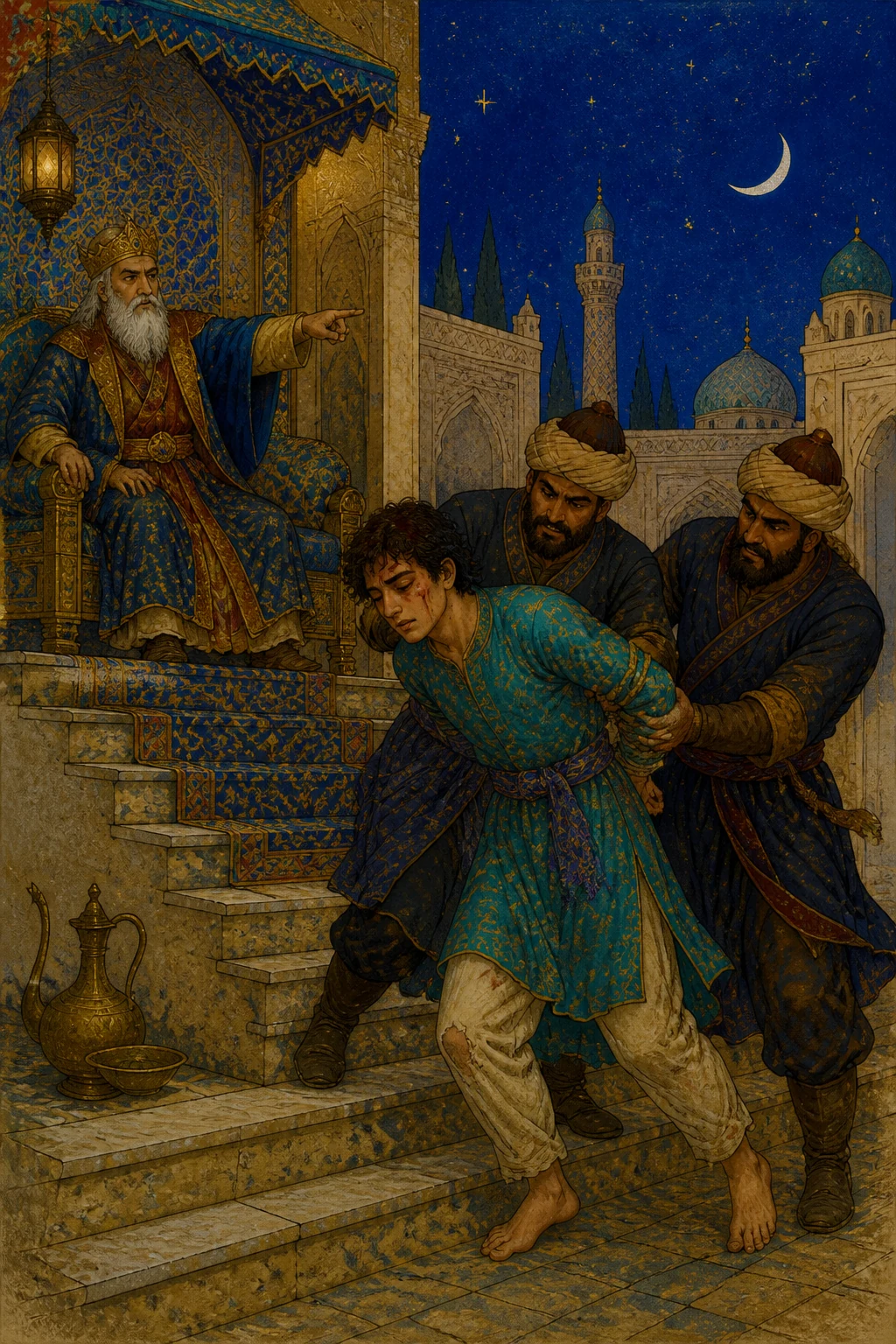
It has also reached me that in ancient times there lived a mighty king named King Kundamur, a brave monarch and a formidable warrior, but a man bowed down with years. In his old age, God Most High granted him a son, whom he named Ajib because of his marvelous beauty. He entrusted him to midwives, wet nurses, serving girls, and concubines, among whom the boy grew and flourished. When he had reached the age of seven, his father appointed a priest of his own faith to instruct him. For three full years the priest taught him their religious law, their unbelief, and all else he needed to know, until he became accomplished, resolute, and sound in judgment: a learned, eloquent youth, renowned for his wisdom, who debated with scholars and sat among sages. His father was delighted at this, and then had him taught horsemanship, lance-play, and swordsmanship, until he became a bold knight. Before he had completed his tenth year, he surpassed everyone of his time in every accomplishment and knew all the arts of war. But he grew into a headstrong tyrant, a rebellious devil. Whenever he rode out to hunt, he took a thousand horsemen with him, raiding other warriors, waylaying travelers, and carrying off the daughters of kings and noblemen. Complaints against him poured in to his father, until the king summoned five slaves. When they appeared, he told them, “Seize this dog!” The slaves rushed upon Ajib and bound his arms behind him. At the king’s command they beat him until he lost consciousness, then imprisoned him in a chamber where he could not tell sky from earth, nor length from breadth. He remained confined for one night. Then the emirs came before the king, kissed the ground at his feet, and interceded for Ajib, so he released him. Ajib bore with his father for ten days; then he entered his chamber at night while he slept and struck off his head. At daybreak Ajib mounted his father’s throne and ordered his men to stand before him, clad in steel with drawn swords, ranged to his right and left. When the emirs and commanders entered and found their king murdered and his son seated upon the throne, they were bewildered. Ajib said to them, “My people, you have seen what has befallen your king. Whoever obeys me shall be honored, and whoever opposes me shall meet the same fate.”
When they heard this, they feared his violence and said, “You are our king and the son of our king.” They kissed the ground before him, and he thanked them, pleased with their submission. He ordered money and rich fabrics brought out, bestowed splendid robes of honor upon them, and showered them with wealth, so that they all came to love and obey him. He also bestowed robes upon the provincial governors and the chiefs of the Arab tribes, rebellious and obedient alike, until the lands submitted to him and their people acknowledged his rule. For five months he governed, commanding and forbidding. Then one night he had a dream and awoke in terror. He could not sleep again before morning. He seated himself upon the throne, with his soldiers standing to his right and left, summoned the dream interpreters and astrologers, and said, “Interpret this dream for me.” “What dream did you see, O King?” they asked. He replied, “I saw my father standing before me. His member was uncovered, and something the size of a bee came out of it. It grew until it became a huge lion, with claws like daggers, and I was afraid of it. While I stood staring in amazement, it sprang upon me and struck me with its claws, ripping open my belly. Then I awoke, terrified.” The interpreters looked at one another and considered their answer. At last they said, “O mighty King, this dream foretells a son born to your father. Enmity will arise between you, and he will prevail over you. Take warning from this dream and beware of him.”
When Ajib heard their interpretation, he said, “I have no brother to fear. What you say is false.” They replied, “We have told you only what we know.” He flew into a rage and had them beaten. Then he rose, entered his father’s palace, and examined his father’s concubines. Among them he found a slave girl seven months with child. He summoned two of his slaves and told them, “Take this girl to the sea and drown her.” They took her by the hand and led her to the shore, intending to drown her. But when they looked at her and saw her extraordinary beauty, they said, “Why should we drown this girl? Let us take her to the forest and make a fine living by prostituting her.” So they took her away, traveling for days and nights until they were far from all habitation. They brought her to a forest thick with trees, fruit, and streams, and agreed to satisfy their lust upon her. But each said, “I shall go first,” and they fell to quarreling. Just then a band of black men came upon them. Swords were drawn, and they charged one another. Fierce fighting followed, with blows and thrusts, until the two slaves were killed in less than the twinkling of an eye. The girl wandered alone through the forest, eating its fruit and drinking from its streams, until she gave birth to a dark-skinned boy, handsome and graceful. She named him Gharib because he had been born a stranger in a strange land. She cut his cord, wrapped him in part of her clothing, and began to nurse him, grieving bitterly for the honor and pampered ease she had once enjoyed. Then morning overtook Shahrazad, and she fell silent, leaving her tale untold.
When it was the six hundred and twenty-fifth night,
She said: It has reached me, O fortunate King, that the slave girl remained in the forest, sorrowful at heart, nursing her son amid the deepest grief and fear at her solitude. One day, while she was in this plight, horsemen and men on foot appeared, with hawks and hunting dogs. Their horses were laden with cranes, herons, Iraqi geese, divers, and waterfowl, wild beasts, hares, gazelles, wild cattle, young ostriches, wildcats, wolves, and lions. These Arabs entered the forest and found the girl nursing her son in her lap. They approached her and asked, “Are you a woman or a jinniya?” “A woman, my lords of the Arabs,” she answered. They informed their emir, whose name was Mardas, lord of the Banu Qahtan. He had ridden out to hunt with five hundred chiefs of his people and kinsmen, and they had hunted their way to the place where the girl was found. They saw her, and she told them her story from beginning to end. The king marveled at her plight and called to his people and kinsmen. They continued hunting until they reached the Banu Qahtan. He took her with him, lodged her in a dwelling of her own, and appointed five slave girls to serve her. He fell deeply in love with her, went in to her, and lay with her, and she conceived while still nursing. When her months were fulfilled, she bore a son whom she named Suhaym al-Layl. He was brought up by the nurses alongside his brother, and the two boys grew and flourished under Emir Mardas’s care. He entrusted them to a religious scholar, who taught them the precepts of their faith; afterward he placed them in the charge of Arab warriors, who taught them lance-play, swordsmanship, and archery. Before they had completed their fifteenth year, they had learned all they needed and surpassed every champion in the tribe. Gharib could charge a thousand horsemen, and so could his brother Suhaym al-Layl.
Mardas had many enemies, and his tribesmen were the bravest of the Arabs, all champions and horsemen whose fire none dared approach. Near him lived an Arab emir named Hassan ibn Thabit, who was his friend. Hassan had sought the hand of a noblewoman of his people and invited all his friends to the wedding, among them Mardas, lord of the Banu Qahtan. Mardas accepted, taking three hundred horsemen with him and leaving four hundred to guard the women. He rode until he reached Hassan, who welcomed him and seated him in the place of honor. All the horsemen gathered for the wedding, and Hassan gave them feasts and rejoiced in his marriage. Then the Arabs returned to their homes. When Mardas reached his encampment, he saw two dead men lying on the ground, with birds circling over them to right and left. His heart trembled. He entered the camp, and Gharib came out to meet him, clad in mail, and congratulated him on his safe return. “What has happened here, Gharib?” Mardas asked. He replied, “Al-Hamal ibn Majid and his people attacked us with five hundred horsemen.” The cause of this raid was that Emir Mardas had a daughter named Mahdiyya, more beautiful than any eye had ever seen. Al-Hamal, lord of the Banu Nabhan, heard of her and rode with five hundred horsemen to Mardas, seeking her hand. Mardas refused him and sent him away disappointed. From that time al-Hamal watched for an opportunity, until Mardas went away at Hassan’s invitation. Then he rode out with his champions and attacked the Banu Qahtan. He killed a number of their horsemen, and the remaining warriors fled into the mountains. Gharib and his brother had ridden out hunting with a hundred horsemen and did not return until midday. They found that al-Hamal and his people had seized the camp and everything in it. They had carried off the tribe’s daughters, and al-Hamal had taken Mahdiyya, Mardas’s daughter, and driven her away among the captives. At this sight Gharib lost all restraint. He shouted to his brother Suhaym al-Layl, “You son of an accursed woman! They have plundered our camp and taken our women! At the enemy, then, and rescue the captives!” Suhaym and Gharib charged the enemy with their hundred horsemen. Gharib’s fury only grew; he reaped heads and made champions drink the cup of death, until he reached al-Hamal and saw Mahdiyya a prisoner. He charged al-Hamal, thrust his lance into him, and toppled him from his horse. Before the afternoon prayer, he had killed most of the enemy and put the rest to flight. Gharib freed the captives and returned to the tents with al-Hamal’s head upon his lance, reciting these verses:
“I am renowned upon the field of battle; even the earth’s jinn tremble at my shadow. I have a sword: when my right hand brandishes it, death hastens from my left. I have a lance: those who look upon it see a point curved like the crescent moon. Gharib they call me, champion of my people; I do not fear, though few my warriors be.” Scarcely had Gharib finished his verses when Mardas arrived and saw the dead lying on the ground, with birds circling over them to right and left. His wits fled and his heart trembled, but Gharib reassured him, welcomed him home, and told him everything that had happened to the tribe in his absence. Mardas thanked him for what he had done and said, “The care we spent on raising you has not been wasted, Gharib.” Mardas dismounted at his pavilion, and the men gathered around him. The people of the camp praised Gharib, saying, “Our emir, had it not been for Gharib, not one of us would have escaped.” So Mardas thanked him for his deeds. Then morning overtook Shahrazad, and she fell silent, leaving her tale untold.
When it was the six hundred and twenty-sixth night,
She said: It has reached me, O fortunate King, that when Mardas returned to his camp and his men gathered around him, they praised Gharib, and Mardas thanked him for what he had done. Now, when Gharib had seen Mahdiyya carried captive by al-Hamal, rescued her, and killed her captor, she had shot the arrows of her glances at him. He fell into the snare of her love, and his heart could not forget her. He sank into passion and longing; sweet sleep deserted him, and he took no pleasure in food or drink. He would gallop his horse into the mountains, reciting verses, and return at the end of the day with the signs of love and yearning plain upon him. He confided his secret to one of his companions, and it spread throughout the camp until it reached Mardas. He flashed and thundered, rose and sat, snorted and growled, and cursed the sun and moon. “This is the reward of anyone who brings up bastards!” he cried. “If I do not kill Gharib, disgrace will ride upon my shoulders.” He consulted one of the wise men of his tribe about killing Gharib and revealed his secret to him. The man said, “Emir, only yesterday he rescued your daughter from captivity. If he must be killed, let it be by another’s hand, so that no one suspects you.” Mardas said, “Devise a way to kill him for me. I look to you alone for a plan.” The man replied, “Emir, watch until he rides out hunting. Take a hundred horsemen and lie in wait for him in the cave. Catch him unawares as he comes near, then charge him and cut him to pieces. Thus you will be rid of the disgrace he brings you.” “That is sound counsel,” said Mardas.
Mardas chose a hundred and fifty horsemen from his tribe, mighty, giant-like warriors, and instructed and urged them to kill Gharib. He kept watch until Gharib rode out hunting and had gone far into the valleys and mountains. Then he took his wicked horsemen and lay in ambush along Gharib’s path, intending to fall upon him and kill him when he returned from the hunt. But while Mardas and his men were hidden among the trees, five hundred giants suddenly attacked them. They killed sixty, captured the remaining ninety, and bound Mardas’s arms behind his back. This came about because, when al-Hamal and his men were killed, the survivors had fled until they reached his brother and told him what had happened. He was beside himself with fury. He gathered his giants, chose five hundred horsemen, each fifty cubits tall, and set out to avenge his brother. He came upon Mardas and his champions, and what has been told befell them. After capturing Mardas and his men, al-Hamal’s brother and his company dismounted. He ordered them to rest, saying, “My people, the idols have made our revenge easy. Guard Mardas and his men well until I take them home and put them to the most hideous death.” Mardas found himself bound and repented of what he had done. “This is the reward of wrongdoing,” he said. The victors slept, rejoicing in their triumph, while Mardas and his companions lay bound, despairing of life and certain of death.
Such was the case with Mardas. As for Suhaym al-Layl, he went, wounded as he was, to his sister Mahdiyya. She rose to greet him, kissed his hands, and said, “May your hands never be palsied, nor your enemies rejoice over you! But for you and Gharib, we would never have escaped captivity and our foes. Know, brother, that your father has ridden out with a hundred and fifty horsemen, intending to kill Gharib. Yet you know what a grievous loss his death would be, for he defended your honor and recovered your wealth.” When Suhaym heard this, daylight turned to darkness before his face. He put on his armor, mounted his horse, and sought the place where his brother was hunting. He found him with a great quantity of game, approached, greeted him, and said, “Brother, do you ride out without telling me?” Gharib replied, “By God, the only thing that kept me from telling you was that I saw you were wounded and wanted you to rest.” Suhaym said, “Brother, beware of my father.” Then he told him what had happened and how Mardas had ridden out with a hundred and fifty horsemen to kill him. Gharib replied, “May God turn his plot against his own throat.” Gharib and Suhaym set off for home. Evening overtook them, and they rode on through the night until they reached the valley where the men lay. Hearing horses neighing in the darkness, Suhaym said, “Brother, that is my father and his men, lying in ambush in this valley. Let us turn aside.” But Gharib had already dismounted. He tossed his reins to his brother and said, “Stay here until I return.” He went forward until he saw the men and discovered that they were not of his own tribe. He heard them speaking of Mardas and saying, “We shall not kill him until we are in our own country.” Realizing that his uncle Mardas was a prisoner among them, he said, “By Mahdiyya’s life, I will not leave until I have freed her father, lest grief befall her.” He searched until he found Mardas bound with ropes, sat down beside him, and said, “May you be delivered, uncle, from this humiliation and captivity.” When Mardas saw Gharib, he was beside himself. “My son,” he said, “I place myself under your protection. Save me, for the sake of the care I gave you as a child.” Gharib asked, “If I free you, will you give me Mahdiyya?” He replied, “My son, by all that I hold sacred, she shall be yours forever.” Gharib untied him and said, “Go toward the horses. Your son Suhaym is there.” Mardas slipped away until he reached Suhaym, who rejoiced to see him and congratulated him on his escape. Gharib went on freeing the men one by one until all ninety horsemen had been released and were safely away from the enemy. He sent them their weapons and horses and said, “Mount, spread out around the enemy, and shout, ‘O men of Qahtan!’ When they wake, draw back and scatter around them.” Gharib waited until the last third of the night, then shouted, “O men of Qahtan!” His people cried out together, “O men of Qahtan!” The mountains echoed their cry, and the enemy imagined that an army had fallen upon them. They all snatched up their weapons and fell upon one another. Then morning overtook Shahrazad, and she fell silent, leaving her tale untold.
When it was the six hundred and twenty-seventh night,
She said: It has reached me, O fortunate King, that when the men awoke and heard Gharib and his people shouting, “O men of Qahtan!” they imagined that the Banu Qahtan had attacked them. They seized their weapons and began killing one another. Gharib and his men drew back, and the enemy went on slaughtering each other until daybreak. Then Gharib, Mardas, and the ninety champions charged those who remained. They killed many and put the rest to flight. The Banu Qahtan gathered the riderless horses and the weapons that lay ready and set off for their camp. Mardas could scarcely believe he had escaped his enemies. They traveled on until they reached their tribe, where those who had stayed behind came out to meet them, rejoicing in their safe return. They went to their tents, and Gharib entered his own. The young men of the tribe gathered around him, and old and young came to greet him. When Mardas saw Gharib surrounded by the youths, he hated him more than ever. Turning to his kinsmen, he said, “My hatred of Gharib has grown stronger. Nothing troubles me more than the way these men gather around him. Tomorrow he will ask me for Mahdiyya.” His adviser said, “Emir, demand something he cannot accomplish.” Mardas was pleased. He passed the night, and in the morning seated himself in his place, with the Arabs gathered about him. Gharib arrived with his men and the youths around him, approached Mardas, and kissed the ground before him. Mardas showed delight at seeing him, rose to greet him, and seated him beside himself. Gharib said, “Uncle, you made me a promise. Fulfill it.” Mardas replied, “My son, she shall be yours forever, but you have little wealth.” Gharib said, “Uncle, ask what you will. I shall raid the Arab emirs in their homelands and kings in their cities, and bring you wealth enough to fill the space between east and west.” Mardas replied, “My son, I have sworn by all the idols that I will give Mahdiyya only to the man who avenges me and wipes away my shame.” Gharib said, “Tell me, uncle, which king owes you vengeance, and I will go and break his throne over his head.” Mardas replied, “My son, I once had a son, a champion among champions. He rode out hunting with a hundred warriors, passing from valley to valley until he had gone far into the mountains and reached the Valley of Flowers and the palace of Ham ibn Shith ibn Shaddad ibn Khuld. In that place, my son, lives a tall black man, seventy cubits in height, who fights with trees: he tears a tree out of the ground and uses it as a weapon. When my son reached the valley, this giant came out against him and destroyed him and his hundred horsemen. Only three champions escaped to tell us what had happened. I gathered my warriors and went to fight him, but we could not overcome him. I am powerless to avenge my son, and I have sworn that I will marry my daughter only to the man who takes vengeance for him.”
When Gharib heard Mardas’s words, he said, “Uncle, I will go to this giant and avenge your son, with the help of God Most High.” Mardas said, “Gharib, if you overcome him, you will gain treasures and riches that no fire could consume.” Gharib replied, “Have witnesses attest your promise of marriage, so that my heart may be strengthened and I may set out to seek my fortune.” Mardas acknowledged his promise and called the elders of the tribe to witness it. Gharib departed, delighted that his hopes were within reach, and went to his mother to tell her what had been agreed. She said, “My son, know that Mardas hates you. He is sending you to that mountain only to deprive me of your living presence. Take me with you, and let us leave this tyrant’s country.” Gharib replied, “Mother, I will not leave until I have gained my desire and subdued my enemy.” He passed the night, and when morning dawned and its light shone forth, he mounted his horse. His young companions came to him, two hundred mighty horsemen, fully armed, and called out, “Take us with you, so that we may help you and keep you company on the road.” Gharib rejoiced at their coming and said, “May God reward you well on our behalf. Forward, my friends!” He traveled with them for one day and then a second. At evening they camped beneath a towering mountain and hung their horses’ feedbags upon them. Gharib wandered away into the mountain until he came to a cave from which a light shone. He went to the back of the cave and found an old man three hundred and forty years of age, whose eyebrows covered his eyes and whose mustache covered his mouth. At the sight of him, Gharib was awed by his imposing appearance. The old man said, “My son, it seems you are one of the unbelievers who worship stones instead of the Almighty King, Creator of night and day and the circling heavens.”
When Gharib heard the old man’s words, he trembled and said, “Old man, where is this Lord, that I may worship Him and delight my eyes with the sight of Him?” The old man replied, “My son, no one can behold this mighty Lord in this world. He sees but is not seen; His station is the highest, and He is present everywhere through the signs of His handiwork. He brings all worlds into being and governs time. He created humankind and jinn and sent prophets to guide His creatures along the right path. Whoever obeys Him, He admits to Paradise, and whoever disobeys Him, He casts into the Fire.” Gharib said, “Uncle, what must a man say to worship this mighty Lord, who has power over all things?” The old man replied, “My son, I am of the people of Ad, who ran riot in the land and disbelieved. God sent them a prophet named Hud, but they called him a liar, so He destroyed them with the barren wind. I had believed, together with a company of my people, and we were spared the punishment. I also lived in the days of Thamud and witnessed what befell them with their prophet Salih. After Salih, God Most High sent a prophet named Abraham the Friend to Nimrod ibn Canaan, and between them there befell what befell. My believing companions died, and I came to worship God in this cave. God Most High provides for me from sources I never expect.” Gharib asked, “Uncle, what must I say to become one of the followers of this mighty Lord?” The old man told him, “Say: ‘There is no god but God, and Abraham is the Friend of God.’” Gharib embraced Islam in heart and tongue, and the old man said, “The sweetness of Islam and faith has taken root in your heart.” Then he taught him some of the religious duties and some passages from the sacred scriptures, and asked, “What is your name?” “My name is Gharib,” he replied. “Where are you bound, Gharib?” the old man asked. Gharib told him his story from beginning to end, until he came to the account of the Mountain Ghoul whom he had set out to seek. Then morning overtook Shahrazad, and she fell silent, leaving her tale untold.
When it was the six hundred and twenty-eighth night,
She said: It has reached me, O fortunate King, that after Gharib had embraced Islam and told the old man everything that had happened to him, from beginning to end, until he reached the account of the Mountain Ghoul whom he had come to seek, the old man said, “Gharib, are you mad, to go alone against the Mountain Ghoul?” He replied, “My lord, I have two hundred horsemen with me.” The old man said, “Gharib, even if you had ten thousand horsemen, you could not overcome him. He is called the Ghoul because he eats human beings—may God preserve us! He is a descendant of Ham, and his father was Hindi, who settled India and gave it his name. He begot this son and named him Saadan the Ghoul. He grew, my son, into a tyrant and a rebellious devil who would eat nothing but human flesh. Before his death, his father forbade him this practice, but he would not desist and only grew more wicked. At last, after wars and great hardship, his father drove him out and banished him from India. He came to this land, made himself a stronghold, and settled here. He waylays all who come and go, then returns to his dwelling in this valley. He has been granted five sons, huge and mighty, each capable of charging a thousand champions. He has amassed wealth, plunder, horses, camels, cattle, and sheep enough to fill the valley. I fear for you at his hands. Ask God Most High to grant you victory over him through the declaration of His oneness. When you charge the unbelievers, cry, ‘God is greatest!’ For those words bring defeat upon the faithless.”
Then the old man gave Gharib a steel mace weighing a hundred ratls, fitted with ten rings that rang like thunder when its wielder brandished it. He also gave him a jeweled sword forged from a thunderbolt, three cubits long and three spans broad, which could cleave a rock in two; and he gave him a coat of mail, a shield, and a sacred book. “Go to your people,” he said, “and invite them to embrace Islam.” Gharib left, rejoicing in his new faith, and returned to his companions. They greeted him and asked, “What kept you from us?” He told them everything that had happened, from beginning to end, and invited them to Islam. They all embraced it and passed the night there. In the morning Gharib mounted and went to bid the old man farewell. After taking his leave, he set out again and reached his companions. Suddenly a horseman appeared, so completely encased in iron that nothing showed but the corners of his eyes. He charged Gharib, saying, “Strip off what you are wearing, you Arab brigand, or I will strike you dead!” Gharib charged him, and between them arose a battle that would turn a newborn child’s hair white and melt the hardest stone with terror. Then the Bedouin drew aside his face covering, and there stood Suhaym al-Layl, Gharib’s brother by his mother and the son of Mardas. The reason he had set out and come to that place was that he had been absent when Gharib departed to seek the Mountain Ghoul. On returning, he had found Gharib gone, and had gone to his mother and found her weeping. He asked why she wept, and she told him of his brother’s departure. Without allowing himself time to rest, he put on his armor, mounted his horse, and rode until he reached his brother, whereupon there passed between them what has been told. When Suhaym uncovered his face, Gharib recognized him, greeted him, and asked, “What made you do this?” He replied, “I wanted to discover how I stood against you in the field, and what my worth was in striking and thrusting.” They rode on, and Gharib invited Suhaym to Islam, which he embraced. They continued until they looked down upon the valley. When the Mountain Ghoul saw the dust of their company, he said, “My sons, mount and bring me this booty!” The five mounted and rode toward them. When Gharib saw the five giants bearing down upon them, he spurred his horse forward and asked, “Who are you? What is your race, and what do you want?” Falhun, son of Saadan the Mountain Ghoul and the eldest of his sons, advanced and said, “Get off your horses and bind one another’s arms, so that we may drive you to our father. He will roast some of you and boil the rest, for it is a long time since he last ate a human being.”
When Gharib heard these words, he charged Falhun and brandished his mace until its rings rang like crashing thunder. Falhun was bewildered, and Gharib struck him with the mace. It was a light blow, landing between his shoulders, but he fell like a lofty palm tree. Suhaym and some of the men dismounted and bound Falhun’s arms. Then they put a rope around his neck and dragged him along like a cow. When his brothers saw him captive, they charged Gharib. He captured four of them, while the fifth fled to his father. His father asked, “What news? Where are your brothers?” He replied, “They have been captured by a beardless youth, forty cubits tall.” When the Mountain Ghoul heard his son’s words, he said, “May the sun shed no blessing upon you!” He came down from his fortress, tore up a great tree, and set out on foot toward Gharib and his men, for no horse could carry his enormous bulk. His son followed him, and the two went on until they came in sight of Gharib. Without a word, the Ghoul charged the company and struck with the tree, crushing five men. Then he charged Suhaym and swung the tree at him, but Suhaym swerved aside and the blow missed. Enraged, the Ghoul threw the tree from his hand and pounced upon Suhaym, snatching him up as a sparrowhawk snatches a sparrow. When Gharib saw his brother in the Ghoul’s grasp, he cried, “God is greatest! By the honor of Abraham the Friend and Muhammad, may God bless him and grant him peace!” Then morning overtook Shahrazad, and she fell silent, leaving her tale untold.
When it was the six hundred and twenty-ninth night,
She said: It has reached me, O fortunate King, that when Gharib saw his brother captive in the Ghoul’s hand, he cried, “God is greatest! By the honor of Abraham the Friend and Muhammad, may God bless him and grant him peace!” He turned his horse toward the Mountain Ghoul, brandished his mace until its rings rang out, and shouted, “God is greatest!” Then he struck the Ghoul across the ribs with the mace, and he fell senseless to the ground. Suhaym slipped free of his hands, and when the Ghoul came to himself, he found his arms bound behind him and his legs fettered. Seeing his father a prisoner, the son turned and fled. Gharib spurred after him and struck him between the shoulders with the mace, knocking him from his horse. They bound him beside his brothers and father, secured them all with ropes, and drove them along like camels until they reached the fortress. There they found an abundance of provisions, riches, and precious objects, as well as twelve hundred Persians bound and fettered. Gharib seated himself upon the Mountain Ghoul’s throne, which had originally belonged to Lisas ibn Shith ibn Shaddad ibn Ad. He placed his brother Suhaym on his right, with his companions ranged to right and left. Then he ordered the Mountain Ghoul brought before him and said, “How do you find yourself now, accursed one?” The Ghoul replied, “My lord, in the most wretched state of humiliation and misery, with my sons and me bound in ropes like camels.” Gharib said, “I wish you to embrace my faith, which is Islam: to acknowledge the oneness of the All-Knowing King, Creator of light and darkness and of all things—there is no god but He, the Sovereign Judge—and to confess the prophethood of Abraham the Friend, peace be upon him.” The Mountain Ghoul and his sons embraced Islam and became sincere in their faith. Gharib ordered them released, and they were freed from their bonds. Saadan the Ghoul wept and bent to kiss Gharib’s feet, as did his sons, but Gharib prevented them, and they stood among the others. “Saadan,” said Gharib. “At your service, my lord,” he replied. Gharib asked, “What is the story of these Persians?” He replied, “Our lord, this is my catch from the Persian lands, and they are not alone.” “Who else is with them?” Gharib asked. He replied, “My lord, with them is the daughter of King Sabur, king of Persia. Her name is Fakhr Taj, and she has a hundred slave girls with her, each as lovely as the moon.”
When Gharib heard Saadan’s words, he marveled and asked, “How did you come upon these people?” Saadan replied, “Emir, I rode out with my sons and five of my slaves, but we found no prey along our way. We scattered through the wilderness and deserts until we found ourselves in the Persian lands, searching for plunder so that we would not return empty-handed. Then we saw a cloud of dust and sent one of our slaves to discover what it was. He was gone a while, then returned and said, ‘My lord, it is Princess Fakhr Taj, daughter of King Sabur, ruler of the Persians, Turks, and Daylamites, traveling with two thousand horsemen.’ I told the slave, ‘Glad tidings indeed! There could be no richer booty.’ Then my sons and I charged the Persians. We killed three hundred horsemen, captured two thousand two hundred, and took Sabur’s daughter, together with her treasures and wealth. We brought them all to this fortress.” When Gharib heard Saadan’s account, he asked, “Have you committed any outrage upon Princess Fakhr Taj?” He replied, “No, by your life and by the sanctity of this faith I have embraced!” Gharib said, “You have done well, Saadan, for her father is a king of the world. He is certain to send armies after her and lay waste the lands of those who took her. Time is no friend to the man who does not consider the consequences. Where is the girl, Saadan?” He replied, “I have set aside a palace for her and her attendants.” Gharib said, “Show me where she is.” “I hear and obey,” he replied.
Gharib rose and walked with Saadan the Ghoul until they reached Princess Fakhr Taj’s palace. They found her sorrowful and humbled, weeping after the honor and indulgence she had once enjoyed. When Gharib saw her, he thought the moon had drawn near him, and he glorified God, the All-Hearing, the All-Knowing. Fakhr Taj looked at Gharib and saw a dauntless knight, with courage shining between his eyes, bearing witness in his favor, not against him. She rose, kissed his hands, then bent over his feet and said, “O champion of the age, I place myself under your protection. Save me from this Ghoul, for I fear he will take my maidenhead and then eat me. Take me instead, and let me serve your slave girls.” Gharib replied, “You are safe until you reach your father and your place of honor.” She prayed that he might live long and rise to ever greater glory. Gharib ordered the Persians freed, and they were released. Turning to Fakhr Taj, he asked, “What brought you out of your palace into these wildernesses and deserts, where brigands could seize you?” She replied, “My lord, my father, the people of his kingdom, and the people of the lands of the Turks, the Daylamites, and the Magians worship fire instead of the Almighty King. In our kingdom there is a monastery called the Monastery of Fire. At every festival, the daughters of the Magians and the fire-worshippers gather there and remain for a month, the duration of their feast, before returning to their own lands. I set out with my attendants according to custom, and my father sent two thousand horsemen to protect me. This Ghoul attacked us, killed some of us, captured the rest, and imprisoned us in this fortress. That is what befell us, O champion of the brave. May God preserve you from the calamities of time.” Gharib said, “Do not be afraid. I shall bring you back to your palace and your place of honor.” She prayed for him and kissed his hands and feet. He left her and ordered that she be treated with every honor. He passed the night there, and when morning came, he rose, performed his ablutions, and prayed two cycles of prayer according to the faith of our father Abraham the Friend, peace be upon him. The Ghoul, his sons, and all Gharib’s companions prayed behind him. Then Gharib turned to Saadan and said, “Saadan, will you not show me the Valley of Flowers?” “Yes, my lord,” he replied. Saadan and his sons rose, together with Gharib, Princess Fakhr Taj, and her attendants, and they all went out. Saadan ordered his slaves and serving girls to slaughter animals, cook the midday meal, and serve it among the trees. He had a hundred and fifty slave girls and a thousand slaves who tended the camels, cattle, and sheep. Gharib went with the company to the Valley of Flowers, where he saw trees springing from shared roots and others standing alone, birds singing sweetly upon the boughs, nightingales trilling their melodies, and turtledoves filling the places made by the Merciful with their song. Then morning overtook Shahrazad, and she fell silent, leaving her tale untold.
When it was the six hundred and thirtieth night,
She said: It has reached me, O fortunate King, that Gharib and his people, together with the ghoul and his people, set out for the Valley of Flowers. There he saw birds of every kind: the turtledove filled all the places fashioned by the Merciful with its song; the nightingale warbled in a voice as sweet as a human singer’s; the trees were beyond the tongue’s power to describe; the cooing of the wood pigeon drove men wild with longing, while the parrot answered the ringdove in the clearest speech. The fruit trees bore two kinds of every fruit: sweet and sour pomegranates hung upon the boughs, with almond-sweet and camphor-scented apricots and almonds from Khurasan. Plum trees mingled their branches with the slender boughs of the ben trees; bitter oranges glowed like flaming torches; citrons weighed down the branches; lemons were a remedy for every queasy stomach, and their sour juice cured jaundice. Red and yellow dates hung upon their mother palms—all the handiwork of God, great in majesty. Of such a place the love-stricken poet says:
When its birds sing beside its pool, the yearning heart longs for it at dawn. Its fragrant breezes make it seem a paradise: shade and fruit and flowing water. Gharib was delighted with the valley and ordered them to pitch the pavilion of the Persian princess Fakhr Taj. They set it up among the trees and furnished it with sumptuous carpets. Gharib sat down, and food was brought, and they ate their fill. Then Gharib said, “O Saadan!” “At your service, my lord,” he answered. “Have you any wine?” “Yes, I have a cistern full of aged wine.” “Bring us some.” So he sent ten slaves, who returned with a great quantity of wine. They ate and drank, taking their pleasure and making merry. Gharib grew joyful, and, remembering Mahdiyya, recited these verses:
I remembered the days of union when you were near, and love’s flame set my heart ablaze. By God, I did not leave you of my own free will, but strange are the turns of time. Peace and blessings and a thousand greetings be upon you, while I languish, sick and sorrowful. They continued eating, drinking, and enjoying the sights for three days, then returned to the fortress. Gharib summoned his brother Suhaym, and when he came, said to him, “Take a hundred horsemen and go to your father and mother and your people, the Banu Qahtan. Bring them here to live out the rest of their days. I shall go to Persia with Princess Fakhr Taj and take her to her father. As for you, Saadan, remain in this fortress with your sons until we return.” Saadan said, “Why will you not take me with you to Persia?” He answered, “Because you captured the daughter of Sabur, King of Persia. If he sets eyes on you, he will eat your flesh and drink your blood.” When the Mountain Ghoul heard this, he laughed aloud like crashing thunder and said, “My lord, by your life, if the Persians and the Daylamites all joined against me, I would give them the draught of annihilation to drink!” Gharib said, “You are indeed as you say, but stay in your fortress until I return.” “I hear and obey,” he answered. Suhaym departed, while Gharib set out for Persia with his people of the Banu Qahtan, Princess Fakhr Taj, and her attendants, making for the cities of Sabur, King of Persia.
Such was their case. As for King Sabur, he awaited his daughter’s return from the Monastery of Fire, but she did not come, and the appointed time passed, kindling a fire in his heart. He had forty viziers, the eldest, wisest, and most learned of whom was a minister named Daydan. The king said to him, “Vizier, my daughter is late, and no news of her has reached us. The time appointed for her return has passed. Send a courier to the Monastery of Fire to learn what has happened.” “I hear and obey,” he answered. The vizier went out, summoned the chief courier, and told him, “Set out this instant for the Monastery of Fire.” He departed and traveled until he reached the monastery, where he questioned the monks about the king’s daughter. “We have not seen her this year,” they replied. He immediately retraced his steps to the city of Isbanir, went in to the vizier, and told him what had happened. The vizier entered King Sabur’s presence and reported the news. The king was beside himself: he flung his crown to the ground, tore at his beard, and fell unconscious. They sprinkled water upon him, and he revived, his eyes weeping and his heart grieving, and recited the poet’s words:
When, after you were gone, I called upon patience and tears, the tears came willingly, but patience would not answer. If the days must part us only to kill us by their treachery, then welcome, treachery! Then the king summoned ten commanders and ordered them to ride out with ten thousand horsemen, each commander taking a different province in which to search for Princess Fakhr Taj. They mounted, and each commander set off with his company for a province. As for Fakhr Taj’s mother, she and her women dressed in black, spread ashes upon the ground, and sat weeping and lamenting. Such was their case. And dawn overtook Shahrazad, and she ceased her permitted tale.
When it was the six hundred and thirty-first night,
She said: It has reached me, O fortunate King, that King Sabur sent his troops to search for his daughter, while her mother and her women dressed in black. As for Gharib and the strange adventures that befell him on his journey, he traveled for ten days. On the eleventh day he saw a cloud of dust rising to the very heavens. He summoned the emir who commanded the Persians and said, “Find out for us what this dust means.” “I hear and obey,” he answered. He spurred his horse into the dust, saw the men beneath it, and questioned them. One of them said, “We are of the Banu Hattal, and our emir is al-Samsam ibn al-Jarrah. We are roaming in search of plunder, and our company numbers five thousand horsemen.” The Persian galloped back to Gharib and told him what he had learned. Gharib called to the Banu Qahtan and the Persians, saying, “Take up your weapons!” They armed themselves and advanced, and the Bedouins met them, shouting, “Plunder! Plunder!” Gharib cried, “God confound you, you dogs of the Arabs!” Then he charged them with the force of a dauntless champion, crying, “God is greatest! To the aid of the faith of Abraham, the Friend of God, peace be upon him!” Battle broke out between them, the struggle grew fierce, swords flashed, and cries rose on every side. They fought until day departed and darkness fell, then drew apart. Gharib counted his men and found that five of the Banu Qahtan had been killed, and seventy-three Persians, while al-Samsam’s people had lost more than five hundred horsemen. Al-Samsam dismounted, but neither food nor sleep gave him pleasure. He said to his men, “Never in my life have I seen anyone fight like this youth. One moment he fights with a sword, the next with an iron club. Tomorrow I shall go out to him in the field and challenge him to swordplay and the thrusting of spears, and I shall cut these Bedouins to pieces.”
When Gharib returned to his people, Princess Fakhr Taj met him weeping and terrified by the horrors she had witnessed. She kissed his foot in the stirrup and said, “May your hands never be palsied, nor your enemies rejoice over you, O knight of the age! Praise be to God, who has brought you safely through this day. Know that I fear for you among these Bedouins.” When Gharib heard her words, he smiled at her, soothed her heart, and reassured her, saying, “Have no fear, Princess. Were the enemy to fill this whole wilderness, I would destroy them by the might of the Most High.” She thanked him and prayed that he might triumph over his enemies, then withdrew to her women. Gharib dismounted and washed his hands and cleansed himself of the unbelievers’ blood. They kept watch over one another until morning. Then both sides mounted and sought the field of battle and the place of war and spear-thrusts. Gharib was the first into the field. He spurred his horse close to the unbelievers and cried, “Is there a champion who will come out against me without hanging back?” A mighty giant, descended from the people of Ad, rode out to meet him. He charged at Gharib, saying, “You Arab scum, take what is coming to you, and welcome death!” He carried an iron mace weighing twenty ratls. He raised his arm and struck at Gharib, who swerved aside, and the mace sank a cubit into the earth. The giant bent forward with the blow, and Gharib struck him with his iron club, splitting his forehead. He fell dead, and God hastened his soul to the Fire.
Then Gharib wheeled and charged about the field, calling for a challenger. A second man came out, and he killed him, then a third and a tenth: every man who faced him he slew. When the unbelievers saw Gharib’s fighting and his blows, they shrank from him and drew back. Their emir looked at them and said, “May God withhold His blessing from you! I shall go out against him myself.” He put on his armor and spurred his horse until he faced Gharib in the midst of the field. “Woe to you, you dog of the Arabs!” he said. “Have you grown so bold that you challenge me in the field and kill my men?” Gharib answered, “Here is battle before you! Avenge the horsemen who have been slain.” Al-Samsam charged, and Gharib met him boldly, with a dauntless heart. The two fought with their clubs until both armies were astonished and every eye was fixed upon them. They wheeled about the field and each aimed a blow at the other. Gharib evaded al-Samsam’s stroke amid the clash of battle, but his own blow struck al-Samsam, crushing his chest and throwing him dead to the ground. His men charged Gharib as one, and Gharib charged them, crying, “God is greatest! He grants victory and aid, and brings to ruin those who deny the faith of Abraham, the Friend of God, peace be upon him!” And dawn overtook Shahrazad, and she ceased her permitted tale.
When it was the six hundred and thirty-second night,
She said: It has reached me, O fortunate King, that when al-Samsam’s men charged Gharib as one, he charged them, crying, “God is greatest! He grants victory and aid, and brings the unbelievers to ruin!” When the unbelievers heard mention of the Almighty King, the One, the All-Subduing, whom eyes cannot perceive, though He perceives all eyes, they looked at one another and said, “These words have made our limbs tremble, weakened our resolve, and shortened our lives, yet never in our lives have we heard sweeter words.” Then they said to one another, “Cease fighting, so that we may ask about these words.” They withdrew from the battle and dismounted. Their elders gathered in consultation and resolved to go to Gharib, saying, “Let ten of us go to him.” They chose ten of their best men, who set out for Gharib’s tents. Meanwhile, Gharib and his people had dismounted at their tents, wondering why the others had withdrawn from the battle. While they were thus occupied, the ten men arrived and asked to be brought before Gharib. They kissed the ground and prayed that his glory and life might endure. He said, “Why did you withdraw from the battle?” They answered, “Our lord, the words you shouted at us filled us with terror.” He asked them, “What wretched things do you worship?” They replied, “We worship Wadd, Suwa, and Yaghuth, the gods of Noah’s people.” Gharib said, “We worship none but God Most High, Creator of all things and Provider for every living creature. He created the heavens and the earth, set the mountains firm, made water spring from stones, caused trees to grow, and provided for the wild beasts in the wilderness. He is God, the One, the All-Subduing.” When the men heard Gharib’s words, their hearts opened to the confession of God’s oneness, and they said, “This God is indeed a mighty Lord, compassionate and merciful.” Then they asked, “What must we say to become Muslims?” Gharib said, “Say: There is no god but God, and Abraham is the Friend of God.” The ten men sincerely embraced Islam. Then Gharib said, “The proof that Islam is sweet in your hearts is that you should go to your people and offer them Islam. If they embrace it, well and good; if they refuse, we shall burn them with fire.” The ten men returned to their people and offered them the faith of Islam, explaining the path of truth and belief. They embraced it with heart and tongue, then hurried on foot to Gharib and kissed the ground before him, praying for his glory and advancement. “Our lord,” they said, “we have become your slaves. Command us as you will, for we hear and obey. We shall never leave you, because through you God has guided us.” He rewarded them kindly and said, “Go to your dwellings, take your wealth and children, and travel ahead of us to the Valley of Flowers and the fortress of Sasa ibn Shith, while I escort Fakhr Taj, daughter of Sabur, King of Persia, home. Then I shall return to you.” They answered, “We hear and obey.”
They departed at once and made for their encampment, rejoicing in Islam. They offered the faith to their wives and children, who embraced it. Then they struck their tents, gathered their wealth and livestock, and journeyed to the Valley of Flowers. The Mountain Ghoul came out with his sons to meet them. Gharib had warned them, saying, “If the Mountain Ghoul comes out against you and means to attack you, speak the name of God Most High, Creator of all things. As soon as he hears God’s name, he will abandon the fight and greet you with a welcome.” So when the Mountain Ghoul came out with his sons and made to fall upon them, they proclaimed the name of God Most High. He received them most graciously and asked about their circumstances. They told him what had happened between them and Gharib, and Saadan rejoiced in them, lodged them, and showered them with kindness.
Such was their case. As for Gharib, he set out with Princess Fakhr Taj toward the city of Isbanir. He traveled for five days, and on the sixth a cloud of dust appeared. He sent a Persian to discover what it meant. The man rode off, then returned swifter than a bird in flight and said, “My lord, this dust is raised by a thousand horsemen of our own people, whom the king sent out to search for Princess Fakhr Taj.” When Gharib heard this, he ordered his companions to dismount and pitch the tents. They did so, and presently the newcomers arrived. Princess Fakhr Taj’s men met them and told Tuman, their commander, that the princess was there. When Tuman heard of King Gharib, he went in to him, kissed the ground before him, and asked after the princess. Gharib sent him to her tent. He entered, kissed her hands and feet, and told her what had befallen her father and mother. She told him everything that had happened to her, and how Gharib had rescued her from the Mountain Ghoul. And dawn overtook Shahrazad, and she ceased her permitted tale.
When it was the six hundred and thirty-third night,
She said: It has reached me, O fortunate King, that when Princess Fakhr Taj had told Tuman all that had befallen her in her captivity with the Mountain Ghoul, and how Gharib had rescued her when otherwise the ghoul would have eaten her, she said, “My father ought to give him half his kingdom.” Then Tuman rose, kissed Gharib’s hands and feet, thanked him for his kindness, and said, “With your permission, my lord, may I return to Isbanir and bring the king the good news?” “Go,” he answered, “and claim your reward for it.” Tuman departed, and Gharib set out after him. Tuman pressed on until Isbanir of the Cities came into view. He went up to the palace and kissed the ground before King Sabur. “What news, bearer of glad tidings?” asked the king. Tuman replied, “I shall not tell you until you give me my reward.” The king said, “Tell me your good news, and I shall satisfy you.” “O King of the Age,” he said, “rejoice in the news of Princess Fakhr Taj!” When Sabur heard his daughter mentioned, he fell unconscious. They sprinkled rosewater upon him, and when he revived he called to Tuman, “Come closer and tell me your good news!” Tuman approached and related what had happened to Princess Fakhr Taj. When the king heard his account, he struck his hands together and cried, “Poor Fakhr Taj!” Then he ordered ten thousand dinars to be given to Tuman and bestowed upon him the city of Isfahan and its dependencies. He called to his emirs, “Mount, all of you, so that we may go out to meet Princess Fakhr Taj!” The king’s private eunuch went in and informed her mother and all the women of the harem. They rejoiced, and her mother bestowed a robe of honor upon the eunuch and gave him a thousand dinars. The people of the city heard the news and decorated the markets and houses. The king and Tuman mounted and rode until they caught sight of Gharib. King Sabur dismounted and walked a few steps to receive him. Gharib also dismounted and came toward him, and the two embraced and greeted each other. Sabur bent over Gharib’s hands, kissed them, and thanked him for his kindness. They pitched their tents opposite Gharib’s, and Sabur went in to his daughter. She rose and embraced him, then began telling him what had happened to her and how Gharib had rescued her from the clutches of the Mountain Ghoul. Her father said, “By your life, O queen of beauties, I shall overwhelm him with gifts!” She said, “Make him your son-in-law, Father, so that he may help you against your enemies, for he is brave.” She said this only because her heart had become attached to Gharib. He answered, “My daughter, do you not know that King Khurd Shah has laid down the bridal brocade and bestowed a hundred thousand dinars? He is lord of Shiraz and its dependencies, possessing a kingdom, soldiers, and armies.” When Fakhr Taj heard her father’s words, she said, “Father, I do not want what you propose. If you force me into what I do not desire, I shall kill myself.” The king went out and made his way to Gharib, who rose to receive him. Sabur sat down, unable to take his eyes off Gharib, and said to himself, “By God, my daughter is not to be blamed for loving this Bedouin.”
Then food was brought, and they ate and passed the night. In the morning they resumed their journey until they reached the city. The king entered with Gharib riding stirrup to stirrup beside him, and it was a magnificent day for them. Fakhr Taj entered her palace and her place of honor, where her mother and her women received her with rejoicing and ululations. King Sabur sat upon his royal throne and seated Gharib at his right hand. Kings, chamberlains, emirs, deputies, and viziers stood to right and left, congratulating the king on his daughter’s return. The king said to the officers of his realm, “Let whoever loves me bestow a robe of honor upon Gharib.” Robes showered upon him like rain. Gharib remained their guest for ten days, then wished to depart, but the king bestowed a robe of honor upon him and swore by his faith that he should not leave before a month had passed. Gharib said, “O King, I am betrothed to a daughter of the Arabs and wish to consummate my marriage.” The king asked, “Which is fairer, your betrothed or Fakhr Taj?” Gharib replied, “O King of the Age, how can a slave compare with her mistress?” The king said, “Fakhr Taj has become your handmaid, for you rescued her from the ghoul’s claws, and she shall have no husband but you.” Gharib rose, kissed the ground, and said, “O King of the Age, you are a king and I am a poor man. You may ask a heavy bride-price.” King Sabur answered, “My son, know that King Khurd Shah, lord of Shiraz and its dependencies, sought her hand and offered her a hundred thousand dinars. Yet I have chosen you above all men and made you the sword of my kingdom and the shield of my vengeance.” Then he turned to the great men of his people and said, “Bear witness, people of my kingdom, that I have given my daughter Fakhr Taj in marriage to my son Gharib.” And dawn overtook Shahrazad, and she ceased her permitted tale.
When it was the six hundred and thirty-fourth night,
She said: It has reached me, O fortunate King, that Sabur, King of Persia, said to the great men of his people, “Bear witness that I have given my daughter Fakhr Taj in marriage to my son Gharib.” Then he clasped Gharib’s hand, and she became his wife. Gharib said to him, “Name a bride-price for me to bring you, for in the fortress of Sasa I have wealth and treasures beyond counting.” Sabur answered, “My son, I want neither wealth nor treasures from you. I shall accept no bride-price for her but the head of al-Jamraqan, King of al-Dasht and the city of Ahwaz.” Gharib said, “O King of the Age, I shall go and bring my people, then march against my enemy and lay waste his lands.” The king thanked him, and the assembled nobles dispersed. The king thought that once Gharib set out against al-Jamraqan, King of al-Dasht, he would never return. When morning came, the king and Gharib mounted, and the troops were ordered to ride out. They assembled in the field, and the king said, “Show your skill with the lances and gladden my heart.” The Persian champions tilted against one another. Then Gharib said, “O King of the Age, I wish to joust with the Persian horsemen, on one condition.” “What is your condition?” the king asked. He answered, “I shall wear a thin garment next to my skin and take a lance without a point, with a rag dipped in saffron tied to its end. Let every brave man come out against me with his lance still pointed. If he defeats me, I give him my life; if I defeat him, I shall mark his chest, and he must leave the field.” The king called to the marshal of the army to bring forward the Persian champions. He chose twelve hundred of the Persian kings, selecting brave and mighty warriors. The king said to them in Persian, “Whoever kills this Bedouin may ask anything of me, and I shall satisfy him.” They vied with one another to advance upon Gharib and charge him, and now truth was plain from falsehood, and earnest from jest. Gharib said, “I put my trust in God, the God of Abraham His Friend, the all-powerful God of all things, from whom nothing is hidden, the One, the All-Subduing, whom eyes cannot perceive.” A giant among the Persian champions came out against him, but Gharib gave him no time to hold his ground before marking him and covering his chest with saffron. As he turned away, Gharib struck him across the neck with his lance, and he fell to the ground. His servants carried him from the field. A second came out, and Gharib marked him, then a third, a fourth, and a fifth. Champion after champion continued to face him until he had marked them all, and God Most High granted him victory over them. They left the field, and food was set before them. They ate, then drink was brought and they drank. Gharib drank until his wits wandered. He rose to relieve himself, but when he tried to return he lost his way and entered Fakhr Taj’s palace. At the sight of him she was beside herself with joy. She called to her women, “Withdraw to your rooms!” They scattered and went to their quarters. Then she rose, kissed Gharib’s hand, and said, “Welcome to my lord, who freed me from the ghoul! I am your handmaid forever.” She drew him to her bed and embraced him. His desire grew strong, and he took her maidenhead and stayed with her until morning.
Such was what happened, while the king thought Gharib had gone away. In the morning Gharib entered the king’s presence. Sabur rose to receive him and seated him beside him. Then the kings entered, kissed the ground, and stood to right and left. They began speaking of Gharib’s courage, saying, “Glory be to Him who has granted him such bravery at so young an age!” As they were talking, they saw through a palace window the dust of approaching horsemen. The king called to the couriers, “Quickly! Bring me news of this dust!” One of them rode out, discovered what lay beneath it, and returned, saying, “O King, beneath the dust are a hundred horsemen commanded by a man called Suhaym al-Layl.” When Gharib heard this, he said, “My lord, this is my brother, whom I sent on an errand. I shall go out to meet him.” Gharib mounted with his hundred horsemen of the Banu Qahtan, and a thousand Persians rode with him. He went forth in a splendid procession—though true greatness belongs to God alone—and continued until he reached his brother. Both dismounted and embraced, then mounted again. Gharib said, “Brother, have you brought your people to the fortress of Sasa and the Valley of Flowers?” He answered, “Brother, when that treacherous dog heard that you had taken possession of the Mountain Ghoul’s fortress, his vexation increased, and he said, ‘Unless I leave this country, Gharib will come and take my daughter Mahdiyya without a bride-price.’ Then he took his daughter, his people, his household, and his wealth, and made for Iraq. He entered Kufa and sought King Ajib’s protection, and now he is seeking to give him his daughter Mahdiyya.” When Gharib heard his brother Suhaym al-Layl’s words, his soul nearly fled his body from anguish. He said, “By the truth of Islam, the faith of Abraham the Friend, and by the mighty Lord, I shall march into Iraq and kindle war there in all its fury!” He entered the city, and he and his brother Suhaym al-Layl went up to the king’s palace and kissed the ground. The king rose for Gharib and greeted Suhaym. Gharib told the king what had happened, and Sabur assigned him ten commanders, each with ten thousand horsemen drawn from the bravest Arabs and Persians. They made their preparations in three days. Then Gharib departed and traveled until he reached the fortress of Sasa. The Mountain Ghoul and his sons came out to meet him. Saadan and his sons dismounted and kissed Gharib’s feet in the stirrups. Gharib told the Mountain Ghoul what had happened, and he said, “My lord, remain in your fortress while I march with my sons and soldiers toward Iraq. I shall lay waste the city of al-Rustaq and bring all its troops before you, bound in the stoutest fetters.” Gharib thanked him and said, “Saadan, we shall all go.” So he made his preparations and did as he was commanded. They all set out, leaving a thousand horsemen to guard the fortress, and marched toward Iraq.
Such was Gharib’s case. As for Mirdas, he traveled with his people until he reached Iraq. He took a handsome gift to Kufa and laid it before Ajib, then kissed the ground, offered the prayer used in greeting kings, and said, “My lord, I have come to seek your protection.” And dawn overtook Shahrazad, and she ceased her permitted tale.
When it was the six hundred and thirty-fifth night,
She said: It has reached me, O fortunate King, that when Mirdas came before Ajib, he said, “I have come to seek your protection.” Ajib answered, “Who has wronged you? I shall protect you from him, even if it be Sabur, king of the Persians, Turks, and Daylamites.” Mirdas said, “O King of the Age, none has wronged me but a boy whom I raised in my own lap. I found him in his mother’s arms in a valley and married his mother. She bore me a son, whom I named Suhaym al-Layl; her other son is named Gharib. He grew up in my care and turned out to be a consuming thunderbolt and a mighty scourge. He killed Hassan, chief of the Banu Nabhan, destroyed warriors, and vanquished horsemen. I have a daughter fit for none but you, and he asked me for her hand. I demanded the head of the Mountain Ghoul. He went to him, fought him, and took him captive, and now the ghoul has become one of his followers. I have heard that he has embraced Islam and begun calling people to his faith. He rescued Sabur’s daughter from the ghoul and took possession of the fortress of Sasa ibn Shith ibn Shaddad ibn Ad, which holds the treasures of the ancients and their successors, and the hoards of bygone ages. He has gone to escort Sabur’s daughter home and will return laden with Persian wealth.” When Ajib heard Mirdas’s words, his color paled and his countenance changed, and he felt certain of his doom. He said, “Mirdas, is this boy’s mother with you or with him?” “She is with me, in my tents,” he replied. “What is her name?” “Her name is Nusra.” Ajib said, “It is she!” He sent for her, and when he looked upon her he recognized her. “Accursed woman,” he said, “where are the two slaves I sent with you?” She answered, “They killed each other over me.” Ajib drew his sword and struck her, cleaving her in two. They dragged her away and cast her out. Dread entered his heart, and he said, “Mirdas, give me your daughter in marriage.” Mirdas answered, “She is but one of your handmaids. I give her to you in marriage, and I am your slave.” Ajib said, “I long to set eyes on that son of a whore, Gharib, so that I may destroy him and make him taste every kind of torment.” He ordered thirty thousand dinars to be given to Mirdas as his daughter’s bride-price, together with a hundred lengths of silk woven and embroidered with gold, a hundred lengths of bordered cloth, kerchiefs, and gold necklaces. Mirdas went out with this great bride-price and devoted himself to preparing Mahdiyya’s trousseau.
Such was their case. As for Gharib, he journeyed until he reached al-Jazira, the first city on the borders of Iraq, a strongly fortified and impregnable place. Gharib ordered his army to encamp before it. When the townspeople saw the army settling beneath their walls, they shut the gates, strengthened the defenses, and went up to inform the king. He looked out from the palace battlements and saw a vast army, all of them Persians. “My people,” he said, “what do these Persians want?” They answered, “We do not know.” The king was named al-Damigh, for he used to crush the heads of champions on the battlefield. Among his followers was a daring man, like a flame of fire, named Sab al-Qifar. The king summoned him and said, “Go to this army, find out who they are and what they want of us, and return quickly.” Sab al-Qifar set off like the wind and reached Gharib’s tents. A party of Arabs approached him and said, “Who are you, and what do you want?” He answered, “I am an envoy and messenger from the lord of the city to your lord.” They took him through the tents, pavilions, and standards until they reached Gharib’s pavilion. They went in and told Gharib of him, and he said, “Bring him to me.” They brought him in, and he kissed the ground and prayed that Gharib’s glory and life might endure. Gharib asked, “What is your business?” He said, “I am the messenger of al-Damigh, lord of the city of al-Jazira and brother of King Kundamur, lord of Kufa and the land of Iraq.” When Gharib heard the messenger’s words, his tears flowed freely. He looked at him and asked, “What is your name?” “My name is Sab al-Qifar,” he replied. Gharib said, “Go to your lord and tell him: The master of these tents is named Gharib ibn Kundamur, son of the lord of Kufa who was murdered by his own son. He has come to take vengeance upon Ajib, that treacherous dog.” The messenger returned joyfully to King al-Damigh and kissed the ground. The king asked, “What news, Sab al-Qifar?” He answered, “My lord, the master of this army is your nephew.” Then he related everything that had been said. The king thought he must be dreaming. “Sab al-Qifar!” he cried. “Yes, O King?” “Is what you have told me true?” “By your life, it is true!” At once he ordered the great men of his people to mount. They did so, and the king mounted and rode with them until they reached the tents. When Gharib learned that King al-Damigh had arrived, he went out to meet him. The two embraced and greeted each other, and Gharib brought the king back to the tents. They sat upon seats of honor, and al-Damigh rejoiced in his nephew Gharib. Then King al-Damigh turned to him and said, “My heart aches to avenge your father, but I have no power against that dog, your brother, for his army is great and mine is small.” Gharib answered, “Uncle, here I am, come to take vengeance, wipe away dishonor, and rid the land of him.” Al-Damigh said, “My nephew, you have two blood-debts to avenge: your father’s and your mother’s.” Gharib asked, “What has happened to my mother?” He answered, “Your brother Ajib has killed her.” And dawn overtook Shahrazad, and she ceased her permitted tale.
When it was the six hundred and thirty-sixth night,
She said: It has reached me, O fortunate King, that when Gharib heard his uncle al-Damigh say, “Your brother Ajib has killed your mother,” he asked, “Uncle, why did he kill her?” His uncle told him what had happened to his mother, and how Mirdas had given his daughter in marriage to Ajib, who was about to consummate the marriage. At his uncle’s words, Gharib lost his senses and fainted, coming close to death. When he recovered, he called to his army, “Mount!” Al-Damigh said, “My nephew, wait until I make my preparations and mount with my men, so that I may ride in your company.” He answered, “Uncle, I have no patience left. Prepare yourself and join me in Kufa.” Gharib set out and traveled until he reached the city of Babylon, whose people were terrified. Its king was named Jamak, and he commanded twenty thousand horsemen. Fifty thousand more had gathered to him from the villages. Gharib’s men pitched their tents opposite Babylon. Then Gharib wrote a letter and sent it to the lord of the city. When the messenger reached the city, he cried, “I am a messenger!” The gatekeeper went to King Jamak and told him of the envoy. “Bring him to me,” he said. The gatekeeper went out and brought the messenger before him. He kissed the ground and handed Jamak the letter. The king opened it and read: “Praise be to God, Lord of the Worlds, Lord of all things and Provider for every living creature, who has power over all things. From Gharib, son of King Kundamur, lord of Iraq and the land of Kufa, to Jamak. The instant this letter reaches you, let your only answer be to break the idols and acknowledge the oneness of the All-Knowing King, Creator of light and darkness, Creator of all things, who has power over all things. If you do not do as I command, I shall make this day the most ill-omened of all your days. Peace be upon whoever follows guidance, fears the consequences of destruction, and obeys the Most High King, Lord of this world and the next, who says to a thing, ‘Be,’ and it is.”
When Jamak read the letter, his eyes turned livid and his face grew yellow. He shouted at the messenger, “Go to your master and tell him: Tomorrow morning there shall be war and combat, and we shall see who is the true champion!” The messenger returned and told Gharib what had happened. Gharib ordered his people to prepare for battle. Jamak commanded that tents be pitched opposite Gharib’s, and his armies poured out like a surging sea. They passed the night resolved upon battle. When morning came, both sides mounted and drew up in ranks. They beat their brazen drums and galloped on their noble steeds, filling the earth and the open plains. The champions advanced, and the first to enter the field of war and combat was the Mountain Ghoul, carrying an enormous tree upon his shoulder. He shouted between the two armies, “I am Saadan the Ghoul!” Then he called, “Who will face me? Who will fight me? Let no sluggard or weakling come against me!” He called to his sons, “Quickly, bring me firewood and fire, for I am hungry!” They summoned their slaves, who gathered wood and kindled a fire in the middle of the field. A man from among the unbelievers came out against him, a giant of the fiercest kind, carrying upon his shoulder a club like a ship’s mast. He charged Saadan, crying, “Woe to you, Saadan!” The giant’s words enraged him. He swung the tree, making it whistle through the air, and struck the giant, who parried with his club. But the weight of the tree drove both it and the giant’s club down upon his skull, crushing it, and he fell like a towering palm. Saadan called to his slaves, “Drag away this fat calf and roast him quickly!” They hurried to skin the giant, roasted him, and set him before Saadan the Ghoul. He ate him and crunched his bones. When the unbelievers saw what Saadan had done to their companion, their skin crawled, their bodies shuddered, their spirits failed, and their faces changed color. They said to one another, “Whoever goes out against this ghoul, he eats him, crunches his bones, and robs him of the breath of this world.” They held back from battle, terrified of the ghoul and his sons, then turned and fled toward their city.
At this Gharib cried out to his men, “After the fugitives!” The Persians and Arabs charged the King of Babylon and his people, putting more than twenty thousand of them to the sword. The fugitives crowded into the gateway, where many more were slain, and they could not close the gate. Arabs and Persians poured in upon them. Saadan took a mace from one of the dead, brandished it before the troops, and strode into the field. Then he stormed the palace of King Jamak, confronted him, and struck him with the mace, knocking him senseless to the ground. Saadan fell upon those in the palace and crushed them like dry stalks, until they cried, “Mercy! Mercy!” And morning overtook Shahrazad, and she fell silent, leaving her tale untold.
When it was the six hundred and thirty-seventh night
She said: It has reached me, O fortunate King, that when Saadan the Ghoul stormed King Jamak’s palace and crushed those within it, they cried, “Mercy! Mercy!” Saadan said to them, “Bind your king’s arms behind his back.” They bound him and carried him out, and Saadan drove them before him like sheep, most of the city’s people having perished beneath the swords of Gharib’s army. He brought them before Gharib, and when Jamak, King of Babylon, recovered his senses, he found himself bound, while the Ghoul was saying, “Tonight I shall dine on this King Jamak.” Hearing this, he turned to Gharib and said, “I seek your protection.” Gharib replied, “Embrace Islam, and you will be safe from the Ghoul and from the punishment of the Ever-Living, who never passes away.” Jamak embraced Islam in heart and tongue, and Gharib ordered his bonds undone. Then he offered Islam to Jamak’s people, and they all accepted it and stood ready to serve him. Jamak entered his city and brought out food and drink, and they spent the night outside Babylon. When morning came, Gharib ordered the march, and they traveled until they reached Mayyafariqin, which they found deserted. Its inhabitants had heard what had happened to Babylon, so they had abandoned their homes and made their way to Kufa. There they told Ajib what had happened, and he was beside himself. He gathered his champions, told them that Gharib was coming, and ordered them to prepare to fight his brother. He counted his forces and found thirty thousand horsemen and ten thousand foot soldiers; then he summoned others, and fifty thousand more, horse and foot, came to him. He rode out with this vast army and marched for five days, until he found his brother’s army encamped at Mosul. He pitched his tents opposite theirs. Gharib then wrote a letter, turned to his men, and asked, “Which of you will deliver this letter to Ajib?” Suhaym sprang to his feet and said, “O King of the Age, I will take your letter and bring back his reply.” Gharib gave him the letter, and he went on until he reached Ajib’s pavilion. Ajib was told of his arrival and said, “Bring him to me.” When Suhaym stood before him, he asked, “Where have you come from?” He answered, “I come to you from the King of the Persians and Arabs, son-in-law of Kisra, King of the World. He has sent you a letter, and you are to return an answer.” Ajib said, “Give me the letter.” Suhaym handed it to him, and he opened it and read: “In the name of God, the Merciful, the Compassionate. Peace be upon Abraham, the Friend of God. To proceed: the moment this letter reaches you, acknowledge the oneness of the King, the Bestower, who ordains all causes and drives the clouds, and abandon the worship of idols. If you embrace Islam, you shall be my brother and our ruler. I shall forgive you your crime against my father and mother and not call you to account for what you have done. But if you do not obey my command, I shall cut off your head, lay waste your lands, and swiftly fall upon you. I have given you good counsel. Peace be upon those who follow guidance and obey the Most High King.”
When Ajib read Gharib’s words and understood their threats, his eyes rolled in his head, he ground his teeth, and his fury grew fierce. He tore the letter to pieces and flung it away. Suhaym was deeply affronted and shouted at him, “May God wither your hand for what you have done!” Ajib cried to his men, “Seize this dog and cut him to pieces with your swords!” They rushed upon Suhaym, but he drew his sword and struck among them, killing more than fifty champions. Then he broke through and reached his brother, drenched in blood. Gharib asked him, “What has happened to you, Suhaym?” He told him all that had occurred, and Gharib cried, “God is greatest!” Filled with wrath, he had the war drum beaten. The champions mounted, the men formed their ranks, and matched warriors gathered, making their horses prance upon the field. The men donned iron armor and closely woven mail, girded on their swords, and couched their long lances. Ajib rode out with his people, and host charged upon host. And morning overtook Shahrazad, and she fell silent, leaving her tale untold.
When it was the six hundred and thirty-eighth night
She said: It has reached me, O fortunate King, that when Gharib and his men mounted, and Ajib and his men did likewise, host charged upon host. The judge of war delivered his unjust sentence, then sealed his lips and spoke no more. Blood streamed and flowed, tracing intricate patterns upon the earth. Terror turned men’s hair white; the battle raged and burned; feet slipped, the brave stood fast and plunged into the fray, and the coward turned and fled. They fought and battled until day departed and night came on in gathering darkness. Then they sounded the drums of parting, drew apart, and returned, each company to its tents, to pass the night. When morning came, they sounded the drums of war and combat. They donned their battle gear, girded on their gleaming swords, couched their dusky lances, and mounted their lean, fleet horses, crying, “Today there shall be no retreat!” The armies formed their ranks like a surging sea. The first to open the battle was Suhaym. He urged his horse between the two lines and displayed his skill with two swords and two lances, performing feats of war that bewildered the wisest minds. Then he called, “Who will meet me in single combat? Who will fight me to the finish? Let no sluggard or weakling come against me!” A horseman from among the unbelievers rode out, like a flame of fire, but Suhaym gave him no time to stand before him: he thrust at him and cast him down. A second came, and he killed him; a third, and he tore him apart; a fourth, and he destroyed him. He killed every man who came against him until midday, by which time he had slain two hundred champions. Then Ajib shouted to his men and ordered them to charge. Champion fell upon champion, the struggle grew fierce, and cries and shouts arose. Polished swords rang, men slew men, and all were plunged into misery. Blood streamed and ran, and skulls became shoes for the horses’ hooves. They continued dealing mighty blows until day departed and night came on in gathering darkness. Then they drew apart and went to their tents, where they remained until morning. Both sides mounted again, eager for war and combat. The Muslims waited for Gharib to ride out beneath the banners, as was his custom, but he did not appear. His servant Suhaym went to his brother’s pavilion but could not find him. He questioned the tent attendants, who said, “We know nothing of him.” Deeply distressed, he went out and told the army. They refused to fight, saying, “If Gharib is gone, his enemy will destroy us.”
Now behind Gharib’s disappearance lay a strange tale, which we shall relate in its proper order. When Ajib returned from fighting his brother Gharib, he summoned one of his followers, a man named Sayyar, and said to him, “Sayyar, I have kept you in reserve for just such a day as this. I command you to enter Gharib’s camp, make your way to the king’s pavilion, and bring Gharib to me. Show me your cunning.” He replied, “I hear and obey.” Sayyar went off and gained access to Gharib’s pavilion. Night had grown dark, and everyone had retired to bed, while Sayyar stood there under the pretense of serving. Gharib grew thirsty and asked Sayyar for water. He handed him a cup in which he had put a sleeping drug, and scarcely had Gharib finished drinking when his head fell before his feet. Sayyar wrapped him in his cloak, lifted him, and carried him to Ajib’s tents. Standing before him, he threw his burden down. Ajib asked, “What is this, Sayyar?” He answered, “This is your brother Gharib.” Ajib rejoiced and said, “May the idols bless you! Unwrap him and wake him.” Sayyar held vinegar beneath his nose, and he revived. Opening his eyes, Gharib found himself bound, in a tent not his own. He said, “There is no power and no might save in God, the Most High, the Almighty.” His brother shouted at him, “Do you dare defy me, you dog, and seek my death, demanding vengeance for your father and mother? Today I shall send you after them and rid the world of you!” Gharib replied, “You dog of the unbelievers, you shall see upon whom misfortune falls, and whom the All-Subduing King overcomes, He who knows the secrets of every heart and will leave you, a wrongdoer, tormented in Hell. Have pity on yourself and say with me: There is no god but God, and Abraham is the Friend of God.” When Ajib heard Gharib’s words, he snorted and cursed his own god of stone, then ordered the executioner and the leather execution mat brought in. But the vizier rose and kissed the ground. He was a Muslim in secret, though outwardly an unbeliever, and he said, “O King, wait and do not be hasty, until we know who is the victor and who the vanquished. If we are victorious, we shall have it in our power to kill him; if we are defeated, keeping him in our hands will give us strength.” The emirs said, “The vizier speaks truly.” And morning overtook Shahrazad, and she fell silent, leaving her tale untold.
When it was the six hundred and thirty-ninth night
She said: It has reached me, O fortunate King, that when Ajib wished to kill Gharib, the vizier rose and said, “Do not be hasty, for we have it in our power to kill him.” Ajib ordered two sets of fetters and two iron collars put upon his brother, confined him in his tent, and set a thousand mighty champions to guard him. Gharib’s people woke to find their king missing, and could not discover him. With the coming of morning they were like sheep without a shepherd. Then Saadan the Ghoul cried, “Men, put on your armor and trust in your Lord: He will defend you!” The Arabs and Persians donned their iron armor, clothed themselves in closely woven mail, and mounted their horses. The lords rode out and the standard-bearers advanced. Then the Mountain Ghoul appeared, bearing upon his shoulder a mace weighing two hundred ratls. He wheeled and charged about, crying, “Worshippers of idols, come forth today, for this is the day of battle! Whoever knows me has warning enough of my might; whoever does not, I shall introduce myself. I am Saadan, servant of King Gharib. Who will meet me in single combat? Who will fight me to the finish? Let no coward or weakling come against me today!” A champion of the unbelievers rode out against him, like a flame of fire, and charged. Saadan met him and struck him with his mace, breaking his ribs and casting him lifeless to the ground. Then he called to his sons and slaves, “Light a fire! Every unbeliever who falls, roast him, prepare him, cook him well over the flames, and bring him to me for my midday meal.” They obeyed him, kindled a fire in the middle of the field, and laid the dead man upon it until he was cooked. They brought him to Saadan, who tore at his flesh and crunched his bones. When the unbelievers saw what the Mountain Ghoul had done, they were terrified. Ajib shouted to his men, “Woe to you! Charge this Ghoul, strike him with your swords, and cut him to pieces!” Twenty thousand men charged Saadan, surrounded him, and showered him with arrows and bolts. He suffered twenty-four wounds, and his blood flowed over the ground as he stood alone. Then the Muslim champions charged the idolaters, calling for help upon the Lord of the Worlds. They fought and battled until the day was spent, then drew apart. Saadan had been taken prisoner, reeling like a drunken man from loss of blood. They bound him fast and put him with Gharib. When Gharib saw Saadan a captive, he said, “There is no power and no might save in God, the Most High, the Almighty.” Then he asked, “Saadan, what has brought you to this?” He answered, “My lord, God—glory be to Him, the Most High—has ordained both hardship and relief, and both must come.” Gharib said, “You speak truly, Saadan.” Ajib passed the night rejoicing and said to his people, “Mount tomorrow and fall upon the Muslim army, until not one of them remains.” They answered, “We hear and obey.”
As for the Muslims, they spent the night defeated, weeping for their king and for Saadan. Suhaym said to them, “Men, do not despair, for God’s deliverance is near.” He waited until midnight, then made his way to Ajib’s camp. He passed among the tents and pavilions until he found Ajib sitting upon his throne of honor, with the kings around him. Suhaym was disguised as a tent attendant. He approached a burning candle, trimmed its wick, and fed the flame with a drug whose fumes spread through the air. Then he left the pavilion and waited a while, until the fumes reached Ajib and his kings and they fell to the ground as though dead. Leaving them there, Suhaym went to the prison tent, where he found Gharib and Saadan. A thousand champions stood guard over it, but drowsiness had overcome them. Suhaym shouted at them, “Woe to you! Do not sleep! Keep watch over your prisoners and light the torches!” Then he took a torch, kindled it with wood, filled it with the drug, and walked around the tent. Its fumes rose into the guards’ nostrils, and they all fell asleep. The drugged smoke spread through the whole army and put them all to sleep. Suhaym al-Layl had brought vinegar in a sponge; he undid Gharib’s and Saadan’s chains and collars, then held it beneath their noses until they awoke. When they saw him, they blessed him and rejoiced. They went out and gathered up all the guards’ weapons, and he said to them, “Go back to your camp.” They departed, while Suhaym entered Ajib’s pavilion, wrapped him in his mantle, lifted him, and set out for the Muslim tents. The Merciful Lord concealed him from sight until he reached Gharib’s pavilion and unwrapped the mantle. Gharib looked at what lay inside and found his brother Ajib, with his arms bound behind his back. He cried, “God is greatest! Triumph and victory!” Gharib blessed Suhaym and said, “Suhaym, wake him.” He came forward and held the vinegar beneath Ajib’s nose. Ajib awoke from the drug, opened his eyes, and found himself bound and fettered. He lowered his head toward the ground. And morning overtook Shahrazad, and she fell silent, leaving her tale untold.
When it was the six hundred and fortieth night
She said: It has reached me, O fortunate King, that when Suhaym seized Ajib and drugged him, he brought him to his brother Gharib and roused him. Ajib opened his eyes, found himself bound and fettered, and lowered his head toward the ground. Gharib said to him, “Accursed one, raise your head!” He raised it and found himself among Persians and Arabs, with his brother seated upon his royal throne in the place of honor. He remained silent and said nothing. Gharib cried, “Strip this dog!” They stripped him and laid into him with whips until his body was weakened and his senses dulled, then set a hundred horsemen to guard him. When Gharib had finished punishing his brother, they heard cries of “There is no god but God!” and “God is greatest!” from the unbelievers’ tents. The reason was that King al-Damigh, Gharib’s uncle, had remained in al-Jazira for ten days after Gharib’s departure, then set out with twenty thousand horsemen. When he drew near the battlefield, he sent his mounted scout to discover the news. The man was gone for a day, then returned and told King al-Damigh what had happened between Gharib and his brother. Al-Damigh waited until night fell, then raised the cry of “God is greatest!” against the unbelievers and put them to the sword. Gharib and his people heard the cry, and Gharib called to his brother Suhaym al-Layl, “Find out for us what this army is and why they are raising that cry.” Suhaym went near the battlefield and questioned the servants, who told him that King al-Damigh, Gharib’s uncle, had arrived with twenty thousand horsemen and had said, “By Abraham, the Friend of God, I will not abandon my nephew! I shall do the deeds of brave men, check these unbelievers, and please the Almighty King.” Then he had attacked the unbelieving host with his men in the darkness of night. Suhaym returned to his brother Gharib and told him what his uncle had done. Gharib shouted to his men, “Take up your weapons, mount your horses, and help my uncle!” The army mounted and fell upon the unbelievers, wielding their sharp, cleaving swords among them. By morning they had slain some fifty thousand unbelievers and captured about thirty thousand, while the rest scattered in flight across the land. The Muslims returned triumphant and victorious. Gharib rode out to meet his uncle al-Damigh, greeted him, and thanked him for what he had done. Al-Damigh asked, “I wonder, did that dog fall in this battle?” Gharib replied, “Uncle, set your heart at ease and rejoice: he is bound in my keeping.” Al-Damigh was overjoyed. They entered the camp, and the two kings dismounted and went into the pavilion, but they did not find Ajib there. Gharib cried, “By the honor of Abraham, the Friend of God, peace be upon him!” Then he said, “What a dreadful day! How terrible it is!” He shouted to the tent attendants, “Woe to you! Where is my enemy?” They answered, “When you mounted and we went out around you, you did not order us to keep him under guard.” He said, “There is no power and no might save in God, the Most High, the Almighty.” His uncle said to him, “Do not be hasty or troubled. Where can he go, when we are pursuing him?”
The cause of Ajib’s escape was his servant Sayyar, who had been lurking in the camp. He could scarcely believe his luck when Gharib rode out without leaving anyone in the tents to guard his enemy. He waited, then took Ajib, hoisted him onto his back, and made for the open country. Ajib was dazed with the pain of his punishment. Sayyar hurried on with him from the beginning of the night until the following day, when he reached a spring beside an apple tree. He lowered him from his back and washed his face. Ajib opened his eyes and saw Sayyar. “Sayyar,” he said, “take me to Kufa, so that I may recover and gather horsemen, armies, and troops with which to overcome my enemy. And know, Sayyar, that I am hungry.” Sayyar went into the woodland, caught a young ostrich, and brought it to his master. He slaughtered it and cut it up, gathered firewood, struck a spark, lit a fire, and roasted it. He fed Ajib and gave him water from the spring, and his strength returned. Then Sayyar went to a nearby Arab encampment, stole a horse, and brought it to Ajib. He mounted him upon it and set out with him for Kufa. They traveled for several days until they approached the city, where the governor came out to meet King Ajib and greeted him. He found him weakened by the torment his brother had inflicted upon him. Ajib entered the city and summoned the physicians. When they arrived, he said, “Cure me in fewer than ten days.” They answered, “We hear and obey.” The physicians tended him gently until he recovered his health and was healed of his illness and the effects of his punishment. Then he ordered his vizier to write to all the provincial governors. He wrote twenty-one letters and sent them out, and the governors mustered their armies and set off for Kufa with all speed. And morning overtook Shahrazad, and she fell silent, leaving her tale untold.
When it was the six hundred and forty-first night
She said: It has reached me, O fortunate King, that Ajib sent for his armies, and they marched to Kufa and arrived there. As for Gharib, he was bitterly grieved by Ajib’s escape. He sent a thousand champions after him, dividing them among all the roads. They traveled for a day and a night but found no trace of him, then returned and told Gharib. He called for his brother Suhaym but could not find him, and he feared that some misfortune had befallen him and was deeply distressed. While he was in this state, Suhaym came in and kissed the ground before him. Gharib rose when he saw him and asked, “Where have you been, Suhaym?” He replied, “O King, I went to Kufa and found that the dog Ajib had reached his seat of power. He ordered the physicians to treat his injuries, and they tended him until he recovered. Then he wrote letters and sent them to his governors, who have brought him their armies.” Gharib ordered his own army to depart. They struck their tents and set out for Kufa. When they reached it, they found armies like a surging sea, with neither beginning nor end to be seen. Gharib encamped with his army opposite the unbelievers’ host. They pitched their tents and raised their banners. Darkness descended upon both sides, and they lit their fires and kept watch until daybreak. King Gharib rose, performed his ablutions, and prayed two prayer cycles according to the faith of our father Abraham, the Friend of God, peace be upon him. He ordered the war drums beaten, and they thundered; the banners fluttered; the horsemen donned their armor, mounted their horses, displayed their prowess, and sought the field of battle. The first to open the battle was King al-Damigh, King Gharib’s uncle. He urged his horse between the two lines and showed himself before both armies, displaying his skill with two lances and two swords until the horsemen were bewildered and both hosts marveled at him. Then he cried, “Who will meet me in single combat? Let no sluggard or weakling come against me! I am King al-Damigh, brother of King Kandamar!” A champion from among the unbelievers’ horsemen came out against him, like a flame of fire. Without a word or greeting he charged al-Damigh, who met him and thrust him in the breast, so that the spearhead came out through his shoulder. God hastened his soul to the Fire—an evil resting place!
A second came out, and he killed him; then a third, and he killed him too. So he continued until he had slain seventy-six of their champions. At this the warriors and heroes held back from single combat. The unbeliever Ajib shouted to his people, “Woe to you, men! If you all go out against him one after another, he will not leave a single one of you standing or sitting. Charge them all at once, until you leave the earth empty of them and their severed heads beneath the horses’ hooves!” Then they shook out the fearsome banner, and host closed upon host. Blood streamed and flowed over the earth, and the judge of war delivered his sentence without injustice. The brave stood firmly planted upon the battlefield, while the coward turned and fled, scarcely able to wait for day to end and night to come with its cloak of darkness. They fought and battled, striking with their blades, until day departed and night grew dark. Then the unbelievers beat the drum of disengagement, but Gharib would not consent. He fell upon the idolaters, and the believers in the One God followed him. How many heads and necks they severed! How many arms and backs they tore apart! How many knees and sinews they crushed! How many men, old and young, they slew! By morning the unbelievers were resolved to flee, and with the breaking of the bright dawn they took to flight. The Muslims pursued them until noon, taking more than twenty thousand prisoners and bringing them back with their arms bound behind them. Gharib encamped at the gate of Kufa and ordered a herald to proclaim throughout the city safety and peace for all who abandoned the worship of idols and acknowledged the oneness of the All-Knowing King, Creator of humankind, of light and darkness. The proclamation of safety was made through the streets as he had commanded. Everyone in the city, young and old, embraced Islam, and they all came out to renew their profession of faith before King Gharib. He rejoiced exceedingly in them, and his heart grew light and glad.
Then he asked about Mirdas and his daughter Mahdiyya, and they told him that Mirdas had been encamped beyond the Red Mountain. He sent for his brother Suhaym, and when he came, said to him, “Find out what has become of your father.” Without delay Suhaym mounted his horse, couched his dusky lance, and set off toward the Red Mountain. He searched but found no news of Mirdas and no trace of his people. In their place he found an aged Arab sheikh, bent beneath the burden of years. Suhaym asked him about the men and where they had gone. He replied, “My son, when Mirdas heard that Gharib had encamped before Kufa, he was seized with great fear. He took his daughter and his people, with all his slave girls and male slaves, and set off into the wilderness and deserts. I do not know where he went.” On hearing the old man’s words, Suhaym returned to his brother and told him, and Gharib was deeply grieved. He seated himself upon his father’s royal throne, opened his treasuries, and distributed wealth among all the champions. He remained in Kufa and sent spies to discover Ajib’s whereabouts. Then he summoned the officers of state, who came obediently before him, as did the people of the city. He bestowed splendid robes of honor upon them and charged them to care for the subjects. And morning overtook Shahrazad, and she fell silent, leaving her tale untold.
When it was the six hundred and forty-second night
She said: It has reached me, O fortunate King, that after Gharib had bestowed robes of honor upon the people of Kufa and charged them to care for the subjects, he rode out one day to hunt. He went with a hundred horsemen and traveled until he reached a valley of trees and fruit, rich in streams and birds, a grazing place for antelope and gazelles. The soul found ease there, and its fragrances revived spirits wearied by adversity. They spent that blooming day in the valley and remained there until morning. Gharib performed his ablutions, prayed two prayer cycles, and praised and thanked God Most High. Suddenly, screams and tumult rang through the meadow. Gharib said to Suhaym, “Find out what is happening.” He darted away at once and rode on until he saw plundered goods, horses being led away, captive women and children, and people crying out. He questioned some shepherds, asking, “What has happened?” They answered, “These are the women of Mirdas, chief of the Banu Qahtan, and his possessions and those of the tribe with him. Yesterday al-Jamraqan killed Mirdas, plundered his property, took his household captive, and seized the goods of the entire tribe. Al-Jamraqan makes a practice of raiding and waylaying travelers. He is an obstinate tyrant whom neither the Arab tribes nor kings can overcome, for he is a formidable foe.”
When Suhaym heard that his father had been killed, the women taken captive, and the property plundered, he returned to his brother Gharib and told him. Fire was added to Gharib’s fire, and his pride blazed up, urging him to wipe away the disgrace and take revenge. He mounted with his men, seeking their chance, and rode until he reached the raiders. Then he shouted at them, “God is greatest against those who tyrannize, transgress, and disbelieve!” In a single charge he slew twenty-one champions, then halted in the thick of the field, his heart undaunted, and cried, “Where is al-Jamraqan? Let him come out against me, so that I may make him drink the cup of humiliation and rid these lands of him!” Scarcely had Gharib finished speaking when al-Jamraqan appeared, like a mighty boulder or a fragment of mountain clad in iron. He was a giant of extraordinary height, and without word or greeting he hurled himself upon Gharib with the force of a stubborn tyrant. Gharib charged and met him like a ravening lion. Al-Jamraqan carried a massive mace of Chinese iron, so heavy that a blow from it could have shattered a mountain. He raised it in his hand and struck at Gharib’s head, but Gharib swerved aside, and the mace struck the ground and sank half a cubit into it. Gharib seized his own mace and struck al-Jamraqan across the hand, crushing his fingers so that the great mace fell from his grasp. Then Gharib leaned down from the hollow of his saddle and snatched it up faster than a flash of lightning. He struck al-Jamraqan across the ribs and brought him to the ground like a towering palm tree. Suhaym seized him, bound his arms behind his back, and dragged him away with a rope. Gharib’s horsemen charged al-Jamraqan’s riders, killed fifty of them, and put the rest to flight. They fled all the way to their encampment, raising cries of alarm. Everyone in the fortress mounted and rode out to meet them, asking what had happened. They told them the news, and when they heard that their lord had been taken captive, they hastened to rescue him and set off toward the valley.
After King Gharib had captured al-Jamraqan and put his champions to flight, he dismounted and ordered the prisoner brought before him. When al-Jamraqan came, he humbled himself and said, “I seek your protection, O foremost horseman of the age.” Gharib said, “You dog of the Arabs! Do you waylay the servants of God Most High and have no fear of the Lord of the Worlds?” Al-Jamraqan asked, “My lord, what is the Lord of the Worlds?” Gharib said, “Dog, what wretched thing do you worship?” He replied, “My lord, I worship a god made of date paste, clarified butter, and honey. Sometimes I eat it and make another.” Gharib laughed until he fell upon his back, then said, “Wretched man! None is to be worshipped but God Most High, who created you and all things, who provides for every living creature, from whom nothing is hidden, and who has power over all things.” Al-Jamraqan asked, “Where is this mighty God, that I may worship Him?” Gharib answered, “Know, fellow, that this God is called Allah. He created the heavens and the earth, made the trees grow and the rivers flow, created the beasts and birds, Paradise and Hell, and veiled Himself from mortal sight. He sees and is not seen, and His station is the highest. He created us and provides for us. Glory be to Him! There is no god but He.” When al-Jamraqan heard Gharib’s words, the ears of his heart opened and his skin shivered. He said, “My lord, what must I say to become one of you and win the favor of this mighty Lord?” Gharib replied, “Say: There is no god but God, and Abraham, the Friend of God, is His messenger.” Al-Jamraqan pronounced the profession of faith and was numbered among the blessed. Gharib asked him, “Have you tasted the sweetness of Islam?” He answered, “Yes.” Gharib said, “Undo his bonds.” They freed him, and he kissed the ground before Gharib, then kissed his foot. While they were thus occupied, a cloud of dust arose until it hid the horizon on every side. And morning overtook Shahrazad, and she fell silent, leaving her tale untold.
When it was the six hundred and forty-third night
She said: It has reached me, O fortunate King, that when al-Jamraqan embraced Islam, he kissed the ground before Gharib. While they were thus occupied, a cloud of dust arose until it hid the horizon on every side. Gharib said, “Suhaym, find out what this dust means.” He sped off like a bird in flight, was gone a while, then returned and said, “O King of the Age, this is the dust of the Banu Amir, al-Jamraqan’s people.” Gharib said to al-Jamraqan, “Mount, meet your people, and offer them Islam. If they obey you, they will be safe; if they refuse, we shall put them to the sword.” Al-Jamraqan mounted and urged his horse on until he met them, then called out. They recognized him, dismounted, and came forward on foot, saying, “We rejoice in your safety, our lord!” He said, “My people, whoever obeys me shall be saved, and whoever opposes me I shall strike down with this sword.” They answered, “Command us as you please. We shall not disobey you.” He said, “Say with me: There is no god but God, and Abraham is the Friend of God.” They asked, “Our lord, where did you learn these words?” He told them what had happened between him and Gharib, then said, “My people, do you not know that I am a match for all of you upon the battlefield, in war and the thrusting of lances? Yet a single man captured me and made me taste abasement and disgrace.” When his people heard this, they pronounced the declaration of God’s oneness. Al-Jamraqan brought them to Gharib, and they renewed their profession of Islam before him. They kissed the ground and prayed that he might be granted victory and honor. He rejoiced in them and said, “Go to your encampment and offer Islam to those there.” Al-Jamraqan and his people replied, “Our lord, we will no longer leave you. We shall only go to fetch our children, then come back to you.” Gharib said, “Go, men, and join me in Kufa.” Al-Jamraqan and his people rode to their encampment and offered Islam to their women and children, and every last one of them accepted it. They took down their dwellings and tents, drove their horses, camels, and sheep before them, and set out for Kufa. Gharib also departed, and when he reached Kufa, the horsemen met him in procession. He entered the royal palace and seated himself upon his father’s throne, with the champions standing to his right and left. The spies came before him and reported that his brother had reached al-Julund ibn Karkar, lord of the city of Oman and the land of Yemen. When Gharib heard the news of his brother, he called to his people, “Men, make ready to depart in three days.” He offered the thirty thousand prisoners taken at the beginning of the battle the choice of embracing Islam and marching with him. Twenty thousand accepted Islam, while ten thousand refused, and he put them to death. Then al-Jamraqan and his people arrived and kissed the ground before him. Gharib bestowed splendid robes of honor upon them and made al-Jamraqan commander of the army. He said, “Jamraqan, ride with the chiefs of your kinsmen and twenty thousand horsemen at the head of the army, and make for the lands of al-Julund ibn Karkar, lord of the city of Oman.” He replied, “I hear and obey.” They left their women and children in Kufa and departed.
Then Gharib inspected the women of Mirdas’s household. His eyes fell upon Mahdiyya among them, and he fainted. They sprinkled rosewater upon his face, and when he revived, he embraced her and took her into the reception hall. He sat with her, and they slept together without committing fornication until morning. Then he went out and seated himself upon his royal throne. He bestowed a robe of honor upon his uncle al-Damigh, made him governor of all Iraq, and entrusted Mahdiyya to his care until he returned from his campaign against his brother. Al-Damigh accepted his charge. Gharib then departed with twenty thousand horsemen and ten thousand foot soldiers, making for the land of Oman and the territories of Yemen. Now Ajib had reached the city of Oman with his defeated men, and the people of Oman had seen the dust of their approach. Al-Julund ibn Karkar saw the dust and ordered his scouts to discover its cause. They were gone a while, then returned and told him that it was raised by a king named Ajib, lord of Iraq. Al-Julund marveled that Ajib should come to his land. When he was certain of the news, he said to his men, “Go out and meet him.” They went out, met Ajib, and pitched tents for him outside the city gate. Ajib went up to al-Julund, weeping and heavyhearted. Ajib’s cousin was al-Julund’s wife, and he had children by her. When al-Julund saw his kinsman in such a state, he said, “Tell me what has happened to you.” Ajib related everything that had passed between him and his brother, from beginning to end, and said, “O King, he commands people to worship the Lord of Heaven and forbids them to worship idols or any other gods.” Hearing these words, al-Julund grew arrogant and furious and said, “By the radiant sun, I shall not leave a single soul alive among your brother’s people! Where did you leave them, and how many are they?” Ajib answered, “I left them in Kufa. They are fifty thousand horsemen.” Al-Julund called to his men and to his vizier Juwamard, saying, “Take seventy thousand horsemen, march against the Muslims, and bring them to me alive, so that I may punish them with every kind of torment.” Juwamard rode out with the army toward Kufa. They traveled the first day, the second, and on until the seventh. Then, as they journeyed, they came to a valley of trees, streams, and fruit, and Juwamard ordered his men to encamp. And morning overtook Shahrazad, and she fell silent, leaving her tale untold.
When it was the six hundred and forty-fourth night
She said: It has reached me, O fortunate King, that when al-Julund sent Juwamard with the army to Kufa, they passed through a valley of trees and streams. He ordered his men to encamp, and they rested until midnight. Then Juwamard ordered them to depart, mounted his horse, and rode ahead of them until the hour before dawn. They descended into a valley of great trees, where the blossoms breathed their fragrance, the birds sang, and the branches swayed. Then Satan breathed pride into him, and he recited these verses:
“With my army I plunge into every sea of battle-dust; by my strength and striving I lead captives away. The knights of every land know that I am feared among warriors, the defender of my clan. I shall take Gharib captive, bound in chains, and return rejoicing, my happiness complete. I don my armor, take up my weapons, and ride toward battle wherever my path may lead.” Scarcely had Juwamard finished his verses when a proud-featured knight, sheathed in iron, emerged from among the trees. He shouted at Juwamard, “Halt, you Arab brigand! Strip off your clothes and armor, dismount from your horse, and save your life!” At these words, the light in Juwamard’s face turned to darkness. He drew his sword and charged at Jamrakan, saying, “You Arab brigand! Would you waylay me, the commander of Jaland ibn Karkar’s army, sent to bring back Gharib and his people in bonds?” When Jamrakan heard this, he said, “How that soothes my heart!” Then he charged Juwamard, reciting these verses:
“I am the knight renowned in the thick of battle; my foes fear my keen sword and spear. I am Jamrakan, called upon in times of peril, and all the world’s knights know the thrust of my lance. Gharib is my prince—indeed, my imam and lord, the hero of battle when the two armies meet. He is a leader of faith, devotion, and might, who destroys his foes in the heart of the field. He calls men to the faith of Abraham, God’s Friend, chanting the sacred verses despite the idols of unbelief.” Now when Jamrakan had set out with his people from the city of Kufa, he had traveled for ten days. On the eleventh they halted and remained until midnight, when he ordered them to depart. They set out, and he rode ahead of them down into that valley, where he heard Juwamard reciting the verses already related. He charged him like a ravening lion and struck him with his sword, cleaving him in two. Then he waited until his captains came up, told them what had happened, and said, “Divide your forces: let each group of five captains take five thousand men and circle the valley. I shall remain with the men of Banu Amir. When the enemy’s vanguard reaches me, I shall charge and cry, ‘God is greatest!’ When you hear my cry, charge in turn, proclaim God’s greatness, and fall upon them with your swords.” “We hear and obey,” they answered. They went among their warriors and gave them their orders, then scattered along the sides of the valley as dawn broke. Soon the enemy came on like a flock of sheep, filling hill and plain. Then Jamrakan and Banu Amir charged, crying, “God is greatest!” Believers and unbelievers alike heard them, and from every side the Muslims shouted, “God is greatest! Victory and triumph! Defeat to the unbelievers!” The mountains and hills echoed, and every green and withered thing seemed to say, “God is greatest!” The unbelievers were bewildered and struck at one another with their cleaving blades, while the righteous Muslims charged like flames of fire. Nothing could be seen but flying heads, warm blood, and bewildered cowards. By the time faces could be distinguished, two-thirds of the unbelievers had perished, and God had sped their souls to the Fire—an evil abode! The rest fled and scattered through the wastes, with the Muslims pursuing them, killing and taking captives until noon. Then they returned, bringing seven thousand prisoners. Only twenty-six thousand unbelievers escaped, most of them wounded. The Muslims returned victorious, sustained by God, gathered the horses, weapons, baggage, and tents, and sent them to Kufa with a thousand horsemen. But morning overtook Shahrazad, and she fell silent, leaving her tale untold.
When it was the six hundred and forty-fifth night,
She said: It has reached me, O fortunate King, that when Jamrakan fought Juwamard, he killed him and his people, took many of them captive, seized their wealth, horses, and baggage, and sent the spoils to Kufa with a thousand horsemen. As for Jamrakan and the armies of Islam, they dismounted and invited the prisoners to embrace Islam. These accepted it with heart and tongue, so the Muslims unbound them, embraced them, and rejoiced over them. Jamrakan now had a mighty army. He rested his men for a day and a night, then set out at dawn for the lands of Jaland ibn Karkar. Meanwhile, the thousand horsemen carried the spoils to Kufa and told King Gharib what had happened. Delighted at the good news, he turned to the Mountain Ghoul and said, “Ride out with twenty thousand men and follow Jamrakan.” So Saadan the Ghoul and his sons mounted with twenty thousand horsemen and set off toward the city of Oman. The defeated unbelievers reached the city weeping and crying out in grief and despair. Jaland ibn Karkar was aghast. “What calamity has befallen you?” he asked. They told him what had happened, and he said, “Woe to you! How many were they?” “O King,” they answered, “they had twenty banners, with a thousand horsemen beneath each.” When Jaland heard this, he said, “May the sun grant you no blessing! Woe to you! Were you defeated by twenty thousand men when you numbered seventy thousand horsemen, and Juwamard alone was worth three thousand on the battlefield?” In the fury of his grief he drew his sword and shouted to those around him, “Fall upon them!” His men drew their swords against the fugitives, slaughtered them to the last man, and threw their bodies to the dogs. Then Jaland summoned his son and said, “Ride out with a hundred thousand horsemen, march into Iraq, and lay it utterly waste.” King Jaland’s son was called Qurjan, and there was no finer horseman in his father’s army; he could charge three thousand knights. Qurjan had his tents brought out, the champions hastened forward, and the men assembled. They made their preparations, donned their armor, and departed one after another, with Qurjan riding proudly at their head and reciting these verses:
“I am Qurjan, whose name is renowned; I have subdued the people of desert and town. Many a knight I have struck down has bellowed upon the earth like an ox. Many an army I have scattered, rolling their heads like balls. I shall surely invade Iraq and make my enemies’ blood pour down like rain. I shall take Gharib and his champions captive, making them a warning to all who behold them.” They traveled for twelve days. As they rode, a cloud of dust rose before them until it hid the horizon. Qurjan called to his scouts, “Bring me word of that dust!” They rode on until they passed beneath the banners, then returned and said, “O King, it is the dust of the Muslims.” He rejoiced and asked, “Did you count them?” “We counted twenty banners,” they replied. “By my faith,” he said, “I shall send no one against them. I shall ride out alone and lay their heads beneath the horses’ hooves.” This was the dust of Jamrakan’s army. He saw the hosts of the unbelievers surging like a vast sea and ordered his men to dismount and pitch their tents. They halted and raised their banners, invoking the all-knowing King, Creator of light and darkness, Lord of all things, who sees and is not seen, who watches from on high—glory and exaltation be His! There is no god but He. The unbelievers also halted and pitched their tents, and Qurjan told them, “Make ready and take up your weapons. Do not sleep unless you are armed. When the last third of the night comes, mount and trample this paltry band.” Jamrakan’s spy stood listening to their plans, then returned and reported them to him. Jamrakan turned to his champions and said, “Take up your weapons. When night falls, bring me the mules and camels, and bring bells, rattles, and clappers to hang about their necks.” There were more than twenty thousand camels and mules. They waited until the unbelievers had fallen asleep, then Jamrakan ordered his men to mount. They put their trust in God and sought victory from the Lord of all worlds. Then he said, “Drive the camels and beasts of burden toward the unbelievers, and goad them with your spearheads.” They did as he commanded with all the mules and camels, driving them against the unbelievers’ tents. Bells, rattles, and clappers clattered, while the Muslims followed behind, crying, “God is greatest!” Mountains and hills rang with praise of the King Most High, whose are majesty and glory. At the din of this mighty stratagem, the horses bolted, trampling the tents while their occupants slept. But morning overtook Shahrazad, and she fell silent, leaving her tale untold.
When it was the six hundred and forty-sixth night,
She said: It has reached me, O fortunate King, that when Jamrakan attacked the unbelievers by night with his men, horses, and camels while they slept, the idolaters sprang up bewildered, snatched their weapons, and fell upon one another until most of them were slain. Looking among the fallen, they found not a single Muslim dead; instead, they saw the Muslims mounted and armed, and realized that a trick had been played on them. Qurjan shouted to his remaining men, “You sons of whores! They have done to us what we meant to do to them! Their cunning has outmatched ours!” They were about to charge when a cloud of dust rose until it filled the whole horizon. The winds swept it upward, spreading it like a canopy and suspending it in the air. Beneath it shone helmets and glittering mail, worn by noble champions, each girded with an Indian sword and bearing a supple lance. When the unbelievers saw the dust, they ceased fighting, and each side sent out a scout. The scouts rode beneath the dust, looked, and returned to report that the newcomers were Muslims. This was the army Gharib had sent under the Mountain Ghoul, who rode ahead of his men and reached the camp of the righteous Muslims. Then Jamrakan and his people charged, falling upon the unbelievers like a flame and plying their cleaving swords and swaying Rudayni spears. Day turned black, eyes were blinded by the dust, the valiant stood firm and charged again, while cowards fled toward deserts and wastes, and blood streamed over the ground.
They fought and battled until day was spent and night came on with gathering darkness. Then the Muslims and unbelievers drew apart, returned to their tents, ate, and rested until darkness fled and the smiling day appeared. The Muslims offered the dawn prayer and mounted for battle. When Qurjan’s men had withdrawn from the fighting, they had found most of their number wounded, and two-thirds destroyed by sword and spear. He had told them, “My people, tomorrow I shall go out into the heart of the field, where spears clash and battle rages, and seize their champions in single combat.” When morning came and its light shone clear, the two armies mounted, raised their cries, drew their weapons, leveled their dark-shafted spears, and formed their battle lines. The first to open the gates of war was Qurjan ibn Jaland ibn Karkar. He cried, “Let no sluggard or weakling come against me today!” All this while Jamrakan and Saadan the Ghoul remained beneath the banners. The chief of Banu Amir rode out to meet Qurjan in the field. The two charged like rams butting heads and fought for some time. Then Qurjan rushed upon the chief, seized him by the sleeve of his robe, and hauled him from his saddle. He dashed him to the ground, leaving him helpless, and the unbelievers bound his arms and carried him to their tents. Qurjan wheeled and charged again, calling for another opponent. A second captain came out against him, and before noon he had taken seven captains prisoner. Then Jamrakan gave a shout that rang across the field and reached both armies. He charged Qurjan with all his heart and spirit, reciting these verses:
“I am Jamrakan, stout of heart; every knight fears to fight me. I have shattered fortresses and left them mourning and weeping for their lost men. Qurjan, take the path of guidance and forsake the road of error. Acknowledge the one God, who raised the heavens, made the seas flow, and set the mountains firm. When a servant embraces Islam, he shall find shelter in gardens hereafter and be spared grievous punishment.” When Qurjan heard Jamrakan’s words, he snorted and grunted, cursed the sun and moon, and charged at him, reciting these verses:
“I am Qurjan, the bravest of the age; the lions of Shara tremble at my shadow. I have conquered fortresses and hunted beasts of prey, and every knight fears to fight me. Jamrakan, if you doubt my words, come forward and meet me in combat!” When Jamrakan heard him, he charged with a fearless heart. They struck at one another with swords until the ranks cried out, thrust with their lances, and raised their battle shouts. They fought on until the afternoon prayer had passed and the day was waning. Then Jamrakan rushed at Qurjan and struck him in the chest with his mace, hurling him to the ground like the trunk of a palm. The Muslims bound his arms and dragged him away on a rope like a camel. When the unbelievers saw their lord a captive, the fierce pride of pagan days seized them, and they charged the Muslims to rescue him. But the Muslim champions met them and left them strewn upon the earth. The survivors fled for their lives, swords ringing at their backs. The Muslims pursued them until they were scattered through the mountains and wastes, then returned to the spoils: a great abundance of horses, tents, and other goods. What a treasure they won! Afterward Jamrakan went to Qurjan and invited him to embrace Islam. He threatened him and tried to frighten him, but Qurjan refused, so they cut off his head and raised it upon a spear. Then they set out for the city of Oman.
As for the unbelievers, they told their king that his son had been killed and his army destroyed. When Jaland heard the news, he dashed his crown to the ground and struck his face until blood poured from his nostrils, then fell senseless to the earth. They sprinkled rosewater upon his face, and when he revived he called for his vizier and said, “Write to all the governors. Order them to leave behind no swordsman, spearman, or bowman, but to bring them all.” The vizier wrote the letters and dispatched them with couriers. The governors made ready, and a vast army of a hundred and eighty thousand assembled. They prepared tents, camels, and fine horses, and were about to depart when Jamrakan and Saadan the Ghoul appeared with seventy thousand horsemen, like grim-faced lions, every man sheathed in iron. When Jaland saw the Muslims approaching, he rejoiced and said, “By the radiant sun, I shall leave not one enemy alive, not even a man to carry the news! I shall lay Iraq waste and avenge my son, that valiant knight, and the fire within me shall not cool!” Then he turned to Ajib and said, “You dog of Iraq! This is what you have brought upon us! By the god I worship, if I do not have my revenge upon my enemy, I shall put you to the most dreadful death!” Ajib was deeply troubled by these words and began to reproach himself. He waited until the Muslims had halted, pitched their tents, and been overtaken by night. He was encamped apart from the others with the remnants of his clan, and he said to them, “My cousins, know that when the Muslims appeared, Jaland and I were filled with terror. I now know that he cannot protect me from my brother or anyone else. My counsel is that we leave when all eyes are asleep and make for King Yarub ibn Qahtan, whose troops are more numerous and whose power is greater.” When his people heard this, they said, “That is the right course.” He ordered them to light fires at the entrances of their tents and depart in the blackness of night. They did as he commanded and rode away, covering a great distance before dawn.
Morning found Jaland with two hundred and sixty thousand armored men, encased in iron and close-woven mail. They beat their war drums and formed their ranks for thrust and stroke. Jamrakan and Saadan rode out with forty thousand mighty champions, a thousand stout and valiant horsemen beneath each banner, all masters of mounted combat. The two armies drew up, eager for blows and spear thrusts, drawing swords and leveling their lances to drink the cup of death. The first to open the gates of war was Saadan, who looked like a mountain of flint or a rebellious giant of the jinn. An unbelieving champion rode out against him, and Saadan killed him and flung him onto the field. Then he called to his sons and servants, “Light a fire and roast this dead man!” They obeyed and brought him the roasted body. He ate it and gnawed its bones while the unbelievers watched from afar. “O radiant sun!” they cried, terrified at the thought of fighting Saadan. Jaland shouted to his men, “Kill this monster!” One of the unbelievers’ captains went out against him, and Saadan killed him. He went on killing knight after knight until he had slain thirty. Then the craven unbelievers refused to fight him, saying, “Who can fight jinn and ghouls?” Jaland shouted, “Let a hundred horsemen charge him and bring him to me dead or captive!” A hundred knights rode out, attacking Saadan with swords and spears. He met them with a heart harder than flint, proclaiming the oneness of the sovereign Judge, whom no concern distracts from another. “God is greatest!” he cried, and laid about him with his sword, sending their heads flying. In a single charge among them he killed seventy-four, and the rest fled. Then Jaland summoned ten captains, each commanding a thousand champions, and said, “Shoot his horse with arrows until it falls beneath him, then seize him with your hands!” Ten thousand horsemen charged Saadan, and he met them fearlessly. When Jamrakan and the Muslims saw the unbelievers attacking him, they proclaimed God’s greatness and charged, but before they could reach him the enemy had killed his horse and taken him prisoner. They continued their assault upon the unbelievers until the day grew dark and eyes were blinded. The cleaving sword rang, every valiant knight stood firm, and terror overtook the coward. Amid the unbelievers, the Muslims were like a white spot upon a black bull. But morning overtook Shahrazad, and she fell silent, leaving her tale untold.
When it was the six hundred and forty-seventh night,
She said: It has reached me, O fortunate King, that the battle between Muslims and unbelievers grew so fierce that the Muslims were like a white spot upon a black bull. They continued striking and clashing until darkness fell, then drew apart, leaving countless unbelievers dead. Jamrakan and his men returned in deep sorrow for Saadan; neither food nor sleep brought them pleasure. They counted their men and found that fewer than a thousand had been killed. Jamrakan said, “My people, I shall ride out into the heart of the field, where spears clash and battle rages. I shall kill their champions, seize their families, and take prisoners with whom to ransom Saadan, by leave of the sovereign Judge, whom no concern distracts from another.” Their hearts were eased, and they rejoiced and dispersed to their tents. As for Jaland, he entered his pavilion and seated himself upon his royal throne, with his people gathered about him. He called for Saadan, and when they brought him before him, he said, “You dog, you lowest of Arabs, you carrier of firewood! Who killed my son Qurjan, the bravest of the age, slayer of rivals and feller of champions?” Saadan answered, “Jamrakan killed him, the commander of King Gharib’s army, lord of horsemen. I roasted and ate him, for I was hungry.” At these words, Jaland’s eyes rolled up in his head, and he ordered Saadan beheaded. The executioner came forward eagerly, but Saadan stretched against his bonds and snapped them. He sprang at the executioner, snatched the sword from him, and struck off his head. Then he made for Jaland, who flung himself from his throne and fled. Saadan fell upon those present and killed twenty of the king’s closest attendants, while the remaining captains ran away. An uproar rose through the unbelievers’ camp. Saadan attacked those about him, striking right and left, until they scattered and left a clear passage before him. He went on cutting his way through the enemy until he emerged from their tents and made for the Muslim camp. Hearing the unbelievers’ clamor, the Muslims said, “Perhaps reinforcements have come to them.” While they stood bewildered, Saadan appeared before them. They rejoiced greatly at his return, and none more than Jamrakan, who greeted him. All the Muslims saluted him and congratulated him on his escape.
Such was the case with the Muslims. As for the unbelievers, after Saadan’s departure they returned with their king to the pavilion. The king said, “My people, by the radiant sun, by the darkness of night, the light of day, and the wandering stars, I never thought I should escape death today! Had I fallen into his hands, he would have eaten me. I should have been worth no more to him than wheat or barley or a single grain!” They said, “O King, have we ever seen anyone do what this ghoul has done?” He told them, “My people, tomorrow take up your weapons, mount your horses, and trample them beneath their hooves.” Meanwhile, the Muslims gathered, rejoicing in their victory and the escape of Saadan the Ghoul. Jamrakan said, “Tomorrow on the field I shall show you what I can do, and what befits a man like me. By Abraham, God’s Friend, I shall slaughter them most terribly and ply my cleaving sword among them until the wisest are bewildered. I intend to charge their right wing and their left. When you see me rush upon the king beneath his banners, follow hard behind me, so that God may accomplish what He has ordained.” The two sides spent the night keeping watch until day dawned and the sun appeared. In less than the blink of an eye they mounted, while the raven of parting croaked. They faced one another and formed their ranks for battle. Jamrakan was the first to open the gates of war, wheeling and charging and calling for an opponent. Jaland was about to attack with his men when a cloud of dust rose, filling the horizon and darkening the day. The four winds struck it, tearing and scattering it, and beneath it appeared armored knights and noble champions, cleaving swords and sundering spears, and men like fearless, unflinching beasts of prey. At the sight of the dust, both armies held back and sent scouts to discover who these newcomers were. The scouts rode beneath the cloud and vanished from sight, returning after a while. The unbelievers’ scout reported that the approaching force was a band of Muslims with their king, Gharib. The Muslims’ scout likewise returned with news that King Gharib and his people had arrived, and they rejoiced at his coming. They spurred their horses to meet their king, dismounted, kissed the ground before him, and saluted him. But morning overtook Shahrazad, and she fell silent, leaving her tale untold.
When it was the six hundred and forty-eighth night,
She said: It has reached me, O fortunate King, that when King Gharib came to the Muslim army, they rejoiced greatly, kissed the ground before him, and gathered around him. He welcomed them and was glad to find them safe. They reached the camp, where pavilions were pitched and banners raised for him. King Gharib seated himself upon his royal throne, with the officers of his court around him, and they told him everything that had happened to Saadan. Meanwhile, the unbelievers gathered to search for Ajib, but found him neither among their men nor in their tents. They told Jaland ibn Karkar that he had fled. At this, the world seemed to collapse about him. He bit his finger and said, “By the radiant sun, he is a treacherous dog! He has fled with his wicked people into the deserts and wastes. Nothing remains to drive back these enemies but fierce battle. Steel your resolve, strengthen your hearts, and beware of the Muslims!” King Gharib, for his part, told his people, “Steel your resolve, strengthen your hearts, seek help from your Lord, and ask Him to grant you victory over your enemy.” They answered, “O King, you shall see what we do in the heart of the field, where spears clash and battle rages.” The two sides passed the night until morning came, its light shone clear, and the sun rose over hilltops and plains. Gharib prayed two rakahs according to the faith of Abraham, God’s Friend, peace be upon him. Then he wrote a letter and sent it to the unbelievers with his brother Suhaym. When Suhaym reached them, they asked, “What do you want?” “I want your ruler,” he answered. “Wait while we seek his permission to admit you,” they said. He waited while they consulted Jaland and told him of the messenger. “Bring him to me,” he said. When Suhaym was brought before him, he asked, “Who sent you?” “King Gharib,” he replied, “whom God has made ruler over Arabs and Persians. Take his letter and send him your answer.”
Jaland took the letter, unfolded it, and read: “In the name of God, the Compassionate, the Merciful, the eternal Lord, the One, the Almighty, who knows all things; Lord of Noah, Salih, Hud, and Abraham, and Lord of all creation. Peace be upon those who follow guidance, fear the consequences of destruction, obey the King Most High, walk the path of righteousness, and choose the life to come over this present life. To proceed: Jaland, none is to be worshipped but God, the One, the All-Subduing, Creator of night and day and the revolving heavens. He sent the righteous prophets, made rivers flow, raised the sky, spread out the earth, brought forth trees, and provided for birds in their nests and wild beasts in the wastes. He is God, the Mighty, the All-Forgiving, the Forbearing, who veils our faults, whom no eyes can encompass, who wraps night about day, who sent messengers and revealed the scriptures. Know, Jaland, that there is no true faith but the faith of Abraham, God’s Friend. Embrace Islam, and you shall be safe from the cleaving sword and, in the hereafter, from the torment of the Fire. If you refuse Islam, then expect destruction, the ruin of your lands, and the erasure of every trace of you. Send me the dog Ajib, that I may avenge my father and mother.”
When Jaland had read the letter, he said to Suhaym, “Tell your master that Ajib has fled with his people, and we do not know where he has gone. As for Jaland, he will not abandon his faith. Tomorrow there shall be war between us, and the sun shall grant us victory.” Suhaym returned to his brother and told him what had happened. They passed the night until morning, then the Muslims took up their weapons and mounted their purebred horses, loudly invoking the King who grants victory, Creator of bodies and souls. They proclaimed God’s greatness and beat their war drums until the earth shook. Every mighty knight and bold champion raised his voice as they advanced to battle, making the ground tremble. The first to open the gates of war was Jamrakan. He rode his horse into the middle of the field and displayed such skill with sword and arrows that he astonished all who watched. Then he cried, “Who will meet me in single combat? Who will fight me? Let no sluggard or weakling come against me today! I am the slayer of Qurjan ibn Jaland. Who will come out to avenge him?” When Jaland heard his son’s name, he shouted to his men, “You sons of whores! Bring me this knight who killed my son, so that I may eat his flesh and drink his blood!” A hundred champions charged Jamrakan, but he killed most of them and routed their leader. When Jaland saw what he had done, he shouted to his people, “Charge him all together!” They shook their dreadful banner, and host closed upon host. Gharib charged with his men and Jamrakan, and the two armies collided like two seas meeting. The Yemeni sword and the spear were plied until breasts and bodies were torn apart. Both ranks saw the Angel of Death with their own eyes. Dust rose to the heavens, ears were deafened, tongues fell dumb, and death surrounded them on every side. The brave stood firm and the coward fled. They fought and battled until day withdrew and the drums of retreat were beaten. Then they drew apart, and each army returned to its tents. But morning overtook Shahrazad, and she fell silent, leaving her tale untold.
When it was the six hundred and forty-ninth night,
She said: It has reached me, O fortunate King, that when the battle ended, the armies drew apart and each returned to its tents. King Gharib seated himself upon his royal throne, in the seat of his power, with his companions ranged around him, and said, “I am tormented by frustration and by the escape of that dog Ajib. I do not know where he has gone. Unless I catch him and take my revenge, I shall die of grief.” His brother Suhaym al-Layl stepped forward, kissed the ground, and said, “O King, I shall go to the unbelievers’ camp and learn what has become of that treacherous dog Ajib.” “Go,” said Gharib, “and find certain news of that swine.” Suhaym disguised himself in the unbelievers’ clothing until he looked like one of them, then made for the enemy tents. He found them asleep, dazed with the exhaustion of battle, with none awake but the guards. He slipped through and entered the royal pavilion, where he found the king sleeping alone. He approached and held a swift-acting drug beneath his nose, leaving him as though dead. Then he went out, brought a mule, wrapped the king in a bedsheet, laid him upon the mule, covered him with a mat, and set off for Gharib’s pavilion. When he entered the king’s presence, those gathered there did not recognize him and asked, “Who are you?” Suhaym laughed and uncovered his face, and they knew him. “What is your burden, Suhaym?” Gharib asked. “O King,” he answered, “this is Jaland ibn Karkar.” He unwrapped him, and Gharib recognized him. “Suhaym, wake him,” he said. Suhaym gave him vinegar and sneezewort, and he expelled the drug from his nose and opened his eyes. Finding himself among the Muslims, he said, “What is this dreadful dream?” Then he shut his eyes and went back to sleep. Suhaym jabbed him and said, “Open your eyes, accursed one!” He opened them and asked, “Where am I?” Suhaym answered, “You are in the presence of King Gharib ibn Kundamir, ruler of Iraq.” When Jaland heard this, he said, “O King, I place myself under your protection! Know that I am innocent. It was your brother who brought us out to fight, sowed enmity between us, and fled.” “Do you know which way he went?” Gharib asked. “No,” he answered. “By the radiant sun, I do not know where he has gone.” Gharib ordered him bound and closely guarded, and each captain returned to his tent. Jamrakan went back to his people and said, “My cousins, I intend to do something tonight that will bring me honor in King Gharib’s eyes.” They answered, “Do as you wish. We hear and obey your commands.” He said, “Take up your weapons, and I shall go with you. Tread so softly that not even the ants become aware of you. Spread out around the unbelievers’ tents. When you hear me proclaim God’s greatness, do the same and shout, ‘God is greatest!’ Then draw back and make for the city gate. We shall seek victory from God Most High.”
The men armed themselves fully and waited until midnight. Then they spread out around the unbelievers and waited a while longer. Suddenly Jamrakan struck his shield with his sword and cried, “God is greatest!” The valley rang with his voice, and his men did likewise, shouting, “God is greatest!” until valley and mountain, sands and hills and every ruined dwelling echoed their cries. The unbelievers awoke bewildered and fell upon one another, their swords flashing among them. The Muslims withdrew and made for the city gates, killed the gatekeepers, entered the city, and seized it, together with all the wealth and women within.
Such was Jamrakan’s adventure. As for King Gharib, when he heard the cries proclaiming God’s greatness, he mounted, and his entire army mounted with him. Suhaym went ahead until he came close to the fighting and saw that Jamrakan and Banu Amir had raided the unbelievers and made them drink the cup of death. He returned and told his brother what had happened, and Gharib invoked blessings upon Jamrakan. The unbelievers continued to strike at one another with their cleaving blades, exerting themselves to the utmost, until day dawned and shed its light over the land. Then Gharib shouted to his men, “Charge, noble warriors, and win the favor of the all-knowing King!” The righteous charged the wicked, the cleaving sword flashed, and the swaying lance ranged through the breast of every faithless hypocrite. The unbelievers tried to enter their city, but Jamrakan and his kinsmen came out against them and trapped them between two enclosing mountains. They killed countless men, and the survivors scattered through the deserts and wastes. But morning overtook Shahrazad, and she fell silent, leaving her tale untold.
When it was the six hundred and fiftieth night,
She said: It has reached me, O fortunate king, that when the Muslim army charged the unbelievers, they hewed them apart with their keen, cleaving swords and scattered them through the wilderness and the wastes. They pursued them with the sword until they were dispersed over plain and rugged ground, then returned to the city of Oman. King Gharib entered al-Julund’s palace and sat upon his throne, while his companions gathered to his right and left. He called for al-Julund, and they hastened to bring him before him. Gharib offered him Islam, but he refused, so he ordered him crucified at the city gate. Then they shot him with arrows until he looked like a hedgehog. Gharib bestowed a robe of honor upon al-Jamrqan and said, “You are lord and governor of this city, with full authority over its affairs, for you conquered it with your sword and your men.” Al-Jamrqan kissed King Gharib’s foot and thanked him, praying that victory, glory, and blessings might ever attend him. Then Gharib opened al-Julund’s treasuries and surveyed the wealth within. He distributed it among the captains and the men who bore the standards and fought in battle, and among the girls and boys as well. For ten days he continued to distribute the treasure. After this, as he slept one night, he saw a dreadful vision and awoke in fear and trembling. He roused his brother Suhaym and said, “I dreamed that I was in a valley lying in a broad expanse of country. Two birds of prey swooped down upon us, larger than any I had ever seen, with legs like spears. They attacked us, and we were terrified of them. That is what I saw.” When Suhaym heard this, he said, “O king, this means a mighty enemy. Guard yourself against him.” Gharib did not sleep for the rest of the night.
When morning came, he called for his horse and mounted it. Suhaym said, “Where are you going, my brother?” He answered, “I woke with a heavy heart, and I mean to ride for ten days until my spirits are eased.” Suhaym said, “Take a thousand champions with you.” But Gharib replied, “None shall go but you and I.” So Gharib and Suhaym mounted and set out for the valleys and meadows. They rode from valley to valley and meadow to meadow until they came to a valley rich in trees, fruit, and streams, fragrant with flowers. Birds sang melodiously upon the boughs; nightingales trilled their sweet refrains; turtledoves filled the air with their calls; the bulbul’s song roused the drowsy; the blackbird sang as though it were a man; and parrots answered the cooing doves in the clearest tongue. The trees bore every kind of fruit and food in pairs. The valley delighted them, and they ate of its fruit, drank from its streams, and sat beneath its shady trees. Drowsiness overcame them, and they slept—glory be to Him who never sleeps! While they lay asleep, two mighty marids swooped down upon them. Each set one of the men upon his shoulder, and they soared into the sky until they were above the clouds. Suhaym and Gharib awoke to find themselves between heaven and earth. They looked at those who carried them and saw two marids, one with a dog’s head and the other with a monkey’s, towering like a lofty palm. Their hair was like horses’ tails and their claws like those of wild beasts. At this sight, Gharib and Suhaym said, “There is no power and no strength save in God.”
The reason for this was that a king of the jinn named Mar‘ash had a son called Sa‘iq, who loved a maiden of the jinn named Najma. Sa‘iq and Najma had been together in that valley in the shape of two birds. Gharib and Suhaym had seen them, taken them for birds, and shot arrows at them. Only Sa‘iq was struck, and his blood flowed. Najma grieved for him, snatched him up, and flew away, fearing that she might suffer the same fate. She flew on with him until she laid him at the gate of his father’s palace. The gatekeepers carried him in and laid him before his father. When Mar‘ash saw his son with the arrow in his side, he cried, “Alas, my son! Who has done this to you? I shall lay waste his dwelling and hasten his destruction, even if he be the greatest of the kings of the jinn!” Sa‘iq opened his eyes and said, “Father, it was a mortal man in the Valley of Springs who killed me.” Scarcely had he finished speaking when his soul departed. His father struck his own face until blood ran from his mouth, then summoned two marids and said, “Go to the Valley of Springs and bring me whoever is there.” The two marids went to the valley, found Gharib and Suhaym asleep, seized them, and carried them off to Mar‘ash. When Suhaym and Gharib awoke and found themselves between heaven and earth, they said, “There is no power and no strength save in God, the Most High, the Almighty.” And dawn overtook Shahrazad, and she fell silent, leaving her tale untold.
When it was the six hundred and fifty-first night,
She said: It has reached me, O fortunate king, that when the two marids seized Gharib and Suhaym, they brought them to Mar‘ash, king of the jinn. They set them before him and found him seated upon his royal throne, huge as a mountain, with four heads upon his body: a lion’s, an elephant’s, a tiger’s, and a leopard’s. Presenting Gharib and Suhaym, they said, “O king, these are the two we found in the Valley of Springs.” He glared at them in fury, snorting and growling, with sparks flying from his nostrils, so that all who were present trembled before him. “You human dogs!” he cried. “You have killed my son and kindled a fire in my heart!” Gharib said, “Who is this son of yours whom we have killed? Who has even seen your son?” He answered, “Were you not in the Valley of Springs? Did you not see my son in the shape of a bird and shoot him with an arrow, so that he died?” Gharib replied, “I do not know who killed him. By the mighty Lord, the One, the Eternal, who knows all things, and by Abraham, the Friend of God, we saw no bird and killed neither beast nor bird.” When Mar‘ash heard Gharib swear by God, His majesty, and His prophet Abraham, the Friend, he knew that he was a Muslim. Mar‘ash worshipped fire instead of the Almighty King, so he cried to his people, “Bring me my goddess!” They brought a golden brazier, set it before him, kindled a fire in it, and cast aromatic substances upon it. Green, blue, and yellow flames rose from it, and the king and all those present prostrated themselves before it. All the while, Gharib and Suhaym proclaimed the oneness and greatness of God Most High and testified that He has power over all things. The king raised his head and saw Gharib and Suhaym standing without bowing down. “You two dogs!” he said. “Why do you not prostrate yourselves?” Gharib answered, “Woe to you, accursed ones! Prostration is due only to the King whom all should worship, who brought all things out of nothingness into being, who causes water to spring from solid rock, who sets love between parent and child, and who cannot be described as standing or sitting; the Lord of Noah, Salih, and Abraham the Friend, who created Paradise and Hell, the trees and their fruits. He is God, the One, the All-Conquering!”
When Mar‘ash heard these words, his eyes rolled in his head, and he cried to his people, “Bind these two dogs and offer them to my goddess!” They bound Suhaym and Gharib and were about to cast them into the fire when a battlement fell from the palace onto the brazier, breaking it and putting out the fire, which became ashes drifting in the air. Gharib said, “God is greatest! Triumph and victory, and defeat to those who disbelieve! God is greater than those who worship fire instead of the Almighty King!” The king said, “You are a sorcerer! You bewitched my goddess and brought her to this pass!” Gharib replied, “Madman! If fire possessed any mystery or power, it would have protected itself from harm.” At these words Mar‘ash roared and growled and cursed the fire, saying, “By my faith, I shall kill you in nothing else!” He ordered them imprisoned, summoned a hundred marids, and commanded them to gather a great quantity of wood and set it alight. They did so, and a mighty fire blazed up and burned until morning. Then Mar‘ash mounted an elephant in a golden howdah set with jewels, surrounded by the tribes of the jinn in all their various forms. Gharib and Suhaym were brought before him. When they saw the flames, they called for help upon the One, the All-Conquering, the Creator of night and day, the Lord of mighty glory, whom no eyes can encompass, though He encompasses all eyes, the Subtle, the All-Aware. While they continued their prayers, a cloud rose and spread from west to east, pouring rain like a surging sea until it extinguished the fire. The king and his troops took fright and fled into his palace. Then he turned to his vizier and the officers of his realm and said, “What do you say of these two men?” They answered, “O king, had they not followed the truth, none of this would have happened to the fire. We say that they follow the truth and speak sincerely.” The king said, “The truth and the clear path have become plain to me. The worship of fire is false. Had it been a goddess, it would have defended itself against the rain that quenched it and the stone that broke its brazier, leaving it ashes. I believe in Him who created fire and light, shade and heat. What do you say?” They answered, “O king, we too shall follow, hearing and obeying.” He called for Gharib to be brought before him, then rose, embraced him, and kissed him between the eyes, and did the same to Suhaym. The soldiers crowded around Gharib and Suhaym, kissing their hands and heads. And dawn overtook Shahrazad, and she fell silent, leaving her tale untold.
When it was the six hundred and fifty-second night,
She said: It has reached me, O fortunate king, that when Mar‘ash, king of the jinn, and his people were guided to Islam, he summoned Gharib and his brother and kissed them between the eyes, while the officers of his realm crowded around to kiss their hands and heads. Then King Mar‘ash sat upon his throne, seating Gharib at his right and Suhaym at his left, and said, “O mortal, what must we say to become Muslims?” Gharib answered, “Say: There is no god but God, and Abraham is the Friend of God.” The king and his people embraced Islam with heart and tongue, and Gharib sat teaching them how to pray. Then Gharib remembered his people and sighed. The king of the jinn said, “Sorrow and grief have passed away; joy and gladness have come.” Gharib replied, “O king, I have many enemies, and I fear for my people.” He told him all that had happened between him and his brother ‘Ajib, from beginning to end. The king of the jinn said, “O king of men, I shall send someone to bring news of your people, but I will not let you go until I have had my fill of looking upon your face.” Then he summoned two mighty marids, one named al-Kaylajan and the other al-Qurajan. When they came, they kissed the ground, and he said, “Go to Yemen and find out how their soldiers and armies fare.” “We hear and obey,” they answered, and flew away toward Yemen.
Such was the case with Gharib and Suhaym. As for the Muslim army, that morning the men and their captains mounted and went to King Gharib’s palace to pay their respects. The servants told them, “The king and his brother mounted before dawn and rode out.” The captains rode toward the valleys and mountains, following their tracks until they reached the Valley of Springs. There they found Gharib’s and Suhaym’s equipment cast upon the ground and the two horses grazing. “The king vanished from this place,” they said. “Help us, for the sake of Abraham the Friend!” They searched the valley and mountains for three days, but found no news of him. They began mourning and summoned couriers, saying, “Scatter over the open country, the forts, and the castles, and seek news of our king.” “We hear and obey,” they answered, and dispersed, each making for a different province. Spies brought ‘Ajib word that his brother had vanished and no trace of him could be found. ‘Ajib rejoiced at Gharib’s disappearance and took it as good tidings. He went before King Ya‘rub ibn Qahtan, with whom he had sought refuge and who had granted him protection and given him two hundred thousand giants. ‘Ajib marched with his army until he encamped outside the city of Oman. Al-Jamrqan and Sa‘dan came out to fight them, but many Muslims were killed, and they retreated into the city, shut the gates, and fortified the walls. Then the two marids, al-Kaylajan and al-Qurajan, arrived and saw that the Muslims were besieged. They waited until nightfall, then fell upon the unbelievers with two keen swords of the jinn, each twelve cubits long, capable of splitting a stone if a man struck it. They charged, crying, “God is greatest! Triumph and victory, and defeat to those who reject the faith of Abraham the Friend!” They struck fiercely at the unbelievers and slew great numbers of them, while fire streamed from their mouths and nostrils. The unbelievers rushed from their pavilions and saw dreadful wonders that made their flesh creep; their wits deserted them and their minds reeled. They snatched up their weapons and began striking one another, while the two marids reaped their necks, crying, “God is greatest! We are servants of King Gharib, companion of King Mar‘ash, king of the jinn!” The sword continued its work among them until midnight. Imagining that all the mountains were demons, the unbelievers loaded their tents, baggage, and treasure upon camels and prepared to flee. The first to take flight was ‘Ajib. And dawn overtook Shahrazad, and she fell silent, leaving her tale untold. Her sister said, “Sister, how lovely your tale is, how delightful, sweet, and pleasing!” She answered, “What is this compared with what I shall tell you tomorrow night, if I live and the king spares me?” The king said to himself, “By God, I shall not kill her until I have heard the rest of her tale.”
When it was the six hundred and fifty-third night,
She said: It has reached me, O fortunate king, that the unbelievers prepared to flee, and the first to take flight was ‘Ajib. The Muslims gathered, marveling at what had befallen the unbelievers and fearing the tribes of the jinn. The two marids pursued the unbelievers until they had scattered them through the wilderness and the wastes. Of the two hundred thousand giants, only fifty thousand escaped them and made for their own country, wounded and defeated. The marids said to the army, “Your lord King Gharib and his brother send you greetings. They are guests of King Mar‘ash, king of the jinn, and will soon be with you.” When the soldiers heard that Gharib was safe and well, they rejoiced exceedingly and said, “May God bring you good tidings, noble spirits!” The two marids returned and came before King Gharib and King Mar‘ash, whom they found seated together. They told them what had happened and what they had done, and the kings rewarded them generously. Gharib’s heart was now at ease. Then King Mar‘ash said, “My brother, I wish to show you our country and the city of Japheth son of Noah, peace be upon him.” Gharib replied, “O king, do as you please.” He called for two horses for them, and he, Gharib, and Suhaym mounted. A thousand marids rode with him, and they moved like a great length of mountainside split away from the mountain. They rode through valleys and mountains, taking in the sights, until they reached the city of Japheth son of Noah, peace be upon him. Its people, young and old, came out to meet Mar‘ash, and he entered in a splendid procession. He went up to Japheth’s palace and seated himself upon his throne, which was made of marble interlaced with rods of gold, stood ten steps high, and was spread with silks of every color. When the people of the city stood before him, he said, “Descendants of Japheth son of Noah, what did your fathers and forefathers worship?” They answered, “We found our fathers worshipping fire, and followed them. You know this better than we.” He said, “My people, I have seen that fire is but one of the creatures of God Most High, who created all things. When I learned this, I submitted to God, the One, the All-Conquering, Creator of night and day and the revolving heavens, whom no eyes can encompass, though He encompasses all eyes, the Subtle, the All-Aware. Embrace Islam, and you shall be safe from the wrath of the Almighty and, in the world to come, from the torment of the Fire.” They embraced Islam with heart and tongue. Then Mar‘ash took Gharib by the hand and showed him Japheth’s palace, its construction, and the wonders within it. He entered the armory and showed him Japheth’s weapons. Gharib saw a sword hanging from a golden peg and asked, “O king, whose is this?” He answered, “This is the sword of Japheth son of Noah, with which he fought men and jinn. The sage Jardum forged it and inscribed mighty names upon its blade. Were it to strike a mountain, it would demolish it. Its name is al-Mahiq, the Annihilator. Whatever it falls upon, it annihilates, and whatever jinni it strikes, it destroys.”
When Gharib heard him speak of the sword and its virtues, he said, “I should like to examine it.” Mar‘ash answered, “Do as you wish.” Gharib reached out, took the sword, and drew it from its scabbard. It flashed and gleamed, and death seemed to creep along its edge. It was twelve spans long and three spans broad. Gharib wished to have it, and King Mar‘ash said, “If you can wield it, take it.” “I can,” said Gharib. He took it in his hand, where it seemed no heavier than a staff. The men who were present marveled and said, “Well done, lord of horsemen!” Mar‘ash said to him, “Take possession of this treasure, for which the kings of the earth yearn, and mount, so that I may show you more.” He mounted, as did Mar‘ash, and men and jinn went in attendance upon them. And dawn overtook Shahrazad, and she fell silent, leaving her tale untold. Her sister said, “How lovely this tale is, how pleasing, sweet, and delightful!” She answered, “What is this compared with what I shall tell you tomorrow night, if I live and the king spares me?” The king said to himself, “By God, I shall not kill her until I have heard the rest of her tale.”
When it was the six hundred and fifty-fourth night,
She said: It has reached me, O fortunate king, that when King Gharib and King Mar‘ash rode through the city of Japheth, with men and jinn attending them, they passed among empty palaces and houses, along streets and through gilded gates. Then they went out through the city gates and viewed gardens filled with fruit-bearing trees, flowing streams, and singing birds that praised Him to whom belong power and everlasting life. They continued their tour until evening, then returned to spend the night in the palace of Japheth son of Noah. When they arrived, a meal was set before them, and they ate. Gharib turned to the king of the jinn and said, “O king, I wish to return to my people and my soldiers, for I do not know how they have fared in my absence.” Hearing this, Mar‘ash replied, “My brother, by God, I have no wish to part from you. I will not let you go for a whole month, until I have had my fill of your company.” Gharib could not gainsay him and remained a full month in the city of Japheth, feasting and drinking. King Mar‘ash gave him gifts of rarities, precious minerals, jewels, emeralds, balas rubies, diamonds, pieces of gold and silver, musk and ambergris, and lengths of silk woven with gold. He had two robes of honor made for Gharib and Suhaym of figured brocade woven with gold, and for Gharib a crown studded with pearls and jewels beyond all price. Then he packed all this into bales and summoned five hundred marids, saying, “Prepare to travel tomorrow, so that we may escort King Gharib and Suhaym to their country.” They answered, “We hear and obey.” They passed the night intending to depart, but when the time came, behold, horses, drums, and trumpets raised a clamor that filled the land. An army of seventy thousand marids had come, able to fly through the air and dive beneath the waters, and their king was named Burqan. The coming of this army had a strange and momentous cause, a wondrous and remarkable story, which we shall relate in its proper order.
This Burqan was lord of the City of Agate and the Palace of Gold. He ruled over five mountain peaks, on each of which dwelt five hundred thousand marids. He and his people worshipped fire instead of the Almighty King, and he was Mar‘ash’s cousin. Among Mar‘ash’s people was an unbelieving marid who had embraced Islam only in pretense. He slipped away from his people and traveled to the Valley of Agate, where he entered King Burqan’s palace, kissed the ground before him, and prayed that glory and blessings might ever attend him. Then he told him of Mar‘ash’s conversion to Islam. Burqan said, “How did he forsake his faith?” The marid recounted all that had happened. When Burqan heard it, he snorted and growled and cursed the sun, the moon, and the baneful fire. “By my faith,” he said, “I shall kill my cousin, his people, and this mortal, and leave not one of them alive!” He summoned the clans of the jinn, chose seventy thousand marids from among them, and marched until he reached the city of Jabarsa. They surrounded it as we have described, and King Burqan encamped opposite the city gate and pitched his tents. Mar‘ash summoned a marid and said, “Go to this army, find out what they want, and return to me quickly.” The marid sped away and entered Burqan’s camp. The marids hurried toward him and asked, “Who are you?” “Mar‘ash’s messenger,” he answered. They took him and brought him before Burqan. He prostrated himself and said, “My lord, my master has sent me to learn your purpose.” Burqan said, “Return to your master and tell him: Your cousin Burqan has come to greet you.” And dawn overtook Shahrazad, and she fell silent, leaving her tale untold. Her sister said, “How lovely your tale is, how pleasing, sweet, and delightful!” She answered, “What is this compared with what I shall tell you tomorrow night, if I live and the king spares me?” The king said to himself, “By God, I shall not kill her until I have heard the rest of her tale.”
When it was the six hundred and fifty-fifth night,
She said: It has reached me, O fortunate king, that when Mar‘ash’s messenger entered Burqan’s presence and said, “My master has sent me to learn your purpose,” he answered, “Return to your master and tell him that his cousin Burqan has come to greet him.” The marid returned and reported this to his master, who said to Gharib, “Remain upon your couch while I greet my cousin and return to you.” He mounted and rode toward the tents. Burqan had devised this trick to lure Mar‘ash out and seize him. He stationed marids about him and told them, “When you see me embrace him, seize him and bind his arms.” “We hear and obey,” they answered. Presently King Mar‘ash arrived and entered his cousin’s pavilion. Burqan rose and embraced him, whereupon the jinn fell upon him, bound his arms, and put him in chains. Mar‘ash looked at Burqan and said, “What is this?” He answered, “You dog of the jinn! Will you abandon your faith and that of your fathers and forefathers to embrace a religion you do not know?” Mar‘ash said, “Cousin, I have found the faith of Abraham the Friend to be true, and all others false.” “Who taught you this?” he asked. “Gharib, king of Iraq,” he replied, “who is my most honored guest.” Burqan said, “By fire and light, by shade and heat, I shall kill you all!” Then he imprisoned him. When Mar‘ash’s servant saw what had befallen his master, he fled to the city and told the king’s clans what had happened. They cried out and mounted their horses. Gharib asked, “What is the matter?” They told him, and he called to Suhaym, “Saddle me one of the two horses King Mar‘ash gave me!” Suhaym said, “Brother, will you fight the jinn?” He answered, “Yes, I shall fight them with the sword of Japheth son of Noah, and seek the aid of the Lord of Abraham the Friend, peace be upon him, for He is the Lord and Creator of all things.” Suhaym saddled a chestnut horse of the jinn, huge as a fortress. Gharib took up his arms, went out, and mounted. The clans came forth in their armor, and Burqan and his people mounted too. The two armies drew up and joined battle. The first to open the fight was King Gharib. He spurred his horse into the midst of the field and drew the sword of Japheth son of Noah, peace be upon him. A brilliant light shone from it, dazzling the eyes of all the jinn and striking terror into their hearts. Gharib flourished the sword until the jinn were bewildered, then cried, “God is greatest! I am King Gharib, king of Iraq! There is no faith but the faith of Abraham the Friend!”
When Burqan heard Gharib’s words, he said, “This is the man who changed my cousin’s faith and led him astray from his religion. By my faith, I shall not sit upon my throne until I have cut off Gharib’s head and stilled his breath, and restored my cousin and his people to their religion. Whoever opposes me, I shall destroy!” He mounted an elephant white as paper and huge as a lofty tower, shouted at it, and struck it with a steel goad that sank into its flesh. The elephant screamed and rushed toward the field of battle until it drew near Gharib. Burqan said, “You human dog! What brought you into our country to corrupt my cousin and his people and turn them from one faith to another? Know that this is your last day in this world!” Gharib answered, “Begone, vilest of the jinn!” Burqan drew a javelin, brandished it, and hurled it at Gharib, but missed. He threw a second, which Gharib caught in midair, poised, and hurled at the elephant. It entered one flank and came out the other. The elephant fell dead to the ground, and Burqan was thrown down like a lofty palm. Before he could stir, Gharib struck the base of his neck with the flat of Japheth’s sword, and he swooned. The marids rushed upon him and bound his arms behind his back. When his people saw their king captured, they charged to rescue him, but Gharib charged them in turn, with the believing jinn beside him. God bless Gharib! He pleased the Lord who answers prayer and slaked his thirst for vengeance with the enchanted sword. Whoever he struck with it was shattered, and before his soul could depart, fire reduced him to ashes. The believing jinn fell upon the unbelievers, and they hurled fiery meteors at one another until smoke spread everywhere. Gharib ranged among them to right and left, and they scattered before him. He reached King Burqan’s pavilion with al-Kaylajan and al-Qurajan beside him, and cried, “Free your master!” They unbound him and broke his chains. And dawn overtook Shahrazad, and she fell silent, leaving her tale untold. Her sister said, “How sweet your tale is, how delightful, delicious, and pleasing!” She answered, “What is this compared with what I shall tell you tomorrow night, if I live and the king spares me?” The king said to himself, “By God, I shall not kill her until I have heard the rest of her tale.”
When it was the six hundred and fifty-sixth night,
She said: It has reached me, O fortunate king, that when King Gharib called to al-Kaylajan and al-Qurajan, “Free your master!” they unbound him and broke his chains. King Mar‘ash said to them, “Bring me my armor and my flying horse.” The king had possessed two horses that could fly through the air; he had given one to Gharib and kept the other. They brought it to him, and after putting on his armor, he charged beside Gharib. Their two horses flew with them, their people following, while they cried, “God is greatest! God is greatest!” Earth, mountains, valleys, and hills echoed their cries. They turned back from the pursuit after slaying a vast number of the enemy, more than thirty thousand marids and devils. They entered the city of Japheth, and the two kings seated themselves in places of honor. They called for Burqan, but he could not be found. After capturing him, they had been distracted by the fighting, and an ifrit among his servants had reached him first, released him, and carried him past his people, some of whom lay dead while others fled. He flew up into the sky with him and alighted at the City of Agate and the Palace of Gold. King Burqan seated himself upon his throne, and those of his people who had escaped the slaughter came before him and congratulated him on his safe return. He said, “My people, what safety is this? My army has been slain, and they took me captive and dishonored me before the tribes of the jinn!” They answered, “O king, kings have always dealt blows and suffered them.” He said, “I must take my revenge and wipe out my disgrace, or I shall become a byword of shame among the tribes of the jinn.” He wrote letters and sent them to the tribes of the strongholds, and they came in submission and obedience. He reviewed them and found three hundred and twenty thousand mighty marids and devils. They said, “What do you require?” He answered, “Make ready to march in three days.” They said, “We hear and obey.”
Such was the case with King Burqan. As for King Mar‘ash, when he returned and called for Burqan but could not find him, he was greatly troubled. “Had we set a hundred marids to guard him,” he said, “he would not have escaped. But where can he flee from us?” Then Mar‘ash said to Gharib, “Know, my brother, that Burqan is treacherous and will never rest until he has taken revenge. He is bound to gather his clans and come against us. I intend to pursue him while he is still weakened by his defeat.” Gharib answered, “That is sound counsel and a plan beyond reproach.” Then Mar‘ash said, “My brother, let the marids take you back to your country, and leave me to fight the unbelievers, that the burden of my sins may be lightened.” Gharib replied, “No, by the Forbearing, the Generous, who veils our faults! I shall not leave this land until I have destroyed all the unbelieving jinn, and God has hastened their souls to the Fire—an evil abode! None shall escape save those who worship God, the One, the All-Conquering. But send Suhaym to the city of Oman, so that he may recover from his illness.” Suhaym was unwell. Mar‘ash called to the marids, “Carry Suhaym and this treasure and these gifts to the city of Oman.” “We hear and obey,” they answered. They took up Suhaym and the gifts and made for the land of men. Then Mar‘ash wrote to his strongholds and all his governors. They assembled, numbering a hundred and sixty thousand, made their preparations, and set out for the land of Agate and the Palace of Gold. In a single day they covered a year’s journey. They entered a valley and halted there to rest, spending the night until morning. They were about to depart when the enemy’s advance guard appeared, the jinn raised their battle cries, and the two armies met in that valley. They charged one another, and slaughter began. Fierce grew the combat, mighty the tumult, and grim their plight. Earnest battle came, vain boasting fled, idle talk ceased, and long lives were cut short. The unbelievers fell into humiliation and confusion. Gharib charged, proclaiming the oneness of the God who alone is worshipped and whose help is sought, and hewed through necks, leaving heads rolling in the dust. Before evening fell, some seventy thousand unbelievers had been slain. Then they beat the signal for disengagement, and the armies drew apart. And dawn overtook Shahrazad, and she fell silent, leaving her tale untold. Her sister said, “How pleasing your tale is, how lovely, sweet, and delightful!” She answered, “What is this compared with what I shall tell you tomorrow night, if I live and the king spares me?” The king said to himself, “By God, I shall not kill her until I have heard the rest of her tale.”
When it was the six hundred and fifty-seventh night,
She said: It has reached me, O fortunate king, that when the two armies disengaged and withdrew from one another, Mar‘ash and Gharib wiped clean their weapons and retired to their tents. Supper was brought, and they ate and congratulated each other on their safety, though more than ten thousand of their marids had been killed. Burqan returned to his tents, grieving for the followers he had lost, and said, “My people, if we go on fighting these men for three days, they will destroy us to the last.” They asked, “What shall we do, O king?” He said, “We shall fall upon them at night while they sleep, leaving not one alive to carry the news. Make ready, then attack your enemies and charge as one man!” “We hear and obey,” they answered, and began preparing for the assault. Among them was a marid named Jandal, whose heart had inclined toward Islam. When he saw what the unbelievers intended, he slipped away, came before Mar‘ash and King Gharib, and told them of the enemy’s plan. Mar‘ash turned to Gharib and said, “My brother, what is to be done?” He answered, “Tonight we shall fall upon the unbelievers and scatter them through the wilderness and the wastes, by the power of the Almighty King.” Then he summoned the captains of the jinn and said, “You and your people must take up your arms. When darkness falls, slip away on foot, a hundred at a time. Leave the tents empty and lie in ambush among the mountains. When you see the enemy among the tents, charge them from every side. Be steadfast and put your trust in your Lord, and you shall be victorious. I myself shall be with you.”
When night fell, they attacked the tents, making use of fire and light. Once they were among the tents, the believers fell upon the unbelievers, calling upon the Lord of All Worlds and crying, “O Most Merciful of the merciful! O Creator of all creatures!” They left them like a field mown down, still and lifeless. By morning the unbelievers were bodies without souls, while those who survived had fled into the wilderness and the open plains. Mar‘ash and Gharib returned victorious and triumphant, having plundered the unbelievers’ wealth. They stayed until morning, then set out for the City of Carnelian and the Palace of Gold. As for Burqan, when battle turned against him and most of his people were slain in the darkness, he fled with those who remained, reached his city, entered his palace, and gathered his clansmen. “My sons,” he said, “let every man take whatever he possesses and follow me to Mount Qaf, to the Blue King, lord of the Piebald Palace. He will avenge us.” So they took their women, children, and wealth and made for Mount Qaf. Then Mar‘ash and Gharib reached the City of Carnelian and the Palace of Gold, where they found the gates open and no one there to tell them what had happened. Mar‘ash took Gharib to show him the City of Carnelian and the Palace of Gold. The foundations of its walls were emerald, and its gate was red carnelian studded with silver nails; the roofs of its houses and palaces were made of aloeswood and sandalwood. They walked through it, wandering along its streets and lanes until they came to the Palace of Gold. They passed from corridor to corridor until they found themselves before a building of royal balas ruby, with paving of emerald and ruby. Mar‘ash and Gharib entered the palace and were astonished by its beauty. They went from chamber to chamber, passing through seven corridors, until they reached its inner court, where they found four iwans, no two alike. In the middle stood a fountain of red gold, adorned with golden figures of lions from whose mouths the water flowed. The sight bewildered the mind. The iwan at the far end was spread with carpets woven of colored silk, and in it stood two chairs of red gold set with pearls and precious stones. Mar‘ash and Gharib sat upon Burqan’s throne and held a splendid court in the Palace of Gold. But morning overtook Shahrazad, and she fell silent, leaving her tale untold. Her sister said, “Sister, how lovely, delightful, and sweet your story is!” She replied, “What is this beside what I shall tell you tomorrow night, if I live and the king spares me?” And the king said to himself, “By God, I will not kill her until I have heard the rest of her tale.”
When the six hundred and fifty-eighth night came
She said: It has reached me, O fortunate king, that Mar‘ash and Gharib sat upon Burqan’s throne and held a splendid court. Afterward Gharib said to Mar‘ash, “What have you decided to do?” He replied, “King of men, I have sent a hundred horsemen to discover Burqan’s whereabouts, so that we may pursue him.” They remained in the Palace of Gold for three days, until the marids returned and reported that Burqan had gone to Mount Qaf and sought refuge with the Blue King, who had granted him protection. Mar‘ash said to Gharib, “What do you say, my brother?” He replied, “If we do not attack them, they will attack us.” Mar‘ash and Gharib therefore ordered the army to prepare to march in three days. They put their affairs in order and were about to depart when the marids who had escorted Suhaym and the gifts came before Gharib and kissed the ground. He asked them about his people, and they said, “When your brother ‘Ajib fled from the battle, he went to Ya‘rub ibn Qahtan, then made for India and entered the presence of its king. He told him what had happened between him and his brother and sought his protection. The king granted it and sent letters to all his governors, gathering an army like a surging sea, with neither beginning nor end. He intends to lay Iraq waste.” When Gharib heard this, he said, “Perish the unbelievers! God Most High will grant victory to Islam, and I shall show them sword-thrusts and spear-strokes.” Then Mar‘ash said, “King of men, by the Most Great Name, I shall go with you to your kingdom, destroy your enemies, and bring you safely there.” Gharib thanked him, and they passed the night intending to depart. In the morning they set out toward Mount Qaf and marched all that day. Then they made for the Piebald Palace and the City of Marble. This city was built of stone and marble by Bariq ibn Faqi‘, father of the jinn, who also built the Piebald Palace. It was so called because it was built of alternating bricks of silver and gold, and nowhere in all the world was there another like it.
When they drew near the City of Marble and were only half a day’s journey away, they halted to rest. Mar‘ash sent a scout to gather news. After an absence the messenger returned and said, “O king, the clans of jinn in the City of Marble are as numerous as the leaves of the trees and the drops of rain.” King Mar‘ash said, “What is to be done, king of men?” Gharib replied, “O king, divide your people into four companies and station them around the enemy’s camp. At midnight let them cry, ‘God is greatest!’ and then fall back. Watch what happens among the tribes of the jinn.” Mar‘ash summoned his people and divided them as Gharib had advised. They took up their weapons and waited until midnight, then went out, surrounded the camp, and cried, “God is greatest! To the faith of Abraham, the Friend of God, peace be upon him!” The unbelievers awoke in terror at the cry, snatched up their weapons, and fell upon one another. By dawn most had perished and only a few remained. Then Gharib called to the believing jinn, “Charge those unbelievers who are left! I am with you, and God will grant you victory.” Mar‘ash charged with Gharib beside him. Gharib drew his sword al-Mahiq, the Annihilator, one of the swords of the jinn, and hewed off noses and broke the ranks. He came upon Burqan and struck him dead, leaving him fallen and steeped in his own blood. Then he did the same to the Blue King.
By the full light of day, not one of the unbelievers remained alive, nor anyone to carry news of them. Mar‘ash and Gharib entered the Piebald Palace and saw that its walls were built of alternating bricks of gold and silver, its thresholds were crystal, and its arches green emerald. Within were a fountain basin and a cascading fountain, with coverings of silk embroidered in jeweled bands of gold. They found riches beyond counting or description. Then they entered the women’s quarters and found beautiful women there. Gharib looked among the Blue King’s women and saw one of his daughters, more beautiful than any maiden he had ever beheld. She wore a robe worth a thousand dinars, and a hundred maidservants surrounded her, lifting its train with golden hooks. She was like the moon among the stars. At the sight of her Gharib lost his wits and stood bewildered. He asked one of the maidservants, “Who is this maiden?” They answered, “She is Kawkab al-Sabah, Morning Star, daughter of the Blue King.” But morning overtook Shahrazad, and she fell silent, leaving her tale untold. Her sister said, “How delightful, lovely, charming, and sweet your story is!” She replied, “What is this beside what I shall tell you tomorrow night, if I live and the king spares me?” And the king said to himself, “By God, I will not kill her until I have heard the rest of her tale.”
When the six hundred and fifty-ninth night came
She said: It has reached me, O fortunate king, that when Gharib asked some of the maidservants, “Who is this maiden?” they answered, “She is Kawkab al-Sabah, daughter of the Blue King.” Gharib turned to King Mar‘ash and said, “King of the jinn, I wish to marry this maiden.” King Mar‘ash replied, “The palace and all the wealth and children in it are the prize won by your own hand. Had you not devised the stratagem that destroyed Burqan, the Blue King, and their people, they would have destroyed every last one of us. The wealth is yours, and its people are your slaves.” Gharib thanked him for his gracious words, then approached the girl and looked closely at her. He fell so deeply in love that he forgot Fakhr Taj, daughter of King Sabur, ruler of the Persians, Turks, and Daylamites, and forgot Mahdiyya as well. This maiden’s mother had been the daughter of the king of China. The Blue King had abducted her from her palace and taken her virginity; she conceived by him and bore this girl. Because of her loveliness and beauty, he named her Kawkab al-Sabah, and she was the queen of beauties. Her mother died when she was forty days old, and midwives and servants brought her up until she reached the age of seventeen. Then these events befell, her father was killed, and Gharib fell deeply in love with her. He took her hand and went in to her that very night, finding her a virgin. She had hated her father and was glad of his death. Gharib ordered the Piebald Palace demolished, and when it had been pulled down he divided it among the jinn. His own share came to twenty-one thousand bricks of gold and silver, besides money and precious metals beyond counting.
Then King Mar‘ash took Gharib to show him Mount Qaf and its wonders. They set out for Burqan’s fortress, and when they reached it they laid it waste and divided its wealth. From there they went to Mar‘ash’s fortress and remained five days. Gharib then asked to return to his own country. Mar‘ash said, “King of men, shall I ride in your train and escort you to your land?” Gharib replied, “No, by Abraham, the Friend of God, I will not allow you to trouble yourself. Of your people I shall take only al-Kaylajan and al-Qurajan.” Mar‘ash said, “O king, take ten thousand horsemen of the jinn to attend and serve you.” But Gharib answered, “I shall take only those I have named.” So Mar‘ash ordered a thousand marids to carry Gharib’s share of the booty and accompany him to his kingdom. He commanded the two marids al-Kaylajan and al-Qurajan to remain with Gharib and obey him, and they said, “We hear and obey.” Then Gharib told the marids, “Carry the treasure and Kawkab al-Sabah.” He was about to depart mounted on his flying horse, but Mar‘ash said, “My brother, this horse can live only in our land. If it reaches the land of men, it will die. But I have a swift horse whose equal is not to be found in Iraq or anywhere beneath the skies.” He ordered the horse brought, and when Gharib saw it, he was beside himself with admiration. They bound the horse’s legs, and al-Kaylajan lifted it, while al-Qurajan took up as much as he could carry.
Then Mar‘ash embraced Gharib and wept at their parting. “My brother,” he said, “if anything befalls you that is beyond your strength, send for me, and I will come with an army that will lay waste the earth and all upon it.” Gharib thanked him for his kindness and his devotion to Islam. The two marids traveled with Gharib and the horse for two days and a night, covering a distance that would have taken fifty years, until they drew near the city of Oman. They alighted nearby to rest, and Gharib turned to al-Kaylajan and said, “Go and bring me news of my people.” The marid went, then returned and said, “O king, an army of unbelievers like a surging sea surrounds your city. Your people are fighting them; the drums of war have sounded, and al-Jamraqan has gone out into the field against them.” When Gharib heard this, he cried, “God is greatest!” Then he said, “Kaylajan, saddle my horse and bring my armor and spear. Today, amid battle and spear-thrusts, the brave horseman will be known from the coward.” Al-Kaylajan brought what he asked for. Gharib put on his armor, girded himself with the sword of Japheth son of Noah, mounted the sea-bred horse, and rode toward the armies. Al-Kaylajan and al-Qurajan said, “Set your heart at ease and let us go against the unbelievers. We shall scatter them over the wilderness and the wastes until not one remains alive to kindle a fire, with the help of God, the Most High, the Almighty.” Gharib replied, “By Abraham, the Friend of God, I will not let you fight unless I am there on my horse.” Now there was a strange reason for the coming of these armies. But morning overtook Shahrazad, and she fell silent, leaving her tale untold.
When the six hundred and sixtieth night came
She said: It has reached me, O fortunate king, that when Gharib told al-Kaylajan, “Go and bring me news of my people,” he returned and said, “A great army surrounds your city.” The reason for its coming was this. When ‘Ajib had brought Ya‘rub ibn Qahtan’s army and besieged the Muslims, al-Jamraqan and Sa‘dan had come out against them, and al-Kaylajan and al-Qurajan had joined them. They had routed the unbelievers’ armies, and ‘Ajib had fled. Then he said, “My people, if you return to Ya‘rub ibn Qahtan after his men have been killed, he will say, ‘But for you, my people would not have died,’ and he will kill us to the last man. My counsel is that you go to India and enter the presence of King Tarkanān, who will avenge us.” His people replied, “Lead us on, and may the Fire bless you.” They traveled for days and nights until they reached the city in India and sought leave to enter King Tarkanān’s presence. ‘Ajib was admitted. He entered, kissed the ground, offered the customary prayers for kings, and said, “O king, grant me refuge! May the spark-flinging Fire shelter you, and may the night protect you with its deepest darkness.” The king of India looked at ‘Ajib and asked, “Who are you, and what do you seek?” He replied, “I am ‘Ajib, king of Iraq. My brother has wronged me. He has embraced Islam, the people have obeyed him, and he has seized the country. He has driven me from land to land, and now I have come to seek refuge in you and your might.” When the king of India heard this, he rose and sat down in agitation, saying, “By the Fire, I shall avenge you and leave no one worshipping anything but the Fire!” Then he called for his son and said, “My son, prepare yourself and go to Iraq. Destroy everyone there. Bind those who do not worship the Fire, torment and mutilate them, but do not kill them. Bring them here, so that I may devise every kind of torture for them, make them taste humiliation, and leave them as a warning to all who would take heed in this age.” He chose to accompany him eighty thousand warriors on horses and eighty thousand on giraffes, and sent ten thousand elephants with them. Each elephant bore a howdah of sandalwood latticed with golden bars and plates, with nails of gold and silver, and in each howdah was a seat of gold and emerald. He also sent fighting platforms, each holding eight men who fought with every kind of weapon.
The king’s son was the bravest man of his age, without equal in valor, and his name was Ra‘d Shah. He made his preparations in ten days, and they marched like banks of cloud for two months until they reached Oman and surrounded it. ‘Ajib rejoiced, thinking victory would be his. Al-Jamraqan, Sa‘dan, and all the champions went out into the field; the drums thundered and the horses neighed. Al-Kaylajan witnessed this, returned to inform King Gharib, and Gharib mounted as we have related. He urged on his horse and entered among the unbelievers, waiting to see who would come forward and open the battle. Sa‘dan the Ghoul rode out and challenged them to single combat. One of India’s champions came to meet him, but Sa‘dan gave him no time to hold his ground: he struck him with his mace, shattered his bones, and left him stretched upon the earth. A second came, and he killed him; a third, and he laid him low. Sa‘dan went on killing until he had slain thirty champions. Then an Indian warrior named Battash al-Aqran, Crusher of Rivals, came out against him. He was the foremost horseman of his age, reckoned the equal of five thousand horsemen in battle, and he was King Tarkanān’s uncle. When Battash came forward to face Sa‘dan, he said, “You ragged Arab! Have you risen so high that you kill the kings and champions of India and take their horsemen captive? Today is your last day in this world!” At these words Sa‘dan’s eyes reddened. He rushed upon Battash and struck at him with his mace, but the blow missed, and Sa‘dan swung round with the mace and fell to the ground. When he regained his senses, he was bound hand and foot, and they dragged him to their tents. When al-Jamraqan saw his companion taken prisoner, he cried, “To the faith of Abraham, the Friend of God!” He spurred his horse and charged Battash al-Aqran. They wheeled about one another for a time, then Battash rushed upon al-Jamraqan, seized him by his arm-guards, wrenched him from the saddle, and hurled him to the ground. They bound him and dragged him to their tents. Commander after commander came out against Battash, until he had taken twenty-four Muslim captains prisoner. The Muslims were deeply grieved at the sight. When Gharib saw what had befallen his champions, he drew from beneath his knee a golden mace weighing a hundred and twenty ratls. It had belonged to Burqan, king of the jinn. But morning overtook Shahrazad, and she fell silent, leaving her tale untold. Her sister said, “How charming, delightful, lovely, and sweet your story is!” She replied, “What is this beside what I shall tell you tomorrow night, if I live and the king spares me?” And the king said to himself, “By God, I will not kill her until I have heard the rest of her tale.”
When the six hundred and sixty-first night came
She said: It has reached me, O fortunate king, that when King Gharib saw what had befallen his champions, he drew out the golden mace that had belonged to Burqan, king of the jinn. Then he urged on his sea-bred horse, which flew beneath him like the wind, and swept into the middle of the field, crying, “God is greatest! Victory and triumph, and defeat to those who reject the faith of Abraham, the Friend of God!” He charged Battash and struck him with the mace, knocking him to the ground. Turning toward the Muslims, he saw his brother Suhaym al-Layl and said, “Bind this dog!” When Suhaym heard Gharib’s words, he rushed upon Battash, bound him tightly, and took him away. The Muslim champions marveled at this horseman, while the unbelievers said to one another, “Who is this rider who came out from among us and captured our champion?” All the while Gharib was calling for an opponent. An Indian captain came out, and Gharib struck him with the mace, leaving him stretched on the ground. Al-Kaylajan and al-Qurajan bound him and handed him over to Suhaym. Gharib went on capturing champion after champion until he had taken fifty-two of their foremost captains. By then the day was spent. They beat the drums of retreat, and Gharib left the field and rode toward the Muslim camp. The first to meet him was Suhaym, who kissed his foot in the stirrup and said, “May your hands never be palsied, foremost horseman of the age! Tell us which of the valiant you are.” Then Gharib raised the veil of mail from his face. Suhaym recognized him and cried, “My people, this is your king and lord, Gharib! He has returned from the land of the jinn!” When the Muslims heard their king’s name, they flung themselves from their horses, came forward, and kissed his feet in the stirrups. They greeted him and rejoiced in his safe return, then escorted him into Oman. He sat upon his royal throne, and his people gathered round him in the greatest joy. Food was brought and they ate. Afterward he told them all that had befallen him among the tribes of the jinn on Mount Qaf. They marveled exceedingly and praised God for his deliverance.
Al-Kaylajan and al-Qurajan never left Gharib’s side. Then Gharib ordered his people to retire to their beds, and they dispersed to their homes until only the two marids remained. He said to them, “Can you carry me to Kufa, so that I may enjoy the company of my wives, and bring me back before the night is over?” They replied, “Our lord, that is the easiest thing you could ask.” Between Kufa and Oman lay sixty days’ journey for a horseman riding hard. Al-Kaylajan said to al-Qurajan, “I will carry him on the outward journey, and you can carry him back.” So al-Kaylajan lifted him, and al-Qurajan flew beside them. In no more than an hour they reached Kufa and brought him to the palace gate. He entered the presence of his uncle al-Damigh, who rose at the sight of him and greeted him. Gharib asked, “How are my wives, Fakhr Taj and Mahdiyya?” He replied, “They are both well and in good health.” Then a servant went in to tell the women of Gharib’s arrival. They rejoiced, trilled cries of delight, and rewarded the servant for his good news. King Gharib entered, and they rose and greeted him. They sat talking, and al-Damigh joined them. Gharib told him what had happened among the jinn, and al-Damigh and the women marveled. He slept beside Fakhr Taj for the rest of the night until dawn was near, then went out to the two marids, having taken leave of his household, his wives, and his uncle al-Damigh. He mounted al-Qurajan’s back, with al-Kaylajan flying beside them, and before darkness had lifted he was in Oman. He put on his armor, as did his men, and ordered the gates opened. Just then a horseman arrived from the unbelievers’ camp, bringing al-Jamraqan, Sa‘dan the Ghoul, and the captive commanders, whom he had freed. He delivered them to Gharib, king of the Muslims, and the Muslims rejoiced in their safety. Then they donned their armor and mounted, sounding the war kettledrums and making ready for thrust and stroke. The unbelievers also mounted and drew up their ranks. But morning overtook Shahrazad, and she fell silent, leaving her tale untold. Her sister said, “How lovely, delightful, charming, and sweet this story is!” She replied, “What is this beside what I shall tell you tomorrow night, if I live and the king spares me?” And the king said to himself, “By God, I will not kill her until I have heard the rest of her tale.”
When the six hundred and sixty-second night came
She said: It has reached me, O fortunate king, that when the Muslim army rode into the field for battle, the first to open the fighting was King Gharib. He drew his sword al-Mahiq, which was the sword of Japheth son of Noah, peace be upon him, and rode between the ranks, crying, “Whoever knows me may spare himself my wrath; whoever does not, I shall make myself known to him. I am King Gharib, ruler of Iraq and Yemen! I am Gharib, brother of ‘Ajib!” When Ra‘d Shah, son of the king of India, heard Gharib’s words, he called to his captains, “Bring me ‘Ajib!” They brought him, and he said, “You know that this strife is of your making, and you are its cause. There is your brother in the field of battle. Go out against him and bring him to me a prisoner, so that I may set him backward on a camel and torment him all the way to India.” ‘Ajib replied, “O king, send someone else against him, for I have grown weak.” At this Ra‘d Shah snorted and growled, saying, “By the baleful Fire, by light and shade and burning heat, unless you go out to your brother and bring him to me at once, I will cut off your head and put an end to your breath!” So ‘Ajib went out, urging on his horse and taking courage. He drew near his brother in the midst of the field and said, “You dog of the Arabs, vilest man who ever pitched a tent! Do you set yourself up as the equal of kings? Take what is coming to you and prepare for death!” King Gharib replied, “Which of the kings are you?” He answered, “I am your brother, and today is your last day in this world.” When Gharib knew for certain that it was his brother ‘Ajib, he cried, “Vengeance for my father and mother!” He handed his sword to al-Kaylajan, charged, and struck ‘Ajib with his mace with such overpowering force that he nearly drove his ribs from his body. Then he seized him by the collar, wrenched him from his saddle, and dashed him to the ground. The two marids rushed upon him, bound him tightly, and led him away, abject and humiliated. Gharib rejoiced at the capture of his enemy and recited these verses:
I have gained my desire, and my hardship is past; to You, our Lord, be praise and thanks. I grew up lowly, poor, and despised, and God bestowed on me all I desired. I have conquered lands and subdued their people; but for You, our Lord, I would be nothing. When Ra‘d Shah saw what Gharib had done to his brother ‘Ajib, he called for his horse, put on his armor and war coat, and rode out into the field. He approached King Gharib in the place of battle and shouted, “Vilest of Arabs, carrier of firewood! Have you risen so high that you take kings and champions captive? Dismount, bind your own hands, kiss my foot, and release my champions. Come with me to my kingdom in chains and fetters, and I will pardon you and make you headman of our country, where you may earn your crust of bread.” When Gharib heard this, he laughed until he leaned back in his saddle. “You cur of curs, you mangy wolf!” he said. “You will soon see against whom fortune turns.” Then he called to Suhaym, “Bring me the prisoners!” He brought them, and Gharib struck off their heads. At that Ra‘d Shah charged Gharib like a mighty champion and crashed against him with a tyrant’s fury. They continued charging, retreating, and clashing until darkness fell. Then the drums of retreat were sounded. But morning overtook Shahrazad, and she fell silent, leaving her tale untold. Her sister said, “How lovely, delightful, charming, and sweet this story is!” She replied, “What is this beside what I shall tell you tomorrow night, if I live and the king spares me?” And the king said to himself, “By God, I will not kill her until I have heard the rest of her tale.”
When the six hundred and sixty-third night came
She said: It has reached me, O fortunate king, that when the drums of retreat sounded and the two opponents parted, each king returned to his own quarters, where his people congratulated him on his safety. The Muslims said to King Gharib, “O king, it is not your custom to let a fight last so long!” He replied, “My people, I have fought champions and elephants, but I have never seen a finer swordsman than this warrior. I intended to draw the sword of Japheth and strike him, shattering his bones and ending his days, but I prolonged the fight in the hope of taking him alive, so that he might have a share in Islam.”
Such was the case with Gharib. As for Ra‘d Shah, he entered his pavilion and sat upon his couch. The nobles of his people came in and asked about his opponent. He told them, “By the baleful Fire, never in my life have I seen such a champion. Tomorrow I shall take him prisoner and lead him away abject and humiliated.” They passed the night, and at dawn sounded the drums of war and prepared for thrust and stroke. They girded on their swords, raised their battle cries, mounted their sleek, full-grown steeds, and poured from the tents, filling the earth, the hills, the plains, and every open space. The first to open the fighting was that bold horseman and mighty lion, King Gharib. He wheeled and charged, crying, “Who will face me? Who will fight me? Let no sluggard or weakling come against me today!” He had scarcely finished speaking when Ra‘d Shah appeared, riding an elephant like an enormous dome. Upon its back stood an openwork howdah threaded with bands of silk. The elephant-driver sat between its ears, holding a goad with which he struck the beast as he swayed to right and left. When the elephant approached Gharib’s horse, the horse shied, seeing a creature unlike anything it had ever seen before. Gharib dismounted, handed the horse to al-Kaylajan, drew his sword al-Mahiq, and advanced on foot toward Ra‘d Shah until he stood before the elephant. Now whenever Ra‘d Shah found himself bested by a champion, he would mount the elephant’s howdah and take with him a device called a lasso-net. It was shaped like a net, broad below and narrow above, with rings along its lower edge through which a silken cord ran. He would approach the horseman, cast it over horse and rider, and pull the cord, lifting the rider from his mount and taking him prisoner. By this means he had overcome many horsemen. When Gharib drew near, Ra‘d Shah raised the net and cast it over him. It spread around Gharib, and he hauled him up beside him on the elephant’s back, then shouted to the elephant to return to his army. But al-Kaylajan and al-Qurajan never left Gharib’s side, and when they saw what had happened to their master, they seized the elephant and held it fast. Meanwhile Gharib stretched himself within the net and tore it apart. Al-Kaylajan and al-Qurajan sprang upon Ra‘d Shah, bound his hands, and led him away on a rope of palm fiber. By then the armies had charged one another like two clashing seas or two colliding mountains. Dust rose to the vault of heaven, blinding both armies; the battle raged and blood flowed. They fought fiercely, thrusting without pause and striking with the utmost fury, until day departed and night came on in gathering darkness. Then they sounded the drums of retreat and drew apart.
The Muslims had borne the brunt of that day’s battle. Many had been killed and most of the others wounded by the riders of the elephants and giraffes. Gharib was sorely distressed for them. He ordered the wounded tended, then turned to his chief men and said, “What do you advise?” They replied, “O king, it is only the elephants and giraffes that have harmed us. If we could be rid of them, we would defeat the enemy.” Al-Kaylajan and al-Qurajan said, “We two will draw our swords and fall upon them, killing most of them.” Then a man of Oman came forward, one who had been a counselor to al-Julanda, and said, “O king, I undertake to deal with this army, if you will heed and obey me.” Gharib turned to his commanders and said, “Whatever this master tells you, obey him.” They replied, “We hear and obey.” But morning overtook Shahrazad, and she fell silent, leaving her tale untold.
When the six hundred and sixty-fourth night came
She said: It has reached me, O fortunate king, that when King Gharib told his commanders, “Obey whatever this master tells you,” they replied, “We hear and obey.” The man chose ten commanders and asked, “How many champions are under your command?” They answered, “Ten thousand.” He took them into the armory, gave five thousand of them guns, and taught them how to fire them. At dawn the unbelievers made ready and brought forward the elephants and giraffes, their riders fully armed. They placed the beasts and their champions at the front of the army. Gharib and his champions mounted and drew up their ranks; the kettledrums rang out and the lords advanced. As the beasts and elephants approached, the man called to his marksmen, and they set to work with arrows and guns. Arrows and bullets flew into the beasts’ flanks. The animals screamed, turned upon their own champions and soldiers, and trampled them underfoot. Then the Muslims charged the unbelievers and hemmed them in on right and left, while the elephants trampled them and scattered them across the wilderness and the wastes. The Muslims pursued them with swords of Indian steel, and only a few of the elephants and giraffes escaped. King Gharib and his people returned rejoicing in their victory. The next morning they divided the spoils and then rested for five days.
Afterward King Gharib sat upon his royal throne, summoned his brother ‘Ajib, and said, “You dog! Why do you rally kings against us, when He who has power over all things grants me victory over you? Embrace Islam and be safe. In return I will forgo vengeance for my father and mother, restore you to your former kingship, and place myself under your command.” When ‘Ajib heard Gharib’s words, he replied, “I will not abandon my faith.” So Gharib put him in iron fetters and set a hundred powerful slaves to guard him. Then he turned to Ra‘d Shah and said, “What do you say of the faith of Islam?” He replied, “My lord, I will embrace your faith. Had it not been a true and excellent faith, you would not have defeated us. Stretch out your hand, and I shall bear witness that there is no god but God, and that Abraham, the Friend of God, is His messenger.” Gharib rejoiced at his conversion and asked, “Has the sweetness of faith taken root in your heart?” He answered, “Yes, my lord.” Then Gharib said, “Ra‘d Shah, will you return to your country and your kingdom?” He replied, “O king, my father will kill me for abandoning his faith.” Gharib said, “I shall go with you and make you ruler of the land, until the country and its people obey you, with the help of God, the Generous, the Bountiful.” Ra‘d Shah kissed his hand and foot. Then Gharib rewarded the counselor whose advice had brought about the enemy’s defeat, bestowing great wealth upon him. Turning to al-Kaylajan and al-Qurajan, he said, “You men of the jinn!” They answered, “At your service!” He said, “I wish you to carry me to India.” They replied, “We hear and obey.” He took al-Jamraqan and Sa‘dan with him. Al-Qurajan carried those two, while al-Kaylajan carried Gharib and Ra‘d Shah, and they set out for India. But morning overtook Shahrazad, and she fell silent, leaving her tale untold. Her sister said, “How lovely, delightful, charming, and sweet your story is!” She replied, “What is this beside what I shall tell you tomorrow night, if I live and the king spares me?” And the king said to himself, “By God, I will not kill her until I have heard the rest of her tale.”
When the six hundred and sixty-fifth night came
She said: It has reached me, O fortunate king, that when the two marids lifted King Gharib, al-Jamraqan, Sa‘dan the Ghoul, and Ra‘d Shah and set out with them for India, it was sunset. Before the night was over they were in Kashmir. The marids set them down in a palace, and they descended its stairs. Now Tarkanān had heard from the fugitives what had happened to his son and his army, of the grievous straits they were in, and that his son neither slept nor took pleasure in anything. He was brooding over his son’s plight when the company entered. At the sight of his son and those with him, the king was struck dumb, and terror seized him at the sight of the marids. His son Ra‘d Shah turned to him and said, “Where will you turn now, traitor and worshipper of fire? Woe to you! Abandon the worship of fire and worship the Almighty King, Creator of night and day, whom no eye can encompass.” When his father heard these words, he hurled an iron mace he had with him at his son. It missed him and struck a corner of the palace, smashing three stones. “You dog!” he said. “You have destroyed the armies, cast away your faith, and now come to turn me from mine?” Gharib met him and struck him on the neck with his fist, knocking him down. Al-Kaylajan and al-Qurajan bound him, and all the women fled. Then Gharib sat upon the royal throne and said to Ra‘d Shah, “Set your father straight.” Ra‘d Shah turned to him and said, “Old man of error, embrace Islam and be saved from the Fire and the wrath of the Almighty.” Tarkanān replied, “I shall die in no faith but my own.” Then Gharib drew his sword al-Mahiq and struck him, cleaving him in two so that he fell to the ground. God hastened his soul to the Fire—an evil resting place! Gharib ordered him hung at the palace gate, and they hung one half on the right and the other on the left. They remained there until the day was spent. Then Gharib ordered Ra‘d Shah to put on the royal robes. He dressed and sat upon his father’s throne, with Gharib seated at his right, while al-Kaylajan, al-Qurajan, al-Jamraqan, and Sa‘dan the Ghoul stood to right and left. King Gharib told them, “Bind every king who enters, and let no commander escape your hands.” They replied, “We hear and obey.”
After this, the commanders came up to attend the king. The first to arrive was the chief commander. When he saw King Tarkanan hanging in two halves, he was struck with astonishment and stood bewildered. Then Kiljan rushed at him, seized him by the collar, flung him down, and bound his arms. He dragged him into the palace and secured him there. Before sunrise he had bound three hundred and fifty commanders and brought them before Gharib, who said to them, “My people, have you seen your king hanging over the palace gate?” “Who has done this to him?” they asked. Gharib replied, “I did it, with the help of God Most High, and whoever opposes me shall suffer the same fate.” “What do you want of us?” they asked. He said, “I am Gharib, King of Iraq, the man who destroyed your champions. Raad Shah has embraced Islam and has become a mighty king and ruler over you. Embrace Islam and be safe; do not oppose me, lest you repent it.” So they pronounced the profession of faith and were numbered among the blessed. Gharib asked, “Has the sweetness of faith truly entered your hearts?” “Yes,” they answered. He ordered them released, and when their bonds had been undone, he bestowed robes of honor upon them and said, “Go to your people and offer them Islam. Spare those who embrace it, and kill those who refuse.” Then dawn overtook Shahrazad, and she fell silent, leaving her tale untold. Her sister said to her, “How lovely, how delightful, how sweet is this tale!” She replied, “What is this compared with what I shall tell you tomorrow night, if I live and the king spares me?” The king said to himself, “By God, I will not kill her until I have heard the rest of her tale.”
When it was the six hundred and sixty-sixth night
She said: It has reached me, O fortunate King, that when King Gharib told Raad Shah’s soldiers, “Go to your people and offer them the faith of Islam. Spare those who embrace it, and kill those who refuse,” they went and gathered the men under their command and told them what had happened. Then they offered them Islam, and all embraced it save a few, whom they killed. They reported this to Gharib, who praised and glorified God Most High, saying, “Praise be to God, who has made this easy for us without a battle.” Gharib remained forty days in Kashmir in India, until he had brought the land to order. He destroyed the temples and shrines of fire and built mosques and great congregational mosques in their places. Raad Shah had packed an indescribable quantity of gifts and rarities and sent them aboard ships. Then, after they had taken leave of one another, Gharib mounted Kiljan’s back, while Saadan and Jamraqan mounted Qurjan’s, and they traveled through the night. Dawn had scarcely broken when they were in the city of Oman. Their people came out to greet them and rejoiced at their return. When Gharib reached the gate of Kufa, he ordered his brother Ajib brought before him. They brought him, and Gharib ordered him hung up. Suhaym fetched iron hooks, drove them into his heels, and had him suspended over the gate of Kufa. Then Gharib ordered him shot with arrows, and they shot him until he looked like a hedgehog. Gharib entered Kufa, went into his palace, and sat upon his royal throne. He held court that day until evening, then went into his women’s quarters. Kawkab al-Sabah rose and embraced him, and the slave girls likewise welcomed him safely home. He stayed with Kawkab al-Sabah that day and night. In the morning he rose, bathed, performed the dawn prayer, and seated himself upon his royal throne. Then he began the celebrations for his marriage to Mahdiyya. He slaughtered three thousand sheep, two thousand cattle, a thousand goats, five hundred camels, four thousand chickens, and five hundred horses, and had great quantities of rice prepared. No wedding feast like it had been held in Islam in those days. Then Gharib went in to Mahdiyya and took her maidenhead. He remained in Kufa ten days, then charged his uncle to deal justly with the people and set out with his women and champions. When he reached the ships bearing the gifts and rarities, he sank them with all they contained, while the champions had grown rich in wealth. They continued their journey until they reached the city of Babylon, where he bestowed a robe of honor upon his brother Suhaym al-Layl and made him its sultan. Then dawn overtook Shahrazad, and she fell silent, leaving her tale untold.
When it was the six hundred and sixty-seventh night
She said: It has reached me, O fortunate King, that after King Gharib had bestowed a robe of honor upon his brother Suhaym and made him sultan there, he stayed with him ten days, then departed. They traveled on until they reached the fortress of Saadan the Ghoul, where they rested five days. Then Gharib said to Kiljan and Qurjan, “Go to Isbanir al-Madain and enter the palace of Chosroes. Discover what has happened to Fakhr Taj, and bring me one of the king’s kinsmen who can tell me what has occurred.” “We hear and obey,” they answered. The two set off for Isbanir al-Madain, and as they were traveling between heaven and earth, they saw a vast army like a surging sea. Kiljan said to Qurjan, “Let us go down and learn what this army is.” They descended and walked among the troops, whom they found to be Persians. They asked some of the men, “Whose army is this, and where are you going?” They answered, “We are going against Gharib, to kill him and everyone with him.” On hearing this, the two made their way to the pavilion of the king who commanded them, whose name was Rustam. They waited until the Persians had fallen asleep in their beds and Rustam was asleep upon his couch, then lifted him up, couch and all, and flew beyond the fortress. By midnight they were in King Gharib’s camp. They approached the entrance to his pavilion and called, “Permission to enter!” Gharib heard them, sat up, and said, “Come in.” They entered with the couch, on which Rustam lay asleep. “Who is this?” Gharib asked. They replied, “This is one of the kings of Persia. He has come with a mighty army to kill you and your people. We have brought him to tell you whatever you wish to know.” Gharib said, “Bring me a hundred champions.” They were brought, and he told them, “Draw your swords and stand over this Persian’s head.” They did as he commanded and woke him. He opened his eyes and found a dome of swords above his head, so he shut them again and said, “What an ugly dream this is!” Kiljan prodded him with the point of his sword, and he sat up. Rustam asked him, “Where am I?” He answered, “You are in the presence of King Gharib, son-in-law of the King of Persia. What is your name, and where are you going?” When he heard Gharib’s name, he pondered and said to himself, “Am I asleep or awake?” Suhaym struck him and said, “Why do you not answer?” He raised his head and asked, “Who brought me from my tent, where I was among my men?” Gharib said, “These two marids brought you.” When he looked at Kiljan and Qurjan, he fouled his clothes. The two marids rushed at him, baring their fangs and drawing their swords, and said, “Will you not come forward and kiss the ground before King Gharib?” Terrified of the marids, and now certain he was not dreaming, he rose to his feet, kissed the ground, and said, “May the Fire bless you, O King, and prolong your life!” Gharib said, “You dog of the Persians, fire is not a god to be worshipped, for it does harm and is of no use save for cooking food.” “Who, then, is to be worshipped?” he asked. Gharib replied, “He who created you and gave you form, and created the heavens and the earth.” The Persian asked, “What must I say to become one of that Lord’s followers and enter your faith?” Gharib answered, “Say: There is no god but God, and Abraham is the Friend of God.” He pronounced the profession of faith and was numbered among the blessed. Then he said, “Know, my lord, that your father-in-law, King Sabur, seeks your death. He sent me at the head of a hundred thousand men and ordered me to leave not one of you alive.”
When Gharib heard this, he said, “Is this my reward for rescuing his daughter from distress and death? God shall repay him for what he harbors in his heart. But what is your name?” He answered, “Rustam, commander of Sabur’s army.” Gharib said, “And now commander of my army as well.” Then he asked him, “Rustam, how fares Queen Fakhr Taj?” He replied, “May your own head be spared, O King of the Age.” “What caused her death?” Gharib asked. He said, “My lord, after you set out to visit your brother, a slave girl came to your father-in-law, King Sabur, and said, ‘My lord, did you give Gharib leave to sleep with my mistress Fakhr Taj?’ He answered, ‘No, by the sanctity of the Fire!’ Then he drew his sword, went in to her, and said, ‘You wicked girl, how could you allow this Bedouin to sleep with you when he has neither paid you a dowry nor held a wedding feast?’ She replied, ‘Father, you gave him leave to sleep with me.’ He asked her, ‘Has he lain with you?’ She was silent and lowered her head to the ground. He called for the midwives and slave girls and told them, ‘Bind this harlot’s arms and examine her privy parts.’ They bound her and examined her, then said, ‘O King, her maidenhead is gone.’ He rushed at her, meaning to kill her, but her mother rose and shielded her, saying, ‘O King, do not kill her and leave her name disgraced. Shut her in a chamber instead, and let her die there.’ So he imprisoned her until nightfall, then sent her away with two of his trusted servants, telling them, ‘Take her far away and throw her into the River Jayhun. Tell no one.’ They did as he commanded, and her story was hushed up and her days came to an end.” Then dawn overtook Shahrazad, and she fell silent, leaving her tale untold.
When it was the six hundred and sixty-eighth night
She said: It has reached me, O King, that when Gharib asked about Fakhr Taj, Rustam told him her story and how her father had drowned her in the water. On hearing his words, the world grew black before Gharib’s eyes, and his temper darkened. He said, “By the sanctity of Abraham the Friend, I shall march against this dog, destroy him, and lay waste his lands!” He sent letters to Jamraqan, to the lord of Mayyafariqin, and to the lord of Mosul. Then he turned to Rustam and asked, “How many troops have you with you?” He answered, “I have a thousand Persian horsemen.” Gharib said, “Take ten thousand men, go to your people, and keep them occupied in battle. I shall follow you.” Rustam rode out with ten thousand horsemen from his army and set off toward his people, saying to himself, “I shall perform a deed that will bring me honor in King Gharib’s eyes.” He traveled seven days and drew near the Persian army. When he was half a day’s journey from them, he divided his men into four companies and told them, “Ride around the army and put them to the sword.” “We hear and obey,” they answered. They rode from nightfall until midnight and surrounded the army, whose men felt secure despite Rustam’s disappearance. Then the Muslims fell upon them, crying, “God is greatest!” The Persians sprang from sleep, swords swept among them, their feet faltered, and the All-Knowing King’s wrath descended upon them. Rustam worked among them like fire in dry wood. Before the night was over, the Persian army was dead, wounded, or in flight. The Muslims seized the baggage, tents, treasure chests, horses, and camels, then settled in the Persian tents and rested until King Gharib arrived. When he saw what Rustam had done, how he had contrived the attack, slain the Persians, and routed their army, he bestowed a robe of honor upon him and said, “Rustam, it was you who defeated the Persians, so all the booty is yours.” Rustam kissed the king’s hand and thanked him. They rested that day, then set out in pursuit of the King of Persia. Meanwhile the fugitives reached King Sabur and came before him, lamenting their woes, their ruin, and their dreadful calamities. Sabur asked them, “What has befallen you? Who has brought this evil upon you?” They told him what had happened and how they had been attacked in the darkness of night. “Who attacked you?” Sabur asked. They replied, “It was none other than the commander of your army, for he has embraced Islam. Gharib himself never came against us.”
When the king heard this, he flung his crown to the ground and said, “We are held of no account now!” Then he turned to his son Ward Shah and said, “My son, none but you can deal with this.” Ward Shah replied, “By your life, Father, I shall bring Gharib and the chiefs of his people to you in bonds and destroy everyone with him.” He counted his army and found it numbered two hundred and twenty thousand men. They passed the night intending to depart in the morning. But when day broke and they were about to march, a cloud of dust rose, filling every quarter and hiding all from sight. King Sabur had mounted to bid his son farewell. Seeing this immense cloud, he called a courier and said, “Find out what this dust means.” The man went and returned, saying, “My lord, Gharib and his champions have come.” At once they unloaded their baggage, and the men drew up for war and battle. When Gharib approached Isbanir al-Madain and saw the Persians ready for battle and strife, he called upon his people, saying, “Charge! May the Fire bless you!” Then they shook out the banner, Arab and Persian closed upon one another, host clashed with host, blood ran in streams, and souls looked death in the face. The brave advanced and charged; the coward turned and fled. They fought on until daylight faded, then beat the drums of retreat and drew apart. King Sabur ordered tents pitched outside the city gate, and King Gharib likewise pitched his tents opposite those of the Persians. Each withdrew to his own camp. Then dawn overtook Shahrazad, and she fell silent, leaving her tale untold.
When it was the six hundred and sixty-ninth night
She said: It has reached me, O fortunate King, that when King Gharib’s army and King Sabur’s army drew apart, each returned to its tents until morning. Then they mounted their sleek, purebred chargers and raised their battle cries, bearing their lances and clad in their armor. Every mighty champion and bold lion of war advanced. The first to open the battle was Rustam, who rode his horse into the middle of the field and cried, “God is greatest! I am Rustam, commander of the champions of Arab and Persian alike! Who will come out against me? Who will meet me in combat? Let no sluggard or weakling face me today!” A Persian named Tuman came out and charged at Rustam, who charged at him in turn. They exchanged fierce assaults, until Rustam sprang upon his opponent and struck him with a mace he carried, weighing seventy ratls. He drove his head down into his breast, and Tuman fell dead to the ground, weltering in his blood. King Sabur could not bear this and ordered his people to charge. They fell upon the Muslims, calling upon the radiant sun for aid, while the Muslims called upon the Almighty King. The Persians swarmed over the Arabs and made them drink the cup of destruction. Then Gharib shouted and advanced with all his might. He drew his annihilating sword, the sword of Japheth, and charged the Persians, with Kiljan and Qurjan at his stirrups. He fought his way forward, striking with his sword, until he reached the standard-bearer. He struck him on the head with the flat of his blade, and the man fell senseless to the ground. The two marids carried him to their camp. When the Persians saw their standard fall, they turned and fled toward the city gates. The Muslims pursued them with their swords until they reached the gates and crowded into them. Many died in the crush, and they could not close the gates. Rustam, Jamraqan, Saadan, Suhaym, Damigh, Kiljan, Qurjan, and all the Muslim champions and horsemen who professed God’s oneness fell upon the Persians and unbelievers at the gates. The blood of the infidels ran through the lanes like a torrent. At last they cried out for mercy, and the Muslims stayed their swords. The Persians threw down their weapons and armor, and the Muslims drove them like sheep to their camp.
Gharib had returned to his pavilion, taken off his armor, washed away the blood of the infidels, and dressed in splendid robes. He sat upon his royal throne and summoned the King of Persia. They brought him and set him before Gharib, who said, “You dog of the Persians, what made you do what you did to your daughter? How could you think me unfit to be her husband?” He replied, “O King, do not hold me to account for what I did. I have repented, and it was only fear of you that made me face you in battle.” On hearing this, Gharib ordered him laid flat and beaten. They did as he commanded until he ceased to groan, then put him among the prisoners. Gharib next summoned the Persians and offered them Islam. A hundred and twenty thousand embraced it, and the rest were put to the sword. All the Persians in the city became Muslims. Gharib rode in a magnificent procession into Isbanir al-Madain and seated himself upon the throne of Sabur, King of Persia. He bestowed robes of honor and gifts, distributed booty and gold, and made generous grants to the Persians. They came to love him and prayed for his victory, glory, and long life. Then Fakhr Taj’s mother remembered her daughter and began the rites of mourning, and the palace filled with cries and lamentations. Gharib heard them and came in, asking, “What is the matter?” Fakhr Taj’s mother came forward and said, “My lord, your arrival has reminded me of my daughter, and I said to myself, ‘Had she been alive and well, how happy she would have been to see you return!’” Gharib wept for her, then sat upon his throne and said, “Bring me Sabur.” They brought him, hobbling in his fetters. Gharib asked him, “You dog of the Persians, what did you do with your daughter?” He answered, “I handed her over to these two men and told them to drown her in the River Jayhun.” Gharib summoned the two men and asked, “Is what he says true?” They answered, “Yes, O King, but we did not drown her. We took pity on her and left her on the bank of the Jayhun, saying, ‘Seek safety for yourself, and do not return to the city, or he will kill you and us as well.’ That is all we know.” Then dawn overtook Shahrazad, and she fell silent, leaving her tale untold.
When it was the six hundred and seventieth night
She said: It has reached me, O fortunate King, that when the two men had told King Gharib the story of Fakhr Taj and said, “We left her on the bank of the River Jayhun,” he summoned the astrologers. When they came, he told them, “Cast a geomantic chart for me and discover the condition of Fakhr Taj: is she still alive, or has she died?” They cast the chart and said, “O King of the Age, it appears to us that the queen is alive and has borne a male child. She and her son are with a tribe of jinn, but she will be absent from you for twenty years. Reckon how long you have been away.” He calculated the length of his absence and found it was eight years. He said, “There is no power and no might save in God, the Most High, the Almighty.” Then he sent messengers to the castles and fortresses under Sabur’s rule, and their lords came in submission. As he was sitting in his palace, he saw a cloud of dust rise, filling every quarter and darkening the horizons. He called to Kiljan and Qurjan, “Bring me word of this dust!” The two marids went into the dust cloud, snatched up a horseman, and brought him to Gharib. They set him before the king and said, “Question this man, for he belongs to the army.” Gharib asked him, “Whose army is this?” He answered, “O King, it is King Ward Shah, lord of Shiraz, who has come to fight you.”
The reason was this: when the battle had taken place between Sabur, King of Persia, and Gharib, and all had happened as related, King Sabur’s son had fled with a small band of his father’s troops. He traveled until he reached the city of Shiraz, where he came before King Ward Shah and kissed the ground, tears running down his cheeks. The king said to him, “Raise your head, young man, and tell me what makes you weep.” He replied, “O King, an Arab king named Gharib has risen against us, seized my father’s kingdom, slain the Persians, and made them drink the cup of death.” He told him all that Gharib had done, from beginning to end. When Ward Shah heard the words of Sabur’s son, he asked, “Is my wife safe?” He replied, “Gharib has taken her.” Then Ward Shah said, “By my own head, I shall leave neither a Bedouin nor a Muslim alive upon the face of the earth!” He wrote letters and sent them to his governors, and they came to him. He counted their men and found eighty-five thousand. Then he opened his treasuries and distributed armor and weapons among the troops, and marched with them until they reached Isbanir al-Madain, where they all encamped opposite the city gate. Kiljan and Qurjan came forward, kissed Gharib’s knee, and said, “Our lord, gladden our hearts and let this army fall to our share.” He told them, “They are yours. Deal with them!” The two marids flew off and descended upon Ward Shah’s pavilion. They found him seated upon his throne of honor, with Sabur’s son at his right hand and the commanders standing about him in two rows, discussing how to kill the Muslims. Kiljan stepped forward and snatched up Sabur’s son, while Qurjan seized Ward Shah. They carried both to Gharib, who ordered them beaten until they lost consciousness. Then the marids returned and drew two swords, each too heavy for any man to lift. They fell upon the infidels, and God hastened their souls to the Fire—an evil resting place! The infidels saw nothing but two flashing swords, reaping men as a crop is reaped, and could see no one wielding them. They abandoned their tents and fled on their bare-backed horses. The marids pursued them for two days and destroyed great numbers of them. Then they returned and kissed Gharib’s hand. He thanked them for what they had done and said, “The spoils of the infidels belong to you two alone. No one shall share them with you.” They blessed him, withdrew, gathered their wealth, and settled contentedly in their own homes. Such was the case with Gharib and his people. Then dawn overtook Shahrazad, and she fell silent, leaving her tale untold.
When it was the six hundred and seventy-first night
She said: It has reached me, O fortunate King, that after Gharib had defeated Ward Shah’s army, he ordered Kiljan and Qurjan to take its wealth as booty, with no one to share it. So they gathered their riches and remained in their own homes. As for the infidels, they continued their flight until they reached Shiraz, where they held mourning ceremonies for those who had been killed. King Ward Shah had a brother named Siran the Sorcerer, whose skill in magic was unequaled in his time. He lived apart from his brother in a fortress abounding in trees, streams, birds, and flowers, half a day’s journey from Shiraz. The fugitives went to the fortress and came before Siran the Sorcerer, weeping and crying out. He asked them, “What makes you weep, my people?” They told him the news and how the two marids had carried off his brother Ward Shah and Sabur’s son. When Siran heard this, daylight turned to darkness before his eyes, and he said, “By the sanctity of my faith, I shall kill Gharib and his men, leaving not one soul alive to tell the tale!” Then he recited certain words and summoned the Red King. When he appeared, Siran said to him, “Go to Isbanir al-Madain and fall upon Gharib as he sits upon his throne.” He answered, “I hear and obey.”
He set off until he reached King Gharib. When Gharib saw him, he drew his annihilating sword and charged him. Kiljan and Qurjan likewise attacked the Red King’s army. They killed five hundred and thirty of them and wounded the Red King grievously. He fled, and his people fled with him, wounded. They traveled on until they reached the Fortress of Fruits and came before Siran the Sorcerer, crying out in woe and ruin. They said to him, “O sage, Gharib bears the enchanted sword of Japheth son of Noah, and whoever he strikes with it is cut down. He also has two marids from Mount Qaf, whom King Marash gave him. It was he who killed Burqan when he entered Mount Qaf, and killed the Blue King and destroyed a great multitude of jinn.” When the sorcerer heard the Red King’s words, he said, “Go.” So he went his way. Then the sorcerer pronounced an incantation and summoned a marid named Zaazaa. He gave him a dirham’s weight of flying bhang and said, “Go to Isbanir al-Madain and make for Gharib’s palace. Take the shape of a sparrow and watch him until he is asleep and no one remains with him. Then put the bhang into his nose and bring him to me.” “I hear and obey,” he answered. He traveled until he reached Isbanir al-Madain and went to Gharib’s palace in the shape of a sparrow. He perched in one of the palace windows and waited until night fell, the kings retired to their beds, and Gharib lay down upon his couch. The marid waited until Gharib was asleep, then descended, took out the powdered bhang, and sprinkled it into his nose. His breathing grew faint, and the marid wrapped him in the bedsheet, lifted him up, and sped away with him like a tempest. Before midnight he was in the Fortress of Fruits. He brought Gharib before Siran the Sorcerer, who thanked him for what he had done and wanted to kill Gharib while he lay drugged. But one of his people dissuaded him, saying, “O sage, if you kill him, the jinn will lay waste our lands, for his friend King Marash will fall upon us with every ifrit he commands.” “What shall we do with him?” he asked. The man replied, “Throw him into the Jayhun while he is drugged. He will not know who cast him in, and he will drown without anyone learning of it.” So he ordered the marid to carry Gharib away and throw him into the Jayhun. Then dawn overtook Shahrazad, and she fell silent, leaving her tale untold.
When it was the six hundred and seventy-second night
She said: It has reached me, O fortunate King, that the marid carried Gharib to the Jayhun and was about to throw him into it, but could not bring himself to do so. Instead he made a wooden raft, lashed it together with ropes, and pushed it, with Gharib upon it, into the current, which bore him away. Such was the case with Gharib. As for his people, they came in the morning to attend him, but did not find him. They found his prayer beads upon his couch and waited for him to come out, but he did not appear. They summoned the chamberlain and said, “Go into the women’s quarters and look for the king, for he is not accustomed to remain away so late.” The chamberlain went in and questioned those within, but they told him, “We have not seen him since yesterday.” He returned and reported this to them. They were bewildered and said to one another, “Let us see whether he has gone to stroll in the gardens.” They questioned the gardeners, asking, “Has the king passed your way?” They answered, “We have not seen him.” Grief-stricken, they searched all the gardens and returned at the end of the day in tears. Kiljan and Qurjan went about the city looking for him, but found no trace of him and returned after three days. The people put on black and poured out their grief to the Lord of all creatures, who does whatever He wills.
Such was their case. As for Gharib, he lay upon the raft while the current carried him along for five days. Then it swept him into the salt sea, where the waves tossed him about and so churned his belly that he vomited the bhang. He opened his eyes and found himself in the midst of the sea, at the mercy of the waves. He said, “There is no power and no might save in God, the Most High, the Almighty! I wonder who has done this to me?” While he was pondering his plight, a ship came sailing by. He waved his sleeve to those aboard, and they came over and took him up. They asked him, “Who are you, and what country do you come from?” He replied, “Give me food and drink so that my strength returns, and I shall tell you who I am.” They brought him food and water, and he ate and drank, and God restored his senses. Then he asked, “My people, of what nation are you, and what is your faith?” They answered, “We are of the Kurj, and we worship an idol named Manqash.” He said to them, “Perdition upon you and your god, you dogs! None is to be worshipped but God, who created all things and says to a thing, ‘Be,’ and it is.” At once they rose against him in furious rage and tried to seize him, though he was unarmed. Every man he struck with his fist he hurled down and killed, until he had laid forty men low. But they overwhelmed him by numbers and bound him fast, saying, “We shall not kill him until we reach our own land and bring him before the king.” Then they sailed on until they reached the city of the Kurj. Then dawn overtook Shahrazad, and she fell silent, leaving her tale untold.
When it was the six hundred and seventy-third night
She said: It has reached me, O fortunate King, that when the people aboard the ship had seized Gharib and bound his arms, they said, “We shall not kill him until we reach our own land.” Then they sailed to the city of the Kurj. Its builder had been a mighty giant, who had set a brazen figure, fashioned by occult art, over each of its gates. Whenever a stranger entered the city, the figure blew a trumpet, which everyone in the city could hear. They would seize the stranger and kill him unless he embraced their faith. When Gharib entered, the figure gave a mighty blast and cried out so loudly that the king’s heart quaked. He rose and went in to his idol, and found fire and smoke issuing from its mouth, nostrils, and eyes. The Devil had entered the idol and spoke through its tongue, saying, “O King, a man named Gharib has fallen into your hands. He is King of Iraq and commands people to abandon their faith and worship his Lord. When they bring him before you, do not spare him.” The king went out and sat upon his throne, and presently they brought Gharib in. They set him before the king and said, “O King, we found this young man adrift, and discovered that he denies our gods.” They told him Gharib’s story, and he said, “Take him to the temple of the great idol and slit his throat before it, so that perhaps it will be pleased with us.” The vizier said, “O King, cutting his throat is no good, for he will die in an instant.” The king said, “We shall imprison him, gather firewood, and set it alight.” So they gathered wood and kept the fire burning until morning. The king and the people of the city came out, and orders were given to bring Gharib. They went to fetch him but could not find him. They returned and told the king he had escaped. “How did he escape?” he asked. They answered, “We found the chains and fetters lying on the ground, and the doors still locked.” The king marveled and said, “Did he fly into the sky or sink into the earth?” “We do not know,” they replied. He said, “I shall go to my god and ask about him, for it will tell me where he has gone.” He rose and went to prostrate himself before the idol, but could not find it. He rubbed his eyes and said, “Are you asleep or awake?” Then he turned to his vizier and said, “Vizier, where is my god, and where is the prisoner? By the sanctity of my faith, you dog of viziers, had you not advised me to burn him, I would have cut his throat! It was he who stole my god and fled. I must have vengeance for it!” Then he drew his sword and struck off the vizier’s head.
There was a wondrous reason for the disappearance of Gharib and the idol. When Gharib was confined in the chamber, he sat beside the domed shrine that housed the idol. He rose to invoke God Most High and pray to Him, the Almighty and Glorious. The marid charged with tending the idol and speaking through its tongue heard him. His heart grew humble, and he said, “How ashamed I am before Him who sees me, though I cannot see Him!” Then he approached Gharib, threw himself at his feet, and said, “My lord, what must I say to become one of your people and enter your faith?” Gharib answered, “Say: There is no god but God, and Abraham is the Friend of God.” The marid pronounced the profession of faith and was numbered among the blessed. His name was Zalzal son of al-Muzalzil, and his father was one of the great kings of the jinn. He freed Gharib from his fetters, took up both him and the idol, and made for the upper air. Then dawn overtook Shahrazad, and she fell silent, leaving her tale untold.
When it was the six hundred and seventy-fourth night
She said: It has reached me, O fortunate King, that when the marid took up Gharib and the idol, he made for the upper air. Such was his case. As for the king, when he went in to ask the idol about Gharib and failed to find it, the affair of the vizier and his death took place as related. When the king’s soldiers saw what had happened, they renounced the worship of the idol, drew their swords, killed the king, and fell upon one another. The sword raged among them for three days, until they had destroyed one another and only two men remained. One overpowered the other and killed him. Then the boys sprang upon the survivor and slew him, after which they fell to fighting among themselves until every last one was dead. The women and girls fled to the villages and fortresses, and the city lay empty, inhabited only by owls.
Such was their fate. As for Gharib, Zalzal son of al-Muzalzil carried him away toward his own country, the Isles of Camphor, the Crystal Palace, and the Enchanted Calf. King al-Muzalzil had a piebald calf, which he adorned with jewels and garments woven with red gold and had taken for his god. One day al-Muzalzil and his people went in to the calf and found it agitated. He asked, “My god, what has troubled you?” The Devil cried out from within the calf, saying, “Muzalzil, your son has forsaken his faith for the religion of Abraham the Friend, at the hands of Gharib, lord of Iraq.” Then he told him everything that had happened, from beginning to end. When he heard the calf’s words, the king went out bewildered, sat upon his royal throne, and summoned the great officers of his realm. They came, and he told them what he had heard from the idol. They marveled and asked, “What shall we do, O King?” He said, “When my son arrives and you see me embrace him, seize him.” They answered, “We hear and obey.” Two days later Zalzal came before his father, bringing Gharib and the idol of the King of the Kurj. As soon as he entered the palace gate, they rushed upon him and Gharib, seized them, and set them before King al-Muzalzil. The king looked angrily at his son and said, “You dog of the jinn, have you abandoned your faith and the faith of your fathers and forefathers?” He answered, “I have entered the true faith. As for you, woe to you! Embrace Islam and be safe from the wrath of the Almighty King, Creator of night and day.” The king grew furious with his son and said, “You son of adultery, do you dare speak to my face in this way?” He ordered him imprisoned, and they confined him. Then he turned to Gharib and said, “You scum of mankind, how have you tampered with my son’s mind and led him away from his faith?” Gharib replied, “I have brought him out of error into guidance, out of the Fire into Paradise, and out of unbelief into faith.” The king shouted for a marid named Sayyar and told him, “Take this dog and cast him into the Valley of Fire, so that he may perish.” Such was the heat of that valley and the blaze of its coals that anyone who descended into it died and could not live an hour. A high, smooth mountain surrounded it, with no passage through. The accursed Sayyar came forward, took up Gharib, and flew with him toward the Empty Quarter of the world. When he was an hour’s journey from the valley, the ifrit grew weary of carrying Gharib and set him down in a valley full of trees, streams, and fruit. The exhausted marid alighted, and Gharib climbed down from his back, still fettered. When the marid fell asleep from weariness and began to snore, Gharib worked at his bonds until he freed himself. Then he took a heavy stone and hurled it upon the marid’s head, shattering his skull and killing him on the spot. Gharib went on through the valley. Then dawn overtook Shahrazad, and she fell silent, leaving her tale untold.
When it was the six hundred and seventy-fifth night
She said: It has reached me, O fortunate king, that when Gharib had slain the marid, he went on through the valley and discovered that it lay on an island in the midst of the sea. The island was vast, and bore every fruit that lip and tongue could desire. Gharib ate of its fruits and drank from its streams, and the years passed over him there. He caught fish and ate them, and lived in this fashion, utterly alone, for seven years. Then, one day as he sat, two marids descended upon him from the sky, each carrying a man. When they saw Gharib, they said, “What manner of creature are you, and to what tribe do you belong?” His hair had grown so long that they took him for one of the jinn. They questioned him about his circumstances, and he replied, “I am not of the jinn.” Then he told them all that had befallen him, from beginning to end. They pitied him, and one of the two ifrits said, “Stay where you are until we have delivered these two sheep to our king, who will have one for his midday meal and the other for his supper. Then we shall return and carry you to your own country.” Gharib thanked them and asked, “Where are the two sheep you have with you?” The ifrit answered, “These two human beings.” Gharib said, “I seek refuge in the God of Abraham, the Friend of God, Lord of all things, who has power over all things.”
Then they flew away, and Gharib sat waiting for the marid. Two days later the marid returned with clothes, dressed him, took him up, and flew with him into the uppermost air until the earth vanished from sight. Gharib heard the angels in the heavens chanting the praises of God, and a fiery bolt was shot at the marid from among them. He fled toward the earth, and when he was only a spear’s cast above it, the bolt drew near and overtook him. Gharib sprang from his shoulders just as it struck him and reduced him to ashes. Gharib fell into the sea, sank twice his own height beneath the water, and rose again. He swam all that day and night and through the second day, until his strength failed and he felt certain he must die. By the third day he had despaired of life, when a lofty mountain appeared before him. He made for it, climbed ashore, and walked among its slopes, sustaining himself on the plants of the earth. He rested for a day and a night, then climbed over the summit, descended the farther side, and journeyed for two days until he reached a city of trees and rivers, walls and towers. When he came to its gates, the gatekeepers rose, seized him, and brought him before their queen, whose name was Janshah. She was five hundred years old, and everyone who entered her city was brought before her. She would take him to her bed, and when he had done his work, she would kill him. In this way she had killed many men. When Gharib was brought before her, he pleased her, and she asked, “What is your name? What is your faith? And from what country do you come?” He replied, “My name is Gharib, King of Iraq, and my faith is Islam.” She said, “Forsake your faith for mine, and I will marry you and make you king.” Gharib looked at her angrily and said, “Perdition upon you and your faith!” She shouted at him, “Do you revile my idol, which is made of red carnelian and set with pearls and jewels?” Then she said, “Men, shut him in the idol’s shrine. Perhaps his heart will soften.” So they imprisoned him in the shrine and locked the doors upon him. But morning overtook Shahrazad, and she ceased her permitted tale.
When it was the six hundred and seventy-sixth night,
She said: It has reached me, O fortunate king, that when they had taken Gharib and shut him in the idol’s shrine, locked the doors upon him, and gone their way, he looked at the idol. It was made of red carnelian, and necklaces of pearls and precious stones hung about its neck. Gharib stepped up to it, lifted it, and dashed it to the ground, shattering it to pieces. Then he slept until daybreak. In the morning the queen seated herself upon her throne and said, “Men, bring me the prisoner.” They went to Gharib, opened the shrine, and entered. When they found the idol broken, they beat their faces until blood ran from the corners of their eyes. Then they advanced to seize Gharib, but he struck one of them with his fist and killed him, then killed another, until he had slain twenty-five. The rest fled and came screaming before Queen Janshah. “What has happened?” she asked. They answered, “The prisoner has broken your idol and killed your men,” and told her all that had occurred. She flung her crown to the ground and said, “The idols are worth nothing now!” Then she mounted and rode with a thousand warriors to the idol’s temple. She found that Gharib had come out of the shrine and seized a sword, with which he was slaying the champions and laying the men low. When Janshah saw Gharib and his courage, she was overwhelmed with love for him and said, “I have no need of the idol. All I desire is for this stranger to lie in my arms for the rest of my life.”
Then she said to her men, “Stand back from him and leave him alone.” She advanced and murmured an incantation. Gharib’s arm grew rigid, his strength deserted him, and the sword fell from his hand. They seized him and bound his arms, leaving him humbled, abject, and bewildered. Janshah returned and seated herself upon her royal throne, dismissed her people, and remained alone with him. “You dog of the Arabs,” she said, “would you break my idol and kill my men?” He answered, “Accursed woman, had it been a god, would it not have defended itself?” She said, “Lie with me, and I will forgive what you have done.” He replied, “I will do nothing of the kind.” “By my faith,” she said, “I will torment you cruelly!” Then she took some water, spoke an incantation over it, and sprinkled it upon him, whereupon he became an ape. She fed him and gave him drink, then confined him in a chamber and appointed someone to tend him for two years. One day she summoned him, and when he was brought before her she asked, “Will you obey me?” He nodded his head yes. Delighted, she freed him from the enchantment and set food before him. He ate with her, sported with her, and kissed her, until she felt secure with him. When night came, she lay down and said, “Come, do your work.” “Yes,” he replied. Then he straddled her chest, seized her neck, and broke it, nor did he rise from her until her soul had departed. He saw an open storeroom and entered it, finding there a jeweled sword and a shield of Chinese iron. He armed himself fully and waited until morning. Then he went out and stood at the palace gate. The emirs came to attend court and found Gharib dressed for war. He said to them, “People, abandon the worship of idols and worship the All-Knowing King, Creator of night and day, Lord of mankind, who gives life to bones, Creator of all things, who has power over all things.” When the unbelievers heard these words, they rushed upon him, but he charged them like a ravening lion, ranged among them, and slew a great multitude. But morning overtook Shahrazad, and she ceased her permitted tale.
When it was the six hundred and seventy-seventh night,
She said: It has reached me, O fortunate king, that when Gharib charged the unbelievers, he slew a great multitude of them. Night fell, yet their numbers about him kept increasing, and all pressed forward, intent on taking him captive. Suddenly a thousand marids fell upon the unbelievers with a thousand swords, their leader Zalzal ibn al-Muzalzil at their head. They plied their trenchant blades, made their enemies drink the cup of destruction, and God Most High hastened their souls to the Fire. Of Janshah’s people they left none to carry the news. Then the attendants cried, “Mercy! Mercy!” and believed in the King and Judge, whom no concern distracts from another, destroyer of Chosroes and annihilator of tyrants, Lord of this world and the next. Zalzal greeted Gharib and congratulated him on his deliverance. Gharib asked, “Who told you of my plight?” He replied, “My lord, when my father imprisoned me and sent you to the Valley of Fire, I remained in captivity for two years before he released me. I stayed a while after that, then returned to my former ways and killed my father. The troops submitted to me, and I have ruled them for a year. I fell asleep with you in my thoughts and saw you in a dream fighting the people of Janshah, so I took these thousand marids and came to you.”
Gharib marveled at this coincidence. Then he took Janshah’s wealth and that of her people, and appointed a governor over the city. The marids carried the riches and Gharib away, and before the night was out they were in Zalzal’s city. Gharib remained Zalzal’s guest for six months. When he wished to depart, Zalzal prepared gifts and dispatched three thousand marids, who fetched the treasure from the city of al-Karaj and added it to Janshah’s riches. Then he ordered them to carry the gifts and treasure, while he himself took up Gharib, and they set out for the city of Isbanir al-Madain. By midnight they had reached it. Gharib looked down and saw the city under siege, surrounded by a vast army like a surging sea. “Brother,” he asked Zalzal, “what is the reason for this siege, and where has this army come from?” Then Gharib alighted on the palace roof and called, “O Kawkab al-Sabah! O Mahdiyyah!” The two women woke in bewilderment and said, “Who calls us at this hour?” He answered, “It is I, your lord Gharib, the doer of wondrous deeds.” When the two ladies heard their lord’s voice, they rejoiced, as did the slave girls and servants. Gharib came down, and they flung themselves upon him, uttering such trills of joy that the palace rang with them. The officers rose from their beds and asked, “What is the news?” They went up to the palace and said to the eunuchs, “Has one of the slave girls given birth?” “No,” they replied, “but rejoice, for King Gharib has returned to you!” The emirs were delighted. Gharib greeted the women of his household, then went out to his companions, who threw themselves upon him and kissed his hands and feet, thanking and praising God Most High. Gharib seated himself upon his throne and summoned his companions. They came and sat around him, and he asked about the army encamped outside. They replied, “O king, they arrived three days ago, and among them are both jinn and men. We do not know what they want, and there has been neither fighting nor any exchange of words between us.” Gharib said, “Tomorrow we shall send them a letter and learn what they want.” Then they said, “Their king is called Muradshah. Under his command are a hundred thousand horsemen, three thousand foot soldiers, and two hundred of the hosts of the jinn.” Now there was a momentous reason for the coming of this army. But morning overtook Shahrazad, and she ceased her permitted tale.
When it was the six hundred and seventy-eighth night,
She said: It has reached me, O fortunate king, that there was a momentous reason for the coming of this army and its encampment before the city of Isbanir. It was this: when King Sabur sent his daughter away with two of his men, saying, “Drown her in the Jayhun,” they took her out and said to her, “Go your way, and do not show yourself to your father, or he will kill both us and you.” So Fakhr Taj fled, bewildered and not knowing where to turn. “Where are your eyes, Gharib,” she said, “that you might see my plight and what has become of me?” She wandered from land to land and valley to valley, until she came to a valley filled with trees and streams. In its midst stood a lofty fortress, firmly built, like a garden of Paradise. Fakhr Taj turned toward the fortress and entered it. She found it spread with silken carpets and filled with vessels of gold and silver, and within it were a hundred beautiful slave girls. When they saw Fakhr Taj, they rose to greet her, supposing her to be one of the maidens of the jinn. They asked about her circumstances, and she told them, “I am the daughter of the King of Persia,” and related all that had befallen her. When the girls heard her story, they grieved for her, then comforted her heart, saying, “Be at ease and let your eyes be glad. You shall have food, drink, and clothing, and we are all at your service.” She prayed for them, and they set food before her. When she had eaten her fill, Fakhr Taj asked the girls, “Who owns this palace and rules over you?” They replied, “Our lord, King Salsal ibn Dal. He comes for one night each month, and in the morning departs to govern the tribes of the jinn.”
Fakhr Taj stayed with them for five days, then gave birth to a boy as beautiful as the moon. They cut his umbilical cord, anointed his eyes with kohl, and named him Muradshah. He grew up in his mother’s care. Before long King Salsal arrived, riding an elephant as white as paper and as great as a lofty tower, surrounded by companies of the jinn. He entered the palace, and the hundred slave girls came to meet him and kissed the ground before him, with Fakhr Taj among them. The king looked at her and asked his slave girls, “Who is this maiden?” They replied, “The daughter of Sabur, King of the Persians, Turks, and Daylamites.” “Who brought her here?” he asked. They told him what had befallen her, and he pitied her. “Do not grieve,” he said. “Be patient until you have reared your son and he is grown. Then I shall march upon Persia, strike your father’s head from his shoulders, and seat your son upon the throne of the Persians, Turks, and Daylamites.” Fakhr Taj rose, kissed his hands, and prayed for him. She remained there, bringing up her son among the king’s children. They began to ride horses and go out hunting, and he learned to hunt wild beasts and savage predators. He ate their flesh until his heart grew as hard as stone. When he reached the age of fifteen, he gained a lofty sense of his own worth and asked his mother, “Mother, who is my father?” She answered, “My son, your father is Gharib, King of Iraq, and I am the daughter of the King of Persia.” Then she told him all that had happened. When he heard her story, he said, “Did my grandfather order both you and my father to be killed?” “Yes,” she replied. He said, “By all I owe you for rearing me, I shall march to your father’s city, cut off his head, and lay it before you.” She rejoiced at his words. But morning overtook Shahrazad, and she ceased her permitted tale.
When it was the six hundred and seventy-ninth night,
She said: It has reached me, O fortunate king, that Muradshah, the son of Fakhr Taj, began to ride out with the two hundred marids, among whom he had grown up. They raided the countryside and waylaid travelers, and journeyed on until they came in sight of the lands of Shiraz. They fell upon the city, and Muradshah stormed the king’s palace and struck off his head as he sat upon his throne. He killed a great many of his soldiers, while the rest cried aloud, “Mercy! Mercy!” Then they kissed Muradshah’s knee. He numbered them and found them to be ten thousand horsemen, who rode in his service. They marched to Balkh, killed its king, destroyed his troops, and made themselves masters of its people. Then they went on to Nurin, Muradshah now riding at the head of thirty thousand horsemen. The ruler of Nurin came out in submission, offered them riches and rarities, and rode with them at the head of thirty thousand horsemen. They set out for Samarkand in Persia, took it, and marched on to Akhlat, which they also took. They journeyed onward, taking every city they reached, until Muradshah had a mighty army. Whatever riches and precious gifts he seized from the cities he distributed among his men, who loved him for his courage and generosity. When he reached Isbanir al-Madain, he said, “Wait until I have brought up the rest of my army. Then I shall seize my grandfather, bring him before my mother, and soothe her heart by striking off his head.” He sent someone to fetch her, and for this reason there was no fighting for three days. Meanwhile Gharib arrived with Zalzal and forty thousand marids carrying treasure and gifts. He asked about the encamped army, and his people said, “We do not know where they have come from. They have been here three days, but they have not attacked us, nor have we attacked them.” Fakhr Taj arrived, and her son Muradshah embraced her, saying, “Stay in your tent until I bring you your father.” She prayed for his victory to the Lord of the Worlds, Lord of the heavens and the earth.
When morning came, Muradshah mounted, with the two hundred marids on his right and the kings of men on his left, and they beat the drums of war. Gharib heard them, mounted, rode out, and summoned his people to battle. The jinn stood on his right and the humans on his left. Muradshah advanced, clad from head to foot in armor, wheeled his horse to right and left, and cried, “People, let none but your king come out against me! If he conquers me, he shall command both armies; but if I conquer him, I shall kill him like the others.” When Gharib heard Muradshah’s words, he said, “Be silent, you dog of the Arabs!” Then they charged one another and thrust with their lances until they broke, and struck with their swords until the blades were notched. They continued charging and retreating, closing and drawing apart, until midday, when their horses collapsed beneath them. They dismounted and grappled on the ground. Then Muradshah rushed at Gharib, snatched him up, and lifted him, intending to dash him to the earth. But Gharib seized his ears and pulled so fiercely that Muradshah felt as though the heavens had closed down upon the earth. He cried at the top of his voice, “I place myself under your protection, O champion of the age!” And Gharib bound his arms. But morning overtook Shahrazad, and she ceased her permitted tale.
When it was the six hundred and eightieth night,
She said: It has reached me, O fortunate king, that when Gharib seized Muradshah’s ears and pulled them, the young man said, “I place myself under your protection, O champion of the age!” So Gharib bound his arms. Muradshah’s marid companions were about to charge and rescue him, but Gharib advanced with a thousand marids, who made ready to fall upon Muradshah’s marids. They cried, “Mercy! Mercy!” and threw down their weapons. Gharib seated himself in his pavilion, which was of green silk embroidered with red gold and adorned with pearls and jewels. Then he called for Muradshah, and they brought him in, stumbling in his fetters and chains. When Muradshah saw Gharib, he lowered his head to the ground in shame. Gharib said, “You dog of the Arabs, what rank is yours, that you should ride out and rival kings?” He replied, “My lord, do not hold me to account, for I have an excuse.” Gharib asked, “What excuse have you?” Muradshah said, “My lord, know that I set out to avenge my father and mother upon Sabur, King of Persia, for he intended to kill them both. My mother escaped, but I do not know whether my father was killed or not.” When Gharib heard his words, he said, “By God, you are excused! Who is your father, and who is your mother? What are their names?” He answered, “My father’s name is Gharib, King of Iraq, and my mother’s name is Fakhr Taj, daughter of Sabur, King of Persia.” At these words Gharib gave a great cry and fell unconscious. They sprinkled rose water upon him, and when he recovered he asked, “Are you Gharib’s son by Fakhr Taj?” “Yes,” he replied. Gharib said, “You are a champion, son of a champion! Strike the fetters from my son!” Suhaym and al-Kaylajan stepped forward and freed Muradshah. Gharib embraced his son, seated him beside him, and asked, “Where is your mother?” “She is with me, in my tent,” he replied. “Bring her to me,” said Gharib. Muradshah rode to his camp, where his companions came to meet him, rejoicing at his safe return. They asked what had happened, but he said, “This is no time for questions.” Then he went in to his mother and told her what had occurred. She rejoiced exceedingly, and he brought her to his father. The two embraced, delighted to be reunited. Fakhr Taj embraced Islam, as did Muradshah, and they offered Islam to their army, who all accepted it in heart and tongue. Gharib rejoiced at their conversion. Then he had King Sabur brought before him and reproached him and his son for their deeds. He offered them Islam, but they refused, so he had them crucified at the city gate.
They adorned the city, and its people rejoiced and decked it out for celebration. They placed the crown of the Chosroes upon Muradshah’s head and made him King of the Persians, Turks, and Daylamites. King Gharib sent his uncle, King al-Damigh, to rule Iraq, and all lands and peoples submitted to him. Gharib remained in his kingdom, ruling his subjects justly, and all people loved him. They continued to live in the greatest ease until there came to them the Destroyer of Delights and the Sunderer of Companies. Glory be to Him whose might and existence endure forever, and whose blessings upon His creatures are exalted! Such is what has reached us of the tale of Gharib and Ajib.
Izvirnik
حكاية عجيب وغريب - الليالي ٦٢٤ إلى ٦٨٠
Naslednje strani prikazujejo izvirno besedilo za primerjavo.
فلما كانت الليلة ٦٢٤
وبلغني أيضًا أنه كان في قديم الزمان ملك من الملوك العظام يقال له الملك كندمر، وكان ملكًا شجاعًا وقرمًا مناعًا، ولكنه شيخ هَرِم كبير، وقد رزقه الله تعالى في حال هرمه ولدًا ذكرًا، فسماه عجيبًا لحُسْنه وجماله، وسلَّمَه إلى القوابل والمرضعات والجواري والسراري حتى نشأ وكبر، حتى بلغ من العمر سبع سنين من الأعوام على التمام، فرتَّبَ له أبوه كاهنًا من أهل ملته ودينه، فعلَّمَه شريعتهم وكفرهم وما يحتاج إليه في مدة ثلاث سنين كوامل، إلى أن مهر وقويت عزيمته وصحت فكرته، وصار عارفًا فصيحًا فيلسوفًا موصوفًا، يناظر العلماء ويجالس الحكماء، فلما رأى أبوه ذلك منه أعجبه، ثم علَّمَه ركوب الخيل والطعن بالرمح والضرب بالسيف إلى أن صار فارسًا شجاعًا، فما تمَّ عمره عشر سنين حتى فاق أهل زمانه في جميع الأشياء، وعرف أبواب الحرب، فصار جبَّارًا عنيدًا وشيطانًا مريدًا، وكان إذا ركب للصيد والقنص يركب في ألف فارس، ويشنُّ الغارات على الفوارس، ويقطع الطرق ويسبي بنات الملوك والسادات، وكثرت فيه لأبيه الشكايات، فصاح الملك على خمسة من العبيد، فحضروا فقال لهم: امسكوا هذا الكلب. فهجم الغلمان على عجيب، وكتَّفوه وأمرهم بضربه فضربوه حتى غاب عن الوجود، وسجنه في قاعة لا يعرف فيها السماء من الأرض ولا الطول من العرض، فمكث ليلة محبوسًا، فتقدَّمَ الأمراء إلى الملك وقبَّلوا الأرض بين يديه، وشفعوا في عجيب فأطلقه، فصبر عجيب على أبيه عشرة أيام ودخل عليه في الليل وهو نائم وضربه فرمى عنقه، فلما طلع النهار ركب عجيب على كرسي مملكة أبيه، وأمر رجاله أن يقفوا بين يديه، ويلبسوا البولاد، ويسحبوا سيوفهم، وأوقفهم ميمنة وميسرة، فلما دخل الأمراء والمقدمون وجدوا ملكهم مقتولًا وابنه جالسًا على كرسي مملكته، فتحيَّرَتْ عقولهم، فقال لهم عجيب: يا قوم، لقد رأيتم ما حصل لملككم، فمَن أطاعني أكرمته، ومَن خالَفَني فعلتُ به مثله.
فلما سمعوا كلامه خافوا منه أن يبطش بهم، فقالوا له: أنت ملكنا وابن ملكنا. وقبَّلوا الأرض بين يديه، فشكرهم وفرح بهم وأمر بإخراج المال والقماش، ثم إنه خلع عليهم الخلع السنية وغمرهم بالمال، فحبوه كلهم وأطاعوه، وخلع على النواب ومشايخ العربان، العاصي والطائع، فدانت له البلاد وأطاعته العباد، وحكم وأمر ونهى مدة خمسة أشهر، ثم رأى في منامه رؤيا، فانتبه فزعًا مرعوبًا ولم يأخذه منام حتى أصبح الصباح، فجلس على الكرسي ووقفت الجنود بين يديه ميمنة وميسرة، ثم دعا بالمعبِّرين والمنجِّمين، فقال لهم: فسِّروا لي هذا المنام. فقالوا له: وما المنام الذي رأيته أيها الملك؟ فقال: رأيت كأن والدي قدامي وانكشف إحليله، وخرج منه شيء قدر النحلة، فكبر حتى صار كالسبع العظيم بمخالب مثل الخناجر وقد خفت منه، فبينما أنا باهت فيه إذ همَّ عليَّ وضربني بمخالبه، فشقَّ بطني، فانتبهتُ فَزِعًا مرعوبًا. فنظر المعبِّرون إلى بعضهم وتفكروا في رد الجواب ثم قالوا: أيها الملك العظيم، هذا المنام يدل على مولود لك من أبيك، وتقع العداوة بينك وبينه ويظهر عليك، فخُذْ حذرك منه بسبب هذا المنام.
فلما سمع عجيب كلام المعبرين قال: ليس لي أخ أخاف منه، فقولكم هذا كذب. فقالوا له: ما أخبرنا إلا بما علمنا. فنفر فيهم وضربهم وقام ودخل قصر أبيه واختبر سراري أبيه، فوجد فيهن جارية لها سبعة أشهر، فأمر عبدين من عبيده وقال لهما: خذا هذه الجارية وامضيا بها إلى البحر وغرِّقاها. فأخذاها من يدها وذهبا بها إلى البحر، وأرادا أن يغرِّقاها، فنظرا إليها فوجداها بديعة الحُسْن والجمال، فقالا: لأي شيء نغرق هذه الجارية؟ وإنما نأخذها إلى الغابة ونعيش بها في تعريص عجيب. فأخذاها وسارا أيامًا وليالي حتى بعدَا عن الديار، فتوجَّهَا بها إلى غابة كثيرة الأشجار والأثمار والأنهار، واتفق رأيهما على أن يقضوا غرضهما منها، وصار كل واحد منهما يقول: أنا أفعل قبلك. واختلفا مع بعضهما، فطلع عليهما ناس من السودان، فسلوا سيوفهم وحملوا على بعضهم، واشتدَّ بينهم القتال والحرب والطعان، ولم يزالوا يحاربون العبدين حتى قتلوهما في أسرع من طرفة العين، وصارت الجارية تدور وحدها في الغابة وتأكل من أثمارها وتشرب من أنهارها، ولم تزل على هذه الحالة حتى وضعت غلامًا أسمر نظيفًا ظريفًا، وسمته الغريب لغُرْبته، وقطعت سُرَّته ولفَّتْه في بعض ثيابها، وصارت تُرضِعه وهي حزينة القلب والفؤاد على ما كانت فيه من العز والدلال. وأدرك شهرزاد الصباح فسكتَتْ عن الكلام المباح.
فلما كانت الليلة ٦٢٥
قالت: بلغني أيها الملك السعيد، أن الجارية صارت مُقِيمة في الغابة وهي حزينة القلب والفؤاد، وصارت تُرضِع ولدها مع ما حصل لها من غاية الحزن والخوف من وحدتها، فبينما هي في بعض الأيام على تلك الحالة، وإذا هي بفرسان ورجال مشاة ومعهم بزاة وكلاب صيد، وقد حمَّلوا خيولهم من كركي وبلشون ووز عراقي وغطاس وطير ماء، ووحوش وأرانب وغزلان وبقر وحش، وفراخ النعام وتفه وذئاب وسباع، ثم دخل هؤلاء العربان في تلك الغابة، فوجدوا الجارية وابنها في حجرها تُرضِعه، فتقربوا منها وقالوا لها: هل أنت إنسية أو جنية؟ قالت: إنسية يا سادات العرب. فأعْلَموا أميرهم وكان اسمه مرداسًا سيد بني قحطان، وقد خرج إلى الصيد في خمسمائة أمير من قومه وبني عمه، فلم يزالوا يصطادون حتى وصلوا إلى الجارية ونظروها، وأعلمتهم بما جرى من أوله إلى آخِره، فتعجَّبَ الملك من أمرها وصاح على قومه وبني عمه، فلم يزالوا يصطادون حتى وصلوا إلى بني قحطان، فأخذها وأفردها بمحل ووكَّلَ بها خمس جوارٍ من أجل الخدمة، وقد أحَبَّها حبًّا شديدًا، وقد دخل عليها وواقعها فحملت على الدم، ولما انقضت شهورها وضعت غلامًا ذكرًا فسَمَّتْه سهيم الليل، فتربَّى بين القوابل مع أخيه حتى نشأ ومهر في حجر الأمير مرداس، فسلَّمَهما إلى فقيه فعلَّمَهما أمر دينهما، وبعد ذلك سلَّمَهما إلى شجعان العرب فعلَّموهما طعن الرمح وضرب السيف ورمي النشاب، فما كمَّلَا خمس عشرة سنة حتى تعلَّمَا ما يحتاجان إليه، وفاقا على كل شجيع في الحي، فكان غريب يحمل على ألف فارس وكذا أخوه سهيم الليل.
وكان لمرداس أعداء كثيرة، وكانت عربه أشجع العرب، فكلهم أبطال فرسان لا يُصطلَى لهم بنار، وكان بجواره أمير من أمراء العرب يقال له حسان بن ثابت، وهو صديقه، وقد خطب كريمة من كرام قومه، فدعا جميع أصحابه ومن جملتهم مرداس سيد بني قحطان، فأجاب وأخذ معه من قومه ثلاثمائة فارس، وترك أربعمائة فارس لحفظ الحريم، وسار حتى وصل إلى حسان، فتلقَّاه وأجلسه في أحسن مكان، وجاءت كل الفرسان لأجل العُرْس، وعمل لهم الولائم وفرح بعرسه، وانصرف العربان إلى منزلهم، فلما وصل مرداس إلى حَيِّه رأى قتيلَيْن مطروحين، والطير حائم عليهما يمينًا وشمالًا، فارتجف قلبه ودخل الحي فتلقاه غريب وهو متدرِّع بالزرد وهنَّأَه بالسلامة، فقال مرداس: ما هذا الحال يا غريب؟ قال: هجم علينا الحمل بن ماجد وقومه في خمسمائة فارس. وكان السبب في هذه الوقعة أن الأمير مرداس كان له بنت تُسمَّى مهدية، ما رأى الرائي أحسن منها، فسمع بها الحمل سيد بني نبهان، فركب في خمسمائة فارس وتوجه إلى مرداس وخطب مهدية، فلم يقبله ورَدَّه خائبًا، فصار الحمل يرصد مرداسًا حتى غاب وعزمه حسان، فركب في أبطاله وهجم على بني قحطان، فقتل جماعة من الفرسان، وهرب بقية الأبطال في الجبال، وكان غريب وأخوه قد ركبا في مائة خيَّال وخرجا للصيد والقنص، فما رجعا حتى انتصف النهار، فوجدَا الحمل وقومه ملكوا الحي وما فيه، وأخذوا بنات الحي وأخذ مهدية بنت مرداس وساقها مع السبي، فلما نظر غريب إلى هذا الحال، غاب عن الصواب وصاح على أخيه سهيم الليل وقال: يابن الملعونة، نهبوا حيَّنا، وأخذوا حريمنا، فدونك والأعداء وخلاص السبي والحريم. فحمل سهيم وغريب بالمائة فارس على الأعداء، ولم يزدد غريب إلا غيظًا، وصار يحصد الرءوس ويسقي الأبطال من المنون كئوسًا، حتى وصل الحمل ونظر إلى مهدية وهي مسبية، فحمل على الحمل وطعنه، وعن جواده قلبه، فما جاء وقت العصر حتى قتل أكثر الأعداء، وانهزم الباقون، وخلَّص غريبٌ السبيَ، ورجع إلى البيوت ورأس الحمل على رمحه، وهو ينشد هذه الأبيات:
أَنَا الْمَعْرُوفُ فِي يَوْمِ الْمَجَالِ وَجِنُّ الْأَرْضِ تَفْزَعُ مِنْ خَيَالِي
وَلِي سَيْفٌ إِذَا هَزَّتْ يَمِينِي تَبَادَرَتِ الْمَنِيَّةُ مِنْ شِمَالِي
وَلِي رُمْحٌ إِذَا نَظَرُوا إِلَيْهِ يَرَوْا فِيهِ سِنَانًا كَالْهِلَالِ
وَأُدْعَى بِالْغَرِيبِ شَجِيعُ قَوْمِي وَلَا أَخْشَى إِذَا قَلَّتْ رِجَالِي
فما فرغ غريب من شعره حتى وصل مرداس، ونظر القتلى مطروحين والطير حائم عليهم يمينًا وشمالًا، فطار عقله وارتجف قلبه، فسلاه غريب وهنَّأه بالسلامة، وأخبره بجميع ما جرى للحي بعد غيابه، فشكره مرداس على ما فعل وقال: ما خابت التربية فيك يا غريب. ونزل مرداس في سرادقه، ووقفت الرجال حوله وصار أهل الحي يثنون على غريب ويقولون: يا أميرنا، لولا غريب ما سلم أحد من الحي. فشكره مرداس على ما فعل. وأدرك شهرزاد الصباح فسكتَتْ عن الكلام المباح.
فلما كانت الليلة ٦٢٦
قالت: بلغني أيها الملك السعيد، أن مرداسًا لما رجع إلى حيِّه وأقبل عليه رجاله، أثنوا على غريب، فشكره مرداس على فعله، ولما نظر غريب الحمل سبى مهدية خلَّصها منه وقتله، فرمت غريبًا بسهام لحظها، فوقع في شَرَك هواها، وصار قلبه لا ينساها، وغرق في العشق والغرام، وفارقه لذيذ المنام، ولم يلتذ بشراب ولا طعام، وصار يركض جواده ويصعد الجبال وينشد الأشعار، ويرجع آخر النهار وقد لاح عليه آثار العشق والهيام، فأفشى سره لبعض أصحابه، فشاع في الحي جميعه حتى وصل إلى مرداس، فبرق ورعد، وقام وقعد، وشخر ونخر، وسبَّ الشمس والقمر، وقال: هذا جزاء مَن يربي أولاد الزنا، ولكن إن لم أقتل غريبًا ركبني العار. ثم إنه استشار رجلًا من عقلاء قومه في قتل غريب وأظهر سرَّه عليه، فقال له: يا أمير، إنه بالأمس خلَّصَ بنتك من السبي، فإنْ كان لا بد من قتله فاجعله على يد غيرك، حتى لا يشك أحد فيك. فقال مرداس: دبِّرْ لي حيلة في قتله، فما أعرف قتله إلا منك. فقال: يا أمير، ارصده حتى يخرج إلى الصيد والقنص، وخذ معك مائة خيَّال، واكمن له في المغارة وغافله حتى ينتهي، فاحملوا عليه وقطِّعوه، وحينئذٍ تبرأ من عاره. فقال مرداس: هذا هو الصواب.
واختار مرداس من قومه مائة وخمسين فارسًا عمالقة شداد، وأوصاهم وحرَّضَهم على قتل غريب، ولم يزل يرقبه حتى خرج غريب ليصطاد وقد بعد في الأودية والجبال، فذهب بفرسانه الأنجاس، وكمنوا لغريب في طريقه حتى يرجع من الصيد فيخرجون عليه ليقتلوه. فبينما مرداس وقومه كامنون بين الأشجار، وإذا بخمسمائة من العمالقة هجموا عليهم فقتلوا منهم ستين وأسروا التسعين وكتفوا مرداسًا، وكان السبب في ذلك أنه لما قُتِل الحمل وقومه انهزم الباقون، ولم يزالوا في هزيمتهم حتى وصلوا إلى أخيه وأعلموه بما جرى، فقامت قيامته وجمع العمالقة واختار منهم خمسمائة فارس، طول كل واحد منهم خمسون ذراعًا، وتوجه لطلب ثأر أخيه، فوقع بمرداس هو وأبطاله، وجرى بينهم ما جرى. فلما أسروا مرداس وقومه، نزل أخو الحمل وقومه وأمرهم بالراحة وقال: يا قوم، إن الأصنام هوَّنَتْ علينا أخذ الثأر، فاحتفظوا على مرداس وقومه حتى أمضي بهم وأقتلهم أشنع قتلة. فنظر مرداس روحه مربوطًا، وندم على ما فعل وقال: هذا جزاء البغي. ونام القوم فرحانين بالنصر، ومرداس وأصحابه مربوطون، وقد يئسوا من الحياة وأيقنوا بالوفاة.
هذا ما كان من أمر مرداس، وأما سهيم الليل فإنه دخل على أخته مهدية وهو مجروح، فقامت له وقبَّلَتْ يديه وقالت له: لا شُلَّتْ يداك ولا شمتت عداك، فلولا أنت وغريب ما خلصنا من السبي والأعداء، واعلم يا أخي أن أباك ركب في مائة وخمسين فارسًا وهو يريد قتل غريب، وقد علمت أن غريبًا خسارة في القتل؛ لأنه صان عرضكم وخلَّصَ أموالكم. فلما سمع سهيم هذا الكلام صار الضياء في وجهه ظلامًا، ولبس آلة حربه وركب جواده، وطلب المكان الذي يصطاد فيه أخوه، فوجده اصطاد شيئًا كثيرًا، فتقدَّمَ إليه وسلَّمَ عليه وقال: يا أخي، هل تسرح ولا تُعلِمني؟ فقال غريب: والله ما منعني من ذلك إلا أني رأيتُك مجروحًا، فقصدت راحتك. فقال سهيم: يا أخي، خذ حذرك من أبي. ثم حكى له ما جرى وأنه خرج في مائة وخمسين فارسًا يريدون قتله، قال له غريب: الله يرمي كيده في نحره. ورجع غريب وسهيم طالبين الديار، فأمسى عليهما المساء وسارا على ظهور الخيل حتى وصلا الوادي الذي فيه القوم، وسمعا صهيل الخيل في ظلام الليل، فقال سهيم: يا أخي، هذا أبي وقومه كامنون في هذا الوادي، فتنحَّ بنا عن هذا الوادي. وكان غريب قد نزل عن جواده وألقى لجامه لأخيه وقال له: قف مكانك حتى أعود إليك. وسار غريب حتى رأى القوم، فلم يجدهم من حيِّهم، وسمعهم يذكرون مرداسًا ويقولون: ما نقتله إلا في أرضنا. فعرف أن مرداسًا عمه مربوطًا معهم فقال: وحياة مهدية ما أروح حتى أخلص أباها ولا أشوش عليها. ولم يزل يفتش على مرداس حتى وقع به وهو مربوط في الحبال، فقعد بجانبه وقال له: سلامتك يا عمي من هذا الذل والاعتقال. فلما نظر مرداس غريبًا خرج عقله وقال: يا ولدي، أنا في جيرتك، فخلِّصْني بحق التربية. فقال له غريب: إذا خلَّصْتُك تعطيني مهدية؟ فقال له: يا ولدي، وحق ما أعتقد هي لك على طول الزمان. فحَلَّه وقال له: امضِ نحو الخيل، فإن ولدك سهيم هناك. فعند ذلك انسلَّ مرداس حتى وصل إلى ولده سهيم، ففرح به وهنَّأه بالسلامة، ولم يزل غريب يحل واحدًا بعد واحد حتى حل التسعين فارسًا، وصار الكل بعيدًا عن الأعداء، وأرسل غريب إليهم العدد والخيول وقال لهم: اركبوا وتفرجوا حول الأعداء وصيحوا، ويكون صياحكم: يا آل قحطان. وإذا صحا القوم فابعدوا عنهم وتفرَّقوا حولهم. وصبر غريب إلى الثلث الأخير من الليل وصاح: يا آل قحطان. وصاح قومه كذلك: يا آل قحطان. صيحة واحدة، فجاوبتهم الجبال حتى تخيل للأعداء أن القوم قد هجموا عليهم، فخطفوا سلاحهم جميعًا ووقعوا في بعضهم. وأدرك شهرزاد الصباح فسكتَتْ عن الكلام المباح.
فلما كانت الليلة ٦٢٧
قالت: بلغني أيها الملك السعيد، أن القوم لما انتبهوا من منامهم وسمعوا غريبًا وقومه يصيحون ويقولون: يا آل قحطان. تخيل لهم أن آل قحطان هجموا عليهم، فحملوا سلاحهم ووقعوا في بعضهم قتلًا، فتأخَّرَ غريب وقومه، ولم تزل الأعداء يقتلون بعضهم إلى أن طلع النهار، فحمل غريب ومرداس والتسعون بطلًا على بقية الأعداء، فقتلوا منهم جملة وانهزم الباقون، وأخذ بنو قحطان الخيل الشاردة والعدد المهيَّأة وتوجهوا إلى حيِّهم، وما صدق مرداس أنه تخلَّصَ من الأعداء. ولم يزالوا سائرين حتى وصلوا إلى حيهم، فلاقاهم المقيمون وفرحوا بسلامتهم، ونزلوا في خيامهم ونزل غريب في خيمته، واجتمعت عليه شباب الحي وحيَّاه الكبار والصغار، فلما نظر مرداس إلى غريب والشباب حوله، بغضه أكثر من الأول، والتفت إلى عشيرته وقال: قد زاد بُغْضُ غريب في قلبي، وما غَمَّني إلا اجتماع هؤلاء حوله، وفي غدٍ يطلب مني مهدية. فقال له المشير: يا أمير، اطلب منه ما لا يقدر عليه. ففرح مرداس وبات إلى الصباح، فجلس في مرتبته ودارت العرب حوله، وجاء غريب برجاله والشباب حوله، فأقبل على مرداس وقبَّلَ الأرض بين يديه، ففرح به وقام إليه وأجلسه بجنبه، فقال غريب: يا عم، قد وعدتَني وعدًا فأنجِزْه. فقال مرداس: يا ولدي، هي لك على طول المدى، ولكن أنت قليل المال. فقال غريب: يا عم، اطلب ما شئتَ حتى أُغِير على أمراء العرب في مواطنهم، وعلى الملوك في مدائنهم، وأجيء لك بمالٍ يسدُّ الخافقين. فقال مرداس: يا ولدي، إني حلفت بجميع الأصنام أني لا أعطي مهدية إلا لمَن يأخذ لي ثأري، ويكشف عني عاري. فقال غريب: قل لي يا عم ثأرك عند مَنْ مِنَ الملوك، حتى أسير إليه وأكسر تخته على رأسه؟ فقال مرداس: يا ولدي، قد كان لي ولد بطل من الأبطال، فخرج في مائة بطل لطلب الصيد والقنص، فسار من وادٍ إلى وادٍ، وقد بعد بين الجبال حتى وصل وادي الأزهار، وقصر حام بن شيث بن شداد بن خلد، وذلك المكان يا ولدي ساكن فيه رجل أسود طويل، طوله سبعون ذراعًا يقاتل بالأشجار، فيقتلع الشجرة من الأرض ويقاتل بها، فلما وصل ولدي إلى ذلك الوادي، خرج عليه هذا الجبَّار فأهلكه هو والمائة فارس، فما سلم منهم إلا ثلاثة أبطال أتوا أخبرونا بما جرى، فجمعتُ الأبطال وسرتُ لقتاله فما قدرنا عليه، وأنا مقهور على ثأر ولدي، وقد حلفتُ أني لا أزوِّج ابنتي إلا لمَن يأخذ ثأر ولدي.
فلما سمع غريب كلام مرداس قال: يا عم، أنا أسير إلى هذا العملاق وآخذ ثأر ولدك بعون الله تعالى. قال مرداس: يا غريب، إن ظفرتَ به تغنم منه ذخائر وأموالًا لا تأكلها نيران. فقال غريب: اشهد لي بالزواج حتى يقوى قلبي وأسير في طلب رزقي. فاعترف وأشهَدَ كبارَ الحي، وانصرف غريب وهو فرحان ببلوغ الآمال، ودخل على أمه وأخبرها بما تمَّ له، فقالت له: يا ولدي، اعلم أن مرداسًا يبغضك، وما بعثك لذلك الجبل إلا ليعدمني حسَّك، فخذني معك وارحل من ديار هذا الظالم. قال غريب: يا أمي، لا أرحل حتى أبلغ أملي وأقهر عدوي. وبات غريب حتى أصبح الصباح وأضاء بنوره ولاح، فما ركب جواده حتى أقبل أصحابه الشباب، وكانوا مائتا فارس شداد وهم غارقون في السلاح، وصاحوا على غريب وقالوا له: سِرْ بنا نعاونك ونؤانسك في طريقك. ففرح غريب بهم وقال لهم: جزاكم الله عنَّا خيرًا. وقال لهم: سيروا يا أصحابي. فسار غريب بأصحابه أول يوم وثاني يوم، ثم نزلوا عند المساء تحت جبل شامخ، وعلقوا على خيولهم، فغاب غريب يتمشى في ذلك الجبل حتى وصل إلى مغار، فطلع منه نور، فسار غريب إلى صدر المغار فوجد شيخًا له من العمر ثلاثمائة وأربعون سنة، حاجباه غطَّيَا عينيه، وشاربه غطَّى فمه، فلما نظر غريب إلى ذلك الشيخ هابه واستعظم خلقته، فقال له الشيخ: كأنك من الكفار يا ولدي، الذين يعبدون الأحجار دون الملك الجبَّار، خالق الليل والنهار والفلك الدوار؟
فلما سمع غريب كلام الشيخ ارتعدت فرائصه وقال: يا شيخ، أين يكون هذا الرب حتى أعبده وأتملى برؤيته؟ قال الشيخ: يا ولدي، هذا الرب العظيم لا ينظره أحد في الدنيا، وهو يَرَى ولا يُرَى، وهو بالمنظر الأعلى، وهو حاضر في كل مكان بآثار صنْعِه، ومكوِّن الأكوان ومدبِّر الزمان، خلق الإنس والجان، وبعث الأنبياء لهداية الخلق إلى طريق الصواب، فمَن أطاعه أدخله الجنة، ومَن عصاه أدخله النار. فقال غريب: يا عم، فما يقول مَن يعبد هذا الرب العظيم الذي هو على كل شيء قدير؟ قال الشيخ: يا ابني، إني من قوم عاد الذين طغوا في البلاد فكفروا، فأرسل الله إليهم نبيًّا اسمه هود فكذَّبوه، فأهلكهم بالريح العقيم، وكنتُ أنا آمنتُ مع جماعة من قومي، فسلمنا من العذاب، وحضرتُ قومَ ثمود وما جرى لهم مع نبيهم صالح، وأرسل الله تعالى بعد صالح نبيًّا اسمه إبراهيم الخليل إلى نمرود بن كنعان، وجرى له معه ما جرى، ومات قومي الذين آمنوا، فصرت أعبد الله في هذا المغار، والله تعالى يرزقني من حيث لا أحتسب. فقال غريب: يا عم، ماذا أقول حتى أصير من حزب هذا الرب العظيم؟ قال له الشيخ: قل: لا إله إلا الله، إبراهيم خليل الله. فأسلَمَ غريب قلبًا ولسانًا، فقال له الشيخ: ثبتت في قلبك حلاوة الإسلام والإيمان. ثم علَّمَه شيئًا من الفرائض وشيئًا من الصحف، وقال له: ما اسمك؟ قال: اسمي غريب. قال له الشيخ: وأين تقصد يا غريب؟ فحكى له ما جرى من أوله إلى آخره حتى وصل إلى حديث غول الجبل الذي جاء في طلبه. وأدرك شهرزاد الصباح فسكتَتْ عن الكلام المباح.
فلما كانت الليلة ٦٢٨
قالت: بلغني أيها الملك السعيد، أن غريبًا لما أسلم وحكى للشيخ جميع ما جرى له من أوله إلى آخِره، حتى وصل إلى حديث غول الجبل الذي جاء في طلبه، قال له: يا غريب، هل أنت مجنون تسير إلى غول الجبل وحدك؟ فقال له: يا مولاي، معي مائتا فارس. فقال له الشيخ: يا غريب، ولو كان معك عشرة آلاف فارس ما تقدر عليه، فإن اسمه الغول، يأكل الناس، نسأل الله السلامة، وهو من أولاد حام، وأبوه هندي الذي عمر الهند وسُمِّي به، وقد خلَّفه وسمَّاه سعدان الغول، فكان يا ولدي جبَّارًا وشيطانًا مريدًا، ما له مأكول إلا ابن آدم، فنهاه أبوه قبل موته عن ذلك، فما انتهى وزاد في الطغيان، فطرده أبوه بعد ذلك ونفاه من بلاد الهند بعد حروب وتعب عظيم، فجاء إلى هذه الأرض وتحصَّنَ بها وسكن فيها، وصار يقطع الطرق على الرائح والجائي، ويرجع إلى مسكنه بهذا الوادي، ورُزِق بخمسة أولاد غِلَاظ شداد، يحمل أحدهم على ألف بطل، وقد جمع أموالًا وغنائم وخيلًا وجمالًا وبقرًا وغنمًا قد سَدَّتِ الوادي، وأنا خائف عليك منه، فاسأل الله تعالى أن ينصرك عليه بكلمة التوحيد، فإذا حملتَ على الكفار فقل: الله أكبر. فإنها تخذل مَن كفر.
ثم إن الشيخ أعطى غريبًا عامودًا من بولاد، وزنه مائة رطل، وفيه عشر حلقات، إذا هَزَّه حامله طنَّتْ حلقاته مثل الرعد، وأعطاه سيفًا مجوهرًا من صاعقة، طوله ثلاثة أذرع، وعرضه ثلاثة أشبار، إذا ضرب به صخرة قَدَّها نصفين، وأعطاه درعًا وترسًا ومصحفًا وقال له: سِرْ إلى قومك واعرض عليهم الإسلام. فخرج غريب وهو فرحان بالإسلام، وسار حتى وصل إلى قومه، فتلقَّوْه بالسلام وقالوا له: ما أبطأك عنَّا؟ فحكى لهم جميع ما جرى له من أوله إلى آخره، وعرض عليهم الإسلام، فأسلموا جميعًا وباتو إلى الصباح. فركب غريب وأتى الشيخ يودِّعه، فودَّعه وخرج وسار حتى وصل إلى قومه، وإذا بفارس وهو في الحديد غاطس لم يظهر منه غير آماق البصر، فحمل على غريب وقال له: اخلع ما عليك يا قطاعة العرب، وإلا رميتك بالعطب. فحمل غريب عليه وجرى بينهم حرب يشيب المولود، ويذيب من هوله الحجر الجلمود، فكشف البدوي البرقع فإذا هو سهيم الليل أخو غريب من أمه ابن مرداس، وسبب خروجه وإتيانه إلى ذلك المحل، أن غريبًا لما سار إلى غول الجبل كان سهيم غائبًا، فلما رجع لم ينظر غريبًا فدخل على أمه فوجدها تبكي، فسألها عن سبب بكائها، فأخبرته بما جرى من سفر أخيه، فما تمهَّلَ على نفسه ليستريح، فلبس آلة حربه وركب جواده وسار حتى وصل إلى أخيه، وجرى بينهما ما جرى. فلما كشف سهيم وجهه عرفه غريب وسلَّمَ عليه وقال: ما حملك على هذا؟ قال له: حتى عرفت طبقتي معك في الميدان، وقدري في الضرب والطعان. وسارا فعرض غريب على سهيم الإسلام فأسلم، ولم يزالوا سائرين حتى أشرفوا على الوادي، فلما نظر غول الجبل غبار القوم قال: يا أولادي، اركبوا وائتوني بهذه الغنيمة. فركبت الخمسة وساروا نحوهم، فلما رأى غريب الخمسة العمالقة قد هجموا عليهم، لكز جواده وقال: مَن أنتم؟ وما جنسكم؟ وما تريدون؟ فتقدَّمَ فلحون بن سعدان غول الجبل، وهو أكبر أولاده، وقال: انزلوا عن خيولكم، وكتِّفوا بعضكم حتى نسوقكم إلى أبينا يشوي بعضكم ويطبخ بعضكم، فإن له زمانًا طويلًا ما أكل آدميًّا.
فلما سمع غريب هذا الكلام حمل على فلحون، وهزَّ العمود حتى طنت حلقاته مثل الرعد القاصف، فاندهش فلحون فضربه غريب بالعمود، وكانت ضربته خفيفة وقد وقعت بين أكتافه، فسقط مثل النخلة السحوق، فنزل سهيم وبعض القوم على فلحون وكتَّفوه. ثم إنهم وضعوا في رقبته حبلًا وسحبوه مثل البقرة، فلما رأى إخوته أخاهم أسيرًا حملوا على غريب، فأسر منهم أربعة والخامس فرَّ هاربًا حتى دخل على أبيه، فقال له أبوه: ما وراءك؟ وأين إخوتك؟ فقال له: أسرهم صبي ما خط عذاره، طوله أربعون ذراعًا. فلما سمع غول الجبل كلام ابنه قال: لا طرحت الشمس فيكم من بركة. ثم إنه نزل من الحصن واقتلع شجرة عظيمة، وطلب غريب وقومه وهو راجل على قدميه؛ لأن الخيل لم تحمله لعظم جثته، وتبعه ابنه وسارَا حتى أشرفا على غريب، وحمل على القوم من غير كلام، وضرب بالشجرة فهشَّمَ خمسة رجال، وحمل على سهيم وضربه بشجرة فزاغ عنها وراحت خالية، فغضب الغول ورمى الشجرة من يده، وانقضَّ على سهيم فخطفه مثل ما يخطف الباشق العصفور، فلما نظر غريب إلى أخيه وهو في يد الغول، صاح وقال: الله أكبر يا جاه إبراهيم الخليل ومحمد ﷺ . وأدرك شهرزاد الصباح فسكتَتْ عن الكلام المباح.
فلما كانت الليلة ٦٢٩
قالت: بلغني أيها الملك السعيد، أن غريبًا لما نظر أخاه وهو أسير في يد الغول صاح وقال: الله أكبر يا جاه إبراهيم الخليل ومحمد ﷺ . ووجَّهَ جواده إلى غول الجبل، وهزَّ العمود فطنت حلقاته وصاح: الله أكبر. وضرب غريب الغول بالعامود على صف أضلاعه، فوقع في الأرض مغشيًّا عليه، وانفلت سهيم من يديه، فما أفاق الغول إلا وهو مكتَّف مقيَّد، فلما نظره ابنه وهو أسير ولَّى هاربًا، فساق غريب جواده خلفه ثم ضربه بالعامود بين أكتافه فوقع عن جواده، فكتَّفَه عند إخوته وأبيه وأوثقوهم بالحبال وسحبوهم مثل الجمال، وساروا حتى وصلوا إلى الحصن، فوجدوه ملآنًا بالخيرات والأموال والتحف، ووجد ألفًا ومائتَيْ أعجمي مربوطين مقيَّدين، فقعد غريب على كرسي غول الجبل، وكان أصله لصاص بن شيث بن شداد بن عاد، وأوقف سهيمًا أخاه على يمينه، ووقف أصحابه ميمنة وميسرة، وبعد ذلك أمر بإحضار غول الجبل وقال له: كيف رأيت روحك يا ملعون؟ فقال له: يا سيدي، في أقبح حال من الذل والخبال، أنا وأولادي مربوطون في الحبال مثل الجمال. فقال غريب: أريد أن تدخلوا في ديني وهو دين الإسلام، وتوحِّدوا الملك العلَّام، خالق الضياء والظلام، وخالق كل شيء، لا إله إلا هو الملك الديان، وتقرُّوا بنبوة الخليل إبراهيم عليه السلام. فأسلم غول الجبل وأولاده وحسن إسلامهم، فأمر بحلهم فحلوهم من الرباط، فبكى سعدان الغول وأقبل على أقدام غريب يقبِّلها، وكذلك أولاده، فمنعهم من ذلك فوقفوا مع الواقفين، فقال غريب: يا سعدان. فقال: لبيك يا مولاي. فقال: ما شأن هؤلاء الأعجام؟ فقال: يا مولانا هذا صيدي من بلاد العجم، وليسوا وحدهم. قال غريب: ومَن معهم؟ قال: يا سيدي، معهم بنت الملك سابور ملك العجم، واسمها فخرتاج، ومعها مائة جارية كأنهن الأقمار.
فلما سمع غريب كلام سعدان تعجَّبَ وقال: كيف وصلتَ إلى هؤلاء؟ فقال: يا أمير، سرحت أنا وأولادي وخمسة عبيد من عبيدي، فما وجدنا في طريقنا صيدًا، فتفرَّقنا في البراري والقفار فما وجدنا روحنا إلا في بلاد العجم، ونحن ندور على غنيمة نأخذها ولا نرجع خائبين، فلاحت لنا غبرة فأرسلنا عبدًا من عبيدنا ليعرف الحقيقة، فغاب ساعة ثم عاد وقال: يا مولاي، هذه الملكة فخرتاج بنت الملك سابور ملك العجم والترك والديلم، ومعها ألفا فارس وهم سائرون. فقلت للعبد: بُشِّرْتَ بالخير، فليس غنيمة أعظم من هذه الغنيمة. ثم حملت أنا وأولادي على الأعجام، فقتلنا منهم ثلاثمائة فارس، وأسرنا ألفَين ومائتين، وغنمنا بنت سابور وما معها من التحف والأموال، وجئنا بهم إلى هذا الحصن. فلما سمع غريب كلام سعدان قال: هل فعلت بالملكة فخرتاج معصية؟ قال: لا وحياة رأسك وحق هذا الدين الذي دخلتُ فيه. فقال غريب: قد فعلت حسنًا يا سعدان؛ لأن أباها ملك الدنيا، ولا بد أن يجرِّد العساكر خلفها، ويخرب ديار الذين أخذوها، ومَن لا يدري العواقب، ما الدهر له بصاحب. وأين هذه الجارية يا سعدان؟ فقال: قد أفردتُ لها قصرًا هي وجواريها. فقال: أرني مكانها. فقال: سمعًا وطاعة.
فقام غريب وسعدان الغول يمشيان حتى وصلا إلى قصر الملكة فخرتاج، فوجداها حزينة ذليلة تبكي بعد العزِّ والدلال، فلما نظرها غريب ظنَّ أن القمر منه قريب، فعظَّمَ الله السميع العليم، ونظرت فخرتاج إلى غريب فوجدته فارسًا صنديدًا، والشجاعة تلوح بين عينيه تشهد له لا عليه، فقامت له وقبَّلَتْ يديه، وبعد يديه انكبَّتْ على رجليه، وقالت له: يا بطل الزمان، أنا في جيرتك، فأَجِرْني من هذا الغول، فأنا خائفة أن يزيل بكارتي، وبعد ذلك يأكلني، فخذني أخدم جواريك. فقال غريب: لك الأمان حتى تصلي إلى أبيك ومحل عزك. فدعت له بالبقاء وعز الارتقاء، فأمر غريب بحل الأعجام فحلوهم، والتفت إلى فخرتاج وقال لها: ما الذي أخرجك من قصرك إلى هذه البراري والقفار حتى أخذك قطَّاع الطريق؟ فقالت له: يا مولاي، إن أبي وأهل مملكته وبلاد الترك والديلم والمجوس يعبدون النار دون الملك الجبَّار، وعندنا في مملكتنا دير اسمه دير النار، وفي كل عيد تجتمع فيه بنات المجوس وعبَّاد النار، ويقيمون فيه شهرًا مدة عيدهم، ثم يعودون إلى بلادهم، فخرجت أنا وجواريَّ على العادة، وأرسل معي أبي ألفَيْ فارس يحفظونني، فخرج علينا هذا الغول فقتل بعضنا وأسر الباقي وحبسنا في هذا الحصن، وهذا ما جرى يا بطل الشجعان، كفاك الله نوائب الزمان. فقال غريب: لا تخافي، فأنا أوصلك إلى قصرك ومحل عزك. فدعت له وقبَّلَتْ يديه ورجليه، ثم خرج من عندها وأمر بإكرامها، وبات تلك الليلة حتى أصبح الصباح، فقام وتوضَّأ وصلى ركعتين على ملة أبينا الخليل إبراهيم عليه السلام، وكذا الغول وأولاده وجماعة غريب كلهم صلُّوا خلفه، ثم التفت غريب إلى سعدان وقال له: يا سعدان، أَمَا تفرِّجني على وادي الأزهار؟ قال: نعم يا مولاي. فقام سعدان وأولاده وغريب والملكة فخرتاج وجواريها وخرج الجميع، فأمر سعدان عبيده وجواريه أن يذبحوا ويطبخوا الغداء ويقدِّموه بين الأشجار، وكان عنده مائة وخمسون جارية وألف عبد يرعون الجِمال والبقر والغنم، وسار غريب والقوم معه إلى وادي الأزهار، فلما رآه وجد شيئًا صنوانًا وغير صنوان، وأطيارًا تغرِّد بالألحان على الأغصان، والهزار يرجع بأنغام الألحان، والقمري قد ملأ بصوته الأمكنة خلقة الرحمن. وأدرك شهرزاد الصباح فسكتَتْ عن الكلام المباح.
فلما كانت الليلة ٦٣٠
قالت: بلغني أيها الملك السعيد، أن غريبًا توجه هو وقومه والغول وقومه إلى وادي الأزهار، رأى فيه الطيور ومن جملتها القمري ملأ بصوته الأمكنة خلقة الرحمن، والبلبل يغرِّد بحسن صوته كالإنسان، والشجر يكلُّ عن وصفه اللسان، والفاخت أضحى بصوته يهيم الإنسان، والمطوق تجاوبه الدرة بأفصح لسان، والأشجار المثمرة من كل فاكهة زوجان، والرمان حامض وحلو على الأفنان، والمشمش لوزي وكافوري ولوز خراسان، والبرقوق يختلط بأشجار أغصان البان، والنارنج كأنه مشاعل النيران، والكباد مالت به الأغصان، والليمون دواء لكل قرفان، والحامض يشفي من علة اليرقان، والبلح على أمه أحمر وأصفر صُنْع الله العظيم الشان، وفي مثل هذا المكان يقول الشاعر الولهان:
وَإِذَا تَرَنَّمَ طَيْرُهُ بِغَدِيرِهِ يَشْتَاقُهُ الْوَلْهَانُ فِي الْأَسْحَارِ
فَكَأَنَّهُ الْفِرْدَوْسُ فِي نَفَحَاتِهِ ظِلٌّ وَفَاكِهَةٌ وَمَاءٌ جَارِ
فأعجب غريبًا هذا الوادي، فأمر أن ينصبوا فيه سرادق فخرتاج الكسروية، فنصبوه بين الأشجار وفرشوه بالفرش الفاخر، وقعد غريب وجاءهم الطعام، فأكلوا حتى اكتفوا، ثم قال غريب: يا سعدان. قال: لبيك يا مولاي. قال: هل عندك شيء من الخمر؟ قال: نعم، عندي صهريج ملآن بالعتيق. فقال: ائتنا بشيء منه. فأرسَلَ عشرة من العبيد فجاءوا من الخمر بشيء كثير، فأكلوا وشربوا واستلذوا وطربوا، وطرب غريب وتذكَّرَ مهدية، فأنشد هذه الأبيات:
تَذَكَّرْتُ أَيَّامَ الْوِصَالِ بِقُرْبِكُمْ فَهَيَّجَ قَلْبِي بِالْغَرَامِ لَهِيبُ
فَوَاللهِ مَا فَارَقْتُكُمْ بِإرَادَتِي وَلَكِنَّ تَصْرِيفَ الزَّمَانِ غَرِيبُ
سَلَامٌ وَتَسْلِيمٌ وَأَلْفُ تَحِيَّةٍ عَلَيْكُمْ وَإِنِّي مُدْنَفٌ وَكَئِيبُ
ولم يزالوا يأكلون ويشربون ويتفرجون ثلاثة أيام، ثم رجعوا إلى الحصن، ودعا غريب بسهيم أخيه فحضر، فقال له: خذ معك مائة فارس وسر إلى أبيك وأمك وقومك بني قحطان، فأتِ بهم إلى هذا المكان ليعيشوا فيه بقية الزمان، وأنا أسير إلى بلاد العجم بالملكة فخرتاج إلى أبيها، وأنت يا سعدان أَقِمْ أنت وأولادك في هذا الحصن حتى نعود إليك. قال له: ولِمَ لَمْ تأخذني معك إلى بلاد العجم؟ قال له: لأنك أسرتَ بنت سابور ملك العجم، وإن وقعَتْ عينه عليك أكل من لحمك وشرب من دمك. فلما سمع غول الجبل ذلك ضحك ضحكًا عاليًا مثل الرعد القاصف وقال: يا مولاي وحياة رأسك، لو تجتمع عليَّ العجم والديلم لَأسقيتهم شرابَ العدم. فقال غريب: أنت كما تقول، ولكن اقعد في حصنك حتى أعود إليك. فقال: سمعًا وطاعة. فرحل سهيم، وتوجَّهَ هو إلى بلاد العجم، ومعه قومه من بني قحطان، ومعه الملكة فخرتاج وقومها، وساروا قاصدين مدائن سابور ملك العجم.
هذا ما كان من أمر هؤلاء، وأما ما كان من أمر الملك سابور، فإنه انتظر مجيء ابنته من دير النار فما عادت وفات الميعاد، فالتهبت في قلبه النار، وكان له أربعون وزيرًا، وكان أكبرهم وأعرفهم وأعلمهم وزيرًا اسمه ديدان، فقال له الملك: يا وزير، إن ابنتي أبطأت ولم يجئنا خبر عنها، وقد فات ميعاد مجيئها، فأرسِلْ ساعيًا إلى دير النار ليتحقق الأخبار. فقال: سمعًا وطاعةً. ثم خرج الوزير ونادى مقدم السعادة وقال له: سر من وقتك إلى دير النار. فخرج وسافر حتى وصل إلى دير النار، وسأل الرهبان عن بنت الملك فقالوا: ما رأيناها في هذا العام. فعاد على إثره حتى وصل إلى مدينة إسبانير ودخل على الوزير وأعلمه بما كان؛ فدخل الوزير على الملك سابور وأعلمه، فقامت قيامته ورمى تاجه في الأرض، ونتف لحيته، ووقع على الأرض مغشيًّا عليه، فرشوا عليه الماء فأفاق وهو باكي العين، حزين القلب، فأنشد قول الشاعر:
وَلَمَّا دَعَوْتُ الصَّبْرَ بَعْدَكِ وَالْبُكَا أَجَابَ الْبُكَا طَوْعًا وَلَمْ يُجِبِ الصَّبْرُ
وَإِنْ كَانَتِ الْأَيَّامُ تَفْرُقُ بَيْنَنَا لِتَقْتُلَنَا بِالْغَدْرِ يَا حَبَّذَا الْغَدْرُ
ثم دعا الملك بعشرة قواد وأمرهم أن يركبوا بعشرة آلاف فارس، وكل قائد يتوجه إلى إقليم ليفتشوا على الملكة فخرتاج، فركبوا وتوجه كل قائد وجماعته إلى إقليم، وأما أم فخرتاج فإنها لبست هي وجواريها السواد، وفرشوا الرماد، وقعدوا في البكاء والعديد. هذا ما جرى لهؤلاء. وأدرك شهرزاد الصباح فسكتَتْ عن الكلام المباح.
فلما كانت الليلة ٦٣١
قالت: بلغني أيها الملك السعيد، أن الملك سابور أرسل عسكره يفتشون على بنته، ولبست أمها وجواريها السواد. وأما ما كان من أمر غريب وما جرى له في طريقه من الأمر العجيب، فإنه سار عشرة أيام، وفي اليوم الحادي عشر ظهرت له غبرة وارتفعت إلى عنان السماء، فدعا غريب بالأمير الذي يحكم على العجم، فحضر فقال له: تحقَّقْ لنا خبر هذا الغبار الذي ظهر. فقال: سمعًا وطاعةً. ثم ساق جواده حتى دخل تحت الغبار فنظر القوم وسألهم، فقال واحد منهم: نحن من بني هطال، وأميرنا الصمصام بن الجراح، ونحن دائرون على شيء ننهبه، وقومنا خمسة آلاف فارس. فرجع العجمي مسرعًا بجواده حتى وصل إلى غريب وأخبره بالأمر، فصاح غريب على رجال بني قحطان وعلى العجم وقال: احملوا سلاحكم. فحملوه وساروا، فقابلتهم العربان وهم ينادون: الغنيمة! الغنيمة! فصاح غريب وقال: أخزاكم الله يا كلاب العرب. ثم حمل وصدمهم صدمةَ بطلٍ صنديد وهو يقول: الله أكبر، يا لدين إبراهيم الخليل عليه السلام. ووقع بينهم القتال، وعَظُم النزال، ودار السيف وكثر القيل والقال، ولم يزالوا في حرب حتى ولَّى النهار وأقبل الظلام، فانفصلوا من بعضهم وتفقَّدَ غريب القوم، فوجد المقتول من بني قحطان خمسة رجال، ومن العجم ثلاثة وسبعين، ومن قوم الصمصام ما يزيد على خمسمائة فارس. ثم نزل الصمصام، ولم يطب له طعام ولا منام، ثم قال لقومه: عمري ما رأيت مثل قتال هذا الصبي؛ لأنه تارة يقاتل بالسيف وتارة بالعامود، ولكني أبرز له غدًا في حومة الميدان، وأطلبه إلى مقام الضرب والطعان، وأقطع هؤلاء العربان.
أما غريب فإنه لما رجع إلى قومه لاقَتْه الملكة فخرتاج باكيةً مرعوبة من هول ما جرى، وقبَّلَتْ رجله في الركاب وقالت له: لا شُلَّتْ يداك ولا شمتت عداك يا فارس الزمان، والحمد لله الذي سلَّمَك في هذا النهار، واعلم أنني خائفة عليك من هذه العربان. فلما سمع غريب كلامها ضحك في وجهها وطيَّب قلبها وطمَّنها وقال لها: لا تخافي يا ملكة، فلو كانت الأعداء ملء هذه البيداء؛ لَأفنيتهم بقوة العليِّ الأعلى. فشكرته ودعت له بالنصر على الأعداء. ثم إنها انصرفت إلى جواريها، ونزل غريب فغسل يديه وما عليه من دم الكفار، وباتوا يتحارسون إلى الصباح، ثم ركب الفريقان وطلبوا الميدان ومقام الحرب والطعان، فكان السابق للميدان غريب، فساق جواده حتى قرب من الكفار وصاح: هل من مبارز يخرج لي غير كسلان؟ فبرز إليه عملاق من العمالقة الشداد من نسل قوم عاد، ثم حمل على غريب وقال: يا قطاعة العرب، خذ ما جاءك وأبشِرْ بالهلاك. وكان معه دبوس حديد وزنه عشرون رطلًا، فرفع يده وضرب غريبًا، فزاغ عنه فغاص الدبوس في الأرض ذراعًا، وقد انثنى العملاق مع الضربة، فضربه غريب بالعامود الحديد، فشقَّ جبهته فخرَّ صريعًا وعجَّلَ الله بروحه إلى النار.
ثم إن غريبًا صال وجال وطلب البراز، فبرز له ثانٍ فقتله، وثالثٌ وعاشرٌ، وكلُّ مَن برز له قتله، فلما نظر الكفَّار إلى قتال غريب وضَرْبه، زاغوا منه وتأخروا عنه، ونظر أميرهم إليهم وقال: لا بارَكَ الله فيكم، أنا أبرز له. فلبس آلة حربه وساق جواده حتى ساوى غريبًا في حومة الميدان وقال له: ويلك يا كلب العرب، هل بلغ من قدرك أن تبارزني في الميدان وتقتل رجالي؟ فجاوبه غريب وقال: دونك والقتال، وخذ ثأر مَن قُتِل من الفرسان. فحمل الصمصام على غريب، فتلقَّاه بصدر رحيب وقلب عجيب، فتضارب الاثنان بالعمودين حتى حيَّرَا الفريقين ورمقتهم كلُّ عين، وقد جالا في الميدان وضربا بعضهما ضربتين؛ فأما غريب فإنه خيَّب ضربة الصمصام في الحرب والاصطدام، وأما الصمصام فسقطت عليه ضربة غريب فخسفت صدره وأوقعته في الأرض قتيلًا، فحمل قومه على غريب حملة واحدة، وحمل غريب عليهم وصاح: الله أكبر، فتَحَ ونصَرَ وخذَلَ مَن كفر بدين إبراهيم الخليل عليه السلام. وأدرك شهرزاد الصباح فسكتَتْ عن الكلام المباح.
فلما كانت الليلة ٦٣٢
قال: بلغني أيها الملك السعيد، أن غريبًا لما حمل عليه قوم الصمصام حملة واحدة، حمل عليهم وصاح: الله أكبر، فَتَح ونَصَر وخَذَل مَن كَفَر. فلما سمع الكفار ذِكْر الملك الجبَّار الواحد القهَّار الذي لا تدركه الأبصار وهو يدرك الأبصار، نظر بعضهم إلى بعض وقالوا: هذا الكلام الذي أرعد فرائضنا وأضعف هممنا وقصَّر أعمارنا، فما سمعنا في عمرنا أطيبَ من هذا الكلام. ثم إنهم قالوا لبعضهم: ارجعوا عن القتال حتى نسأل عن هذا الكلام. فرجعوا عن القتال ونزلوا عن الخيول، واجتمع كبارهم وتشاوروا وطلبوا المسير إلى غريب وقالوا: يمضي إليه منَّا عشرة. واختاروا عشرة من خيارهم فتوجهوا إلى خيام غريب، وأما غريب وقومه فإنهم نزلوا في خيامهم وتعجبوا من رجوع القوم عن الحرب. فبينما هم كذلك وإذا بالعشرة رجال قد أقبلوا وطلبوا الحضور بين يدي غريب، وقبَّلوا الأرض ودعوا له بالعز والبقاء، فقال لهم: ما لكم رجعتم عن القتال؟ فقالوا: يا مولانا، أرعبتنا بالكلام الذي صحتَ به علينا؟ فقال لهم: ما تعبدون من المصائب؟ فقالوا: نعبد ودًّا وسواعًا ويغوث أرباب قوم نوح. قال غريب: إنَّا لا نعبد إلا الله تعالى، خالِق كل شيء ورازق كل حي، وهو الذي خلق السموات والأرض، وأرسى الجبال، وأنبع الماء من الأحجار، وأنبت الأشجار ورزق الوحوش في القفار، فهو الله الواحد القهار. فلما سمع القوم كلام غريب، انشرحت صدروهم بكلمة التوحيد وقالوا: إن هذا الإله ربٌّ عظيم، راحم رحيم. ثم قالوا: فما نقول حتى نصير مسلمين؟ قال غريب: قولوا لا إله إلا الله، إبراهيم خليل الله. فأسلم العشرة إسلامًا صحيحًا. ثم قال غريب: إن دليل حلاوة الإسلام في قلوبكم أن تمضوا إلى قومكم وتعرضوا عليهم الإسلام، فإن أسلموا أسلموا، وإن أَبَوْا نحرقهم بالنار. فسار العشرة حتى وصلوا إلى قومهم وعرضوا عليهم دين الإسلام وشرحوا لهم طريق الحق والإيمان، فأسلموا قلبًا ولسانًا، وسَعَوْا على الأقدام حتى وصلوا إلى غريب وقبَّلوا الأرض بين يديه، ودَعَوْا له بالعز وعلوِّ الدرجات وقالوا: يا مولانا، نحن صرنا عبيدك، فمُرنا بما تريد، فإنا لك سامعون مطيعون، وما بقينا نفارقك؛ لأن الله هدانا على يديك. فجازاهم خيرًا وقال لهم: امضوا إلى منازلكم وارتحلوا بأموالكم وأولادكم، واسبقونا على وادي الأزهار، وحصن صاصا بن شيث، حتى أشيِّع فخرتاج بنت الملك سابور ملك العجم وأعود إليكم. فقالوا: سمعًا وطاعةً.
ثم إنهم رحلوا من وقتهم وقصدوا حيَّهم وهم فَرِحون بالإسلام، وعرضوا الإسلام على عيالهم وأولادهم فأسلموا، ثم هدُّوا بيوتهم وأخذوا أموالهم ومواشيهم ورحلوا إلى وادي الأزهار، فخرج غول الجبل وأولاده واستقبل القوم، فكان غريب أوصاهم وقال لهم: إذا خرج إليكم غول الجبل وأراد أن يبطش بكم، فاذكروا الله تعالى خالق كل شيء، فإنه متى سمع ذِكْر الله تعالى يرجع عن القتال ويلقاكم بالترحيب. فلما خرج غول الجبل بأولاده وأراد أن يبطش بهم، أعلنوا بذِكْر الله تعالى، فتلقَّاهم بأحسن ملتقًى، وسألهم عن حالهم، فأخبروه بما جرى لهم مع غريب، ففرح بهم سعدان وأنزلهم وغمرهم بالإحسان.
هذا ما جرى لهم، وأما غريب فإنه رحل بالملكة فخرتاج وتوجَّهَ إلى مدينة إسبانير، فسار خمسة أيام، وفي اليوم السادس ظهر له غبار، فأرسل رجلًا من الأعجام يتحقَّق له الأخبار، فسار إليه ثم عاد أسرع من الطير إذا طار، وقال: يا مولاي، هذا غبار ألف فارس من أصحابنا الذين أرسلهم الملك يفتِّشون على الملكة فخرتاج. فلما بلغ غريب ذلك، أمر أصحابه بالنزول وأن يضربوا الخيام، فنزلوا وضربوا خيامهم حتى وصل إليهم القادمون، فتلقَّاهم رجال الملكة فخرتاج وأخبروا طومان الحاكم عليهم، وأعلموه بالملكة فخرتاج. فلما سمع طومان بذكر الملك غريب دخل عليه وقبَّلَ الأرض بين يديه، وسأله عن حال الملكة، فأرسله إلى خيمتها، فدخل عليها وقبَّلَ يدَيْها ورجلَيْها وأخبرها بما جرى لأبيها وأمها، فأخبرته بجميع ما جرى لها، وكيف خلَّصَها غريب من غول الجبل. وأدرك شهرزاد الصباح فسكتَتْ عن الكلام المباح.
فلما كانت الليلة ٦٣٣
قالت: بلغني أيها الملك السعيد، أن الملكة فخرتاج لما حكت لطومان جميع ما حصل لها من غول الجبل وأَسْرها، وكيف خلَّصها غريب وإلا كان أكلها، قالت: فواجب على أبي أن يعطيه نصف ملكه. ثم إنه قام طومان وقبَّلَ يدَيْ غريب ورجلَيْه، وشكر إحسانه وقال: عن إذنك يا مولاي، هل أرجع إلى مدينة إسبانير فأبشِّر الملك؟ فقال له: توجَّهْ وخذ منه البشارة. فسار طومان ورحل غريب بعده. فأما طومان فإنه جَدَّ في السير حتى أشرف على إسبانير المدائن، فطلع القصر وقبَّلَ الأرض قدام الملك سابور، فقال الملك: ما الخبر يا بشير الخير؟ فقال له طومان: ما أقول لك حتى تعطيني بشارتي. فقال له الملك: بشِّرني حتى أرضيك. فقال: يا ملك الزمان، أَبْشِر بالملكة فخرتاج. فلما سمع سابور ذِكْرَ ابنته وقع مغشيًّا عليه، فرشوا عليه ماء الورد فأفاق وصاح على طومان وقال له: تقرَّبْ إليَّ وبشِّرني. فتقدَّمَ وشرح له ما جرى للملكة فخرتاج، فلما سمع الملك ذلك الكلام خبط كفَّيْه على بعضمها وقال: مسكينة يا فخرتاج. ثم إنه أمر لطومان بعشرة آلاف دينار، وأنعم عليه بمدينة أصبهان وأعمالها، ثم صاح على أمرائه وقال: اركبوا بأجمعكم حتى نلاقي الملكة فخرتاج. ودخل الخادم الخاص أعلم أمها وكامل الحريم، ففَرِحن بذلك وخلعت أمها على الخادم خلعة وأعطته ألف دينار، وسمع أهل المدينة بذلك فزينوا الأسواق والبيوت، وركب الملك طومان وساروا حتى رأوا غريبًا، فترجَّلَ الملك سابور ومشى خطوات ليستقبل غريبًا، وترجَّلَ غريب ومشى إليه واعتنقَا وسلَّمَا على بعضهما، وانكبَّ سابور على يدي غريب فقبَّلَهما وشكر إحسانه، ونصبوا الخيام قبال الخيام، ودخل سابور على ابنته، فقامت له واعتنقته وصارت تحدِّثه بما جرى لها، وكيف خلَّصَها غريب من قبضة غول الجبل، فقال لها أبوها: وحياتك يا سيدة الملاح إني أعطيه حتى أغمره بالعطاء. فقالت له: صاهِرْه يا أبتي حتى يكون لك عونًا على الأعداء، فإنه شجاع. وما قالت هذا الكلام إلا لأن قلبها تعلَّقَ بغريب، فقال: يا بنتي، أَمَا تعلمين أن الملك خردشاه رمى الديباج، ووهب مائة ألف دينار، وهو ملك شيراز وأعمالها، وهو صاحب ملكٍ وجنودٍ وعساكر. فلما سمعت فخرتاج كلام أبيها قالت: يا أبتي، ما أريد ما ذكرتَ لي، وإنْ أكرهتَني على ما لا أريد قتلتُ روحي. فخرج الملك وتوجَّهَ إلى غريب فقام له، وجلس سابور وصار لا يشبع نظره من غريب، وقال في نفسه: والله إن ابنتي معذورة حيث حبَّتْ هذا البدوي.
ثم حضر الطعام، فأكلوا وباتوا، ثم أصبحوا سائرين إلى أن وصلوا إلى المدينة، ودخل الملك وغريب ركابه في ركابه، وكان لهم يوم عظيم، ودخلت فخرتاج قصرها ومحل عزِّها، وتلقَّتْها أمها وجواريها وقُمْنَ بالفرح والزغاريد، وجلس الملك سابور على كرسي مملكته، وأجلس غريبًا على يمينه، ووقف الملوك والحجَّاب والأمراء والنوَّاب والوزراء ميمنة وميسرة، وقد هنَّئوا الملك بابنته، فقال الملك لأرباب دولته: مَن أحَبَّني يخلع على غريب. فوقع عليه خلع مثل المطر، وأقام غريب في الضيافة عشرة أيام، ثم أراد المسير فخلع عليه الملك وحلف بدينه أنه لا يرحل إلا بعد شهر، فقال غريب: يا ملك، إني خطبت بنتًا من بنات العرب، وأريد أن أدخل عليها. فقال الملك: أيتهما أحسن، أمخطوبتك أم فخرتاج؟ فقال غريب: يا ملك الزمان، أين العبد من المولى؟ فقال الملك: فخرتاج صارت جاريتك؛ لأنك خلَّصْتَها من مخالب الغول، وما لها بعل سواك. فقام غريب وقبَّلَ الأرض وقال: يا ملك الزمان، أنت ملك وأنا رجل فقير، وربما تطلب مهرًا ثقيلًا. فقال له الملك سابور: يا ولدي، اعلم أن الملك خردشاه صاحب شيراز وأعمالها خطبها وجعل لها مائة ألف دينار، وأنا قد اخترتك دون الناس أجمعين، وقد جعلتك سيف مملكتي وترس نقمتي. ثم التفت لكبراء قومه وقال: اشهدوا عليَّ يا أهل مملكتي أني زوَّجْتُ ابنتي فخرتاج لولدي غريب. وأدرك شهرزاد الصباح فسكتَتْ عن الكلام المباح.
فلما كانت الليلة ٦٣٤
قالت: بلغني أيها الملك السعيد، أن الملك سابور ملك العجم قال لكبراء قومه: اشهدوا عليَّ أني زوَّجْتُ ابنتي فخرتاج لولدي غريب. فعند ذلك صافحه وصارت زوجته، فقال له غريب: اشرط عليَّ مهرًا أحمله إليك، فإن عندي في حصن صاصا مالًا وذخائرَ لا تُحصَى. فقال سابور: يا ولدي، ما أريد منك مالًا ولا ذخائرَ، ولا آخذ مهرها إلا رأس الجمرقان ملك الدشت ومدينة الأهواز. فقال: يا ملك الزمان، سوف أمضي وأجيء بقومي وأسير لعدوي وأخرب دياره. فجازاه الملك خيرًا، وانفضَّ القوم والأكابر، وظنَّ الملك أن غريبًا إذا توجَّهَ إلى الجمرقان ملك الدشت لا يعود أبدًا. فلما أصبح الصباح ركب الملك وركب غريب وأمر العسكر بالركوب، فركبوا ونزلوا الميدان، فقال لهم الملك: العبوا بالرماح وفرِّحوا قلبي. فلعب أبطال العجم مع بعضهم، ثم قال غريب: يا ملك الزمان، مرادي أن ألعب مع فرسان العجم على شرط. فقال له: وما شرطك؟ قال له: ألبس ثوبًا رفيعًا على بدني، وآخذ رمحًا بلا سنان، وأجعل عليه خرقة مغموسة بالزعفران، ويبرز لي كل شجاع ويظل رمحه بسنان، فإن غلبني فقد وهبته روحي، وإن غلبته علَّمْتُ عليه في صدره، فيخرج من الميدان. فصاح الملك على نقيب الجيش أن يقدِّم أبطال العجم، فانتخب ألفًا ومائتين من ملوك العجم واختارهم أبطالًا شجعانًا، وقال لهم الملك بلسان العجم: كلُّ مَن قتل هذا البدوي يتمنَّى عليَّ حتى أرضيه. فتسابقوا إلى غريب وحملوا عليه، وقد بان الحق من الباطل والجد من المزاح، وقال: توكَّلْتُ على الله إله إبراهيم الخليل، وإله كل شيء قدير، الذي لا يخفى عليه شيء، وهو الواحد القهَّار الذي لا تدركه الأبصار. فبرز له عملاق من أبطال العجم، فما أمهله في الثبات قدامه حتى علَّمَ عليه وملأ صدره بالزعفران، ولما ولَّى لطشه غريب بالرمح على رقبته فوقع في الأرض وحمله غلمانه من الميدان، فبرز له ثانٍ فعلَّمَ عليه، وثالثٌ ورابعٌ وخامسٌ، ولم يزل يبرز له بطل بعد بطل، حتى علَّمَ على الجميع ونصره الله تعالى عليهم، وطلعوا من الميدان وقُدِّمَ لهم الطعام، فأكلوا وأحضروا الشراب وشربوا، فشرب غريب وطاش عقله، فقام يزيل ضرورة وأراد أن يعود فتَاهَ ودخل في قصر فخرتاج، فلما رأته خرج عقلها وصاحت على جواريها وقالت: اخرجن إلى مواضعكن. فتفرَّقْنَ وتوجَّهْنَ إلى مواضعهن، ثم قامت وقبَّلَتْ يد غريب وقالت: مرحبًا بسيدي الذي أعتقني من الغول، فأنا جاريتك على الدوام. وجذبته إلى فراشها واعتنقته، فاشتدت شهوته وافتضَّها وبات عندها إلى الصباح.
هذا ما جرى، والملك يظن أن غريبًا مضى، فلما أصبح الصباح دخل على الملك، فقام له وأجلسه بجانبه، ثم دخل الملوك وقبَّلوا الأرض ووقفوا ميمنة وميسرة، وصاروا يتحدَّثون في شجاعة غريب ويقولون: سبحان مَن أعطاه الشجاعة على صِغَر سنه. فبينما هم في الكلام إذ نظروا من شباك القصر غبار خيل مُقبِلة، فصاح الملك على السعاة وقال: ويلكم، ائتوني بخبر هذا الغبار. فسار فارس منهم حتى كشف الغبار وعاد وقال: أيها الملك، وجدنا تحت الغبار مائة فارس من الفرسان، أميرهم يقال له سهيم الليل. فلما سمع غريب هذا الكلام قال: يا مولاي، هذا أخي، كنت بعثتُه في حاجةٍ وأنا خارج لألاقيه. ثم ركب غريب في قومه المائة فارس من بني قحطان، وركب معه ألف من العجم، وسار في موكب عظيم، ولا عظمة إلا لله، ولم يزل غريب سائرًا حتى وصل إليه، فترجَّلَ الاثنان واعتنقَا ثم ركبا، فقال غريب: يا أخي، هل أوصلتَ قومك إلى حصن صاصا ووادي الأزهار؟ فقال: يا أخي، إن الكلب الغدَّار لما سمع أنك ملكت حصن غول الجبل، زاد به الضجر وقال: إن لم أرحل من هذه الديار يجيء غريب فيأخذ بنتي مهدية بلا صداق. ثم أخذ بنته وأخذ قومه وعياله وماله وقصد أرض العراق، ودخل الكوفة واحتمى بالملك عجيب، وهو طالب أن يعطيه ابنته مهدية. فلما سمع غريب كلام أخيه سهيم الليل كادت روحه أن تزهق من القهر وقال: وحقِّ دين الإسلام، دين الخليل إبراهيم، وحق الرب العظيم، لَأسيرَنَّ إلى أرض العراق، وأقيم الحرب فيها على ساق. ودخل المدينة وطلع غريب وأخوه سهيم الليل إلى قصر الملك وقبَّلوا الأرض، فقام الملك لغريب وسلَّمَ على سهيم، ثم إن غريبًا أخبر الملك بما جرى، فأمر له بعشرة قوَّاد، مع كل قائد عشرة آلاف فارس من شجعان العرب والعجم، فجهَّزوا حالهم في ثلاثة أيام، ثم رحل غريب وسار حتى وصل إلى حصن صاصا، فخرج له غول الجبل وأولاده ولاقوا غريبًا، ثم ترجَّلَ سعدان وأولاده وقبَّلوا أقدام غريب في الركاب، وحكى لغول الجبل ما جرى، فقال: يا مولاي، اقعد في حصنك وأنا أسير بأولادي وأجنادي نحو العراق وأخرب مدينة الرستاق، وأجيء بجميع جنودها مربوطين بين يديك في أشد الوثاق. فشكره غريب وقال: يا سعدان، نسير كلنا. فجهَّزَ حاله وفعل ما أمره، وساروا كلهم وتركوا في الحصن ألف فارس يحفظونه ورحلوا قاصدين العراق.
هذا ما كان من أمر غريب، وأما ما كان من أمر مرداس، فإنه سار بقومه حتى وصل أرض العراق، وأخذ معه هدية حسنة، ومضى بها إلى الكوفة وأحضرها قدام عجيب، ثم قبَّلَ الأرض ودعا له بدعاء الملوك وقال: يا سيدي، إني أتيتُ مستجيرًا بك. وأدرك شهرزاد الصباح فسكتَتْ عن الكلام المباح.
فلما كانت الليلة ٦٣٥
قالت: بلغني أيها الملك السعيد، أن مرداسًا لما طلع بين يدي عجيب قال له: إني أتيت مستجيرًا بك. فقال: مَن ظلَمَك حتى أجيرك منه؟ ولو كان سابورًا ملك العجم والترك والديلم. فقال مرداس: يا ملك الزمان، ما ظلمني إلا صبي ربَّيْته في حجري، وقد وجدته في حجر أمه في وادٍ، فتزوَّجْتُ بأمه فجاءت مني بولد فسمَّيْته سهيم الليل وولدها اسمه غريب، فنشأ في حجري وطلع صاعقة محرقة وداهية عظيمة، فقتل حسَّان سيد بني نبهان، وأفنى الرجال وقهر الفرسان، وعندي بنت ما تصلح إلا لك، وقد طلبها مني فطلبت منه رأس غول الجبل، فسار له وبارزه وأسره وصار من جملة رجاله، وسمعتُ أنه أسلَمَ وصار يدعو الناس إلى دينه، وخلَّصَ بنت سابور من الغول وملك حصن صاصا بن شيث بن شداد بن عاد، وفيه ذخائر الأولين والآخرين وكنوز السابقين، وقد سار يشيع بنت سابور وما يرجع إلا بأموال العجم. فلما سمع عجيب كلام مرداس اصفرَّ لونه وتغيَّرَ حاله وأيقن بهلاك نفسه، وقال: يا مرداس، وهل أم هذا الصبي عندك أو عنده؟ قال: عندي في خيامي. قال: فما اسمها؟ قال: اسمها نصرة. قال: هي إياها. فأرسل أحضرها فنظر عجيب إليها فعرفها فقال: يا ملعونة، أين العبدان اللذان أرسلتهما معك؟ قالت: قتَلَا بعضهما على شأني. فسلَّ عجيب سيفه وضربها فشقَّها نصفين وسحبوها ورموها، ودخل في قلبه الوسواس فقال: يا مرداس، زوِّجني بنتك. فقال مرداس: هي من بعض جواريك، وقد زوَّجْتُك بها وأنا عبدك. فقال عجيب: مرادي أن أنظر إلى ابن الزانية غريب حتى أهلكه وأذيقه أصناف العذاب. وأمر لمرداس بثلاثين ألف دينار مهر ابنته، ومائة شقة من الحرير منسوجة بطراز الذهب مزركشة، ومائة مقطع بحاشية ومناديل وأطواق ذهب، ثم خرج مرداس بهذا المهر العظيم، فاجتهد في جهاز مهدية.
هذا ما جرى لهؤلاء، وأما ما كان من أمر غريب، فإنه سار حتى وصل إلى جزيرةٍ، وهي أول بلاد العراق، وهي مدينة حصينة منيعة، فأمر غريب بالنزول عليها، فلما نظر أهل المدينة نزول العسكر عليهم، أغلقوا الأبواب وحصَّنوا الأسوار وطلعوا الملك فأعلموه، فنظر من شرفات القصر فوجد عسكرًا جرارًا وكلهم أعجام فقال: يا قوم، ما يريدون هؤلاء الأعجام؟ فقالوا: لا ندري. وكان الملك اسمه الدامغ؛ لأنه كان يدمغ الأبطال في حومة الميدان، وكان من جملة أعوانه رجل شاطر كأنه شعلة نار اسمه سبع القفار، فدعاه الملك وقال له: امضِ إلى هذا العسكر وانظر أخبارهم وما يريدون منَّا وارجع عاجلًا. فخرج سبع القفار كأنه الريح إذا سار حتى وصل إلى خيام غريب، فقام جماعة من العرب فقالوا: مَن أنت وما تريد؟ فقال: أنا قاصد ورسول من عند صاحب المدينة إلى صاحبكم. فأخذوه وشقوا به الخيام والمضارب والأعلام حتى وصلوا به إلى سرادق غريب، فدخلوا على غريب وأعلموه به فقال: ائتوني به. فأتوا به، فلما دخل قبَّلَ الأرض ودعا له بدوام العز والبقاء، قال له غريب: ما حاجتك؟ قال: أنا رسول صاحب مدينة الجزيرة الدامغ أخو الملك كندمر صاحب مدينة الكوفة وأرض العراق. فلما سمع غريب كلام الرسول جرت دموعه مدرارًا، ونظر إلى الرسول وقال: ما اسمك؟ قال: اسمي سبع القفار. فقال له: امضِ إلى مولاك وقل له: إن صاحب هذه الخيام اسمه غريب بن كندمر صاحب الكوفة الذي قتله ابنه، وقد أتى إلى أخذ الثأر من عجيب الكلب الغدَّار. فخرج الرسول حتى وصل إلى الملك الدامغ وهو فرحان، ثم قبَّلَ الأرض، فقال الملك: ما وراءك يا سبع القفار؟ فقال: يا مولاي، إن صاحب هذا العسكر ابن أخيك. ثم حكى له جميع الكلام، فظنَّ أنه في المنام وقال: يا سبع القفار. فقال له: نعم يا ملك. قال له: هل الذي قلتَه حقٌّ؟ قال له: وحياة رأسك إنه حق. فعند ذلك أمر كبار قومه بالركوب، فركبوا وركب الملك وساروا حتى وصلوا إلى الخيام، فلما علم غريب بحضور الملك الدامغ، خرج إليه ولاقاه واعتنق الاثنان وسلَّمَا على بعضهما، ورجع غريب بالملك إلى الخيام، وجلسا على مراتب العز، وفرح الدامغ بغريب ابن أخيه. ثم التفت الملك الدامغ إلى غريب وقال له: إن في قلبي حسرة من ثأر أبيك، وما لي قدرة على الكلب أخيك؛ لأن عسكره كثير وعسكري قليل. فقال غريب: يا عم، ها أنا قد أتيتُ آخذ الثأر وأزيل العار وأخلي منه الديار. فقال الدامغ: يا ابن أخي، إن لك ثأرين؛ ثأر أبيك، وثأر أمك. فقال غريب: ما بال أمي؟ قال: قتلها عجيب أخوك. وأدرك شهرزاد الصباح فسكتَتْ عن الكلام المباح.
فلما كانت الليلة ٦٣٦
قالت: بلغني أيها الملك السعيد، أن غريبًا لما سمع كلام عمه الدامغ حين قال له: إن أمك قتلها عجيب أخوك. قال غريب: يا عم، وما سبب قتلها؟ فحكى له ما جرى لأمه، وكيف زوَّجَ مرداس بنته بعجيب وهو يريد أن يدخل عليها؛ فلما سمع غريب كلام عمه، طار عقله من رأسه وغشي عليه حتى كاد أن يهلك، فلما صحا من غشيته صاح في عسكره وقال: اركبوا. فقال الدامغ: يا ابن أخي، اصبر حتى أهيئ حالي وأركب في رجالي وأسير معك في ركابك. فقال: يا عم، ما بقي لي صبر، فجهِّزْ حالك والحقني في الكوفة. ثم إن غريبًا سار حتى وصل إلى مدينة بابل وقد ارتعب أهلها، وكان فيها ملك اسمه جمك، وكان تحت يده عشرون ألف فارس، واجتمع عنده من القرى خمسون ألف فارس، وضربوا الخيام قبال بابل، ثم كتب غريب كتابًا وأرسله لصاحب بابل، فسار الرسول فلما وصل إلى المدينة صاح وقال: إني رسول. فسار بوَّاب الباب متوجِّهًا إلى الملك جمك وأخبره بالرسول، فقال: ائتني به. فخرج وأتى بالرسول بين يديه، فقبَّلَ الأرض وأعطى جمكًا الكتاب، ففكَّه وقرأه فإذا فيه: «الحمد لله رب العالمين، رب كل شيء ورازق كل حي وهو على كل شيء قدير، من عند غريب ابن الملك كندمر صاحب العراق وأرض الكوفة إلى جمك، فساعة وصول الكتاب إليك لا يكون جوابك إلا أن تكسر الأصنام، وتوحِّد الملكَ العلَّام، خالق النور والظلام، وخالق كل شيء وهو على كل شيء قدير، وإنْ لم تفعل ما أمرتُكَ به جعلتُ اليومَ عليك أشأمَ الأيام، والسلامُ على مَن اتَّبَعَ الهدى، وخشي عواقب الردى، وأطاع الملك الأعلى، رب الآخرة والأولى، الذي يقول للشيء كن فيكون.»
فلما قرأ الكتاب، ازرقَّتْ عيناه واصفرَّ وجهه وصاح على الرسول وقال له: امضِ إلى صاحبك وقل له: غدًا عند الصباح يكون الحرب والكفاح ويبان الجحجاح. فمضى الرسول وأعلم غريبًا بما كان، فأمر غريب قومَه بأخذ الأهبة للقتال، ثم أمر جمك بنصب الخيام قبال خيام غريب، وخرج عساكر مثل البحر الزاخر وباتوا على نية القتال، فلما أصبح الصباح ركبت الطائفتان واصطفتا صفوفًا، ودقوا الكاسات ورمحوا على الصافنات، فملئوا الأرضَ والفلوات، وتقدَّمَتِ الأبطال، وكان أول مَن برز إلى ميدان الحرب والنزال غول الجبل، وعلى كتفه شجرة هائلة، فصاح بين الفريقين وقال: أنا سعدان الغول. ونادى: هل من مبارز؟ هل من مناجز؟ لا يأتِني كسلان ولا عاجز؟ ثم صاح على أولاده: يا ويلكم، فائتوني بالحطب والنار لأنني جائع. فصاحوا على عبيدهم، فجمعوا الحطب وأشعلوا النار في وسط الميدان، فبرز له رجل من الكفار عملاق من العمالقة العتاة، وعلى كتفه عمود مثل صاري مركب، فحمل على سعدان وقال: يا ويلك يا سعدان. فلما سمع كلام العملاق، ساءت منه الأخلاق، ولف الشجرة فزمرت في الهواء وضرب بها العملاق، فلاقى الضربة بالعمود، فنزلت الشجرة بثقلها مع عمود العملاق على دماغه فهشَّمَتْه ووقع كالنخلة السحوق، فصاح سعدان على عبيده وقال: اسحبوا هذا العجل السمين واشووه سريعًا. فأسرعوا وسلخوا العملاق وشووه وقدَّموه لسعدان الغول، فأكله ومرمش عظامه، فلما نظر الكفَّار إلى فعل سعدان بصاحبهم، اقشعرَّتْ جلودهم وأبدانهم، وانعكست أحوالهم، وتغيَّرت ألوانهم، وقالوا لبعضهم: كلُّ مَن خرج لهذا الغول أكله ومرمش عظامه وأعدمه نسيم الدنيا. فتوقفوا عن القتال وقد فزعوا من الغول وأولاده، ثم ولَّوْا هاربين وإلى بلدهم قاصدين.
فعند ذلك صاح غريب على قومه وقال: عليكم بالمنهزمين. فحمل العجم والعرب على ملك بابل وقومه، وأوقعوا فيهم ضربَ السيف حتى قتلوا منهم عشرين ألفًا وأزيد، وازدحموا في الباب فقتلوا منهم خلقًا كثيرًا ولم يقدروا على غلق الباب، فهجمت عليهم العرب والعجم، وأخذ سعدان عمودًا من بعض القتلى وهزَّه قدام القوم ونزل به في الميدان، ثم هجم على قصر الملك جمك فواجهه وضربه بالعمود فوقع على الأرض مغشيًّا عليه، وحمل سعدان على مَن في القصر فجعلهم هشيمًا، فعند ذلك صاحوا: الأمان الأمان. وأدرك شهرزاد الصباح فسكتَتْ عن الكلام المباح.
فلما كانت الليلة ٦٣٧
قالت: بلغني أيها الملك السعيد، أن سعدان الغول لما هجم على قصر الملك جمك وهشَّمَ مَن فيه صاحوا: الأمان الأمان. فقال لهم سعدان: كتِّفوا ملككم. فكتَّفوه وحملوه وساقهم سعدان قدامه مثل الغنم، بعد فناء أكثر أهل المدينة بسيوف عسكر غريب، وأوقفهم قدام غريب، فلما أفاق جمك ملك بابل من غشيته وجد نفسه مربوطًا، والغول يقول: الليلة أتعشى بهذا الملك جمك. فلما سمعه التفت إلى غريب وقال له: أنا في جيرتك. قال غريب: أسلِمْ تسلم من الغول ومن عذاب الحي الذي لا يزول. فأسلَمَ جمك قلبًا ولسانًا، فأمر غريب بحلِّ كتافه، ثم عرض الإسلام على قومه فأسلموا جميعًا، وقد وقفوا في خدمة غريب، ودخل جمك مدينته وأخرج الطعام والشراب وباتوا على بابل حتى أصبح الصباح، فأمر غريب بالرحيل وساروا حتى وصلوا إلى ميافارقين، فرأوها خالية من أهلها، وكان أصحابها قد سمعوا ما جرى لبابل، فأخلَوْا الديار وساروا حتى وصلوا إلى مدينة الكوفة، فأخبروا عجيبًا بما جرى، فقامت قيامته وجمع أبطاله وأخبرهم بقدوم غريب، وأمرهم أن يأخذوا الأهبة لقتال أخيه، وقد أحصى قومه فكانوا ثلاثين ألف فارس وعشرة آلاف راجل، ثم طلب غيرهم للحضور؛ فحضر له خمسون ألفًا من فارس وراجل، ثم ركب في عسكر جرَّار وسار خمسة أيام، فوجد عسكر أخيه نازلًا بالموصل، فنصب خيامه قبال خيامهم، ثم كتب غريب كتابًا والتفت إلى رجاله وقال: مَن فيكم يوصل هذا الكتاب إلى عجيب؟ فوثب سهيم قائمًا وقال: يا ملك الزمان، أنا أروح بكتابك وأجيء بجوابك. فأعطاه الكتاب وسار به حتى وصل إلى سرادق عجيب، فأخبروا عجيبًا به، فقال: ائتوني به. فلما أحضروه بين يديه قال له: من أين جئتَ؟ قال: جئتُكَ من عند ملك العجم والعرب، صهر كسرى ملك الدنيا، وقد أرسل إليك كتابًا فَرُدَّ جوابه. فقال له عجيب: هات الكتاب. فأعطاه إياه ففكَّه وقرأه فوجد فيه: «بسم الله الرحمن الرحيم، السلام على الخليل إبراهيم، أما بعدُ؛ فساعة وصول الكتاب إليك توحِّد المَلِك الوهَّاب، مسبِّب الأسباب، ومسيِّر السحاب، وتترك عبادة الأصنام، فإن أسلمتَ كنتَ أخي والحاكم علينا، وأترك لك ذنب أبي وأمي، ولا أؤاخذك بما فعلتَ، وإن لم تفعل ما أمرتُكَ به قطعتُ عنقك وأخربتُ ديارك وعجلت عليك، وقد نصحتك والسلام على مَن اتَّبَع الهدى، وأطاع الملك الأعلى.»
فلما قرأ عجيب كلام غريب وفهم ما فيه من التهديد، صارت عيناه في أم رأسه، وقرش على أضراسه واشتدَّ غضبه، ثم مزَّقَ الكتاب ورماه، فصعب على سهيم فصاح على عجيب وقال له: شلَّ الله يدك بما فعلتَ. فصاح عجيب على قومه وقال: امسكوا هذا الكلب وقطِّعوه بسيوفكم. فهجموا على سهيم، فسحب سهيم سيفه وبطش بهم، فقتل منهم ما يزيد على خمسين بطلًا، ومرق سهيم حتى وصل إلى أخيه وهو غاطس في الدم، فقال له غريب: أي شيء هذا الحال يا سهيم؟ فحكى له ما جرى، فصاح غريب: الله أكبر. وامتزج بالغضب، ودقَّ طبل الحرب، وركب الأبطال، واصطف الرجال، واجتمع الأقران ورقَّصوا الخيل في المجال، ولبس الرجال الحديد والزرد النضيد، وتقلَّدوا بالسيوف، واعتقلوا الرماح الطوال، وركب عجيب بقومه وحملت الأمم على الأمم. وأدرك شهرزاد الصباح فسكتَتْ عن الكلام المباح.
فلما كانت الليلة ٦٣٨
قالت: بلغني أيها الملك السعيد، أن غريبًا لما ركب هو وقومه وركب عجيب هو وقومه، حملت الأمم على الأمم، وحكم قاضي الحرب وفي حكمه ظلم وختم على فمه ولم يتكلم، وجرى الدم وانسجم، ونقش على الأرض طرازًا محكمًا، وشابت الأمم واشتد الحرب واحتدم، وزلَّتِ القدم، وثبت الشجاع واقتحم، وولَّى الجبان وانهزم، ولم يزالوا في حرب وقتال، حتى ولى النهار وأقبل الليل بالاعتكار، فدقوا كئوس الانفصال وانفرق بعضهم عن بعض، ورجعت كل طائفة إلى خيامها وباتوا. فلما أصبح الصباح، دقوا كئوس الحرب والكفاح، وقد لبسوا آلة الحرب وتقلَّدوا بالسيوف الملاح، واعتقلوا سمر الرماح، وركبوا الجرد القداح، ونادوا: اليوم لا براح. واصطف العساكر مثل البحر الزاخر، فكان أول مَن فتح باب الحرب سهيم، فساق جواده بين الصفين، ولعب بالسيفين والرمحين، وقلب أبوابًا في الحرب حتى حيَّرَ أولي الألباب، ثم نادى: هل من مبارز؟ هل من مناجز؟ لا يأتِني كسلان ولا عاجز؟ فبرز له فارس من الكفار، كأنه شعلة من نار، فما أمهله سهيم في الثبات قدامه حتى طعنه فألقاه؛ فبرز له الثاني فقتله، والثالث فمزَّقه، والرابع فأهلكه، ولم يزل كلُّ مَن برز له قتله إلى نصف النهار، حتى قتل مائتَيْ بطل، فعند ذلك صاح عجيب في قومه وأمرهم بالحملة، فحمل الأبطال على الأبطال، وعظم النزال، وكثر القيل والقال، ورنَّتِ السيوف الصقال، وفتكت الرجال بالرجال، وصاروا في أنحس حال، وجرى الدم وسال، وصارت الجماجم للخيل نعال، ولم يزالوا في ضرب شديد حتى ولَّى النهار، وأقبل الليل بالاعتكار، وانفصلوا من بعضهم، ومضوا إلى خيامهم، وباتوا إلى الصباح. ثم ركب الطائفتان وطلبوا الحرب والكفاح، وانتظر المسلمون غريبًا يركب تحت الأعلام على جري عادته فما ركب، فذهب عبد سهيم إلى سرادق أخيه فلم يجده، فسأل الفراشين فقالوا: ما لنا به علم. فاغتمَّ غمًّا شديدًا، وخرج وأعلم العسكر، فامتنعوا من الحرب وقالوا: إنْ غاب غريب يُهلِكنا عدوُّه.
وكان لغياب غريب أمر عجيب نذكره على الترتيب؛ وهو أنه لما رجع عجيب من حرب أخيه غريب، دعا رجلًا من أعوانه يقال له سيَّار، وقال له: يا سيَّار، ما ادَّخَرْتُك إلا لمثل هذا اليوم، وقد أمرتك أن تدخل عسكر غريب، وتصل إلى سرادق الملك، وتجيء بغريب وتريني شطارتك. فقال: سمعًا وطاعةً. ثم إن سيَّارًا سار حتى تمكَّنَ من سرادق غريب، وقد أظلم الليل وانصرف كل إنسان إلى مرقده، هذا كله وسيَّار واقف بسبب الخدمة، فعطش غريب فطلب الماء من سيَّار، فقدَّمَ له كوز ماء وشغله بالبنج، فما فرغ غريب من الشرب حتى سبقت رأسه رجليه، فلَفَّه في ردائه وحمله وسار به حتى دخل خيام عجيب، ثم وقف بين يديه ورماه قدامه، فقال له: ما هذا يا سيَّار؟ قال له: هذا أخوك غريب. ففرح عجيب وقال له: باركت فيك الأصنام حلَّه ونبِّهْه. فنشقه بالخل فأفاق، وفتح عينيه فوجد نفسه مربوطًا، وهو في خيمة غير خيمته، فقال: لا حول ولا قوة إلا بالله العلي العظيم. فصاح عليه أخوه وقال له: أتجرؤ عليَّ يا كلب وتطلب قتلي وتطالبني بثأر أبيك وأمك؟ فأنا اليوم أُلحِقك بهما وأريح الدنيا منك. فقال له غريب: يا كلب الكفَّار، سوف تنظر مَن تدور عليه الدوائر، ويقهره الملك القاهر، العالم بما في السرائر، الذي يتركك في جهنم معذَّبًا جائرًا، فارحم نفسك وقل معي: لا إله إلا الله، إبراهيم خليل الله. فلما سمع عجيب كلام غريب، شخر وسبَّ إلهه الحجر، وأمر بإحضار السيَّاف ونطع الدم، فنهض الوزير وقبَّلَ الأرض، وكان مسلمًا في الباطن كافرًا في الظاهر وقال: يا ملك، أمهل لا تعجل حتى نعرف الغالب من المغلوب، فإنْ كنَّا غالبين فنحن متمكِّنون من قتله، وإنْ كنَّا مغلوبين يكون إبقاؤه في أيدينا قوةً لنا. فقال الأمراء: صدق الوزير. وأدرك شهرزاد الصباح فسكتَتْ عن الكلام المباح.
فلما كانت الليلة ٦٣٩
قالت: بلغني أيها الملك السعيد، أن عجيبًا لما أراد قتل غريب نهض الوزير وقال: لا تعجل، فإننا متمكِّنون من قتله. فأمر عجيب لأخيه بقيدين وغلَّيْن وجعله في خيمته وحرَّس عليه ألف بطل شدادًا، وأصبح قوم غريب فاقدين ملكهم فلم يجدوه، فلما أصبح الصباح صاروا غنمًا من غير راعٍ، فصاح سعدان الغول وقال: يا قوم، البسوا آلة حربكم وتوكَّلوا على ربكم، يدفع عنكم. فركب العرب والعجم خيولَهم بعد أن لبسوا الحديد، وتسربلوا بالزرد النضيد، وبرزت السادات، وتقدَّمَ أصحاب الرايات، فعند ذلك برز غول الجبل وعلى كتفه عمود وزنه مائتا رطل، فجال وصال وقال: يا عَبَدة الأصنام، ابرزوا اليومَ فإنه يوم الاصطدام، مَن عرفني فقد اكتفى شري، ومَن لم يعرفني فأنا أعرِّفه بنفسي، أن سعدان غلام الملك غريب، هل من مبارز؟ هل من مناجز؟ لا يأتِني اليومَ جبان ولا عاجز؟ فبرز له بطل من الكفار، كأنه شعلة من نار، فحمل على سعدان فتلقَّاه سعدان وضربه بالعمود، فكسر أضلاعه ووقع على الأرض ليس فيه روح، فصاح على أولاده وعبيده وقال لهم: أشعلوا النار فكلُّ مَن وقع من الكفار اشووه وأصلحوا شأنه ونضِّجوه بالنار، وقدِّموه إليَّ حتى أتغدَّى به. ففعلوا ما أمرهم به وأطلقوا النار في وسط الميدان، وطرحوا ذلك المقتول في النار حتى استوى، فقدَّموه لسعدان، فنهش لحمه ومرمش عظمه، فلما نظر الكفار ما فعل غول الجبل، فزعوا فزعًا شديدًا، فصاح عجيب على قومه وقال: ويلكم، فاحملوا على هذا الغول واضربوه بسيوفكم وقطِّعوه. فحمل عشرون ألفًا على سعدان ودارت حوله الرجال، ورشقوه بالنبال والنشاب، فصار فيه أربعة وعشرون جرحًا، وجرى دمه على الأرض وصار وحده، فعند ذلك حملت أبطال المسلمين على المشركين، واستغاثوا برب العالمين، ولم يزالوا في حرب وقتال حتى فرغ النهار، فافترقوا من بعضهم وقد أُسِر سعدان وهو مثل السكران من نزيف الدم، وشدوا وثاقه وأضافوه إلى غريب. فلما نظر غريب إلى سعدان وهو أسير قال: لا حول ولا قوة إلا بالله العلي العظيم. وقال له: يا سعدان، ما هذا الحال؟ فقال: يا مولاي، حكم الله سبحانه وتعالى بالشدة والفرج، ولا بد من هذا وهذا. قال: صدقتَ يا سعدان. وبات عجيب وهو فرحان وقال لقومه: اركبوا غدًا واهجموا على عسكر المسلمين حتى لا يبقى منهم بقية. فقالوا: سمعًا وطاعةً.
وأما ما كان من أمر المسلمين، فإنهم باتوا وهم منهزمون باكون على ملكهم وعلى سعدان، فقال لهم سهيم: يا قوم، لا تهتموا، ففرج الله تعالى قريب. ثم صبر سهيم إلى نصف الليل، وتوجَّهَ إلى عسكر عجيب، ولم يزل يخترق المضارب والخيام حتى وجد عجيبًا جالسًا على سرير عزِّه والملوك حوله، كلُّ هذا وسهيم في صفة فرَّاش، وتقدَّمَ إلى الشمع الموقود وقطف زهرته وأشعله بالبنج الطيار، وخرج منه خارج السرادق، وصبر ساعة حتى طلع دخان البنج على عجيب وملوكه، فوقعوا على الأرض كأنهم موتى، فتركهم سهيم وأتى إلى خيمة السجن، فوجد فيها غريبًا وسعدان، ووجد عليها ألف بطل وقد غلبهم النعاس، فصاح عليهم سهيم وقال: ويلكم لا تناموا واحتفظوا على غريمكم وأوقدوا المشاعل. ثم أخذ سهيم مشعلًا وأشعله بالحطب وملأه بنجًا، ودار حول الخيمة، فطلع دخان البنج ودخل في خياشيمهم، فرقدوا جميعهم وتبنج جميع العسكر من دخان البنج فرقدوا، وكان مع سهيم الليل الخلُّ في إسفنجة، فنشقهما حتى أفاقَا وقد حلهما من السلاسل والأغلال، فنظرا إلى سهيم ودعوا له وفرحَا به، ثم خرجوا وحملوا جميع السلاح من الحراس، وقال لهم: امضوا إلى عسكركم. فساروا ودخل سهيم إلى سرادق عجيب ولفه في برده وحمله وسار قاصدًا خيام المسلمين، وقد ستر عليه الرب الرحيم حتى وصل إلى سرادق غريب وحلَّ البردة، فنظر غريب إلى ما في البردة فوجده أخاه عجيبًا وهو مكتَّف، فصاح: الله أكبر، فتح ونصر. ودعا غريب لسهيم وقال: يا سهيم نبِّهْه. فتقدَّمَ وأعطاه الخلَّ من الكندز، فأفاق من البنج وفتح عينيه، فوجد روحه مكتَّفًا مقيَّدًا، فأطرق رأسه إلى الأرض. وأدرك شهرزاد الصباح فسكتَتْ عن الكلام المباح.
فلما كانت الليلة ٦٤٠
قال: بلغني أيها الملك السعيد، أن عجيبًا لما قبضه سهيم وبنَّجَه، جاء به عند أخيه غريب ونبَّهَه، ففتح عينَيْه فوجد نفسه مكتَّفًا مقيَّدًا، فأطرق رأسه إلى الأرض، فقال له: يا ملعون، ارفع رأسك. فرفع رأسه فوجد نفسه بين عجم وعرب، وأخوه جالس على سرير ملكه ومحل عزِّه، فسكت ولم يتكلم، فصاح غريب وقال: أعروا هذا الكلب. فأعروه ونزلوا عليه بالسياط حتى أضعفوا جسمه وأخمدوا حسه، وحرس عليه مائة فارس، فلما فرغ غريب من عذاب أخيه، سمعوا التهليل والتكبير في خيام الكفار، وكان السبب في ذلك أن الملك الدامغ عم غريب، لما رحل غريب من عنده من الجزيرة أقام بعد رحيله عشرة أيام، ثم ارتحل بعشرين ألف فارس، وسار حتى صار قريبًا من الوقعة، فأرسل ساعي ركابه يكشف له الأخبار، فغاب يومًا ثم عاد وأخبر الملك الدامغ بما جرى لغريب مع أخيه، فصبر حتى أقبل الليل ثم كبَّرَ على الكفار ووضع فيهم الصارم، فسمع غريب وقومه التكبير، فصاح غريب على أخيه سهيم الليل وقال له: اكشف لنا خبر هذا العسكر، وما سبب هذا التكبير؟ فذهب سهيم حتى قرب من الوقعة وسأل الغلمان، فأخبروه أن الملك الدامغ عم غريب وصل في عشرين ألف فارس وقال: وحقِّ الخليل إبراهيم ما أترك ابن أخي، بل أعمل عمل الشجعان، وأردع القوم الكافرين، وأرضي الملك الجبَّار. ثم هجم بقومه في ظلام الليل على القوم الكَفَرة، فرجع سهيم إلى أخيه غريب وأخبره بما عمل عمه، فصاح على قومه وقال لهم: احملوا سلاحكم واركبوا خيولكم وساعدوا عمي. فركب العسكر وهجموا على الكفار ووضعوا فيهم الصارم البتار، فما أصبح الصباح حتى قتلوا من الكفار نحو خمسين ألفًا، وأسروا نحو ثلاثين ألفًا، وانهزم باقيهم في الأرض طولًا وعرضًا، ورجع المسلمون مؤيَّدين منصورين، وركب غريب ولاقى عمه الدامغ وسلَّمَ عليه وشكره على فعله، وقال الدامغ: يا ترى هذا الكلب وقع في هذه الوقعة؟ فقال غريب: يا عم، طبْ نفسًا وقرَّ عينًا، واعلم أنه عندي مربوط. ففرح الدامغ فرحًا شديدًا، ودخلوا الخيام وترجَّل الملكان ودخلَا السرادق فما وجدا عجيبًا، فصاح غريب وقال: يا جاه إبراهيم الخليل عليه السلام. ثم قال: يا له من يوم عظيم ما أشنعه! وصاح على الفراشين وقال: يا ويلكم أين غريمي؟ فقالوا: لما ركبتَ وسرنا حولك لم تأمرنا بسجنه. فقال: لا حول ولا قوة إلا بالله العلي العظيم. فقال له عمه: لا تعجل ولا تحمل همًّا، فأين يروح ونحن له في الطلب؟
وكان السببَ في هروب عجيبٍ غلامُه سيَّار، فإنه كان في العسكر كامنًا، فما صدق بركوب غريب وما ترك في الخيام مَن يحرس غريمه، فصبر وأخذ عجيبًا وحمله على ظهره، وتوجَّهَ إلى البر وعجيب مدهوش من ألم العذاب، ثم سار به يجدُّ السيرَ من أول الليل إلى ثاني يوم حتى وصل به إلى عين ماء عند شجرة تفاح، فنزَّلَه عن ظهره وغسل وجهه، ففتح عينَيْه فوجد سيَّارًا، فقال له: يا سيَّار، رح بي الكوفة حتى أفيق وأجمع الفرسان والجيوش والعساكر وأقهر بها عدوي، واعلم يا سيَّار أني جوعان. فنهض سيَّار إلى الغابة واصطاد فرخ نعام، وأتى به مولاه وذبحه وقطعه، وجمع الحطب وقدح الزناد وأشعل النار وشواه، وأطعمه وسقاه من العين، فرُدَّتْ روحه، ومضى سيَّار إلى بعض أحياء العرب وسرق منهم جوادًا وأتى به عجيبًا، فأركبه وقصد به الكوفة، فسارَا أيامًا حتى وصلَا قريبًا من المدينة، فخرج النائب لملتقى الملك عجيب وسلَّمَ عليه، فوجده ضعيفًا من العذاب الذي عذَّبَه إياه أخوه، فدخل المدينة ودعا الملك بالحكماء فحضروا، فقال لهم: داووني في أقل من عشرة أيام. فقالوا: سمعًا وطاعةً. وجعل الحكماء يلاطفون عجيبًا حتى شفي وتعافى من المرض الذي كان فيه ومن العذاب، ثم أمر وزيره أن يكتب الكتب إلى جميع النوَّاب، فكتب واحدًا وعشرين كتابًا وأرسلهم إليهم، فجهَّزوا العساكر وقصدوا الكوفة مُجِدِّين السير. وأدرك شهرزاد الصباح فسكتَتْ عن الكلام المباح.
فلما كانت الليلة ٦٤١
قالت: بلغني أيها الملك السعيد، أن عجيبًا أرسل يحضر العسكر فقصدوا الكوفة وحضروا، وأما غريب فإنه صار متأسفًا على هروب عجيب، وأرسل خلفه ألف بطل وفرَّقَهم في جميع الطرق، فساروا يومًا وليلة فلم يجدوا له خبرًا، ثم رجعوا وأخبروا غريبًا، فطلب أخاه سهيمًا فما وجده، فخاف عليه من نوائب الزمان واغتمَّ غمًّا شديدًا. فبينما هو كذلك وإذا بسهيم داخل عليه، وقبَّلَ الأرض بين يديه، فقام غريب لما نظر إليه وقال: أين كنتَ يا سهيم؟ فقال له: يا ملك، قد وصلتُ إلى الكوفة فوجدتُ الكلبَ عجيبًا وصل إلى محل عزِّه، وأمر الحكماء أن يداووه مما به، فداووه فتعافى وكتب الكتب وأرسَلَها لنوَّابه فأتوه بالعساكر. فأمر غريب عسكره بالرحيل، فهدوا الخيام وصاروا قاصدين الكوفة، فلما وصلوا إليها وجدوا لها عساكر مثل البحر الزاخر، ليس لها أول من آخِر، فنزل غريب بعسكره مقابل عسكر الكفار، ونصبوا الخيام وأقاموا الأعلام، ودخل على الطائفتين الظلام، فأوقدوا النيران وتحارس الفريقان حتى طلع النهار، فقام الملك غريب توضَّأَ وصلَّى ركعتين على ملة أبينا الخليل إبراهيم عليه السلام، وأمر بدقِّ طبول الحرب فدقت، والأعلام خفقت، والفرسان لدروعها لبست، ولخيولها ركبت، ولأنفسها أشهرت، ولميدان الحرب طلبت، فأول مَن فتح باب الحرب الملك الدامغ عم الملك غريب، وقد ساق جواده بين الصفين، واشتهر بين الفريقين، ولعب بالرمحين والسيفين، حتى حيَّرَ الفرسان، وتعجَّبَ منه الفريقان، فصاح: هل من مبارز؟ لا يأتِني كسلان ولا عاجز؟ أنا الملك الدامغ أخو الملك كندمر. فبرز له بطل من فوارس الكفار، كأنه شعلة نار، وحمل على الدامغ من غير كلام، فلاقاه الدامغ وطعنه في صدره، فخرج السنان من كتفه، وعجَّلَ الله بروحه إلى النار وبئس القرار.
وبرز له الثاني فقتله، والثالث فقتله، ولم يزل كذلك حتى قتل منهم ستةً وسبعين رجلًا أبطالًا، فعند ذلك توقفت الرجال والأبطال عن المبارزة، فصاح الكافر عجيب على قومه وقال: ويلكم يا قوم، إن برزتم له جميعًا واحدًا بعد واحد، فإنه لا يُبقِي منكم أحدًا قائمًا ولا قاعدًا، فاحملوا عليه حملة واحدة حتى تتركوا الأرض منهم خالية ورءوسهم تحت حوافر الخيل مجندلة. فعند ذلك هزوا العلم المدهش، وانطبقت الأمم على الأمم، وسال الدم على الأرض وانسجم، وحكم قاضي الحرب وفي حكمه ما ظلم، وثبت الشجاع في مقام الحرب راسخ القدم، وولَّى الجبان وانهزم، وما صدق أن ينقضي النهار ويُقبِل الليل بجندس الظلام، ولم يزالوا في حرب وقتال وضرب نصال، حتى ولَّى النهار وأظلم الليل بالاعتكار؛ فعند ذلك دقَّ الكفار طبل الانفصال، فما رضي غريب بل هجم على المشركين وتبعه المؤمنون الموحِّدون، فكم قطعوا رءوسًا ورقابًا، وكم مزَّقوا أيادي وأصلابًا، وكم هشَّموا ركبًا وأعصابًا، وكم أهلكوا كهولًا وشبابًا، فما أصبح الصباح إلا وقد عزم الكفار على الهروب والرواح، وقد انهزموا عند انشقاق الفجر الوضاح، وتبعهم المسلمون إلى وقت الظهر وقد أسروا منهم ما يزيد عن عشرين ألفًا، وقد أتَوْا بهم مكتَّفين، ونزل غريب على باب الكوفة وأمر مناديًا أن ينادي في المدينة المذكورة بالأمان والاطمئنان، لمَن يترك عبادة الأصنام ويوحِّد الملك العلَّام، خالق الآنام والضياء والظلام. فعند ذلك نادوا في شوارع المدينة كما قال بالأمن، وأسلَمَ كلُّ مَن كان فيها كبارًا وصغارًا، وخرجوا كلهم جددوا إسلامهم قدام الملك غريب، وقد فرح بهم غاية الفرح واتسع صدره وانشرح.
ثم سأل عن مرداس وبنته مهدية، فأخبروه أنه كان نازلًا خلف الجبل الأحمر، فعند ذلك أرسل إلى أخيه سهيم فحضر عنده فقال له: اكشف لي عن خبر أبيك. فركب جواده وما تأخَّر، وقد اعتقل رمحه الأسمر وما قصَّر، وسار متوجِّهًا إلى الجبل الأحمر، وفتَّشَ فما رأى له خبرًا ولا لقومه أثرًا، ورأى مكانهم شيخًا من العرب كبير السن، حطيمًا من كثرة السنين، فسأله سهيم عن حال الرجال وأين مضوا؟ فقال له: يا ولدي، إن مرداسًا لما سمع بنزول غريب على الكوفة خاف خوفًا عظيمًا، وأخذ بنته وقومه وجميع جواريه وعبيده، وسار في تلك البراري والقفار، ولا أدري أين توجه. فلما سمع سهيم كلام الشيخ رجع إلى أخيه وأعلَمَه بذلك، فاغتمَّ غمًّا شديدًا، وجلس على سرير ملك أبيه، وفتح خزائنه وفرَّقَ الأموال على جميع الأبطال، وأقام في الكوفة وأرسل الجواسيس تكشف أمر عجيب، وأمَرَ بإحضار أرباب الدولة، فأتوه طائعين، وكذلك أهل المدينة، وخلع عليهم الخلع السنية وأوصاهم بالرعية. وأدرك شهرزاد الصباح فسكتَتْ عن الكلام المباح.
فلما كانت الليلة ٦٤٢
قالت: بلغني أيها الملك السعيد، أن غريبًا لما خلع على أهل الكوفة وأوصاهم بالرعية، ركب في بعض الأيام إلى الصيد والقنص، وخرج في مائة فارس وسار إلى أن وصل إلى وادٍ ذي أشجار وأثمار، كثير الأنهار والأطيار، ومرتع للظبي والغزلان، ترتاح إليه النفوس وتنعش روائحه من فترة العكوس، فأقاموا فيه ذلك اليوم، وكان يومًا مزهرًا، وباتوا فيه إلى الصباح، فصلَّى غريب ركعتين بعد الوضوء وحمد الله تعالى وشكره، وإذا بصراخ وهرج لهما طنين في ذلك المرج، فقال غريب لسهيم: اكشف لنا الأخبار. فمرق من وقته وسار حتى رأى أموالًا منهوبة، وخيلًا مجنوبة، وحريمًا مسبيَّة وأولادًا وصياحًا، فسأل بعض الرعاة وقال لهم: أي شيء الخبر؟ قالوا: هذا حريم مرداس سيد بني قحطان وأمواله وأموال الحي الذي معه؛ فإن الجمرقان بالأمس قتل مرداسًا ونهب أمواله وسبى عياله، وأخذ أموال الحي جميعه؛ والجمرقان من دأبه شنُّ الغارات وقطع الطرقات، وهو جبَّار عنيد ما تقدر عليه العربان ولا الملوك؛ لأنه شر مكان.
فلما سمع سهيم بقتل أبيه وسبي الحريم ونهب الأموال، عاد إلى أخيه غريب وأعلمه بذلك، فازداد نارًا على نار وهاجت به الحمية لكشف العار وأخذ الثأر، فركب في قومه طالبين الفرصة، وسار إلى أن وصل إلى القوم فصاح على الرجال: الله أكبر على مَن طغى وبغى وكفر. وقتل منهم في حملة واحدة واحدًا وعشرين بطلًا، ثم وقف في حومة الميدان بقلب غير جبان وقال: أين الجمرقان؟ يبرز لي حتى أذيقه كأس الهوان وأخلي منه الأوطان. فما فرغ غريب من كلامه حتى برز الجمرقان كأنه جلة من الجلل، أو قطعة من جبل بالحديد مسربل، وكان عملاقًا طويلًا جدًّا، فصدم غريبًا صدمة جبَّار عنيد من غير كلام ولا سلام، فحمل عليه غريب ولاقاه كالأسد الضاري، وكان مع الجمرقان عمود من الحديد الصيني ثقيل رزين، لو ضرب به جبلًا لهدمه، فحمله في يده وضرب به غريبًا على رأسه، فزاغ عنه غريب، فنزلت في الأرض فغاصت فيها نصف ذراع، ثم إن غريبًا تناوَلَ الدبوس وضرب الجمرقان على مقبض كفِّه، فهرس أصابعه فوقع العمود من يده، فانحنى غريب من بحر سرجه وخطفه أسرع من البرق الخاطف، وضرب به الجمرقان على صف أضلاعه، فوقع على الأرض كالنخلة السحوق، فأخذه سهيم وأدار كتافه وسحبه بحبل، واندفعت فرسان غريب على فرسان الجمرقان، فقتلوا خمسين وولَّى الباقي هاربين، ولم يزالوا في هزيمتهم حتى وصلوا حيهم وأعلنوا بالصياح، فركب كلُّ مَن في الحصن ولاقوهم وسألوهم عن الخبر، فأعلموهم بما كان، فلما سمعوا بأسر سيدهم تسابقوا إلى خلاصه وساروا قاصدين الوادي.
وكان الملك غريب لما أسر الجمرقان وهربت أبطاله، نزل عن جواده وأمر بإحضار الجمرقان، فلما حضر خضع له وقال: أنا في جيرتك يا فارس الزمان. فقال له غريب: يا كلب العرب، هل تقطع الطريق على عباد الله تعالى ولا تخاف من رب العالمين؟ فقال له الجمرقان: يا سيدي، وما رب العالمين؟ قال غريب: يا كلب، وما تعبد من المصائب؟ قال له: يا سيدي، أعبد إلهًا من عجوة بالسمن والعسل، وفي بعض الأوقات آكله وأعمل غيره. فضحك غريب حتى استلقى على قفاه وقال: يا تعيس، ما يُعبَد إلا الله تعالى الذي خلقك وخلق كل شيء، ورزق كل حي، ولا يخفى عليه شيء، وهو على كل شيء قدير. فقال الجمرقان: وأين هذا الإله العظيم حتى أعبده؟ قال له غريب: يا هذا، اعلم أن ذلك الإله اسمه الله، وهو الذي خلق السموات والأرض، وأنبت الأشجار وأجرى الأنهار، وخلق الوحوش والأطيار، والجنة والنار، واحتجب عن الأبصار، يَرَى ولا يُرَى، وهو بالمنظر الأعلى، وهو الذي خلقنا ورزقنا سبحانه لا إله إلا هو. فلما سمع الجمرقان كلام غريب انفتحت مسامع قلبه واقشعرَّ جلده وقال: يا مولاي، فما أقول حتى أصير منكم ويرضى عليَّ هذا الرب العظيم؟ قال له: قل لا إله إلا الله إبراهيم الخليل رسول الله. فنطق الجمرقان بالشهادة، فكُتِب من أهل السعادة، فقال له: هل ذقتَ حلاوةَ الإسلام؟ قال: نعم. قال غريب: حلُّوا قيوده. فحلوها، فقبَّلَ الأرض قدام غريب وقبَّلَ رجل غريب، فبينما هم كذلك وإذا بغبار قد ثار حتى سد الأقطار. وأدرك شهرزاد الصباح فسكتَتْ عن الكلام المباح.
فلما كانت الليلة ٦٤٣
قالت: بلغني أيها الملك السعيد، أن الجمرقان لما أسلم قبَّلَ الأرض بين يدي غريب، فبينما هم كذلك وإذا بغبار قد ثار حتى سد الأقطار، فقال غريب: يا سهيم، اكشف لنا خبر هذا الغبار. فخرج مثل الطير إذا طار، وغاب ساعة ثم عاد وقال: يا ملك الزمان، هذا غبار بني عامر أصحاب الجمرقان. فقال له: اركب ولاق قومك واعرض عليهم الإسلام، فإن أطاعوك سلموا وإن أَبَوْا أعملنا فيهم الحسام. فركب الجمرقان وساق جواده حتى لاقاهم وصاح عليهم، فعرفوه ونزلوا عن الخيل وأَتَوْا على أقدامهم وقالوا: قد فرحنا بسلامتك يا مولانا. فقال: يا قوم، مَن أطاعني نجا، ومَن خالفني قصمته بهذا الحسام. فقالوا له: مُرنا بما شئتَ، فإننا لا نخالف لك أمرًا. قال: قولوا معي: لا إله إلا الله إبراهيم خليل الله. فقالوا: يا مولانا، من أين لك هذا الكلام؟ فحكى لهم ما جرى له مع غريب وقال لهم: يا قوم، أَمَا تعلمون أني معادل بكم في حومة الميدان ومقام الحرب والطعان؟ وقد أسرني فرد إنسان وأذاقني الذل والهوان. فلما سمع قومه كلامه نطقوا بكلمة التوحيد، ثم توجَّهَ بهم الجمرقان إلى غريب وجددوا إسلامهم بين يديه، ودعوا له بالنصر والعز بعد أن قبَّلوا الأرض، ففرح بهم وقال لهم: امضوا إلى حيِّكم واعرضوا عليهم الإسلام. فقال الجمرقان وقومه: يا مولانا، ما بقينا نفارقك، ولكن نروح نجيء بأولادنا ونأتي إليك. فقال غريب: يا قوم، امضوا والحقوني في مدينة الكوفة. فركب الجمرقان وقومه حتى وصلوا حيَّهم وعرضوا على حريمهم وأولادهم الإسلام فأسلموا عن آخرهم، وهدوا البيوت والخيام، وساقوا الخيل والجمال والغنم وساروا إلى نحو الكوفة، وسار غريب، فلما وصل إلى الكوفة لاقاه الفرسان بموكب، ثم دخل قصر الملك وجلس على تخت أبيه، ووقفت الأبطال ميمنة وميسرة، ودخل عليه الجواسيس وأخبروه أن أخاه وصل إلى الجلند بن كركر صاحب مدينة عمان وأرض اليمن؛ فلما سمع غريب خبر أخيه صاح على قومه وقال: يا قوم، خذوا أهبتكم للسفر بعد ثلاثة أيام. وعرض على الثلاثين ألفًا الذين أسروهم أول الوقعة الإسلام والسير معهم، فأسلم منهم عشرون ألفًا وأبَى عشرة آلاف فقتلهم، ثم قدم الجمرقان وقومه وقبَّلوا الأرض بين يديه وخلع عليهم الخلع السنية، وجعله مقدم الجيش وقال: يا جمرقان، اركب في كبار بني عمك وعشرين ألف فارس وسِرْ في مقدم العسكر، واقصد بلاد الجلند بن كركر صاحب مدينة عمان. فقال: السمع والطاعة. فتركوا حريمهم وأولادهم في الكوفة ورحلوا.
ثم تفقَّدَ حريم مرداس، فوقعت عينه على مهدية وهي بين النساء، فوقع مغشيًّا عليه، فرشوا على وجهه ماء الورد، فلما أفاق اعتنقها ودخل بها قاعة الجلوس، ثم جلس معها ونامَا من غير زنًى حتى أصبح الصباح، فخرج وجلس على سرير ملكه وخلع على عمه الدامغ وجعله نائبًا على العراق جميعه، وأوصاه على مهدية حتى يرجع من غزوة أخيه، فامتثل أمره، ثم رحل في عشرين ألف فارس وعشرة آلاف راجل، وسار متوجِّهًا إلى أرض عمان وبلاد اليمن، وكان عجيب قد وصل مدينة عمان بقومه وهم منهزمون، وقد ظهر لأهل عمان غبارهم، فنظر الجلند بن كركر ذلك الغبار، فأمر السعاة أن يكشفوا له الخبر، فغابوا ساعةً ثم عادوا وأخبروه أن هذا غبار ملكٍ يقال له عجيب صاحب العراق، فتعجَّبَ الجلند من مجيء عجيب إلى أرضه، فلما صحَّ ذلك عنده قال لقومه: اخرجوا ولاقوه. فخرجوا ولاقوا عجيبًا ونصبوا له الخيام على باب المدينة، وطلع عجيب إلى الجلند وهو باكٍ حزين القلب، وكانت بنت عم عجيب زوجةَ الجلند وله أولاد منها، فلما نظر صهره وهو في هذه الحالة قال له: أَعْلِمْني ما خبرك؟ فحكى له جميع ما جرى له من أوله إلى آخره مع أخيه، وقال له: يا ملك، إنه يأمر الناسَ بعبادة رب السماء، وينهاهم عن عبادة الأصنام وغيرها من الآلهة. فلما سمع الجلند هذا الكلام طغى وبغى وقال: وحق الشمس ذات الأنوار، لا أُبْقِي من قوم أخيك ديَّارًا، فأين تركتَ القوم؟ وكم هم؟ قال: تركتهم بالكوفة، وهم خمسون ألف فارس. فصاح على قومه وعلى وزيره جوامرد وقال له: خذ معك سبعين ألف فارس، واذهب إلى المسلمين وائتني بهم بالحياة حتى أعاقبهم بأنواع العذاب. فركب جوامرد بالجيش قاصدًا الكوفة أول يوم وثاني يوم إلى سابع يوم، فبينما هم سائرون إذ نزلوا على وادٍ ذي أشجار وأنهار وأثمار، فأمر جوامرد قومَه بالنزول. وأدرك شهرزاد الصباح فسكتَتْ عن الكلام المباح.
فلما كانت الليلة ٦٤٤
قالت: بلغني أيها الملك السعيد، أن جوامرد لما أرسله الجلند بالعسكر إلى الكوفة، مروا على وادٍ ذي أشجار وأنهار، فأمر قومه بالنزول واستراحوا إلى نصف الليل، ثم أمرهم جوامرد أن يرحلوا، وركب جواده وسبقهم وسار إلى وقت السَّحَر، ثم انحدروا إلى وادٍ كبير الأشجار قد فاحت أزهاره، وترنَّمَتْ أطياره، وتمايلت أغصانه، فنفخ الشيطان في معاطفه، فأنشد هذه الأبيات:
أَخُوضُ بِجَيْشِي بَحْرَ كُلِّ عَجَاجَةٍ أَقُودُ الْأَسَارَى بِاجْتِهَادِي وَقُوَّتِي
وَتَعْلَمُ فُرْسَانُ الْبِلَادِ بِأَنَّنِي مُهَابٌ لَدَى الْفُرْسَانِ حَامِي عَشِيرَتِي
سَأَسْبِي غَرِيبًا فِي الْقُيُودِ مُكَبَّلًا وَأَرْجَعُ مَسْرُورًا وَتَكْمُلُ فَرْحَتِي
وَأَلْبَسُ دِرْعِي ثُمَّ آخُذُ عُدَّتِي وَأَمْضِي إِلَى الْهَيْجَاءِ فِي كُلِّ وُجْهَتِي
فما فرغ جوامرد من شعره حتى خرج عليه من بين الأشجار فارس أشم المعاطس، في الحديد غاطس، فصاح على جوامرد وقال له: قف يا شلح العرب واشلح ثيابك وعدتك، وانزل عن جوادك وانجُ بنفسك. فلما سمع جوامرد هذا الكلام، صار الضياء في وجهه ظلامًا، وسلَّ حسامه وهجم على الجمرقان وقال له: يا شلح العرب، أتقطع الطريقَ عليَّ وأنا مقدم جيش الجلند بن كركر، لأجيء بغريب وقومه مربوطين. فلما سمع الجمرقان هذا الكلام قال: ما أبرده على كبدي! ثم حمل جوامرد وهو ينشد هذه الأبيات:
أَنَا الْفَارِسُ الْمَعْرُوفُ فِي حَوْمَةِ الْوَغَى تَخَافُ الْعِدَى مِنْ صَارِمِي وَسِنَانِي
أَنَا الْجَمْرَقَانُ الْمُرْتَجَى لِكَرِيهَةٍ وَتَعْلَمُ فُرْسَانُ الْأَنَامِ طِعَانِي
غَرِيبٌ أَمِيرِي بَلْ إِمَامِي وَسَيِّدِي هُمَامُ الْوَغَى يَوْمَ الْتَقَى الْجَمْعَانِ
إِمَامٌ لَهُ دِينٌ وَزُهْدٌ وَسَطْوَةٌ يَبِيدُ الْعِدَى فِي حَوْمَةِ الْمَيْدَانِ
وَيَدْعُو إِلَى دِينِ الْخَلِيلِ مُرَتِّلًا عَلَى رَغْمِ أَوْثَانِ الْجُحُودِ مَثَانِي
ثم إن الجمرقان لما سار بقومه من مدينة الكوفة، استمر على السير عشرة أيام، ثم نزلوا في الحادي عشر وأقاموا إلى نصف الليل، ثم أمرهم الجمرقان بالرحيل فرحلوا، وسار قدامهم وانحدر في ذلك الوادي، فسمع جوامرد وهو ينشد ما تقدَّمَ ذِكْره، فحمل عليه حملةَ أسدٍ كاسرٍ وضربه بالسيف فشقَّه نصفين، وصبر حتى أقبل المقدمون وأعلمهم بما جرى وقال: تفرَّقُوا كل خمسة منكم تأخذ خمسة آلاف وتدور حول الوادي، وأنا ورجال بني عامر، فإذا وصلني أول الأعداء أحمل عليهم وأصيح: الله أكبر. فإذا سمعتم صياحي فاحملوا وكبِّروا واضربوا فيهم بالسيف. فقالوا: سمعًا وطاعةً. ثم داروا على أبطالهم وأعلموهم فتفرَّقوا في جهات الوادي عند انشقاق الفجر، وإذا بالقوم قد أقبلوا مثل قطيع الغنم وقد ملئوا السهل والجبل، فعند ذلك حمل الجمرقان وبنو عامر وصاحوا: الله أكبر. فسمع المؤمنون والكفار، وصاح المسلمون من سائر الجهات: الله أكبر، فتح ونصر، وخذل مَن كفر. فأوَّبت الجبال والتلال، وكل يابس وأخضر يقول: الله أكبر. فاندهش الكفار وضرب بعضهم بعضًا بالصارم البتار، وحمل المسلمون الأبرار كأنهم شعل النار، فما يُرَى إلا رأس طائر، ودم فاتر، وجبان حائر، ولم تظهر الوجوه إلا وقد فني ثلثا الكفار، وعجَّلَ الله بأرواحهم إلى النار وبئس القرار، وانهزم الباقون وتشتَّتوا في القفار، وتبعهم المسلمون يأسرون ويقتلون إلى نصف النهار، ثم رجعوا وقد أسروا سبعة آلاف، ولم يرجع من الكفار غير ستة وعشرين ألفًا وأكثرهم مجروحون، ورجع المسلمون مؤيدين منصورين، وجمعوا الخيل والعُدَد والأثقال والخيام، وأرسلوها مع ألف فارس إلى الكوفة. وأدرك شهرزاد الصباح فسكتَتْ عن الكلام المباح.
فلما كانت الليلة ٦٤٥
قالت: بلغني أيها الملك السعيد، أن الجمرقان لما وقع بينه وبين جوامرد القتال، قتله وقتل قومه وأسر منهم خلقًا كثيرًا وأخذ أموالهم وخيلهم وأثقالهم، وأرسلها مع ألف فارس إلى الكوفة. وأما الجمرقان وعساكر الإسلام، فإنهم نزلوا عن الخيل وعرضوا الإسلام على الأسارى فأسلموا قلبًا ولسانًا، فحلوهم من الرباط وعانقوهم وفرحوا بهم، وقد سار الجمرقان في جيش عظيم وأراح قومه يومًا وليلة، ثم رحل بهم عند الصباح قاصدًا بلاد الجلند بن كركر، وسار الألف فارس بالغنيمة حتى وصلوا إلى الكوفة، وأعملوا الملك غريبًا بما جرى، ففرح واستبشر والتفت إلى غول الجبل وقال له: اركب وخذ معك عشرين ألفًا واتبع الجمرقان. فركب سعدان الغول وأولاده في عشرين ألف فارس وقصدوا مدينة عمان، ووصل المنهزمون من الكفار إلى المدينة وهم يبكون ويدعون بالويل والثبور، فاندهش الجلند بن كركر وقال لهم: ما مصيبتكم؟ فأخبروه بما جرى لهم، فقال لهم: ويلكم، وكم كانوا؟ فقالوا: يا ملك، كانوا عشرين علمًا، وكل علم تحته ألف فارس. فلما سمع الجلند هذا الكلام قال: لا طرحت الشمس فيكم بركةً، يا ويلكم! أيغلبكم عشرون ألفًا وأنتم سبعون ألف فارس، وجوامرد مقوم بثلاثة آلاف في حومة الميدان؟ ومن شدة غمه سلَّ سيفه وصاح فيهم وقال لمَن حضر: عليكم بهم. فسلَّ القوم سيوفهم على المنهزمين، فأفنوهم عن آخِرهم ورموهم للكلاب، ثم بعد ذلك صاح الجلند على ابنه وقال له: اركب في مائة ألف فارس وامضِ إلى العراق وخرِّبه على الإطلاق. وقد كان ابن الملك الجلند اسمه القورجان، ولم يكن في عسكر أبيه أفرس منه، وكان يحمل على ثلاثة آلاف فارس، فأخرج القورجان خيامه وابتدرت الأبطال وخرجت الرجال، وأخذوا أهبتهم ولبسوا عدتهم، ورحلوا يتلو بعضهم بعضًا والقورجان قدام العسكر، وقد أعجب بنفسه وأنشد هذه الأبيات:
أَنَا الْقُورَجَانُ وَذِكْرِي اشْتَهَرْ قَهَرْتُ أَهَالِي الْفَلَا وَالْحَضَرْ
فَكَمْ فَارِسٍ حِينَ أَرْدَيْتُهُ يَخُورُ عَلَى الْأَرْضِ مِثْلَ الْبَقَرْ
وَكَمْ مِنْ عَسَاكِرَ فَرَّقْتُهُمْ وَدَحْرَجْتُ هَامَاتِهِمْ كَالْأُكَرْ
فَلَا بُدَّ أَنِّي أَغْزُو الْعِرَاقَ وَأُبْدِي دِمَاءَ الْعِدَا كَالْمَطَرْ
وَأَسْبِي غَرِيبًا وَأَبْطَالَهُ فَيَضْحَوْا نِكَالًا لِأَهْلِ النَّظَرْ
ثم سار القوم اثني عشر يومًا، فبينما هم سائرون وإذا هم بغبار قد ثار حتى سد الأفق، فصاح القورجان على السعاة وقال: ائتوني بخبر هذا الغبار. فساروا حتى عبروا تحت الأعلام وعادوا للقورجان وقالوا: يا ملك، إن هذا غبار المسلمين. ففرح وقال لهم: هل أحصيتموهم؟ فقالوا: عددنا من الأعلام عشرين علمًا. فقال: وحق ديني ما أجرد عليهم أحدًا، وإنما أخرج لهم وحدي، وأجعل رءوسهم تحت حوافر الخيل. وكان هذا الغبار غبارَ الجمرقان، وقد نظر إلى عساكر الكفار فرآهم مثل البحر الزاخر، فأمر قومه بالنزول ونصب الخيام، فنزلوا وأقاموا الأعلام وهم يذكرون الملك العلَّام خالق النور والظلام، رب كل شيء الذي يَرَى ولا يُرَى، وهو بالمنظر الأعلى سبحانه وتعالى، لا إله إلا هو. ونزل الكفار ونصبوا خيامهم وقال لهم: خذوا أهبتكم، واحملوا عُدَدكم، ولا تناموا إلا وأنتم بأسلحتكم، فإذا كان الثلث الأخير فاركبوا ودوسوا هذه الشرذمة القليلة. وكان جاسوس الجمرقان واقفًا يسمع ما دبَّرَتْه الكفار، فعاد وأخبر الجمرقان، فالتفت لأبطاله وقال: احملوا سلاحكم وإذا أقبل الليل ائتوني بالبغال والجمال، وائتوني بالجلاجل والقلاقل والأجراس، واجعلوها في أعناق الجمال والبغال. وكانت أكثر من عشرين ألف جمل وبغل، وصبروا على الكفار حتى دخلوا في المنام، ثم أمر الجمرقان قومه بالركوب، وعلى الله توكَّلوا وطلبوا النصر من رب العالمين، ثم قال لهم: سوقوا الجمال والدواب نحو الكفار، وانخسوها بأسِنَّة الرماح. ففعلوا ما أمرهم بسائر البغال والجمال، ثم هجموا على خيام الكفار، وقد قعقعت الجلاجل والقلاقل والأجراس، والمسلمون خلفهم وهم يقولون: الله أكبر. وقد طنت الجبال والتلال بذِكْر الملك المتعال، مَن له العظمة والجلال، وهجمت الخيل لما سمعت هذه الحيلة العظيمة، وداست الخيام والناس نيام. وأدرك شهرزاد الصباح فسكتَتْ عن الكلام المباح.
فلما كانت الليلة ٦٤٦
قالت: بلغني أيها الملك السعيد، أن الجمرقان لما هجم على الكفار بقومه وخيوله وجماله في الليل والناس نيام، قام المشركون مدهوشين، فخطفوا سلاحهم ووقعوا في بعضهم ضربًا حتى قُتِل أكثرهم، وقد نظروا إلى بعضهم فلم يجدوا قتيلًا من المسلمين، بل وجدوهم راكبين متسلِّحين، فعلموا أنها حيلة عُمِلت عليهم، فصاح القورجان على بقية قومه وقال: يا بني الزواني، الذي أردنا أن نفعله بهم فعلوه بنا، وقد غلب مكرهم على مكرنا. فأرادوا أن يحملوا، وإذا بغبار قد ثار حتى سدَّ الأقطار، فضربته الرياح فعَلَا وتسردق، وفى الجو تعلَّق، وبان من تحت الغبار لمعان الخود وبريق الزرد، وما معهم إلا كل بطل أمجد، قد تقلَّدَ بسيف مهند، وقد اعتقل برمح أملد، فلما نظر الكفار الغبار توقفوا عن القتال، وأرسلت كل طائفة ساعيًا، فساروا تحت الغبار، ثم نظروا وعادوا فأخبروا أنهم مسلمون، وكان الجيش القادم الذي أرسله غريب غول الجبل، وكان هو سائرًا قدام جيشه فوصل إلى عسكر المسلمين الأبرار، فعندها حمل الجمرقان وقومه وقد هجموا على الكفار كأنهم شعلة نار، وأعملوا فيهم السيف البتَّار، والرمح الرديني الخطَّار، واسودَّ النهار وعميت الأبصار من كثرة الغبار، وثبت الشجاع الكرار، وهرب الجبان الفرار، وطلب البراري والقفار، وصار الدماء على الأرض كالتيار.
ولم يزالوا في حرب وقتال حتى فرغ النهار، وأقبل الليل بالاعتكار، ثم انفصل المسلمون من الكفار، ونزلوا في الخيام وأكلوا الطعام، وباتوا حتى ولَّى الظلام وأقبل النهار بالابتسام، ثم صلَّى المسلمون صلاة الصبح وركبوا للحرب، وكان القورجان قد قال لقومه لما انفصلوا من الحرب، وقد وجدوا أكثرهم مجروحًا، وقد فني منهم الثلثان بالسيف والسنان، فقال: يا قوم، غدًا أبرز أنا لحومة الميدان، ومقام الحرب والطعان، وآخذ الشجعان في المجال. فلما أصبح الصباح، وأضاء بنوره ولاح، ركب الطائفتان وأكثروا الصياح، وشهروا السلاح ومدُّوا سمر الرماح، واصطفوا للحرب والكفاح، وكان أول مَن فتح باب الحرب القورجان بن الجلند بن كركر وقال: لا يأتِني اليومَ كسلان ولا عاجز. كل هذا والجمرقان وسعدان الغول تحت الأعلام، فبرز مقدم بني عامر وبارَزَ القورجان في حومة الميدان، فحمل الاثنان كأنهما كبشان يتناطحان مدةً من الزمان، بعد ذلك هجم القورجان على المقدم ومسكه من جلباب ذراعه وجذبه، فاقتلعه من سرجه، وقد خبطه في الأرض وأشغله بنفسه، فكتَّفَه الكفار وساروا به إلى الخيام. ثم إن القورجان جال وصال وطلب النزال، فبرز له ثاني مقدم حتى أسر سبعة مقدمين قبل الظهر. ثم صاح الجمرقان صيحة دوى لها الميدان، وسمعها العسكران، وهجم على القورجان بقلب وجدان، وأنشد هذه الأبيات:
أَنَا الْجَمْرَقَانُ قَوِيُّ الْجَنَانِ جَمِيعُ الْفَوَارِسِ تَخْشَى قِتَالِي
هَدَمْتُ الْحُصُونَ وَخَلَّيْتُهَا تَنُوحُ وَتَبْكِي لِفَقْدِ الرِّجَالِ
فَيَا قُورَجَانُ طَرِيقَ الْهُدَى عَلِيكَ وَفَارِقْ طَرِيقَ الضَّلَالِ
وَوَحِّدْ إِلَهًا رَفِيعَ السَّمَاءِ وَمُجْرِي الْبُحُورِ وَمُرْسِي الْجِبَالِ
إِذَا أَسْلَمَ الْعَبْدُ يَأْوِي غَدًا جَنَانًا وَيُكْفَى أَلِيمُ النِّكَالِ
فلما سمع القورجان كلام الجمرقان، شخر ونخر وسبَّ الشمس والقمر، وحمل على الجمرقان وهو ينشد هذه الأبيات:
أَنَا الْقُورَجَانُ شَجِيعُ الزَّمَانِ وَتَفْزَعُ أُسْدُ الشَّرَى مِنْ خَيَالِي
مَلَكْتُ الْقِلَاعَ وَصُدْتُ السِّبَاعَ وَكُلُّ الْفَوَارِسِ تَخْشَى قِتَالِي
فَيَا جَمْرَقَانُ إِذَا لَمْ تَثِقْ بِقَوْلِي فَدُونَكَ بَارِزْ نَزَالِي
فلما سمع الجمرقان كلامه، حمل عليه بقلب قوي وتضاربا بالسيوف حتى ضجَّتْ منهم الصفوف، وتطاعنا بالرماح وكثر بينهما الصياح، ولم يزالَا في حرب وقتال حتى فات العصر وقد ولَّى النهار، ثم هجم الجمرقان على القورجان، وضربه بالعمود على صدره فألقاه على الأرض مثل جذع النخلة، فكتَّفَه المسلمون وسحبوه بحبل مثل الجمال، فلما نظرت الكفار إلى سيدهم أسيرًا، أخذتهم حمية الجاهلية، فحملوا على المسلمين يريدون خلاص مولاهم، فقابلتهم أبطال المسلمين وتركتهم على الأرض مطروحين، وولَّى بقيتهم هاربين، وللنجاة طالبين، والسيف في قفاهم له طنين، فلم يزالوا خلفهم حتى شتَّتوهم في الجبال والقفار، ثم رجعوا عنهم إلى الغنيمة وكانت شيئًا كثيرًا، من خيل وخيام وغيرهما، وقد غنموا غنيمة يا لها من غنيمة! ثم توجهوا وعرض الجمرقان الإسلام على القورجان، وهدَّده وخوَّفه فلم يُسلِم، فقطعوا رقبته وحملوا رأسه على رمح، ثم رحلوا قاصدين مدينة عمان.
وأما ما كان من أمر الكفار، فإنهم أخبروا الملك بقتل ولده وهلاك العسكر، فلما سمع الجلند هذا الخبر، ضرب بتاجه الأرض ولطم على وجهه حتى طلع الدم من منخريه، ووقع على الأرض مغشيًّا عليه، فرشوا على وجهه ماءَ الورد، فأفاق وصاح على وزيره وقال له: اكتب الكتب إلى جميع النواب، ومُرْهم ألَّا يتركوا ضارب سيف ولا طاعنًا برمح ولا حاملَ قوس إلا ويأتون بهم جميعًا. فكتب الكتب وأرسلها مع السعاة، فتجهَّزَ النوَّاب، وسار في عسكر جرَّار قدره مائة ألف وثمانون ألفًا، فهيَّئُوا الخيام والجِمال وجياد الخيل، وأرادوا أن يرحلوا، وإذ بالجمرقان وسعدان الغول قد أقبلَا في سبعين ألف فارس كأنهم ليوث عوابس، وكل منهم في الحديد غاطس؛ فلما نظر الجلند إلى المسلمين قد أقبلوا فَرِح وقال: وحقِّ الشمس ذات الأنوار، ما أُبْقِي من الأعداء ديَّارًا ولا مَن يرد الأخبار، وأخرب العراق وآخذ ثأر ولدي الفارس المغوار، ولا تبرد لي نار. ثم التفت إلى عجيب وقال له: يا كلب العراق، هذه جلبتك لنا، فأنا وحق معبودي إن لم أنتصف من عدوي لأقتلنَّكَ أشرَّ قتلة. فلما سمع عجيب هذا الكلام اغتمَّ غمًّا شديدًا وصار يلوم نفسه، ثم صبر حتى نزل المسلمون ونصبوا خيامهم وأظلم الليل، وكان منعزلًا عن الخيام مع مَن بقي من عشيرته، فقال لهم: يا بني عمي، اعلموا أنه لما أقبل المسلمون، فزعت منهم أنا والجلند غاية الفزع، وقد علمتُ أنه لم يقدر أن يحميني من أخي ولا من غيره، والرأي عندي أن ترحلوا بنا إذا نامت العيون، ونقصد الملك يعرب بن قحطان؛ لأنه أكثر جندًا وأقوى سلطانًا. فلما سمع قومه هذا الكلام قالوا: هذا هو الصواب. فأمرهم أن يوقدوا النار على أبواب الخيام، ويرحلوا في حندس الظلام، ففعلوا ما أمرهم به وساروا، فما أصبحوا حتى قطعوا بلادًا بعيدة.
ثم أصبح الجلند ومائتان وستون ألفَ مدرَّع غاطسين في الحديد والزرد النضيد، ودقوا كئوس الحرب واصطفوا للطعن والضرب، وركب الجمرقان وسعدان في أربعين ألف فارس أبطال شداد، تحت كل علم ألف فارس شداد جياد، مقدمون في الطراد، فاصطفَّ العسكران وطلبَا الضرب والطعان، وسحبا السيوف وأسنة المران، لشرب كأس المنون، وكان أول من فتح باب الحرب سعدان، وهو كأنه جبل صوان أو من مَرَدة الجان، فبرز له بطل من الكفار فقتله ورماه في الميدان، وصاح على أولاده وغلمانه وقال: أشعلوا النار واشووا هذا القتيل. ففعلوا ما أمرهم به وقدَّموه له مشويًّا، فأكله ونهش عظمه، والكفار واقفون ينظرون من بعيد، فقالوا: يا للشمس ذات الأنوار! وفزعوا من قتال سعدان، فصاح الجلند في قومه وقال: اقتلوا هذا القرمان. فنزل له مقدم من الكفار فقتله سعدان، ولم يزل يقتل فارسًا بعد فارس حتى قتل ثلاثين فارسًا، فعندها توقَّفَ الكفار اللئام عن قتال سعدان وقالوا: مَن يقاتل الجان والغيلان؟ فصاح الجلند وقال: تحمل عليه مائة فارس وتأتيني به أسيرًا أو قتيلًا. فبرز مائة فارس وحملوا على سعدان وقصدوه بالسيوف والسنان، فتلقَّاهم بقلب أقوى من الصوان، وهو يوحِّد الملك الديَّان، الذي لا يشغله شأن عن شأن، وقال: الله أكبر. وضرب فيهم بالسيف حتى ألقى رءوسهم، فما جال فيهم غير جولة واحدة، فقتل منهم أربعة وسبعين وهرب الباقي، فصاح الجلند على عشرة مقدمين تحت كل مقدم ألف بطل وقال: ارموا جواده بالنبل حتى يقع من تحته فاقبضوه باليد. فحمل على سعدان عشرة آلاف فارس، فتلقَّاهم بقلب قوي، فنظر الجمرقان والمسلمون إلى الكفار وقد حملوا على سعدان، فكبَّروا وحملوا عليهم، فما وصلوا إلى سعدان حتى قتلوا جواده وأخذوه أسيرًا، ولم يزالوا حاملين على الكفار حتى أظلم النهار، وعميت الأبصار، ورنَّ السيف البتَّار، وثبت كل فارس مغوار، ولحق الجبان والانبهار، وبقي المسلمون في الكفار كالشامة البيضاء في الثور الأسود. وأدرك شهرزاد الصباح فسكتَتْ عن الكلام المباح.
فلما كانت الليلة ٦٤٧
قالت: بلغني أيها الملك السعيد، أن الحرب اشتدَّ بين المسلمين والكفار حتى صار المسلمون في الكفار كالشامة البيضاء في الثور الأسود، ولم يزالوا في ضرب واصطدام حتى أقبل الظلام، وافترقوا من بعضهم وقد قُتِل من الكفار خلقٌ كثيرٌ ما لهم عدد، ورجع الجمرقان وقومه وهم في غاية الحزن على سعدان، ولم يَطِبْ لهم طعام ولا منام، وتفقَّدوا قومهم فوجدوا المقتول منهم دون ألف، فقال الجمرقان: يا قوم، إني أبرز في حومة الميدان، ومقام الحرب والطعان، وأقتل أبطالهم وأسبي عيالهم وآخذهم أسارى، وأفدي بهم سعدان بإذن الملك الديَّان الذي لا يشغله شأن عن شأن. فطابت قلوبهم وفرحوا، ثم تفرَّقوا إلى خيامهم. وأما الجلند فإنه قام ودخل سرادقه، وجلس على سرير ملكه، ودارت قومه من حوله، ودعا بسعدان فأحضروه بين يديه، فقال له: يا كلب ويا أقل العرب ويا حمَّال الحطب، مَن قتل ولدي القورجان شجيع الزمان، قاتل الأقران ومجندل الأبطال؟ قال له سعدان: قتله الجمرقان مقدم عسكر الملك غريب سيد الفرسان، وأنا شويته وأكلته وكنتُ جائعًا. فلما سمع الجلند كلام سعدان، صارت عيناه في أم رأسه، وأمر بضرب رقبته، فأتى السياف بهمته وتقدَّمَ لسعدان، فعند ذلك تمطع سعدان في الكتاف فقطَّعه، وهمَّ على السياف وخطف السيف منه وضربه فرمى رأسه، وقصد الجلند فرمى روحه عن السرير وهرب، فوقع سعدان في الحاضرين فقتل منهم عشرين من خواص الملك، وهرب باقي المقدمين، وارتفع الصياح في عسكر الكفار، وهجم سعدان على الحاضرين من الكفار، وضرب فيهم يمينًا وشمالًا، فعند ذلك تفرَّقوا من بين يديه فأخلوا له الزقاق، ولم يزل سائرًا يضرب في العدى بالسيف حتى خرج من الخيام وقصد خيام المسلمين، وسمع المسلمون ضجيج الكفار فقالوا: لعلهم جاءتهم نجدة. فبينما هم باهتون وإذا بسعدان قد أقبَلَ عليهم، ففرحوا بقدومه فرحًا شديدًا، وكان أكثرهم به فرحًا الجمرقان، فسلَّمَ عليه وسلَّم عليه المسلمون وهنَّئُوه بالسلامة.
هذا ما كان من أمر المسلمين، وأما ما كان من أمر الكفار فإنهم رجعوا وملكهم إلى السرادق بعد رواح سعدان، فقال لهم الملك: يا قوم، وحق الشمس ذات الأنوار، وحق ظلام الليل ونور النهار والكوكب السيَّار، ما كنت أظن أني أسلم من القتل في هذا النهار، ولو وقعت في يده لَأكلني، ولا كنت أساوي عنده قمحًا ولا شعيرًا ولا حبةً من الحبوب. فقالوا: يا ملك، ما رأينا مَن يعمل مثل هذا الغول؟ فقال لهم: يا قوم، إذا كان في غذٍ فاحملوا عُدَدكم واركبوا خيولكم ودوسوهم تحت حوافر الخيل. وأما المسلمون فإنهم اجتمعوا وهم فَرِحون بالنصر وخلاص سعدان الغول، فقال الجمرقان: غدًا في الميدان أريكم فعلي وما يليق بمثلي، وحق الخليل إبراهيم لَأقتلَنَّهم أشنعَ القتلات، ولَأضربَنَّ فيهم بالبتَّار حتى يحير فيهم كل فهيم، ولكن قد نويت أني أحمل على الميمنة والميسرة، فإذا رأيتموني قد هجمت على الملك تحت الأعلام، فاحملوا خلفي بالاهتمام، ليقضي الله أمرًا كان مفعولًا. وبات الفريقان يتحارسان حتى طلع النهار، وبانت الشمس للنظار، وركب الفريقان أسرع من لمحة العين، وصاح غراب البين، ونظروا بعضهم بالعين، واصطفوا للحرب والقتال، فأول مَن فتح باب الحرب الجمرقان، فجال وصال وطلب النزال، فأراد الجلند أن يحمل بقومه، وإذا بغبار قد ثار حتى سدَّ الأقطار، وأظلم النهار، وضربته الرياح الأربع، فتمزَّقَ وتقطَّع، وبان من تحته كل فارس أدرع وبطل سميدع، وسيوف تقطع ورماح تصدع، ورجال كأنهم السباع لا تخاف ولا تجزع، فلما نظر العسكران الغبار أمسكوا عن القتال وأرسلوا مَن يكشف لهم الأخبار، من أي قوم هؤلاء القادمون المثيرون لهذا الغبار؟ فسار السعاة وعبروا تحت الغبار وغابوا عن الأبصار، ثم عادوا بعد ساعة من النهار، فأما ساعي الكفار فإنه أخبرهم أن هؤلاء القادمين طائفة من المسلمين وملكهم غريب، وأما ساعي المسلمين فإنه رجع وأخبرهم بمجيء الملك غريب وقومه، ففرحوا بقدومه. ثم إنهم ساقوا خيلهم ولاقوا ملكهم، ونزلوا وقبَّلوا الأرض بين يديه وسلَّموا عليه. وأدرك شهرزاد الصباح فسكتَتْ عن الكلام المباح.
فلما كانت الليلة ٦٤٨
قالت: بلغني أيها الملك السعيد، أن عسكر المسلمين لما حضر لهم الملك غريب، فرحوا فرحًا شديدًا، وقبَّلوا الأرض بين يديه وداروا حوله، فرحَّبَ بهم وفرح بسلامتهم، ووصلوا الخيام ونصبوا له السرادقات والأعلام، وجلس الملك غريب على سرير ملكه وأرباب دولته من حوله، فحكوا له جميع ما جرى لسعدان. وأما الكفار فإنهم اجتمعوا يفتشون على عجيب فلم يجدوه بينهم ولا في خيامهم، فأخبروا الجلند بن كركر بهروبه، فقامت عليه القيامة وعضَّ على أصبعه وقال: وحقِّ الشمس ذات الأنوار، إنه كلب غدَّار، هرب مع قومه الأشرار في البراري والقفار، ولكن ما بقي يدفع هذه الأعداء إلا القتال الشديد، فشدُّوا عزمكم وقوُّوا قلوبكم، واحذروا من المسلمين. وأما الملك غريب فإنه قال لقومه: شدُّوا عزمكم وقوُّوا قلوبكم، واستعينوا بربكم، واسألوه أن ينصركم على عدوكم. فقالوا: يا ملك، سوف تنظر ما نفعل في حومة الميدان، ومقام الحرب والطعان. وباتت الطائفتان حتى أصبح الصباح، وأضاء بنوره ولاح، وأشرقت الشمس على رءوس الربى والبطاح، فصلَّى غريب ركعتين على ملة إبراهيم الخليل عليه السلام، ثم كتب مكتوبًا وأرسله مع أخيه سهيم إلى الكفار، فلما وصل إليهم قالوا له: ما تريد؟ قال لهم: أريد الحاكم عليكم. فقالوا: قف حتى نشاوره عليك. فوقف ثم شاوروا عليه الجلند وأخبروه بحاله، فقال: عليَّ به. فأحضروه بين يديه، فقال له: مَن أرسلك؟ قال: الملك غريب الذي حكَّمَه الله على العرب والعجم، فخذ كتابه وردَّ جوابه.
فأخذ الجلند الكتاب ففكَّه وقرأه فوجد: «بسم الله الرحمن الرحيم، الرب القديم الواحد العظيم، الذي هو بكل شيء عليم، رب نوح وصالح وهود وإبراهيم، ورب كل شيء، والسلام على مَن اتَّبَع الهدى، وخشي عواقب الردى، وأطاع الملك الأعلى، واتَّبَع طريقَ الهدى، واختار الآخرة على الأولى. أما بعد؛ يا جلند، فإنه لا يُعبَد إلا الله الواحد القهَّار، خالق الليل والنهار، والفلك الدوَّار، وأرسل الأنبياء الأبرار وأجرى الأنهار، ورفع السماء وبسط الأرض، وأنبت الأشجار ورزق الطير في الأوكار، ورزق الوحوش في القفار، فهو الله العزير الغفار، الحليم الستار، الذي لا تدركه الأبصار، مكوِّر الليل على النهار، الذي أرسل وأنزل الكتب. واعلم يا جلند أنه لا دين إلا دين إبراهيم الخليل، فاسلم تسلم من السيف البتَّار، وفي الآخرة من عذاب النار، وإنْ أبيتَ الإسلامَ فأبشِرْ بالدمار، وخراب الديار وقَطْع الآثار، وأرسل إليَّ الكلبَ عجيبًا لآخذ ثأر أبي وأمي.»
فلما قرأ الجلند الكتاب قال لسهيم: قل لمولاك إن عجيبًا هرب هو وقومه، وما ندري أين ذهب، وأما الجلند فلا يرجع عن دينه، وغدًا يكون الحرب بيننا، والشمس تنصرنا. فرجع سهيم لأخيه وأعلمه بما قد جرى، فباتوا حتى أصبح الصباح، ثم أخذ المسلمون آلة السلاح، وركبوا الخيل القراح، وأعلنوا بذِكْر المَلِك الفتَّاح، خالق الأجساد والأرواح، وأعلنوا بالتكبير، ودقوا طبول الحرب حتى ارتجَّتِ الأرض، وتكلم كل فارس جحجاح وبطل وقاح، وقصدوا الحرب حتى ارتجَّتِ الأرض، فأول مَن فتح باب الحرب الجمرقان، وساق جواده في حومة الميدان، ولعب بالسيف والنشاب حتى حيَّرَ أولي الألباب، ثم صاح: هل من مبارز؟ هل من مناجز؟ لا يأتِني اليومَ كسلان ولا عاجز؟ أنا قاتل القورجان بن الجلند، فمَن يبرز لأخذ الثأر؟ فلما سمع الجلند ذِكْرَ ولده، صاح على قومه وقال: يا أولاد الزواني، ائتوني بهذا الفارس الذي قتل ولدي حتى آكل لحمه وأشرب دمه. فحمل عليه مائة بطل، فقتل أكثرهم وهزم أميرهم، فلما نظر الجلند ما فعل الجمرقان، صاح على قومه وقال: احملوا عليه حملة واحدة. فهزوا العلم المدهش وانطبقت الأمم على الأمم، وحمل غريب بقومه والجمرقان، وتصادم الفريقان كأنهم بحران يلتقيان، فأعمل السيف اليماني والرمح حتى مزَّقَ الصدور والأبدان، ورأى الصفَّان مَلَكَ الموت بالعيان، وطلع الغبار إلى العنان، وصُمَّتِ الآذان وخرس اللسان، وأحاط الموت من كل مكان، وثبت الشجاع وولَّى الجبان. ولم يزالوا في حرب وقتال، حتى ولَّى النهار ودقوا طبول الانفصال، وافترقوا من بعضهم ورجعت كل طائفة إلى خيامها. وأدرك شهرزاد الصباح فسكتَتْ عن الكلام المباح.
فلما كانت الليلة ٦٤٩
قالت: بلغني أيها الملك السعيد، أن الملك غريبًا لما انقضى الحرب وافترقوا من بعضهم، ورجعت كل طائفة إلى خيامها، جلس على سرير مُلْكه ومحل سلطانه واصطفَّ أصحابه حوله، فقال لقومه: أنا جزعت من القهر، وبهروب هذا الكلب عجيب، ولا أعرف أين مضى؟ وإن لم ألحقه وآخذ ثأري أموت من القهر. فتقدَّمَ أخاه سهيم الليل وقبَّلَ الأرض وقال: يا ملك، أنا أمضي إلى عسكر الكفَّار، وأكشف خبر الكلب الغدَّار عجيب. فقال غريب: سِرْ وتحقَّقْ خبرَ هذا الخنزير. فتزيَّا سهيم بزيِّ الكفار، ولبس لبسهم فصار كأنه منهم، ثم قصد خيام الأعداء فوجدهم نيامًا، وهم سكارى من الحرب والقتال، ولم يَبْقَ من القوم بلا نوم سوى الحرَّاس، فعبر سهيم وهجم على السرادق، فوجد الملك نائمًا وما عنده أحد، فتقدَّمَ وشمه البنج الطيَّار، فكان كأنه ميت، وخرج فأحضر بغلًا ولفَّ الملك في ملاءة الفرش وحطَّه فوق البغل، وحط فوقه الحصير وسار حتى وصل إلى سرادق غريب ودخل على الملك؛ فأنكره الحاضرون وقالوا له: مَن أنت؟ فضحك سهيم وكشف وجهه فعرفوه، فقال له غريب: ما حِملُكَ يا سهيم؟ فقال له: يا ملك، هذا الجلند بن كركر. ثم حلَّه فعرفه غريب وقال: يا سهيم، نبِّهْه. فأعطاه الخل والكندز، فرمى البنج من أنفه وفتح عينيه، فوجد نفسه بين المسلمين فقال: أي شيء هذا المنام القبيح؟ ثم إنه أطبق عينَيْه ونام، فلكزه سهيم وقال له: افتح عينيك يا ملعون. ففتح عينيه وقال: أين أنا؟ فقال سهيم: أنت في حضرة الملك غريب بن كندمر ملك العراق. فلما سمع الجلند هذا الكلام قال: يا ملك أنا في جيرتك، واعلم أن ما لي ذنب، والذي أخرجنا نقاتِل هو أخوك، ورمى بيننا وبينك وهرب. فقال غريب: وهل تعلم طريقه؟ فقال: لا، وحقِّ الشمس ذات الأنوار ما أعلم أين سار. فأمر غريب بتقييده والمحافظة عليه، وتوجَّهَ كلُّ مقدم إلى خيمته ورجع الجمرقان وقومه وقال: يا بني عمي، قصدي أن أعمل في هذه الليلة عملة أبيِّض بها وجهي عند الملك غريب؟ فقالوا له: افعل ما تشاء، فنحن لأمرك سامعون مُطِيعون. فقال: احملوا سلاحكم وأنا معكم وخففوا خطوكم ولا تخلُّوا النمل يدري بكم، وتفرَّقوا حول خيام الكفار، فإذا سمعتم تكبيري فكبِّروا وصيحوا قائلين: الله أكبر. وتأخَّروا واقصدوا باب المدينة، ونطلب النصر من الله تعالى.
فاستعدَّ القوم بالسلاح الكامل، وصبروا إلى نصف الليل وتفرَّقوا حول الكفار وصبروا ساعة، وإذا بالجمرقان ضرب بسيفه على ترسه وقال: الله أكبر. فدوى الوادي، وفعل قومه مثله وصاحوا: الله أكبر. حتى دوى لهم الوادي والجبال، والرمال والتلال وسائر الأطلال، فانتبه الكفار وقد اندهشوا ووقعوا في بعضهم، وقد دار السيف بينهم، وتأخَّرَ المسلمون وطلبوا أبواب المدينة، وقتلوا البوَّابين ودخلوا المدينة وملكوها بما فيها من مال وحريم.
هذا ما جرى للجمرقان، وأما الملك غريب فإنه سمع الصياح بالتكبير، فركب وركب العسكر عن آخرهم وتقدَّمَ سهيم حتى قرب من الوقعة، فنظر بني عامر والجمرقان قد شنُّوا الغارة على الكفار وأسقوهم كأس المنون، فرجع وأخبر أخاه بما كان، فدعا للجمرقان، ولم تزل الكفار نازلين في بعضهم بالصارم البتَّار، باذلين جهدهم حتى طلع النهار، وأضاء بنوره على الأقطار، فعند ذلك صاح غريب على قومه وقال: احملوا يا كرام وأرضوا الملك العلَّام. فحملت الأبرار على الفجَّار، ولعب السيف البتَّار، وجال الرمح الخطار في صدر كل منافق كفَّار، وأرادوا أن يدخلوا مدينتهم، فخرج لهم الجمرقان وبنو عمه وصادروهم بين جبلين محيطين، وقتلوا منهم خلقًا ما لهم عدد، وتشتَّتَ الباقي في البراري والقفار. وأدرك شهرزاد الصباح فسكتَتْ عن الكلام المباح.
فلما كانت الليلة ٦٥٠
قالت: بلغني أيها الملك السعيد، أن عسكر المسلمين لما حملوا على الكفار مزَّقوهم بالصارم البتَّار، وتشتتوا في البراري والقفار، ولم يزالوا خلف الكفَّار بالسيف حتى انتشروا في السهل والأوعار، ثم رجعوا إلى مدينة عمان، ودخل الملك غريب قصر الجلند، وجلس على كرسي مملكته، ودار أصحابه حوله ميمنة وميسرة، فدعا بالجلند فأسرعوا إليه وأحضروه بين يدي الملك غريب، فعرض عليه الإسلام فأبى، فأمر بصلبه على باب المدينة، ثم رموه بالنبال إلى أن صار مثل القنفذ، ثم إن غريبًا خلع على الجمرقان وقال له: أنت صاحب البلد وحاكمها وصاحب ربطها وحلها، فإنك فتحتها بسيفك ورجالك. فقبَّلَ الجمرقان رِجل الملك غريب وشكره ودعا له بدوام النصر والعز والنعم. ثم إن غريبًا فتح خزائن الجلند ونظر إلى ما فيها من الأموال، وبعد ذلك فرَّقَ على المقدمين والرجال أصحاب الرايات والقتال، وفرَّقَ على البنات والصبيان، وصار يفرِّق من الأموال مدة عشرة أيام، ثم إنه بعد ذلك كان نائمًا في بعض الليالي، فرأى في منامه رؤيا هائلة، فانتبه فَزِعًا مرعوبًا، ثم نبَّهَ أخاه سهيمًا وقال له: إني رأيت في منامي أني في وادٍ، وذلك الوادي في مكان متَّسِع، وقد انقضَّ علينا من الطير جارحتان لم أرَ في عمري أكبر منهما، ولهما سيقان مثل الرماح، وقد هجمَا علينا ففزعنا منهما، فهذا الذي رأيته. فلما سمع سهيم هذا الكلام قال: يا ملك، هذا عدو كبير فاحترس على نفسك منه. فلم يَنَمْ غريب بقية الليلة.
فلما أصبح الصباح طلب جواده وركبه، فقال له سهيم: إلى أين تذهب يا أخي؟ فقال: أصبحت ضيِّق الصدر، فقصدي أن أسير عشرة أيام حتى ينشرح صدري. فقال له سهيم: خذ معك ألف بطل. فقال غريب: لا أسير إلا أنا وأنت لا غير. فعند ذلك ركب غريب وسهيم وقصدَا الأودية والمروج، ولم يزالَا سائرين من وادٍ إلى وادٍ، ومن مرج إلى مرج، حتى عبرَا على وادٍ كثير الأشجار والأثمار والأنهار فائح الأزهار، أطياره تغرِّد بالألحان على الأغصان، والهزار يرجع بطيب الألحان، والقمري قد ملأ بصوته المكان، والبلبل بحسه يوقظ الوسنان، والشحرور كأنه إنسان، والفاخت والمطوق تجاوبهما الدرة بأفصح لسان، والأشجار في أثمارها من كل مأكول وفاكهة زوجين، فأعجبهما ذلك الوادي فأكلَا من أثماره وشربَا من أنهاره، وقعدا تحت ظل أشجاره، فغلب عليهما النعاس فناما وسبحان مَن لا ينام. فبينما هما نائمان، وإذا بماردين شديدين قد انقضَّا عليهما وحطَّ كل واحد منهما أحدهما على كاهله، وارتفعَا إلى أعلى الجو حتى صارَا فوق الغمام، فانتبه سهيم وغريب فوجدَا أنفسهما بين السماء والأرض، ونظرَا إلى مَن حملاهما وإذا هما ماردان، رأس أحدهما رأس كلب، ورأس الآخر رأس قرد، وهو كالنخلة السحوق، ولهما شعر مثل أذناب الخيل، ومخالب مثل مخالب السباع؛ فلما نظر غريب وسهيم إلى ذلك الحال قالَا: لا حول ولا قوة إلا بالله.
وكان السبب في ذلك أن ملكًا من ملوك الجن اسمه مرعش، وكان له ولد اسمه صاعق يحب جارية من الجن اسمها نجمة، وكان صاعق ونجمة مجتمعَيْن في ذلك الوادي وهما في صفة طيرين، وكان غريب وسهيم نظرا إلى صاعق ونجمة فظنَّاهما طائرين، فرمياهما بنشاب فلم يُصَبْ إلا صاعق، فسال دمه، فحزنت نجمة على صاعق وخطفته وطارت خوفًا أن يصيبها ما أصاب صاعقًا، ولم تزل طائرة به حتى رمته على باب قصر أبيه، فحمله البوابون حتى رموه قدام أبيه، فلما نظر مرعش إلى ولده ورأى النبلة في ضلعه قال: وا ولداه! مَن فعل بك هذه الفعال حتى أخرب دياره وأعجل دماره؟ ولو كان أكبر ملوك الجان. فعند ذلك فتح عينَيْه وقال: يا أبتي، ما قتلني إلا رجل من الإنس بوادي العيون. فما فرغ من كلامه حتى طلعت روحه، فلطم أبوه حتى طلع الدم من فيه، وصاح على ماردين وقال لهما: سيرَا إلى وادي العيون وائتياني بكل مَن فيه. فسافر الماردان حتى وصلا إلى وادي العيون، فرأيا غريبًا وسهيمًا نائمين فخطفاهما وسارَا بهما حتى وصلَا بهما إلى مرعش، فلما انتبه سهيم وغريب من نومهما وجدَا أنفسهما بين السماء والأرض، فقالَا: لا حول ولا قوة إلا بالله العلي العظيم. وأدرك شهرزاد الصباح فسكتَتْ عن الكلام المباح.
فلما كانت الليلة ٦٥١
قالت: بلغني أيها الملك السعيد، أن الماردين لما خطفا غريبًا وسهيمًا جاءَا بهما إلى مرعش ملك الجن، ولما وضعاهما قدام مرعش وجداه جالسًا على كرسي مملكته، وهو كالجبل العظيم وعلى جثته أربع رءوس: رأس سبع، ورأس فيل، ورأس نمر، ورأس فهد. فقدَّمَا غريبًا وسهيمًا قدام مرعش وقالَا: يا ملك، هذان اللذان وجدناهما في وادي العيون. فنظر إليها بعين الغضب وقد شخر ونخر وطار من أنفه الشرر، وقد خاف منه كلُّ مَن حضر. وقال: يا كلاب الإنس، قتلتما ولدي وأوقدتما النار في كبدي. فقال غريب: ومَن هو ولدك الذي قتلناه؟ ومَن هو الذي نظر ولدك؟ فقال: أَمَا كنتما أنتما في وادي العيون، ونظرتما ولدي في صفة طير ورميتماه بعود نشاب فمات؟ فقال غريب: أنا لا أدري مَن قتله وحقِّ الرب العظيم الواحد القديم، الذي هو بكل شيء عليم، وحقِّ الخليل إبراهيم ما رأينا طيرًا، ولا قتلنا وحشًا ولا طيرًا. فلما سمع مرعش كلام غريب حين حلف بالله وعظمته ونبيه الخليل إبراهيم، علم أنه مسلم، وكان مرعش يعبد النار دون الملك الجبَّار، فصاح على قومه وقال: ائتوني بربتي. فأتوه بتنور من ذهب، فوضعوه بين يديه وأشعلوه بالنار ورموا عليه العقاقير، فطلع له لهيب أخضر ولهيب أزرق ولهيب أصفر، فسجد له الملك والحاضرون. كلُّ هذا وغريب وسهيم يوحِّدان الله تعالى ويكبِّرانه، ويشهدان أن الله على كل شيء قدير. فرفع الملك رأسه، فرأى غريبًا وسهيمًا واقفين لا يسجدان، فقال: يا كلبان، ما لكما لا تسجدان؟ فقال غريب: ويلكم يا ملاعين، إن السجود لا يكون إلا للملك المعبود، مبرز الموجود من العدم إلى الوجود، ومنبع الماء من الحجر الجلمود، الذي حنَّنَ الولد على المولود، ولا يُوصَف بقيام ولا قعود، ربِّ نوح وصالح وإبراهيم الخليل، وهو الذي خلق الجنة والنار، وخلق الأشجار والأثمار؛ فهو الله الواحد القهار.
فلما سمع مرعش هذا الكلام انقلبت عيناه في أم رأسه، وصاح على قومه وقال: كتِّفوا هذين الكلبين وقرِّبوهما لربتي. فكتَّفوا سهيمًا وغريبًا وأرادوا أن يرموهما في النار، وإذا بشرافة من شراريف القصر وقعت على التنور فانكسر وانطفأت النار، وصارت رمادًا طائرًا في الهواء، فقال غريب: الله أكبر، فتح ونصر وخذل مَن كفر، الله أكبر على مَن يعبد النار دون الملك الجبَّار. فعندها قال الملك: إنك ساحر وسحرت ربتي حتى جرى لها هذا الحال. فقال غريب: يا مجنون، لو كان للنار سر وبرهان، كانت منعت عن نفسها ما ضرَّها. فلما سمع مرعش هذا الكلام هدر وزمجر وسب النار، وقال: وحقِّ ديني ما أقتلكم إلا فيها. وأمر بحبسهما ودعا بمائة مارد وأمرهم أن يحملوا الحطب كثيرًا وأن يطلقوا فيه النار، ففعلوا والتهبت نار عظيمة، ولم تزل مشتعلة إلى الصباح. ثم ركب مرعش على فيل في تخت من ذهب مرصَّع بالجواهر، وصارت حوله قبائل الجن وهم أصناف مختلفة، ثم أحضروا غريبًا وسهيمًا، فلما رأيَا لهيب النار استغاثَا بالواحد القهَّار، خالق الليل والنهار، العظيم الشأن الذي لا تدركه الأبصار وهو يدرك الأبصار، وهو اللطيف الخبير، ولم يزالا يتوسلان وإذا بسحابة طلعت من الغرب إلى الشرق، وأمطرت مثل البحر الزاخر فأطفأت النار؛ فخاف الملك والجند ودخلوا في قصرها، ثم التفت الملك إلى الوزير وأرباب الدولة وقال لهم: ما تقولون في هذين الرجلين؟ فقالوا: يا ملك، لولا أنهما على الحق ما جرى للنار هذه الفعال، ونحن نقول إنهما على الحق صادقان. قال الملك: قد بان لي الحق والطريقة الواضحة، فعبادة النار باطلة، فلو كانت ربةً لمنعَتْ عن نفسها المطر الذي أطفأها، والحجر الذي كسر تنورها وقد صارت رمادًا، فأنا آمنتُ بالذي خلق النار والنور والظل والحرور، وأنتم ما تقولون؟ فقالوا: يا ملك، ونحن كذلك تابعون سامعون طائعون. ثم دعا بغريب فأحضره بين يديه، فقام له واعتنقه وقبَّلَه بين عينَيْه وقبَّلَ سهيمًا مثل ذلك، ثم إن الأجناد تزاحموا على غريب وسهيم يقبِّلون أيديهما ورأسهما. وأدرك شهرزاد الصباح فسكتَتْ عن الكلام المباح.
فلما كانت الليلة ٦٥٢
قالت: بلغني أيها الملك السعيد، أن مرعشًا ملك الجن لما اهتدى هو وقومه للإسلام، أحضر غريبًا وأخاه وقبَّلهما بين أعينهما، وكذلك أرباب دولته ازدحموا على تقبيل أيديهما ورأسهما. ثم إن الملك مرعشًا جلس على كرسي مملكته، وأجلس غريبًا عن يمينه وسهيمًا عن يساره وقال: يا إنسي، ما نقول حتى نصير مسلمين؟ فقال غريب: قولوا لا إله إلا الله، إبراهيم خليل الله. فأسلم الملك وقومه قلبًا ولسانًا، وقعد غريب يعلِّمهم الصلاة. ثم إن غريبًا تذكَّرَ قومه فتنهَّدَ، فقال له ملك الجن: قد ذهب الغم وراح، وجاء البسط والانشراح. فقال له غريب: يا ملك، إن لي أعداء كثيرة، وأنا خائف على قومي منهم. وحكى له ما جرى له مع أخيه عجيب من أوله إلى آخره. فقال له ملك الجن: يا ملك الإنس، أنا أبعث لك مَن يكشف خبر قومك، وما أخليك تروح حتى أتملَّى بوجهك. ثم دعا بماردين شديدين، أحدهما اسمه الكيلجان، والآخر اسمه القورجان، فلما حضر الماردان قبَّلَا الأرض، فقال لهما: سيرَا إلى اليمن واكشفا خبر جنودهما وعساكرهما. فقالَا: سمعًا وطاعةً. ثم سار الماردان وطارَا نحو اليمن.
هذا ما جرى لغريب وسهيم، وأما عسكر المسلمين فإنهم أصبحوا راكبين هم والمقدمون، وقصدوا قصر الملك غريب لأجل الخدمة، فقال لهم الخدم: إن الملك وأخاه ركبا سَحَرًا وخرجَا. فركب المقدمون وقصدوا الأودية والجبال، ولم يزالوا يقصون الأثر حتى وصلوا إلى وادي العيون، فوجدوا عدة غريب وسهيم مرمية، والجوادين يرعيان، فقال المقدمون: إن الملك فُقِد من هذا المكان، يا لجاه الخليل إبراهيم. ثم إنهم تفرقوا في الوادي والجبال ثلاثة أيام، فما ظهر لهم خبر، فأقاموا العزاء وطلبوا السعاة، وقالوا لهم: تفرقوا في الميدان والحصون والقلاع، واكشفوا خبر ملكنا. فقالوا: سمعًا وطاعةً. وقد تفرقوا وطلب كل واحد إقليمًا، ووصل لعجيب مع الجواسيس خبر أخيه أنه فُقِد ولم يقعوا له على خبر، ففرح عجيب بفَقْد أخيه غريب واستبشر، ودخل على الملك يعرب بن قحطان، وكان استجار به فأجاره وأعطاه مائتَيْ ألف عملاق، وسار عجيب بعسكره حتى نزل على مدينة عمان، فخرج لهم الجمرقان وسعدان وقاتلاهم وقُتِل من المسلمين خلقٌ كثير، ودخلوا المدينة وغلَّقوا الأبواب وحصَّنوا الأسوار، ثم أقبل الماردان الكيلجان والقورجان وقد نظرَا المسلمين محصورين، فصبرَا حتى أقبل الليل وأعملَا في الكفار سيفين باترين من سيوف الجن، كل سيف طوله اثنا عشر ذراعًا، لو ضرب به إنسانٌ حجرًا لقصمه، فحملَا عليهم وهما يقولان: الله أكبر، فتح ونصر وخذل مَن كفر بدين الخليل إبراهيم. ثم إنهما بطشا بالكفار وأكثرَا فهيم القتل، وخرجت النار من أفواههما ومناخيرهما، فبرز الكفار من سرادقهم فنظروا إلى أشياء عجيبة تقشعر منها الأبدان، واختبلوا وطارت عقولهم. ثم إنهم خطفوا أسلحتهم وبطشوا ببعضهم، والماردان يحصدان في رقاب الكفار ويصيحان: الله أكبر، نحن غلمان الملك غريب صاحب الملك مرعش ملك الجان. ولم يزل السيف دائرًا فيهم حتى انتصف الليل، وقد تخيل للكفار أن الجبال كلها عفاريت، فحملوا الخيام والثقل والمال على الجمال وقصدوا الذهاب، وكان أولهم هروبًا عجيب. وأدرك شهرزاد الصباح فسكتَتْ عن الكلام المباح، فقالت لها أختها: يا أختي، ما أحسن هذا الكلام وأعذبه وأحلاه وأطيبه! فقالت لها: وأين هذا مما أحدِّثكم به الليلة القابلة إنْ عشتُ وأبقاني الملك؟ فقال الملك في نفسه: والله لا أقتلها حتى أسمع بقية حديثها.
فلما كانت الليلة ٦٥٣
قالت: بلغني أيها الملك السعيد، أن الكفار قصدوا الذهاب وكان أولهم هروبًا عجيب، ثم قد اجتمع المسلمون وتعجبوا من هذا الأمر الذي جرى للكفار وخافوا من قبائل الجان، ولم يزل الماردان في أقفية الكفار حتى شتَّتوهم في البراري والقفار، وما سلم من الماردان سوى خمسين ألف عملاق من أصل مائتَيْ ألف، وقد قصدوا بلادهم وهم منهزمون مجروحون وقالوا: يا عسكر، إن الملك غريبًا سيدكم وأخاه يسلِّمان عليكم، وهما مستضافان عند الملك مرعش ملك الجان، وعن قريب يكونان عندكم. فلما سمع العساكر بخبر غريب وأنه طيب، فرحوا فرحًا شديدًا، وقالوا لهما: بشَّرَكما الله بالخير يا أرواحًا كرامًا. ثم إن الماردين رجعَا ودخلَا على الملك غريب والملك مرعش فوجداهما جالسين، فأخبراهما بما جرى وما فعلا فجازياهما خيرًا، وقد اطمأنَّ قلب غريب، فعند ذلك قال الملك مرعش: يا أخي، مرادي أن أفرجك على أرضنا، وأُرِيك مدينة يافث بن نوح عليه السلام. قال: يا ملك، افعل ما بَدَا لك. فدَعَا بجوادين لهما وركب هو وغريب وسهيم، وركب معه ألف مارد وساروا كأنهم قطعة جبل مشقوقة بالطول، فساروا يتفرجون على أودية وجبال حتى أتوا مدينة يافث بن نوح عليه السلام، فخرج أهل المدينة كبارًا وصغارًا ولاقوا مرعشًا، فدخل في موكب عظيم، ثم إنه طلع إلى قصر يافث بن نوح وجلس على كرسي ملكه، وهو من المرمر مشبك بقضبان الذهب، علوه عشر درج وهو مفروش بأنواع الحرير الملون، ولما وقف أهل المدينة قال لهم: يا ذرية يافث بن نوح، ما كان يعبد آباؤكم وأجدادكم؟ قالوا: إنا وجدنا آباءنا يعبدون النار فتبعناهم وأنت أخبر بذلك. قال: يا قوم، أنا رأيت النار مخلوقة من مخاليق الله تعالى الذي خلق كل شيء، فلما علمتُ ذلك أسلمتُ لله الواحد القهار، خالق الليل والنهار والفلك الدوار، الذي لا تدركه الأبصار وهو يدرك الأبصار وهو اللطيف الخبير، فأسلِموا تَسْلَموا من غضب الجبَّار، وفي الآخرة من عذاب النار. فأسلموا قلبًا ولسانًا، وأخذ مرعش بيد غريب وفرَّجَه على قصر يافث وبنائه وما فيه من العجائب، ثم دخل دار السلاح وفرَّجَه على سلاح يافث، فنظر غريب إلى سيف معلَّق في وتد من ذهب، فقال غريب: يا ملك، هذا لمَن؟ قال: هذا سيف يافث بن نوح الذي كان يقاتل به الإنس والجن، صاغه الحكيم جردوم، وكتب على ظهره أسماء عظيمة، فلو ضرب به الجبل لهدمه، واسمه الماحق، ما نزل على شيء إلا محقه، ولا جني إلا دمَّره.
فلما سمع غريب كلامه وما ذكره في فضائل هذا السيف قال: مرادي أن أنظر هذا السيف؟ فقال مرعش: دونك وما تريد. فمَدَّ غريب يده وأخذ السيف وسحبه من جفيره، فسطع ودبَّ الموت على حده وشعشع، وكان طوله اثني عشر شبرًا، وعرضه ثلاثة أشبار، فأراد غريب أن يأخذه، فقال الملك مرعش: إن كنت تقدر أن تضرب به فخذه. فقال غريب: نعم. ثم أخذه في يده فصار في يده كالعصا، فتعجَّبَ الحاضرون من الإنس وقالوا: أحسنتَ يا سيد الفرسان. فقال له مرعش: ضع يدك على هذه الذخيرة التي بحسرتها ملوك الأرض، واركب حتى أفرِّجك. فركب وركب مرعش ومشت الإنس والجن في خدمته. وأدرك شهرزاد الصباح فسكتَتْ عن الكلام المباح، فقالت لها أختها: ما أحسن هذا الكلام وأطيبه وأحلاه وأعذبه! فقالت: وأين هذا مما أحدِّثكم به الليلة القابلة إن عشتُ وأبقاني الملك؟ فقال الملك في نفسه: والله لا أقتلها حتى أسمع بقية حديثها.
فلما كانت الليلة ٦٥٤
قالت: بلغني أيها الملك السعيد، أن الملك غريبًا والملك مرعشًا لما ركبا من مدينة يافث، والإنس والجن سائرون في خدمتهما، مشيَا بين قصورٍ ودُورٍ خاليات، وشوارع وأبواب مذهبات، ثم خرجَا من أبواب المدينة وتفرَّجَا في بساتين ذات أشجار مثمرات، وأنهار جاريات، وأطيار ناطقات، تسبِّح مَن له القدرة والبقاء، ولم يزالَا يتفرَّجان حتى أقبل المساء، فرجعَا وباتَا في قصر يافث بن نوح، فلما وصلَا قُدِّمت لهما مائدة فأكلَا، والتفت غريب لملك الجان وقال: يا ملك، إن قصدي الذهاب إلى قومي وجندي، فلم أعلم حالهم بعدي. فلما سمع مرعش كلام غريب قال له: يا أخي، والله ما مرادي فراقك، ولا أخليك تروح ولا بعد شهر كامل حتى أتملى برؤيتك. فما قدر أن يخالفه، فقعد شهرًا كاملًا في مدينة يافث، ثم أكل وشرب وأعطاه الملك مرعش هدايا من التحف والمعادن والجواهر والزمرد والبلخش وحجر الماس، وقطعًا من ذهب وفضة، وكذلك مسك وعنبر، ومقاطع حرير منسوجة بالذهب، وعمل لغريب وسهيم خلعتين من الوشي منسوجتين بالذهب، وعمل لغريب تاجًا مكلَّلًا بالدر والجوهر لا يعادل بأثمان، ثم عبَّى له ذلك كله في أعدال، ودعا بخمسمائة ماردٍ وقال لهم: جهِّزوا حالكم إلى السفر في غدٍ، حتى نؤدي الملك غريبًا وسهيمًا إلى بلادهما. قالوا: سمعًا وطاعةً. وباتوا على نية السفر حتى أتى وقت السفر، وإذا هم بخيول وطبول ونفير تصيح حتى ملأت الأرض، وهم سبعون ألف مارد طيَّارة غواصة، وملكهم اسمه برقان، وكان لمجيء هذا الجيش سبب عظيم عجيب، وأمر مطرب غريب، سنذكره على التراتيب.
وكان برقان هذا صاحب مدينة العقيق وقصر الذهب، وكان يحكم على خمس قلل، كل قلة فيها خمسمائة ألف مارد، وهو وقومه يعبدون النار دون الملك الجبَّار، وكان هذا الملك ابن عم مرعش، وكان في قوم مرعش مارد كافر أسلم نفاقًا، وغطس من بين قومه وسار حتى وصل إلى وادي العقيق، ودخل قصر الملك برقان وقبَّلَ الأرض بين يديه ودعا له بدوام العز والأنعام، ثم أخبره بإسلام مرعش، فقال له برقان: كيف مرق من دينه؟ فحكى له جميع ما جرى، فلما سمع برقان كلامه شخر ونخر، وسب الشمس والقمر، والنار ذات الشرور، وقال: وحقِّ ديني لأقتلنَّ ابن عمي وقومه، وهذا الإنسي، ولا أترك منهم أحدًا. ثم صاح على أرهاط الجن، واختار منهم سبعين ألف مارد، وسار بهم حتى وصل إلى مدينة جابرصا، وداروا حول المدينة كما ذكرنا، ونزل الملك برقان مقابل باب المدينة ونصب خيامه، فدعا مرعش بمارد وقال له: امضِ إلى هذا العسكر وانظر ما يريدون وائتني عاجلًا. فمرق المارد حتى دخل خيام برقان، فتسارع إليه المَرَدة وقالوا له: مَن أنت؟ قال: رسول مرعش. فأخذوه وأوقفوه بين يدي برقان، فسجد له وقال: يا مولاي، إن سيدي أرسلني إليكم لأنظر خبركم. فقال له: ارجع إلى سيدك وقل له: هذا ابن عمك برقان أتى يسلِّم عليك. وأدرك شهرزاد الصباح فسكتَتْ عن الكلام المباح، فقالت لها أختها: ما أحسن حديثك وأطيبه وأحلاه وأعذبه! فقالت: وأين هذا ممَّا أحدِّثكم به الليلة القابلة إنْ عشتُ وأبقاني الملك؟ فقال الملك في نفسه: والله لا أقتلها حتى أسمع بقية حديثها.
فلما كانت الليلة ٦٥٥
قالت: بلغني أيها الملك السعيد، أن المارد رسول مرعش لما دخل على برقان وقال له: إن سيدي أرسلني إليك لأنظر خبركم. قال له: ارجع إلى سيدك وقل له: إن ابن عمك برقان أتى يسلِّم عليك. فرجع المارد إلى مولاه وأخبره بذلك، فقال لغريب: اقعد على سريرك حتى أسلِّم على ابن عمي وأعود إليك. ثم ركب وسار قاصدًا الخيام، وكان برقان عملها حيلةً حتى يخرج مرعش ويقبض عليه، ثم أوقف حوله مَرَدة وقال لهم: إذا رأيتموني حضنته فأمسكوه وكتِّفوه. فقالوا: سمعًا وطاعةً. ثم بعد ذلك وصل الملك مرعش ودخل سرادق ابن عمه، فقام إليه واعتنقه، فهجم عليه الجان وكتَّفوه وقيَّدوه، فنظر مرعش إلى برقان وقال له: ما هذا الحال؟ فقال له: يا كلب الجان، أتترك دينك ودين آبائك وأجدادك وتدخل في دينٍ لا تعرفه؟ فقال له مرعش: يا ولد عمي، قد وجدتُ دينَ إبراهيم الخليل هو الحق وغيره باطل. فقال: ومَن أخبركم؟ قال: غريب ملك العراق، وهو عندي في أعز مكان. فقال له برقان: وحق النار والنور، والظل والحرور، لَأقتلَنَّكم جميعًا. ثم سجنه، فلما نظر غلام مرعش ما حلَّ بمولاه، ولَّى هاربًا إلى المدينة وأعلم أرهاط الملك مرعش بما حصل لمولاه، فصاحوا وركبوا خيولهم، فقال غريب: ما الخبر؟ فأعلموه بما جرى، فصاح على سهيم وقال له: شدَّ لي جوادًا من الجوادين اللذين أعطانيهما الملك مرعش. فقال له: يا أخي، أتقاتل الجان؟ قال: نعم أقاتلهم بسيف يافث بن نوح، وأستعين برب الخليل إبراهيم عليه السلام، فهو رب كل شيء وخالِقه. فشَدَّ له جوادًا أشقر من خيل الجن كأنه حصن من الحصون، ثم أخذ آلة الحرب وخرج وركب وخرجت الأرهاط وهم لابسون الدروع، وركب برقان وقومه وتقاتَلَ الفريقان، واصطفَّ العسكران، وكان أولَ مَن فتح باب الحرب الملك غريبٌ، فساق جواده في حومة الميدان، وجرَّدَ سيف يافث بن نوح عليه السلام، فخرج منه نور ساطع انبهرت منه عيون الجن أجمعين، ووقع في قلوبهم الرعب، فلعب غريب بالسيف حتى أذهل عقول الجان، ثم نادى: الله أكبر، أنا الملك غريب ملك العراق، لا دين إلا دين إبراهيم الخليل.
فلما سمع برقان كلام غريب قال: هذا الذي غيَّرَ دين ابن عمي وأخرجه من دينه، فوَحَقِّ ديني لا أقعد على سريري حتى أقطع رأس غريب وأخمد أنفاسه، وأردَّ ابن عمي وقومه إلى دينهم، ومَن خالفني أهلكتُه. ثم ركب على فيل أبيض قرطاسي، كأنه برج مشيد، وصاح عليه وضربه بسنان من بولاد، فغرق في لحمه، فصرخ الفيل وقصد الميدان ومقام الحرب والطعان، حتى قرب من غريب، فقال له: يا كلب الإنس، ما أدخلك أرضنا حتى أفسدت ابن عمي وقومه وأخرجتهم من دين إلى دين؟ اعلم أن اليوم آخر أيامك من الدنيا. فلما سمع غريب هذا الكلام قال له: اخسأْ يا أقلَّ الجان. فسحب برقان حربة وهزَّها وضرب بها غريبًا فأخطأه، فضربه بحربة ثانية فخطفها غريب من الهواء وهزَّها وأرسلها نحو الفيل، فدخلت في جنبه وخرجت من الجانب الآخَر، فوقع الفيل على الأرض قتيلًا، وارتمى برقان كأنه نخلة سحوق، فما خلَّاه غريب يتحرك من مكانه حتى ضربه بسيف يافث بن نوح على جذع رقبته صفحًا فغُشِي عليه، فاندفعت عليه المَرَدة وأداروا أكتافه، فلما نظر قومه إلى ملكهم هجموا وأرادوا خلاصه، فحمل عليهم غريب، وحملت معه الجن المؤمنون، فلله درُّ غريب لقد أرضى الرب المجيب، وأشفى الغليل بالسيف المطلسم، وكلُّ مَن ضربه به قصمه، فما تطلع روحه حتى يصير في النار رمادًا، وهجم المؤمنون على الجن الكافرين وتراموا بشهب النار، وعمَّ الدخان، وغريب قد جال فيهم يمينًا وشمالًا فتفرَّقوا بين يديه، وقد وصل الملك غريب إلى سرادق الملك برقان، وكان إلى جانبه الكيلجان والقورجان، فصاح غريب عليهما وقال: حلَّا مولاكما. فحلَّاه وكسرَا قيده. وأدرك شهرزاد الصباح فسكتَتْ عن الكلام المباح. قالت لها أختها: ما أحلى حديثك وأعذبه وألذه وأطيبه! فقالت: وأين هذا ممَّا أحدِّثكم به الليلة القابلة إنْ عشتُ وأبقاني الملك؟ فقال الملك في نفسه: والله ما أقتلها حتى أسمع بقية حديثها.
فلما كانت الليلة ٦٥٦
قالت: بلغني أيها الملك السعيد، أن الملك غريبًا لما صاح على الكيلجان والقورجان وقال لهما: حلَّا مولاكما. فحلَّاه وكسرَا قيده، فقال لهما الملك مرعش: ائتياني بعُدَّتي وجوادي الطيَّار. وكان عند الملك جوادان يطيران في الهواء، فأعطى غريبًا واحدًا وبقي عنده واحد، فأتوه به بعد أن لبس آلة الحرب وحمل مع غريب وطار بهما الجوادان وقومهما خلفهما وهما يصيحان: الله أكبر، الله أكبر. فأجابتهما الأرض والجبال والأودية والتلال، ورجعوا من خلفهم بعد أن قتلوا منهم خلقًا كثيرًا تزيد عن ثلاثين ألف مارد وشيطان، ودخلوا مدينة يافث وجلس الملكان على مراتب العز، وطلبا برقان فما وجداه؛ لأنهما حين أسراه اشتغلَا عنه بالقتال، وقد سبقه عفريت من غلمانه فحلَّه ومرَّ به على قومه، فوجد البعض مقتولًا والبعض هاربًا، فطار به نحو السماء وحطَّ على مدينة العقيق وقصر الذهب، وجلس الملك برقان على تخت مملكته، ووصل قومه إليه الذين فضلوا من القتل، فدخلوا عليه وهنَّئُوه بالسلامة، فقال: يا قوم، وأين السلامة وقد قُتِل عسكري، وأسروني وخرقوا حرمتي بين قبائل الجان؟ فقالوا: يا ملك، ما دامت الملوك تصيب وتصاب. قال لهم: لا بد من أن آخذ ثأري وأكشف عاري، وإلا أكون معيرة بين قبائل الجان. ثم إنه كتب الكتب وأرسل إلى قبائل الحصون فأتوه مذعنين مطيعين، فتفقَّدَهم فوجدهم ثلاثمائة ألف وعشرين ألفًا من المَرَدة الجبَّارين والشياطين. فقالوا: أي حاجة لك؟ فقال: خذوا أهبتكم للسفر بعد ثلاثة أيام. فقالوا: سمعًا وطاعة.
هذا ما كان من أمر الملك برقان، وأما ما كان من أمر الملك مرعش فإنه لما رجع وطلب برقان ولم يجده صعب عليه، وقال: لو كنَّا حفظناه بمائة مارد ما كان يهرب، ولكن أين يروح منَّا؟ ثم قال مرعش لغريب: اعلم يا أخي أن برقان غدَّار ما يقعد عن أخذ الثأر، ولا بد أن يجمع أرهاطه ويأتوا إلينا، وأنا قصدي أن ألحقه وهو ضعيف على إثر هزيمته. فقال غريب: هذا هو الرأي الصواب والأمر الذي لا يعاب. ثم قال مرعش لغريب: يا أخي، خلِّ المَرَدة يوصلونكم إلى بلادكم واتركوني أجاهد الكفار حتى تخف عنِّي الأوزار. فقال غريب: لا وحقِّ الحليم الكريم الستار، ما أروح هذه الديار حتى أفني جميع الجان الكفَّار، ويعجِّل الله بأرواحهم إلى النار وبئس القرار، ولا ينجو إلا مَن يعبد الله الواحد القهَّار، ولكن أرسل سهيمًا إلى مدينة عمان لعله يشفى من المرض. وكان سهيم ضعيفًا، فصاح مرعش على المَرَدة وقال لهم: احملوا سهيمًا وهذه الأموال والهدايا إلى مدينة عمان. فقالوا: سمعًا وطاعةً. فحملوا سهيمًا والهدايا وقصدوا بلاد الإنس، ثم كتب مرعش الكتب إلى حصونه وجميع عمَّاله، فحضروا فكانت عُدَّتهم مائة ألف وستين ألفًا، فتجهَّزوا وساروا قاصدين بلاد العقيق وقصر الذهب، فقطعوا في يوم واحد مسيرة سنة، ودخلوا واديًا فنزلوا فيه للراحة وباتوا حتى أصبح الصباح، وأرادوا أن يرحلوا وإذا بطلائع الجان قد طلعت، والجن قد صاحت، والتقى العسكران في ذلك الوادي، فحملوا على بعضهم وقد وقع القتل بينهم، واشتدَّ النزال، وعظم الزلزال، وساءت الأحوال، وجاء الجد وذهب المحال، وبطل القيل والقال، وقصرت الأعمار الطوال، وصارت الكَفَرة في الذل والخبال، وحمل غريب وهو يوحِّد الواحد المعبود المستعان، فقطع الرقاب وقد ترك الرءوس مدحرجة على التراب، فما أمسى المساء حتى قتل من الكفار نحو سبعين ألفًا؛ فعند ذلك دقوا كئوس الانفصال وافترقوا من بعضهم. وأدرك شهرزاد الصباح فسكتَتْ عن الكلام المباح، فقالت لها أختها: ما أطيب حديثك وأحسنه وأحلاه وأعذبه! فقالت: وأين هذا ممَّا أحدِّثكم به الليلة القابلة إنْ عشتُ وأبقاني الملك؟ فقال الملك في نفسه: والله لا أقتلها حتى أسمع بقية حديثها.
فلما كانت الليلة ٦٥٧
قالت: بلغني أيها الملك السعيد، أن العسكرين لما انفصلا من بعضهما وافترقا، نزل مرعش وغريب في خيامهما بعد أن مسحا سلاحهما، ثم حُضِّر العشاء فأكلَا وهنَّيَا بعضهما بالسلامة، وقد قتل منهم أكثر من عشرة آلاف مارد. وأما برقان فإنه نزل في خيامه وهو ندمان على مَن قُتِل من الأعوان وقال: يا قوم، إن قعدنا نقاتل هذا القوم ثلاثة أيام أفنونا عن آخِرنا. فقالوا: وما نفعل يا ملك؟ قال: نهجم عليهم في الليل وهم نيام، فما يبقى منهم مَن يرد الأخبار، فخذوا أهبتكم واهجموا على أعدائكم واحملوا حملة رجل واحد. فقالوا: سمعًا وطاعةً. ثم إنهم تجهَّزوا للهجوم، وكان فيهم مارد اسمه جندل، وكان قلبه لَانَ للإسلام، فلما نظر الكفار وما عزموا عليه، مرق من بينهم ودخل على مرعش والملك غريب وأخبرهما بما دبَّر الكفار، فالتفت مرعش لغريب وقال له: يا أخي، ما يكون العمل؟ فقال: الليلة نهجم على الكفار ونشتتهم في البراري والقفار بقدرة الملك الجبَّار. ثم دعا بالمقدمين من الجان وقال لهم: احملوا آلة حربكم أنتم وقومكم، فإذا أسبل الظلام فانسلُّوا على أقدامكم مائة بعد مائة، وخلُّوا الخيام خالية واكمنوا بين الجبال، فإذا رأيتم الأعداء صاروا بين الخيام، فاحملوا عليهم من سائر الجهات، وقوُّوا عزمكم واعتمدوا على ربكم، فإنكم تُنصَرون، وها أنا معكم.
فلما جاء الليل هجموا على الخيام وقد استغاثوا بالنار والنور، فلما وصلوا بين الخيام هجم المؤمنون على الكفار وهم يستغيثون برب العالمين ويقولون: يا أرحم الراحمين، يا خالق الخلق أجمعين. حتى تركوهم حصيدًا خامدين، فما أصبح الصباح إلا والكفار أشباح بلا أرواح، والذين فضلوا طلبوا البراري والبطاح، ورجع مرعش وغريب وهم منصورون مؤيدون ونهبوا أموال الكفار، وباتوا حتى أصبح الصباح وساروا طالبين مدينة العقيق وقصر الذهب. وأما برقان فإنه لما دار الحرب عليه وقتل أكثر قومه في ظلام الليل، ولَّى هاربًا مع مَن بقي من قومه حتى وصل إلى مدينته ودخل قصره وجمع أرهاطه، وقال: يا بَنِيَّ، مَن كان عنده شيء فليأخذه ويلحقني في جبل قاف عند الملك الأزرق صاحب القصر الأبلق، فهو الذي يأخذ ثأرنا. فأخذوا حريمهم وأولادهم وأموالهم وقصدوا جبل قاف، ثم وصل مرعش وغريب إلى مدينة العقيق وقصر الذهب، فوجدوا الأبواب مفتوحة وليس فيها مَن يخبر بخبر، فأخذ مرعش غريبًا يفرِّجه على مدينة العقيق وقصر الذهب، وكان أساسات صورها من الزمرد، وبابها من العقيق الأحمر، بمسامير من الفضة، وسقوف بيوتها وقصورها العود والصندل، فمشوا وتفرَّقوا في شوارعها وأزِقَّتها حتى وصلوا إلى قصر الذهب، ولو يزالوا يدخلون من دهليز إلى دهليز، وإذا هم ببناء من البلخش الملوكي ورخامه زمرد وياقوت، ودخل مرعش وغريب في القصر فاندهشا من حُسْنه، ولم يزالا يدخلان من موضع إلى موضع حتى قطعَا سبعة دهاليز، فلما وصلَا إلى داخل القصر إذا هما بأربعة لواوين، كل ليوان لا يشبه الآخر، وفي وسط القصر فسقية من الذهب الأحمر وعليها صور سباع من الذهب، والماء يجري من أفواهها، فنظرَا شيئًا يحيِّر الأفكار، والليوان الذي في الصدر مفروش بالبسط المنسوجة بالحرير الملوَّن، وفيه كرسيان من الذهب الأحمر مرصَّعان بالدر والجوهر، فعند ذلك قعد مرعش وغريب على كرسي برقان، وعملَا في قصر الذهب موكبًا عظيمًا. وأدرك شهرزاد الصباح فسكتَتْ عن الكلام المباح، فقالت لها أختها: يا أختي، ما أحسن حديثك وألذه وأعذبه! فقالت: وأين هذا ممَّا أحدِّثكم به الليلة القابلة إنْ عشتُ وأبقاني الملك؟ فقال الملك في نفسه: والله لا أقتلها حتى أسمع بقية حديثها.
فلما كانت الليلة ٦٥٨
قالت: بلغني أيها الملك السعيد، أن مرعشًا وغريبًا جلَسَا على كرسي برقان وأوكَبَا موكبًا عظيمًا، وبعد ذلك قال غريب لمرعش: أي شيء دبَّرْتَ من الرأي؟ قال: يا ملك الإنس، قد أرسلت مائة فارس يكشفون لي خبر برقان في أي مكان هو حتى نسير خلفه. ثم قعدا في قصر الذهب ثلاثة أيام حتى وصل المَرَدة ورجعوا خبَّروا أن برقان سار إلى جبل قاف، واستجار بالملك الأزرق فأجاره، فقال مرعش لغريب: ما تقول يا أخي؟ قال: إن لم نهجم عليهم يهجموا علينا. ثم أمر مرعش وغريب العسكر أن يأخذوا الأهبة للسفر بعد ثلاثة أيام؛ فأصلحوا أحوالهم وأرادوا أن يرحلوا، وإذا هم بالمَرَدة الذين وصلوا سهيمًا والهدايا قد أقبلوا على غريب وقبَّلوا الأرض، فسألهم عن قومه فقالوا له: إن أخاك عجيبًا لما هرب من الوقعة ذهب إلى يعرب بن قحطان، وقصد بلاد الهند ودخل على ملكها، وحكى له ما جرى له من أخيه واستجار به، فأجاره وأرسل كتبه إلى جميع عمَّاله، فاجتمع عسكره مثل البحر الزاخر ما له أول من آخِر، وهو عازم على خراب العراق. فلما سمع غريب كلامه قال: تعس الكفَّار، فإن الله تعالى ينصر الإسلام، وسوف أريهم ضربًا وطعانًا. ثم قال مرعش: يا ملك الإنس، وحق الاسم الأعظم لا بد أن أسير معك إلى ملكك وأهلك أعداءك وأبلغك هناك. فشكره غريب وباتوا على نية الرحيل، إلى أن أصبح الصباح، فرحلوا وصاروا قاصدين جبل قاف ومشوا يومهم، وبعد ذلك ساروا قاصدين القصر الأبلق ومدينة المرمر، وكانت هذه المدينة مبنية بالحجارة والمرمر، بناها بارق بن فاقع أبو الجن، وبنى القصر الأبلق، وسُمِّي بذلك لأنه مبني بطوبة من فضة وطوبة من ذهب، ما بُنِي مثله في سائر الأقطار.
فلما قربوا من مدينة المرمر، وبقي بينهم وبينها نصف يوم؛ نزلوا للراحة، فأرسل مرعش مَن يكشف له الأخبار، فغاب الساعي ثم عاد وقال له: يا ملك، إن في مدينة المرمر من أرهاط الجن عدد أوراق الشجر وقطر المطر. فقال الملك مرعش: أي شيء يكون العمل يا ملك الإنس؟ فقال غريب: يا ملك، قَسِّم قومك أربعة أقسام حول العسكر، ثم يقولون: الله أكبر. وبعد أن يصيحوا بالتكبير يتأخَّرون عنهم، ويكون ذلك الأمر في نصف الليل، وانظر ما يجري بين قبائل الجان. فأحضر مرعش قومه وفرَّقهم مثل ما قال غريب، فحملوا سلاحهم وصبروا حتى انتصف الليل، فساروا حتى داروا حول العسكر وصاحوا: الله أكبر، يا لدين الخليل إبراهيم عليه السلام. فانتبه الكفار مرعوبين من هذه الكلمة، وخطفوا سلاحهم ووقعوا في بعضهم، حتى لاح الفجر وقد فني أكثرهم وبقي أقلهم، فصاح غريب على الجن المؤمنين وقال: احملوا على مَن بقي من الكافرين، وها أنا معكم والله ناصركم. فحمل مرعش وصحبته غريب وجرَّدَ غريب سيفه الماحق الذي من سيوف الجن، فجدع الأنوف وهزم الصفوف، وقد ظفر ببرقان وضربه فأعدمه الحياة، ونزل مختضبًا بدمائه، ثم فعل بالملك الأزرق كذلك.
فلما أضحى النهار لم يَبْقَ من الكفار ديَّار ولا مَن يرد الأخبار، ودخل مرعش وغريب القصر الأبلق فرأيا حيطانه طوبة من ذهب وطوبة من فضة، وأعتابه من البلور، وهو معقود بالزمرد الأخضر، وفيه فسقية وشاذروان مفروش بالحرير المزركش بشرائط الذهب المرصَّع بالجوهر، ووجَدَا أموالًا لا تُحصَى ولا تُوصَف، ثم دخلا قاعة الحريم فوجَدَا فيها حريمًا ظريفًا، فنظر غريب إلى حريم الملك الأزرق فرأى في بناته بنتًا ما رأى أحسن منها، وعليها بدلة تساوي ألف دينار، وحولها مائة جارية ترفع أذيالها بكلاليب من الذهب، وهي مثل القمر بين النجوم؛ فلما رأى غريب هذه البنت، طاش عقله وحار، فقال لبعض تلك الجواري: مَن تكون هذه الجارية؟ فقالوا له: هذه كوكب الصباح بنت الملك الأزرق. وأدرك شهرزاد الصباح فسكتَتْ عن الكلام المباح، فقالت لها أختها: ما أطيب حديثك وأحسنه وأحلاه وأعذبه! فقالت لها: وأين هذا ممَّا أحدِّثكم به الليلة القابلة إنْ عشتُ وأبقاني الملك؟ فقال الملك في نفسه: والله لا أقتلها حتى أسمع بقية حديثها.
فلما كانت الليلة ٦٥٩
قالت: بلغني أيها الملك السعيد، أن غريبًا لما سأل بعض الجواري وقال: مَن هذه الجارية؟ فقالوا له: هذه كوكب الصباح بنت الملك الأزرق. فالتفت غريب للملك مرعش وقال: يا ملك الجان، مرادي أن أتزوَّج بهذه البنت؟ فقال له الملك مرعش: القصر وما فيه من الأموال والأولاد كسب يدك، ولولا أنت عملتَ الحيلة حتى أهلكت برقان والملك الأزرق وقومهما، لَكانوا أهلكونا عن آخِرنا، فالمال مالك وأهله عبيدك. فشكره غريب على حسن كلامه وتقدَّم إلى البنت ونظر إليها وحقَّق النظر فيها، فأحَبَّها حبًّا شديدًا، ونسي فخرتاج بنت الملك سابور ملك العجم والترك والديلم، ونسي مهدية. وكانت والدةُ هذه البنتِ بنتَ ملك الصين، خطفها الملك الأزرق من قصرها وافتَضَّها، فعلقت منه وجاءت بهذه البنت، فمن حُسْنها وجمالها سمَّاها كوكب الصباح، وهي سيدة الملاح، فماتت أمها وهي بنت أربعين يومًا، فربَّتْها القوابل والخدام حتى صار لها من العمر سبع عشرة سنة، فجرى هذا الأمر وقُتِل أبوها وحبَّها غريب حبًّا شديدًا، وصافَحَها ودخل عليها من ليلته، فوجدها بكرًا، وكانت تبغض أباها وقد فرحت بقتله، وقد أمر غريب أن يُهدَم القصر الأبلق، فهدموه وفرَّقه غريب على الجان، فناب غريبًا إحدى وعشرون ألف طوبة من الذهب والفضة، ونابه من المال والمعادن ما لا يُحصَى ولا يُعَدُّ.
ثم إن الملك مرعشًا أخذ غريبًا وفرَّجَه على جبل قاف وعجائبه، وساروا قاصدين حصن برقان، فلما وصلوا إليه أخربوه وقسموا أمواله، وساروا إلى حصن مرعش فأقاموا فيه خمسة أيام، وطلب غريبٌ الرواحَ إلى بلاده، فقال مرعش: يا ملك الإنس، أنا أسير في ركابك حتى أوصلك إلى بلادك؟ فقال غريب: لا وحقِّ الخليل إبراهيم ما أخليك تتعب سرك، ولن آخذ من قومك سوى الكيلجان والقورجان. فقال مرعش: يا ملك، خذ عشرة آلاف فارس من الجن يكونون معك في خدمتك. فقال غريب: ما آخذ إلا ما أخبرتك به. فأمر مرعش ألف مارد أن يحملوا ما ناب غريبًا من الغنيمة ويصحبوه إلى ملكه، وأمر الماردين الكيلجان والقورجان أن يكونا مع غريب ويطيعاه، فقَالَا: سمعًا وطاعةً. ثم قال غريب للمَرَدة: احملوا أنتم المال وكوكب الصباح. وأراد غريب أن يرحل بركب جواده الطيَّار، فقال مرعش: هذا الجواد يا أخي لا يعيش إلا في أرضنا، وإن وصل إلى أرض الإنس مات، ولكن عندي جواد يجري وما يوجد له مثيل في أرض العراق وجميع الآفاق. ثم أمر بإحضار الجواد فأحضروه، فلما نظره غريب حال بينه وبين عقله، ثم كبلوا الجواد وحمله الكيلجان وحمل القورجان ما أطاقه.
ثم إن مرعشًا اعتنق غريبًا وبكى على فراقه وقال له: يا أخي، إذا حصل لك ما لا طاقة لك به، فأرسل إليَّ وأنا آتيك بعسكر يخربون الأرض وما عليها. فشكره غريب على معروفه وحسن إسلامه، وسار الماردان بغريب والجواد يومين وليلة، وقد قطَعَا مسيرة خمسين سنة حتى قربوا من مدينة عمان، فنزلوا قريبًا منها ليأخذوا الراحة، فالتفت غريب إلى الكيلجان وقال له: سِرْ واكشف لي خبر قومي. فسار المارد ثم عاد وقال: يا ملك، إن على مدينتك عسكر الكفَّار مثل البحر الزخار، وقومك تقاتلهم وقد دقوا طبول الحرب، والجمرقان برز لهم إلى الميدان. فلما سمع غريب هذا الكلام صاح: الله أكبر. وقال: يا كيلجان شد لي الحصان وقدم عُدَّتي والسنان، اليومَ يظهر الفارس من الجبان في مقام الحرب والطعان. فقام الكيلجان وقد أحضر له ما طلب، فأخذ عُدَّة الحرب وتقلَّدَ بسيف يافث بن نوح، وركب الجواد البحري وقصد العساكر والجنود، فقال الكيلجان والقورجان: أَرِحْ قلبك ودَعْنا نسير إلى الكفَّار فنشتِّتهم في البراري والقفار، حتى لا يبقى منهم ديَّار ولا نافخ نار، بعون الله العليِّ الجبَّار. فقال لهم غريب: وحقِّ الخليل إبراهيم ما أخليكم تقاتلون إلا وأنا على ظهر جوادي. وقد كان لمجيء هذه العساكر سبب عجيب. وأدرك شهرزاد الصباح فسكتَتْ عن الكلام المباح.
فلما كانت الليلة ٦٦٠
قالت: بلغني أيها الملك السعيد، أن غريبًا لما قال للكيلجان: سِرْ واكشفْ لي خبر قومي. فرجع وقال: إن على مدينتك عسكرًا كثيرًا. وكان السبب في مجيئهم أن عجيبًا لما أتى بعسكر يعرب بن قحطان، وحاصَرَ المسلمين، وخرج الجمرقان وسعدان وجاءهم الكيلجان والقورجان، وكسروا عساكر الكفار وهرب عجيب، قال: يا قوم، إن رجعتم إلى يعرب بن قحطان وقد قُتِل قومه يقول: يا قوم، لولا أنتم ما قُتِل قومي، فيقتلنا عن آخِرنا، والرأي عندي أن تسيروا إلى بلاد الهند وندخل على الملك طركنان فيأخذ بثأرنا. فقال له قومه: سِرْ بنا باركَتِ النار فيك. فساروا أيامًا وليالي حتى وصلوا إلى مدينة الهند، واستأذنوا في الدخول على الملك طركنان، فأذن لعجيب في الدخول، فدخل وقبَّلَ الأرض ودعا له بدعاء الملوك وقال: يا ملك، أَجِرْني أجارَتْك النار ذات الشرر، وحماك الدجى بالظلام المعتكر. فلما نظر ملك الهند إلى عجيب قال له: مَن أنت؟ وما تريد؟ قال له: أنا عجيب ملك العراق، وقد جار عليَّ أخي، وقد تبع دين الإسلام وأطاعته العباد وقد مَلَك البلاد، ولم يزل يطردني من أرضٍ إلى أرضٍ، وها أنا أتيتُ إليك أستجير بك وبهمتك. فلما سمع ملك الهند كلامَ عجيب قام وقعد وقال: وحقِّ النار لآخذن بثأرك ولا أدع أحدًا يعبد غير النار. ثم إنه صاح على ولده وقال له: يا ولدي، هيِّئ حالك واذهب إلى العراق، وأهلك كلَّ مَن فيها، واربط الذين لا يعبدون النار وعذِّبهم ومثِّلْ بهم ولا تقتلهم وائتني بهم عندي حتى أصنع في عذابهم أنواعًا، وأذيقهم الهوان وأتركهم عِبرةً لمَن اعتبر في هذا الزمان. ثم اختار معه ثمانين ألف مقاتل على الخيل، وثمانين ألف مقاتل على الزرافات، وبعث معهم عشرة آلاف فيل، كلُّ فيل عليه تخت من الصندل مشبك بقضبان الذهب وصفائحه، ومساميره من الذهب والفضة، وفي كل تخت سرير من الذهب والزمرد، وأرسل معهم تخوت السلاح، في كل تخت ثماني رجال يقاتلون بسائر السلاح.
وكان ابن الملك شجاع الزمان ما له في شجاعته نظير، وكان اسمه رعد شاه، وجهَّزَ نفسه في عشرة أيام، وساروا مثل قطع الغمام مدة شهرين من الزمان حتى وصلوا مدينة عمان وداروا حولها، وعجيب فرحان ويظن أنه ينتصر، وقد خرج الجمرقان وسعدان وجميع الأبطال في حومة الميدان، ودقَّتِ الطبول وصهلت الخيول، وأشرف على ذلك الكيلجان، ورجع أخبر الملك غريب وركب كما ذكرنا، وساق جواده ودخل بين الكفار ينتظر مَن يبرز له ويفتح باب الحرب، فبرز سعدان الغول وطلب البراز، فبرز له بطل من أبطال الهند فما أمهله سعدان في الثبات قدامه حتى ضربه بالعامود، فهشَّمَ عظمه وصار على الأرض ممدودًا، فبرز له ثانٍ فقتله، وثالث فجندله، ولم يزل سعدان يقتل حتى قتل ثلاثين بطلًا، فعند ذلك برز له بطل من الهند اسمه بطاش الأقران، وكان فارس الزمان، يُعَدُّ بخمسة آلاف فارس في الميدان للحرب والطعان، وهو عم الملك طركنان، فلما برز بطاش لسعدان قال له: يا شلح العرب، هل بلغ من قدرك أن تقتل ملوك الهند وأبطالها وتأسر فرسانها؟ اليوم آخِر أيامك من الدنيا. فلما سمع سعدان هذا الكلام احمرَّتْ عيناه وهجم على بطاش فضربه بالعمود، فخابت الضربة ولفَّ سعدان مع العمود فوقع على الأرض، فما أفاق إلا وهو مكتَّف مقيَّد، فسحبوه إلى خيامهم، فلما نظر الجمرقان إلى صاحبه أسيرًا قال: يا لدين الخليل إبراهيم، ولكز جواده وحمل على بطاش الأقران فتجاوَلَا ساعة، ثم هجم بطاش على الجمرقان فجذبه من جلبات ذراعه واقتلعه من سرجه ورماه على الأرض، فكتَّفوه وسحبوه إلى خيامهم، ولم يزل بطاش يبرز له مقدم حتى أسَرَ من المسلمين أربعة وعشرين مقدمًا، فلما نظر المسلمون إلى ذلك، اغتمُّوا غمًّا شديدًا، فلما نظر غريب ما حلَّ بأبطاله، سحب من تحت ركبته عمودًا من الذهب وزنه مائة وعشرون رطلًا، وهو عمود برقان ملك الجان. وأدرك شهرزاد الصباح فسكتَتْ عن الكلام المباح، فقالت لها أختها: ما أحلى حديثك وأطيبه وأحلاه وأعذبه! فقالت لها: وأين هذا ممَّا أحدِّثكم به الليلة القابلة إنْ عشتُ وأبقاني الملك؟ فقال الملك في نفسه: والله لا أقتلها حتى أسمع بقية حديثها.
فلما كانت الليلة ٦٦١
قالت: بلغني أيها الملك السعيد، أن الملك غريبًا لما نظر ما حلَّ بأبطاله، سحب عمودًا من الذهب كان لبرقان ملك الجان، ثم ساق جواده البحري فجرى تحته مثل هبوب الريح، واندفع حتى صار في وسط الميدان وصاح: الله أكبر، فتح ونصر وخذل مَن كفر بدين إبراهيم الخليل. ثم حمل على بطاش وضربه بالعمود فوقع على الأرض، فالتفت نحو المسلمين ونظر إلى أخيه سهيم الليل وقال له: كتِّفْ هذا الكلب. فلما سمع سهيم كلام غريب اندفع على بطاش فشدَّ وثاقه وأخذه وصار أبطال المسلمين يتعجبون من ذلك الفارس، وصار الكفار يقولون لبعضهم: مَن هذا الفارس الذي خرج من بينهم وأسَرَ صاحبنا؟ كل هذا وغريب يطلب البراز، فبرز له مقدم من الهنود، فضربه غريب بالعمود فوقع على الأرض ممدودًا، فكتَّفه الكيلجان والقورجان وسلَّماه إلى سهيم، ولم يزل غريب يأسر بطلًا بعد بطل حتى أسر اثنين وخمسين بطلًا مقدمين أعيانًا وقد فرغ النهار، فدقوا طبول الانفصال وطلع غريب من الميدان وقصد عسكر المسلمين، وكان أول مَن لاقاه سهيم، فقبَّلَ رجله في الركاب وقال له: لا شُلَّتْ يداك يا فارس الزمان، فأخبرنا مَن أنت مِن الشجعان؟ فعند ذلك رفع البرقع الزرد عن وجهه، فعرفه وقال سهيم: يا قوم، هذا ملككم وسيدكم غريب، وقد أتى من أرض الجان. فلما سمع المسلمون بذِكْر ملكهم، رموا أرواحهم عن ظهور الخيل وقَدِموا إليه وقبَّلوا رجلَيْه في الركاب، وسلموا عليه وفرحوا بسلامته ودخلوا به إلى مدينة عمان، ونزل على كرسي مملكته، ودار قومه حوله في غاية الفرح، ثم قدَّموا الطعام فأكلوا، وبعد ذلك حكى لهم جميع ما جرى له في جبل قاف من قبائل الجان، فتعجبوا غاية العجب وحمدوا الله على سلامته.
وكان الكيلجان والقورجان لا يفارقان غريبًا، ثم أمر غريب قومه بالانصراف إلى مراقدهم فتفرَّقوا إلى بيوتهم، ولم يَبْقَ عنده إلى الماردان، فقال لهما: هل تقدران أن تحملاني إلى الكوفة لأتملَّى بحريمي وترجعَا بي في آخِر الليل؟ فقالا: يا مولانا هذا أهون ما طلبت. وكان بين الكوفة وعمان ستون يومًا للفارس المجد، فقال الكيلجان للقورجان: أنا أحمله في الذهاب وأنت تحمله في المجيء. فحمله الكيلجان وحاذاه القورجان، فما كان إلا ساعة حتى وصلوا الكوفة وعدلوا به إلى باب القصر، فدخل على عمه الدامغ، فلما رآه قام له وسلَّمَ عليه ثم قال له: كيف حال زوجتي فخرتاج وزوجتي مهدية؟ قال: إنهما طيِّبتان بخير وعافية. ثم دخل الخادم فأخبر الحريم بمجيء غريب، ففرحوا وزلغطوا ووهبوا للخادم بشارته، ثم دخل الملك غريب فقاموا له وسلموا عليه، ثم بعد ذلك تحدَّثوا وحضر الدامغ فحكى له ما جرى له مع الجن، فتعجب الدامغ والحريم ونام بقية الليل مع فخرتاج إلى أن قرب الفجر، فخرج إلى الماردين وودَّعَ أهله وحريمه وعمه الدامغ، ثم ركب ظهر القورجان وحاذاه الكيلجان، فما انكشف الظلام إلا وهو في مدينة عمان، ولبس آلة حربه وكذلك قومه، وأمر بفتح الأبواب، وإذا بفارس قد وصل من عسكر الكفَّار ومعه الجمرقان وسعدان الغول والمقدمون المأسورون، وقد خلصهم ثم سلَّمهم لغريب ملك المسلمين، ففرح المسلمون بسلامتهم، ثم تدرعوا وركبوا وقد دقوا كئوس الحرب واعتدوا للطعن والضرب، وركب الكفار واصطفوا صفوفًا. وأدرك شهرزاد الصباح فسكتَتْ عن الكلام المباح، فقالت لها أختها: ما أحسن هذا الحديث وأطيبه وأحلاه وأعذبه! فقالت: وأين هذا ممَّا أحدِّثكم به الليلة القابلة إنْ عشتُ وأبقاني الملك؟ فقال الملك في نفسه: والله لا أقتلها حتى أسمع بقية حديثها.
فلما كانت الليلة ٦٦٢
قالت: بلغني أيها الملك السعيد، أن عسكر المسلمين لما ركبوا في الميدان للحرب والطعان، فأول مَن فتح باب الحرب الملك غريب، وسحب سيفه الماحق وهو سيف يافث بن نوح عليه السلام، وساق جواده بين الصفين ونادى: مَن عرفني فقد اكتفى شرِّي، ومَن لم يعرفني فأنا أعرِّفه بنفسي، أنا الملك غريب ملك العراق واليمن، أنا غريب أخو عجيب. فلما سمع رعد شاه ابن ملك الهند كلامَ غريب، صاح على المقدمين وقال: ائتوني بعجيب. فأتوا به، فقال له: أنت تعلم بأن هذه الفتنة فتنتك وأنت كنت السبب فيها، وهذا أخوك في حومة الميدان ومقام الحرب والطعان، فاخرج له وائتني به أسيرًا حتى أركبه على جمل بالمقلوب، وأمثِّل به حتى أصل إلى بلاد الهند. فقال له عجيب: يا ملك، أرسِلْ له غيري، فإني أصبحت ضعيفًا. فلما سمع رعد شاه كلامه شخر ونخر وقال: وحقِّ النار ذات الشرور، والنور والظل والحرور، إن لم تخرج إلى أخيك وتأتني به سريعًا، قطعت رأسك وأخمدت أنفاسك. فخرج عجيب وساق جواده وقد شجَّع قلبه وقارب أخاه في حومة الميدان وقال له: يا كلب العرب، وأخس من دق طنب، أتضاهي الملوك؟ فخذ ما جاءك وأبشر بموتك. فلما سمع الملك غريب هذا الكلام قال له: مَن أنت من الملوك؟ قال له: أنا أخوك، فاليوم آخِر أيامك من الدنيا. فلما تحقَّقَ غريب أنه أخوه عجيب صاح وقال: يا لثأر أبي وأمي! ثم أعطى الكيلجان سيفه، وحمل عليه وضربه بالدبوس ضربة جبَّار عنيد كادت أن تُخرِج أضلاعه، وقبضه من أطواقه وجذبه فاقتلعه من سرجه وضرب به الأرض، فاندفع عليه الماردان وشدَّا وثاقه ثم قادَاه ذليلًا حقيرًا؛ كل هذا وغريب قد فرح بأسر عدوه، وأنشد قول الشاعر:
بَلَغْتُ الْمُرَادَ وَزَالَ الْعَنَا لَكَ الْحَمْدُ وَالشُّكْرُ يَا رَبَّنَا
نَشَأْتُ ذَلِيلًا فَقِيرًا حَقِيرًا فَأَعْطَانِي اللهُ كُلَّ الْمُنَى
مَلَكْتُ الْبِلَادَ قَهَرْتُ الْعِبَادَ فَلَوْلَاكَ مَا كُنْتُ يَا رَبَّنَا
فلما نظر رعد شاه ما حلَّ بعجيب من أخيه غريب، دعا بجواده ولبس آلة حربه وجلبابه، وخرج إلى الميدان وساق جواده إلى أن قارَبَ الملك غريبًا في مقام الحرب والطعان، وصاح عليه وقال: يا أخس العرب وحمَّال الحطب، بلغ من قدرك أن تأسر الملوك والأبطال؟ فانزل عن جوادك وكتِّفْ نفسك وقبِّلْ رجلي وأطلق أبطالي، وسِرْ معي إلى ملكي وأنت مقيَّد مسلسَل، حتى أعفو عنك وأجعلك شيخ بلادنا، تأكل فيها لقمة الخبز. فلما سمع غريب منه هذا الكلام ضحك حتى استلقى على قفاه وقال له: يا كلب أكلب، وذئب أجرب، سوف تنظر من تدور عليه الدوائر. ثم صاح على سهيم وقال له: ائتني بالأسارى. فأتاه بهم فضرب رقابهم، فعند ذلك حمل رعد شاه على غريب حملة صنديد، وصدمه صدمة جبَّار عنيد، ولم يزالا في كرٍّ وفرٍّ وصدام، حتى هجم الظلام، فدقوا طبول الانفصال. وأدرك شهرزاد الصباح فسكتَتْ عن الكلام المباح، فقالت لها أختها: ما أحسن هذا الحديث وأطيبه وأحلاه وأعذبه! فقالت: وأين هذا ممَّا أحدِّثكم به الليلة القابلة إنْ عشتُ وأبقاني الملك؟ فقال الملك في نفسه: والله لا أقتلها حتى أسمع بقية حديثها.
فلما كانت الليلة ٦٦٣
قالت: بلغني أيها الملك السعيد، أنهم لما دقوا طبول الانفصال، وافترقا من بعضهما، ذهب كل ملك إلى موضعه فهنوهما بالسلامة، فقال المسلمون للملك غريب: ما هي عادتك يا ملك أن تطاول في القتال! فقال: يا قوم، قاتلتُ الأبطال والأفيال، فما رأيت أحسن ضربًا من هذا البطل، وكنت أردتُ أن أسحب سيف يافث وأضربه فأهشِّم عظامه وأفني أيامه، ولكن طاولته ظنًّا مني أني آخذه أسيرًا، ويكون له حظ في الإسلام.
هذا ما كان من أمر غريب، وأما ما كان من أمر رعد شاه، فإنه دخل السرادق وجلس على سريره، ودخل عليه كبراء قومه فسألوه عن خصمه فقال لهم: وحقِّ النار ذات الشر، ما رأيت عمري مثل هذا البطل، وفي غدٍ آخذه أسيرًا وأقوده ذليلًا حقيرًا. وباتوا إلى الصباح، فدقوا طبول الحرب واعتدوا للطعن والضرب، وتقلَّدُوا الصفاح، وأقاموا الصياح، وركَبَا الجرد القوارح، وخرجوا من الخيام فملئوا الأرض والآكام والبطاح والأماكن الفساح، وكان أول مَن فتح باب الحرب والطعان الفارس المقدام والأسد الضرغام الملك غريب، فجال وصال وقال: هل من مبارز؟ هل من مناجز؟ لا يخرج لي اليومَ كسلان ولا عاجز. فما استتم كلامه حتى برز له رعد شاه وهو راكب على فيل كأنه قبة عظيمة، وعلى ظهر الفيل تخت مخرم بشرائط حرير، والفيَّال راكب بين آذان الفيل، وفي يده كلَّاب يضرب به الفيل، ويهتز يمينًا وشمالًا، فلما قرب الفيل من جواد غريب وقد نظر الجواد شيئًا ما رآه قطُّ فجفل منه، فنزل غريب عنه وسلَّمَه للكيلجان وسحب سيفه الماحق وتقدَّمَ نحو رعد شاه ماشيًا على أقدامه حتى صار قدام الفيل، وكان رعد شاه إذا رأى نفسه مغلوبًا مع بطل من الأبطال يركب في تخت الفيل، ويأخذ معه شيئًا اسمه الوهق، وهو في هيئة الشبكة واسع من أسفل وضيق من فوق، وفي ذيله حلق وفيه قنب حرير، فيقصد الفارس والفرس ويضعه عليهما ويسحب القنب، فينزل عن الجواد راكِبُه، فيأخذه أسيرًا وقد قهر الفرسان بهذا الشأن. فلما قارب غريب رفع يده بالوهق وفرشه على غريب، فانتشر عليه وسحبه فصار عنده على ظهر الفيل، وصاح على الفيل أن يرد إلى عسكره، وكان الكيلجان والقورجان ما يفارقان غريبًا، فلما رأيَا ما حلَّ بصاحبهما أمسكا الفيل، كل هذا وغريب قد تمطع في الوهق فمزَّقَه، وهجم الكيلجان والقورجان على رعد شاه وكتَّفَاه وقاداه في حبل ليف، وقد حمل الناس على بعضهم كأنهم بحران يلتطمان أو جبلان يصطدمان، والغبار قد طلع إلى عنان السماء، وعاين العسكران العمى وقوي الحرب وسالت الدماء، ولم يزالوا في حرب شديد وطعن أكيد، وضرب ما عليه من مزيد، حتى ولَّى النهار وأقبل الليل بالاعتكار، فدقوا طبول الانفصال، وافترقوا من بعضهم.
وكان المسلمون حاضرين في ذلك اليوم، وقد قُتِل منهم جماعة كثيرة وجُرِح أكثرهم، وذلك من ركاب الفِيَلة والزرافات، فصعبوا على غريب، فأمر أن يُدَاوَى الجرحى، والتفت إلى كبار جماعته وقال: ما عندكم من الرأي؟ قالوا: يا ملك، ما ضرنا إلا الفِيَلة والزرافات، فلو سلمنا منهم كنَّا غلبناهم. فقال الكيلجان والقورجان: نحن الاثنان نسحب سيوفنا ونهجم عليهم فنقتل أكثرهم. فتقدَّمَ رجل من أهل عمان، وكان صاحب رأي عند الجلند وقال: يا ملك، ضمان هذا العسكر عليَّ إذا طاوعتَني وسمعتَ مني. فالتفت غريب إلى المقدمين وقال: مهما قاله لكم هذا المعلم فأطيعوه. فقالوا: سمعًا وطاعةً. وأدرك شهرزاد الصباح فسكتَتْ عن الكلام المباح.
فلما كانت الليلة ٦٦٤
قالت: بلغني أيها الملك السعيد، أن الملك غريبًا لما قال للمقدمين: كل ما قاله لكم هذا المعلم فأطيعوه. قالوا: سمعًا وطاعةً. فاختار ذلك الرجل عشرة مقدمين وقال: ما تحت أيديكم من الأبطال؟ فقالوا: عشرة آلاف بطل. فأخذهم ودخل دار السلاح فأعطى خمسة آلاف منهم بندقيات وعلَّمَهم كيفية الرمي بها، فلما لاح الفجر جهَّزَ الكفار أرواحهم وقدَّموا الفِيَلة والزرافات، ورجالهم حاملون السلاح الكامل، وقدموا الوحوش وأبطالهم قدام العسكر، وركب غريب وأبطاله واصطفوا صفوفًا، ودقت الكاسات وقدمت السادات، وتقدَّمَ الوحوش والفِيَلة، فصاح الرجل على الرماة، فاشتغلوا بالسهام والبندقيات، فخرج النبل والرصاص فدخلت في أضلاع الوحوش، فصاحت الوحوش وانقلبت على الأبطال والرجال وداستهم بأرجلها، ثم هجم المسلمون على الكفار وأحاطوا بهم من الشمال إلى اليمين، وداستهم الفِيَلة وشتَّتَهم في البراري والقفار، وسار المسلمون في أقفيتهم بالسيوف المهندة، فما سلم من الفِيَلة والزرافات إلا القليل، ورجع الملك غريب وقومه فَرِحين بالنصر، فلما أصبحوا فرَّقوا الغنائم وقعدوا خمسة أيام.
ثم بعد ذلك جلس الملك غريب على كرسي المملكة، وطلب أخاه عجيبًا وقال له: يا كلب، ما لك تحشد علينا الملوك، والقادر على كل شيء ينصرني عليك؟ فاسلم تسلم وأترك لك ثأر أبي وأمي من أجل ذلك، وأجعلك ملكًا كما كنتَ وأكون أنا من تحت يدك. فلما سمع عجيب كلام غريب قال له: ما أفارق ديني. فجعله في قيد حديد ووكَّلَ به مائة عبد شديد، والتفت إلى رعد شاه وقال له: ما تقول في دين الإسلام؟ فقال: يا مولاي، أنا أدخل في دينكم، ولولا أنه دين صحيح مليح ما غلبتونا، امدد يدك وأنا أشهد أن لا إله إلا الله، وأن الخليل إبراهيم رسول الله. ففرح غريب بإسلامه وقال له: هل ثبتت في قلبك حلاوة الإيمان؟ قال: نعم يا مولاي. ثم قال له غريب: يا رعد شاه، هل تمضي إلى بلادك وملكك؟ فقال: يا ملك، يقتلني أبي لأني خرجت من دينه. فقال غريب: أنا أسير معك وأملكك الأرض حتى تطيعك البلاد والعباد بعون الله الكريم الجواد. فقبَّلَ يده ورجله، ثم أنعم على صاحب الرأي الذي هو سبب انهزام العدو وأعطاه أموالًا كثيرة، والتفت إلى الكيلجان والقورجان وقال لهما: يا أرهاط الجن. قالا: لبيك. قال: مرادي أن تحملاني إلى بلاد الهند. فقَالَا: سمعًا وطاعةً. فأخذ معه الجمرقان وسعدان وحملهما القورجان، وحمل الكيلجان غريبًا ورعد شاه، وقصَدَا أرض الهند. وأدرك شهرزاد الصباح فسكتَتْ عن الكلام المباح، فقالت لها أختها: ما أحسن حديثك وأطيبه وأحلاه وأعذبه! فقالت: وأين هذا ممَّا أحدِّثكم به الليلة القابلة إنْ عشتُ وأبقاني الملك؟ فقال الملك في نفسه: والله لا أقتلها حتى أسمع بقية حديثها.
فلما كانت الليلة ٦٦٥
قالت: بلغني أيها الملك السعيد، أن الملك غريبًا والجمرقان وسعدان الغول ورعد شاه لما حملهم الماردان، وقصَدَا بهم أرض الهند، وكان المسير وقت الغروب، فما جاء آخِر الليل إلا وهم في كشمير، فأنزلاهم في قصر وانحدروا من سلالم القصر، وكان طركنان بلغه الخبر من المنهزمين بما جرى لابنه وعسكره، وأنهم في همٍّ عظيم، وأن ابنه لا ينام ولا يلتذُّ بشيء، فصار متفكِّرًا في أمره وما جرى له، وإذا بالجماعة دخلوا عليه، فلما نظر الملك ابنه ومَن معه بُهِت، وأخذه الفزع من المَرَدة، والتفت إليه ابنه رعد شاه فقال له: إلى أين يا غدار، يا عابد النار، يا ويلك، فاترك عبادة النار واعبد الملك الجبَّار، خالق الليل والنهار، الذي لا تدركه الأبصار. فلما سمع أبوه هذا الكلام، كان معه دبوس حديد فرماه به، فخلا عنه ووقع في ركن القصر، فهدم ثلاثة أحجار وقال له: يا كلب، أهلكت العساكر وضيَّعْتَ دينك وجئتَ تُخرِجني من ديني؟ فتلقَّاه غريب ولكمه في عنقه فرماه، فشد الكيلجان والقورجان وثاقه وهرب الحريم جميعًا. ثم إنه جلس على كرسي مملكته وقال لرعد شاه: اعدل أباك. فالتفت إليه وقال له: يا شيخ الضلال، أسلم تسلم من النار ومن غضب الجبَّار. فقال طركنان: ما أموت إلا على ديني. فعند ذلك سحب غريب سيفه الماحق وضربه به، فوقع على الأرض شطرين، وعجَّلَ الله بروحه إلى النار وبئس القرار، ثم أمر بتعليقه على باب القصر، فعلَّقوه وجعلوا شطرًا يمينًا وشطرًا شمالًا، وباتوا حتى فرغ النهار، فأمر غريب رعد شاه أن يلبس بدلة الملك، فلبس وجلس على تخت أبيه، وقعد غريب عن يمينه، ووقف الكيلجان والقورجان والجمرقان وسعدان الغول يمينًا وشمالًا، وقال لهم الملك غريب: كلُّ مَن دخل من الملوك اربطوه ولا تخلوا مقدمًا ينفلت من أيديكم. فقالوا: سمعًا وطاعةً.
ثم بعد ذلك طلع المقدمون وقصدوا الملك لأجل الخدمة، فأول مَن طلع المقدم الكبير، فنظر الملك طركنان معلَّقًا شطرين، فاندهش وحار ولحقه الانبهار، فهمَّ عليه الكيلجان وجذبه من أطواقه فرماه وكتَّفه، ثم جذبه إلى داخل القصر، ثم ربطه وسحبه، فما طلعت الشمس حتى ربط ثلاثمائة وخمسين مقدمًا، وأوقفهم بين يدي غريب فقال لهم: يا قوم، هل نظرتم ملككم وهو معلَّق على باب القصر؟ فقالوا: مَن فعل به هذه الفعال؟ فقال غريب: أنا فعلتُ به ذلك بعون الله تعالى، ومَن خالفني فعلتُ به مثله. فقالوا: ما تريد منَّا؟ فقال: أنا غريب ملك العراق، أنا الذي أهلكتُ أبطالكم، وإن رعد شاه دخل في دين الإسلام، وصار ملكًا عظيمًا وحاكمًا عليكم، فأسلموا تسلموا، ولا تخالفوا تندموا. فنطقوا بالشهادة وكُتِبوا من أهل السعادة، فقال غريب: هل صحَّتْ في قلوبكم حلاوة الإيمان؟ قالوا: نعم. فأمر بحلهم فحلوهم، فخلع عليهم وقال لهم: امضوا إلى قومكم واعرضوا عليهم الإسلام، فمَن أسلم فأبقوه ومَن أبَى فاقتلوه. وأدرك شهرزاد الصباح فسكتَتْ عن الكلام المباح، فقالت لها أختها: ما أحلى هذا الحديث وأطيبه وأعذبه! فقالت: وأين هذا ممَّا أحدِّثكم به الليلة القابلة إنْ عشتُ وأبقاني الملك؟ فقال الملك في نفسه: والله لا أقتلها حتى أسمع بقية حديثها.
فلما كانت الليلة ٦٦٦
قالت: بلغني أيها الملك السعيد، أن الملك غريبًا لما قال لعسكر رعد شاه: امضوا إلى قومكم واعرضوا عليهم دين الإسلام، فمَن أسلم فأبقوه ومَن أَبَى فاقتلوه، فمضوا وجمعوا رجالهم الذين تحت أيديهم ويحكمون عليهم وأعلموهم بما كان، ثم عرضوا عليهم الإسلام فأسلموا إلا قليلًا فقتلوهم وأخبروا غريبًا بذلك، فحمد الله تعالى وأثنى عليه وقال: الحمد لله الذي هوَّنَ علينا من غير قتال. وأقام غريب في كشمير الهند أربعين يومًا حتى مهَّدَ البلاد، وأخرب بيوت النار وأماكنها، وبنى في مواضعها مساجدَ وجوامعَ، وقد حزم رعد شاه من الهدايا والتحف شيئًا كثيرًا لا يُوصَف وأرسله في المراكب، ثم ركب غريب على ظهر الكيلجان، وركب سعدان الجمرقان على ظهر القورجان بعد أن ودَّعوا بعضهم، وساروا إلى آخِر الليل، فما لاح الفجر إلا وهم في مدينة عمان، فتلقَّاهم قومهم وسلَّموا عليهم وفرحوا بهم، فلما وصل غريب إلى باب الكوفة أمر بإحضار أخيه عجيب، فأحضروه وأمر بصلبه، فأحضر له سهيم كلاليب من حديد، وجعلها في عراقيبه وعلَّقوه على باب الكوفة، ثم أمر برميه بالنبال، فرموه بها حتى صار كالقنفذ، ثم دخل الكوفة ودخل قصره وجلس على تخت ملكه، فحكم ذلك اليوم حتى فرغ النهار، ثم دخل على حريمه فقامت له كوكب الصباح واعتنقته وكذلك الجواري يهنِّئْنَه بالسلامة، ثم أقام عند كوكب الصباح ذلك اليوم وتلك الليلة. فلما أصبح الصباح قام واغتسل وصلَّى صلاة الصبح، وجلس على سرير ملكه وشرع في عرس مهدية، فذبح ثلاثة آلاف رأس من الغنم، وألفين من البقر، وألفًا من المعز، وخمسمائة من الجمال، وأربعة آلاف من الدجاج، ومن الأرز كثيرًا، ومن الخيل خمسمائة، وكان هذا العُرْس لم يُعمَل مثله في الإسلام في ذلك الزمان. ثم دخل غريب على مهدية وأزال بكارتها، وقعد في الكوفة عشرة أيام، ثم وصَّى عمه بالعدل في الرعية، وسار بحريمه وأبطاله حتى وصل إلى مراكب الهدايا والتحف، فغرِّقها بجميع ما فيها، واستغنت الأبطال بالأموال، ولم يزالوا في سيرهم حتى وصلوا إلى مدينة بابل، فخلع على أخيه سهيم الليل وجعله فيها سلطانًا. وأدرك شهرزاد الصباح فسكتَتْ عن الكلام المباح.
فلما كانت الليلة ٦٦٧
قالت: بلغني أيها الملك السعيد، أن الملك غريبًا لما خلع على أخيه سهيم خلعة وجعله سلطانًا فيها، أقام عنده عشرة أيام ثم رحل، ولم يزالوا سائرين حتى وصلوا إلى حصن سعدان الغول، فاستراحوا خمسة أيام، ثم إن غريبًا قال للكيلجان والقورجان: امضيَا إلى إسبانير المدائن وادخلا قصر كسرى، واكشفا لي خبر فخرتاج، وهاتيا لي رجلًا من أقارب الملك يخبرني بما جرى. فقالا: سمعًا وطاعةً. ثم إنهما سارَا الاثنان إلى إسبانير المدائن، فبينما هما سائران بين السماء والأرض، وإذا هما بعسكر جرار مثل البحر الزاخر، فقال الكيلجان لقورجان: انزل بنا لنكشف خبر هذا العسكر، فنزلا ومشيا بين العساكر، فوجداهم أعجامًا، فسألا بعض الرجال: مَن هذا العسكر؟ وإلى أين سائرون؟ فقالوا لهما: إلى غريب نقتله ونقتل كلَّ مَن معه. فلما سمعا هذا الكلام توجَّهَا إلى سرادق الملك المقدم عليهم وكان اسمه رستم، وصبرا حتى نام الأعجام في مراقدهم، ونام رستم على تخته، فحملوه بتخته وتجاوزا الحصن، فما جاء نصف الليل إلا وهم في خيام الملك غريب، فعند ذلك تقدَّمَا إلى باب السرادق وقالا: دستور. فلما سمع غريب ذلك الكلام جلس وقال: ادخلوا. فدخلا بذلك التخت ورستم راقد عليه، فقال لهم غريب: مَن يكون هذا؟ فقالا: هذا ملك من ملوك العجم، ومعه عسكر عظيم، وقد أتى يريد قتلك أنت وقومك، وقد جئناك به ليخبرك عمَّا تريد. فقال غريب: ائتوني بمائة بطل. فأتوا بهم، فقال: اسحبوا سيوفكم وقفوا على رأس هذا العجمي. ففعلوا ما أمرهم به ونبَّهوه، ففتح عينيه فوجد على رأسه قبة من سيوف، فغمض عينيه وقال: أي شيء هذا المنام القبيح؟ فوكزه الكيلجان بذباب السيف فقعد، فقال له رستم: أين أنا؟ فقال: أنت في حضرة الملك غريب صهر ملك العجم، فما اسمك؟ وإلى أين تذهب؟ فلما سمع اسم غريب تفكَّرَ وقال في نفسه: هل أنا نائم أم يقظان؟ فضربه سهيم وقال له: لِمَ لا ترد الكلام. فرفع رأسه وقال: مَن أتى بي من خيمتي وأنا بين رجالي؟ فقال غريب: جاء بك هذان الماردان. فلما نظر إلى الكيلجان والقورجان تغوَّطَ في لباسه، فهمَّ عليه الماردان وقد كشَّرَا عن أنيابهما وسحبا سيوفهما وقالا له: أَمَا تتقدَّم تقبِّل الأرض قدام الملك غريب؟ فارتعب من الماردين وتحقَّقَ أنه غير نائم، فوقف على أقدامه وقبَّلَ الأرض وقال: باركت النار فيك، وطال عمرك يا ملك. فقال غريب: يا كلب العجم، النار ليست معبودًا؛ لأنها تضر ولا تنفع إلا للطعام. فقال: فمَن هو المعبود؟ فقال غريب: المعبود الذي خلَّقك وصوَّرك وخلق السموات والأرض. فقال الأعجمي: فما أقول حتى أصير من حزب ذلك الرب وأدخل في دينكم؟ فقال غريب: تقول لا إله إلا الله إبراهيم خليل الله. فنطق بالشهادة، فكُتِب من أهل السعادة وقال: اعلم يا مولاي أن صهرك الملك سابور طلب قتلك، وقد بعثني في مائة ألف، وأمرني ألَّا أُبقِي منكم أحدًا.
فلما سمع غريب كلامه قال: أهذا جزائي حيث خلَّصْتُ ابنته من الضيق ومن الردى؟ ولكن يجازيه الله بما أضمره، ولكن فما اسمك؟ قال: رستم مقدم سابور. فقال له غريب: وكذلك مقدم عسكري. ثم قال له: يا رستم، كيف حال الملكة فخرتاج؟ فقال له: تعيش رأسك يا ملك الزمان. فقال: ما سبب موتها؟ قال: يا مولاي، لما سرتَ إلى أخيك، أتَتْ جاريةٌ للملك سابور صهرك وقالت له: يا سيدي، أأنت أمرتَ غريبًا أن ينام عند سيدتي فخرتاج؟ قال: لا وحقِّ النار. ثم إنه سحب سيفه ودخل عليها وقال لها: يا خبيثة، كيف خلَّيْت هذا البدوي ينام عندك، ولا أعطاك مهرًا ولا عمل عُرْسًا؟ قالت له: يا أبتِ، أنت أذنت له أن ينام عندي. فقال لها: هل قرب منكِ؟ فسكتَتْ وأطرقَتْ رأسها إلى الأرض. فصاح على القوابل والجواري وقال لهن: كتِّفْنَ هذه العاهرة وابصرن فَرْجها. فكتَّفْنَها وأبصرْنَ فَرْجها وقلن: يا ملك، قد ذهبَتْ بكارتها. فحمل عليها وأراد قتلها، فقامت أمها ومنعت عنها وقالت: يا ملك، لا تقتلها فتبقى معيَّرة، ولكن احبسها في مخدع حتى تموت. فحبسها حتى هجم الليل، فأرسلها مع اثنين من خواصه وقال لهما: ابعدا بها وألقياها في بحر جيحون ولا تخبرَا أحدًا. ففعَلَا ما أمرهما وقد خفي ذِكْرها ومضى زمانها. وأدرك شهرزاد الصباح فسكتَتْ عن الكلام المباح.
فلما كانت الليلة ٦٦٨
قالت: بلغني أيها الملك، أن غريبًا لما سأل عن فخرتاج أخبره رستم بخبرها، وأن أباها غرَّقها في البحر، فلما سمع غريب كلامه اسودَّتِ الدنيا في عينَيْه، وساءت أخلاقه وقال: وحقِّ الخليل لأسيرن إلى هذا الكلب وأهلكه وأخرب دياره. ثم أرسل الكتب للجمرقان ولصاحب ميافارقين ولصاحب الموصل، ثم التفت إلى رستم وقال له: كم معك من العسكر؟ فقال له: معي ألف من فرسان العجم. فقال له: خذ معك عشرة آلاف وسِرْ إلى قومك وشاغلهم بالحرب، وأنا على إثرك. فركب رستم في عشرة آلاف فارس من عسكره، ثم سافر إلى قومه وقال في نفسه: إني أعمل عملًا يبيِّض وجهي عند الملك غريب. فسار رستم سبعة أيام وقد قرب من عسكر العجم، وبقي بينه وبينهم نصف يوم، ففرَّقَ أربع فِرَق وقال لهم: دوروا حول العسكر وأوقعوا فيهم السيف. فقالوا: سمعًا وطاعةً. فركبوا من العشاء إلى نصف الليل حتى داروا حول العسكر، وكانوا آمنين بعد فَقْدِ رستم من بينهم، فهجم عليهم المسلمون وصاحوا: الله أكبر. فقام الأعجام من النوم، ودار فيهم الحسام، وزلَّتْ منهم الأقدام، وغضب عليهم الملك العلَّام، وعمل فيهم رستم مثل عمل النار في الحطب اليابس، فما فرغ الليل إلا وعسكر العجم ما بين قتيل وهارب ومجروح، وغنم المسلمون الثقل والخيام وخزائن الأموال والخيل والجمال، ثم نزلوا في خيام الأعجام واستراحوا حتى أقبل الملك غريب، ونظر ما فعل رستم وكيف دبَّرَ الحيلة وقتل الأعجام وكسر عسكرهم، فخلع عليه وقال له: يا رستم، أنت الذي كسرتَ العجم فجميع الغنيمة لك. فقبَّلَ يدَ الملك وشكره واستراحوا يومهم، ثم ساروا طالبين ملك العجم، ووصل المهزومون ودخلوا على الملك سابور، وشكوا له الويل والثبور وعظائم الأمور، فقال لهم سابور: ما الذي دهاكم؟ ومَن بِشَرِّه رماكم؟ فحكوا له ما جرى، وكيف هُجِم عليهم في ظلام الليل، فقال سابور: ومَن الذي هجم عليكم؟ فقالوا: ما هجم إلا مقدم عسكرك؛ لأنه أسلم، وأما غريب فلم يَأْتِنا.
فلما سمع الملك بذلك رمى تاجه على الأرض وقال: ما بقي لنا قيمة. ثم التفت إلى ولده وردشاه وقال: يا ولدي، ما لهذا الأمر إلا أنت. فقال وردشاه: وحياتك يا والدي لا بد من أن أجيء بغريب وكبراء قومه في الحبال، وأُهلِك كلَّ مَن كان معه. وأَحْصَى عسكره فوجدهم مائتَيْ وعشرين ألفًا، وباتوا على نية الرحيل، وقد أصبح الصباح وأرادوا أن يرحلوا وإذا هم بغبار قد ثار حتى سدَّ الأقطار، وقد حجب أَعْيُن النظَّار، وكان الملك سابور راكبًا لوداع ولده، فلما نظر إلى هذا العجاج العظيم صاح على ساعٍ وقال: اكشف لي خبر هذا الغبار. فراح وعاد ثم قال: يا مولاي، قد أتى غريب وأبطاله. فعند ذلك حطوا الأحمال واصطفَّ الرجال للحرب والقتال، فلما أقبل غريب على إسبانير المدائن ونظر الأعجام وقد عزموا على الحرب والكفاح، ندب قومه وقال: احملوا باركت النار فيكم. فعندها هزوا العلم، وانطبقت العرب والعجم، والأمم على الأمم، وجرى الدم وانسجم، وعاينت النفوس العدم، وتقدَّم الشجاع وهجم، وولَّى الجبان وانهزم، ولم يزالوا في حرب وقتال، حتى ولَّى النهار، فدقوا طبول الانفصال، وافترقوا من بعضهم، وأمر الملك سابور أن ينصبوا الخيام على باب المدينة، وكذلك الملك غريب نصب خيامه قبال خيام الأعجام، ونزل كل واحد في خيامه. وأدرك شهرزاد الصباح فسكتَتْ عن الكلام المباح.
فلما كانت الليلة ٦٦٩
قالت: بلغني أيها الملك السعيد، أن عسكر الملك غريب وعسكر الملك سابور لما انفصلوا من بعضهم ذهب كل واحد إلى خيامه حتى أصبح الصباح، ثم ركبوا الجرد القراح وأقاموا الصياح، وقد حملوا الرماح، ولبسوا عدة الكفاح، وتقدَّم كل بطل جحجاح، وليث وقاح، فأول مَن فتح باب الحرب رستم، فقدَّمَ جواده إلى وسط الميدان وصاح: الله أكبر، أنا رستم مقدم أبطال العرب والعجم، هل من مبارز؟ هل من مناجز؟ لا يبرز لي اليومَ كسلان ولا عاجز. فبرز له طومان من العجم، وحمل على رستم، ورستم حمل عليه، ووقع بينهما حملات منكرات، فوثب رستم على غريمه وضربه بعمودٍ كان معه وزنه سبعون رطلًا، فخسف رأسه في صدره، فوقع على الأرض قتيلًا، وفي دمه غريقًا، فما هان ذلك على الملك سابور، فأمر قومه بالحملة، فحملوا على المسلمين واستغاثوا بالشمس ذات الأنوار، واستغاث المسلمون بالملك الجبَّار، وتكاثَرَ العجم على العرب وسقوهم كأس العطب، فعند ذلك صاح غريب وتقدَّمَ بهمته، وسحب سيفه الماحق سيف يافث، وحمل على الأعجام، وكان الكيلجان والقورجان بركاب الملك غريب، ولم يزل مُكِرًّا بسيفه حتى وصل إلى رافع العلم، فضربه على رأسه صفحًا، فوقع في الأرض مغشيًّا عليه، فأخذه الماردان إلى خيامهم، فلما نظرت الأعجام العلم قد وقع ولَّوْا هاربين، وإلى أبواب المدينة طالبين، فتبعهم المسلمون بالسيوف حتى وصلوا إلى الأبواب وازدحموا فيها، فمات منهم خلق كثير، ولم يقدروا على غلق الأبواب، فهجم رستم والجمرقان وسعدان وسهيم والدامغ والكيلجان والقورجان وجميع أبطال المسلمين وفرسان الموحدين، على الأعجام والمارقين في الأبواب، وجرى الدم من الكفار وفي الأزقة مثل التيار، فعند ذلك نادوا الأمان، فرفعوا السيف عنهم فرموا سلاحهم وعُدَدهم وساقوهم سوق الغنم إلى خيامهم.
وكان غريب قد رجع إلى سرادقه وقلع سلاحه ولبس ثياب العز، بعدما اغتسل من دم الكفار، وقعد على تخت مُلْكه وطلب ملك العجم، فجاءوا به وأوقفوه بين يدَيْه، فقال له: يا كلب العجم، ما حملك على ما فعلتَ بابنتك؟ كيف تراني لا أصلح لها بعلًا؟ فقال: يا ملك، لا تؤاخذني بما فعلتُ، فإني ندمتُ وما واجهتك بالقتال إلا خوفًا منك. فلما سمع غريب هذا الكلام أمر أن يَسْطَحوه ويضربوه، ففعلوا ما أمرهم به حتى قطع الأنين، ثم أدخلوه عند المحبوسين، ثم دعا بالأعجام وعرض عليهم الإسلام، فأسلم منهم مائة وعشرون ألفًا، والباقي راحوا على السيف، وأسلم كلُّ مَن في المدينة من الأعجام، وركب غريب في موكب عظيم، ودخل إسبانير المدائن وجلس على كرسي سابور ملك العجم، وخلع ووهب وفرَّقَ الغنيمة والذهب وفرَّقَ على الأعاجم، فأحبوه ودعوا له بالنصر والعز والبقاء. ثم إن أم فخرتاج تذكَّرَتْ بنتها وأقامت العزاء وامتلأ القصر بالصراخ والصياح، فسمعهم غريب فدخل عليهم وقال: ما خبركم؟ فتقدَّمَتْ أم فخرتاج وقالت له: يا سيدي، إنك لما حضرتَ تذكَّرْتُ ابنتي وقلت: لو كانت طيبة كانت فرحَتْ بقدومك. فبكى غريب عليها وجلس على تخته وقال: ائتوني بسابور. فأتوا به وهو يحجل في القيود فقال له: يا كلب العجم، ما فعلتَ بابنتك؟ قال: أعطيتها لهذا وهذا وقلت لهما: غرِّقاها في بحر جيحون. فدعا غريب بالرجلين وقال لهما: هل ما ذكره هذا حق؟ قالا: نعم، ولكن يا ملك ما غرَّقناها، بل شفقنا عليها وتركناها على شاطئ جيحون، وقلنا لها: اطلبي النجاة لنفسك ولا ترجعي إلى المدينة فيقتلك ويقتلنا معك، وهذا ما عندنا. وأدرك شهرزاد الصباح فسكتَتْ عن الكلام المباح.
فلما كانت الليلة ٦٧٠
قالت: بلغني أيها الملك السعيد، أن الرجلين لما حكيَا للملك غريب على قصة فخرتاج وقالا له: تركناها على شاطئ بحر جيحون. فلما سمع غريب منهم هذا، دعا بالمنجمين فحضروا، فقال لهم: اضربوا لي تخت رمل وانظروا حال فخرتاج، هل هي في قيد الحياة أو ماتت؟ فضربوا تخت رمل وقالوا: يا ملك الزمان، ظهر لنا أن الملكة في قيد الحياة، وقد جاءت بولدٍ ذَكَر، وهما عند طائفة من الجان، ولكن تغيب عنك عشرين سنة، فاحسب كم لك في سفرتك؟ فحسب مدة الغيبة فكانت ثماني سنين، فقال: لا حول ولا قوة إلا بالله العلي العظيم. وبعث رسلًا إلى القلاع والحصون التي في حكم سابور، فأتوا طائعين. فبينما هو جالس في قصره إذ نظر غبارًا ثار حتى سدَّ الأقطار وأظلم الآفاق، فصاح على الكيلجان والقورجان وقال: ائتياني بخبر هذا الغبار. فسار الماردان ودخلا تحت الغبار وخطفا فارسًا من الفرسان، وأتيا به إلى غريب وأوقفاه بين يديه وقالا له: اسأل هذا فإنه من العسكر. فقال له غريب: لمَن هذا العسكر؟ فقال: يا ملك، إن هذا الملك وردشاه صاحب شيراز أتى يقاتلك.
وكان السبب في ذلك أن سابور ملك العجم لما وقعت الوقعة بينه وبين غريب، وجرى ما جرى، قد هرب ابن الملك سابور في شرذمة من عسكر أبيه، فسار حتى وصل إلى مدينة شيراز، ودخل على الملك وردشاه وقبَّلَ الأرض ودموعه نازلة على خدوده. فقال له: ارفع رأسك يا غلام وقل لي ما يُبكِيك؟ فقال: يا ملك، ظهر لنا ملك من العرب اسمه غريب، أخذ مُلْكَ أبي، وقتل الأعجام وسقاهم كأس الحمام. وحكى له ما جرى من غريب من أوله إلى آخره. فلما سمع وردشاه كلام ابن سابور قال: هل امرأتي طيبة؟ فقال له: أخذها غريب. فعند ذلك قال: وحياة رأسي ما بقيت أُبقِي على وجه الأرض بدويًّا ولا مسلمًا. ثم كتب الكتب وأرسلها إلى نوَّابه فأقبلوا، فعدَّهم فوجدهم خمسة وثمانين ألفًا، ثم فتح الخزائن وفرَّق على الرجال الدروعَ وآلاتِ السلاح، وسار بهم حتى وصلوا إلى إسبانير المدائن ونزلوا جميعهم قبال باب المدينة، فتقدَّمَ الكيلجان والقورجان وقبَّلَا ركبة غريب وقالا: يا مولانا، اجبر قلوبنا واجعل هذا العسكر من قسمنا. فقال لهما: دونكما وإياهم. فعند ذلك طار الماردان حتى نزلا على سرادق وردشاه، فوجداه على كرسي عزِّه، وابن سابور جالس على يمينه، والمقدمون حوله صفَّان، وهم يتشاورون على قتل المسلمين؛ فتقدَّمَ الكيلجان وخطف ابن سابور، والقورجان خطف وردشاه وسارا بهما إلى غريب، فأمر بضربهما حتى غابا عن الوجود، ثم عاد الماردان وسحبا سيفين، كل سيف لا يقدر أحد أن يحمله، وحطَّا في الكفار وعجَّلَ الله بأرواحهم إلى النار وبئس القرار، فلم تنظر الكفار سوى سيفين يلمعان ويحصدان الرجال حصد الزرع ولا يرون أحدًا، ففاتوا خيامهم وساروا على مجرد الخيل، فتبعاهم يومين وقد أفنيَا منهم خلقًا كثيرًا، ورجع الماردان فقبَّلَا يد غريب، فشكرهما على ما فعلَا وقال لهما: غنيمة الكفار لكما وحدكما لا يشارككما فيها أحد. فدعوَا له وانصرفا ولمَّا أموالهما واطمأنَّا في أوطانهما. هذا ما كان من أمر غريب وقومه. وأدرك شهرزاد الصباح فسكتَتْ عن الكلام المباح.
فلما كانت الليلة ٦٧١
قالت: بلغني أيها الملك السعيد، أن غريبًا بعدما هزم عسكر وردشاه أمر الكيلجان والقورجان أن يأخذا أموالهم غنيمة، ولم يشاركهما فيها أحد، فجمعا أموالهما وقعدا في أوطانهما، وأما الكفار فإنهم لم يزالوا في هزيمتهم حتى وصلوا إلى شيراز، وأقاموا العزاء على مَن قُتِل منهم، وكان للملك وردشاه أخ اسمه سيران الساحر، ليس في زمانه أسحر منه، وكان منعزلًا عن أخيه في حصنٍ من الحصون كثيرِ الأشجار والأنهار والأطيار والأزهار، وكان بينه وبين مدينة شيراز نصف يوم، فسار القوم المنهزمون إلى الحصن ودخلوا على سيران الساحر وهم باكون صارخون، فقال لهم: ما أبكاكم يا قوم؟ فأعلموه بالخبر وكيف خطف الماردان أخاه وردشاه وابن سابور، فلما سمع سيران هذا الكلام صار الضياء في وجهه ظلامًا وقال: وحقِّ ديني لأقتلنَّ غريبًا ورجاله، ولا أترك منهم ديَّارًا ولا مَن يرد الأخبار. ثم إنه تلا كلمات وطلب الملك الأحمر، فحضر فقال له: امضِ إلى إسبانير المدائن واهجم على غريب وهو جالس على سريره. فقال له: سمعًا وطاعةً.
ثم إنه سار حتى وصل إلى الملك غريب، فلما رآه غريب سحب سيفه الماحق وحمل عليه، وكذلك الكيلجان والقورجان وقصدا عسكر الملك الأحمر، فقتلوا منهم خمسمائة وثلاثين، وجرحوا الملك الأحمر جرحًا بالغًا، فولَّى هاربًا وولَّى قومه مجروحين، ولم يزالوا سائرين حتى وصلوا حصن الفواكه، ودخلوا على سيران الساحر وهم يدعون بالويل والثبور، فقالوا له: يا حكيم، إن غريبًا معه سيف يافث بن نوح المطلسم، فكلُّ مَن ضربه به قصمه، ومعه ماردان من جبل قاف قد أعطاه إياهما الملك مرعش، وهو الذي قتل برقان حين دخل جبل قاف، وقتل الملك الأزرق وأفنى من الجن شيئًا كثيرًا. فلما سمع الساحر كلام الملك الأحمر قال له: امضِ. فمضى إلى حال سبيله، ثم إن الساحر عزم وأحضر ماردًا اسمه زعازع، وأعطاه قدرَ درهم بنج طيَّار وقال: امضِ إلى إسبانير المدائن واقصد قصر غريبٍ، وتصوَّرْ في صورة عصفور، وارصده حتى ينام ولا يبقى عنده أحد، فخذ البنج وحطَّه في أنفه وائتني به. فقال: سمعًا وطاعة. وسار حتى وصل إلى إسبانير المدائن وقصد قصر غريب وهو في صورة عصفور، وقعد في طاقة من طيقان القصر، وصبر حتى دخل الليل وذهب الملوك إلى مراقدهم، ونام غريب على تخته، وصبر المارد حتى نام غريب، فنزل وأخرج البنج المطحون وذرَّه في أنفه فخمدت أنفاسه، فلفَّه في ملاءة الفرش وحمله ومرق به مثل الريح العاصف، فما جاء نصف الليل إلا وهو في حصن الفواكه، ودخل به على سيران الساحر، فشكره على فعله وأراد أن يقتله وهو في حالة تبنيجه فنهاه رجل من قومه عن قتله وقال له: يا حكيم، إنك إن قتلته أخرب ديارَنا الجان؛ لأن الملك مرعش صاحبه يحمل علينا بكل عفريت عنده. قال له: وما نصنع به؟ فقال: ارمه في جيحون وهو مبنَّج، فلا يدري مَن رماه، ويغرق ولا يعلم به أحد. فأمر المارد أن يحمل غريبًا ويرميه في جيحون. وأدرك شهرزاد الصباح فسكتَتْ عن الكلام المباح.
فلما كانت الليلة ٦٧٢
قالت: بلغني أيها الملك السعيد، أن المارد حمل غريبًا وأتى به إلى جيحون، فأراد أن يرميه في جيحون فلم يهن عليه، فعمل رومس خشب وربطه بالحبال، ودفع الرومس بغريب في التيار، فأخذه التيار وراح. هذا ما كان من أمر غريب، وأما قومه فإنهم أصبحوا يقصدون خدمته فلم يجدوه، ووجدوا سبحته على تخته، وانتظروه أن يخرج فما خرج، فطلبوا الحاجب وقالو له: ادخل إلى الحريم وانظر الملك، فإنه ما له عادة أن يغيب إلى هذا الوقت. فدخل الحاجب وسأل مَن في الحريم فقالوا له: من البارحة ما رأيناه. فرجع إليهم الحاجب وأخبرهم بذلك، فتحيَّروا وقال بعضهم لبعض: ننظر أن يكون راح ليتنزه نحو البساتين. ثم إنهم سألوا البساتينية: هل الملك مرَّ عليكم؟ فقالوا: ما رأيناه. فاغتمُّوا وفتَّشوا جميع البساتين ورجعوا آخِر النهار باكين، وطاف الكيلجان والقورجان يفتِّشان عليه في المدينة، فلم يعرِفَا له خبرًا وعادَا بعد ثلاثة أيام، فلبس القوم السواد، وشكوا لرب العباد، الذي يفعل ما أراد.
فهذا ما كان من أمرهم، وأما ما كان من أمر غريب، فإنه صار مُلقًى على الرومس وهو يجري به في التيار خمسة أيام، ثم قذفه التيار في البحر المالح، فلعبت به الأمواج واختضَّ باطنه فخرج منه البنج، ففتح عينَيْه فوجد نفسه في وسط البحر والأمواج تلعب به، فقال: لا حول ولا قوة إلا بالله العلي العظيم، يا تُرَى مَن فعل بي هذا الفعل؟ فبينما هو متحيِّرٌ في أمره، وإذا بمركب سائرة، فلوَّحَ للركاب بكمِّه فأتوه وأخذوه، ثم قالوا له: مَن تكون؟ ومن أي البلاد أنت؟ فقال لهم: أَطْعِموني واسقوني حتى تُرَدَّ لي روحي وأقول لكم مَن أنا. فأتوه بالماء والزاد، فأكل وشرب وردَّ الله عليه عقله، فقال: يا قوم، ما جنسكم؟ وما دينكم؟ فقالوا: نحن من الكرج، ونعبد صنمًا اسمه منقاش. فقال لهم: تبًّا لكم ولمعبودكم يا كلاب، ما يُعبَد إلا الله الذي خلق كلَّ شيء ويقول للشيء كن فيكون. فعندها قاموا عليه بقوة وجنون، وأرادوا القبض عليه وهو بلا سلاح، فصار كلُّ مَن لكمه رماه وأعدمه الحياة، فبطح أربعين رجلًا، فتكاثروا عليه وشدوا وثاقه وقالوا: ما نقتله إلا في أرضنا حتى نعرضه على الملك. ثم ساروا حتى وصلوا إلى مدينة الكرج. وأدرك شهرزاد الصباح فسكتَتْ عن الكلام المباح.
فلما كانت الليلة ٦٧٣
قالت: بلغني أيها الملك السعيد، أن أهل المركب لما قبضوا على غريب وكتَّفوه قالوا: ما نقتله إلا في أرضنا. ثم ساروا إلى مدينة الكرج، وكان الذي بناها عملاقًا جبَّارًا، وقد جعل على كل باب من أبوابها شخصًا من نحاس بالحكمة، فإذا دخل المدينة أحد غريب يصيح ذلك الشخص بالبوق، فيسمعه كلُّ مَن في المدينة، فيمسكونه ويقتلونه إن لم يدخل في دينهم، فلما دخل غريب صاح ذلك الشخص صيحة عظيمة، وصرخ حتى أفزع قلب الملك، فقام ودخل على صنمه فوجد النار والدخان يخرجان من فيه وأنفه وعينيه، وكان الشيطان دخل في الصنم ونطق على لسانه وقال: يا ملك، قد وقع لك واحدٌ اسمه غريب، وهو ملك العراق، وهو يأمر الناس أن يتركوا دينهم ويعبدوا ربَّه، فإذا دخلوا عليك به فلا تُبْقِه. فخرج الملك وجلس على تخته، وإذا بهم قد دخلوا بغريب، ثم أوقفوه بين يدي الملك وقالوا: يا ملك، قد وجدنا هذا الغلام كافرًا بآلهتنا، ووجدناه غريقًا. وحكوا له حكايات غريب، فقال: اذهبوا به إلى بيت الصنم الكبير وانحروه أمامه، لعله يرضى عنَّا. فقال الوزير: يا ملك، نحره ما هو مليح، فإنه يموت في ساعة. فقال: نحبسه ونجمع الحطب ونطلق فيه النار. فجمعوا الحطب وأطلقوا فيه النار إلى الصباح، وخرج الملك وخرج أهل المدينة وأمروا بإحضار غريب، فذهبوا إليه ليُحضِروه فلم يجدوه، فعادوا وأعلموا الملك بهروبه، فقال: وكيف هرب؟ قالوا: وجدنا السلاسل والقيود مرمية والأبواب مغلقة. فتعجَّبَ الملك وقال: هل هذا في السماء طار، أو في الأرض غار؟ فقالوا: لا نعلم. ثم قال: أنا أمضي إلى إلهي وأساله عنه، فإنه يخبرني أين مضى. ثم إنه قام وقصد الصنم ليسجد له فلم يجده، فصار يمعك عينَيْه ويقول: هل أنت نائم أم يقظان؟ والتفت إلى وزيره وقال: يا وزير، أين إلهي وأين الأسير؟ وحقِّ ديني يا كلب الوزراء لولا أنك أشرتَ عليَّ بحرقه لكنتُ نحرته، فهو الذي سرق إلهي وهرب، ولا بد أن آخذ ثأره. ثم سحب سيفه وضرب الوزير فقطع رقبته.
وكان لرواح غريب والصنم سبب عجيب، وذلك أنه لما حبس غريبًا في المخدع، قعد بجانب القبة التي فيها الصنم، فقام غريب لذِكْر الله تعالى وطلب من الله عز وجل، فسمعه المارد الموكَّل بالصنم الناطق على لسانه، فخشع قلبه وقال: يا خجلتاه من الذي يراني ولا أراه! ثم إنه تقدَّمَ إلى غريب وانكبَّ على قدميه وقال: يا سيدي، ما الذي أقول حتى أصير من حزبك وأدخل في ملتك؟ قال: تقول لا إله إلا الله، إبراهيم خليل الله. فنطق المارد بالشهادة فكُتِب من أهل السعادة، وكان اسم المارد زلزال بن المزلزل، وأبوه من كبار ملوك الجان، ثم إنه حلَّ غريبًا من القيود وحمله الصنم وقصد الجو الأعلى. وأدرك شهرزاد الصباح فسكتَتْ عن الكلام المباح.
فلما كانت الليلة ٦٧٤
قالت: بلغني أيها الملك السعيد، أن المارد لما حمل غريبًا وحمل الصنم، قصد الجو الأعلى. هذا ما كان من أمره، وأما ما كان من أمر الملك، فإنه لما دخل يسأل الصنم عن غريب لم يجده، وجرى ما جرى من أمر الوزير وقتله، فلما رأى جند الملك ما جرى، أنكروا عبادة الصنم وسحبوا سيوفهم وقتلوا الملك وحملوا على بعضهم، ودار السيف بينهم ثلاثة أيام حتى أفنوا بعضهم، ولم يَبْقَ سوى رجلين، فتقوَّى أحدهما على الآخَر فقتله، ووثب الصبيان على ذلك الرجل فقتلوه، ودقوا في بعضهم حتى هلكوا عن آخِرهم، وهجمت النساء والبنات وقصدوا القرى والحصون، وصارت المدينة خالية لا يسكنها إلا البوم.
هذا ما جرى لهم، وأما ما كان من أمر غريب، فإنه لما حمله زلزال بن المزلزل وقصد به بلاده، وهي جزائر الكافور وقصر البلور والعجل المسحور، وكان الملك المزلزل عنده عجل أبلق قد ألبسه الحلي والحلل المنسوجة بالذهب الأحمر واتخذه إلهًا، فدخل المزلزل يومًا هو وقومه على عجله فوجده منزعجًا، فقال له: يا إلهي، ما الذي أزعجك؟ فصاح الشيطان في جوف العجل وقال: يا مزلزل، إن ابنك صبأ إلى دين الخليل إبراهيم، على يد غريب صاحب العراق. ثم حدَّثَه بما جرى من أوله إلى آخِره، فلما سمع كلام العجل خرج متحيِّرًا، وجلس على كرسي مملكته وطلب أرباب دولته فحضروا، فحكى لهم ما سمعه من الصنم، فتعجبوا من ذلك وقالوا: ما نفعل يا ملك؟ قال: إذا حضر ولدي ورأيتموني أعتنقه فاقبضوه عليه. فقالوا: سمعًا وطاعةً. ثم بعد يومين دخل زلزال على أبيه ومعه غريب وصنم ملك الكرج، فلما دخل من باب القصر هجموا عليه وعلى غريب، وقبضوا عليهما وأوقفوهما قدام الملك المزلزل، فنظر لابنه بعين الغضب وقال له: يا كلب الجان، هل فارقت دينك ودين آبائك وأجدادك؟ قال له: دخلت في دين الحق، وأنت يا ويلك، فأسلِمْ تسلم من غضب الملك الجبَّار، خالق الليل والنهار. فغضب الملك على ولده وقال له: يا ولد الزنا، أتواجهني بهذا الكلام؟ ثم إنه أمر بحبسه فحبسوه، ثم التفت إلى غريب وقال له: يا قطاعة الإنس، كيف لعبت بعقل ولدي وأخرجتَه من دينه؟ فقال غريب: أخرجتُه من الضلال إلى الهدى، ومن النار إلى الجنة، ومن الكفر إلى الإيمان. فصاح الملك على مارد اسمه سيَّار وقال له: خذ هذا الكلب وضعه في وادي النار حتى يهلك. وذلك الوادي من فرط حرِّه والتهاب جمره، كلُّ مَن نزل فيه هلك ولا يعيش ساعة، ومحيط بذلك الوادي جبل عالٍ أملس ليس فيه منفذ، فتقدَّمَ الملعون سيَّار وحمل غريبًا وطار به وقصد الربع الخراب من الدنيا حتى صار بينه وبين الوادي ساعة واحدة، وقد تعب العفريت بغريب فنزَّلَه في وادي ذي أشجار وأنهار وأثمار، فلما نزل المارد وهو تعبان، نزل غريب من على ظهره وهو مكبَّل، وحين نام المارد من التعب وشخر، عالَجَ غريب في قيده حتى حلَّه، وأخذ حجرًا ثقيلًا وألقاه فوق رأسه، فهشَّم عظامه فهلك لوقته، ومضى غريب في ذلك الوادي. وأدرك شهرزاد الصباح فسكتَتْ عن الكلام المباح.
فلما كانت الليلة ٦٧٥
قالت: بلغني أيها الملك السعيد، أن غريبًا لما قتل المارد مضى في ذلك الوادي فوجده في جزيرة في وسط البحر، وتلك الجزيرة واسعة وفيها جميع الفواكه مما تشتهيه الشفة واللسان، فصار غريب يأكل من أثمارها ويشرب من أنهارها، ومضت عليه فيها السنون والأعوام، وصار يأخذ من السمك ويأكل، ولم يزل على هذه الحالة منفردًا وحده سبع سنين، فبينما هو ذات يوم جالس إذ نزل عليه من الجو ماردان، مع كل مارد رجل، وقد نظروا إلى غريب فقالوا له: ما تكون يا هذا؟ ومن أي القبائل أنت؟ وكان غريب قد طال شعره فحسبوه من الجن، فسألوه عن حاله فقال لهم: ما أنا من الجن. ثم أخبرهم بما جرى له من أوله إلى آخره. فحزنوا عليه، فقال عفريت منهما: استمر مكانك حتى نؤدي هذين الخروفين إلى ملكنا يتغدى بواحد ويتعشَّى بواحد، ونعود إليك ونؤديك إلى بلادك. فشكرهما غريب وقال لهما: أين الخروفان اللذان معكما؟ فقال: هذان الآدميان. فقال غريب: استجرتُ بإله إبراهيم الخليل، ربِّ كل شيء وهو على كل شيء قدير.
ثم إنهما طارَا وقعد غريب ينتظر المارد، فبعد يومين أتاه ذلك المارد بكسوة فستره وحمله وطار به إلى الجو الأعلى حتى غاب عن الدنيا، فسمع غريب تسبيح الملائك في الهواء، فأصاب الماردَ منهم سهمٌ من نار، فهرب وقصد الأرض حتى بقي بينه وبين الأرض رمية رمح وقد قرب السهم منه وأدركه، فنهض غريب ونزل عن كاهله ولحقه السهم فصار رمادًا، ولم يكن نزول غريب إلا في البحر، فغطس مقدار قامتين وطلع، فعام ذلك اليوم وليلته وثاني يوم حتى ضعفت نفسه وأيقن بالموت، فما جاء اليوم الثالث إلا وقد يئس من الحياة، فبان له جبل شامخ فقصده وطلعه ومشى فيه، وتقوَّتَ من نبات الأرض واستراح يومًا وليلة، ثم طلع من أعلى الجبل ونزل من خلفه وسار يومين، فوصل إلى مدينة ذات أشجار وأنهار وأسوار وأبراج، فلما وصل إلى أبواب المدينة قام إليه البوابون وقبضوا عليه وأتوا به إلى ملكتهم، وكان اسمها جانشاه، وكان لها من العمر خمسمائة سنة، وكل مَن دخل مدينتها يعرضونه عليها، فتأخذه وتراقده فلما يفرغ عمله تقتله، وقد قتلت ناسًا كثيرًا، فلما أتوا بغريب إليها أعجبها، فقالت له: ما اسمك؟ وما دينك؟ ومن أي البلاد أنت؟ فقال: اسمي غريب ملك العراق وديني الإسلام. فقالت له: اخرج من دينك في ديني وأنا أتزوَّج بك وأجعلك ملكًا. فنظر غريب إليها بعين الغضب وقال لها: تبًّا لك ولدينك. صاحت عليه وقالت له: أتسبُّ صنمي وهو من العقيق الأحمر، مرصَّع بالدر والجواهر؟ ثم إنها قالت: يا رجال، احبسوه في قبة الصنم لعله يلين قلبه. فحبسوه في قبة الصنم وقفلوا عليه الأبواب. وأدرك شهرزاد الصباح فسكتَتْ عن الكلام المباح.
فلما كانت الليلة ٦٧٦
قالت: بلغني أيها الملك السعيد، أنهم لما أخذوا غريبًا وحبسوه في قبة الصنم، وأغلقوا عليه الأبواب ومضوا إلى حال سبيلهم، نظر غريب إلى الصنم وهو من العقيق الأحمر، وفي عنقه قلائد الدر والجوهر، فتقدَّمَ غريب إلى الصنم وحمله وضرب به الأرض فصار هشيمًا؛ ونام حتى طلع النهار. فلما أصبح الصباح جلست الملكة على سريرها وقالت: يا رجال، ائتوني بالأسير. فساروا إلى غريب وفتحوا القبة ودخلوا فوجدوا الصنم مكسورًا، فلطموا على وجوههم حتى نزل الدم من آماق عيونهم، ثم تقدَّموا إلى غريب ليمسكوه، فلَكَمَ منهم واحدًا فمات، وآخَر فقتله حتى قتل خمسة وعشرين وهرب الباقي، فدخلوا على الملكة جانشاه وهم صارخون، فقالت لهم: ما الخبر؟ قالوا لها: إن الأسير كسر صنمكِ وقتل رجالكِ. وأخبروها بما كان، فرمت تاجها على الأرض وقالت: ما بقي للأصنام قيمة. ثم إنها ركبت في ألف بطل وقصدت بيت الصنم، فوجدت غريبًا قد خرج من القبة وقد أخذ سيفًا وصار يقتل الأبطال ويجندل الرجال، فنظرت جانشاه إلى غريب وشجاعته وغرقت في محبته وقالت: ليس لي حاجة بالصنم، وما مرادي إلا هذا الغريب يرقد في حضني بقيمة عمري.
ثم إنها قالت لرجالها: ابعدوا عنه وانعزلوا. ثم إنها تقدمت وهمهمت، فوقف ذراع غريب وارتخت سواعده وسقط السيف من يده، فمسكوه وكتَّفوه ذليلًا حقيرًا متحيرًا، ثم رجعت جانشاه وجلست على سرير مُلْكها، وأمرت قومها بالانصراف، واختلت به في المكان فقالت له: يا كلب العرب، أتكسر صنمي وتقتل رجالي؟ فقال لها: يا ملعونة، لو كان إلهًا لمنع عن نفسه؟ فقالت له: ضاجعني وأنا أترك لك ما صنعت؟ فقال لها: ما أفعل شيئًا من ذلك. فقالت: وحق ديني لأعذِّبَنَّك عذابًا شديدًا. ثم إنها أخذت ماءً وعزمت عليه ورشَّتْه عليه فصار قردًا، وصارت تُطعِمه وتسقيه، ثم حبسته في مخدع ووكَّلَتْ به مَن يقوم به سنتين، ثم دعته يومًا من الأيام فأحضرته إليها وقالت: أتسمع مني؟ فقال لها برأسه: نعم. ففرحت وخلصته من السحر وقدَّمَتْ له الأكل، فأكل معها ولاعبها وقبَّلَها فاطمأنت له، وأقبل الليل فرقدت وقالت له: قم اعمل شغلك. فقال لها: نعم. ثم ركب على صدرها وقبض على رقبتها فكسرها، ولم يقم عنها حتى خرجت روحها، ثم نظر إلى خزانة مفتوحة فدخلها، فوجد فيها سيفًا مجوهرًا ودرقة من الحديد الصيني، فلبس كامل العدة وصبر إلى الصباح، ثم خرج ووقف على باب القصر، فأقبل الأمراء وأرادوا أن يدخلوا إلى الخدمة، فوجدوا غريبًا وهو لابس آلة الحرب، فقال لهم: يا قوم، اتركوا عبادة الأصنام واعبدوا الملك العلَّام، خالق الليل والنهار، رب الآنام ومحيي العظام، وخالق كل شيء وهو على كل شيء قدير. فلما سمع الكفار ذلك الكلام هجموا عليه، فحمل عليهم كأنه أسدٍ كاسرٍ، فجال فيهم وقتل خلقًا كثيرًا. وأدرك شهرزاد الصباح فسكتَتْ عن الكلام المباح.
فلما كانت الليلة ٦٧٧
قالت: بلغني أيها الملك السعيد، أن غريبًا لما حمل على الكفار قتل منهم خلقًا كثيرًا، وهجم الليل وهم يتكاثرون عليه وكلهم سعوا له وأرادوا أن يأخذوه، وإذا هو بألف مارد قد هجموا على الكفار بألف سيف ورئيسهم زلزال بن المزلزل، وهو في أولهم، فأعملوا فيهم السيف البتَّار، وأسقوهم كأس البوار، وعجَّلَ الله تعالى بأرواحهم إلى النار، ولم يبقوا من قوم جانشاه مَن يرد الأخبار، فصاح الأعوان: الأمان الأمان. وآمنوا بالملك الديَّان، الذي لا يشغله شأن عن شأن، مبيد الأكاسرة ومفني الجبابرة، ورب الدنيا والآخرة. ثم سلَّمَ زلزال على غريب وهنَّأه بالسلامة، فقال له غريب: مَن أعلمك بحالي؟ فقال: يا مولاي، لما حبسني أبي وأرسلك إلى وادي النار، أقمتُ في الحبس سنتين ثم أطلقني، فأقمت بعد ذلك ثم عدت إلى ما كنت عليه، فقتلتُ أبي وأطاعتني الجنود، ولي سنة وأنا أحكم عليهم، فنمت وأنت في خاطري فرأيتُك في المنام وأنت تقاتل قوم جانشاه، فأخذت هؤلاء الألف مارد وأتيت إليك.
فتعجب غريب من هذا الاتفاق، ثم أخذ أموال جانشاه وأموال قومه ونُصِّب على المدينة حاكمًا، وحملت المَرَدة الأموال وغريبًا وما باتوا ليلتهم إلا في مدينة زلزال، واستُضِيف غريب عند زلزال ستة أشهر، ثم أراد الرواح، فأحضر زلزال الهدايا وبعث ثلاثة آلاف مارد، فجاءوا بالمال من مدينة الكرج ووضعوه على أموال جانشاه، ثم أمرهم أن يحملوا الهدايا والأموال، وحمل زلزال غريبًا وقصدوا مدينة إسبانير المدائن، فما جاء نصف الليل إلا وهم فيها، فنظر غريب فرأى المدينة محصورةً محيطًا بها عسكر جرار مثل البحر الزاخر، فقال غريب لزلزال: يا أخي، ما سبب هذه المحاصرة؟ ومن أين هذا العسكر؟ ثم نزل غريب على سطح القصر ونادى: يا كوكب الصباح، يا مهدية. فقامتا من نومهما مدهوشتين وقالتا: مَن ينادينا في هذا الوقت؟ قال: أنا مولاكما غريب صاحب الفعل العجيب. فلما سمع السيدتان كلام مولاهما فرحتا، وكذلك الجواري والخدم، ونزل غريب فترامَيْنَ عليه وزلغطن، فدوى لهن القصر، فأتى المقدمون من مراقدهم وقالوا: ما الخبر؟ وطلعوا القصر وقالوا للطواشية: هل ولدت واحدة من الجواري؟ قالوا: لا، ولكن أبشروا فقد وصل إليكم الملك غريب. ففرح الأمراء وسلَّمَ غريب على الحريم وخرج إلى أصحابه، فتراموا عليه وقبَّلوا يديه ورجليه، وحمدوا الله تعالى وأثنَوْا عليه، وقعد غريب على سريره ونادى أصحابه، فحضروا وجلسوا حوله، فسألهم عن العسكر النازلين عليهم، فقالوا: يا ملك، إن لهم ثلاثة أيام من حين نزلوا علينا ومعهم جن وإنس، وما ندري ما يريدون، وما وقع بيننا وبينهم قتال ولا كلام. فقال غريب: غدًا نبعث إليهم كتابًا وننظر ما يريدون. ثم قالوا: وملكهم اسمه مرادشاه، وتحت يده مائة ألف فارس، وثلاثة آلاف راجل، ومائتان من أرهاط الجان. وكان لمجيء هذا العسكر سبب عظيم. وأدرك شهرزاد الصباح فسكتَتْ عن الكلام المباح.
فلما كانت الليلة ٦٧٨
قالت: بلغني أيها الملك السعيد، أنه كان لمجيء هذا العسكر ونزوله على مدينة إسبانير سبب عظيم، وذلك أنه لما بعث الملك سابور ابنته مع اثنين من قومه وقال لهم: غرِّقاها في جيحون. فخرجا بها وقالا لها: امضِ إلى حال سبيلك ولا تظهري لأبيك فيقتلنا ويقتلك. فهَجَّتْ فخرتاج وهي حيرانة لا تعرف أين تتوجه وقالت: أين عينك يا غريب تنظر حالي والذي أنا فيه؟ ولم تزل سائرة من أرض إلى أرض، ومن وادٍ إلى وادٍ، حتى مرت بوادٍ كثير الأشجار والأنهار، وفي وسطه حصن مبني، عالي البنيان، مشيد الأركان كأنه روضة من الجنان، فتنحت فخرتاج إلى الحصن ودخلته فوجدته مفروشًا بالبسط الحرير، وفيه من أواني الذهب والفضة شيء كثير، ووجدت فيه مائة جارية من الجواري الحسان، فلما نظرت الجواري فخرتاج، قُمْنَ إليها وسلَّمْنَ عليها وهن يحسبن أنها من جواري الجن، فسألنها عن حالها فقالت لهن: أنا بنت ملك العجم. وحكت لهم ما جرى لها، فلما سمعت الجواري هذا الكلام حَزنَّ عليها، ثم إنهن طيبْنَ قلبها وقلن لها: طيبي نفسًا، وقري عينًا، ولك ما تأكلين وما تشربين وما تلبسين، وكلنا في خدمتك. فدعت لهن، ثم إنهن قدَّمْنَ إليها الطعام فأكلت حتى اكتفت، وقالت فخرتاج للجواري: ومَن صاحب هذا القصر والحاكم عليكم؟ قالوا: سيدنا الملك صلصال بن دال، وهو يأتي في كل شهرٍ ليلةً، ويصبح متوجِّهًا ليحكم في قبائل الجان.
فأقامت عندهن فخرتاج خمسة أيام، فوضعت ولدًا ذكرًا مثل القمر، فقطعن سرته، وكحَّلْنَ مقلته، وسمَّيْنَه مرادشاه، فتربَّى في حجر أمه، وعن قليل أقبل الملك صلصال وهو راكب على فيل أبيض قرطاسي قدر البرج المشيد، وحوله طوائف الجان، ثم دخل القصر وتلقته المائة جارية وقبَّلْنَ الأرض ومعهن فخرتاج، فنظر الملك فقال لجواريه: مَن تكون هذه الجارية؟ فقالوا له: بنت سابور ملك العجم والترك والديلم. فقال: مَن أتى بها إلى هذا المكان؟ فحكين له ما جرى لها، فحزن عليها وقال: لا تحزني واصبري حتى تربي ولدك ويكبر، ثم إني أسير إلى بلاد العجم وأقطع رأس أبيك من بين أكتافه، وأُجلِس لك ولدَك على تخت العجم والترك والديلم. فقامت فخرتاج وقبَّلَتْ يديه ودعت له، وقعدت تربي ولدها مع أولاد الملك، وصاروا يركبون الخيل ويسيرون إلى الصيد والقنص، فتعلَّمَ صيد الوحش وصيد السباع الضارية وظل يأكل من لحومها حتى صار قلبه من الحجر، فلما صار له من العمر خمسة عشر عامًا، كبرت عنده نفسه، فقال لأمه: يا أماه، ومَن هو أبي؟ فقالت: يا ولدي، أبوك غريب ملك العراق، وأنا بنت ملك العجم. ثم إنها حكت له ما جرى، فلما سمع كلامها قال: وهل أمَرَ جدي بقتلك وقتل أبي؟ قالت: نعم. فقال لها: وحقِّ ما لك عليَّ من التربية لَأسيرنَّ إلى مدينة أبيك، وأقطع رأسه وأقدِّمها إلى حضرتك. ففرحت بقوله. وأدرك شهرزاد الصباح فسكتَتْ عن الكلام المباح.
فلما كانت الليلة ٦٧٩
قالت: بلغني أيها الملك السعيد أن مرادشاه ابن فخرتاج، صار يركب مع المائتَيْ مارد حتى إنه تربَّى معهم، وصاروا يشنون الغارات ويقطعون الطرقات، ولم يزالوا في سيرهم حتى أشرفوا على بلاد شيراز، فهجموا عليها، وهجم مرادشاه على قصر الملك، فرمى رأسه وهو على تخته، وقتل من جنده خلقًا كثيرًا، وصاح الباقي باللسان: الأمان الأمان. ثم إنهم قبَّلوا ركبة مرادشاه، فعدهم فوجدهم عشرة آلاف فارس، فركبوا في خدمته ثم ساروا إلى بلح، فقتلوا ملكها وأهلكوا جندها، وتملَّكوا أهلها وساروا إلى نورين، وقد سار مرادشاه في ثلاثين ألف فارس، وقد خرج إليهم صاحب نورين طائعًا، وقدَّمَ إليهم الأموال والتحف، وركب في ثلاثين ألف فارس وساروا قاصدين مدينة سمرقند العجم، فأخذوها وساروا إلى أخلاط فأخذوها، ثم ساروا ولم يصلوا إلى مدينة إلا أخذوها، وقد صار مرادشاه في جيش عظيم، والذي يأخذه من الأموال والتحف من المدائن يفرِّقه على الرجال، فحبوه لأجل شجاعته وكرمه. وقد وصل إلى إسبانير المدائن فقال: اصبروا حتى أحضر باقي عسكري وأقبض على جدي، وأحضره قدام أمي وأشفي قلبها بضرب عنقه. ثم إنه أرسل مَن يجيء بها، فلأجل هذا لم يحصل القتال ثلاثة أيام، وقد وصل غريب ومعه زلزال في أربعين ألف مارد، حاملين الأموال والهدايا، وسأل عن العسكر النازلين فقالوا: لا نعلم من أين هم، ولهم ثلاثة أيام لم يقاتلونا ولم نقاتلهم. ووصلت فخرتاج فاعتنقها ولدها مرادشاه وقال لها: اقعدي في خيمتك حتى أجيء لك بأبيك. فدعت له بالنصر من رب العالمين، رب السموات ورب الأرضين.
فلما أصبح الصباح ركب مرادشاه، والمائتا مارد على يمينه، وملوك الإنس على شماله، ودقوا طبول الحرب، فسمع غريب فركب وخرج ودعا قومه للحرب، ووقفت الجن على يمينه، والإنس على يساره، فبرز مرادشاه وهو غارق في عدة الحرب، فساق جواده يمينًا وشمالًا ثم نادى: يا قوم، لا يبرز لي إلا ملككم، فإن قهرني كان هو صاحب العسكرين، وإن قهرته قتلته مثل غيره. فلما سمع غريب كلام مرادشاه قال: اخسأ يا كلب العرب. ثم حملَا على بعضهما، وتطاعنا بالرماح حتى تكسَّرَتْ، وتضاربَا بالسيوف حتى تثلمت، ولم يزالا في كر وفر وقُرْب وبُعْد حتى انتصف النهار، وقد وقعت الخيل من تحتهما، فنزلا على الأرض وقد قبضا بعضهما، فعند ذلك هجم مرادشاه على غريب وخطفه وعلَّقه، وأراد أن يضرب به الأرض، فقبض غريب على أذنَيْه وجدبهما بشدة، فحسَّ مرادشاه أن السماء انطبقت على الأرض، فصاح بملء فمه وقال: أنا في جيرتك يا فارس الزمان. فكتَّفَه. وأدرك شهرزاد الصباح فسكتَتْ عن الكلام المباح.
فلما كانت الليلة ٦٨٠
قالت: بلغني أيها الملك السعيد، أن غريبًا لما قبض على أذني مرادشاه وجذبهما فقال له: أنا في جيرتك يا فارس الزمان. فكتَّفَه، فأراد المَرَدة أصحاب مرادشاه أن يهجموا ويخلِّصوه، فحمل غريب بألف مارد وأرادوا أن يبطشوا بمَرَدة مرادشاه، فصاحوا: الأمان الأمان. ورموا سلاحهم، فجلس غريب في سرادقه، وكان من الحرير الأخضر، مطرَّزًا بالذهب الأحمر، مكللًا بالدر والجوهر، ثم دعا بمرادشاه فأحضروه بين يديه وهو يحجل في القيود والأغلال، فلما نظر مرادشاه إلى غريب أطرق برأسه إلى الأرض من الحياء، فقال له غريب: يا كلب العرب، أي شيء وصفك حتى تركب وتضاهي الملوك؟ فقال: يا مولاي، لا تؤاخذني فإني معذور. قال له غريب: ما وجه عذرك؟ قال مرادشاه: يا مولاي، اعلم أني قد خرجتُ آخذ ثأر أبي وأمي من سابور ملك العجم، فإنه أراد قتلهما، فسلمت أمي وما أدري هل قُتِل أبي أم لا؟ فلما سمع غريب كلامه قال: والله إنك معذور، فمَن هو أبوك؟ ومَن هي أمك؟ وما اسم أبيك؟ وما اسم أمك؟ فقال: اسم أبي غريب ملك العراق، واسم أمي فخرتاج بنت سابور ملك العجم. فلما سمع غريب كلامه صرخ صرخة عظيمة ووقع مغشيًّا عليه، فرشُّوا عليه ماء الورد، فلما أفاق قال له: هل أنت ابن غريب من فخرتاج؟ قال: نعم. قال غريب: أنت فارس ابن فارس، حلوا القيود عن ولدي. فتقدَّمَ سهيم والكيلجان وحلَّا مرادشاه، واحتضن ولده وأجلسه في جانبه وقال له: أين أمك؟ قال: هي عندي في خيمتي. قال: ائتني بها. فركب مرادشاه إلى خيامه، فتلقَّاه أصحابه وفرحوا بسلامته، وسألوه عن حاله فقال: ما هذا وقت سؤال. ثم إنه دخل على أمه وحدَّثَها بما جرى، ففرحت فرحًا شديدًا وأتى بها إلى أبيه، فتعانَقَا وفرِحَا ببعضهما، وأسلمت فخرتاج وأسلم مرادشاه، وعرضا على عسكرهما الإسلام فأسلموا جميعًا قلبًا ولسانًا، وفرح غريب بإسلامهم، ثم أحضر الملك سابور ووبَّخَه على فعاله هو وولده، وعرض عليهما الإسلام فأبَيَا، فصلبهما على باب المدينة.
وزيَّنوا المدينة وفرح أهل المدينة وزيَّنوها، وألبسوا مرادشاه التاج الكسروي، وجعلوه ملك العجم والترك والديلم، وبعث الملك غريب عمه الملك الدامغ ملكًا على العراق، وقد أطاعته كل البلاد والعباد، وقعد غريب في مملكته يعدل في الرعية، وقد أحبه الخلق أجمعون. ولم يزالوا في أرغد عيش إلى أن أتاهم هادم اللذات ومفرق الجماعات، فسبحان مَن يدوم عزه وبقاؤه، وعلى خلقه جلت آلاؤه. وهذا ما بلغنا من حكاية غريب وعجيب.
Nadaljuj z branjem