Waltey
Volkodlaki iz Detroita
202 Were-Wolves of Detroit
Myths and Legends of Our Own Land · Charles M. SkinnerO besedilu
Volkodlaki iz Detroita
- Vir
- Myths and Legends of Our Own Land
- Avtor
- Charles M. Skinner
- Jezik branja
- Slovenščina
- Jezik izvirnika
- English
- Čas branja
- 3 min branja
- Obseg
- 2 strani
- Naslov izvirnika
- 202 Were-Wolves of Detroit
O izvirniku
Myths and Legends of Our Own Land
Obsežna zgodovinska zbirka ameriških legend, ki jih je Skinner zbral in avtorsko rekonstruiral. Bralni jezik je Slovenščina, izvirnik pa prihaja iz vira Myths and Legends of Our Own Land v jeziku English.
Besedilo
Volkodlaki iz Detroita
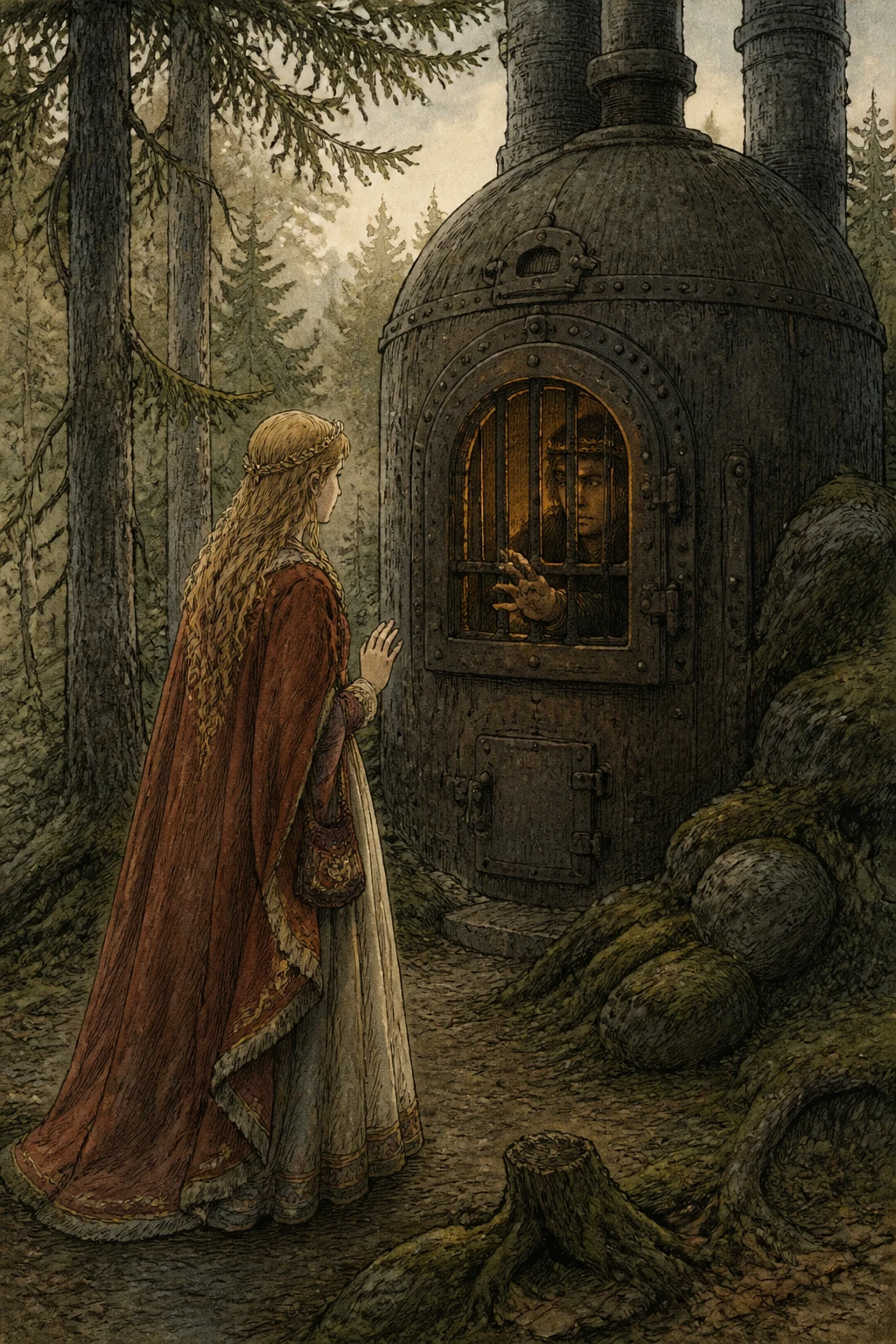
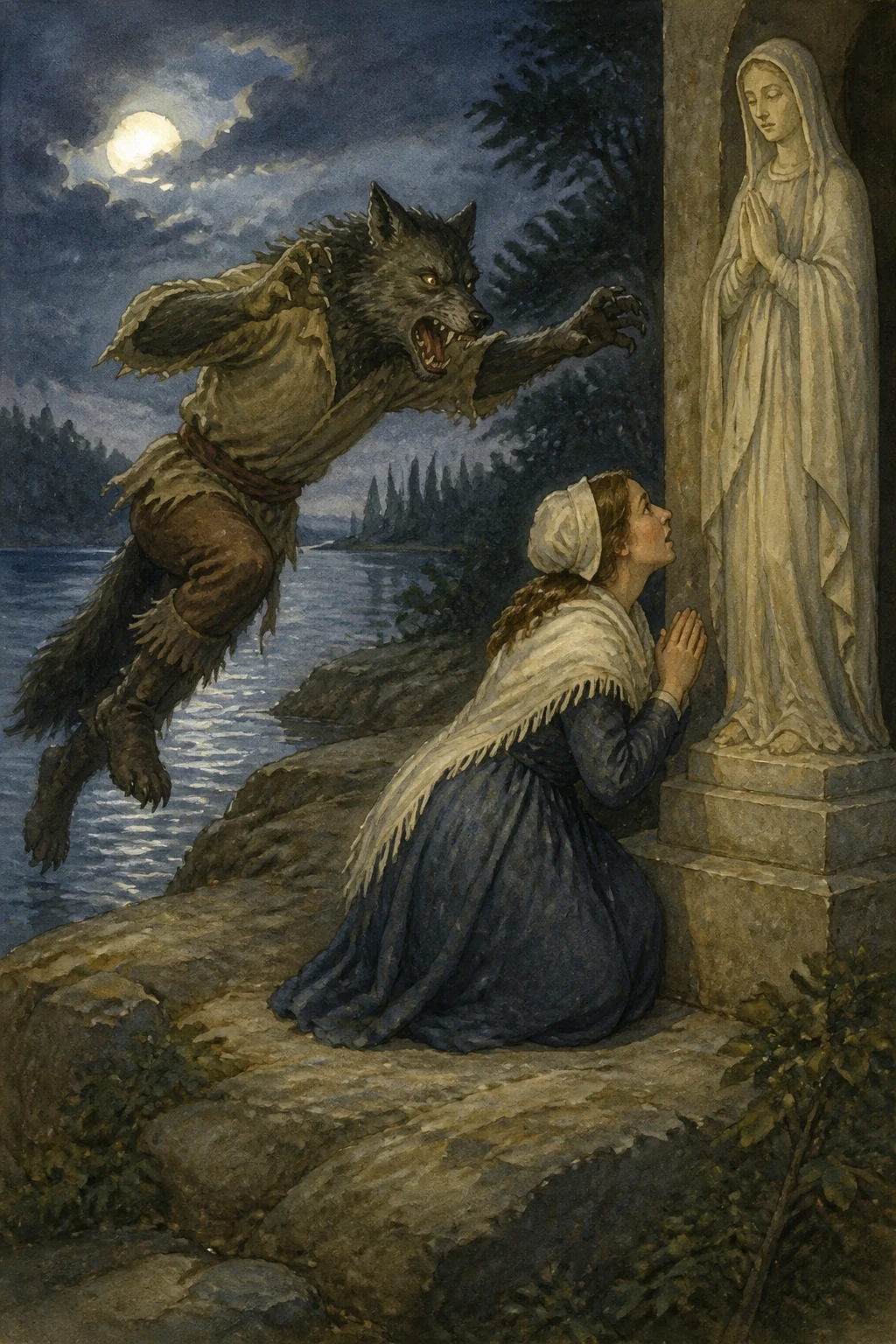
Dolgo je obrežja Detroita nadlegoval kačji bog z otoka Belle Isle s svojimi otroki, čarovnicami, ki so prodajale čarovnije in sejale strah med dobrimi ljudmi. Jacques Morand, gozdni trgovec, je bil zaljubljen v Genevieve Parent, toda ona ga ni marala in si je želela le služiti cerkvi. Ker je bilo dvorjenje zaman, se je, ko je sklenila oditi v samostan, odločil uporabiti silo in odšel k eni izmed čarovnic, ki je bila hudičeva posrednica, da bi ji prodal svojo dušo. Čarovnica je sprejela to ničvredno blago in mu v plačilo podelila moč, da se iz človeka spremeni v volkodlaka ali loup garou, da bi tako laže ugrabil svojo žrtev. Neprevidno ji je sledil v Grosse Pointe, kjer je stal kip Device Marije, in ko je Genevieve padla k njegovim nogam ter prosila pomoči, se je volk, ki je skočil k njej, nenadoma spremenil v kamen.
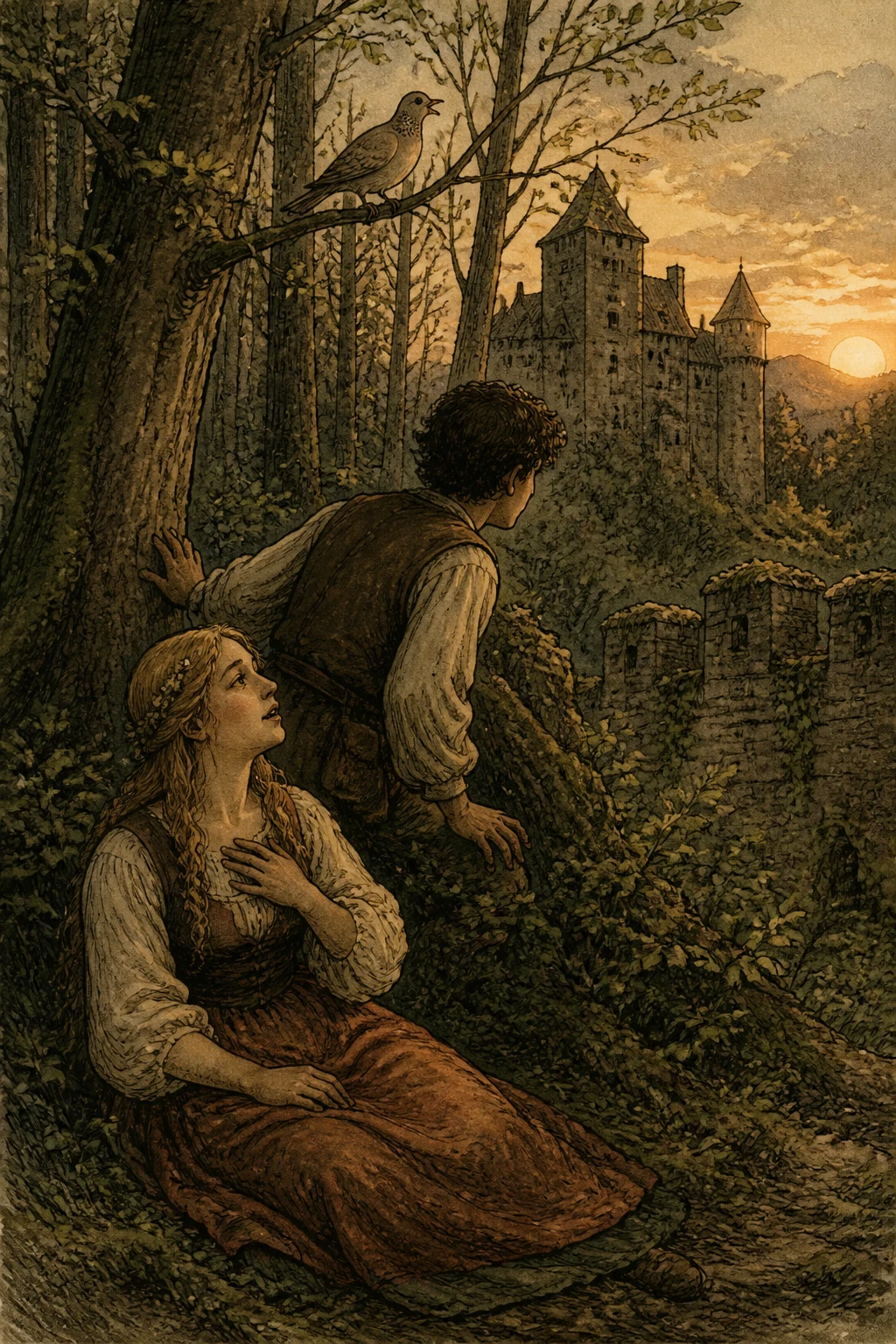
Hujša usoda je doletela drugo mladenko, Archange Simonet, saj jo je na tem kraju med plesom na lastni svatbi zgrabil volkodlak in jo odnesel. Ženin je svoje življenje posvetil iskanju neveste in nazadnje izgubil razum, vendar je zver zasledoval tako maščevalno in prebrisano, da je vselej našel pomočnike. Eden od sosedov je volku s srebrno kroglo odstrelil rep, ki so ga Indijanci nato hranili še dolga leta. Zaljubljenec je nazadnje naletel na zver in jo pregnal do obale, kjer je v enem od balvanov še vedno videti odtis njene šape, toda skočila je v vodo in izginila. V svoji blazni domišljiji je zaljubljenec trdil, da je skočila somu v žrelo, in zato imajo francoski Kanadčani odpor do uživanja somov.
Volkodlak si je zaradi dobička drznil prav toliko kakor zaradi ljubezni. Tisto noč, ko je Jean Chiquot opil Indijance in jim odnesel bobrove kože, so ga napadle gozdne čarovnice, znane kot »bele žene«, in mu iztrgale del plena, volkodlak pa mu je tako silovito skočil na hrbet, da ga je izgubil še več. Bitja je pregnal nekoliko proč, vendar je bil vesel, ko se je spet znašel na varnem v utrdbi, čeprav so se mu častniki smejali in ga zmerjali s strahopetcem. Ko so se z njim vrnili po isti poti, so začudeni odkrili ožgano travo tam, kjer so žene bežale pred njim, drobni izviri v ruši pa so kazali mesta, kjer jih je pogoltnila zemlja. Žveplena voda je brbotala iz kraja, kjer je volk planil v zemljo, ko je trgovcu iz suknjiča padel rožni venec. Še dolgo zatem so ta kraj imenovali Belle Fontaine.
Izvirnik
202 Were-Wolves of Detroit
Naslednje strani prikazujejo izvirno besedilo za primerjavo.
Long were the shores of Detroit vexed by the Snake God of Belle Isle and his children, the witches, for the latter sold enchantments and were the terror of good people. Jacques Morand, the coureur de bois, was in love with Genevieve Parent, but she disliked him and wished only to serve the church. Courting having proved of no avail, he resolved on force when she had decided to enter a convent, and he went to one of the witches, who served as devil's agent, to sell his soul. The witch accepted the slight commodity and paid for it with a grant of power to change from a man's form to that of a were-wolf, or loup garou, that he might the easier bear away his victim. Incautiously, he followed her to Grosse Pointe, where an image of the Virgin had been set up, and as Genevieve dropped at the feet of the statue to implore aid, the wolf, as he leaped to her side, was suddenly turned to stone.
Harder was the fate of another maiden, Archange Simonet, for she was seized by a were-wolf at this place and hurried away while dancing at her own wedding. The bridegroom devoted his life to the search for her, and finally lost his reason, but he prosecuted the hunt so vengefully and shrewdly that he always found assistance. One of the neighbors cut off the wolf's tail with a silver bullet, the appendage being for many years preserved by the Indians. The lover finally came upon the creature and chased it to the shore, where its footprint is still seen in one of the bowlders, but it leaped into the water and disappeared. In his crazy fancy the lover declared that it had jumped down the throat of a catfish, and that is why the French Canadians have a prejudice against catfish as an article of diet.
The man-wolf dared as much for gain as for love. On the night that Jean Chiquot got the Indians drunk and bore off their beaver-skins, the wood witches, known as “the white women,” fell upon him and tore a part of his treasure from him, while a were-wolf pounced so hard on his back that he lost more. He drove the creatures to a little distance, but was glad to be safe inside of the fort again, though the officers laughed at him and called him a coward. When they went back over the route with him they were astonished to find the grass scorched where the women had fled before him, and little springs in the turf showed where they had been swallowed up. Sulphur-water was bubbling from the spot where the wolf dived into the earth when the trader's rosary fell out of his jacket. Belle Fontaine, the spot was called, long afterward.
Nadaljuj z branjem