Waltey
Slinarice se odpravijo v svet
042 THE FROG-HOPPERS GO OUT INTO THE WORLD
Živalske zgodbe Clare Dillingham Pierson · Clara Dillingham PiersonO besedilu
Slinarice se odpravijo v svet
- Vir
- Živalske zgodbe Clare Dillingham Pierson
- Avtor
- Clara Dillingham Pierson
- Jezik branja
- Slovenščina
- Jezik izvirnika
- English
- Čas branja
- 7 min branja
- Obseg
- 6 strani
- Naslov izvirnika
- 042 THE FROG-HOPPERS GO OUT INTO THE WORLD
O izvirniku
Živalske zgodbe Clare Dillingham Pierson
Devetindevetdeset avtorskih zgodb o živalih na kmetiji, travniku, v gozdu, ob ribniku in ponoči. Bralni jezik je Slovenščina, izvirnik pa prihaja iz vira Živalske zgodbe Clare Dillingham Pierson v jeziku English.
Besedilo
Slinarice se odpravijo v svet
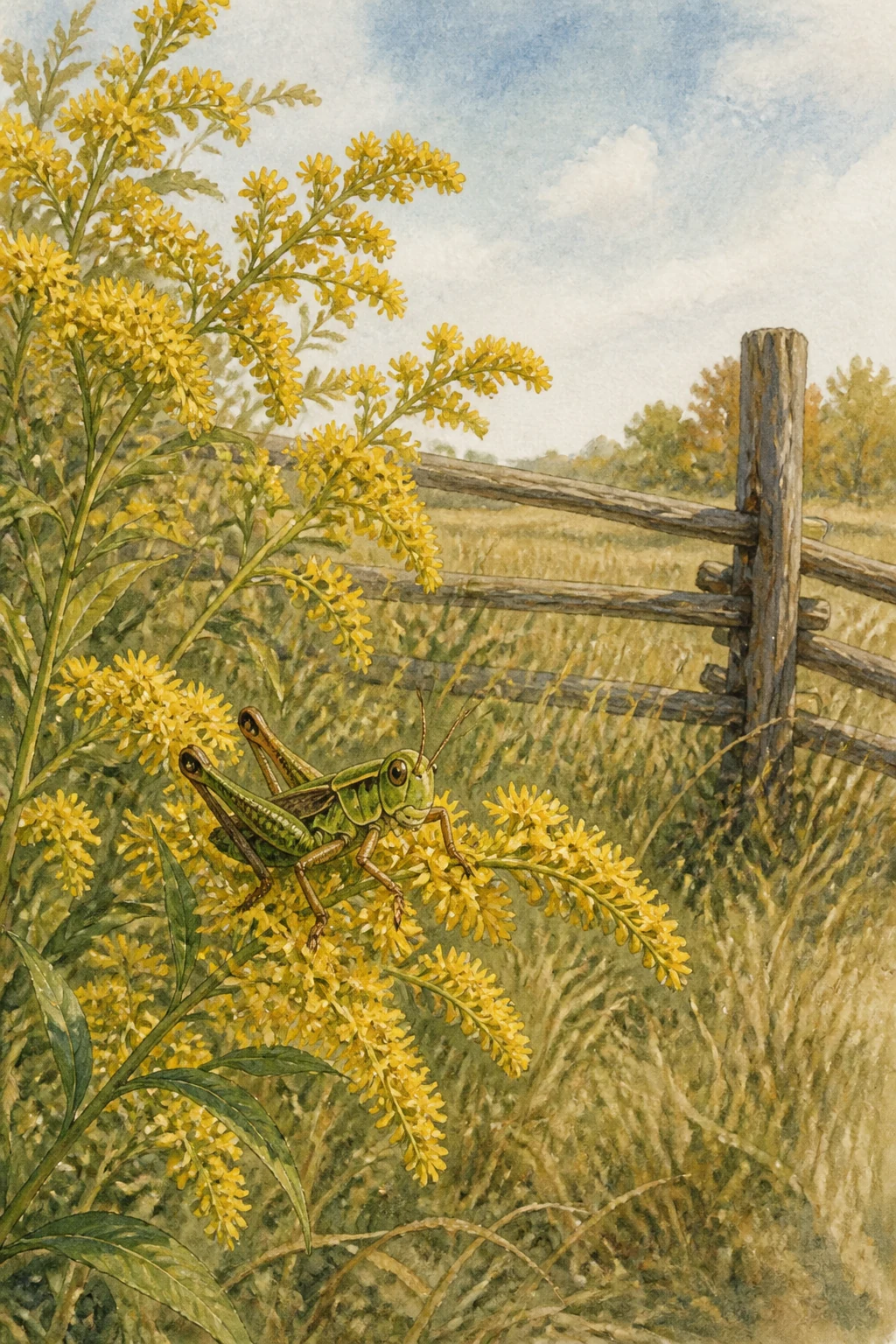
Ob zgornjem robu travnika in po vogalih lesene ograde je rasla zlata rozga. Spomladi in na začetku poletja bi jo komaj opazili, razen če bi stopili čisto blizu in zagledali njena vitka, ljubka stebla, ki so se vzpenjala skozi visoko travo in z nežnimi lističi kazala na vse strani. Konji in Krave so jo poznali, in čeprav so popasli vse okoli nje, je nikoli niso smukali z ustnicami ali jedli. Jeseni je vsako steblo dobilo krono iz vejic drobnih, živo rumenih cvetov, ki so prikimavali v vetru in vse naokrog trosili zlati cvetni prah. Takrat se je včasih zgodilo, da so se ljudje, ki so se peljali mimo, ustavili, preplezali ograjo in je nekaj natrgali, da bi jo odnesli s seboj. A tudi tedaj je je ostalo toliko, da je bilo komaj opaziti, da kakšno steblo manjka.
Morda je večina Slinaric odlagala jajčeca na zlato rozgo zato, ker je ponujala tako varen dom. Nekatere so jih odlagale na druge rastline in grme, a večina si je izbrala zlato rozgo. Ko so odložile jajčeca, so se potepale po travi, grmovju in tistih nekaj drevesih, ki so rasla na travniku, skakljale sem in tja ter tu in tam kaj malega pojedle.
Nihče ne ve, zakaj jim pravijo tudi žabje skakalke, razen morda zato, ker so, če jim pogledate v obraz, čisto malce podobne drobcenim Žabam. Resda imajo šest nog, na sprednjem paru pa zobce, česar si nobena prava Žaba še nikoli ni omislila. Morda je bil to le vzdevek, ker je bilo njihovo pravo ime tako dolgo in težko izgovorljivo.
Na konicah stebel zlate rozge so se začeli kazati drobni rumenozeleni popki in male Slinarice so bile zdaj že dovolj stare, da so se pogovarjale in razmišljale o širnem svetu. Na enem izmed stebel so tesno skupaj živeli štirje bratci in sestrice. To je bilo veliko prijetneje, kakor odraščati čisto sam, kot odrašča večina mladih Slinaric, ki nikoli ne vidijo svojih očetov in mater in niti ne vedo, ali jih sploh kdaj bodo.
Te štiri male Slinarice niso vedele, kakšno srečo imajo, in to se, veste, prav pogosto zgodi tistim, ki še niso videli nikogar osamljenega ali nesrečnega. Mislile so, da v vsaki družini Slinaric živita dva bratca in dve sestrici skupaj na steblu zlate rozge. Hranile so se z rastlinskim sokom zlate rozge, ki so ga s krepkimi kljunčki črpale iz stebla in ga jedle ali pile. Ko so ga zaužile, so iz njega naredile belo peno, ki jih je na steblu obdajala z vseh strani. Kdor koli je šel mimo, je lahko po peni takoj spoznal, kje živijo Slinarice.
Nekega jutra se je najstarejšemu bratcu zazdelo, da sok zelo težko teče. Morda ga je bilo res težko črpati, morda pa je bil le utrujen ali len. Kakor koli že, začel je godrnjati in se pritoževati. »To je najslabše steblo zlate rozge, kar sem jih videl v življenju,« je rekel. »Sploh se ne splača več črpati soka in tudi poskušal ne bom več, pa pika!«
Čisto prav je imel, ko je rekel, da je to najslabše steblo, kar jih je kdaj videl, saj ni videl še nobenega drugega. Zelo pa se je motil, ko je trdil, da se ne splača črpati soka. Kar pa se tiče besed »ne splača se, pa pika!«, vsi vemo, da je žuželke, kadar začnejo tako govoriti, najbolje pustiti povsem pri miru, dokler niso spet boljše volje.
Drugi otroci Slinaric ga niso mogli pustiti samega, saj se še niso zadnjič levili. Dokler tega niso opravili, so morali ostati v svoji peni. Ko je veliki brat tako spregovoril, so se vsi začeli spraševati, ali ni soka res težko črpati. Kmalu se je velika sestra nestrpno zvila in rekla: »Moj kljunček je strašansko utrujen.«
Potem so vsi nehali jesti in se začeli pogovarjati. Rekli so, da je v njihovem domu zatohlo in da se še obrniti ne moreš, ne da bi zadel ob peno. Zakaj naj bi jih motilo, če zadenejo ob peno, niso povedali. Bila je mehka in čista in se jim je vselej umaknila, kadar so se uprli vanjo.
»Veste, kaj vam povem!« je rekel veliki brat. »Ko se še enkrat prelevim in odidem v širni svet, me ne boste več zalotili, da bi se potikal okoli te stare zlate rozge.«
»Mene tudi ne!« »Mene tudi ne!« »Mene tudi ne!« so rekle druge mlade Slinarice. »Le kakšen je svet?« je rekla mala sestrica. »Ali so tam samo večja pena in večje zlate rozge in še več Slinaric?«
»Pha!« je vzkliknil veliki brat. »Ti pa res veliko veš! Če jaz o svetu ne bi vedel nič več od tega, bi bil tiho in tega ne bi nikomur povedal.« To jo je prizadelo in dolgo ni več spregovorila.
Nato se je oglasil mali bratec. »Nisem vedel, da si že kdaj bil v širnem svetu,« je rekel. »Ne,« je odvrnil veliki brat, »najbrž res nisi. Marsičesa ne veš.« To ga je prizadelo, zato se je umaknil v najbolj oddaljeni kotiček pene in vtaknil glavo med list zlate rozge in steblo. Vidite, veliki brat je bil zelo čemeren. Prav zares, bil je neznansko čemeren.
Dolgo ni nihče spregovoril, potem pa je velika sestra rekla: »Želim si, da bi nam povedal, kakšen je svet.« Veliki brat o svetu ni vedel nič več kot drugi otroci, toda zdaj, ko je bil tako zadirčen in se je tako šopiril, ni hotel povedati resnice. Lahko bi vedel, da ga bodo razkrinkali, pa je vendar dvignil glavo in odgovoril: »Dvomim, da vam lahko razložim tako, da boste razumeli, saj ga še nikoli niste videli. Tam je veliko reči — cele množice reči — in zelo velik je. Nekatere reči so podobne zlati rozgi, druge pa ne. Nekatere niso podobne niti peni. In tam je zelo veliko prebivalcev. Vsi imajo šest nog, vendar niso tako pametni kot mi. Morali jih bomo marsikaj naučiti.«
To je bilo zelo zanimivo, zato se je mala sestrica nehala kujati, mali bratec pa je prilezel iz svojega penastega kotička. Zdelo se je celo, da bi utegnil kaj vprašati, zato je veliki brat dodal: »Zdaj pa me pustite pri miru, ker moram o nečem razmisliti.«
Kmalu zatem so se mlade Slinarice še zadnjič levile. Zunanji del pene je otrdel in jim medtem nad glavami napravil majhno strešico. Potem so bile pripravljene, da odidejo na travnik. Velikemu bratu je bilo precej nelagodno, pa ne zaradi nove kože. Spominjal se je namreč, kaj vse je povedal o zunanjem svetu.
Ko so zapustili svojo peno in svojo zlato rozgo, so imeli veliko videti in veliko vprašati. Vsake toliko je katera od manjših Slinaric vzkliknila: »Saj nam o tem sploh nisi povedal!« ali: »Zakaj nam nisi povedal o tistem?«
Veliki brat pa je odgovarjal: »Pa sem. To je ena tistih reči, za katere sem rekel, da niso podobne ne zlati rozgi ne peni.« Nekaj časa so srečevali samo Murne, Mravlje, Kobilice in druge šestnoge prebivalce, in čeprav so se spogledovali, si niso imeli veliko povedati. Nazadnje so priskakljali do Rega, ki je sedel ob z mahom obraslem bukovem deblu in je bil tako podoben lubju, da ga sprva sploh niso opazili. Veliki brat je bil čisto blizu Regove glave.
»O, poglejte!« so vzkliknili drugi. »Tam je nekdo, ki ima samo štiri noge, in nič ne kaže, da bi jih kdaj imel več. Bratec, kaj pa naj to pomeni? Rekel si, da jih imajo vsi po šest.«
V tistem hipu je Rega malce odprl oči in na stežaj razprl usta ter švignil z urnim jezikom. Ko je usta spet zaprl, velikega brata Slinaric ni bilo nikjer več videti. Nikoli več ga niso mogli vprašati tega. Ko bi le vedeli: Rega je imel tisti trenutek deset nog, kajti šest in štiri je deset. A tega seveda niso mogli vedeti, saj jih je bilo šest v njegovi notranjosti.
Izvirnik
042 THE FROG-HOPPERS GO OUT INTO THE WORLD
Naslednje strani prikazujejo izvirno besedilo za primerjavo.
Along the upper edge of the meadow and in the corners of the rail fence there grew golden-rod. During the spring and early summer you could hardly tell that it was there, unless you walked close to it and saw the slender and graceful stalks pushing upward through the tall grass and pointing in many different ways with their dainty leaves. The Horses and Cows knew it, and although they might eat all around it they never pulled at it with their lips or ate it. In the autumn, each stalk was crowned with sprays of tiny bright yellow blossoms, which nodded in the wind and scattered their golden pollen all around. Then it sometimes happened that people who were driving past would stop, climb over the fence, and pluck some of it to carry away. Even then there was so much left that one could hardly miss the stalks that were gone.
It may have been because the golden-rod was such a safe home that most of the Frog-Hoppers laid their eggs there. Some laid eggs in other plants and bushes, but most of them chose the golden-rod. After they had laid their eggs they wandered around on the grass, the bushes, and the few trees which grew in the meadow, hopping from one place to another and eating a little here and a little there.
Nobody knows why they should have been called Frog-Hoppers, unless it was because when you look them in the face they seem a very little like tiny Frogs. To be sure, they have six legs, and teeth on the front pair, as no real Frog ever thought of having. Perhaps it was only a nickname because their own name was so long and hard to speak.
The golden-rod was beginning to show small yellow-green buds on the tips of its stalks, and the little Frog-Hoppers were now old enough to talk and wonder about the great world. On one stalk four Frog-Hopper brothers and sisters lived close together. That was much pleasanter than having to grow up all alone, as most young Frog-Hoppers do, never seeing their fathers and mothers or knowing whether they ever would.
These four little Frog-Hoppers did not know how lucky they were, and that, you know, happens very often when people have not seen others lonely or unhappy. They supposed that every Frog-Hopper family had two brothers and two sisters living together on a golden-rod stalk. They fed on the juice or sap of the golden-rod, pumping it out of the stalk with their stout little beaks and eating or drinking it. After they had eaten it, they made white foam out of it, and this foam was all around them on the stalk. Any one passing by could tell at once by the foam just where the Frog-Hoppers lived.
One morning the oldest Frog-Hopper brother thought that the sap pumped very hard. It may be that it did pump hard, and it may be that he was tired or lazy. Anyway, he began to grumble and find fault. "This is the worst stalk of golden-rod I ever saw in my life," he said. "It doesn't pay to try to pump any more sap, and I just won't try, so there!"
He was quite right in saying that it was the worst stalk he had ever seen, because he had never seen any other, but he was much mistaken in saying that it didn't pay to pump sap, and as for saying that "it didn't pay, so there!" we all know that when insects begin to talk in that way the best thing to do is to leave them quite alone until they are better-natured.
The other Frog-Hopper children couldn't leave him alone, because they hadn't changed their skins for the last time. They had to stay in their foam until that was done. After the big brother spoke in this way, they all began to wonder if the sap didn't pump hard. Before long the big sister wiggled impatiently and said, "My beak is dreadfully tired."
Then they all stopped eating and began to talk. They called their home stuffy, and said there wasn't room to turn around in it without hitting the foam. They didn't say why they should mind hitting the foam. It was soft and clean, and always opened up a way when they pushed against it.
"I tell you what!" said the big brother, "after I've changed my skin once more and gone out into the great world, you won't catch me hanging around this old golden-rod."
"Nor me!" "Nor me!" "Nor me!" said the other young Frog-Hoppers.
"I wonder what the world is like," said the little sister. "Is it just bigger foam and bigger golden-rod and more Frog-Hoppers?"
"Huh!" exclaimed her big brother. "What lots you know! If I didn't know any more than that about it, I'd keep still and not tell anybody." That made her feel badly, and she didn't speak again for a long time.
Then the little brother spoke. "I didn't know you had ever been out into the world," he said.
"No," said the big brother, "I suppose you didn't. There are lots of things you don't know." That made him feel badly, and he went off into the farthest corner of the foam and stuck his head in between a golden-rod leaf and the stalk. You see the big brother was very cross. Indeed, he was exceedingly cross.
For a long time nobody spoke, and then the big sister said, "I wish you would tell us what the world is like."
The big brother knew no more about the world than the other children, but after he had been cross and put on airs he didn't like to tell the truth. He might have known that he would be found out, yet he held up his head and answered: "I don't suppose that I can tell you so that you will understand, because you have never seen it. There are lots of things there--whole lots of them--and it is very big. Some of the things are like golden-rod and some of them are not. Some of them are not even like foam. And there are a great many people there. They all have six legs, but they are not so clever as we are. We shall have to tell them things."
This was very interesting and made the little sister forget to pout and the little brother come out of his foam-corner. He even looked as though he might ask a few questions, so the big brother added, "Now don't talk to me, for I must think about something."
It was not long after this that the young Frog-Hoppers changed their skins for the last time. The outside part of the foam hardened and made a little roof over them while they did this. Then they were ready to go out into the meadow. The big brother felt rather uncomfortable, and it was not his new skin which made him so. It was remembering what he had said about the world outside.
When they had left their foam and their golden-rod, they had much to see and ask about. Every little while one of the smaller Frog-Hoppers would exclaim, "Why, you never told us about this!" or, "Why didn't you tell us about that?"
Then the big brother would answer: "Yes, I did. That is one of the things which I said were not like either golden-rod or foam."
For a while they met only Crickets, Ants, Grasshoppers, and other six-legged people, and although they looked at each other they did not have much to say. At last they hopped near to the Tree Frog, who was sitting by the mossy trunk of a beech tree and looked so much like the bark that they did not notice him at first. The big brother was very near the Tree Frog's head.
"Oh, see!" cried the others. "There is somebody with only four legs, and he doesn't look as though he ever had any more. Why, Brother, what does this mean? You said everybody had six."
At this moment the Tree Frog opened his eyes a little and his mouth a great deal, and shot out his quick tongue. When he shut his mouth again, the big brother of the Frog-Hoppers was nowhere to be seen. They never had a chance to ask him that question again. If they had but known it, the Tree Frog at that minute had ten legs, for six and four are ten. But then, they couldn't know it, for six were on the inside.
Nadaljuj z branjem