Waltey
Bele gore
098 The White Mountains
Myths and Legends of Our Own Land · Charles M. SkinnerO besedilu
Bele gore
- Vir
- Myths and Legends of Our Own Land
- Avtor
- Charles M. Skinner
- Jezik branja
- Slovenščina
- Jezik izvirnika
- English
- Čas branja
- 7 min branja
- Obseg
- 5 strani
- Naslov izvirnika
- 098 The White Mountains
O izvirniku
Myths and Legends of Our Own Land
Obsežna zgodovinska zbirka ameriških legend, ki jih je Skinner zbral in avtorsko rekonstruiral. Bralni jezik je Slovenščina, izvirnik pa prihaja iz vira Myths and Legends of Our Own Land v jeziku English.
Besedilo
Bele gore
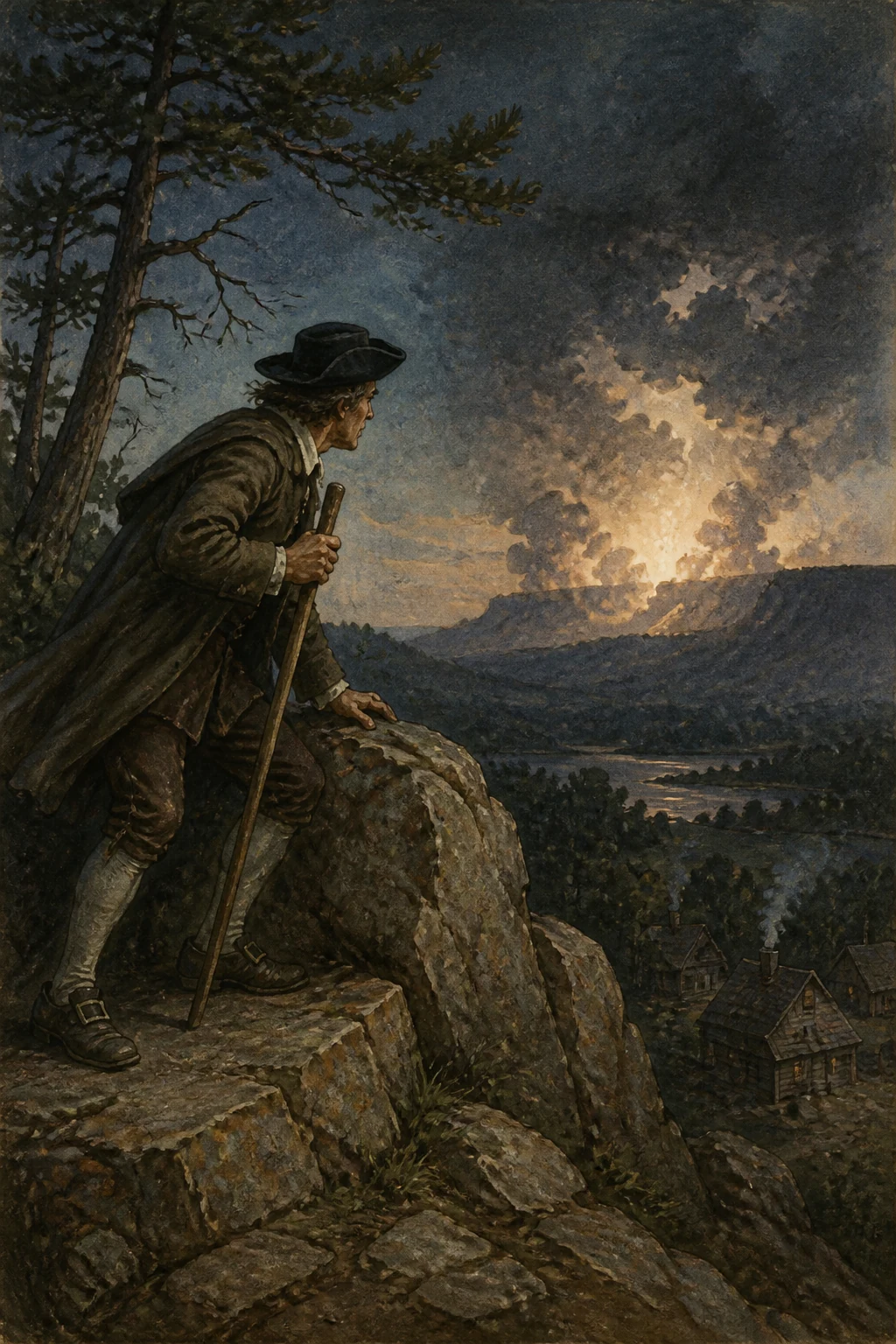
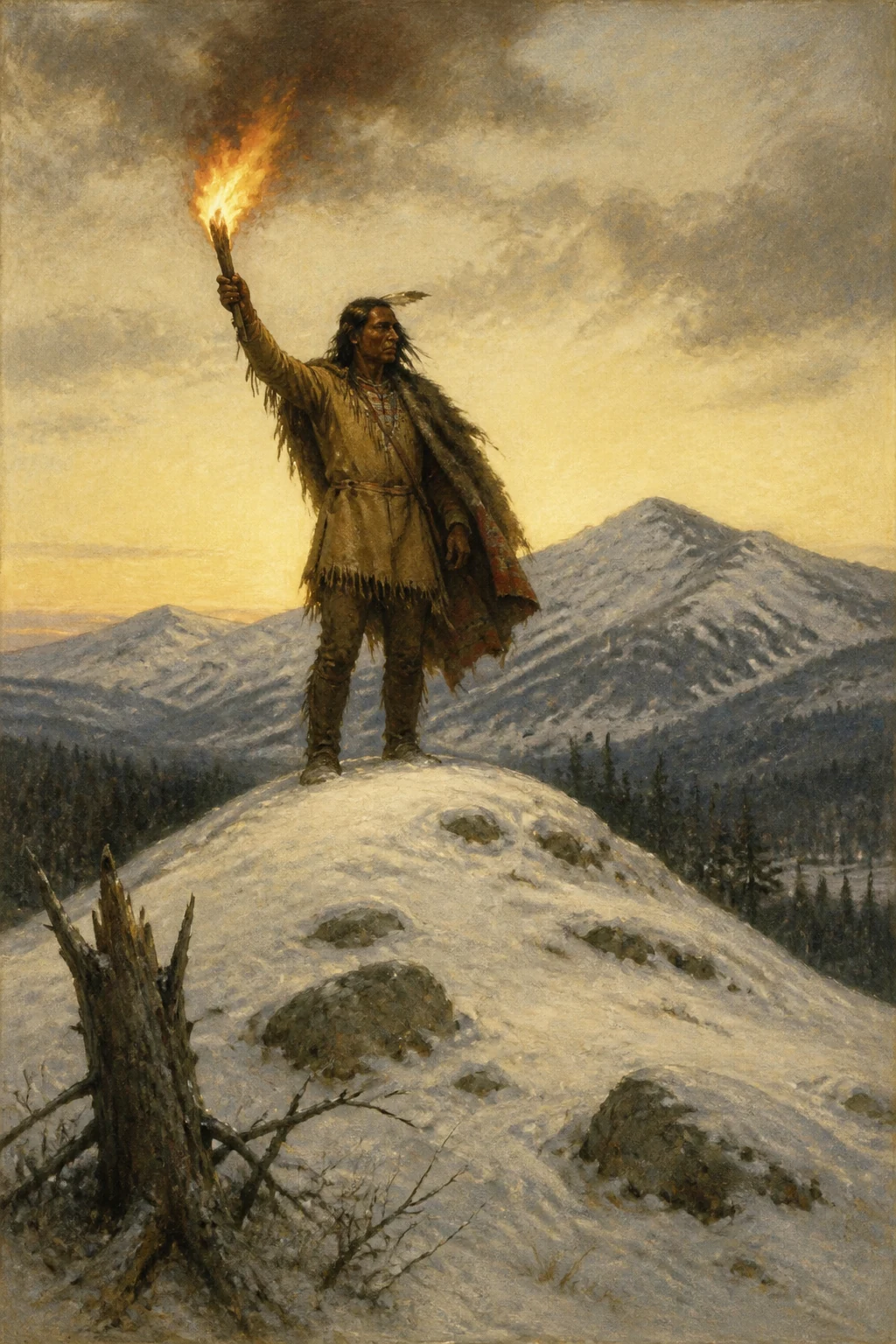
Že od davnih časov so bila ta veličastna gorovja prizorišče nadnaravnih prikazovanj in skrivnostnih dogodkov. Najvišji vrh Agiochookov — kakor so jih imenovali Indijanci — je bil prebivališče samega Boga, zato prodiranja belega človeka tja niso radi gledali. Blizu Fabyana je nekoč stal griček, ki so ga pozneje zravnali s krampom in lopato, znan kot Velikanov grob. Tu je živel, umrl in je pokopan Ethan Allen Crawford, spreten lovec, drzen raziskovalec in mož herkulske postave; v bližini starodavne gomile je postavil eno prvih gostiln v teh gorah. Pogorela je. Na istem mestu so zgradili drugo in nato še tretjo, toda tudi ti sta bili uničeni v požaru. Tedaj so namero opustili, kajti spomnili so se, da se je neki Indijanec nekoč povzpel na ta grob, z njegovega vrha zamahnil z baklo in glasno zaklical: »Noben bledoličnik ne bo pognal korenin na tem mestu. Tako mi je na uho zašepetal Veliki duh.«
Guverner Wentworth je med samotnim potovanjem po svoji pokrajini naletel na Crawfordovo kočo in tam prenočil; gospodinji je izrekel številne poklone na račun njene zadržane miline, možu pa se je s skupnim popivanjem tako prikupil, da ga je ta razglasil za prvaka med dobrimi tovariši. Ob odhodu je gost od Crawforda izprosil obljubo, da ga bo obiskal v Wolfeboroughu, kjer naj povpraša po »starem Wentworthu«. Krepki mož z obmejnega ozemlja se je kmalu zatem res odpravil na obisk in osupel ugotovil, da se je znašel v hiši kraljevega guvernerja; toda sprejem je bil tako prisrčen, da se je brž sprostil, in ko se je vrnil v gore, je v žepu nosil listino o lastništvu tisoč akrov gozda okoli svoje male kmetije. Družina, ki jo je zasnoval, je obogatela in kraljevsko darovano posest povečala za marsikateri aker.
Nedaleč pod tem krajem, v najbolj divjem delu soteske Notch, obdana s tisoče čevljev visokimi skalnimi stenami, stoji stara hiša Willeyjevih. Tudi ta je bila prizorišče tragedije, kajti leta 1826 je neurje razrahljalo prst na gori Willey in sprožil se je velikanski zemeljski plaz. Ko so ljudje v hiši zaslišali njegovo približevanje, so planili ven in skoraj na lastnem pragu našli smrt. Če bi ostali v hiši, bi se jim nič ne zgodilo, saj je skalni klin za njo razcepil plaz in mala gostilna je bila rešena. Znano je, da je umrlo sedem ljudi, govorilo pa se je še o eni žrtvi, mladeniču neznanega imena, ki je hodil po gorah, da bi užival v njihovi lepoti. Slu, ki je nesel vest o pogubi družine, je poplavljena reka Saco preprečila pot do North Conwaya, zato je obstal na bregu peneče se reke in zatrobil na trobento. Zvok, ki je sredi noči odmeval med gorami, je iz postelj priklical več mož, da bi izvedeli, kaj pomeni. Pravijo, da je pes iz gostilne prvi opozoril ljudi pod sotesko Notch, da je nekaj narobe, vendar njegovega cviljenja in lajanja niso razumeli; potem ko je tekal sem in tja, kakor da bi skušal priklicati pomoč, je izginil. Ob uri nesreče je James Willey iz Conwaya sanjal, da ob njem stoji njegov mrtvi brat. Spečemu je pripovedoval o katastrofi in povedal, da so se, ko je zazvenel »poslednji mrtvaški zvon sveta«, namenili poiskati zavetje ob vznožju strme gore, saj je Saco v sedmih urah narasel za štiriindvajset čevljev in jim od spredaj grozil, da jih bo pogoltnil.
Drug zanimiv kraj v soteski Notch je Nancyjin potok. Tam, kjer se ta potok peneč se izliva z gore Nancy v veliko grapo, so jeseni leta 1788 našli dekle, po katerem je dobil ime, zmrznjeno v snežnem mrtvaškem prtu. Sama se je odpravila iz Jeffersona iskat mladega kmeta, s katerim bi se morala poročiti, in med sončnim zahodom in zoro prehodila trideset milj po snegu brez sleherne sledi. Nato so ji pošle moči in zgrudila se je ob poti, da ne bi nikoli več vstala. Ko je njen nezvesti ljubimec izvedel, kako je umrla, je od kesanja zblaznel in je ni dolgo preživel; možem, ki so v mrzlih oktobrskih nočeh prečkali divje prelaze soteske Notch, pa se je dozdevalo, da nad bučanjem potoka in šepetanjem gozdov slišijo dolge, srhljive stoke, pomešane z obupanimi kriki in blaznim hihotanjem.
Reka Peabody je nastala ob naravni katastrofi, manj siloviti od nekaterih plazov, ki so tako globoko izbrazdali gore. V Whitovi »Zgodovini Nove Anglije« je zapisano, da se je gospod Peabody, po katerem je reka dobila ime, zatekel v indijansko kočo na višavju, kjer reka izvira. Ponoči je glasno bobnenje prebudilo ljudi v koči in planili so ven komaj še pravočasno, da so si rešili življenje; kajti komaj so prišli na prosto, se je v hribu razprla votlina in iz nje je bruhnila silna voda, odnesla zavetje in si skozi gozd utrla široko pot.
Čeprav naj bi gorovje Pilot dobilo ime zato, ker je lovcem, ki so iz okolice Lancastra iskali pot do reke Connecticut, služilo za orientacijo, še vedno pripovedujejo staro zgodbo o nekem Willardu, ki se je izgubil v soteskah tega gorovja in skoraj umrl od lakote. Medtem ko je izčrpan ležal na pobočju, ga je njegov pes vsake toliko zapustil in se čez nekaj ur vrnil. Čeprav je bil Willard že napol mrtev, se je odločil, da bo z zadnjimi močmi sledil živali, in ta ga je po bližnjici pripeljala do njegovega lastnega tabora, kjer je bilo hrane na pretek in kamor je bistro bitje hodilo jest. V zahvalo za to uslugo so psa poimenovali Pilot in mnogi menijo, da je vse gorovje dobilo ime njemu v čast.
Slapove Waternomee na potoku Hurricane pri Warrenu obroblja bujno mahovje, kjer so nekdaj v mesečini plesale in pele vile. Ta bitja naj bi bila indijanski otroci, ki so jih ukradli iz vigvamov in jim dali jesti vilinski kruh; ta jih je v hipu pomanjšal in preobrazil. Če odmislimo njihovo ugrabljanje otrok, so bili vilinci nedolžno in veselo ljudstvo, in ko so strogi cerkveniki ter kruti obmejni vojaki prodrli v njihova gozdna bivališča, so si poiskali bolj oddaljena skrivališča v divjini.
Stara vojaška zgodba pripoveduje, da so poročnika Chamberlaina, ki se je bojeval pod Lovewellovim poveljstvom, Indijanci zasledovali ob vznožju vrha Melvin in ga že skoraj imeli v pesti, ko je prišel do slapov Ossipee. Zdelo se je, da nima druge izbire kakor smrt pod tomahavkom ali smrt ob padcu na skale spodaj, saj je prepad tu širok osemnajst čevljev; toda ne da bi se ustavil in pretehtal svoje možnosti, je zbral vse moči za skok z zaletom in na osuplost zasledovalcev, morda pa tudi na lastno presenečenje, preskočil vrzel ter ušel v gozd. Prvi med Indijanci je poskusil skočiti za njim, vendar je strmoglavil v grapo in se ubil.
Pravijo, da je pred dvesto leti v gorovju Eagle prebival mož nenavadnega in častitljivega videza, ki so ga Indijanci gledali z vraževernim strahospoštovanjem in ga nikoli niso skušali nadlegovati. Spal je v jami na južnem pobočju in blodil po gozdu za divjadjo, pri tem pa mrmral in krilil z rokami. Domnevajo, da je bil to Thomas Crager, čigar ženo so v Salemu obesili kot čarovnico, njegovega edinega otroka pa so ugrabili Indijanci. Po dolgem in zaman opravljenem iskanju otroka se je pogreznil v bridko mrkost ter se ogibal tako bivališč omikanih ljudi kakor domovanj divjakov. V tolažbo nam je lahko, da je pred smrtjo našel svojo hčer, čeprav je bila tedaj že žena indijanskega lovca in je živela z njegovim plemenom na bregu reke sv. Lovrenca.
Izvirnik
098 The White Mountains
Naslednje strani prikazujejo izvirno besedilo za primerjavo.
From times of old these noble hills have been the scenes of supernatural visitations and mysterious occurrences. The tallest peak of the Agiochooks--as they were, in Indian naming--was the seat of God himself, and the encroachment there of the white man was little liked. Near Fabyan's was once a mound, since levelled by pick and spade, that was known as the Giant's Grave. Ethan Allen Crawford, a skilful hunter, daring explorer, and man of herculean frame, lived, died, and is buried here, and near the ancient hillock he built one of the first public houses in the mountains. It was burned. Another, and yet another hostelry was builded on the site, but they likewise were destroyed by fire. Then the enterprise was abandoned, for it was remembered that an Indian once mounted this grave, waved a torch from its top, and cried in a loud voice, “No pale-face shall take root on this spot. This has the Great Spirit whispered in my ear.”
Governor Wentworth, while on a lonely tour through his province, found this cabin of Crawford's and passed a night there, tendering many compliments to the austere graces of the lady of the house and drinking himself into the favor of the husband, who proclaimed him the prince of good fellows. On leaving, the guest exacted of Crawford a visit to Wolfeborough, where he was to inquire for “Old Wentworth.” This visit was undertaken soon after, and the sturdy frontiersman was dismayed at finding himself in the house of the royal governor; but his reception was hearty enough to put him at his ease, and when he returned to the mountains he carried in his pocket a deed of a thousand acres of forest about his little farm. The family that he founded became wealthy and increased, by many an acre, the measure of that royal grant.
Not far below this spot, in the wildest part of the Notch, shut in by walls of rock thousands of feet high, is the old Willey House, and this, too, was the scene of a tragedy, for in 1826 a storm loosened the soil on Mount Willey and an enormous landslide occurred. The people in the house rushed forth on hearing the approach of the slide and met death almost at their door. Had they remained within they would have been unharmed, for the avalanche was divided by a wedge of rock behind the house, and the little inn was saved. Seven people are known to have been killed, and it was rumored that there was another victim in a young man whose name was unknown and who was walking through the mountains to enjoy their beauty. The messenger who bore the tidings of the destruction of the family was barred from reaching North Conway by the flood in the Saco, so he stood at the brink of the foaming river and rang a peal on a trumpet. This blast echoing around the hills in the middle of the night roused several men from their beds to know its meaning. The dog belonging to the inn is said to have given first notice to people below the Notch that something was wrong, but his moaning and barking were misunderstood, and after running back and forth, as if to summon help, he disappeared. At the hour of the accident James Willey, of Conway, had a dream in which he saw his dead brother standing by him. He related the story of the catastrophe to the sleeping man and said that when “the world's last knell” sounded they were going for safety to the foot of the steep mountain, for the Saco had risen twenty-four feet in seven hours and threatened to ingulf them in front.
Another spot of interest in the Notch is Nancy's Brook. It was at the point where this stream comes foaming from Mount Nancy into the great ravine that the girl whose name is given to it was found frozen to death in a shroud of snow in the fall of 1788. She had set out alone from Jefferson in search of a young farmer who was to have married her, and walked thirty miles through trackless snow between sunset and dawn. Then her strength gave out and she sank beside the road never to rise again. Her recreant lover went mad with remorse when he learned the manner of her death and did not long survive her, and men who have traversed the savage passes of the Notch on chill nights in October have fancied that they heard, above the clash of the stream and whispering of the woods, long, shuddering groans mingled with despairing cries and gibbering laughter.
The birth of Peabody River came about from a cataclysm of less violent nature than some of the avalanches that have so scarred the mountains. In White's “History of New England,” Mr. Peabody, for whom the stream is named, is reported as having taken shelter in an Indian cabin on the heights where the river has its source. During the night a loud roaring waked the occupants of the hut and they sprang forth, barely in time to save their lives; for, hardly had they gained the open ground before a cavern burst open in the hill and a flood of water gushed out, sweeping away the shelter and cutting a broad swath through the forest.
Although the Pilot Mountains are supposed to have taken their name from the fact that they served as landmarks to hunters who were seeking the Connecticut River from the Lancaster district, an old story is still told of one Willard, who was lost amid the defiles of this range, and nearly perished with hunger. While lying exhausted on the mountainside his dog would leave him every now and then and return after a couple of hours. Though Willard was half dead, he determined to use his last strength in following the animal, and as a result was led by a short cut to his own camp, where provisions were plenty, and where the intelligent creature had been going for food. The dog was christened Pilot, in honor of this service, and the whole range is thought by many to be named in his honor.
Waternomee Falls, on Hurricane Creek, at Warren, are bordered with rich moss where fairies used to dance and sing in the moonlight. These sprites were the reputed children of Indians that had been stolen from their wigwams and given to eat of fairy bread, that dwarfed and changed them in a moment. Barring their kidnapping practices the elves were an innocent and joyous people, and they sought more distant hiding-places in the wilderness when the stern churchmen and cruel rangers penetrated their sylvan precincts.
An old barrack story has it that Lieutenant Chamberlain, who fought under Lovewell, was pursued along the base of Melvin Peak by Indians and was almost in their grasp when he reached Ossipee Falls. It seemed as if there were no alternative between death by the tomahawk and death by a fall to the rocks below, for the chasm here is eighteen feet wide; but without stopping to reckon chances he put his strength into a running jump, and to the amazement of those in pursuit and perhaps to his own surprise he cleared the gap and escaped into the woods. The foremost of the Indians attempted the leap, but plunged to his death in the ravine.
The Eagle Range was said to be the abode, two hundred years ago, of a man of strange and venerable appearance, whom the Indians regarded with superstitious awe and never tried to molest. He slept in a cave on the south slope and ranged the forest in search of game, muttering and gesturing to himself. He is thought to be identified with Thomas Crager, whose wife had been hanged in Salem as a witch, and whose only child had been stolen by Indians. After a long, vain search for the little one he gave way to a bitter moroseness, and avoided the habitations of civilized man and savages alike. It is a satisfaction to know that before he died he found his daughter, though she was the squaw of an Indian hunter and was living with his tribe on the shore of the St. Lawrence.
Nadaljuj z branjem