Waltey
Pepelka
031 Cinderella
Mother's Nursery Tales · Katharine PyleO besedilu
Pepelka
- Vir
- Mother's Nursery Tales
- Avtor
- Katharine Pyle
- Jezik branja
- Slovenščina
- Jezik izvirnika
- English
- Čas branja
- 14 min branja
- Obseg
- 11 strani
- Naslov izvirnika
- 031 Cinderella
O izvirniku
Mother's Nursery Tales
Štiriintrideset zgodovinskih literarnih priredb starejših pravljic, ki jih je Pyle tudi ilustrirala. Bralni jezik je Slovenščina, izvirnik pa prihaja iz vira Mother's Nursery Tales v jeziku English.
Besedilo
Pepelka
Nekoč je živela deklica po imenu Ella, ki je bila tako mila in lepa, da so jo imeli radi vsi, ki so jo poznali, razen tistih, ki bi jo morali imeti najraje: njene mačehe in polsester.
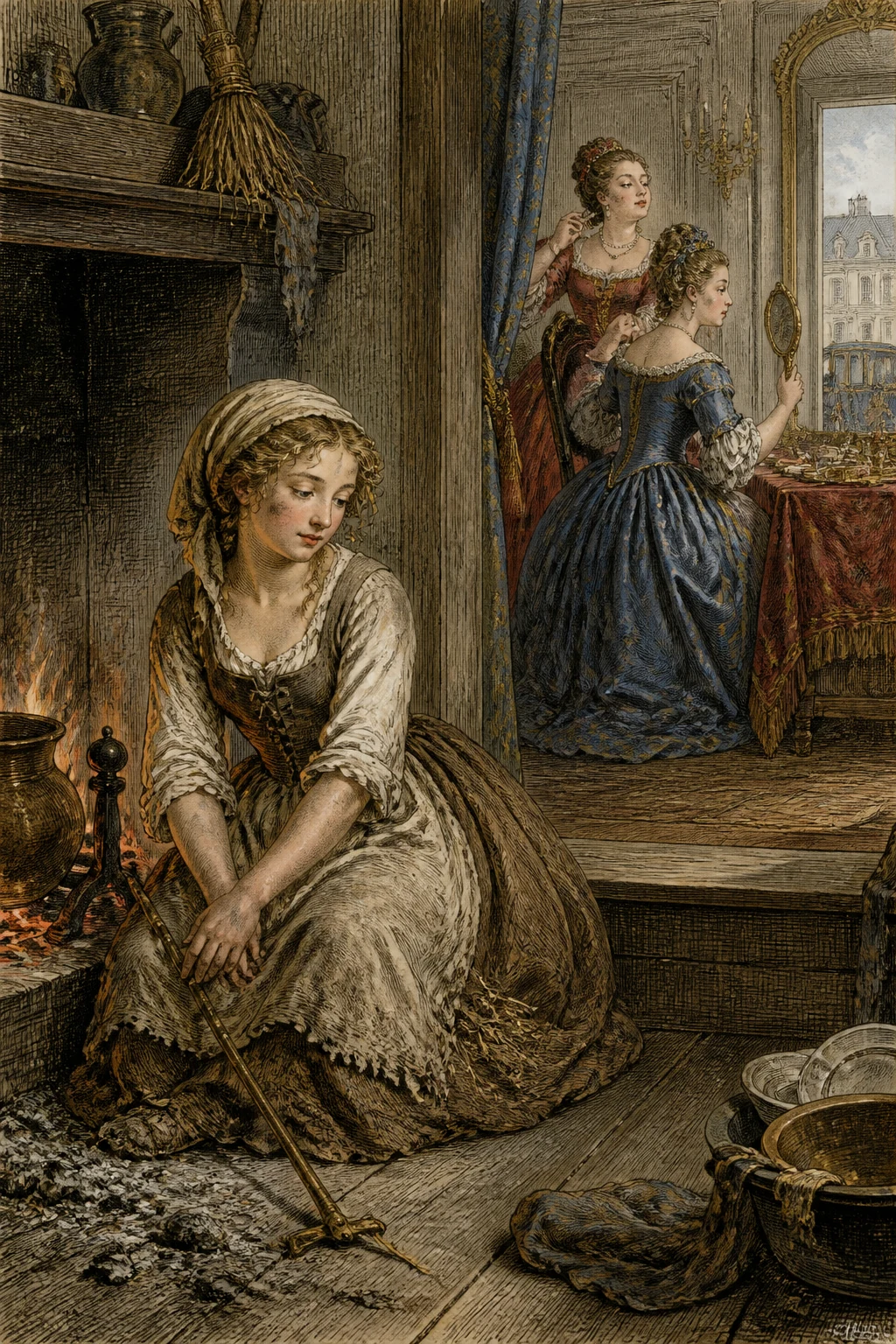
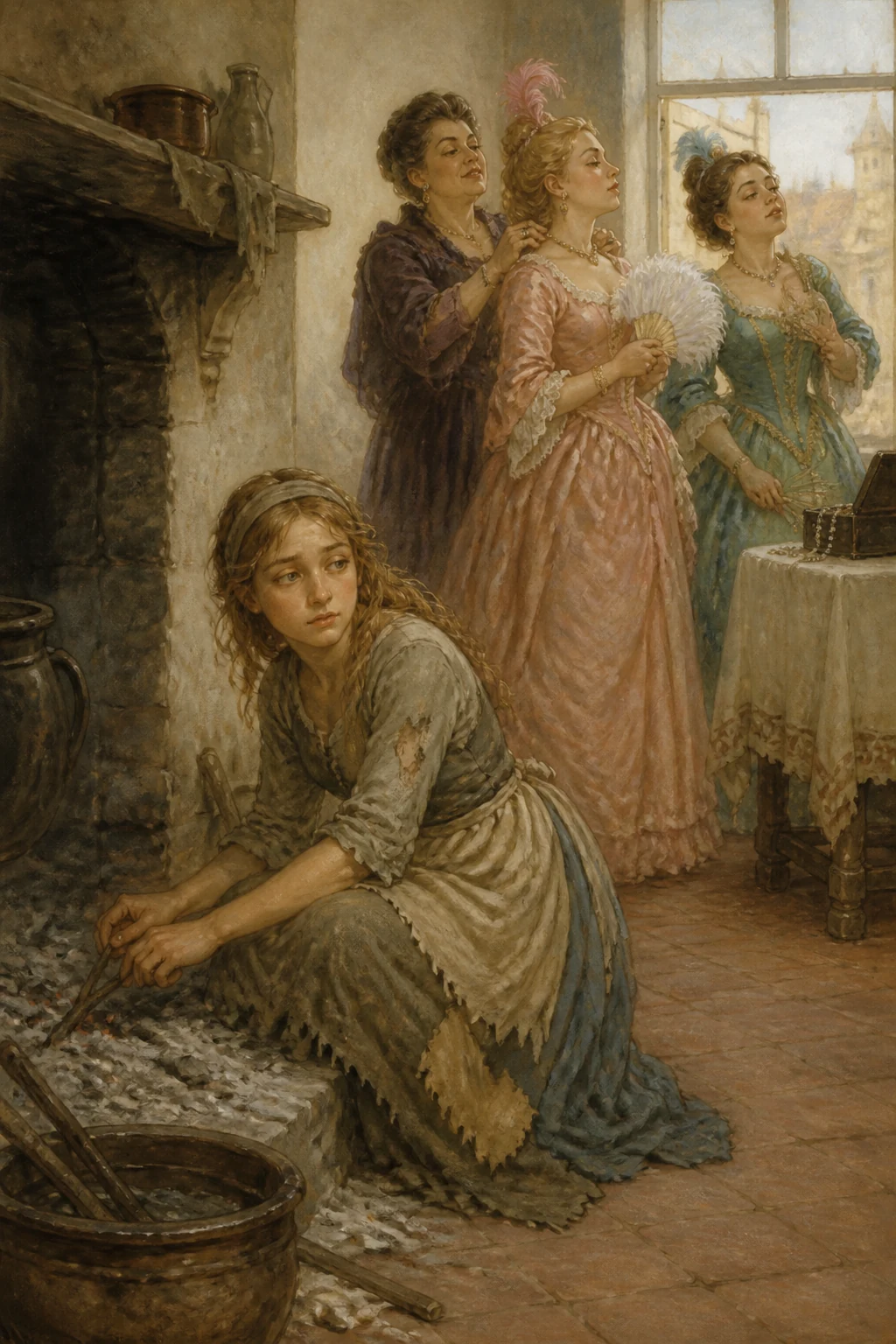
Njena mama je umrla, ko je bila še čisto majhna, potem pa se je oče znova poročil. Njegova nova žena je imela dve hčeri in želela je, da bi onidve imeli vse, Ella pa ničesar. Mačeha je svoji hčeri oblačila v lepe obleke in ves dan sta posedali križem rok, Pepelka pa je delala v kuhinji in nosila same cunje. Ker je pogosto sedela tik ob pepelu, da bi se ogrela, sta jo sestri poimenovali Pepelka.
Kralj in kraljica tiste dežele sta imela enega samega sina in silno sta si želela, da bi se poročil, vendar še nikoli ni srečal nobene, ki bi jo hotel za nevesto. Nazadnje sta sklenila prirediti velik ples in nanj povabiti vse najlepše dame v deželi. Upala sta, da bo princ med njimi našel katero, ki si jo bo izbral. Povabljeni so bili vsi imenitni ljudje iz mesta, z njimi pa tudi Pepelkina mačeha in njeni polsestri.
Polsestri sta bili nadvse vznemirjeni. Obe sta bili tako čedni, da sta upali, da bo princ izbral eno od njiju. Pogosto sta ga opazovali skozi okno, ko je prijezdil mimo, in bil je tako vedrega duha in viteškega vedenja, da bi se vsaka rada poročila z njim.
Za sestri so nakupili najrazličnejše lepe reči: saten in žamet, čipke in dragulje, peresa za v lase in bleščeče pahljače, ki naj bi jih nosili v rokah. Tudi mačehina obleka ni bila nič manj razkošna od njunih.
Pepelka je vzdihovala in vzdihovala. »Ko bi le smela tudi jaz na ples, da bi videla čednega princa in vse tiste lepe dame,« je rekla. »Ti!« sta v smehu vzkliknili sestri. »Prav lepa bi bila na plesu, v svojih cunjah in s sajastimi rokami!«
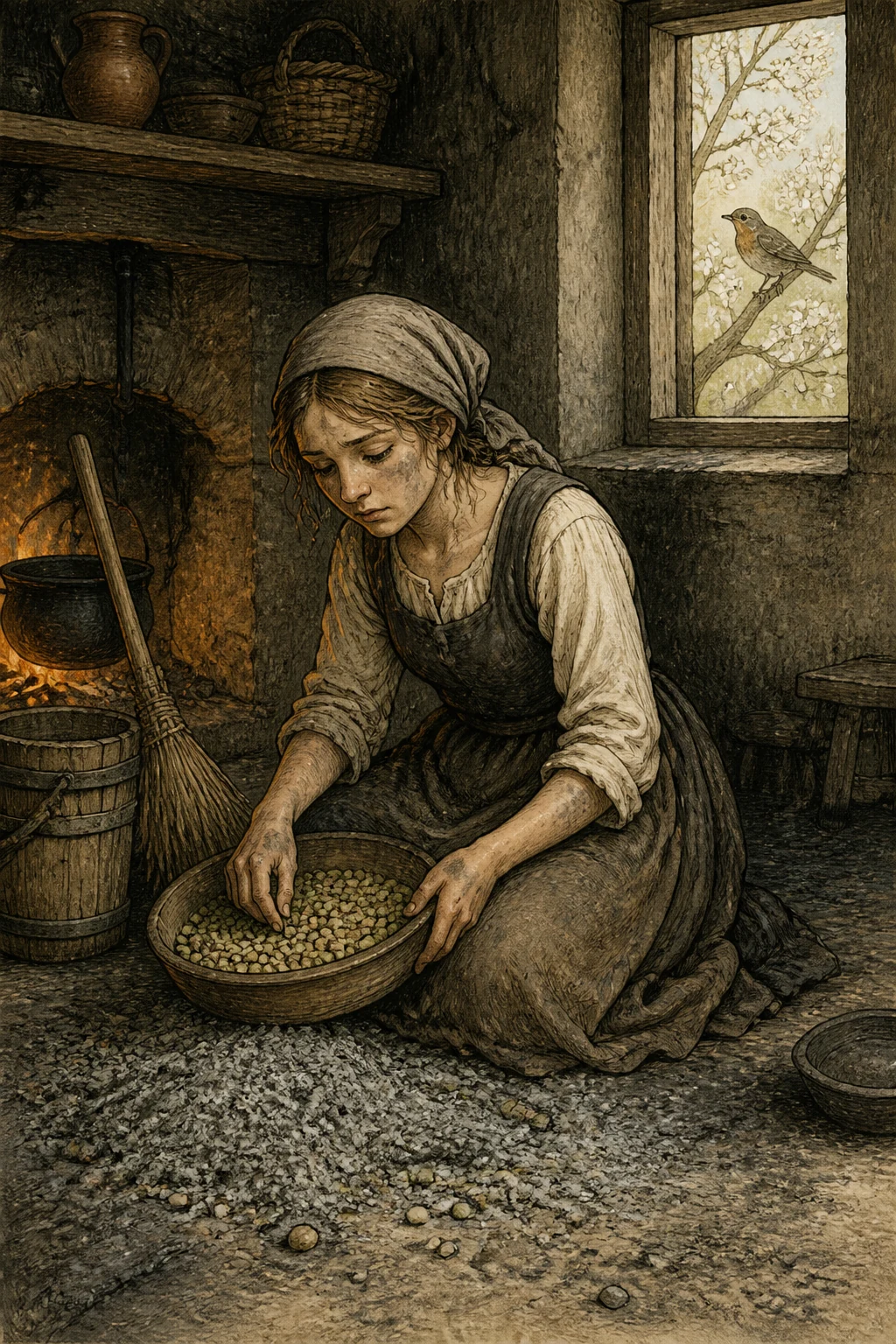
»Pojdi drgnit lonce in ponve!« je zavpila mačeha. »Samo za to si dobra, ti pepelna deklina!« Pepelka se je vrnila k delu, toda med drgnjenjem in čiščenjem so ji solze tako hitro tekle po licih, da je komaj kaj videla.
Na večer plesa sta si sestri nadeli vse svoje razkošje in prišli v kuhinjo, da bi se pokazali Pepelki; upali sta, da bo zavidala njuno lepoto. Vzvišeno sta hodili sem ter tja po sobi, razprostirali krila svojih oblek, se nasmihali in spogledovali, Pepelka pa ju je občudovala. Ko sta se naveličali njenega občudovanja, sta z mačeho sedli v lepo kočijo in se veselo odpeljali na ples.
Pepelka pa je sedela v kotu ob ognju in neutolažljivo jokala. Nenadoma se je med njenim jokom v kuhinji pojavila drobna starka z visokim koničastim klobukom in čevlji z zaponkami; nihče ne bi znal povedati, od kod je prišla. Njene oči so žarele in se lesketale kakor dve zvezdi, v roki pa je držala čarobno paličico.
»Zakaj si tako žalostna, otrok moj,« je vprašala, »in zakaj tako bridko jokaš?« Pepelka jo je začudeno pogledala. »Jokam,« je rekla, »ker sta sestri odšli na ples brez mene, jaz pa sem si tudi želela iti.«
»Potem si obriši solze,« je rekla drobna starka. »Jaz sem tvoja vila botra, in če boš pridna deklica ter boš naredila natanko tako, kot ti rečem, ti bom izpolnila prav vsako željo. Steci na vrt in mi prinesi bučo, pa pokaži mi mišnico; če je v njej šest lepih, debelih miši, nam bodo prišle prav.«
Pepelka je po njenem naročilu prinesla mišnico in v njej je bilo natanko šest miši. Pohitela je še na vrt in prinesla največjo, najbolj okroglo bučo, kar jih je našla.
»Dobro,« je rekla botra. »Zdaj pa še past za podgane.« Pepelka je prinesla past in v njej je bila podgana. »Zdaj,« je rekla botra, »pa smo pripravljeni, da začnemo.«
S paličico se je dotaknila buče in ta se je pri priči spremenila v veličastno zlato kočijo, vso obloženo z bledo rumenim satenom. Dotaknila se je miši in postale so šest lepih, gladkodlakih sivih konj, ki bodo vlekli kočijo. S paličico se je dotaknila še podgane in spremenila se je v kočijaža v škrlatni livreji z zlatimi našitki. Povzpel se je na kozla, prijel vajeti in z bičem v roki čakal.
»Lakaja! Lakaja!« je nestrpno vzkliknila botra. »Kje naj ju dobimo?« S svojimi ostrimi očmi je pogledovala sem ter tja in kmalu v razpoki v zidu zagledala dva kuščarja. »Ravno prav,« je rekla. Dotaknila se ju je s paličico in spremenila sta se v lakaja z napudranima lasuljama in trorogima klobukoma. Skočila sta na svoji mesti zadaj na kočiji. »Zdaj,« je rekla vila, »je vse pripravljeno in nihče nima imenitnejše kočije, da bi se z njo odpeljal na ples. Se ne strinjaš z menoj?«
»Ampak, botra, moje cunje! Saj ne morem na ples v cunjah, pa naj bo moja kočija še tako imenitna!« je vzkliknila Pepelka. »Počakaj malo! Nisem še končala.« Botra se je s paličico dotaknila Pepelkinih cunj in pri priči so se spremenile v obleko iz belega satena, izvezeno z biseri. V laseh so se ji zasvetili diamanti, njeni okorni čevlji pa so se spremenili v steklene čeveljčke, ki so se popolnoma prilegali njenim drobnim stopalom.
Pepelka je strmela od začudenja in srce ji je preplavilo veselje. Saten se je lesketal okoli nje kakor mesečina in diamanti so se svetili tako živo kakor solze, ki jih je pretočila.
»Zdaj, otrok moj, lahko greš na ples,« je rekla botra. »Toda zapomni si: moj čar deluje samo do polnoči. Ob zadnjem udarcu ure se bodo te lepe obleke spremenile v cunje, kočija bo spet postala buča, konji miši, kočijaž in lakaja pa podgana in kuščarja, kakor so bili prej. Zato moraš biti do polnoči spet doma.«
Pepelka je obljubila, da bo ubogala, nato pa stopila v kočijo in se odpeljala na ples. Ko je prispela v palačo, je že igrala glasba in princ si je ravno nameraval izbrati soplesalko. Vse dame so nestrpno čakale in vsaka je upala, da bo izbral prav njo. Tam je bilo mnogo lepotic in težko bi bilo reči, katera je najlepša. Ko pa je v dvorano vstopila Pepelka, nihče ni imel oči za nikogar drugega. Bila je lepša od najlepše, kakor je lunin krajec lepši od zvezd.
Princ je pristopil k njej in jo prijel za roko. »Vi boste moja soplesalka,« je rekel, »saj še nikoli nisem videl nikogar tako lepega, kot ste vi.«
Odtlej princ ni hotel plesati z nikomer razen s Pepelko in nihče se ni mogel temu čuditi ali mu zameriti, saj je bila tako lepa, da se je človeku ob pogledu nanjo omehčalo srce.
Princ jo je prosil, naj mu pove svoje ime in od kod prihaja, a mu ni hotela povedati. Ko je grajska ura odbila četrt do polnoči, se ji je posrečilo izmuzniti se mu in steči h kočiji. Skočila je vanjo, podganji kočijaž je počil z bičem in odpeljali so se, princ pa ni vedel, kam je izginila.
Ko sta se polsestri vrnili domov, je Pepelka spet sedela v kotu ob ognju, oblečena v svoje cunje. »Je bil ples lep?« je vprašala.
»Da, zares imeniten ples je bil,« sta rekli sestri in ji začeli pripovedovati o njem. »S kom pa je plesal princ?« je vprašala Pepelka.
»Oh, plesal je z neko neznano princeso, ki je prišla kmalu po začetku plesa. Princ se nama je priklonil in nasmehnil in morda bi si eno od naju izbral za soplesalko, toda ko je prišla ona, ni imel več oči za nobeno drugo. Gotovo je zelo imenitna princesa, vendar nihče ni mogel izvedeti, kdo je, niti sam princ, čeprav jo je prosil in rotil, naj mu pove. Izmuznila se je še pred koncem plesa in nihče ni vedel, kam je šla. Princ je bil ves iz sebe. Jutri zvečer bo spet ples, saj princ upa, da bo princesa znova prišla in da bo izvedel, kdo je.«
Pepelka je vzdihnila. »Oh, dragi sestri, vzemita me jutri s seboj, lepo vaju prosim. Za obleko bi mi zadostovala katera od vajinih starih oblek.« Toda sestri sta se smejali in jo zasmehovali. »Ti, pepelna deklina!« sta vzkliknili. »Ne, ne, tvoje mesto je v kuhinji. Od sramu bi umrli, če bi te videl kdo od tistih imenitnih ljudi.« Nato sta ji ukazali, naj jima odpne obleki in pomaga v posteljo. Morali sta se naspati, da bosta za drugi ples spočiti in lepi.
Naslednji večer sta se polsestri spet oblekli in odpeljali na ples, Pepelka pa si je bolj kot kdaj prej želela iti z njima. Toda komaj sta odšli, se je v kuhinji pojavila vila botra.
»No,« je rekla, »najbrž bi rada šla tudi na ta ples.« »Oh, draga botra, ko bi le lahko!« je vzkliknila Pepelka. Botra ji je naročila, naj prinese bučo, miši, podgano in kuščarja. Spet jih je spremenila v razkošno kočijo, konje, kočijaža in lakaja, tako da ni nič manjkalo. Nato se je s paličico dotaknila Pepelkinih cunj in spremenile so se v še lepšo obleko od tiste, ki jo je nosila prejšnji večer. Pepelka je stopila v kočijo in se odpeljala na ples.
Princ jo je nestrpno pričakoval in v trenutku, ko je vstopila v dvorano, ji je pohitel naproti ter jo prijel za roko. »Zakaj ste me tako nenadoma zapustili?« jo je vprašal. »Povsod sem vas iskal in vso noč nisem mogel spati, ker sem mislil na vas.«
Nato jo je znova povedel na plesišče in ni hotel plesati z nobeno drugo. Ko se je bližala polnoč, je Pepelko začelo močno skrbeti. Poskušala se je neopazno izmuzniti, toda princ ji je sledil, kamor koli je šla. Nazadnje si je izmislila izgovor in ga za hip poslala stran. Nato se je ogrnila s plaščem in pohitela po stopnicah ven, kjer jo je čakala kočija. Skočila je vanjo in se odpeljala. Toda na pol poti domov je zaslišala grajsko uro, ki je začela odbijati polnoč. Ob zadnjem udarcu je kočija okoli nje izginila in pri nogah ji je obležala rumena buča; konji so se spremenili v miši in cvileč zbežali, kočijaž je postal podgana, kuščarja pa sta se naglo skrila v zidno razpoko. Pepelka je v svojih cunjah komaj utegnila steči v kuhinjo in sesti na svoje mesto ob ognju, preden so se odprla vrata in sta v sobo pripluli njeni polsestri.
»Ta ples je bil še lepši od prejšnjega!« sta vzkliknili. »In princesa je bila spet tam, tako lepa, da je pogled nanjo kar jemal vid. Princ ni mislil na nobeno drugo.«
»Ah, ko bi jo le lahko videla!« je vzdihnila Pepelka. »Ti, pepelna deklina!« sta se posmehnili sestri. »Še v svojo kuhinjo te ne bi spustila. Ampak pridi! Odpni nama obleki. Jutri bo še en ples in spat morava, da se spočijeva in bova kar najlepši.«
Pepelka je sestrama pomagala sleči obleki, onidve pa ves ta čas nista mogli govoriti o ničemer drugem kakor o neznani princesi, o tem, kako lepa je bila in kako močno jo je princ občudoval.
Naslednji večer je Pepelka pomagala sestrama pri oblačenju in pripravah na ples. Odpeljali sta se s kočijo, Pepelka pa je potem nestrpno čakala botro. Kmalu se je stara vila prikazala.
»No,« je rekla, »bi rada šla tudi na ta ples?« »Oh, draga botra!« je vzkliknila Pepelka. »Tega si želim bolj, kot sem si v življenju želela česar koli drugega.«
»Prav, potem pa boš šla,« je rekla botra. »Toda ne pozabi, oditi moraš, preden ura odbije polnoč, sicer se bodo tvoje lepe obleke pred vsemi spremenile v cunje in sestri te bosta prepoznali kot pepelno deklino.«
Pepelka je obljubila, botra pa se je je dotaknila s paličico in cunje so se spremenile v še veličastnejšo obleko kot poprej. Če je bila Pepelka prej podobna luninemu krajcu, je zdaj sijala kakor luna v vsem svojem polnem sijaju. Ko je vstopila v plesno dvorano, je bila tako lepa, da je pogled nanjo kar jemal vid. Princ ji je sledil povsod ter jo prosil in rotil, naj mu pove, kdo je, vendar mu ni hotela povedati. Plesala sta ples za plesom in Pepelka je bila tako srečna, da je povsem pozabila paziti, kako hitro mineva čas.
Nenadoma je grajska ura začela odbijati. Pepelka je prestrašeno kriknila. Iztrgala je roko iz prinčeve in zbežala tako hitro, da jo je za hip izgubil izpred oči. Tako se ji je mudilo, da je med tekom po stopnicah izgubila enega svojih drobnih steklenih čeveljčkov, vendar se ni upala ustaviti, da bi ga pobrala.
Ravno ko je prispela do vrat, je zazvenel zadnji udarec polnoči. Njene lepe obleke so se v hipu spremenile v cunje, dragulji so izginili in stražar, ki je stal na straži, je videl le majhno kuhinjsko deklo, ki je stekla mimo njega, bridko jokala in si vila roke.
Pepelka je tekla vso pot do doma in komaj utegnila sesti na svoje mesto ob ognju, preden sta v sobo pripluli sestri. »Kaj! Jokaš?« sta rekli. »Zakaj nisi zadovoljna? Imaš topel kotiček, kjer lahko sediš, in z ničimer si ti ni treba beliti glave. Ampak nocojšnji ples bi morala videti. Bil je še bolj čudovit od prejšnjih dveh, princesa pa je bila tako lepa, kot še nikoli nihče. Princ ni pogledal nobene druge. Toda odšla je kakor prejšnjikrat in nihče ne ve, kam. Vendar je princ na stopnicah pobral enega njenih čeveljčkov in morda jo bo našel z njegovo pomočjo.«
Naslednji dan je princ daleč naokrog razposlal razglas, da je našel steklen čeveljček in da bo tista, ki ji bo prav, postala njegova nevesta. Upal je, da bo tako našel lepo princeso, ki mu je že trikrat ušla.
Čeveljček so nosili od hiše do hiše in vsaka dama ga je hotela pomeriti. Vse so upale, da jim bo prav, vendar se ni prilegal nobeni. Nekatera stopala so bila predolga, druga preširoka, nekatera predebela in druga pretanka.
Nazadnje je sel prispel do hiše, kjer je Pepelka živela s polsestrama. Polsestri sta komaj čakali, da pomerita čeveljček. Vsaka je bila prepričana, da ji bo prav, in začeli sta se prepirati, katera ga bo pomerila prva. Nazadnje ga je dobila starejša sestra. Sedla je in poskušala obuti čeveljček, vendar ji ni uspelo. Prste je zlahka spravila vanj, pete pa nikakor ni mogla stisniti v čevelj. Nato ga je pomerila druga sestra, a pri njej je bilo še slabše, saj vanj ni mogla spraviti niti prstov. Mačeha je stala ob njiju ter ju prosila in priganjala, naj poskusita znova.
Toda sel je zmajal z glavo. »Ne, ne,« je rekel. »Nobena od teh dveh ni prava. Ali ni v hiši še koga, ki bi ga lahko pomeril?«
Ne, nikogar ni bilo razen male kuhinjske dekle in zanjo se ni splačalo niti poskusiti. Če čeveljček ni bil prav sestrama, njej zagotovo ne bo. Kljub temu je sel rekel, da jo mora videti. Naročeno mu je bilo, da mora čeveljček pomeriti prav vsaka v mestu.
Mačeha je zelo nerada poslala po Pepelko. Ta je prišla takoj in bila je videti tako skromna in ljubka, da se je sel začudil, kako je lahko kuhinjska dekla.
Sedla je, vzela čeveljček iz njegovih rok in si ga obula. Popolnoma se ji je prilegal. Nato je izpod cunj potegnila še drugi čeveljček in ga obula na drugo nogo. Sel je pri priči vedel, da je ona tista, ki jo princ išče.
Pokleknil je pred njo in rekel: »Vi ste moja gospodarica, saj vas je princ izbral za svojo nevesto.« Mačeha in polsestri so kar pokale od besa in zavisti. Niso mogle verjeti svojim očem in Pepelko bi z grobimi besedami in udarci nagnale nazaj v kuhinjo, toda sel tega ni dovolil.
Pepelko so odpeljali v palačo in jo oblekli, kakor se spodobi za princeso. Ko jo je princ spet zagledal v vsej njeni lepoti, sta ga preplavili ljubezen in radost.
Kmalu zatem sta se poročila. Polsestri sta bili sicer povabljeni na poroko, vendar ju je bilo sram priti, ker sta imeli od joka tako zatečena obraza. Mačeha pa je od besa in zlobe kar zbolela. Princ in Pepelka sta odtlej srečno živela skupaj do konca svojih dni.
Izvirnik
031 Cinderella
Naslednje strani prikazujejo izvirno besedilo za primerjavo.
There was once a girl named Ella who was so gentle and beautiful that everyone who knew her loved her, except those who should have loved her best, and those were her stepmother and her stepsisters.
Her own mother had died while she was quite young, and then her father had married again. This new wife had two daughters of her own, and she wished them to have everything and Ella to have nothing. The stepmother dressed her own children in fine clothes, and they sat about and did nothing all day, but Cinderella worked in the kitchen and had nothing but rags to wear, and because she often sat close to the ashes to warm herself her sisters called her Cinderella.
Now the King and Queen of that country had only one son, and they were very anxious for him to marry, but he had never seen anyone whom he wished to have for a bride. At last they determined to give a great ball, and to ask to it all the fairest ladies in the land. They hoped that among them all the Prince might see someone whom he would choose. All the grand people of the city were invited, and Cinderella’s stepmother and her stepsisters were asked with all the rest.
The stepsisters were very much excited over it. They were both so handsome that they hoped one of them might be chosen by the Prince. They had often watched from the windows to see him riding by, and he was so gay and gallant that anyone might have been glad to marry him.
All sorts of fine things were bought for the sisters to wear, satins and velvets and laces and jewels, feathers for their hair, and glittering fans for them to carry, and the stepmother’s dress was no less fine than theirs.
Cinderella sighed and sighed. “I wish I might go to the ball, too, and see that handsome Prince and all the lovely ladies,” she said.
“You!” cried the sisters, laughing. “A pretty sight you would be at the ball; you with your rags and your sooty hands.”
“Go scour your pots and pans,” cried the stepmother. “That is all you are fit for, you cinder-wench.”
So Cinderella went back to her work, but as she scrubbed and rubbed the tears ran down her cheeks so fast she could hardly see.
The night of the ball the sisters dressed themselves in all their finery and came into the kitchen to show themselves to Cinderella; they hoped to make her envious. They swept up and down the room and spread their gowns and smiled and ogled while Cinderella admired them. After they tired of her admiration they and the stepmother stepped into a fine coach and rolled gayly away to the ball.
But Cinderella sat in a corner by the fire and wept and wept.
Suddenly, as she wept, a little old woman in a high-pointed hat and buckled shoes appeared in the kitchen, and where she came from no one could have told. Her eyes shone and twinkled like two stars, and she carried a wand in her hand.
“Why are you so sad, my child,” she asked; “and why do you weep so bitterly?”
Cinderella looked at her with wonder. “I am weeping,” she said, “because my sisters have gone to the ball without me, and because I wished to go too.”
“Then dry your tears,” said the little old woman, “I am your fairy godmother, and if you are a good girl and do exactly as I say, there is nothing you can wish for that you shall not have. Run to the garden and fetch me a pumpkin; and let me see the mousetrap; if there are six fine fat mice in it they will be of use.”
Cinderella got out the mousetrap as she was told, and there were exactly six mice in it. She also hurried out to the garden and fetched the biggest, roundest pumpkin she could find.
“That is well,” said the godmother. “And now the rattrap.”
Cinderella brought the trap and there was a rat in it.
“And now,” said the godmother, “we are ready to begin.”
She touched the pumpkin with her wand, and at once it turned into a magnificent golden coach, lined throughout with pale yellow satin; she touched the mice and they became six handsome sleek gray horses to draw the coach. She touched the rat with her wand and he was turned into a coachman in a livery of scarlet and gold lace. He mounted to the box of the coach, and gathered up the reins, and sat there, whip in hand, waiting.
“Footmen! Footmen!” cried the godmother impatiently. “Where shall we get them!” Her sharp eyes glanced this way and that, and presently, in the crack of the wall, she espied two lizards. “The very thing,” said she. A touch of her wand and they were changed to footmen with powdered wigs and cocked hats. They sprang up and took their places behind the coach. “And now,” said the fairy, “all is ready, and no one has a finer coach in which to go to the ball. Do you not agree with me?”
“But, Godmother, my rags! I could not go to the ball in rags, no matter how fine my coach,” cried Cinderella.
“Wait a bit! I have not done yet.” The godmother touched Cinderella’s rags with her wand, and at once they were changed to a gown of white satin embroidered with pearls. There were diamonds in her hair, and her clumsy shoes were changed to glass slippers that exactly fitted her little feet.
Cinderella wondered, and her heart was filled with joy. The satin gleamed about her like moonshine, and the diamonds shone as bright as the tears she had shed.
“Now, my child, you can go to the ball,” said the godmother. “But remember this: My fairy charm can only last till twelve o’clock. At the last stroke of twelve these fine clothes will change into rags; the coach will again become a pumpkin, the horses mice, and the coachman and footman a rat and lizards as they were before; so by twelve you must be home again.”
Cinderella promised to obey, and then she stepped into the coach and rolled away to the ball.
When she reached the palace the music was sounding and the Prince was about to choose a partner for the dance. All the ladies waited anxiously, each hoping she would be the one to be chosen. Many beauties were there, and it was hard to say which was the loveliest. But when Cinderella entered the room no one had eyes for anyone but her. She was far fairer than the fairest, as the crescent moon is lovelier than the stars.
The Prince came to her and took her by the hand. “You shall be my partner in the dance,” said he, “for never have I seen anyone as fair as you.”
From then on the Prince would dance with no one but Cinderella, and none could wonder nor blame him, for she was so beautiful that the heart melted at sight of her.
The Prince begged her to tell him her name and whence she came, but she would not, and when the castle clock struck the quarter before twelve she managed to slip away from him, and run out to her coach. She sprang into it, the rat coachman cracked his whip, and away they went, and the Prince did not know what had become of her.
When the stepsisters came home, Cinderella was again sitting in the corner beside the fire, dressed in her rags.
“Was it a beautiful ball?” she asked.
“Yes, it was a fine ball indeed,” said the sisters, and they began to tell her about it.
“And whom did the Prince dance with?” asked Cinderella.
“Oh, he danced with a strange princess who came in just after the ball began. The Prince had bowed to us and smiled, and he might have chosen one of us as his partner, but after she came he had eyes for no one else. She must be a very great princess indeed, but no one could find out who she was, not even the Prince himself, though he begged and entreated her to tell him. She slipped away before the ball was over, and no one knew where she went. The Prince was like one distracted. To-morrow night another ball is to be given, for the Prince hopes the Princess may come again and that he may find out who she is.”
Cinderella sighed. “Oh, my dear sisters, let me go with you to-morrow, I beg of you. One of your old dresses would do for me to wear.”
But the sisters laughed and jeered. “You the cinder-wench!” they cried. “No, no, the kitchen is the place for you. We would die of shame if any of those fine folk saw you.” Then they bade her unfasten their dresses and help them to bed. They must get to sleep and be fresh and handsome for the second ball.
The next night the stepsisters dressed again, and drove away to the ball, and more than ever did Cinderella long to go with them.
Scarcely had they gone, however, when the fairy godmother appeared in the kitchen.
“Well,” said she, “I suppose you would like to go to this ball, too.”
“Oh, dear Godmother, if I only could!” cried Cinderella.
The godmother bade Cinderella bring her the pumpkin, the mice, the rat, and the lizards. Again she changed them into the grand coach, the horses, driver, and footmen, all complete. She then touched Cinderella’s rags with her wand, and they were changed into a dress even more beautiful than the one she had worn the night before. She stepped into the coach and rolled away to the ball.
The Prince had been watching for her impatiently, and the moment she entered the room he hurried forward and took her by the hand.
“Why did you leave me so suddenly?” he asked her. “I sought you everywhere and could not sleep all night for thinking of you.”
He then again led her to a place in the dance, and he would dance with no one else.
As it drew on toward midnight Cinderella became very uneasy. She tried to slip away without being seen, but the Prince followed her everywhere she went. At last she made some excuse and sent him away for a moment. Then she drew her cloak around her and sped down the stairs and out to where her coach was waiting. She sprang into it and rolled away. But half-way home she heard the castle clock begin to strike the hour. As the last stroke sounded the coach melted away from around her, and a yellow pumpkin lay at her feet; the horses changed into mice and ran away, squealing; the coachman became a rat, and the lizards made haste to hide in the crack of a wall. Cinderella, in her rags, had barely time to run back to the kitchen and take her place beside the fire before the door opened and her stepsisters swept into the room.
“This ball was even more beautiful than the other,” they cried. “And the Princess was there again, and so lovely that it dazzled the eyes to look at her. The Prince thought of no one but her.”
“Ah, if I could only see her!” sighed Cinderella.
“You the cinder-wench!” scoffed the sisters. “Why she would not even allow you in her kitchen. But come! Unfasten our dresses. To-morrow there is to be another ball, and we must get to bed and rest, so as to look our best.”
So Cinderella helped her sisters to undress, and all the while she did so they could talk of nothing but the unknown princess, of how beautiful she was, and of how much the Prince had admired her.
The next night Cinderella helped to dress her sisters and make them ready for the ball. They rolled away in their coach, and then Cinderella waited impatiently for her godmother to come. It was not long before the old fairy appeared.
“Well,” said she, “and do you wish to go to this ball also?”
“Oh, dear Godmother!” cried Cinderella. “I wish to go as I never wished for anything in all my life before.”
“Very well, then you shall go,” said the godmother. “But do not forget, you must leave before the clock strikes twelve, or your fine clothes will turn to rags before them all, and your sisters will know you as the cinder-wench.”
Cinderella promised, and the godmother then touched her with her wand, and the rags were turned into a dress even more magnificent than before. If before Cinderella had appeared like the crescent moon, now she shone like the moon in its full glory. When she entered the ballroom she appeared so beautiful that it dazzled the eyes to look at her. The Prince followed her everywhere and begged and entreated her to tell him who she was, but she would not. Again and again they danced together, and Cinderella was so happy she quite forgot to notice how fast the time was going.
Suddenly the castle clock began to strike. Cinderella gave a cry of terror. She snatched her hand from the Prince and fled away so fast that for a moment he lost sight of her. Such was her haste that as she ran down the stairs she lost one of her little glass shoes, but she dared not wait to pick it up.
Just as she reached the door the last stroke of twelve sounded. Immediately her beautiful clothes fell into rags; her jewels melted away, and the guard who was on watch saw no one but a little kitchen-wench who ran past him, weeping bitterly, and wringing her hands.
Cinderella ran all the way home, and she scarcely had time to take her place beside the fire before her sisters swept into the room.
“What! crying?” they said. “Why are you not content? You have a warm corner to sit in, and no need to bother your head about anything. But you should have seen the ball to-night. It was more wonderful than either of the others; and as for the Princess, she was so beautiful that there never was anything like it. The Prince never looked at anyone else. But she went away as before, and no one knows where she went. However, the Prince picked up one of her slippers on the stairs, and he may find her by that.”
The next day the Prince sent out a proclamation far and wide that he had found a glass slipper and whoever could wear that slipper should be his bride. He hoped in this way to find the lovely Princess who had three times escaped him.
The slipper was sent around from one house to another, and every lady was eager to try it on. All hoped to be able to wear it, but it fitted none of them. Some feet were too long, and some too broad, some too fat, and some too thin.
At last the messenger came to the house where Cinderella and her stepsisters lived. The stepsisters could hardly wait to try the slipper on. Each was sure she could wear it, and they began to quarrel as to which should try it first. At last it was given to the eldest sister. She sat down and tried to put her foot into it, but she could not. The toes went in easily enough, but her heel would not go down into it. Then the second sister tried it, but that was even worse, for she could not even get her toes into it. The stepmother stood by, begging and urging them to try again.
But the messenger shook his head. “No, no,” he said. “Neither of those two is the right one. But is there no one else in the house who could try it on?”
No, there was no one except the little kitchen-maid, and it was not worth while for her to try it. If the sisters could not wear it she certainly could not. Nevertheless, the messenger said he must see her. His orders were that everyone in the city should try it on.
Very reluctantly the stepmother sent for Cinderella. She came at once, and so modest and lovely were her looks that the messenger wondered that she should be a kitchen-wench.
She sat down and took the slipper from the messenger, and put it on, and it fitted exactly. Then she drew the other slipper out from beneath her rags and put it upon her other foot, and at once the messenger knew she must be the one the Prince had been seeking.
He kneeled before her and said, “You are my mistress, for you are the one the Prince has chosen for his bride.”
The stepmother and the stepsisters were ready to burst with rage and envy. They could not believe their eyes, and would have sent Cinderella back to the kitchen with harsh words and blows; but this the messenger would not allow.
Cinderella was taken away to the palace and dressed as a princess should be, and when the Prince saw her again in all her beauty he was filled with love and joy.
Soon after they were married, and though the stepsisters were invited to the wedding they were ashamed to come because their faces were so swollen with weeping. As for the stepmother she was quite ill with rage and spite, but the Prince and Cinderella lived happy together forever after.
Nadaljuj z branjem