Waltey
Pekovski ducat
007 The Baker's Dozen
Myths and Legends of Our Own Land · Charles M. SkinnerO besedilu
Pekovski ducat
- Vir
- Myths and Legends of Our Own Land
- Avtor
- Charles M. Skinner
- Jezik branja
- Slovenščina
- Jezik izvirnika
- English
- Čas branja
- 3 min branja
- Obseg
- 2 strani
- Naslov izvirnika
- 007 The Baker's Dozen
O izvirniku
Myths and Legends of Our Own Land
Obsežna zgodovinska zbirka ameriških legend, ki jih je Skinner zbral in avtorsko rekonstruiral. Bralni jezik je Slovenščina, izvirnik pa prihaja iz vira Myths and Legends of Our Own Land v jeziku English.
Besedilo
Pekovski ducat
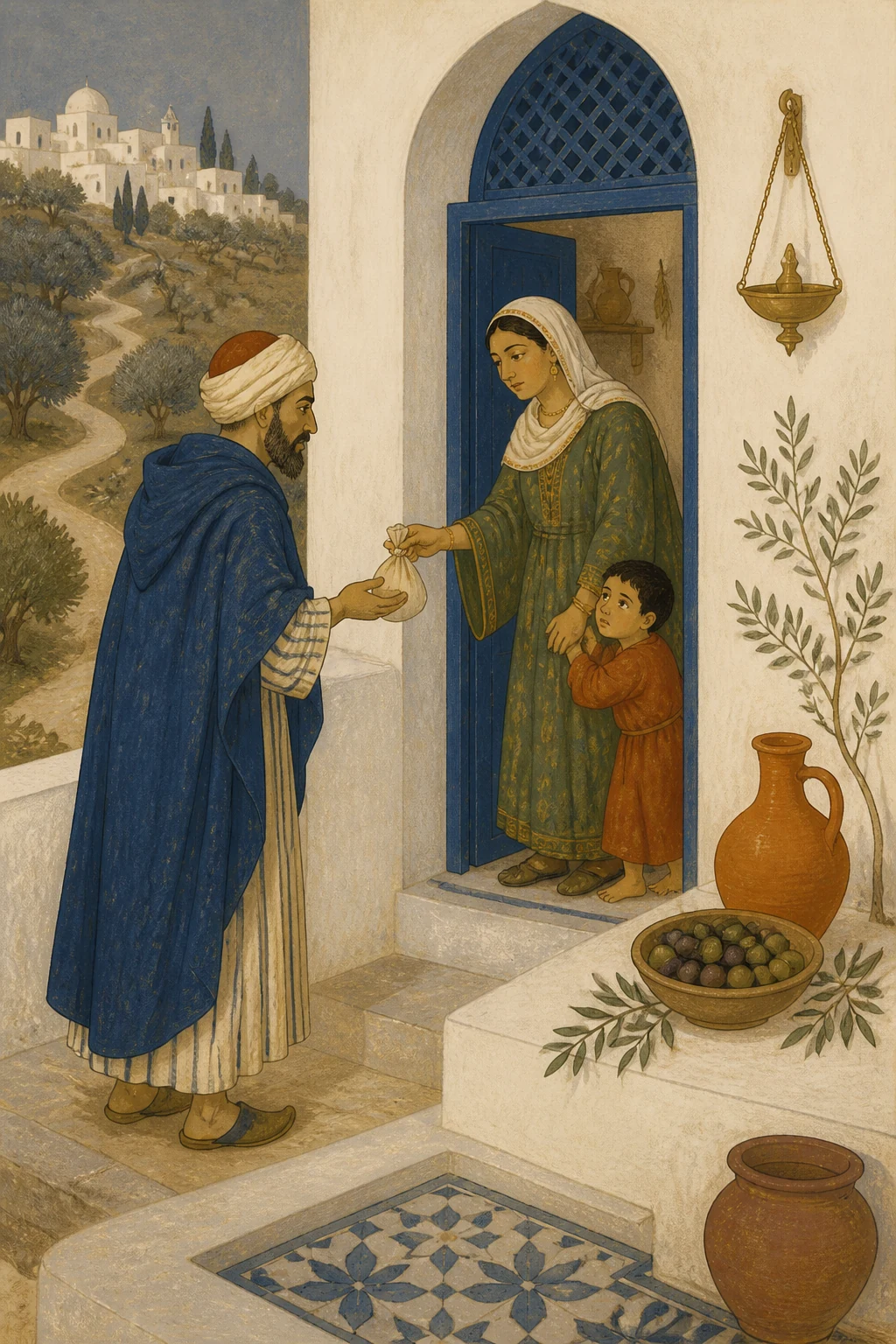
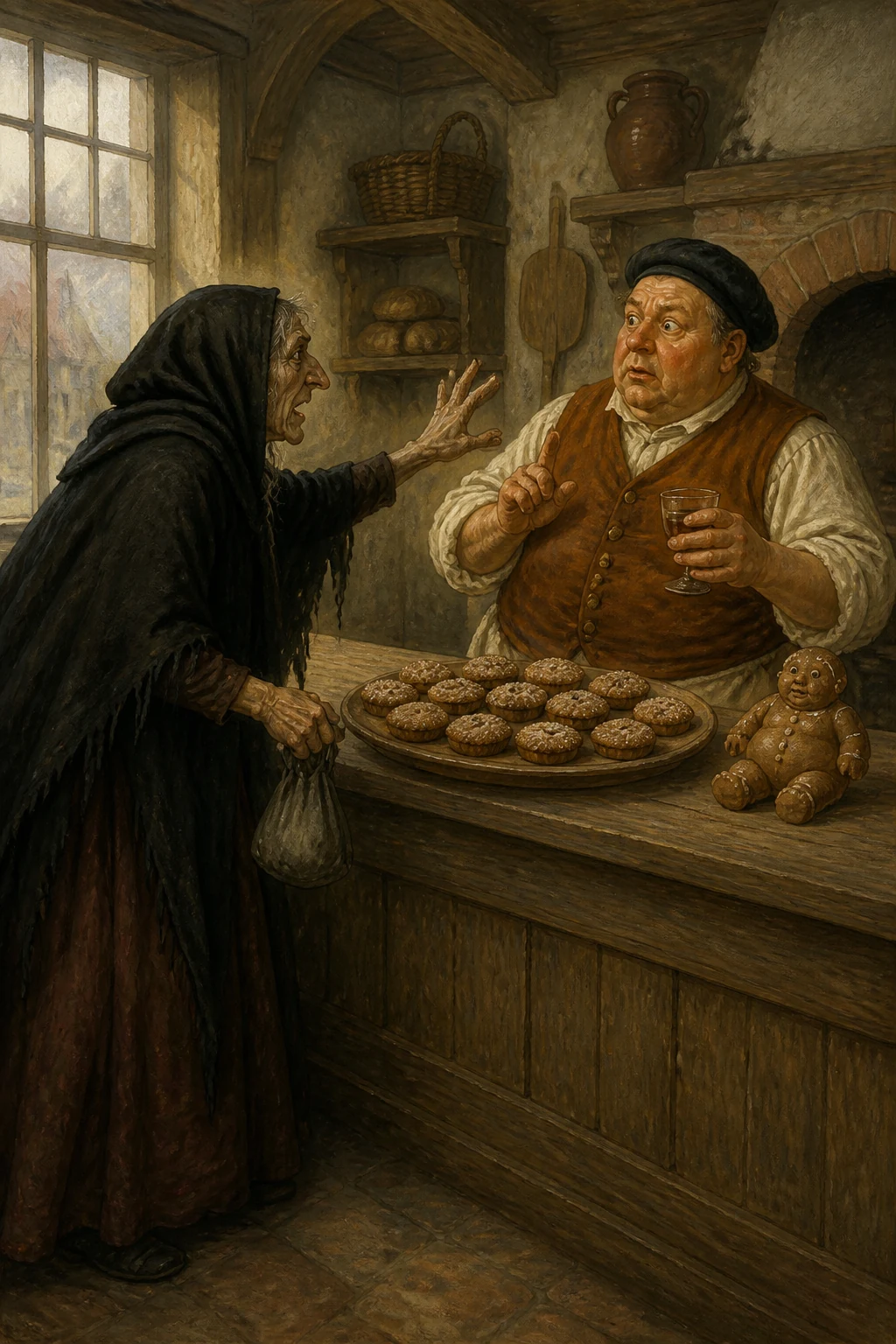
Baas [gospodar] Volckert Jan Pietersen Van Amsterdam je imel v Albanyju pekarno, v zgodovino pa se je zapisal kot mož, ki je izumil novoletne kolačke in pekel medenjake v podobi svojih debelušnih otrok. Čeprav je bil dober in veren mož, mu je življenje grenil strah pred uroki, in morda si je prav zato na zadnji večer leta 1654 privoščil dodaten kozarček žganja: da bi odgnal zle duhove, ki bi ga utegnili še zadnjič poskusiti dobiti v svojo oblast, preden bi z novim letom, kakor je bilo v navadi, obrnil nov list. Prodaja mu je šla dobro in ko je sedel v svoji trgovinici ter zadovoljno premišljeval o zaslužku, ki ga bo imel naslednji dan, ko bodo njegovi nenevarni tekmeci — knikkerbakkers (peki frnikol) — poslali po svojo običajno zalogo olie-koeks in pitic z nadevom iz sesekljanega mesa, ga je zdramil oster trk in vstopila je grda starka. »Dajte mi ducat novoletnih kolačkov!« je zavpila s predirljivim glasom.
»No, potlej pa ni treba tako vpiti. Saj nisem gluh.« »Ducat!« je zakričala. »Dajte mi ducat. Tukaj jih je samo dvanajst.« »No, potlej, dvanajst je pač ducat.«
»Še enega! Hočem ducat.« »No, potlej, če hočete še enega, pojdite k hudiču ponj.« Ali ga je stara vešča vzela za besedo? Zapustila je trgovino in odtlej je bilo videti, kakor da je ubogi Volckert res začaran: kolačke so mu kradli; kruh je bil tako lahek, da je odletel skozi dimnik, kadar ni bil tako težak, da je padel skozi dno peči; nevidne roke so iz iste peči pulile opeke in ga obmetavale z njimi, dokler ni bil ves podplut; žena je oglušela, otroci so hodili zanemarjeni in kupci so začeli zahajati drugam. Starka se je še trikrat prikazala in vsakokrat jo je znova poslal k hudiču; nazadnje pa je pek v obupu poklical svetega Nikolaja, naj pride in mu svetuje. Njegova prošnja je bila uslišana z osupljivo naglico, saj je častitljivi zavetnik nizozemskih praznovanj stal pred njim skoraj še preden jo je izrekel do konca. Dobri svetnik je trepetajočemu možu svetoval, naj bo pri poslovanju z bližnjimi radodarnejši, in potem ko ga je poučil o dobrodelnosti, izginil, ko je — glej! — na njegovem mestu stala starka.
Znova je zahtevala še en kolaček in Volckert Jan Pietersen in tako dalje ji ga je dal, nakar je vzkliknila: »Urok je razbit in odslej šteje ducat trinajst!« S pulta je vzela medenjak v podobi svetega Nikolaja in osuplega Nizozemca pripravila do tega, da je nanj položil roko ter prisegel, da bo v prihodnje odmerjal radodarnejše. Tako je pekovski ducat štel trinajst, vse dokler ni iz razvalin kolonij vzniknilo trinajst novih držav — tedaj pa so prebrisani Jenkiji spet uvedli prvotno mero.
Izvirnik
007 The Baker's Dozen
Naslednje strani prikazujejo izvirno besedilo za primerjavo.
Baas [Boss] Volckert Jan Pietersen Van Amsterdam kept a bake-shop in Albany, and lives in history as the man who invented New Year cakes and made gingerbread babies in the likeness of his own fat offspring. Good churchman though he was, the bane of his life was a fear of being bewitched, and perhaps it was to keep out evil spirits, who might make one last effort to gain the mastery over him, ere he turned the customary leaf with the incoming year, that he had primed himself with an extra glass of spirits on the last night of 1654. His sales had been brisk, and as he sat in his little shop, meditating comfortably on the gains he would make when his harmless rivals--the knikkerbakkers (bakers of marbles)--sent for their usual supply of olie-koeks and mince-pies on the morrow, he was startled by a sharp rap, and an ugly old woman entered. “Give me a dozen New Year's cookies!” she cried, in a shrill voice.
“Vell, den, you needn' sbeak so loud. I aind teaf, den.”
“A dozen!” she screamed. “Give me a dozen. Here are only twelve.”
“Vell, den, dwalf is a dozen.”
“One more! I want a dozen.”
“Vell, den, if you vant anodder, go to de duyvil and ged it.”
Did the hag take him at his word? She left the shop, and from that time it seemed as if poor Volckert was bewitched, indeed, for his cakes were stolen; his bread was so light that it went up the chimney, when it was not so heavy that it fell through the oven; invisible hands plucked bricks from that same oven and pelted him until he was blue; his wife became deaf, his children went unkempt, and his trade went elsewhere. Thrice the old woman reappeared, and each time was sent anew to the devil; but at last, in despair, the baker called on Saint Nicolaus to come and advise him. His call was answered with startling quickness, for, almost while he was making it, the venerable patron of Dutch feasts stood before him. The good soul advised the trembling man to be more generous in his dealings with his fellows, and after a lecture on charity he vanished, when, lo! the old woman was there in his place.
She repeated her demand for one more cake, and Volckert Jan Pietersen, etc., gave it, whereupon she exclaimed, “The spell is broken, and from this time a dozen is thirteen!” Taking from the counter a gingerbread effigy of Saint Nicolaus, she made the astonished Dutchman lay his hand upon it and swear to give more liberal measure in the future. So, until thirteen new States arose from the ruins of the colonies,--when the shrewd Yankees restored the original measure,--thirteen made a baker's dozen.
Nadaljuj z branjem