Waltey
Obešanje v Wessaguscusu
143 The Wessaguscus Hanging
Myths and Legends of Our Own Land · Charles M. SkinnerO besedilu
Obešanje v Wessaguscusu
- Vir
- Myths and Legends of Our Own Land
- Avtor
- Charles M. Skinner
- Jezik branja
- Slovenščina
- Jezik izvirnika
- English
- Čas branja
- 2 min branja
- Obseg
- 2 strani
- Naslov izvirnika
- 143 The Wessaguscus Hanging
O izvirniku
Myths and Legends of Our Own Land
Obsežna zgodovinska zbirka ameriških legend, ki jih je Skinner zbral in avtorsko rekonstruiral. Bralni jezik je Slovenščina, izvirnik pa prihaja iz vira Myths and Legends of Our Own Land v jeziku English.
Besedilo
Obešanje v Wessaguscusu
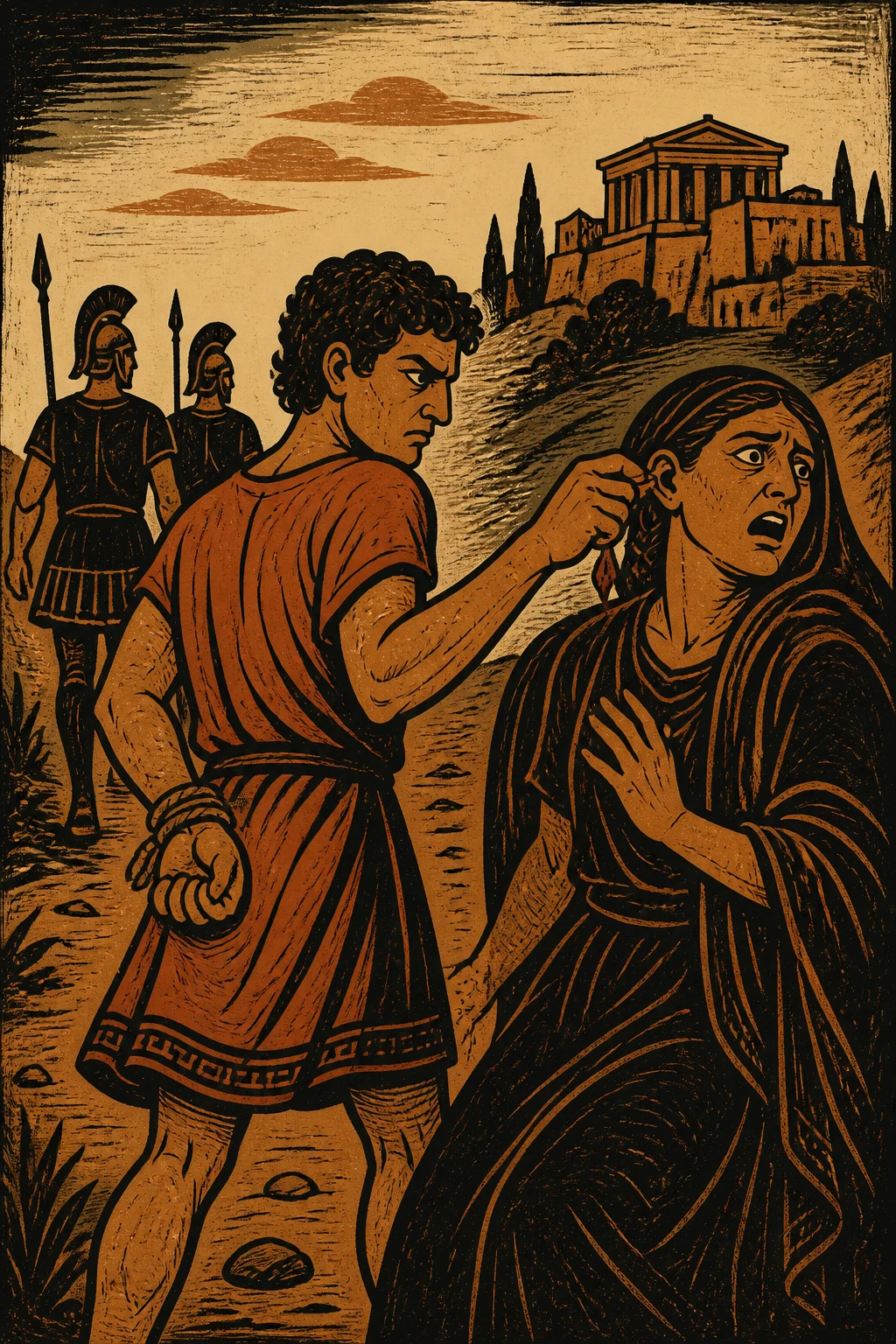
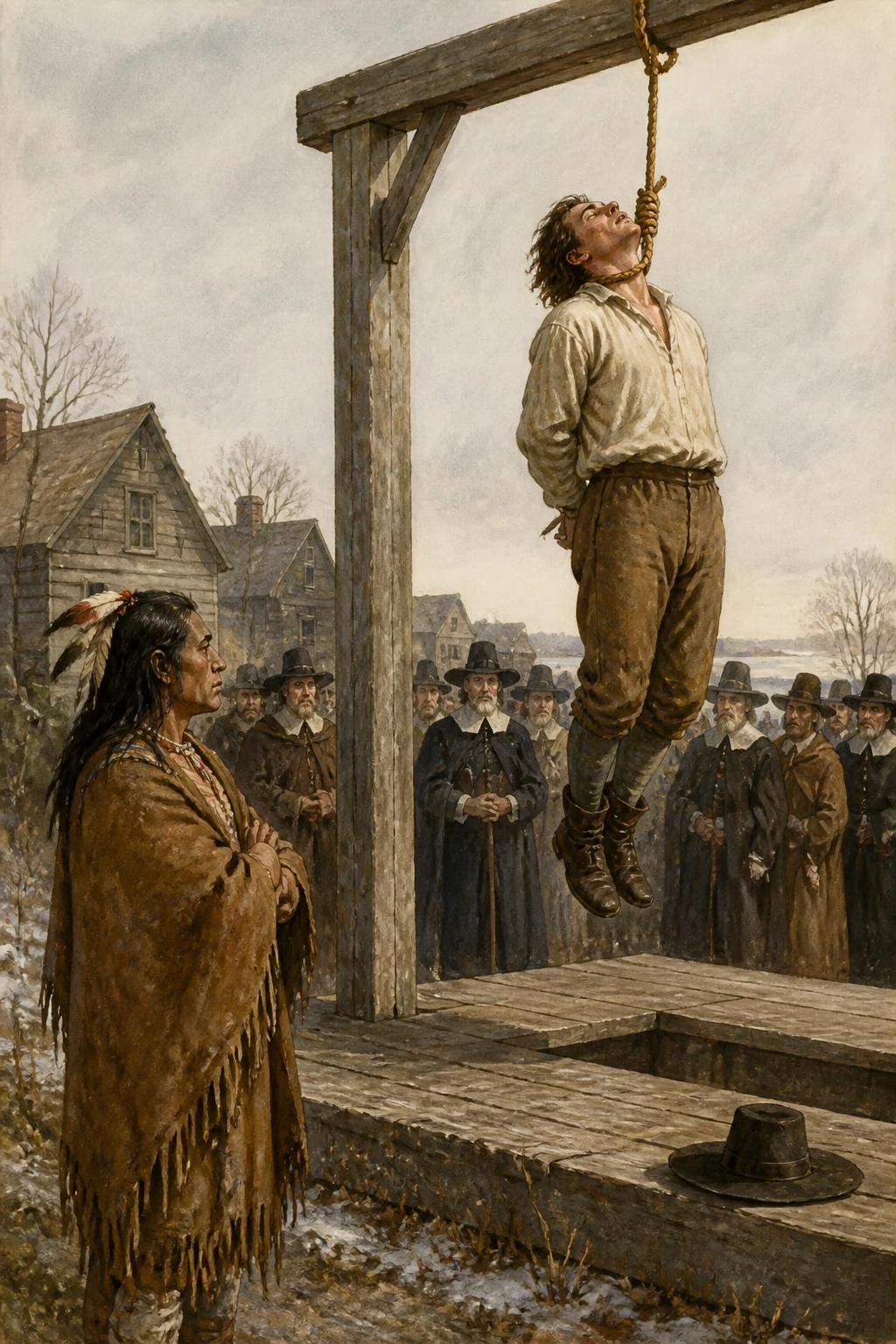
Med puritanci, ki so se naselili v Wessaguscusu, današnjem Weymouthu v Massachusettsu, je bil tudi predrzen mladenič izjemne postave in moči. Ko se je nekega dne potikal po gozdu, je naletel na zalogo koruze, skrito v zemlji po indijanski navadi. Kakor bi storil marsikdo, si je iz te kašče napolnil klobuk in odšel svojo pot. Ko se je Indijanec, ki je izkopal jamo, vrnil k njej, je videl, da je nekdo segel v njegovo zalogo, in ker so stopinje razkrivale, da je bil plenilec Anglež, je šel h kolonistom in zahteval pravico. Zadevo bi bilo mogoče poravnati, če bi Indijancu dali za peni drobnarij, toda ker je bil prekršen moralni zakon, so puritanci menili, da mora tat trpeti kazen.
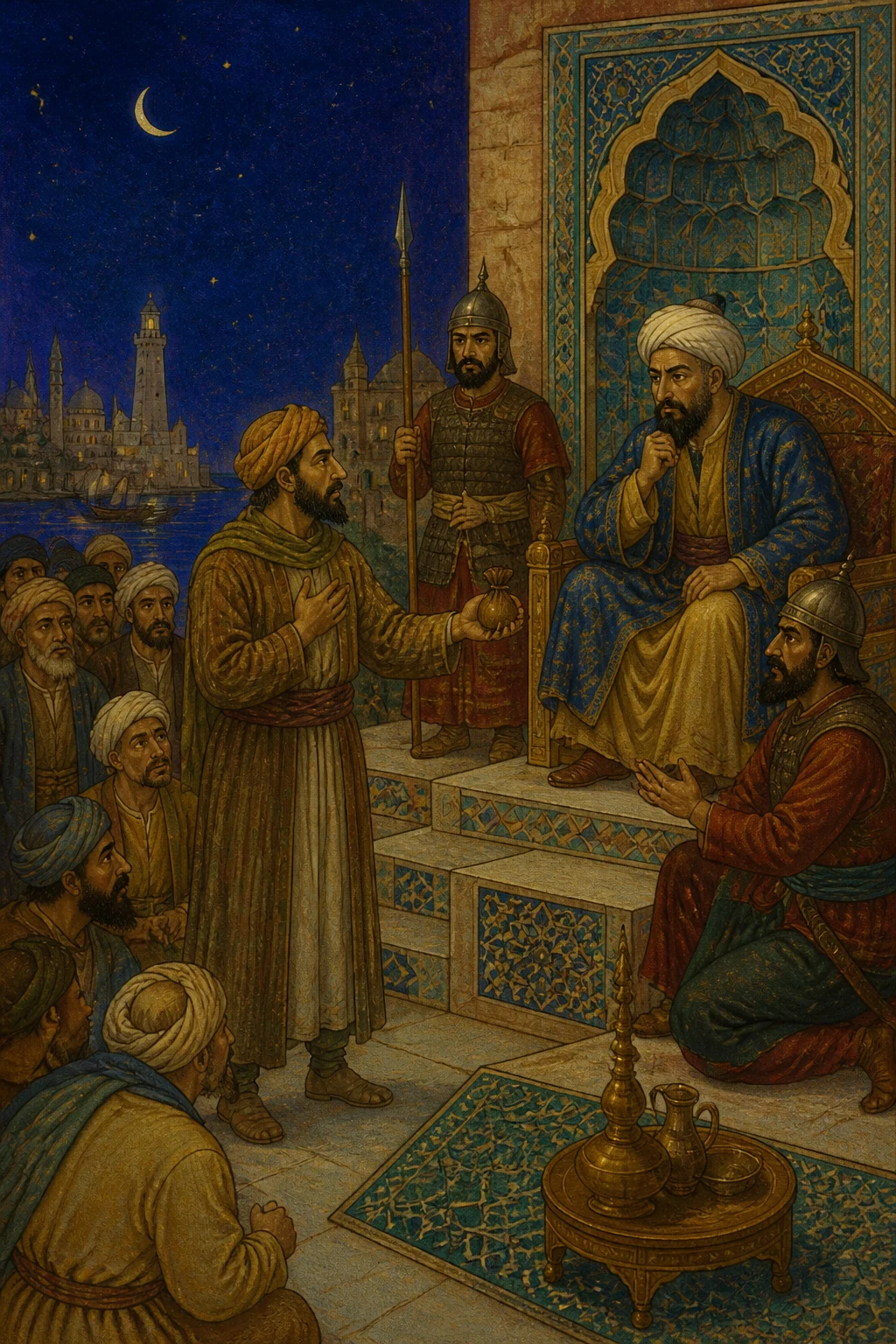
Sklicali so sodišče in nekdo je predlagal, naj krivcu, ker je mlad, krepak in koristen za kolonijo, slečejo obleko ter vanjo oblečejo tkalca, priklenjenega na posteljo, ki bi ga nato namesto njega obesili pred očmi užaljenih divjakov. O tem predlogu so resno razpravljali. Vendar so se bali, da bi se Indijanci, če bi izvedeli resnico o usmrtitvi, naučili škodljive lekcije iz prevarantstva, zato so sklenili kaznovati pravega prestopnika. Ta je mislil, da se šalijo, in se je pustil zvezati, čeprav bi lahko pred tem »počistil« sodno dvorano; še preden pa se je zares zavedel namere svojih sodnikov, je že brcal v prazno.
Butler v »Hudibrasu« navaja to zgodbo, vendar prestopek prikaže kot hujši: »Ta vrli brat je v času miru ubil Indijanca, ne iz zlobe, temveč zgolj iz gorečnosti, ker je bil nevernik. Mogočni Tottipotimoy je k našim starešinam poslal odposlanca, ki se je bridko pritožil zaradi kršitve zavezništva.«
Toda puritanci so ob misli, da je prestopnik učitelj in čevljar, »sklenili, da mu prizanesejo; da pa bi tudi Indijancu Hoghan Moghanu zagotovili nepristransko pravico, so namesto njega obesili starega tkalca, priklenjenega na posteljo.«
Celotna zgodba je zavita v meglo in bralec lahko sprejme tisto različico, ki mu bolj ugaja.
Izvirnik
143 The Wessaguscus Hanging
Naslednje strani prikazujejo izvirno besedilo za primerjavo.
Among the Puritans who settled in Wessaguscus, now Weymouth, Massachusetts, was a brash young fellow, of remarkable size and strength, who, roaming the woods one day, came on a store of corn concealed in the ground, in the fashion of the Indians. As anybody might have done, he filled his hat from the granary and went his way. When the red man who had dug the pit came back to it he saw that his cache had been levied on, and as the footprints showed the marauder to be an Englishman he went to the colonists and demanded justice. The matter could have been settled by giving a pennyworth of trinkets to the Indian, but, as the moral law had been broken, the Puritans deemed it right that the pilferer should suffer.
They held a court and a proposition was made and seriously considered that, as the culprit was young, hardy, and useful to the colony, his clothes should be stripped off and put on the body of a bedridden weaver, who would be hanged in his stead in sight of the offended savages. Still, it was feared that if they learned the truth about that execution the Indians would learn a harmful lesson in deceit, and it was, therefore, resolved to punish the true offender. He, thinking they were in jest, submitted to be bound, though before doing so he could have “cleaned out” the court-room, and ere he was really aware of the purpose of his judges he was kicking at vacancy.
Butler, in “Hudibras,” quotes the story, but makes the offence more serious--
“This precious brother, having slain, In time of peace, an Indian, Not out of malice, but mere zeal, Because he was an infidel, The mighty Tottipotimoy Sent to our elders an envoy Complaining sorely of the breach Of league.”
But the Puritans, having considered that the offender was a teacher and a cobbler,
“Resolved to spare him; yet, to do The Indian Hoghan Moghan, too, Impartial justice, in his stead did Hang an old weaver that was bed-rid.”
The whole circumstance is cloudy, and the reader may accept either version that touches his fancy.
Nadaljuj z branjem