Prevod
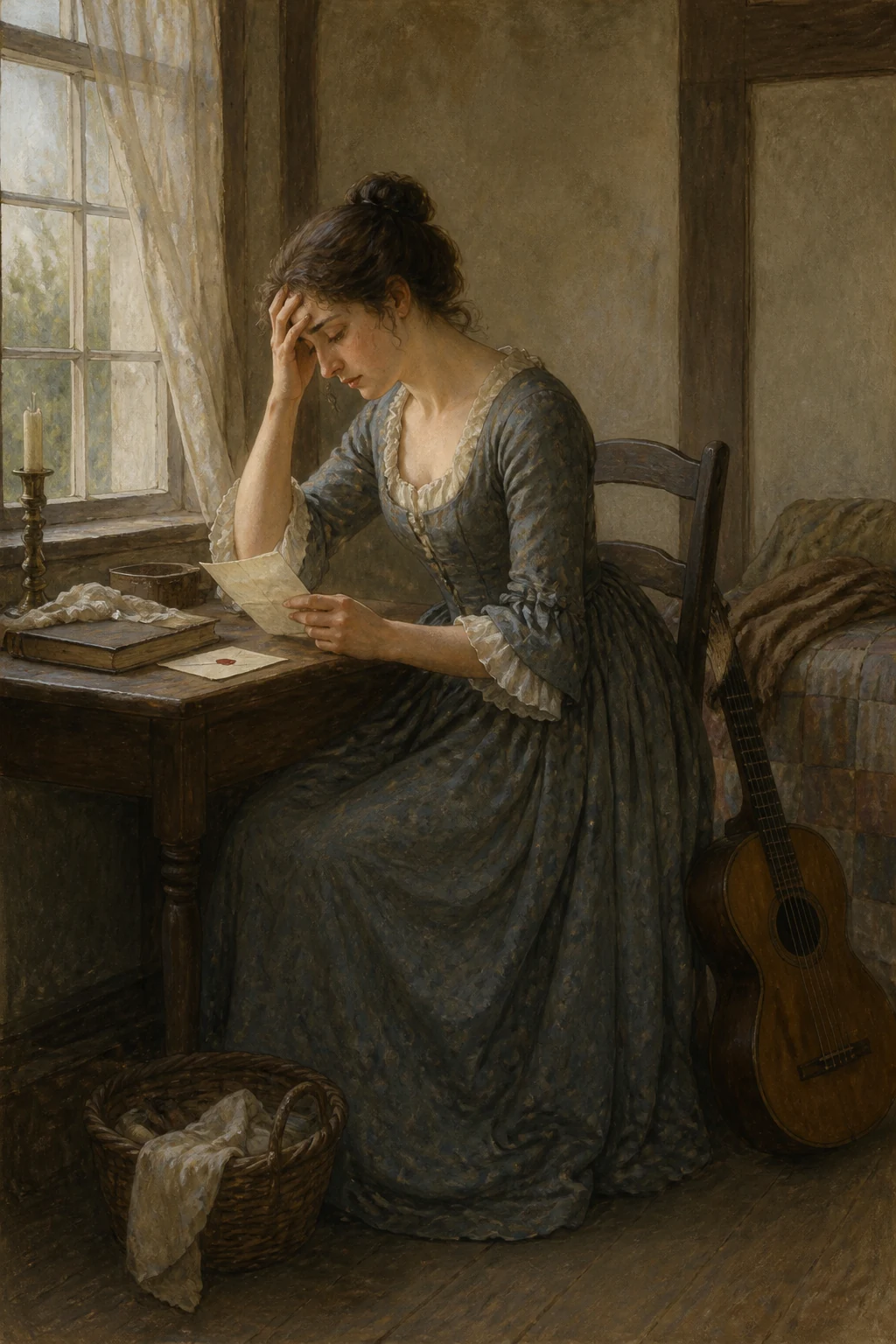
During the Yuanjia era of Emperor Huan of Han, the women of the capital took to “sorrowful brows,” “tearful makeup,” the “fallen-horse chignon,” the “bent-waist gait,” and the “aching-tooth smile.” “Sorrowful brows” were drawn thin and crooked. “Tearful makeup” was lightly dabbed beneath the eyes, as though tears had fallen there. The “fallen-horse chignon” was piled to one side. In the “bent-waist gait,” the feet did not fall directly beneath the body. The “aching-tooth smile” was like the expression of someone with a toothache: a show of pleasure without gladness. These fashions began with Sun Shou, wife of the General-in-Chief Liang Ji. The women of the capital embraced them as one, and they were imitated throughout the Chinese realm. It was as though Heaven were warning: “Troops and horsemen will come to make arrests. The women will grieve, knitting their brows and weeping. Officers and soldiers will wrench and drag them, bending their backs and waists and pulling their chignons askew. Though they force themselves to speak and smile, there will be no life left in them.” In the end, Liang Ji and his entire clan were put to death.