Prevod
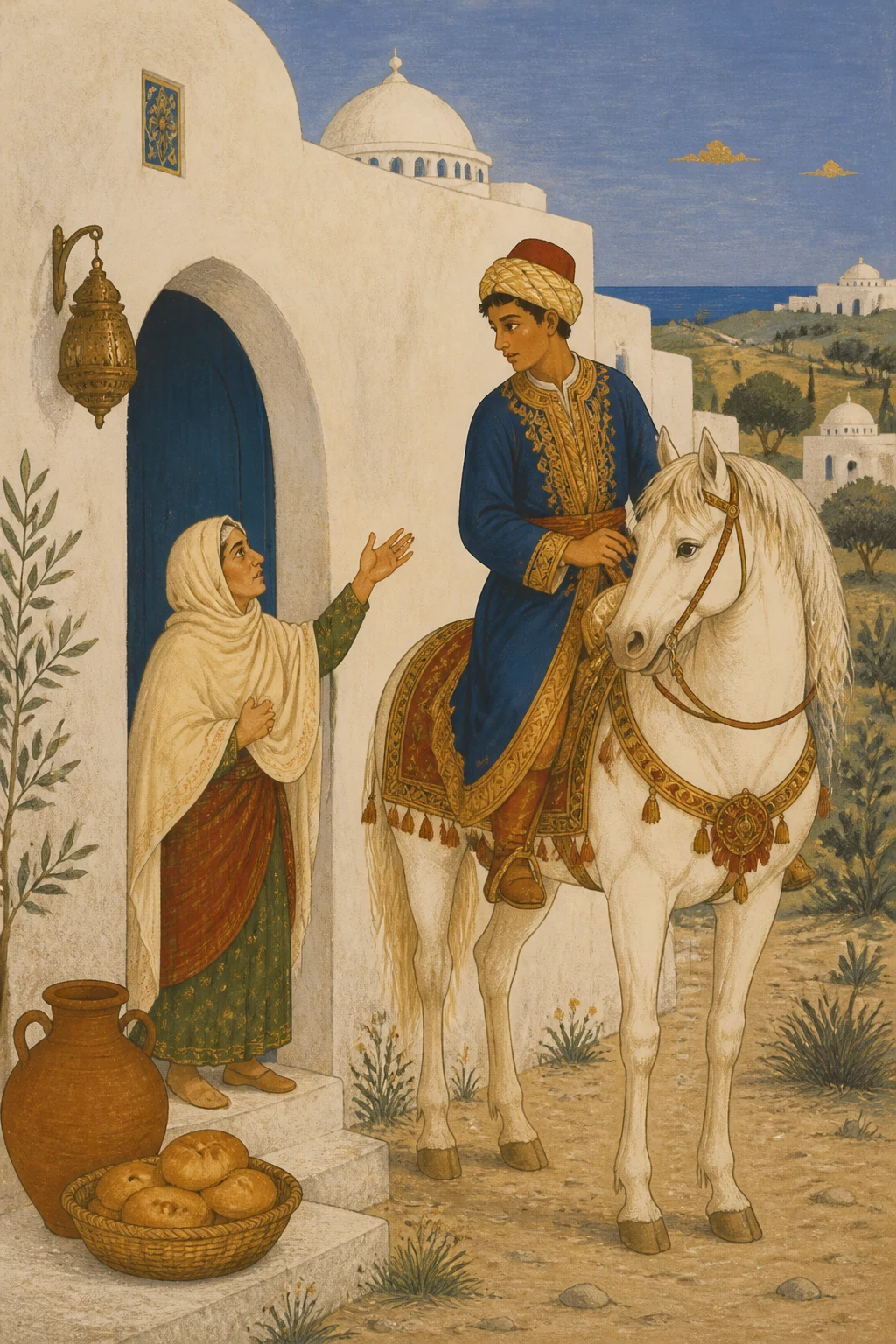
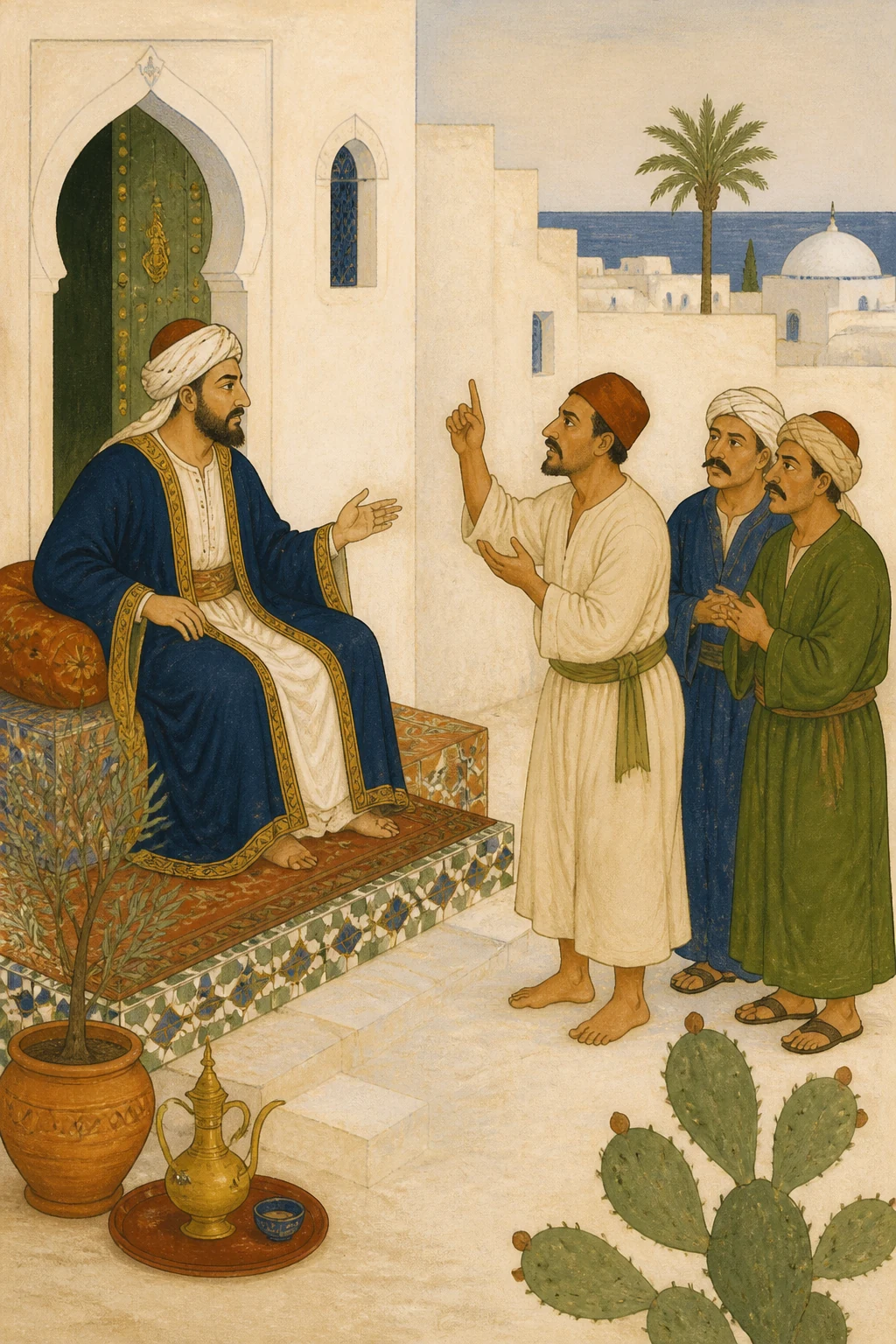
Long ago, in the province of Bitchū, there lived a district governor whose son was called Hiki no Makito. While still a young man, Makito had a dream and went to a woman who interpreted dreams to learn its meaning. After she had interpreted it, he stayed talking with her for a while. Presently he heard the voices of a party approaching. It was Tarō, the eldest son of the provincial governor, a youth of seventeen or eighteen. What sort of disposition he had is not known, but he was handsome. Four or five men accompanied him. “Is this the dream interpreter’s house?” he asked. “It is, my lord,” replied one of his attendant samurai as they came up to the house. Makito withdrew into an inner room at the back and peered out through a hole. The young lord entered and said, “I have had such and such a dream. What does it mean?” Then he recounted it to the woman. After listening, she said, “What an extraordinary dream! You are certain to rise to the rank of minister. It is a most auspicious dream indeed. But take care, take great care—tell no one of it.” Looking delighted, the young lord took off his robe, gave it to the woman, and departed. Makito then came out of the room and said to her, “They say a dream can be taken from its dreamer. Let me have that young lord’s dream. The provincial governor will return to the capital when his four years are over, but I belong to this province and shall remain here all my life. Besides, as the district governor’s son, I am the one whose goodwill you ought to value.” “It shall be as you wish,” the woman replied. “Then enter just as that young lord did, and recount the dream he told me without changing the slightest detail.” Delighted, Makito came in just as the young lord had done and recounted the dream. The woman gave him the same interpretation. Makito was overjoyed; he took off his robe, gave it to her, and went away. Afterward, he devoted himself to reading and study, advancing effortlessly until he became a man of great learning. The court heard of him, and when his knowledge was tested, it proved profound indeed. He was therefore sent to China to pursue his studies thoroughly. He remained there a long time, learning all manner of things, and then returned home. The emperor thought him a man of remarkable wisdom and promoted him step by step until at last he became a minister. Thus, taking another person’s dream is a powerful thing indeed. As for the son of the governor of Bitchū whose dream had been taken, he ended his days without even holding office. Had his dream not been taken, he might have risen to be a minister himself. That is why, as the tale has been handed down, one must never tell one’s dreams to others.