Prevod
She said: It has reached me, O fortunate King, that there was once a merchant who was exceedingly jealous and had a wife of great beauty and loveliness. So fearful and jealous was he over her that he would not live with her in any town, but built her a palace outside the city, standing apart from all other buildings. He raised its walls high, strengthened its foundations, fortified its doors, and fitted them with secure locks. Whenever he wished to go into the city, he locked the doors, took the keys with him, and hung them about his neck. One day, while he was in the city, the son of its king rode out to take his pleasure in the open countryside. As he gazed for a long while over that empty expanse, the palace caught his eye, and he saw a magnificent young woman looking out from one of its windows. The sight of her beauty and loveliness left him bewildered, and he longed to reach her, but could find no way. So he called one of his servants, who brought him an inkstand and a sheet of paper, and he wrote upon it an account of his love. He fastened the letter to the point of an arrow and shot it into the palace grounds. It fell beside her as she was walking in the garden, and she said to one of her maids, “Hurry and bring me that paper.” She knew how to read, and when she read it and learned of the love, longing, and passion that had overcome him, she wrote an answer, telling him that the love which had taken hold of her was greater still than his. Then she looked out from a palace window, saw him, and cast down her reply, her longing growing ever more intense. When he saw her, he came beneath the palace wall and said, “Let down a thread, so that I may tie this key to it and you may draw it up.” She let down a thread, and he tied the key to it. Then he went away to his viziers and complained to them of his love for the young woman and his inability to endure being parted from her. One of them said, “What plan would you have me carry out?” The prince replied, “I want you to put me in a chest and leave it in this merchant’s keeping at his palace, claiming that the chest is yours, so that I may enjoy my desire with the young woman for a few days. Then you can ask for the chest back.” The vizier said, “Most gladly, and with all honour.”
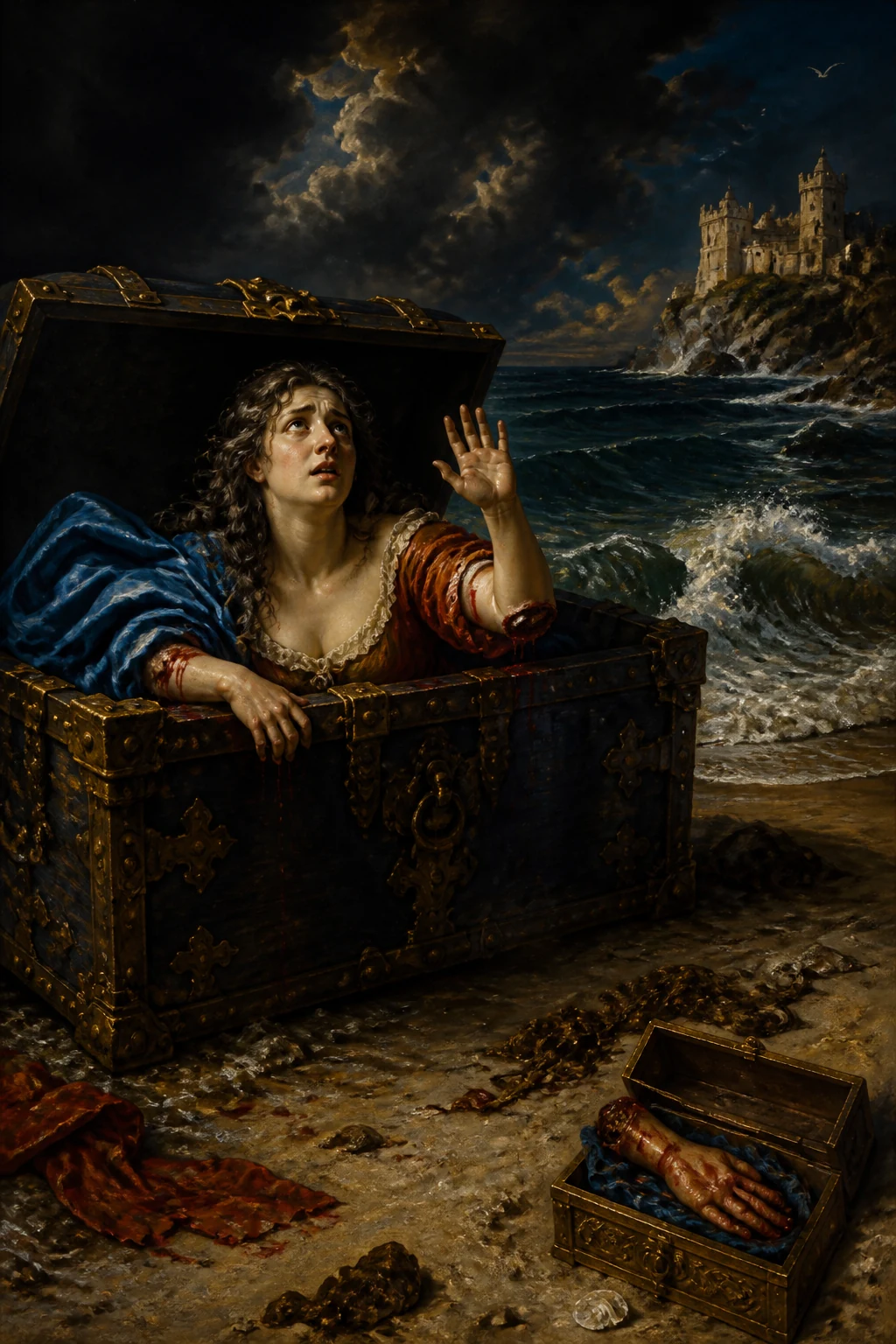
When the prince returned home, he put himself inside a chest he had there, and the vizier shut him in and took it to the merchant’s palace. The merchant came before the vizier and kissed his hands, then said, “Perhaps my lord the vizier has some service or need that we may have the good fortune to fulfil.” The vizier replied, “I wish you to keep this chest in the safest place you have.” The merchant told the porters, “Carry it in.” He had it brought into the palace and placed in a storeroom, then went out about some business. The young woman went to the chest and opened it with the key she had, and out stepped a youth as lovely as the moon. When she saw him, she dressed in her finest clothes and took him to the reception hall, where she sat with him, eating and drinking, for seven days. Whenever her husband came home, she put the prince in the chest and locked him in. One day the king asked after his son, and the vizier hurried to the merchant’s house and asked for the chest. But morning overtook Shahrazad, and she fell silent, leaving off her permitted tale.
Then, when it was the five hundred and ninety-second night,
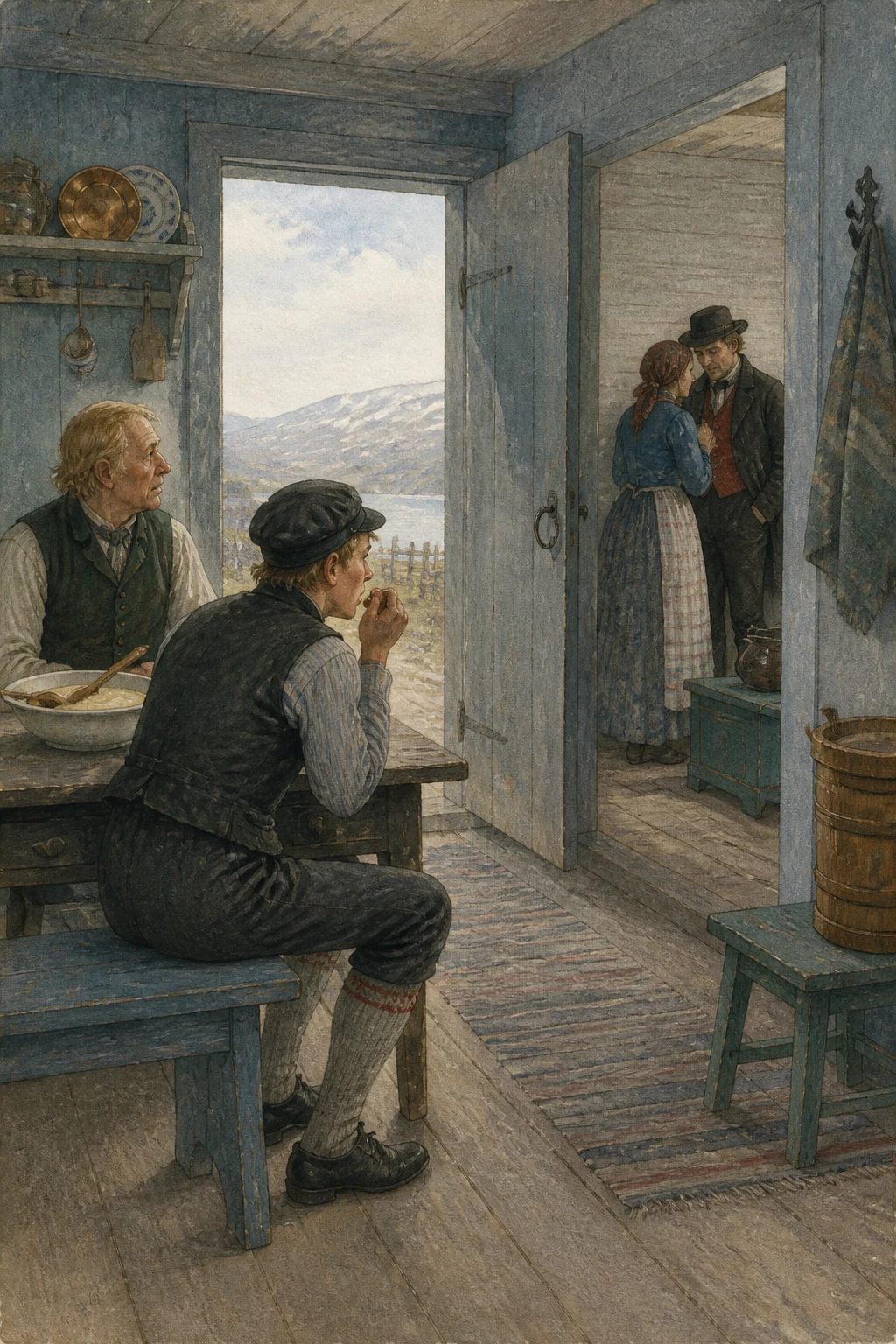
She said: It has reached me, O fortunate King, that when the vizier came to the merchant’s house to ask for the chest, the merchant hurried to his palace at an unaccustomed hour and knocked at the door. The young woman heard him, took the prince, and put him in the chest, but in her confusion forgot to lock it. When the merchant entered with the porters, they lifted the chest by its lid, which came open, and there they saw the prince lying inside. The merchant recognized him and went out to the vizier, saying, “Come in yourself and take the prince, for none of us dares lay hands on him.” So the vizier went in and took him away, and they all departed. Once they had gone, the merchant divorced the young woman and swore that he would never marry again.